
Travel

How UNESCO Heritage Sites are Integrating Climate Action - Green Initiative

How UNESCO Designated Sites are Integrating Climate Action

Bonito and Machu Picchu: The Power of Twin UNESCO Designated Sites Pioneering Climate Action in Tourism In a time where climate change poses significant challenges to our planet, the tourism industry is stepping up to play a crucial role in mitigating its impact through the Glasgow Declaration for Climate Action in Tourism. In this context, two iconic cultural and ecotourism destinations are leading the way in climate action in tourism. Bonito, located in the Brazilian Pantanal and recognized as a UNESCO Biosphere Reserve, and Machu Picchu, situated in the Peruvian Andes and recognized as a UNESCO Mixed World Heritage Site, integrate climate mitigation best practices into their tourism development models. The results achieved so far, through the climate certification of both destinations, have consistently showcased that through well-informed and pragmatic action, the development of tourism in UNESCO Biosphere Reserves and Mixed World Heritage Sites can go hand in hand with the decarbonization of tourism destinations, generating positive impacts on both the local economy and the climate. Bonito and Machu Picchu: Laboratories for Climate Mitigation Action and Expertise Development Bonito, located in Mato Grosso do Sul, Brazil, was designated a UNESCO Biosphere Reserve in 2000. Bonito has long been a reference for sustainable tourism, known for its crystal-clear rivers, stunning waterfalls, and rich biodiversity. Similarly, Machu Picchu, the ancient Incan citadel nestled in the Andes Mountains of Peru, was declared a UNESCO Mixed World Heritage Site in 1983. In collaboration with the Green Initiative, both UNESCO destinations, Bonito and Machu Picchu, have embarked on a transformative journey to net-zero emissions through a rigorous climate-certification process that involves: In 2021, the tourism destination of Bonito had a total of 17,829.42 tCO2eq emissions. Around 51% of its footprint was related to the consumption of fuels by ground mobile sources, such as cars and buses used by tourists in their visits. The second largest emission was the decomposition of solid residues (22.32%), followed by electricity consumption (6.02%). In the development of Bonito’s Climate Action Plan, several actions were defined to address these core emissions, such as stimulating the use of biofuels, conversion and availability of electric vehicles, waste management improvements in the public system, community engagement in the circular economy, and carbon capture enhancements by promoting ecosystems restorations. On the other hand, in 2022, Machu Picchu successfully reduced its emissions to 7,117.55 tCO2eq, an 18.77% decrease from the 2019 base year. Four processes were implemented to reuse recoverable waste: Additionally, electric vehicles were introduced to transport the generated waste, and waste segregation points were established throughout the district, among other actions. The new waste management processes significantly reduced 40.80 tCO2eq, 2.5 times more than in 2019. Carbon capture from ecological restoration, where 6,596 native trees were planted in degraded areas, capturing 5,055.17 tCO2eq, led to a net emission balance of 2,062.38 tCO2eq. Machu Picchu’s carbon footprint has been fully offset with 2,155 carbon credits from the REDD+ Brazil Nut Concessions project by Bosques Amazónicos (BAM), which protects over 600,000 hectares of megadiverse forests and supports more than 800 Amazon Brazil nut harvesting families in Madre de Dios, Peru. By integrating climate action into their core business models, these destinations are setting new standards for sustainable tourism at UNESCO heritage sites. As Jose Salazar Ríos, Coordinator of the Culture Sector at UNESCO Peru, highlights: “Machu Picchu, one of the 13 World Heritage sites that Peru has, is an inspiring example of how tourism can be integrated with climate action, thus contributing to the sustainability and conservation of World Heritage.“ The Glasgow Declaration on Climate Action in Tourism The Glasgow Declaration on Climate Action in Tourism is a pivotal framework for mobilizing the tourism sector to act decisively on climate change. Launched at the UN Climate Change Conference (COP26) in Glasgow, the Declaration commits signatories to halve emissions by 2030 and achieve net zero by 2050 at the latest. By aligning with the pathways to the Paris Agreement, the Declaration provides a clear roadmap for tourism stakeholders to integrate climate action into their business models. It encourages collaboration across the industry, promoting the sharing of best practices, resources, and innovative solutions to accelerate decarbonization. Bonito and Machu Picchu are exemplary participants in this global movement, demonstrating how UNESCO heritage sites can lead by example in integrating comprehensive climate strategies into their tourism operations. Through initiatives such as these, the Glasgow Declaration aims to unify the tourism industry in the fight against climate change, fostering a collective effort to protect our planet for future generations. The Power of Twin UNESCO Designated Sites in Climate Mitigation The collaboration between Bonito and Machu Picchu, as climate-smart twin cities, holds immense potential for climate mitigation and expertise development worldwide. By sharing best practices, resources, and innovative solutions, they can amplify their impact on reducing tourism-related emissions and serve as a reference for other UNESCO Designated Sites worldwide. According to Sofia Gutierrez, Deputy Director of Sustainable Tourism at UN Tourism: “The experience of Machu Picchu as a signatory of the Glasgow Declaration can be a reference for other tourist destinations in Peru and around the world. In addition to being a natural and cultural treasure, Machu Picchu is also an inspiring example of how the growth of tourism and decarbonization can and should go hand in hand.“ Emerging Opportunities Final Reflections Bonito, as a UNESCO Biosphere Reserve, and Machu Picchu, as a UNESCO Mixed World Heritage Site, both as Carbon Neutral destinations, can provide the tourism industry significant insights into the fight against climate change. Their reinforcement of bilateral collaboration as climate-smart twin cities holds the potential to drive substantial progress in decarbonizing tourism and promoting sustainable development both locally and worldwide. By working together, they can inspire other destinations to follow suit, creating a ripple effect that contributes to a more sustainable and resilient planet. As we look to the future, Bonito’s and Machu Picchu’s partnership serves as a testament to the power of collaboration in addressing the pressing challenges of climate change. Together, they are preserving their natural and cultural

How UNESCO Designated Sites are Integrating Climate Action Read More »
Machu Picchu Achieves Significant Reduction in Carbon Emissions Since 2021 Certification

From Heritage to Habitats: The Journey of Sustainable Conservation from Machu Picchu to the Amazon

In 2014, UNESCO warned that Machu Picchu could be included on the list of endangered heritage sites due to poor waste management. In response, the Inkaterra Hotels Association, the Municipality of Machu Picchu, and the AJE Group implemented a circular economy model to manage waste locally. In 2015, four plants were established to process this waste. In Machu Picchu Pueblo, also known as Aguas Calientes, four tons of organic waste are generated daily due to the large influx of tourists, restaurants, and hotels. This waste is segregated and processed in a pyrolysis plant built in collaboration with Peruvian engineers and the University of Cusco. This plant converts the waste into biochar, a natural carbon that enriches the soil and helps retain carbon dioxide. Additionally, there are PET compaction plants, cardboard segregation plants, and glass processing plants. Plastic bottles are compacted and transported to a recycling plant in Lima, turning them into new bottles. These actions aim to raise awareness about the recyclable value of plastic bottles. Glass bottles are also recycled and pulverized, preventing them from ending up in the Vilcanota River. The resulting sand is mixed with concrete to create paving stones that beautify and reinforce the riverbanks. Some of these white paving stones have already been placed in Machu Picchu, marking certain areas and contributing to the beautification and strengthening of the local infrastructure. According to the World Tourism Organization, tourism activity accounts for around 8% of total CO2 emissions globally. In Peru, according to the Green Initiative, about 5% of total emissions are related to tourism. Therefore, the tourism industry worldwide and in Peru, in particular, must improve its practices and incorporate climate action as a standard between destinations and companies. A fundamental aspect of this change consists of implementing management for reducing carbon emissions (mitigation) and achieving the carbon-neutral certification promoted internationally by the Green Initiative. The certification was granted to Machu Picchu in 2021 by the Green Initiative after a certification cycle lasting five months. During this cycle, the Municipality formalized its climate commitment through the UN Climate Change – Climate Neutral Now program, aligning itself with the objectives of the Paris Climate Agreement and the recommendations for low-carbon tourism reactivation promoted by the One Planet program of the World Tourism Organization. These results confirm that tourism activity and the generation of carbon emissions are directly related, exhibiting a positive correlation. To reach its goal of reducing carbon emissions by 45% by 2030, Machu Picchu must promote tourism’s reactivation and economic recovery without increasing carbon emissions. Now, in June 2024, Machu Picchu has renewed its certification as the First Carbon Neutral UNESCO Designated Site, underscoring Machu Picchu’s commitment to sustainability and decarbonization, which continues to lead in sustainable tourism through innovative environmental initiatives and collaborative efforts. Moreover, Machu Picchu has made substantial progress in reducing carbon emissions. The total carbon footprint for 2022 was 7,117.55 tCO2eq, representing an 18.77% reduction compared to the 2019 baseline. REDD+ Brazil Nut Concessions: Pioneering Conservation and Sustainable Development in the Amazon Following the successful waste management initiatives in Machu Picchu, efforts to offset its carbon footprint led to the REDD+ Brazil Nut Concessions conservation project. Developed by the Peruvian company Bosques Amazónicos (BAM), an ally of Green Initiative, this project protects over 600,000 hectares of unique megadiverse forests in partnership with more than 800 castañeros families in Madre de Dios, Peru. The REDD+ Brazil Nut Concessions project stands out for its scale and impact. It safeguards the chestnut forests, which are home to incredible biodiversity. For over 14 years, BAM, the Green Initiative, and the concessionary families have been united in their mission to protect these forests from the looming threats of deforestation. Their approach combines sustainable economic development with environmental conservation, ensuring that the local community benefits alongside the environment. A core principle of the REDD+ Brazil Nut Concessions project is promoting economic development in harmony with nature. The project has implemented an integrated system for forest monitoring. It provides continuous technical and legal assistance to concessionary families. These families receive ongoing training in sustainable forest management, empowering them to protect their natural resources while enhancing their livelihoods. The project also offers direct economic benefits to the castañeros partners. It has developed sustainable, productive alternatives to improve the community’s quality of life. Photos by Walter H. Wust In addition to its economic and social impacts, the REDD+ Brazil Nut Concessions project makes significant strides in biodiversity conservation. Scientific expeditions as part of the BAM Science Program leverage technology and innovation to monitor the biodiversity of the chestnut forests with active participation from the castañeros community. This ensures that the conservation efforts are both scientifically robust and community-driven. Notable achievements include: These accomplishments highlight the project’s role in mitigating climate change, conserving biodiversity, and fostering sustainable development. It is a global model for integrating economic growth with environmental stewardship and community empowerment. A Model for Global Conservation The REDD+ Brazil Nut Concessions project serves as a model for conservation efforts worldwide. Integrating economic development with environmental stewardship and community empowerment demonstrates that protecting our planet’s natural resources can improve human well-being. As the world continues to grapple with climate change and environmental degradation challenges, initiatives like REDD+ Brazil Nut Concessions offer a beacon of hope. They show that innovative approaches and collaborative efforts can create a sustainable future for both people and the planet. To delve deeper into the remarkable work of the REDD+ Brazil Nut Concessions project, download the 2023 Annual Report here. Contact us for further information and supporting Green Initiative’s actions from the Andes to the Amazon. Useful links:

From Heritage to Habitats: The Journey of Sustainable Conservation from Machu Picchu to the Amazon Read More »

Machu Picchu - Reduce Carbon Emission Footprint - Carbon Neutral Climate Certification - Green Initiative

Machu Picchu Achieves Significant Reduction in Carbon Emissions Since 2021 Certification

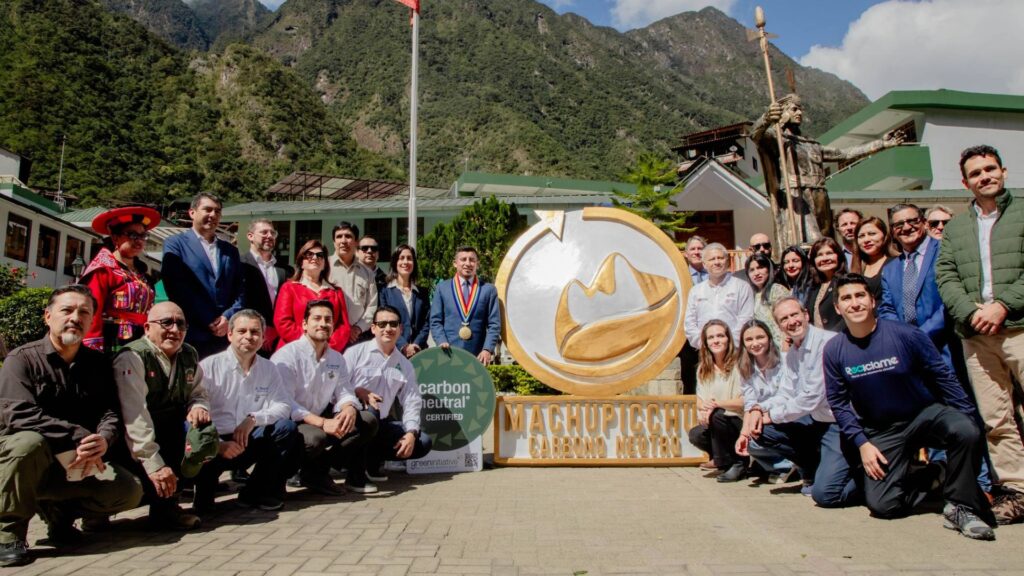
Lima, June 2024 – Machu Picchu has renewed its certification as the First Carbon Neutral UNESCO Designated Site. This prestigious certification, awarded by Green Initiative, underscores Machu Picchu’s commitment to sustainability and decarbonization. Originally certified in 2021, Machu Picchu continues to lead in sustainable tourism through innovative environmental initiatives and collaborative efforts. Significant Reductions in Carbon Emissions Since its initial certification in 2021, Machu Picchu has made substantial progress in reducing carbon emissions. The total carbon footprint for 2022 was 7,117.55 tCO2eq, representing an 18.77% reduction compared to the 2019 baseline. This impressive reduction was achieved through several key strategies: Decarbonization Strategies, Innovative Waste Management and Circular Economy, and Nature Positive Initiatives Machu Picchu’s approach to waste management and circular economy has been integral to maintaining its carbon-neutral status. The renewal of Machu Picchu’s carbon-neutral certification highlights the success of various decarbonization strategies. These include: These measures have substantially reduced Machu Picchu’s carbon footprint, making it a model for sustainable tourism worldwide. Key Highlights: Collaborative Efforts for Sustainability This achievement was made possible through the collaboration of various stakeholders, including the Municipality of Machu Picchu, Grupo AJE, Inkaterra, and Tetra Pak. Support also came from World Xchange, Luz del Sur, Bosques Amazónicos (BAM), Latam, PROMPERÚ, and the National Chamber of Tourism of Peru (CANATUR). “We are proud to announce that Machupicchu renews its ‘First Carbon Neutral’ certificate. This achievement represents a significant milestone in our effort to promote circular economy models and sustainable cities, where for example, we give new life to bottles, such as Cielo Alcalina which is made 100% from recycled bottles,” says Jorge López-Doriga, Chief Communications and Sustentability Officer in AJE Group. “As a pioneer of regenerative tourism in Peru, Inkaterra is committed to conserving the natural heritage of Machupicchu,” states José Koechlin, founding president of Inkaterra. “This alliance is a success story about the goals that can be achieved when public and private sectors work hand in hand. With the support of the local community, the first destination in Latin America with a circular economy has been achieved. We Peruvians enjoy the privilege of having this cultural and natural heritage of humanity, which entails the great responsibility of caring for it for future generations.” “The result achieved in Machupicchu is the result of significant collaborative effort; however, it is necessary to attract more financial and intellectual capital, with the help of national and international actors, to expand and scale up the accumulated experience. The world needs references in climate action in tourism, and Machupicchu can be a great laboratory for climate action and circular economy of global interest,” states Tatiana Otaviano, Head of Relationship Management at Green Initiative. Mónica Montes, Sustainability Manager of Tetra Pak Andina, specifies the valuable role that the actors in the recycling chain in the country have played in achieving such an important achievement. “At Tetra Pak, we firmly believe in shared responsibility, so the contribution of major allies such as AJE, Inkaterra, the State, among others, allows the renewal of the certification of Machupicchu as a Carbon Neutral Destination to be a testimony of success. From Tetra Pak, we will continue with the commitment to make our packaging contribute to the circular economy and significantly reduce our carbon footprint, thus contributing to a better future,” commented the executive. Global Recognition and Future Goals Machu Picchu’s renewed carbon-neutral certification has received international recognition from UN Tourism, UNESCO, and UN Climate Change. Publications like Lonely Planet have also highlighted this achievement, naming Machu Picchu as one of the ‘Top 10 Best World Tourism News’ in 2021. The ongoing efforts to maintain and enhance Machu Picchu’s sustainability practices demonstrate a broader commitment to combating climate change. This milestone serves as an inspiration for other tourist destinations worldwide, showcasing the benefits of integrating climate action into tourism. As we celebrate this achievement, it is essential to continue fostering public and private partnerships and securing investments to sustain and expand these efforts. Machu Picchu’s journey towards a fully decarbonized future is a beacon of hope and a blueprint for sustainable tourism globally.

Machu Picchu Achieves Significant Reduction in Carbon Emissions Since 2021 Certification Read More »

Machu Picchu - The First UNESCO Designated Site To Renew Its 'Carbon Neutral' Certification - Green Initiative

Machu Picchu – The First UNESCO Designated Site – To Renew Its ‘Carbon Neutral’ Certification

On June 27th, 2024, Machu Picchu will proudly announce the renewal of its prestigious certification as the world’s first Carbon-Neutral UNESCO Designated Site, granted by the Green Initiative. This achievement follows a rigorous certification process that began in 2021, involving comprehensive analyses of scopes 1, 2, and 3 emissions. This time, the carbon footprint data will be compared to its baseline to verify its climate mitigation performance. Since its initial certification, Machu Picchu has been at the forefront of decarbonization efforts. Through a combination of innovative decarbonization practices such as the restoration of degraded areas, waste pyrolysis, biodiesel production from recycled oils, and the implementation of PET plastic and cardboard compactor plants, there are high expectations for the decarbonization results achieved. These efforts have also helped enhance local ecosystems by planting 6,596 native trees across 5 hectares. Recognized by UN Tourism, UNESCO, and other esteemed international bodies, Machu Picchu’s renewal as a Carbon-Neutral UNESCO Designated Site reaffirms its role as a global leader in climate action and circular economy practices. This achievement not only underscores Machu Picchu’s cultural and natural significance but also its unwavering dedication to preserving these treasures for future generations. Behind The Machu Picchu Certification In 2021, Green Initiative, in coordination with the District Municipality of Machu Picchu, along with the strategic collaboration from InkaTerra, AJE Group, SERNANP, and Promperu, certified Machu Picchu as the world’s first Carbon Neutral UNESCO Designated Site. The certification process included a comprehensive analysis of scopes 1, 2, and 3, totaling 7,143.51 tCO2. The certification aims to promote the decarbonization of Machu Picchu´s as as tourism destination, by enhancing public and private collaboration, positioning Machu Picchu as an international reference for climate action in tourism, aligned with the United Nations’ Glasgow Declaration. Additionally, the certification seeks to attract public and private financing to drive investment agendas that will enable the execution of Machu Picchu’s decarbonization plan. This plan will allow the destination to continue its journey towards decarbonization and fulfillment of international commitments under Green Initiative’s Carbon Neutral Certification. Moreover, the certification plays a crucial role in the international positioning of Machu Picchu and Peru as a leading destination, being the world’s first Carbon Neutral UNESCO Designated Site. The certification all generates additional opportunities that add value to Promperu’s and the private sector’s efforts to promote Machu Picchu nationally and internationally as the world’s first Carbon Neutral UNESCO Designated Site. For further updates on Machu Picchu’s journey towards carbon neutrality and sustainable tourism practices, visit greeninitiative.eco. Usefull links:

Machu Picchu – The First UNESCO Designated Site – To Renew Its ‘Carbon Neutral’ Certification Read More »

Continental Travel Peru Pioneering Carbon-Neutral Business Travel with Green Initiative

Continental Travel Peru: Pioneering Carbon-Neutral Business Travel with Green Initiative

Continental Travel is setting the bar high in the business travel industry in Peru with its global commitment to carbon neutrality. At Green Initiative, we are pleased to announce that Continental Travel has started its journey to decarbonize its corporate operations and services. This strategic leadership decision follows several years of investments in sustainability efforts. They have also increased their technical capacities for climate mitigation. “Starting this journey towards carbon neutrality is not just a strategic move for Continental Travel; It’s a way to show our commitment to leading the industry in responsible travel. By measuring, reducing, and offsetting our carbon emissions, we’re setting a new standard for corporate travel services in Peru. We want our clients to know that we are actively contributing to a more sustainable future, with clear, science-based reports on our decarbonization efforts.” As a result, Continental Travel will be positioned as the first corporate business travel operator to achieve Green Initiative’s Carbon Neutral Certification. This achievement will lead the sector into a new standard for low-carbon emissions in corporate travel. Continental Travel is a Peruvian travel operator with over two decades of experience. They have a deep understanding of the international business travel market. Their clients span various industries, including banking, mining, healthcare, energy, and textiles. How Business Travel is Leading the Charge Towards Net-Zero Emissions Business travelers are becoming more committed to achieving net-zero emissions. This includes their own corporate operations and value chains. Marcos Piera, General Director at Continental Travel, states that business travel agencies should not be part of the problem. Instead, they should add value to their corporate clients by measuring, reducing, and offsetting CO₂ emissions. They should also provide consistent and transparent reports with science-based evidence of decarbonization progress. The work led by Continental Travel is innovative but not isolated. Worldwide, the business travel industry is becoming more sophisticated in decarbonizing its services. The power of business travel is significant. Leading flight companies are putting additional pressure on Airbus, Boeing, and Embraer to accelerate progress towards cleaner fuels and more efficient engines. Corporations around the world may reduce business travel due to their need for public pledges and international carbon mitigation goals. By partnering with Green Initiative and undergoing the Carbon Neutral Certification process, Continental Travel is demonstrating its proactive stance in reducing carbon emissions associated with its operations. This initiative aligns with global efforts to combat climate change, such as the Glasgow Declaration for Climate Action in Tourism. This UN initiative aims to catalyze climate and nature-positive action. But what does this mean for business travel? Continental Travel Peru’s bold move toward climate-smart business travel in partnership with Green Initiative is not just about reducing carbon emissions. It’s about leading by example and inspiring positive change within the industry. Take the Next Step Toward Climate-Smart Business Travel Are you ready to elevate your business travel to the next level? Contact us to learn more about our expert advisory services and how your company can become a climate-smart leader in your industry. Join Continental Travel, Green Initiative, and many more businesses that are making a tangible difference for our planet. Written by Tatiana Otaviano, from the Green Initiative team.

Continental Travel Peru: Pioneering Carbon-Neutral Business Travel with Green Initiative Read More »

World's Leading Sustainable Organisation 2024 - Green Initiative

Green Initiative Nominated for World’s Leading Sustainable Organisation 2024

We are delighted to share the news that we have been selected as a 2024 nominee for World’s Leading Sustainable Organisation 2024 In an era where sustainability is more crucial than ever, we are honored to announce that Green Initiative has been nominated for the prestigious “World’s Leading Sustainable Organisation 2024” award by the World Sustainable Travel & Hospitality Awards (WSTHA). This nomination reflects our unwavering commitment to integrating climate action into business models and pioneering sustainable practices in the travel and hospitality industry. Why Your Vote Matters Your vote is not just a gesture of support; it is a powerful statement that sustainable business practices are essential for the future of our planet. By voting for Green Initiative, you are endorsing our efforts. The voting window is open and runs until 2 August. How to Vote Voting for Green Initiative is quick and easy. Simply follow this voting link, select Green Initiative, register and validate your e-mail and cast your vote for “World’s Leading Sustainable Organisation 2024.” Every vote brings us one step closer to achieving this honor and amplifying our impact on global sustainability. Spread the Word Help us spread the word by copying and sharing the link to this blog post with your network. 💚 Click the share buttons at the end of the page for quick and easy sharing in social media. Use the following hashtags to join the conversation and show your support: #VoteForGreenInitiative #SustainableTravel #SustainableTourism #RegenerativeTourism #GreenLeadership #ClimateAction #SustainabilityAwards #GreenInitiative #WorldSustainableTravel #EcoFriendly #ClimatePositive #SustainableBusiness #EcoAwards #GreenFuture #SustainabilityChampions About World Sustainable Travel & Hospitality Awards The World Sustainable Travel & Hospitality Awards, launched at COP28 in Dubai as a sister program to the World Travel Awards, aims to recognize and promote individuals and organizations driving sustainable change in travel and tourism. The initiative aspires for every travel sector entity to achieve a net positive impact and implement best practices to protect communities and destinations. The WSTHA Advisory Board, governs the program by setting standards, criteria, and award categories to reflect sustainable best practices in the travel and hospitality ecosystem. About Green Initiative Suppose you have yet to learn about us. In that case, Green Initiative is a leading organization dedicated to internalizing and promoting sustainable business practices. With a focus on nature and climate action, we partner with companies worldwide to integrate sustainability into their operations, ensuring a better future for our planet. Contact us to learn more about our work and impacts.

Green Initiative Nominated for World’s Leading Sustainable Organisation 2024 Read More »

Breaking Ground The Inaugural Sustainable Transatlantic Flight - Pioneering Aviation's Environmental Shift

Breaking Ground: The Inaugural Sustainable Transatlantic Flight – Pioneering Aviation’s Environmental Shift

In a defining moment for the aviation industry, the inaugural sustainable transatlantic flight, VS100, has broken ground in pursuing eco-friendly air travel. Departing from London’s Heathrow Airport on November 28, 2023, this historic journey marked the first-ever transatlantic flight powered entirely by sustainable aviation fuel (SAF). The flight, operated by Virgin Atlantic and bolstered by UK government support, has ignited celebration and scrutiny across various spheres. A bold ambition lies at the heart of this groundbreaking flight: reducing net carbon emissions. Aviation, long criticized for its substantial environmental impact, faces a pivotal question: Could this pioneering flight hold the key to mitigating the industry’s environmental challenges? Traditionally, airlines have experimented with blends of up to 50% alternative fuels, termed SAF, but the VS100 flight stands out, using fuel derived predominantly from grease and other waste products. Its mission? To showcase a tangible path towards significantly slashing net carbon emissions associated with commercial flights. The significance of this feat hasn’t gone unnoticed. Mark Harper, UK Transport Secretary, who was on board the flight, emphasized its importance, envisioning a future where transportation undergoes a radical decarbonization, with a staggering 70% reduction in lifecycle emissions. Chancellor Rishi Sunak echoed these sentiments, recognizing the flight as a pivotal stride toward greener air travel and the crucial decarbonization of our skies. Such sentiments underscore the UK government’s commitment to the ‘jet zero’ objective—a concerted effort to minimize carbon emissions linked to aviation. Yet, alongside accolades, the journey towards sustainable aviation encounters substantial challenges. While Virgin Atlantic champions the safety and efficacy of SAF as a viable alternative to conventional kerosene, Sir Richard Branson, the airline’s founder, echoed a sentiment throughout history: ‘The world will always assume something cannot be done until you do it.’ Central to this initiative is using SAF, which airlines consider pivotal to curb net emissions. However, the current availability of such fuel remains relatively low compared to the global consumption of kerosene, posing a significant hurdle to widespread adoption. Shai Weiss, CEO of Virgin Atlantic, stressed the imperative of radical collaboration while acknowledging the stark reality: the inadequacy of current SAF production. To achieve large-scale viability, substantial investments must be made. Recognizing the pivotal role of sustainable aviation in the future landscape, the UK government has pledged ongoing support to the SAF industry. Efforts for job creation, economic growth, and the ambitious’ jet zero’ goal have been underscored. Plans to construct five SAF-dedicated plants by 2025 in the UK illustrate this commitment, despite the imported nature of the fuel used in the pioneering flight from the US and the EU. However, amidst industry and government commendations, environmental advocates remain skeptical. Critics highlight misleading assertions, especially regarding the Department of Transport’s claim that SAF will render guilt-free flying a reality. While the VS100 flight marks a crucial milestone in sustainable aviation, it also serves as a poignant reminder of the considerable challenges ahead. The road to widespread adoption of sustainable aviation fuel demands innovation and unprecedented collaboration and investment. As industry pioneers forge ahead, the balance between aspirations and realities will shape the future of eco-friendly aviation. Sources: Virgin.com, The Guardian, Gov.uk, Stakeholders.com Related Articles:

Breaking Ground: The Inaugural Sustainable Transatlantic Flight – Pioneering Aviation’s Environmental Shift Read More »

Catching the Wave of Sustainability Balancing Climate Impact in the Surf Industry

Catching the Wave of Sustainability: Balancing Climate Impact in the Surf Industry

Climate change is emerging as a significant global concern, and its effects are felt in various industries, including surfing. This exciting activity, which has become a way of life for many people, faces significant challenges due to environmental impacts and climate variations. Oceanic Impact: Climate Regulation, Carbon Absorption, and Disturbing Trends These impacts significantly affect the oceans, which play a crucial role as climate regulators by absorbing heat and carbon dioxide. The oceans are essential to the climate balance, as they can capture about half of the carbon released into the atmosphere, making them the leading carbon sinks. Moreover, according to research published in Geophysical Research Letters, the oceans have absorbed more than 93% of the heat generated by human activities since the 1950s. This capacity of the oceans to absorb carbon dioxide plays a fundamental role in mitigating climate change. However, climate change is causing harmful alterations such as temperature increases, rising sea levels, and acidification. According to U.S. National Oceanic and Atmospheric Administration data, the oceans have recorded a record high temperature, reaching 21.1°C (70°F). This represents the highest seawater temperature in at least the last four and a half decades. According to the information presented, more than 90% of the increase in temperature is attributed to the rise of greenhouse gases in the atmosphere, resulting from activities such as the burning of fossil fuels and deforestation. Rising Seas, Surfing Sustainability, and Climate-Conscious Solutions On the other hand, according to the United Nations, the rise in sea levels in the oceans has accelerated in recent decades due to the increase in melting ice in the planet’s polar areas. The most recent data from the World Meteorological Organization show that the global average sea level has reached a new historical maximum in 2021, with an average increase of 4.5 millimeters per year from 2013 to 2021. In addition, this growth has resulted in a gradual loss of wave quality at many famous surfing beaches. Coastal erosion and changes in wave patterns have impacted the regularity and formation of waves suitable for surfing, thus threatening the sustainability of surf schools and local surfing businesses. Historically, the surf industry has been heavily tied to petroleum-derived materials, such as the polyurethane foam used to manufacture surfboards. The production process of these materials contributes significantly to greenhouse gas emissions and environmental pollution. As climate change worsens, there is an urgent need to look for more sustainable and environmentally friendly materials to reduce the environmental impact of this industry. Surf Industry Growth Amidst Climate Challenges Currently, the surf industry generates a total of US$4 billion, with an annual growth rate of 4%, and will reach US$5 billion between 2027 and 2028, according to a market study by ReportLinker. However, the increased frequency and severity of extreme weather events, such as storms and hurricanes, impact the production and distribution of surfboards. Numerous organizations associated with the surfboard manufacturing value chain have been experiencing damage related to climate change, causing delays in production, which has affected the supply of equipment to surfers and has led to an increase in production and transportation costs and, consequently, the final selling price to athletes. Fortunately, increased awareness of implementing more sustainable and environmentally friendly practices has increased the use of alternative materials in surfboard production. For example, some companies have used biodegradable and recycled materials and foams made from natural elements. These initiatives reduce the carbon footprint and improve the performance and durability of the equipment. Sustainable Innovations and Initiatives in the Surf Industry An example of best practice in the surf industry is “Smart Wax,” a product developed by the Clean Ocean Foundation. It uses a natural substance to neutralize harmful acids and transform them into pure water. This innovative product can be used in any surf wax formula. With this new product, the Clean Ocean Foundation urges surf wax brands to incorporate the use of Calcium Carbonate in their products in exchange for gradually contributing to neutralizing the increase of acidity in the ocean because of climate change. Another example is the innovative project led by a group of biology and chemistry students at the University of San Diego, collaborating with Arctic Foam, the largest board manufacturer in the United States, where polyurethane was replaced with a more environmentally friendly alternative. Through a chemical transformation of algae oil, they obtained various polyols that expand and solidify, creating a substance similar to polyurethane foam that can float on water. Speaking of good practices related to the surf industry, it is also important to highlight an innovative and sustainable example of the primary input surfers use to care for their skin, in which Avasol stands out. This company has created sunscreens based on natural medicinal and ethnopharmacology, offering them in biobased and refillable packaging to reduce the waste load on the earth. Voices and Actions in the Surf Community According to Emma Danzo, Avasol Manager for Marketing, Partnerships, and Social Media – “It’s easy to overlook the individual effects of the materials we introduce into the ocean through our surfing equipment, but together they have a large impact, and it’s up to us to turn the tide on the cumulative effect of our actions in the ocean. With Avasol, there’s no need to sacrifice sustainability for sun protection. As waterpeople, it’s our duty and privilege to protect that which gives us so much life and love.“ It is also essential to mention Olas Surf School Peru, with more than 31 years of experience in the surfing industry, has been developing strategies to position itself as the first surf school to promote climate and environmental awareness through the carbon-neutral certification of its operations. Roberto Meza, Director of the Olas Peru Surf School, tells us that Olas Peru has been developing educational programs for beach protection and environmental conservation through activations such as beach cleanups along the coast, acquisition of ecological garbage cans, as well as participating directly in the work plan for the approval of the law for the

Catching the Wave of Sustainability: Balancing Climate Impact in the Surf Industry Read More »

Lima Airport Partners Leads the Way in Sustainable Aviation Recognized at ACI-LAC Annual Assembly 2023

Lima Airport Partners Leads the Way in Sustainable Aviation: Recognized at ACI-LAC Annual Assembly 2023

The recent ACI-LAC Annual Assembly, Conference & Exhibition 2023 held in Miami showcased the dedication of Latin American and Caribbean airports towards pioneering projects in the aviation industry. The spotlight was on two critical areas – decarbonization and enhancing the passenger experience. Among the standouts was Lima Airport Partners (LAP), whose innovative project, “Sustainable Management of Waste and Materials in the New Jorge Chávez Expansion Project,” earned them the prestigious Green Airport Recognition 2023. Green Airport Recognition 2023 The Green Airport Recognition program is designed to spotlight and promote environmentally sustainable initiatives by airports in the Latin American and Caribbean region. Covering a range of aspects like waste management, energy efficiency, carbon emissions management, and climate change adaptation, this year’s edition was backed by TAV Technologies, a key technology provider in the airport market. Lima Airport Partners was among the fourteen distinguished airport operators recognized for their commitment to sustainable practices. LAP’s winning project, focusing on the sustainable management of waste and materials in the expansion of the Jorge Chávez Airport in Lima, Peru, was a standout example of their dedication to eco-friendly airport development. A Winning Project The “Sustainable Management of Waste and Materials in the New Jorge Chávez Expansion Project” is a testament to Lima Airport Partners’ commitment to setting new standards in airport sustainability. As a new airport city takes shape, LAP is determined to build a future that adheres to the highest national and international socio-environmental standards. This project not only reflects LAP’s dedication to environmental stewardship but also marks a pivotal step towards a sustainable and resilient future. ESG Award 2023 and ACI-LAC Green Airport Award 2023 In addition to the Green Airport Recognition, Lima Airport Partners was also honored with the ESG Award 2023, showcasing their commitment to Environmental, Social, and Governance (ESG) principles. These accolades serve as powerful motivators for LAP, reinforcing their dedication to the development of the new Jorge Chávez Airport with the highest standards and a positive impact on both people and the environment. WorldXChange – A Beacon of Sustainable Innovation Within the Jorge Chávez Airport, LAP’s commitment to green initiatives extends beyond the airport expansion project. A notable example is WorldXChange, a currency exchange office that holds both Carbon Neutral and Forest Friends certifications. Through actively managing and compensating its greenhouse gas emissions, WorldXChange goes a step further by supporting ecosystem restoration in Peru, showcasing LAP’s dedication to not only carbon neutrality, but also to contributing to the restoration of local fauna and flora. Conclusion Lima Airport Partners’ success at the ACI-LAC Annual Assembly 2023 exemplifies the pivotal role airports play in driving sustainable practices within the aviation industry. LAP’s dedication to eco-friendly initiatives, as demonstrated by their winning project and the recognition from industry awards, positions them as a leader in sustainable airport development. As the aviation sector continues to grapple with environmental challenges, LAP’s achievements serve as an inspiring model for other airports in the region and around the world, illustrating that a commitment to sustainability can lead to both operational excellence and positive impacts on the environment To contact us click here.

Lima Airport Partners Leads the Way in Sustainable Aviation: Recognized at ACI-LAC Annual Assembly 2023 Read More »

Limatours Tourism in Peru and Carbon Neutrality in Action - LimaTours Sets a New Standard for Sustainable Tourism in Peru

LimaTours Sets a New Standard for Sustainable Tourism in Peru

Tourism in Peru and Carbon Neutrality in Action With its tremendous growth and global reach, the tourism industry has become a significant contributor to carbon emissions and environmental degradation. As the world grapples with the pressing challenges of climate change, tourism operations must embrace sustainable practices and take the lead in mitigating their impact. LimaTours, a prominent Peruvian tour operator, has emerged as a trailblazer in this endeavor by becoming Peru’s first Carbon Neutral tourism operator and one of the pioneers worldwide. Their commitment to climate action, as embodied by their participation in the Glasgow Declaration for Tourism and Climate Action, is a testament to their dedication to supporting the goals of the Climate Paris Agreement. Recognized by the United Nations Framework Convention on Climate Change (UNFCCC) and certified by Green Initiative, LimaTours is now poised to transform the industry by decarbonizing its value chain and offering innovative carbon-neutral tourism services. The Urgent Need for Climate Action in Tourism The tourism industry’s rapid growth has come at a cost to the environment. The carbon footprint of transportation, accommodation, and various tourism-related activities has contributed significantly to greenhouse gas emissions. With climate change posing unprecedented risks to natural and cultural heritage sites, biodiversity, and local communities, the tourism sector must positively collaborate and act urgently to reduce its climate impact. The industry can play a vital role in mitigating climate change and safeguarding destinations for future generations by introducing climate action measures, such as carbon neutrality. LimaTours: Pioneering Climate Action in Tourism LimaTours, a renowned tour operator deeply rooted in Peruvian hospitality, has emerged as a leading force in sustainable tourism. Their recognition as Peru’s first Carbon Neutral tourism operator and one of the global pioneers highlights their unwavering commitment to sustainability and climate responsibility. By actively participating in the Glasgow Declaration for Tourism and Climate Action, LimaTours has joined hands with other industry stakeholders to address the urgent need to mitigate the tourism industry’s carbon footprint. Leading the Charge with Carbon Neutrality LimaTours’ achievement of being certified as the first Carbon Neutral tourism operator in Peru is a significant milestone in the industry’s journey toward sustainability. Recognized by the UNFCCC and certified by Green Initiative, LimaTours has become a shining example for other tourism operators. LimaTours has engaged in a solid carbon footprint management process by measuring, reducing, and offsetting its carbon emissions, internalizing climate action at the DNA of its business model. This milestone catalyzes change, promoting innovation in LimaTourism services and efficiency in their overall tourism operations. Decarbonizing the Value Chain LimaTours understands that true sustainability extends beyond achieving carbon neutrality. They are committed to decarbonizing their entire value chain by implementing innovative practices that reduce emissions at every stage of their operations. By addressing transportation, accommodation, and activities, LimaTours aims to minimize its carbon footprint while ensuring exceptional experiences for its customers. Through collaboration with partners and suppliers, they are driving the adoption of climate-smart practices throughout the tourism ecosystem. LimaTours climate action proposition focuses on reducing its carbon emissions and providing innovative, carbon-neutral tourism services. They are on the way to revolutionizing the industry by introducing climate-friendly initiatives and offering unique experiences that prioritize carbon-neutral tourism. From eco-lodges powered by renewable energy to carefully curated tours promoting local culture and conservation, LimaTours is reshaping how travelers explore Peru. Are you looking for support to achieve Carbon Neutrality for your tourism business? Look no further! The Green Initiative team is here to help you on your sustainability journey. Our dedicated experts are committed to assisting companies like yours in reducing carbon emissions and working towards achieving Carbon Neutrality. With our extensive knowledge and experience in green initiatives, we provide customized solutions tailored to your specific needs. Whether you need guidance on measuring your carbon footprint, implementing energy-efficient practices, or exploring renewable energy options, our team will work closely with you to develop a comprehensive plan. By partnering with the Green Initiative team, you will gain access to a network of sustainability experts, industry best practices, and cutting-edge technologies. Our team will provide ongoing support, monitoring progress, and offering guidance to ensure your journey towards Carbon Neutrality is successful. Together, let’s make a positive impact on the environment and demonstrate your commitment to sustainability. Contact us today to learn more about how the Green Initiative team can support your company on its path to achieving Carbon Neutrality. Contact us here today!

LimaTours Sets a New Standard for Sustainable Tourism in Peru Read More »