Climate Action

Machu Picchu Achieves Significant Reduction in Carbon Emissions Since 2021 Certification

From Heritage to Habitats: The Journey of Sustainable Conservation from Machu Picchu to the Amazon

In 2014, UNESCO warned that Machu Picchu could be included on the list of endangered heritage sites due to poor waste management. In response, the Inkaterra Hotels Association, the Municipality of Machu Picchu, and the AJE Group implemented a circular economy model to manage waste locally. In 2015, four plants were established to process this waste. In Machu Picchu Pueblo, also known as Aguas Calientes, four tons of organic waste are generated daily due to the large influx of tourists, restaurants, and hotels. This waste is segregated and processed in a pyrolysis plant built in collaboration with Peruvian engineers and the University of Cusco. This plant converts the waste into biochar, a natural carbon that enriches the soil and helps retain carbon dioxide. Additionally, there are PET compaction plants, cardboard segregation plants, and glass processing plants. Plastic bottles are compacted and transported to a recycling plant in Lima, turning them into new bottles. These actions aim to raise awareness about the recyclable value of plastic bottles. Glass bottles are also recycled and pulverized, preventing them from ending up in the Vilcanota River. The resulting sand is mixed with concrete to create paving stones that beautify and reinforce the riverbanks. Some of these white paving stones have already been placed in Machu Picchu, marking certain areas and contributing to the beautification and strengthening of the local infrastructure. According to the World Tourism Organization, tourism activity accounts for around 8% of total CO2 emissions globally. In Peru, according to the Green Initiative, about 5% of total emissions are related to tourism. Therefore, the tourism industry worldwide and in Peru, in particular, must improve its practices and incorporate climate action as a standard between destinations and companies. A fundamental aspect of this change consists of implementing management for reducing carbon emissions (mitigation) and achieving the carbon-neutral certification promoted internationally by the Green Initiative. The certification was granted to Machu Picchu in 2021 by the Green Initiative after a certification cycle lasting five months. During this cycle, the Municipality formalized its climate commitment through the UN Climate Change – Climate Neutral Now program, aligning itself with the objectives of the Paris Climate Agreement and the recommendations for low-carbon tourism reactivation promoted by the One Planet program of the World Tourism Organization. These results confirm that tourism activity and the generation of carbon emissions are directly related, exhibiting a positive correlation. To reach its goal of reducing carbon emissions by 45% by 2030, Machu Picchu must promote tourism’s reactivation and economic recovery without increasing carbon emissions. Now, in June 2024, Machu Picchu has renewed its certification as the First Carbon Neutral UNESCO Designated Site, underscoring Machu Picchu’s commitment to sustainability and decarbonization, which continues to lead in sustainable tourism through innovative environmental initiatives and collaborative efforts. Moreover, Machu Picchu has made substantial progress in reducing carbon emissions. The total carbon footprint for 2022 was 7,117.55 tCO2eq, representing an 18.77% reduction compared to the 2019 baseline. REDD+ Brazil Nut Concessions: Pioneering Conservation and Sustainable Development in the Amazon Following the successful waste management initiatives in Machu Picchu, efforts to offset its carbon footprint led to the REDD+ Brazil Nut Concessions conservation project. Developed by the Peruvian company Bosques Amazónicos (BAM), an ally of Green Initiative, this project protects over 600,000 hectares of unique megadiverse forests in partnership with more than 800 castañeros families in Madre de Dios, Peru. The REDD+ Brazil Nut Concessions project stands out for its scale and impact. It safeguards the chestnut forests, which are home to incredible biodiversity. For over 14 years, BAM, the Green Initiative, and the concessionary families have been united in their mission to protect these forests from the looming threats of deforestation. Their approach combines sustainable economic development with environmental conservation, ensuring that the local community benefits alongside the environment. A core principle of the REDD+ Brazil Nut Concessions project is promoting economic development in harmony with nature. The project has implemented an integrated system for forest monitoring. It provides continuous technical and legal assistance to concessionary families. These families receive ongoing training in sustainable forest management, empowering them to protect their natural resources while enhancing their livelihoods. The project also offers direct economic benefits to the castañeros partners. It has developed sustainable, productive alternatives to improve the community’s quality of life. Photos by Walter H. Wust In addition to its economic and social impacts, the REDD+ Brazil Nut Concessions project makes significant strides in biodiversity conservation. Scientific expeditions as part of the BAM Science Program leverage technology and innovation to monitor the biodiversity of the chestnut forests with active participation from the castañeros community. This ensures that the conservation efforts are both scientifically robust and community-driven. Notable achievements include: These accomplishments highlight the project’s role in mitigating climate change, conserving biodiversity, and fostering sustainable development. It is a global model for integrating economic growth with environmental stewardship and community empowerment. A Model for Global Conservation The REDD+ Brazil Nut Concessions project serves as a model for conservation efforts worldwide. Integrating economic development with environmental stewardship and community empowerment demonstrates that protecting our planet’s natural resources can improve human well-being. As the world continues to grapple with climate change and environmental degradation challenges, initiatives like REDD+ Brazil Nut Concessions offer a beacon of hope. They show that innovative approaches and collaborative efforts can create a sustainable future for both people and the planet. To delve deeper into the remarkable work of the REDD+ Brazil Nut Concessions project, download the 2023 Annual Report here. Contact us for further information and supporting Green Initiative’s actions from the Andes to the Amazon. Useful links:

From Heritage to Habitats: The Journey of Sustainable Conservation from Machu Picchu to the Amazon Read More »

Machu Picchu - Reduce Carbon Emission Footprint - Carbon Neutral Climate Certification - Green Initiative

Machu Picchu Achieves Significant Reduction in Carbon Emissions Since 2021 Certification

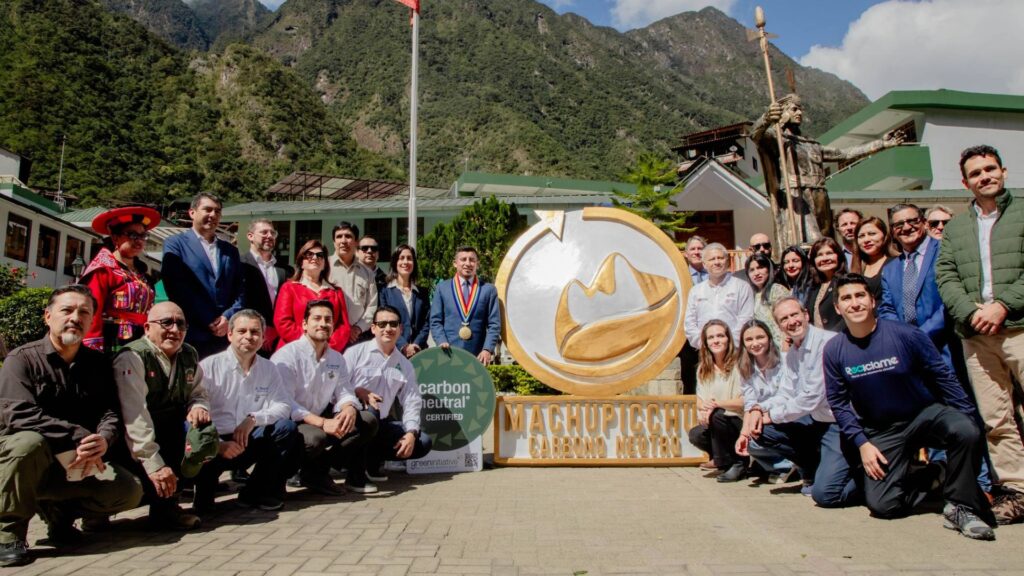
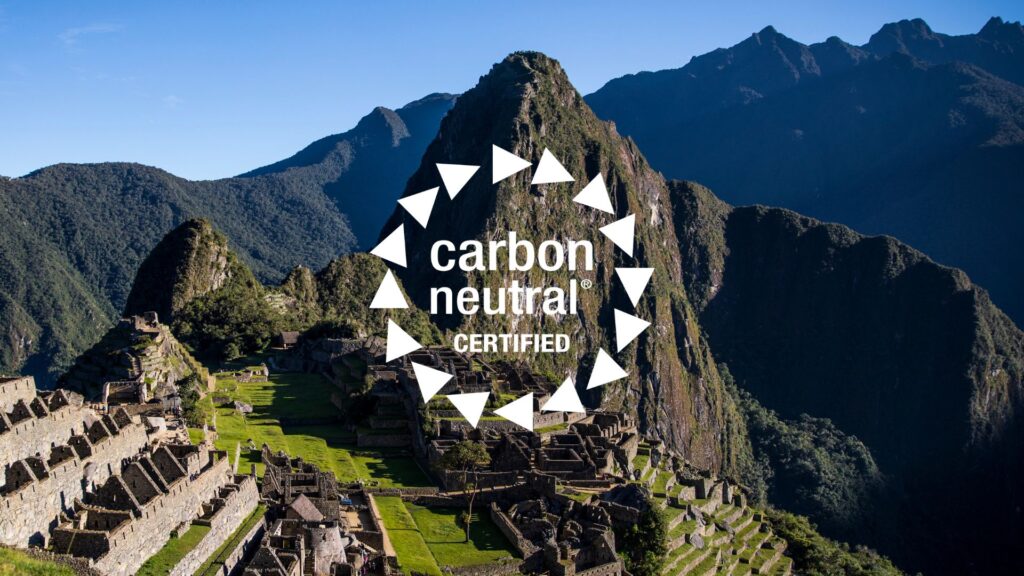
Lima, June 2024 – Machu Picchu has renewed its certification as the First Carbon Neutral UNESCO Designated Site. This prestigious certification, awarded by Green Initiative, underscores Machu Picchu’s commitment to sustainability and decarbonization. Originally certified in 2021, Machu Picchu continues to lead in sustainable tourism through innovative environmental initiatives and collaborative efforts. Significant Reductions in Carbon Emissions Since its initial certification in 2021, Machu Picchu has made substantial progress in reducing carbon emissions. The total carbon footprint for 2022 was 7,117.55 tCO2eq, representing an 18.77% reduction compared to the 2019 baseline. This impressive reduction was achieved through several key strategies: Decarbonization Strategies, Innovative Waste Management and Circular Economy, and Nature Positive Initiatives Machu Picchu’s approach to waste management and circular economy has been integral to maintaining its carbon-neutral status. The renewal of Machu Picchu’s carbon-neutral certification highlights the success of various decarbonization strategies. These include: These measures have substantially reduced Machu Picchu’s carbon footprint, making it a model for sustainable tourism worldwide. Key Highlights: Collaborative Efforts for Sustainability This achievement was made possible through the collaboration of various stakeholders, including the Municipality of Machu Picchu, Grupo AJE, Inkaterra, and Tetra Pak. Support also came from World Xchange, Luz del Sur, Bosques Amazónicos (BAM), Latam, PROMPERÚ, and the National Chamber of Tourism of Peru (CANATUR). “We are proud to announce that Machupicchu renews its ‘First Carbon Neutral’ certificate. This achievement represents a significant milestone in our effort to promote circular economy models and sustainable cities, where for example, we give new life to bottles, such as Cielo Alcalina which is made 100% from recycled bottles,” says Jorge López-Doriga, Chief Communications and Sustentability Officer in AJE Group. “As a pioneer of regenerative tourism in Peru, Inkaterra is committed to conserving the natural heritage of Machupicchu,” states José Koechlin, founding president of Inkaterra. “This alliance is a success story about the goals that can be achieved when public and private sectors work hand in hand. With the support of the local community, the first destination in Latin America with a circular economy has been achieved. We Peruvians enjoy the privilege of having this cultural and natural heritage of humanity, which entails the great responsibility of caring for it for future generations.” “The result achieved in Machupicchu is the result of significant collaborative effort; however, it is necessary to attract more financial and intellectual capital, with the help of national and international actors, to expand and scale up the accumulated experience. The world needs references in climate action in tourism, and Machupicchu can be a great laboratory for climate action and circular economy of global interest,” states Tatiana Otaviano, Head of Relationship Management at Green Initiative. Mónica Montes, Sustainability Manager of Tetra Pak Andina, specifies the valuable role that the actors in the recycling chain in the country have played in achieving such an important achievement. “At Tetra Pak, we firmly believe in shared responsibility, so the contribution of major allies such as AJE, Inkaterra, the State, among others, allows the renewal of the certification of Machupicchu as a Carbon Neutral Destination to be a testimony of success. From Tetra Pak, we will continue with the commitment to make our packaging contribute to the circular economy and significantly reduce our carbon footprint, thus contributing to a better future,” commented the executive. Global Recognition and Future Goals Machu Picchu’s renewed carbon-neutral certification has received international recognition from UN Tourism, UNESCO, and UN Climate Change. Publications like Lonely Planet have also highlighted this achievement, naming Machu Picchu as one of the ‘Top 10 Best World Tourism News’ in 2021. The ongoing efforts to maintain and enhance Machu Picchu’s sustainability practices demonstrate a broader commitment to combating climate change. This milestone serves as an inspiration for other tourist destinations worldwide, showcasing the benefits of integrating climate action into tourism. As we celebrate this achievement, it is essential to continue fostering public and private partnerships and securing investments to sustain and expand these efforts. Machu Picchu’s journey towards a fully decarbonized future is a beacon of hope and a blueprint for sustainable tourism globally.

Machu Picchu Achieves Significant Reduction in Carbon Emissions Since 2021 Certification Read More »

Machu Picchu - The First UNESCO Designated Site To Renew Its 'Carbon Neutral' Certification - Green Initiative

Machu Picchu – The First UNESCO Designated Site – To Renew Its ‘Carbon Neutral’ Certification

On June 27th, 2024, Machu Picchu will proudly announce the renewal of its prestigious certification as the world’s first Carbon-Neutral UNESCO Designated Site, granted by the Green Initiative. This achievement follows a rigorous certification process that began in 2021, involving comprehensive analyses of scopes 1, 2, and 3 emissions. This time, the carbon footprint data will be compared to its baseline to verify its climate mitigation performance. Since its initial certification, Machu Picchu has been at the forefront of decarbonization efforts. Through a combination of innovative decarbonization practices such as the restoration of degraded areas, waste pyrolysis, biodiesel production from recycled oils, and the implementation of PET plastic and cardboard compactor plants, there are high expectations for the decarbonization results achieved. These efforts have also helped enhance local ecosystems by planting 6,596 native trees across 5 hectares. Recognized by UN Tourism, UNESCO, and other esteemed international bodies, Machu Picchu’s renewal as a Carbon-Neutral UNESCO Designated Site reaffirms its role as a global leader in climate action and circular economy practices. This achievement not only underscores Machu Picchu’s cultural and natural significance but also its unwavering dedication to preserving these treasures for future generations. Behind The Machu Picchu Certification In 2021, Green Initiative, in coordination with the District Municipality of Machu Picchu, along with the strategic collaboration from InkaTerra, AJE Group, SERNANP, and Promperu, certified Machu Picchu as the world’s first Carbon Neutral UNESCO Designated Site. The certification process included a comprehensive analysis of scopes 1, 2, and 3, totaling 7,143.51 tCO2. The certification aims to promote the decarbonization of Machu Picchu´s as as tourism destination, by enhancing public and private collaboration, positioning Machu Picchu as an international reference for climate action in tourism, aligned with the United Nations’ Glasgow Declaration. Additionally, the certification seeks to attract public and private financing to drive investment agendas that will enable the execution of Machu Picchu’s decarbonization plan. This plan will allow the destination to continue its journey towards decarbonization and fulfillment of international commitments under Green Initiative’s Carbon Neutral Certification. Moreover, the certification plays a crucial role in the international positioning of Machu Picchu and Peru as a leading destination, being the world’s first Carbon Neutral UNESCO Designated Site. The certification all generates additional opportunities that add value to Promperu’s and the private sector’s efforts to promote Machu Picchu nationally and internationally as the world’s first Carbon Neutral UNESCO Designated Site. For further updates on Machu Picchu’s journey towards carbon neutrality and sustainable tourism practices, visit greeninitiative.eco. Usefull links:

Machu Picchu – The First UNESCO Designated Site – To Renew Its ‘Carbon Neutral’ Certification Read More »

The European Union's Nature Restoration Law A Model for Global Restoration Efforts - Green Initiative

The European Union’s Nature Restoration Law: A Model for Global Restoration Efforts?

In a groundbreaking effort to tackle the dual crises of biodiversity loss and climate change, the European Union has adopted the Regulation on Nature Restoration. This new legislative framework is a pivotal component of the European Green Deal and the EU Biodiversity Strategy for 2030, aiming to restore degraded ecosystems across the continent, enhance biodiversity, and strengthen climate resilience. Background and Objectives The Regulation responds to the urgent need to restore Europe’s natural habitats, which are in a state of decline due to various human activities, including intensive agriculture, urbanization, pollution, and climate change. It builds on existing conservation efforts under the EU Habitats Directive and the Birds Directive, expanding their scope and introducing legally binding restoration targets. Furthermore, the EU Regulation on Nature Restoration aligns seamlessly with the UN Decade on Ecosystem Restoration (2021-2030), a global initiative aimed at preventing, halting, and reversing the degradation of ecosystems worldwide. This UN initiative underscores the critical importance of large-scale restoration efforts in addressing biodiversity loss and climate change, themes that are echoed in the EU’s ambitious targets. This alignment not only reinforces the global urgency for ecosystem restoration but also positions the EU as a leader in driving international efforts towards a more sustainable and resilient future. Key Provisions The Regulation sets ambitious targets to restore degraded terrestrial, inland water, coastal, and marine ecosystems. By 2030, at least 30% of these ecosystems are to be under restoration, with a long-term goal of covering all ecosystems in need of restoration by 2050. Specific targets include: EU Member States must develop and implement national restoration plans, based on scientific evidence, that include measures to improve the condition of habitats and species listed in the Habitats and Birds Directives. Restoration measures should ensure continuous improvement until favorable conservation status is achieved. In addition, the Regulation highlights the link between biodiversity and climate change with restoration projects aimed at contributing to climate change mitigation and adaptation, enhancing natural carbon sinks and increasing ecosystem resilience. Synergy with the European Climate Law is crucial, particularly its aim for climate neutrality by 2050. Special attention is given to marine habitats, with specific restoration actions mandated for marine species and habitats in alignment with the Marine Strategy Framework Directive. Member States must report on their progress towards the restoration targets, using standardized indicators and methodologies. The European Environment Agency (EEA) will play a key role in supporting these efforts, ensuring transparency and accountability. The Regulation provides for financial support from various EU funding mechanisms, including the Common Agricultural Policy (CAP), the LIFE Programme, and the European Maritime and Fisheries Fund (EMFF). Incentives for private land conservation and sustainable management practices are also included. Challenges and Opportunities Implementing the Regulation will face several challenges. Adequate funding and technical expertise are essential for the success of restoration projects and technical and financial resources will need to be mobilized at scale to achieve the targets established. In addition, effective collaboration with local communities, farmers, foresters, and other stakeholders will be critical for success as implementation must reconcile ecological restoration with socio-economic activities, ensuring that restoration efforts do not unduly disrupt livelihoods. Yet, the opportunities are significant. Restored ecosystems can provide numerous benefits, including improved air and water quality, enhanced biodiversity, climate regulation, and increased resilience against natural disasters, and the restoration economy can create high-quality jobs and stimulate sustainable growth that lasts. Conclusion The EU Regulation on Nature Restoration represents a landmark step towards a sustainable future. By setting ambitious, legally binding targets for ecosystem restoration, the Regulation aims to reverse biodiversity loss, enhance climate resilience, and promote a healthier environment. Successful implementation will require concerted efforts from all Member States, robust scientific support, and active stakeholder participation. EU member states must begin planning to submit national restoration plans to the Commission, providing details on how they will deliver on the targets and monitor and report on their progress based on EU-wide biodiversity indicators. The adoption of the Regulation reaffirms that environmental sustainability remains a top priority for the EU despite recent electoral results, meaning that companies remain compelled to adopt sustainable business practices that minimize their environmental footprint and are nature positive. This adds to the heightened accountability companies now face, including from the perspective of financial disclosures on nature-related risks. Implementation across EU Member States will impact business operations significantly and will require companies to prepare to align their activities with evolving national regulations, which may mean adjusting current practices to comply with emerging standards. This signals a pivotal moment for EU businesses, which must plan ahead to adapt and innovate within a stricter environmental framework. Written by Frédéric Perron-Welch, from the Green Initiative team.

The European Union’s Nature Restoration Law: A Model for Global Restoration Efforts? Read More »

Continental Travel Peru Pioneering Carbon-Neutral Business Travel with Green Initiative

Continental Travel Peru: Pioneering Carbon-Neutral Business Travel with Green Initiative

Continental Travel is setting the bar high in the business travel industry in Peru with its global commitment to carbon neutrality. At Green Initiative, we are pleased to announce that Continental Travel has started its journey to decarbonize its corporate operations and services. This strategic leadership decision follows several years of investments in sustainability efforts. They have also increased their technical capacities for climate mitigation. “Starting this journey towards carbon neutrality is not just a strategic move for Continental Travel; It’s a way to show our commitment to leading the industry in responsible travel. By measuring, reducing, and offsetting our carbon emissions, we’re setting a new standard for corporate travel services in Peru. We want our clients to know that we are actively contributing to a more sustainable future, with clear, science-based reports on our decarbonization efforts.” As a result, Continental Travel will be positioned as the first corporate business travel operator to achieve Green Initiative’s Carbon Neutral Certification. This achievement will lead the sector into a new standard for low-carbon emissions in corporate travel. Continental Travel is a Peruvian travel operator with over two decades of experience. They have a deep understanding of the international business travel market. Their clients span various industries, including banking, mining, healthcare, energy, and textiles. How Business Travel is Leading the Charge Towards Net-Zero Emissions Business travelers are becoming more committed to achieving net-zero emissions. This includes their own corporate operations and value chains. Marcos Piera, General Director at Continental Travel, states that business travel agencies should not be part of the problem. Instead, they should add value to their corporate clients by measuring, reducing, and offsetting CO₂ emissions. They should also provide consistent and transparent reports with science-based evidence of decarbonization progress. The work led by Continental Travel is innovative but not isolated. Worldwide, the business travel industry is becoming more sophisticated in decarbonizing its services. The power of business travel is significant. Leading flight companies are putting additional pressure on Airbus, Boeing, and Embraer to accelerate progress towards cleaner fuels and more efficient engines. Corporations around the world may reduce business travel due to their need for public pledges and international carbon mitigation goals. By partnering with Green Initiative and undergoing the Carbon Neutral Certification process, Continental Travel is demonstrating its proactive stance in reducing carbon emissions associated with its operations. This initiative aligns with global efforts to combat climate change, such as the Glasgow Declaration for Climate Action in Tourism. This UN initiative aims to catalyze climate and nature-positive action. But what does this mean for business travel? Continental Travel Peru’s bold move toward climate-smart business travel in partnership with Green Initiative is not just about reducing carbon emissions. It’s about leading by example and inspiring positive change within the industry. Take the Next Step Toward Climate-Smart Business Travel Are you ready to elevate your business travel to the next level? Contact us to learn more about our expert advisory services and how your company can become a climate-smart leader in your industry. Join Continental Travel, Green Initiative, and many more businesses that are making a tangible difference for our planet. Written by Tatiana Otaviano, from the Green Initiative team.

Continental Travel Peru: Pioneering Carbon-Neutral Business Travel with Green Initiative Read More »

World's Leading Sustainable Organisation 2024 - Green Initiative

Green Initiative Nominated for World’s Leading Sustainable Organisation 2024

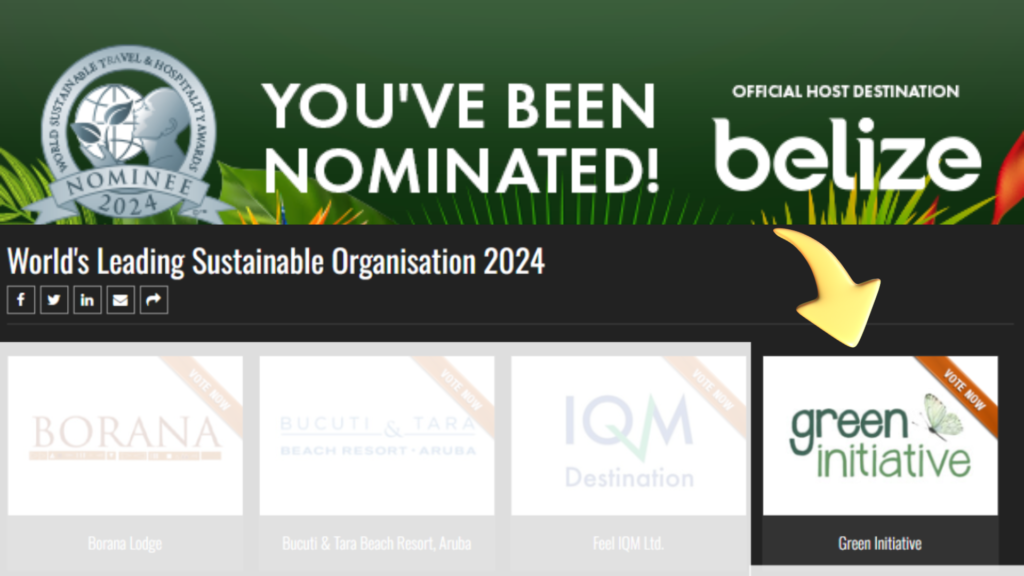
We are delighted to share the news that we have been selected as a 2024 nominee for World’s Leading Sustainable Organisation 2024 In an era where sustainability is more crucial than ever, we are honored to announce that Green Initiative has been nominated for the prestigious “World’s Leading Sustainable Organisation 2024” award by the World Sustainable Travel & Hospitality Awards (WSTHA). This nomination reflects our unwavering commitment to integrating climate action into business models and pioneering sustainable practices in the travel and hospitality industry. Why Your Vote Matters Your vote is not just a gesture of support; it is a powerful statement that sustainable business practices are essential for the future of our planet. By voting for Green Initiative, you are endorsing our efforts. The voting window is open and runs until 2 August. How to Vote Voting for Green Initiative is quick and easy. Simply follow this voting link, select Green Initiative, register and validate your e-mail and cast your vote for “World’s Leading Sustainable Organisation 2024.” Every vote brings us one step closer to achieving this honor and amplifying our impact on global sustainability. Spread the Word Help us spread the word by copying and sharing the link to this blog post with your network. 💚 Click the share buttons at the end of the page for quick and easy sharing in social media. Use the following hashtags to join the conversation and show your support: #VoteForGreenInitiative #SustainableTravel #SustainableTourism #RegenerativeTourism #GreenLeadership #ClimateAction #SustainabilityAwards #GreenInitiative #WorldSustainableTravel #EcoFriendly #ClimatePositive #SustainableBusiness #EcoAwards #GreenFuture #SustainabilityChampions About World Sustainable Travel & Hospitality Awards The World Sustainable Travel & Hospitality Awards, launched at COP28 in Dubai as a sister program to the World Travel Awards, aims to recognize and promote individuals and organizations driving sustainable change in travel and tourism. The initiative aspires for every travel sector entity to achieve a net positive impact and implement best practices to protect communities and destinations. The WSTHA Advisory Board, governs the program by setting standards, criteria, and award categories to reflect sustainable best practices in the travel and hospitality ecosystem. About Green Initiative Suppose you have yet to learn about us. In that case, Green Initiative is a leading organization dedicated to internalizing and promoting sustainable business practices. With a focus on nature and climate action, we partner with companies worldwide to integrate sustainability into their operations, ensuring a better future for our planet. Contact us to learn more about our work and impacts.

Green Initiative Nominated for World’s Leading Sustainable Organisation 2024 Read More »

The Importance of Environmental Protection and Climate Change Mitigation in Marketing Strategies - Green Initiative

The Importance of Environmental Protection and Climate Change Mitigation in Marketing Strategies

Incorporating environmental protection and climate change mitigation into a company’s marketing strategy is crucial in today’s business landscape. However, to avoid the pitfalls of greenwashing, companies must ensure their initiatives are genuine and transparently reported. Today’s consumers are not just aware but highly conscious of environmental issues. They demand authenticity from the brands they support. This is where effective and well-implemented marketing strategies come into play. They have the power to not just transform a business’s value proposition but also its organizational identity and culture, thereby fostering consumer trust and loyalty. By committing to science-based actions that are appropriately monitored and reported, companies can demonstrate their genuine impact on transforming value chains. This approach to communication shields organizations and moves them away from greenwashing, positioning the company as a true leader in sustainability. This article explores the importance of integrating environmental protection and climate change mitigation into marketing strategies. It provides actionable steps for companies to implement these principles authentically and effectively. Why Environmental Protection and Climate Change Mitigation Matter Actionable Steps for Marketing Sustainable Practices 4 Top Sustainability Reports and Insights These reports provide comprehensive insights into each company’s commitment to sustainability and the specific actions they are taking to address environmental challenges. Standards Map: Enhancing Transparency and Understanding of Sustainability Standards Standards Map is an essential online tool developed by the International Trade Centre (ITC) that serves to enhance transparency and understanding of sustainability standards across various industries. This platform offers an extensive database of over 300 sustainability standards, codes of conduct, and audit protocols, providing businesses and stakeholders with crucial information to make informed decisions regarding sustainable practices. Key features of Standards Map include detailed overviews of each standard’s requirements, scope, and governance, allowing users to compare and analyze different sustainability frameworks. It also offers insights into the geographic coverage and sectors each standard applies to, facilitating more strategic planning and implementation of sustainability initiatives. By providing this comprehensive information, Standards Map supports businesses in aligning their operations with best practices, achieving compliance, and promoting sustainable development across global supply chains. This tool is invaluable for companies aiming to meet consumer demands for transparency and ethical sourcing while contributing to broader environmental and social goals. Green Initiative procedures and standards are verified by the International Trade Centre’s Standards Map. This verification underscores our transparency and adherence to global sustainability standards. Conclusion Integrating environmental protection and climate change mitigation into marketing strategies is essential for redefining corporate culture and value and having a positive and transformative impact on value chains, planetary well-being, and thriving business success. To avoid greenwashing and ensure authenticity, companies must transparently communicate their sustainability efforts, obtain credible certifications, and create engaging truthful content. Developing genuinely green products, involving the community, and engaging with customers are critical steps in building a robust, eco-friendly brand. As consumers increasingly prioritize sustainability, companies that take meaningful, science-based action and report their progress transparently will be well-positioned to thrive in the evolving marketplace. By implementing these strategies, companies can ensure they meet the growing demand for sustainable practices while positively impacting the environment and securing long-term success. At Green Initiative, we empower organizations to integrate climate action into the core of their business models, helping them achieve decarbonization goals, protect the environment and comply with international standards. Contact us for expert advisory. Written by Yves Hemelryck from the Green Initiative team.

The Importance of Environmental Protection and Climate Change Mitigation in Marketing Strategies Read More »

World Environment Day 2024 - Green Initiative

Celebrating World Environment Day 2024: Honoring Our Planet’s Biomes

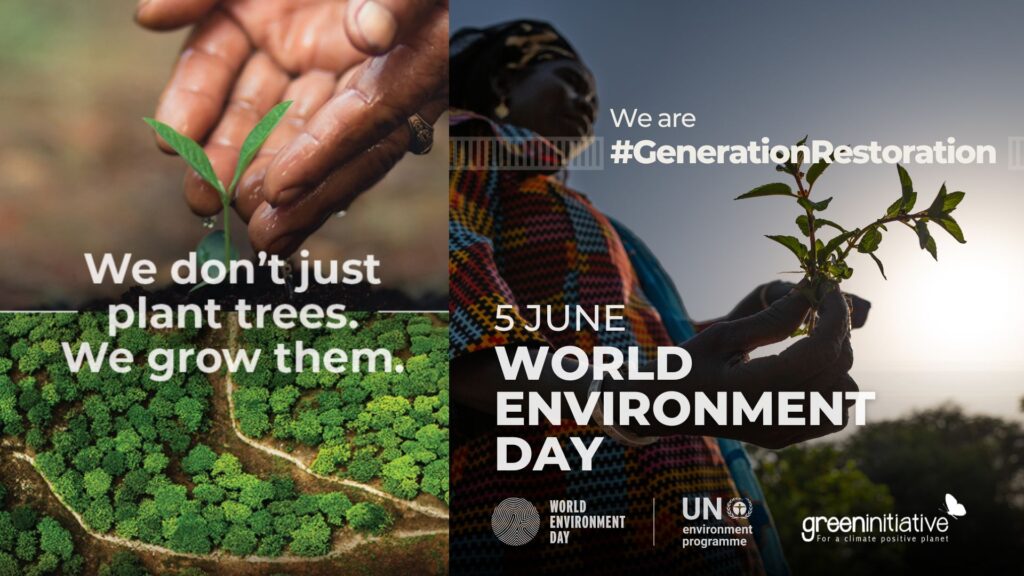
June 5, World Environment Day 2024 On this World Environment Day, we celebrate and commit to protecting the incredible diversity of life on our planet. Each biome plays a crucial role in maintaining Earth’s ecological balance and sustaining life. This year, we are digging deep into land restoration, desertification, and drought resilience under the UN Environment Programme slogan “Our land. Our future. We are #GenerationRestoration.” The Vital Role of Biomes Tropical Rainforests Tropical rainforests, like the Amazon and the Congo Basin, are the lungs of our planet. They are teeming with biodiversity and are vital for regulating the global climate. These irreplaceable treasures support countless species and are essential for our planet’s health. Let’s commit to preserving these lush, vibrant ecosystems. Fun Fact: A single hectare of rainforest can contain over 750 types of trees and 1,500 species of higher plants. Savannas Savannas, spanning Africa, South America, and Australia, support a rich variety of wildlife and ecosystems. These grasslands, with their seasonal rains, remind us of nature’s resilience and the importance of sustainable land use. Protecting savannas ensures the survival of the diverse species that inhabit them. Fun Fact: The Serengeti in Africa hosts the largest terrestrial mammal migration in the world, with over 1.5 million wildebeest and 200,000 zebras making their annual trek. Deserts Deserts, such as the Sahara and the Gobi, teach us about survival and adaptation in the harshest conditions. Despite their arid nature, deserts are teeming with life uniquely adapted to thrive where water is scarce. Protecting these fragile ecosystems is crucial for maintaining their delicate balance. The Great Green Wall initiative, aiming to restore 100 million hectares of land in Africa, exemplifies efforts to combat desertification and promote land restoration. Fun Fact: The Sahara Desert, the largest hot desert in the world, spans 9.4 million square kilometers—about the size of Canada. It is home to over 500 plant species and 90 different species of birds. Diverse Biomes and Their Unique Contributions Temperate Forests Temperate forests, found in North America, Europe, and Asia, enchant us with their changing seasons and diverse flora and fauna. These forests are essential for carbon storage, soil conservation, and providing habitat for countless species. Ensuring these woodlands remain vibrant and healthy is crucial for future generations. Fun Fact: The oldest known tree in the world, a bristlecone pine named Methuselah, is located in California’s White Mountains and is over 4,800 years old. Taiga (Boreal Forest) The Taiga, or Boreal Forest, stretches across Canada, Russia, and Scandinavia, forming the largest terrestrial biome on Earth. These coniferous forests are crucial carbon sinks and home to species uniquely adapted to cold climates. Preserving the Taiga helps combat climate change and supports biodiversity. Fun Fact: The Taiga represents about 30% of the world’s forest cover, playing a significant role in absorbing carbon dioxide from the atmosphere. Tundra The Tundra, with its cold, treeless plains and permafrost, is a reminder of nature’s extremes and the fragility of life in harsh environments. Found in Arctic regions and high mountains, the Tundra is vital in regulating global temperatures and supporting unique wildlife. Fun Fact: The Arctic Tundra is home to the largest and most successful land predator, the polar bear, which can travel over 30 kilometers a day in search of food. Marine Biomes Marine biomes, covering about 70% of Earth’s surface, include oceans, coral reefs, and estuaries. They support an immense variety of life and are crucial for global climate regulation. Protecting our oceans is essential for maintaining the planet’s health. Fun Fact: The Great Barrier Reef in Australia is the largest coral reef system in the world, spanning over 2,300 kilometers and hosting over 1,500 species of fish. Freshwater Biomes Freshwater biomes, such as rivers, lakes, and wetlands, provide habitat for diverse species and are vital for human survival. Lakes, rivers, and wetlands hold 20-30% of global carbon despite occupying only 5-8% of the land surface. The Nile River, widely regarded as the world’s longest waterway, exemplifies the critical importance of freshwater ecosystems. Fun Fact: The Nile River, widely regarded as the world’s longest waterway, flows through 11 different countries and stretches 6,695 kilometers. Terrestrial and Land-Based Ecosystems Soil and Water Soil is the planet’s most biodiverse habitat, with almost 60% of all species living in it. Healthy soils store massive amounts of carbon, which, if released, would cause a huge spike in planetary warming. Only 0.5% of water on Earth is usable and available freshwater, and climate change is dangerously affecting this supply. Over the past two decades, land-based water storage—including soil moisture, snow, and ice—has dropped at a rate of 1 centimeter per year, severely impacting water security and food production. Drylands Drylands cover 41% of the Earth’s land surface and 78% of the world’s rangelands. They generate 44% of global crops, provide feed for half of the world’s livestock, and support the lives and livelihoods of over 2 billion people. Despite their arid conditions, drylands are home to more than a quarter of the world’s forests and a third of global biodiversity hotspots. Protecting drylands is essential for sustaining the ecosystems and communities that depend on them. Farmlands and Urban Ecosystems Farmlands Farmlands are crucial for global food production, yet they face significant challenges. Every five seconds, the equivalent of one football pitch of soil is eroded. It takes 1,000 years to generate just 3 centimeters of topsoil, and every year, more than 24 billion tonnes of priceless topsoil are washed or blown away worldwide. Agricultural expansion continues to threaten forests and biodiversity. The world will need to raise its food production by 60–70% to feed a projected human population of 9 billion by 2050. Close to 75% of the world’s fruit and seed crops depend on pollinators like bees, which contribute to 35% of the world’s total crop production. Despite their importance, pollinators are in serious decline due to intensive agricultural practices, pesticide use, invasive species, diseases, and climate change. Globally, at least 2 billion people depend on the agriculture sector

Celebrating World Environment Day 2024: Honoring Our Planet’s Biomes Read More »

The Truth About Bamboo Clothing Is It Really Sustainable - Green Initiative

The Truth About Bamboo Clothing: Is It Really Sustainable?

Is Bamboo Clothing Sustainable? The Hype and Controversy. Exploring the complex story of bamboo clothing, from farming to production, everything you need to know. What is Bamboo Clothing? To answer whether bamboo clothing is sustainable, we must first understand what ‘bamboo clothing’ actually means. Most yarn generated from bamboo does not contain bamboo in the finished product. Instead, bamboo provides a source of cellulose fiber, which can be substituted with other plants to create a similar end product through the same industrial process. Bamboo clothing is typically made from reconstituted bamboo fiber, commonly known as viscose. When manufacturers claim a product is ‘made of bamboo’ or ‘100% bamboo,’ it usually means it’s made of viscose derived from bamboo. This has led to legal controversies, as seen in the US and the European Union, where labeling guidelines prevent bamboo from being listed as a legitimate constituent of any garment while viscose can be. Understanding this distinction is crucial to evaluating bamboo clothing’s sustainability. We need to assess the environmental impact of growing bamboo and how bamboo farming compares with other sources used for making viscose. Additionally, we must understand viscose production itself, how it’s made, and its environmental impact. Making Viscose: A Chemical Process Viscose is a man-made cellulose fiber, not entirely natural like cotton or wool, nor entirely synthetic like nylon or polyester. The process involves cooking and crushing cellulose plant fibers in strong chemical solvents, such as sodium hydroxide (caustic soda). The resulting alkali cellulose is dried, ground to a powder, and treated with carbon disulfide to form sodium cellulose xanthate. This is then dissolved in dilute caustic soda to create a spinning solution called viscose. This chemically intensive process poses significant environmental hazards. Sodium hydroxide and carbon disulfide can cause serious health issues and environmental damage. However, innovations in viscose production, such as closed-loop processes pioneered by companies like Lenzig, aim to minimize these impacts. Lenzig’s EcoVero product, for example, is FSC certified and meets EU ecolabel standards. The Lyocell process, used to create Tencel®, is also promising. It uses non-toxic amine oxide to dissolve cellulose fibers, allowing for 99.5% chemical reuse. Although energy-intensive, this process significantly reduces environmental harm compared to traditional viscose production. Despite the chemical intensity of viscose production, the final product does not retain these harmful chemicals, often earning Oeko-Tex 100 certification. Additionally, viscose is 100% biodegradable and requires significantly less water and dye than conventional cotton, further reducing its environmental footprint. Is Bamboo Sustainable: Farming and Cultivation Bamboo is widely praised for its sustainability, but is it as eco-friendly as claimed? Bamboo’s unique qualities include its widespread growth, adaptability, and natural antimicrobial properties. It’s the fastest-growing plant on the planet, with some species growing up to 910mm in 24 hours. The Moso bamboo species, crucial for the textile industry, grows rapidly and efficiently. Moso bamboo plantations can yield double the amount of timber per acre compared to pine, making it an excellent source for viscose production. Sustainable harvesting practices, which avoid clear-cutting and promote ecosystem stability, further enhance its environmental benefits. Bamboo requires little to no irrigation, thriving in wet subtropical climates and maintaining stable ecosystems. Its extensive root system prevents soil erosion and subsidence, making it a more sustainable option than many other crops. Bamboo and CO₂ Bamboo is touted for its carbon-fixing abilities. Studies suggest bamboo is 2 to 4 times more effective at fixing carbon than fir or pine plantations and reaches its maximum carbon storage capacity in less than 10 years. However, the environmental benefits depend on proper farming practices. Intensive farming can stretch ecosystems beyond natural limits, underscoring the importance of good management. Complications and Socioeconomic Pressures Increased demand for bamboo has led to some negative practices, such as the clearing of mixed forests for bamboo plantations and the creation of monocultures. These practices can harm biodiversity but also highlight the need for responsible farming and regulation. On the positive side, bamboo’s popularity has provided economic benefits to rural communities in China, Southeast Asia, India, Africa, and South America. Sustainable bamboo farming supports millions of livelihoods worldwide. A Balanced View on the Sustainability of Bamboo Clothing The sustainability of bamboo clothing is complex. Viscose production has both attractive sustainable properties and significant environmental challenges. While bamboo is not the wonder plant some claim, it offers a promising raw material for viscose production, especially compared to conventional cotton, which is more environmentally harmful. Consumers can make a difference by choosing products like Tencel® or EcoVero, supporting brands that ensure transparent and responsible production practices. With continued innovation and responsible farming, bamboo clothing can fulfill its promise of sustainability. Conclusion: Is Bamboo Clothing Truly Sustainable? In summary, bamboo clothing is not a clear-cut solution but offers significant sustainability benefits when managed correctly. The production of viscose from bamboo presents environmental challenges, but innovations and responsible practices are paving the way for a more sustainable future in the textile industry. Consumers have the power to drive this change by making informed choices and supporting ethical brands. For more detailed insights, you can explore articles from Ethical Clothing, Greener Ideal, Sustainably Kind Living, My Green Closet, and Eco-Stylist. This article was prepared in collaboration with Ben Heikel , Co-founder @ ethical-clothing.com based on the article “Is Bamboo Clothing Sustainable, The Hype And Controversy” written by Jack at Ethical Clothing.

The Truth About Bamboo Clothing: Is It Really Sustainable? Read More »

How Companies Sharing Climate Commitments are Coming Together to Reduce Transaction Costs and Accelerate Decarbonization - Green Initiative

How Companies Sharing Climate Commitments are Coming Together to Reduce Transaction Costs and Accelerate Decarbonization

In an era when environmental responsibility is no longer optional, companies worldwide are recognizing the necessity of committing to climate action. This shared commitment is a moral imperative and a strategic business decision. By collaborating, companies are discovering that they can more effectively reduce their transaction costs and accelerate the decarbonization of their operations. The tourism industry provides a compelling example of how this synergy works. Tourism: A Case Study in Collaborative Climate Action Tourism is an industry with significant environmental impacts, but it also has vast potential for positive change. Two companies, Kuoda Travel, and Inkaterra Hotels, exemplify how businesses can leverage shared climate commitments to achieve greater sustainability and economic efficiency. Kuoda Travel: Reducing Carbon Footprints Through Sustainable Accommodations Kuoda Travel, a US-based tourism operator, is integrating accommodations that comply with international climate standards into its tourism experiences. This strategic move is more than a marketing angle; it’s a substantial step towards reducing its carbon footprint. By choosing partners who prioritize sustainability, Kuoda Travel is minimizing its environmental impact and reducing its carbon mitigation costs. This cost reduction makes their commitment to net zero emissions more feasible and financially sustainable. “At Kuoda, we dedicate ourselves to responsible business practices just as much as we encourage mindful travel practices. For this reason, we spent the last several years committed to minimizing our environmental impact as much as possible. Thanks to Green Initiative, in 2019, Kuoda became Carbon Neutral as the first step towards bold climate action and protection by signing The Glasgow Declaration on Climate Action in Tourism. In 2022, we took it one step further and became a certified Climate Positive business, going beyond neutrality alone and instead finding ways to actively benefit and improve the environment by removing harmful gasses from the atmosphere.” Inkaterra Hotels: Gaining a Competitive Edge On the other hand, Inkaterra Hotels, renowned as the first climate-positive hotel group in the world, gains a competitive advantage by partnering with like-minded companies such as Kuoda Travel. Inkaterra’s climate-positive status means they go beyond achieving net zero emissions by actively removing more carbon dioxide from the atmosphere than they emit. This distinction positions them as an attractive and responsible business partner, appealing to eco-conscious travelers and businesses. Inkaterra annually caters to more than 200,000 travellers. It has been recipient of the 2015 PURE Award on the ‘Contribution to Experiential Travel’ category; the Relais & Châteaux Environment Trophy (2013); WTTC Tourism for Tomorrow Awards in the Conservation Category (2012); Travel+Leisure Global Vision Award (2011); and National Geographic Traveler’s Best Practices Award for Sustainable Travel (2002). In 2012 Inkaterra became the first world hotel enterprise to be recognized with the International Certificate in Sustainable Tourism by the CU Green Choice Sustainable Tourism Standard. More than 4,000 locals have been trained since Inkaterra was founded. Career opportunities on hospitality, field guidance and agroforestry projects on cacao and Brazil nut, are bonded to Inkaterra’s sustainable approach. Workshops and conferences are constantly organized for local communities to raise awareness on environmental care. Logistics: Electric Trucks Powering Sustainable Distribution Delphin Group and BioAmayu have formed a partnership in the logistics sector that showcases the benefits of shared climate commitments. Delphin Group provides electric trucks for last-mile logistical services, significantly reducing emissions associated with delivery. BioAmayu, the first climate-positive fruit juice made from Amazon-sourced ingredients, benefits from this low-carbon distribution mode. This collaboration is further strengthened by AJE Group‘s investment in electric trucks, demonstrating how joint efforts can drive sustainability and operational efficiency. Through this partnership, BioAmayu can distribute its products in an environmentally responsible manner, setting a precedent for other companies to follow. The Synergy of Shared Values The collaboration between Kuoda Travel and Inkaterra Hotels, as well as Delpin Group and BioAmayu, are collaborative cases. They reflect a growing trend where companies with shared values in climate action understand the mutual benefits of working together. By aligning their business practices with environmental goals, these companies can achieve: Global Implications and Future Prospects This collaboration model is gaining traction worldwide. As more companies recognize that climate action is good for the planet and beneficial for their bottom line, we can expect to see increased partnerships similar to those of Kuoda Travel and Inkaterra Hotels. This approach is a testament to the power of collective action in addressing global challenges. In conclusion, integrating climate commitments into business operations and partnerships is proving to be a viable strategy for reducing transaction costs and accelerating the decarbonization of operations. The tourism industry’s example shows that when companies unite under a common cause, they can achieve remarkable outcomes that benefit both their businesses and the environment. Written by the Green Initiative team.

How Companies Sharing Climate Commitments are Coming Together to Reduce Transaction Costs and Accelerate Decarbonization Read More »