Climate Action

Grupo AJE A Blueprint Example for Sustainable Tourism Worldwide - Green Initiative

Grupo AJE: A Blueprint Example for Sustainable Tourism Worldwide

Since 2014, Grupo Aje has championed the Natural Revolution, spotlighting indigenous communities and UNESCO World Heritage sites. The aim? To transform these tourist destinations into carbon-neutral havens. Machu Picchu is now a shining example, inspiring other cities to follow suit. Tourist Destinations on the Path to Carbon Neutrality “We are living in the climate era,” says Jorge López-Dóriga, Global Director of Communications and Sustainability at Grupo Aje. Aje’s commitment to sustainability through its Bio Amayu and Agua Cielo brands focuses on protecting indigenous communities and the regions producing super fruits. Aje’s sustainability strategy targets both national and international tourist hotspots, including Machu Picchu, Manu National Park, the Nazca Lines, the Galápagos Islands, Tikal National Park, and Cartagena de Indias. These iconic sites, known globally, have been selected to set a precedent in environmental and waste management. The Machu Picchu Model In 2017, Grupo Aje, in collaboration with the Inkaterra hotel chain and the Machu Picchu municipality, launched an ambitious project to tackle waste and reduce Machu Picchu’s carbon footprint. Initiatives included installing plastic waste compactors, a biodiesel plant, an organic waste pyrolyzer, and a glass crusher. These efforts have prevented 4,100 tons of CO2 emissions between 2018 and 2022. By 2023, Machu Picchu became the world’s first carbon-neutral tourist destination, setting a global example. Cartagena de Indias: Aiming for Carbon Neutrality Following Machu Picchu’s footsteps, Aje is working to make Cartagena de Indias Colombia’s first carbon-neutral city. This project, led by Aje Colombia’s Country Manager, Fabian Mosquera, focuses on three objectives: mitigating the carbon footprint, promoting sustainable tourism, and positioning Cartagena internationally as a carbon-free city. Global Commitments and Actions At COP28 in 2023, significant commitments were made to combat climate change, including a $100 billion Loss and Damage Fund and goals to triple renewable energy and double energy efficiency. Despite these efforts, 2023 was the warmest year on record, highlighting the urgency of comprehensive environmental management. Further Initiatives Across Iconic Sites Grupo Aje’s dedication extends to other UNESCO sites. In the Galápagos Islands, they partnered with the Galápagos Conservancy Foundation to protect giant tortoises. In Tikal National Park, Aje collaborates with the Tikin Petén association to manage solid waste. Similar efforts are underway in Manu National Park and the Nazca Lines in Peru, focusing on waste reduction and environmental education. Conclusion Grupo Aje’s initiatives at Machu Picchu, Cartagena de Indias, the Galápagos Islands, Tikal National Park, Manu National Park, and the Nazca Lines demonstrate the power of public-private partnerships in achieving carbon neutrality and sustainable tourism. These projects provide a replicable model for other tourist destinations, showcasing that environmental protection and cultural heritage preservation can go hand in hand. These efforts by Grupo Aje not only contribute to the local environment and communities but also set a global benchmark for sustainability in tourism. They set an example for municipalities and tourist destinations, proving that it is possible to have a positive impact on the environment while preserving the unique treasures of humanity’s natural and cultural heritage. Contact us at Green Initiative so we can advise your business on innovative solutions for championing climate action and supporting you along the way. Written by Yves Hemelryck, from the Green Initiative team. Source and suggested reading: Melissa Cosmopolis, from El Comercio

Grupo AJE: A Blueprint Example for Sustainable Tourism Worldwide Read More »

Join the Global Movement World Environment Day 2024 - Green Initiative UN Decade on Ecosystem Restoration

Join the Global Movement: World Environment Day 2024

World Environment Day, celebrated annually on June 5, is the largest global platform for environmental public outreach. With hundreds of millions of participants worldwide, this day is a testament to the power of collective action in tackling the most pressing ecological challenges of our time. This year, the UN Decade on Ecosystem Restoration, Green Initiative and Forest Friends invite you to join this incredible movement focused on Land Restoration, Desertification, and Drought Resilience. Why Participate? Our planet is facing unprecedented environmental challenges. Desertification, land degradation, and droughts increasingly affect millions of lives, threatening food security, water supply, and biodiversity. This year’s theme emphasizes the urgent need to restore land, prevent desertification, and secure water sources. By participating in World Environment Day, you can make a tangible difference in your community and contribute to global efforts to protect our planet. Share Save and post the images bellow and help disseminate on social media using the hashtags #WorldEnvironmentDay #GreenInitative #ForestFriends. How to Get Involved There are countless ways to participate in World Environment Day, and every action counts. Here are some ideas to inspire you: Register Your Event Register your event on the World Environment Day Global Map Website to make your participation official. You’ll join a global network of environmental champions and receive a certificate of participation from the United Nations recognizing your contribution to this vital cause. Spread the Word Help us amplify the message by sharing your plans and experiences on social media using the hashtags #WorldEnvironmentDay #GreenInitative #ForestFriends. Please encourage your friends, family, and community members to get involved and make a positive impact on our planet. Together, We Can Make a Difference World Environment Day is more than just a day—it’s a movement for change. By participating, you’re joining millions of people worldwide in taking a stand for our environment. Let’s work together to restore our land, prevent desertification, and build resilience against drought. No matter how small, every action contributes to a healthier and more sustainable world. Register Now and Be Part of the Change! Take advantage of this opportunity to make a difference. Register your event today, and let’s take action for a greener, healthier planet this World Environment Day.

Join the Global Movement: World Environment Day 2024 Read More »

Join the 2º Climate Action in Tourism Seminar Financing Perspectives for Sustainable Decarbonization Bonito Mato Grosso do Sul Brasil Green Initiative

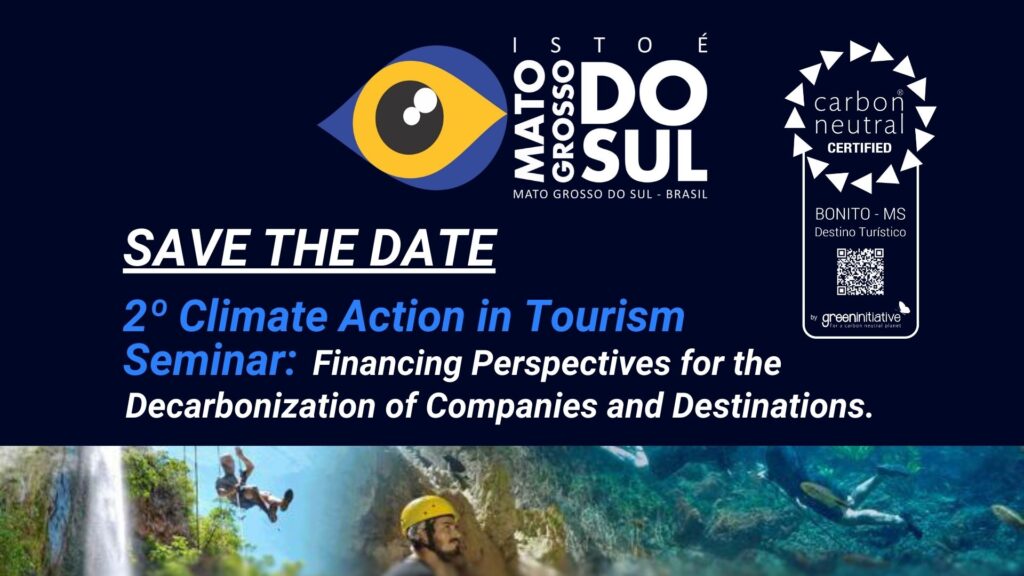
(updated) Join the 2º Climate Action in Tourism Seminar: Financing Perspectives for Sustainable Decarbonization

Are you ready to take meaningful steps towards decarbonizing the tourism sector? Don’t miss the opportunity to participate in the 2º Climate Action in Tourism Seminar, focusing on Financing Perspectives for the Decarbonization of Companies and Destinations. Post Event: Watch The Seminar Here Grupo Rio da Prata ecotourism receives the Climate Positive Certification from Green Initiative at the seminar. Registration Closed! You Can Still Participate Online What to Expect? This seminar is promoted by the Mato Grosso do Sul Tourism Foundation (FUNDTUR) and Green Initiative and offers a comprehensive overview of commitments and trends in decarbonizing the tourism industry, specifically tailored to the Brazilian context. Join us to explore: Why Participate? By joining this seminar, you’ll gain: Event Details: Seats are limited, so secure your spot now! (registration for in person participation closed, join online here) Agenda and Registration: Click here to view the complete agenda for the event and register for in-person participation. Take advantage of this unique opportunity to contribute to the decarbonization of the tourism sector. Your participation will be instrumental in shaping a more sustainable future for tourism. Let’s work together towards a greener, more resilient tourism industry. See media repercussions here; quick links below

(updated) Join the 2º Climate Action in Tourism Seminar: Financing Perspectives for Sustainable Decarbonization Read More »

WorldXchange's Climate Positive Leadership Elevating Standards in Tourism and Currency Exchange - Green Initiative

WorldXchange’s Climate Positive Leadership: Elevating Standards in Tourism and Currency Exchange

The tourism sector, crucial for global economic vitality and responsible for approximately 10% of global GDP, also contributes significantly to global greenhouse gas emissions. This dual role positions the industry uniquely both as a contributor to and a potential leader in climate change mitigation. With the direct impact of climate change threatening everything from natural landscapes to historical sites, the need for sustainable practices has never been more urgent. WorldXchange, is exemplifying this leadership. Since achieving Carbon Neutral Certification in 2023, WorldXchange has expanded its sustainability initiatives, setting new standards for environmental stewardship within the currency exchange market. These efforts not only highlight its commitment to reducing its own carbon footprint but also demonstrate the potential for industry-wide impact. By leading the charge towards a climate-positive future, WorldXchange not only enhances its operational efficiency and customer appeal but also inspires other businesses within the tourism and financial sectors to follow suit, proving that sustainable practices can coexist with business growth and innovation. This proactive approach is not just about adapting to change—it’s about driving it, ensuring a healthier planet and a more resilient global economy. Continued Leadership in Sustainable Practices WorldXchange has achieved a remarkable 16% reduction in its carbon footprint from 2021 to 2023, underscoring its commitment to operational excellence and eco-friendly practices. This significant decrease highlights the company’s rigorous efforts to innovate and implement efficiency solutions across its operations. Commitment to Biodiversity and Reforestation In an ambitious move to support biodiversity, WorldXchange is committing to plant 15,000 native trees in Madre de Dios, a critical ecosystem in the heart of the Amazon. With over 300 trees planted since 2023, this project not only aids in carbon sequestration but also preserves the habitat for countless species, underscoring the company’s interest in supporting the enhancement of nature´s positive impacts. Educating and Engaging the Public WorldXchange’s impact extends beyond environmental actions. Through comprehensive awareness-raising activities, the company has enlightened over 80,000 individuals about the intricacies of climate mitigation, emphasizing the significant role that both individuals and corporations play in this global fight. Setting a New Benchmark: Climate Positive Certification Achieving the status of the first Climate Positive Certified currency exchange company globally marks WorldXchange as a pioneer in the market. This accolade is a testament to the company’s unwavering commitment to support and actively engage in the environmental standards promoted by LAP (Lima Airport Partners), inspiring others to follow suit. The Urgent Need for Decarbonization in Tourism Supported by the Glasgow Declaration on Climate Action in Tourism, WorldXchange’s initiatives are a response to the critical need for robust climate action within the sector. Aimed at halving emissions by 2030 and achieving net zero by 2050, these efforts align with global strategies for rapid climate mitigation, as highlighted in key reports by entities like the UNWTO and McKinsey & Company. As WorldXchange continues to integrate climate action into every facet of its operations, the path forward is clear—sustainability is not just a goal but a guiding principle for its business model. For further insights into WorldXchange journey and the challenges, visit the original article here. Written by the Green Initiative team.
WorldXchange’s Climate Positive Leadership: Elevating Standards in Tourism and Currency Exchange Read More »

Join Us at the Fisheries Seminars During SIDS4 Conference in Antigua and Barbuda Green Initiative

Join CRFM and Green Initiative at the Fisheries Seminars During the SIDS 4 Conference in Antigua and Barbuda

The Caribbean Regional Fisheries Mechanism will host two in-person offsite seminars on the sidelines of the 4th International Conference on Small Island Developing States, to be convened under the theme: Charting the Course Toward Resilient Prosperity, in Antigua and Barbuda on 27-30 May 2024. These events are being held in partnership with the Office of the Prime Minister, Government of Antigua and Barbuda, the CARICOM Secretariat, the National Fisheries Authority (Jamaica), and Green Initiative. Seminar Topics: These seminars will delve into critical issues facing Small Island Developing States (SIDS) regarding marine resource management and climate resilience. Why Attend? By participating in these seminars, you’ll: Event and Registration Details: Speakers Seminar: Revitalizing SIDS Economies & Food and Nutrition Security through the Sustainable Use of our Living Marine Resources Seminar: Accelerating the Decarbonization of Fisheries in the Caribbean: from science-based targets to climate mitigation finance Take advantage of this unique opportunity to contribute to sustainable practices and resilient prosperity in the Caribean. Let’s work together towards a more sustainable future for our oceans and communities! For more information, email: communications@crfm.int.

Join CRFM and Green Initiative at the Fisheries Seminars During the SIDS 4 Conference in Antigua and Barbuda Read More »

Join the Glasgow Declaration Global Roundtable for Tourism Climate Action Making a Difference Together

Join the Glasgow Declaration Global Roundtable for Tourism Climate Action: Making a Difference Together

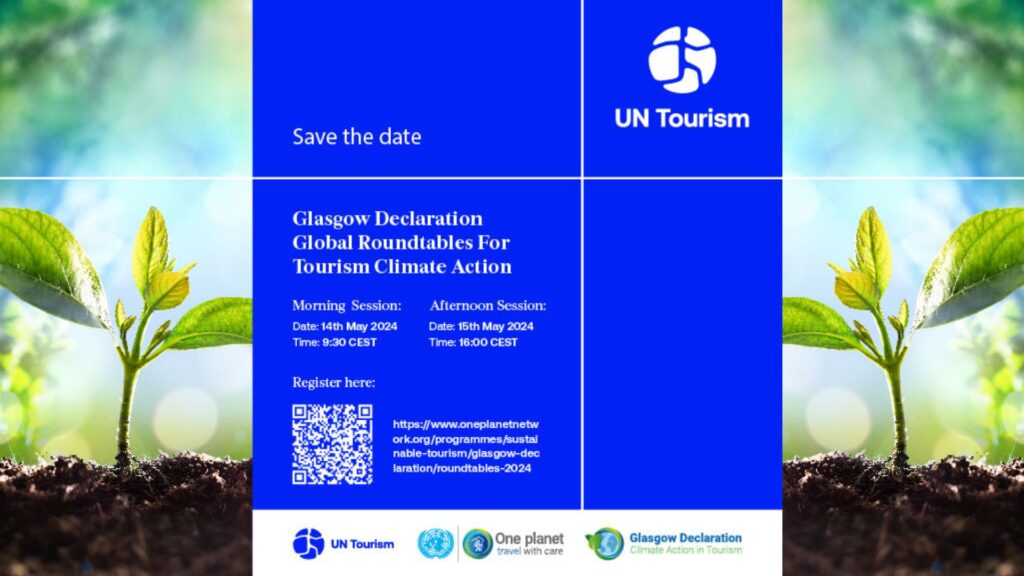
The tourism industry has a critical role to play in advancing sustainability and resilience in the face of escalating climate challenges. The “Glasgow Declaration on Climate Action in Tourism” represents a pivotal opportunity for stakeholders to unite and drive meaningful change. The Global Roundtable for Tourism Climate Action invites you to participate in this transformative initiative. This declaration is not just a document; it’s a commitment to ongoing dialogue, knowledge sharing, and collaborative efforts to shape a low-carbon, climate-resilient tourism sector. What is the Glasgow Declaration? The Glasgow Declaration serves as a rallying call for action within the tourism industry. It aims to: Why Participate? Joining the Global Roundtable means becoming part of a dynamic community committed to driving positive change in tourism. By engaging in these sessions: How Can You Get Involved? Participation in the Global Roundtable is open to stakeholders across the tourism spectrum—businesses, governments, NGOs, and individuals passionate about climate action. Your voice and contributions are vital whether you’re already implementing initiatives or seeking to learn from others. Please mark your calendars and join us in advancing the low-carbon and climate-resilient tourism agenda. Together, let’s make a difference. Event Details: For detailed information and to register, visit the event page here. Let’s take action for a sustainable future. by the Green Initiative team.

Join the Glasgow Declaration Global Roundtable for Tourism Climate Action: Making a Difference Together Read More »

Embracing Regeneration A New Horizon in Tourism - Green Initiative - What is Regenerative Tourism

Embracing Regeneration: A New Horizon in Tourism

In the shadow of overtourism, climate change and cultural erosion, the tourism industry is at a crossroads, with one path leading to a deeper, more holistic approach known as regenerative tourism. This forward-thinking concept seeks not only to mitigate the negative impacts of travel, but to actively improve the environmental, social and economic fabric of destinations worldwide. Through the lens of real examples, we explore the transformative power of regenerative tourism and its potential to redefine our travel experiences. The Essence of Regenerative Tourism By aiming to leave destinations better than they were found, regenerative tourism goes beyond traditional sustainability. It focuses on revitalising ecosystems, strengthening community ties and ensuring tourism supports the overall wellbeing of host areas. It’s a method that sees tourists as active participants in regeneration, not just visitors. Real-World Examples of Regenerative Tourism Brazil: Sustainable Tourism in Bonito, Mato Grosso do Sul The region of Bonito in Mato Grosso do Sul, Brazil, has become a beacon of regenerative tourism. Known for its crystal-clear rivers and rich biodiversity, the city of Bonito has achieved Carbon Neutral Certification and has implemented strict environmental regulations and innovative practices to ensure that tourism makes a positive contribution to the conservation of the environment and the well-being of the community. As a result, tour operators and local stakeholders such as Rio da Prata Recanto Ecológico and Estância Mimosa are working together to preserve the area’s natural beauty while offering tourists an immersive experience in one of Brazil’s most stunning natural landscapes. Costa Rica’s Conservation Efforts Costa Rica’s commitment to nature is evident from its extensive network of national parks and protected areas, which cover more than a quarter of its land area. The country’s innovative payment for ecosystem services program compensates landowners for conserving forested areas, thus promoting biodiversity and attracting eco-conscious travelers. Tourism companies in Costa Rica such as Tulu Travel and Swetours are helping to conserve the country’s rich biodiversity and reforest areas destroyed by deforestation through regenerative tourism initiatives. Green Initiative’s Forest Friends project in Costa Rica’s Osa Peninsula has also attracted the attention of other companies such as CEPA, which has not only reduced its carbon emissions (CO2e) from its study abroad programmes in 2021, but has also planted over 4,000 native trees to date. In the lush landscapes of the Peninsula de Osa, Green Initiative has partnered with the local Saimiri Foundation to undertake a significant ecosystem restoration project. This collaboration focuses on reviving the region’s rich biodiversity including many endangered species, in particular the Tití Monkey which is threatened by deforestation for agriculture and development. By integrating regenerative practices into the local tourism model, they ensure that every visitor contributes to the environmental health of the area, turning what was once a footprint into a lasting positive impact. New Zealand’s Pioneering Approach New Zealand has long been at the forefront of integrating sustainable practices into its tourism sector. The country has taken this commitment further by embracing the principles of regenerative tourism. Tourism New Zealand’s strategy is to encourage visitors to travel more consciously and engage in activities that have a positive impact on the local environment and communities. One example is the Tiaki Promise, where visitors pledge to look after Aotearoa New Zealand for future generations by committing to care for the land, sea and wildlife by treading lightly and leaving no trace; to travel safely by showing care and consideration for all; and to respect the culture and local communities by travelling with an open heart and mind. The Transformation of Palau The Pacific island nation of Palau has introduced a pioneering policy to ensure that tourism contributes positively to the environment and local communities. The Palau Pledge is a formal promise that all visitors must sign upon arrival, committing them to act in an ecologically and culturally responsible way on the island. This initiative, combined with sustainable tourism practices and vast marine protected areas helps to protect and regenerate Palau’s delicate island and marine ecosystems. Peru: Pioneering Projects in the Amazon and Dry Forests In Peru, Green Initiative works closely with Inkaterra Associación to regenerate critical ecosystems in two distinct regions: Tambopata in the Madre de Dios region, one of the planet’s most biodiverse areas, with a high plant biodiversity of up to 300 tree species/ha, and the Chaparrí Ecological Reserve in the Lambayeque dry forests, where the aim is to safeguard animal and tree species including several IUCN Red List species such as the Andean Bear. Travel agencies in Peru like Kuoda Travel are contributing to the conservation of the region by actively participating in the restoration of ecosystems. These Forest Friends projects not only aim to restore the natural environment but also involve local communities in tourism, ensuring that they benefit economically and socially while maintaining their cultural heritage. This approach has proven effective in preserving biodiversity and enhancing the ecological resilience of these vital areas. Slovenia: A Green Heart in Europe Slovenia is setting benchmarks for regenerative tourism in Europe. Recognized as one of the continent’s greenest countries, Slovenia promotes eco-friendly tourism through its Green Scheme of Slovenian Tourism (GSST), a certification program that supports sustainable development. The country’s emphasis on preserving its natural landscapes and promoting local cultures has contributed to the regeneration of rural areas, turning them into thriving tourist destinations that prioritize the well-being of nature and inhabitants alike The Path Forward These examples illustrate regenerative tourism’s profound impact on preserving and enhancing destinations for future generations. By focusing on regeneration, the tourism industry can contribute to solving global challenges like climate change, biodiversity loss, and social inequality. The success of regenerative tourism hinges on collaboration among all stakeholders—governments, businesses, local communities, and tourists. It requires a shift in mindset from merely using natural and cultural resources to actively contributing to their resilience and revival. Green Initiative’s Role in Shaping Climate Action in Tourism Green Initiative’s contribution to regenerative tourism extends beyond project-specific collaborations. As members of the Glasgow Declaration for Climate Action in Tourism,

Embracing Regeneration: A New Horizon in Tourism Read More »

Origem Motos Leading the Charge for Sustainable Mobility and Carbon Neutrality in Brazil - Green Initiative

Origem Motos: Leading the Charge for Sustainable Mobility and Carbon Neutrality in Brazil

Origem Motos, an innovative electric motorbike company based in Brazil, has emerged as a beacon of inspiration in an era marked by rapid urbanization, climate change, and the growing need for sustainable transportation solutions. Not only did their solutions immediately reduce GHG emissions compared to combustion motorcycles, but in 2023, they also went a step further by achieving the Carbon Neutral Certification, guaranteeing the complete offsetting of the emissions related to using and renting their electric motorbikes, in compliance with international standards. The Rise of Smart Electrical Transportation in Brazil The global transportation sector has significantly contributed to greenhouse gas emissions for decades, with gasoline and diesel-powered vehicles dominating the landscape. However, the urgent need to combat climate change has driven a surge in developing and adopting smart electrical transportation alternatives. Origem Motos is at the forefront of this transformative wave by pioneering electric motorbikes designed to cater to the needs of both individuals and businesses. With a robust electric motorbike fleet, Origem Motos is helping to reduce carbon emissions and usher in a cleaner, greener future for transportation in Brazil. Innovation at the Core Origem Motos is not just any electric motorbike company; it stands out due to its commitment to innovation. The company is pushing the boundaries of what electric motorbikes can offer regarding technology and performance.  Here’s how Origem Motos is contributing to a more sustainable future: Advanced Electric Motorbikes Origem Motos designs eco-friendly, high-performance electric motorbikes. These bikes offer a cleaner and quieter riding experience while maintaining the power and range needed for urban transportation. Smart Charging Grid One of the most significant innovations is Origem Motos’ smart charging grid. It’s a network of strategically placed charging stations in the city that are easily accessible for riders. This infrastructure makes owning an electric motorbike more convenient and practical, addressing the range anxiety associated with electric vehicles. Cutting-Edge Technology Origem Motos incorporates state-of-the-art technology into their motorbikes. Features like smartphone integration, real-time data tracking, and GPS navigation enhance the riding experience and make electric motorbikes an attractive choice for tech-savvy consumers. Circular Economy in Practice Origem Motos’s approach to the circular economy is comprehensive, positively impacting the product’s lifecycle and the environment.  This model is evident in several key areas: Design for Durability and Recyclability From the outset, Origem Motos designs its motorbikes to be durable, reducing the need for frequent replacements and minimizing waste. Additionally, the motorbikes are designed to be recyclable at the end of their lifecycle, ensuring that parts can be reused or repurposed, further reducing environmental impact. Product as a Service (PaaS) Origem Motos adopts a product-as-a-service model, offering leasing options for its electric motorbikes. This approach not only makes electric motorbikes more accessible but also ensures that Origem Motos retains responsibility for the maintenance, repair, and eventual recycling of the motorbikes. This model encourages efficient resource use and reduces waste. The circular economy model Origem Motos adopted significantly enhances their products’ value proposition. It reassures consumers that they are investing in a product that is not only innovative and accessible but also environmentally responsible. This model positions Origem Motos as a leader in sustainable practices within the transportation sector, reflecting a deep commitment to meeting the current needs of society and ensuring the well-being of future generations. Fighting Climate Change with Carbon Neutrality In 2023, the company took a step forward by achieving the Green Initiative’s Carbon Neutral Certification as a tangible expression of its commitment and dedication to sustainability.  The process of obtaining the certification goes through 3 main steps: 1. Climate Pledge Companies like Origem Motos formally pledge to reduce their short- and long-term carbon footprint. This pledge serves as a guiding principle for their sustainability efforts. 2. Carbon Footprint Measurement A critical step in the certification process was the comprehensive measurement of Origem Motos’ carbon footprint, encompassing scopes 1, 2, and 3. This involved a rigorous assessment of direct and indirect emissions, from maintenance to transportation and other business activities. By identifying and quantifying these emissions, Origem Motos could pinpoint critical areas for reduction and set precise targets for improvement. 3. Carbon Credit Offset Origem Motos invested in high-impact carbon credits to neutralize its remaining carbon footprint. These credits support projects that reduce or capture greenhouse gas emissions from the atmosphere, such as Amazon forest conservation initiatives and developing clean energy technologies. This step offsets Origem Motos’ emissions and contributes to global efforts to combat climate change and promote sustainability. Building on the momentum of achieving carbon neutrality, Origem Motos is outlining its Climate Action Plan to further its commitment to environmental responsibility. This plan includes a series of ambitious targets and strategies designed to propel the company and its stakeholders towards a more sustainable future. Mitigating Climate Change through Electric Transportation in Brazil Brazil’s transition to electric transportation represents a transformative opportunity to address climate change while catalyzing socio-economic benefits. Electric vehicles have multifaceted advantages, highlighting their potential to revolutionize urban mobility, environmental health, and economic prosperity. Zero Tailpipe Emissions Electric motorbikes stand out for their absence of tailpipe emissions. Unlike traditional vehicles that release carbon dioxide, nitrogen oxides, and particulate matter, electric motorbikes offer a clean alternative, directly contributing to reducing urban air pollution. This shift is crucial for Brazil, where many cities grapple with air quality issues that directly impact public health. Broader Environmental Impact Beyond tailpipe emissions, the lifecycle emissions of electric vehicles, including manufacturing and electricity generation, are increasingly lower due to advancements in renewable energy and battery technologies. As Brazil advances its renewable energy capacity, the environmental footprint of electric transportation is set to decrease further, offering a sustainable path forward in reducing greenhouse gas emissions and combating climate change. Job Creation and Industry Development Brazil’s electric vehicle sector offers substantial economic opportunities. The development, manufacturing, and servicing of EVs and related infrastructure, such as charging stations and battery recycling facilities, can create new jobs and spur industrial growth. This sector’s expansion is poised to attract investments, foster technological innovation, and position

Origem Motos: Leading the Charge for Sustainable Mobility and Carbon Neutrality in Brazil Read More »

MRV Enhancing the Integrity of Climate Action - Green Initiative

Measure, Reduce, and Verify (MRV): Enhancing the Integrity of Climate Action

As the world grapples with climate change, mechanisms of emissions reduction targets and measurement have become essential tools in the global strategy for reducing greenhouse gas emissions. Amid the growing network of initiatives, ensuring authenticity and real-world impact is crucial. This highlights the importance of the Green Initiative Measure, Reduce, and Verify (MRV) process, a key element in validating the effectiveness of emissions reduction efforts in climate action and enhancing credibility. At The Backbone of Climate Mitigation Efforts At its core, the MRV process is a systematic approach designed to accurately quantify the reduction in greenhouse gas (GHG) emissions achieved through various climate mitigation activities, such as conservation and reforestation projects. This intricate process involves the detailed measurement of emissions reductions, the documentation of the results of these findings to an independent verifying body, and the subsequent verification to authenticate the results. Successfully completing this process is critical since it may or may not signify a reduction of GHG emissions, measured in tons of CO2 equivalent. For a simplified understanding of what can be measured, reduced, and verified within the MRV framework, consider the following examples: Energy Consumption in Buildings Measure: Track electricity and heating fuel usage over a specific period.Reduce: Implement energy efficiency measures such as LED lighting, insulation, or energy-efficient HVAC systems.Verify: Compare post-implementation energy consumption data to baseline measurements to quantify reductions in GHG emissions. Transportation Measure: Calculate fuel consumption and mileage of a fleet of vehicles.Reduce: Transition to electric vehicles, improve route planning, or encourage public transport and biking for employees.Verify: Monitor changes in fuel consumption and vehicle emissions after implementing reduction strategies. Waste Management Measure: Assess the volume and composition of waste produced by a business or community.Reduce: Introduce recycling programs, compost organic waste, and reduce overall waste generation.Verify: Evaluate changes in waste diversion rates and reductions in waste-related emissions. Land Use and Forestry Projects Measure: Estimate carbon stored in forests or land before project implementation.Reduce: Engage in activities such as reforestation, sustainable forest management, or protection of existing forests.Verify: Measure increased carbon sequestration or avoided emissions through improved land management practices. Renewable Energy Projects Measure: Document the amount of energy produced by fossil fuels before project implementation.Reduce: Install solar panels, wind turbines, or other renewable energy sources to replace fossil fuel energy.Verify: Calculate the reduction in GHG emissions by comparing renewable energy generation to the previous fossil fuel baseline. MRV goes beyond a set of procedures; it’s an essential process for verifying the effectiveness of emissions reduction initiatives. It plays a crucial role in ensuring that efforts to offset carbon footprints and fulfill climate commitments are genuine and impactful. Green Initiative’s MRV process provides efficient guidance and validation for various initiatives across different sectors leading to decarbonization. Fostering Community Benefits and Climate Goals A key aspect of implementing MRV is its role in ensuring the benefits. By verifying the authenticity and impact of emissions reductions, MRV processes not only bolster the credibility of these initiatives but also encourage a broader engagement in climate action, ensuring that the proceeds support sustainable development and environmental protection at the grassroots level. Communities can benefit from Green Initiative’s Measurement, Reduction, and Verification (MRV) process in several significant ways: Environmental Improvements MRV processes are related to climate mitigation projects, such as reforestation or clean energy initiatives, which can directly benefit communities. Cleaner air, improved water quality, and enhanced biodiversity are just a few examples of how environmental health can be positively impacted, contributing to the overall well-being of community members. Economic Opportunities Projects that undergo MRV benefit communities economically. For instance, reforestation projects can create jobs in tree planting and forest management. Similarly, renewable energy projects can offer employment opportunities in installation, maintenance, and monitoring. These projects can stimulate local economies and provide new income sources. Enhanced Resilience By encouraging decarbonization practices and improving the local environment, MRV processes can help communities become more resilient to the impacts of climate change. For example, better land management and conservation practices can reduce the risk of flooding and drought, protecting communities and their livelihoods. Access to Funding Green Initiative’s MRV provides a framework for transparently measuring and reporting reductions of climate action initiatives and projects, which can be crucial for accessing funding. Verified results can attract investment from both public and private sectors, enabling further community development projects and initiatives aimed at sustainability. Empowerment and Education Engaging with GI MRV processes can empower communities by involving them in monitoring and verification activities, providing education on environmental issues, and encouraging participation in local decision-making processes. This involvement can increase awareness of climate change impacts and foster a culture of sustainability. Global Recognition Successfully verified initiatives can put communities on the map, attracting attention and support from more organizations and other stakeholders interested in replicable models of successful climate action. In summary, MRV can bring various benefits to communities, from environmental improvements and economic opportunities to enhanced resilience against climate change, access to funding, empowerment, social equity, and global recognition. Charting the MRV Process The MRV journey begins with the critical step of establishing a reference level or baseline against which the effectiveness of emissions reduction programs is measured. This entails the adoption of specialized methodologies and assumptions tailored to the specific requirements of different sectors and initiatives. The evolution of MRV standards and systems has enabled a more comprehensive and accurate tracking of emissions and reductions across various levels of implementation, from localized projects to broader, national-scale programs. This includes employing diverse data collection methods, from advanced technological solutions to community-led monitoring efforts, ensuring a thorough and equitable assessment of emissions reductions. Empowering Climate Goals: The Transformative Role of MRV Across Sectors Integrating Green Initiative MRV (Measure, Reduce, and Verify) into climate action strategies offers a robust way to ensure that emissions reductions are genuine, substantial, and aligned with global sustainability goals. Here are some practical examples of how MRV is applied across various sectors and initiatives, showcasing its versatility and critical importance: Forestry and Land Use In projects aimed at reducing deforestation

Measure, Reduce, and Verify (MRV): Enhancing the Integrity of Climate Action Read More »

How is global warming impacting rates of flooding around the world - Green Initiative

How is Global Warming Impacting Rates of Flooding Around The World?

With Earth’s temperature rising with each passing year, global weather patterns are becoming more extreme, and natural disasters increasingly commonplace. Just one of the negative environmental impacts of climate change is the increasing occurrence of devastating floods worldwide. It’s important to understand exactly why global warming is impacting our planet in the way that it is. In this guide, we take a closer look at rates of flooding around the world, considering what it might mean for humanity, and how we can take action to slow negative environmental changes. What causes flooding? While floods can happen as a result of a misplaced or broken dam, they most often occur as a result of extreme storms, melting glaciers, and rising sea levels. A hotter atmosphere not only causes ice to melt, it also absorbs more water – therefore, increasing global temperatures lead to heavier, more frequent rainfall, which then floods our waterways as a result. There are a number of unsustainable practices contributing to rising global temperatures, including overfishing, animal agriculture, and use of fossil fuels and plastics. What’s the impact? So, we know why the temperature of Earth’s atmosphere is increasing, and how this results in flooding. But what does it mean for us? According to the Global Flood Database, between 2000 and 2015 there was a 24% increase in the population exposed to flooding, with Africa ranking as the continent with the highest increase, followed by Asia. The vast majority of global floods occurred due to heavy rain, with tropical storms, snowmelt and ice also a contributing factor to those that occurred in America, Europe and Asia. Ultimately, every corner of the world is experiencing the effects of climate change, but it’s not always in the form of flooding. Countries experiencing an increase in infrastructure and loss of vegetation (as well as those that experience tsunamis and tropical storms) are considered high-risk, due to the changing structure of the landscape and lack of plants to naturally consume the excess water. While flood rates in Europe appear more stable than other parts of the world, when floods do occur, they’re still damaging. An increasing number of people now face the possibility of having their properties flooded, with one in six buildings in the UK at risk of flooding. In other parts of the world floods can be devastating on an even larger scale, with an estimated 138,000 fatalities occurring in 1991 in Bangladesh, 220,000 in India in 2004, and 138,373 in Myanmar in 2008. In response to the recent onslaught of heavy rains and flooding in Madre de Dios’ Iñapari district, Peru, a compassionate initiative has been launched to aid affected families by World Vision. The distribution of specially curated “Hope and Emotional Support Kits” is underway, featuring a thoughtful selection of art supplies, engaging reading materials, and playful games. This initiative seeks to bring comfort and resilience to the youngest members of the community, fostering a sense of hope amid adversity. What can we do? Not only is the changing climate a pressing issue, the flooding that it causes can also result in widespread poverty for affected communities. Flood barriers, house raising and river training may be a quick fix, but in order to truly prevent such destruction, it’s important to treat the root cause. By making small changes to our daily habits, we can each do our bit to slow the effects of global warming. This may mean switching to a green energy provider, or using an electric car over a fuel-burning vehicle – or, even opting to eat a plant-based diet that carries a lower carbon footprint than a meat-rich one. While the decisions of large corporations can have a huge impact on global flood rates, it’s important to remember that by making more mindful choices, each of us as individuals also play a part in making a positive difference. This article was written in collaboration with Anne Walton, Consultant and Researcher at Digital Content & Media and Yves Hemelryck, from the Green Initiative team.

How is Global Warming Impacting Rates of Flooding Around The World? Read More »