
Sustainable Tourism

Inkaterra: 50 Years of Pioneering Sustainable Tourism and Global Climate Action

Inkaterra: 50 Years of Pioneering Sustainable Tourism and Global Climate Action

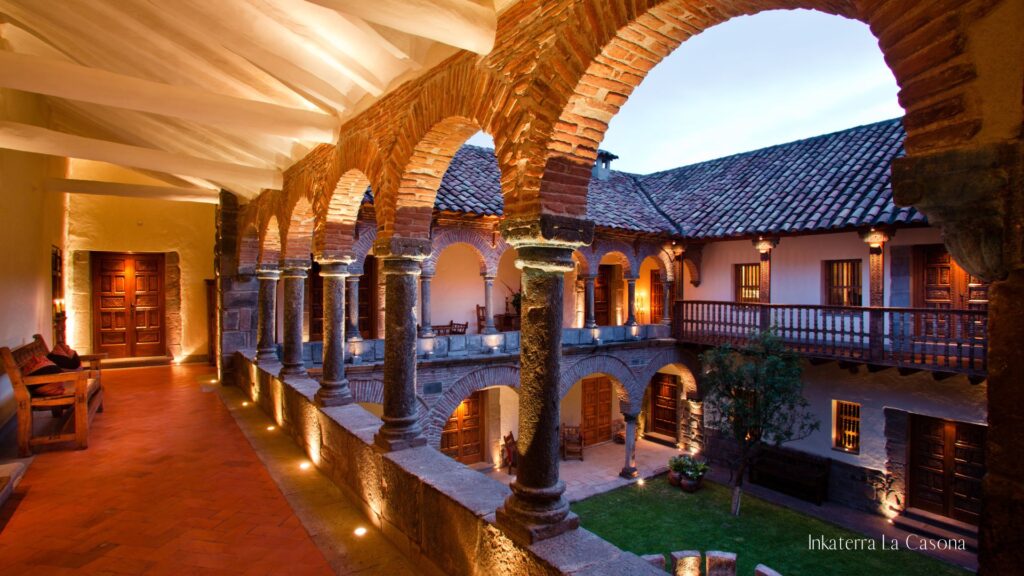
Few organizations have done as much to redefine the future of tourism as Inkaterra, a true pioneer in sustainability, Peru ecotourism, and biodiversity conservation across Latin America. This year, as Inkaterra celebrates its 50th anniversary, the Green Initiative team is honored to recognize and celebrate our partner’s extraordinary journey — one that has transformed not only the way we experience travel, but also the way we connect with nature and contribute to a more climate positive and nature positive future. Joe Koechlin: A Visionary Behind Inkaterra’s 50 Years At the heart of Inkaterra’s 50-year journey is Joe Koechlin, its founder and driving force. Since establishing Inkaterra in 1975, Koechlin has redefined what tourism can mean for both travelers and the planet. His conviction was clear from the start: hospitality must be inseparable from conservation, scientific research, and cultural preservation. Guided by this vision, Koechlin transformed Inkaterra into one of the world’s most respected models of sustainable hotels and regenerative tourism. Under his leadership: Koechlin’s work has also had profound international resonance. His voice has been instrumental in showing how the private sector can align with global climate goals while delivering unforgettable travel experiences. With Inkaterra soon reaching its 50th anniversary in 2025, his leadership continues to inspire new generations of hoteliers, conservationists, and travelers committed to a climate and nature positive future. Inkaterra: A Legacy of Conservation and Innovation Since its founding in 1975, Inkaterra has been at the forefront of ecotourism and environmental preservation. Through scientific research, reforestation, and community engagement, the organization has created a model where hospitality, ecotourism, and conservation walk hand in hand. Over the decades, their projects have become international milestones, showing the world that protecting biodiversity and generating social value are not only possible, but essential. The August edition of Inkaterra’s newsletter highlights this remarkable legacy in the article “Inkaterra 50th Anniversary Milestones”, celebrating half a century of achievements in protecting Peru’s natural and cultural heritage. From pioneering sustainable tourism in the Amazon to creating conservation projects in Cusco and Cabo Blanco, Inkaterra continues to inspire destinations worldwide. A Strategic Alliance for a Climate Positive Future Our collaboration with Inkaterra is built on a shared vision: that the tourism industry can be a driver of climate action and ecosystem regeneration. Together, we have celebrated achievements that resonated across the globe: Forest Friends at the Economy of Francesco We are deeply grateful to Inkaterra for highlighting our project Forest Friends in their newsletter article “INKATERRA AND GREEN INITIATIVE: GLOBAL RECOGNITION FOR ECOSYSTEM RESTORATION”. Forest Friends was recently selected to be showcased at the Economy of Francesco Extraordinary Ideas Global Event 2025, a gathering inspired by Pope Francis that brings together leaders, entrepreneurs, and changemakers to build a new economy rooted in social justice, environmental sustainability, and the common good. This recognition is not just about our work — it is a testament to a shared commitment with Inkaterra: proving that tourism can be a powerful tool for climate and nature positive transformation. Facilitate your businesses journey towards value-driven climate and nature positive impacts with Forest Friends. Through Forest Friends, individuals, companies, and institutions can calculate and offset their carbon footprint by planting native trees, protecting biodiversity, and generating social benefits in regions of high ecological importance such as the Osa Peninsula (Costa Rica), Madre de Dios (Peru), and beyond. Looking Ahead: A Shared Path Toward 2050 As Inkaterra steps into its next 50 years, we celebrate their pioneering role in uniting science, tourism, and conservation. Together, we are building replicable models for sustainable tourism that inspire global action and directly support the goals of the UN Decade on Ecosystem Restoration. On behalf of the Green Initiative and our global Forest Friends community, we congratulate Inkaterra on this historic milestone. May the next decades bring even greater achievements in climate action, biodiversity conservation, and regenerative tourism — for Peru, Latin America, and the world. This article was written by Yves Hemelryck from the Green Initiative team

Inkaterra: 50 Years of Pioneering Sustainable Tourism and Global Climate Action Read More »

Green Initiative Participates in the Environmental Finance Awards 2025 with Scalable Climate and Nature-Based Solutions

Green Initiative Participates in the Environmental Finance Awards 2025 with Scalable Climate and Nature-Based Solutions

Green Initiative is pleased to announce its participation in the Environmental Finance Awards 2025, a distinguished platform recognizing impactful contributions to sustainable finance, environmental leadership, and innovation in climate action. Our participation highlights two flagship initiatives that embody our mission to advance scalable, science-based solutions for a climate- and nature-positive future: These programs are examples of how measurable climate action and biodiversity protection can be effectively integrated into public policy, private sector innovation, and community engagement. Machu Picchu: A Global Benchmark in Net Zero Tourism Since 2019, under the technical guidance of Green Initiative, Machu Picchu has implemented a comprehensive decarbonization strategy that has resulted in an 18.77% reduction in greenhouse gas emissions, positioning it as the first UNESCO Designated Site to be certified carbon neutral. The strategy includes: This project has catalyzed peer learning and policy alignment throughout Peru’s Sacred Valley and globally, with structured collaborations now underway between Machu Picchu and sites such as Angkor Wat, Taj Mahal, and Cristo Redentor. 🡒 Learn more: Machu Picchu Net Zero Strategy and Climate Talks Forest Friends: Advancing Nature-Positive Action through Verified Ecosystem Restoration Forest Friends is Green Initiative’s market-based nature restoration program, developed to enable companies and individuals to make measurable contributions to biodiversity recovery and carbon sequestration. The program has already supported the planting of over 13,000 native trees across more than 200 hectares in priority conservation areas such as the Amazon, Tropical Andes, and Costa Rica’s Osa Peninsula. Key components include: Forest Friends is aligned with the UN Decade on Ecosystem Restoration and follows the UN’s Ten Principles for Ecological Restoration (2021–2030), providing a replicable model for corporate engagement in nature-positive development. 🡒 Explore the program: https://forestfriends.eco Building Global Momentum for Climate and Nature Leadership By participating in the Environmental Finance Awards 2025, Green Initiative is proud to join a community of forward-thinking organizations committed to reshaping how the global economy responds to the climate and biodiversity crises. While we are not nominated for an award, our participation underscores the urgency of sharing replicable models that combine policy innovation, scientific integrity, and measurable outcomes. Through initiatives like Machu Picchu and Forest Friends, we aim to demonstrate that climate and nature-positive transitions are more than possible: they are essential for long-term resilience, equity, and competitiveness. We remain committed to supporting governments, companies, and civil society in implementing integrated solutions that respond to the challenges of our time with clarity, transparency, and impact. 🡒 Learn more about our work: https://greeninitiative.eco This article was written by Tatiana Otaviano from the Green Initiative Team. Related Articles

Green Initiative Participates in the Environmental Finance Awards 2025 with Scalable Climate and Nature-Based Solutions Read More »

Rio de Janeiro's Cristo Redentor Launches Climate Certification A New Era for Sustainable Tourism and UNESCO World Heritage Sites

Rio de Janeiro’s Cristo Redentor Leads the Way for COP30: Climate Action in Tourism for a Resilient Future

Cristo Redentor Sanctuary, Rio Book, and Green Initiative Sign Collaboration Agreement to Launch Climate Certification of this Iconic UNESCO World Heritage Site Aligned with UN Tourism efforts to promote sustainable tourism best practices across the region, and inspired by the achievements of Machu Picchu, the Santuário Cristo Redentor, Rio Book, and Green Initiative have signed a collaboration agreement to launch the climate certification process of Cristo Redentor — an emblematic cultural and religious landmark recognized as a UNESCO World Heritage Site. “Our vision for a thriving tourism sector, aligned with the great challenges humanity must overcome, is clear: tourism development and decarbonization can — and must — go hand in hand. Through this initiative, leveraging the powerful symbolism of Cristo Redentor in Rio de Janeiro, we aim to carry this message not only to other destinations in the region but to the entire world.” — Gustavo Santos, UN Tourism Director for the Americas Located within the lush Tijuca Forest National Park in Rio de Janeiro, Cristo Redentor stands as a powerful symbol of the interconnection between culture, spirituality, and nature. The Sanctuary leads a robust environmental sustainability agenda through its institutions, such as the Instituto Redemptor and the Obra Social Leste Um, coordinated under the Consórcio Cristo Sustentável. Guided by the United Nations’ 2030 Agenda and the Sustainable Development Goals (SDGs), the Sanctuary is progressively internalizing best practices in environmental and social governance, aiming to generate a positive climate impact across all its activities. “Cristo Redentor, a universal symbol of welcome and inclusion, is on its way to its centenary in 2031, establishing itself as the first cultural and religious tourist destination in Brazil to achieve this level of commitment to climate sustainability in the management of its activities. Our strategic planning and governance are aimed at integrating the best environmental practices, with the goal of positioning our monument as a communicating agent that conveys the urgent need for the holistic care of our common home.”— Father Omar Raposo, Rector of the Santuário Cristo Redentor (Christ the Redeemer Sanctuary) On April 24th, during a historic event held in Belém do Pará, the Sanctuary signed two strategic agreements. First, a Protocol of Intentions with the Government of the State of Pará to jointly advance climate and sustainability agendas ahead of COP30. Second, a collaboration agreement with Rio Book and Green Initiative to initiate the climate certification process of Cristo Redentor’s management, with a progressive strategy towards achieving a positive climate impact. Through this collaboration, Cristo Redentor will undergo a comprehensive climate certification process aimed at assessing and mitigating its carbon footprint, integrating climate action at the core of its management model. “Being involved in the Cristo Carbono Neutral Certification process is a tremendous honor and pleasure. With the support from UN Tourism, along with support from public authorities and private sector institutions, we will have a unique project! In addition to Green Initiative’s work, we will mobilize talents to organize events, national and international photography exhibitions, concerts, documentaries… In short, a powerful network of communication and achievements worthy of this major project.” — Ricardo Amaral, Director of Rio Book “This collaboration reflects our commitment to positioning climate action as a central element of regenerative and sustainable tourism. At Green Initiative, we believe that iconic sites like Cristo Redentor have the power to inspire global change—not only through environmental leadership but by engaging communities, visitors, and partners in a collective journey toward a climate-positive future.” — Tatiana Otaviano, Relationship Manager at Green Initiative Importantly, through this process, Cristo Redentor will align its efforts with the Glasgow Declaration on Climate Action in Tourism. Launched at COP26 in 2021, the Glasgow Declaration has been endorsed by over 700 organizations worldwide and calls on tourism stakeholders to halve emissions by 2030 and achieve net zero by 2050. It outlines five pathways for action: Measure, Decarbonize, Regenerate, Collaborate, and Finance. By adhering to these principles through the certification process, Cristo Redentor will further strengthen its governance framework and serve as a model for UNESCO World Heritage Sites worldwide, illustrating how tourism, cultural heritage preservation, and climate action can be mutually reinforcing pillars for sustainable development. Grounded in international standards and Green Initiative’s approach, the overall goal of the project is to internalize climate mitigation action within the Sanctuary’s management practices. In doing so, the certification process will help reinforce ongoing social, cultural, and environmental initiatives led by the Sanctuary, while also identifying and making visible new opportunities for climate action, nature conservation, and community-based cultural programs. This integrated approach will contribute to amplifying the project’s impact and outreach, strengthening Cristo Redentor’s role as a catalyst for sustainable and inclusive development. The certification process will entail a full measurement and analysis of greenhouse gas emissions balance associated with site operations and activities. It will identify and reinforce existing mitigation efforts while exploring new opportunities for carbon capture and resource efficiency. It will culminate in the development of a Climate Action Plan covering the 2025–2030 period, designed to guide strategic investments, operational improvements, and long-term social, cultural and climate-related initiatives. A Strategic Step Toward COP30 The initiative comes at a crucial time, as Brazil prepares to host COP30 from November 10 to 21, 2025, in Belém do Pará — the first time a UN Climate Conference will be held in the Amazon region, a globally significant ecosystem for climate stability. Since the launch of the Glasgow Declaration, the tourism sector has been building a compelling case for its role in addressing the climate crisis. This momentum gained significant traction at COP29 in Baku, Azerbaijan, where tourism was celebrated through the inaugural Tourism and Climate Action Day, underscoring the sector’s growing recognition as a driver of climate solutions and nature-positive action. The climate certification of Cristo Redentor aligns with these global movements and serves as a strategic contribution to Brazil’s and the broader region’s efforts to demonstrate that tourism can be a powerful force for good. By positioning a UNESCO World Heritage Site as a leader in climate mitigation,

Rio de Janeiro’s Cristo Redentor Leads the Way for COP30: Climate Action in Tourism for a Resilient Future Read More »

Circular Economy in Tourism An Essential Strategy for Climate Action and Sustainable Development of the Sector

Circular Economy in Tourism: An Essential Strategy for Climate Action and Sustainable Development of the Sector

Tourism, recognized as an engine for development and a promoter of cultural exchange, operates as a highly complex sector. Its structure ranges from small community-based enterprises to giant hotel chains and airlines, interacting within diverse and often fragile ecosystems. This very complexity places the sector at the center of a critical dual reality in the current era. The industry is highly vulnerable to climate change impacts such as extreme weather events, sea-level rise, and alterations in seasonal patterns that threaten destinations. Simultaneously, it significantly contributes to the causes of these changes. Frequently cited estimates from organizations like the World Tourism Organization (UNWTO) indicate that the sector’s carbon footprint accounts for between 8% and 10% of global GHG emissions when considering its entire value chain. This situation demands an urgent and profound transformation, as the prevailing tourism model for decades, based on a linear “take-make-dispose” economy, is currently unsustainable. In this context, the Paris Agreement, the most relevant global commitment to limit global warming to well below 2°C, establishes the binding framework for action. Key sector initiatives, such as the Glasgow Declaration on Climate Action in Tourism, translate this imperative into concrete goals for the sector: halving emissions by 2030 and achieving Net Zero as soon as possible before 2050. To address this challenge, the Circular Economy emerges not merely as another alternative, but as the fundamental operational strategy. Applied to tourism and grounded in principles promoted by leading entities like the Ellen MacArthur Foundation and adopted in policies and guidelines by multilateral organizations, the Circular Economy offers the practical tools to dismantle the linear model. Its goal is to radically optimize resource use (energy, water, materials, food) and, consequently, minimize the carbon footprint, thus becoming the main driver for fulfilling the climate commitments derived from Paris and Glasgow. The project “Coalición Turística por una Economía Circular, Inclusiva y Climáticamente Inteligente” (Tourism Coalition for a Circular, Inclusive, and Climate-Smart Economy), a collaboration between CANATUR and AECID, with technical support from Green Initiative and funding from the European Union, recognizes the circular economy as a key tool that contributes to the global objectives associated with the current climate crisis. The general objective of such projects is to implement a circular development model centered on an economy where reuse, recovery, recycling, extending the useful life of products, and reducing the carbon footprint in the tourism sector prevail, while also promoting innovation and competitiveness in a fair and equitable manner. Implementing circularity in tourism involves fundamentally redesigning the experience and operation, following its basic principles: In practice, this materializes through a comprehensive approach that spans the entire tourism value chain. Some concrete examples include: Adopting these circular practices is not only essential for planetary health and meeting binding climate commitments, but also generates operational efficiencies, reduces costs, and enhances reputation. The transition from a linear production and consumption model to a circular model that prioritizes the reuse, recovery, and recycling of resources is essential for both environmental integrity and sustainable economic growth. The adoption of a circular economy model in tourism lays the operational groundwork for sustainable and responsible management. This vision of circularity prepares us and paves the way for an even greater aspiration: Regenerative Tourism—a type of tourism that not only avoids harm but actively revitalizes ecosystems, communities, and local cultures, aiming to leave them better than found. The CANATUR and AECID project is dedicated to fostering a more sustainable and low-carbon tourism model within Peru, thus establishing itself as a crucial undertaking for the global climate agenda. Recommended additional reading: World Tourism Organization (UNWTO). (2023). Climate Action in the Tourism SectorThis report provides an overview of greenhouse gas emissions measurement in tourism and assesses the sector’s climate action efforts.👉 Climate Action in the Tourism Sector World Tourism Organization (UNWTO). (2024). Policy Guidance to Support Climate Action by National Tourism AdministrationsThis policy guidance assists National Tourism Administrations in developing tourism climate action policies and initiatives to support the low-carbon transition.👉 Policy Guidance to Support Climate Action Ellen MacArthur Foundation. (2021). Circular Economy IntroductionAn introduction to the circular economy, explaining its principles and how it aims to eliminate waste and regenerate nature.👉 What is a circular economy? This article was written by Musye Lucen from the Green Initiative Team. Related Articles

Circular Economy in Tourism: An Essential Strategy for Climate Action and Sustainable Development of the Sector Read More »

CANATUR and AECID, leading Tourism Coalition for a Circular, Inclusive, and Climate-Smart Economy with the support of Green Initiative

CANATUR and AECID, leading Tourism Coalition for a Circular, Inclusive, and Climate-Smart Economy with the support of Green Initiative

Green Initiative, an entity recognized for its expertise in advising and certifying organizations that seek to mitigate their CO₂ emissions, is working as the technical supporting partner for the project entitled “Coalición Turística por una Economía Circular, Inclusiva y Climáticamente Inteligente” (Tourism Coalition for a Circular, Inclusive, and Climate-Smart Economy). This initiative represents a collaborative endeavor between CANATUR (National Chamber of Tourism of Peru) and AECID (Spanish Agency for International Development Cooperation), also funded by the European Union. The project is dedicated to fostering a more sustainable and low-carbon tourism model within Peru, thereby establishing itself as a crucial undertaking for the global climate agenda. This project arises in a context where the circular economy is recognized as a key tool contributing to global objectives associated with the current climate crisis. Following the signing of the Paris Agreement in 2015 by 195 countries, including Peru, a new paradigm of production and consumption was generated. The main commitment is to reduce greenhouse gas emissions and curb global warming. For the tourism sector, this represents a great opportunity and a challenge to incorporate reuse, recovery, recycling, and maximizing resource efficiency, getting the sector to incorporate these practices into its operations. The Significance of the Climate Agenda for Tourist Destinations in Peru and Globally Peru, home to iconic destinations such as Machu Picchu and Cabo Blanco, holds a prominent position in global tourism. However, in common with other international destinations, the nation faces challenges related to climate change, which exert an impact on the environment, the local economy, and communities. The reduction of greenhouse gas (GHG) emissions, particularly CO2, is of fundamental importance for the protection of these destinations and to ensure their preservation for future generations. Peru, alongside the other 195 signatory nations of the Paris Agreement, is committed to substantially reducing its GHG emissions to mitigate global warming. The Circular Economy as a Key Tool Within this context, the circular economy emerges as a potent instrument for achieving these objectives. The transition from a linear model of production and consumption, characterized by “produce and discard,” to a circular model, which prioritizes the reuse, recovery, and recycling of resources, is essential for both environmental integrity and sustainable economic growth. The general objective of the project is to implement a circular development model centered on an economy where reuse, recovery, recycling, extending useful life, and reducing the carbon footprint in the tourism sector prevail, while also boosting innovation and competitiveness fairly and equitably. The Role of Green Initiative Green Initiative has established itself as a global benchmark in providing advisory services to tourist destinations, assisting them in the implementation of sustainable practices and the attainment of climate-smart management practices. The selection of the company was predicated upon its extensive experience and recognized achievements in collaborating with tourist destinations worldwide, facilitating the integration of circular economy practices and the reduction of their CO2 emissions. Green Initiative’s mission transcends the implementation of environmental policies; the organization is dedicated to transforming the operational modalities of the tourism sector, promoting climate change mitigation in an integrated manner across the entire value chain. Project Scope and Expected Results The collaboration with CANATUR and AECID presents an opportunity to disseminate this knowledge within Peru. The project aims to implement a management model based on innovative circular economy practices in 2 tourist destinations for carbon emission mitigation. Additionally, it will promote the creation of a Sectorial Commission for Circular Economy in Tourism to implement a Roadmap and flagship actions, and strengthen the capacities of tourism system actors on climate action and cleaner, circular production. The initial intervention regions are Lima, Cusco, Piura, and San Martín, although the project will have a national impact. This tourism coalition project will yield a series of deliverables that are critical for the implementation of the transition towards a more circular and sustainable tourism sector. Green Initiative will be responsible for ensuring that these deliverables are executed with the utmost quality and efficiency. Activities will include workshops, training sessions, webinars, an international conference, and the implementation of flagship actions in tourist destinations. The project aligns with global sustainable development objectives, including the Sustainable Development Goals (SDGs) such as SDG 13 (Climate Action), SDG 12 (Responsible Consumption and Production), and SDG 11 (Sustainable Cities and Communities). With the circular economy gaining increasing prominence, a unique opportunity exists to transform the tourism sector into an engine for sustainable development, generating new employment opportunities and fostering an inclusive, low-carbon economy. Active participation from stakeholders and allies is sought through backing (R) the sectoral committee, synergy (S) in activities by contributing experience and resources, and dissemination (D) of project progress. Conclusion Sustainable tourism transcends the notion of doing good; it constitutes an urgent necessity in the face of prevailing global climate challenges. Green Initiative, in conjunction with CANATUR and AECID, is at the forefront of this transformative process in Peru, assisting tourist destinations in the adoption of circular economy practices and carbon mitigation strategies. Consequently, beyond the preservation of natural splendors such as Machu Picchu and Cabo Blanco, this collaboration contributes to a more balanced and sustainable future for all stakeholders. Green Initiative, with its demonstrated expertise and leadership, will be instrumental in enabling significant Peruvian tourist destinations to progress towards a more sustainable future. This article was written by Tatiana Otaviano from the Green Initiative Team. Related reading

CANATUR and AECID, leading Tourism Coalition for a Circular, Inclusive, and Climate-Smart Economy with the support of Green Initiative Read More »

Hotel Punta Sal: A Sustainable Commitment to Climate Mitigation and Carbon Footprint Reduction

Hotel Punta Sal: A Sustainable Commitment to Climate Mitigation and Carbon Footprint Reduction

In a world increasingly aware of the climate crisis, corporate environmental responsibility has become a key factor for competitiveness and long-term sustainability. A clear example of this trend is Hotel Punta Sal (Tumbes, Peru), an establishment that has shown a strong commitment to sustainability and climate change mitigation. Measuring and Offsetting the Carbon Footprint In 2023, Hotel Punta Sal took a major step in its sustainability journey by measuring its carbon footprint and earning the Carbon Neutral certification from Green Initiative. Measuring its carbon footprint was crucial to understanding the environmental impact of the hotel’s operations, identifying the areas that generate the highest greenhouse gas emissions. After this assessment, the hotel took action to offset its carbon footprint, demonstrating its commitment to reducing environmental impact and fulfilling its social responsibility. Based on this initial assessment — the baseline — the hotel identified mitigation opportunities and made significant investments in actions to reduce its emissions. Climate Action Plans In 2024, in addition to measuring and offsetting its carbon footprint, Hotel Punta Sal has also implemented several climate mitigation measures to tangibly reduce its environmental impact. Key efforts include: These initiatives are part of a broader Climate Action Plan and are expected to positively influence the hotel’s carbon footprint assessment for the cycle. By implementing these measures, the hotel reduces its carbon footprint, enhances its competitiveness in a market increasingly demanding sustainability, and demonstrates its commitment to global climate goals such as the Paris Agreement. As a key player in the climate agenda for tourism, Green Initiative is committed to supporting companies like Hotel Punta Sal, which will join a select group of Latin American signatories of the Glasgow Declaration, accelerating progress toward decarbonizing the tourism sector. Benefits of Climate Action Hotel Punta Sal’s commitment to climate action also brings economic and strategic advantages: A More Sustainable Future Hotel Punta Sal is a prime example of how the tourism industry can play a crucial role in the fight against climate change. By measuring and offsetting its carbon footprint, implementing sustainable technologies, and adopting a Climate Action Plan with mitigation measures, the hotel not only protects the environment but also ensures its future viability and competitiveness. With its continued efforts to integrate climate action into its business model, Hotel Punta Sal positions itself as a leader in sustainability in Peru and globally, proving that climate action is essential not only for the planet but also for long-term business success and prosperity. This article was written by Tatiana Otaviano from the Green Initiative Team. Related reading

Hotel Punta Sal: A Sustainable Commitment to Climate Mitigation and Carbon Footprint Reduction Read More »

WorldXchange Renews Its Climate Positive Commitment and Takes a Step Further with LATA Responsible Tourism Awards Application

WorldXchange Renews Its Climate Positive Commitment and Takes a Step Further with LATA Responsible Tourism Awards Application

At Green Initiative, we proudly celebrate the ongoing climate leadership of our partner: WorldXchange. In 2025, WorldXchange not only renewed its Climate Positive Certification — maintaining its role as the first and only currency exchange company in the world with this distinction — but also took a bold step forward by submitting its application for the prestigious LATA Responsible Tourism Awards 2025 in the Nature-Positive Tourism category. This recognition is a testament to the company’s deep-rooted vision: tourism and finance can, and must, be forces for positive change. Elevating Tourism’s Second Face: From Currency Exchange to Environmental Stewardship WorldXchange operates in Peru’s major tourist corridors, with offices in Lima, Cusco, and Arequipa — cities that are gateways to some of the most biodiverse and culturally rich regions of Latin America. Although primarily a financial service provider, WorldXchange understood early on that its strategic position within airports — the “first and last impression” of many visitors — placed it at the heart of the tourism value chain. In partnership with Green Initiative, WorldXchange adopted a robust Measure-Reduce-Offset (MRV) strategy, achieving verified emissions reductions, supporting reforestation projects in the Amazon region of Madre de Dios, and engaging over 250,000 travelers annually in education efforts about climate, biodiversity, and regenerative tourism practices. Beyond internal transformation, WorldXchange’s leadership helped catalyze broader change: after its carbon-neutral and Climate Positive achievements, Lima Airport updated its concession contracts to require environmental accountability from all vendors — a ripple effect that now influences one of Latin America’s busiest airports. A New Milestone: LATA Responsible Tourism Awards Application This year, WorldXchange has taken another major step by submitting its candidacy for the LATA Responsible Tourism Awards under the Nature-Positive Tourism category. Their application highlights several key achievements: WorldXchange’s story perfectly exemplifies how companies traditionally outside the “green tourism” space can fully embrace regenerative practices — and even lead sectoral transformation. Looking Ahead: Sustaining and Expanding Climate Leadership As WorldXchange continues its journey, the company remains committed to deepening its climate and nature-positive impact. In 2025, it is finalizing its latest carbon footprint assessment and preparing new targets to further lower its emissions and environmental footprint per traveler served. At Green Initiative, we are proud to stand beside WorldXchange as it redefines the role of financial service providers in sustainable tourism. Their achievements are a clear reminder that climate-positive leadership can — and must — be integrated across every link of the tourism value chain. Congratulations to the entire WorldXchange team for their renewed certification, their bold steps forward, and their unwavering commitment to a more sustainable future! This article was written by Ella Baehringer from the Green Initiative team Related reading

WorldXchange Renews Its Climate Positive Commitment and Takes a Step Further with LATA Responsible Tourism Awards Application Read More »

How Sustainability Is Driving Consumer Behavior in 2025 — and What It Means for Your Business

How Sustainability Is Driving Consumer Behavior in 2025 — and What It Means for Your Business

In 2025, sustainability is no longer optional — it’s a driving force behind consumer, investor, and employee decisions. From travel to logistics, businesses are being reshaped by growing demands for transparency, responsibility, and measurable environmental action. According to IBM’s latest global sustainability study, 51% of consumers say environmental sustainability is more important today than it was a year ago. The shift is clear — and it’s opening major opportunities for businesses that lead with climate and nature positive strategies. Key Sustainability Trends Shaping Consumer Behavior 1. Consumers Are Paying More for Sustainable Products Nearly half of surveyed consumers reported paying an average of 59% more for eco-conscious products. Brands that align with these values are not only earning loyalty but also capturing new markets. 2. Green Investments Are Growing 62% of personal investors now consider sustainability in their decisions — up from 48% just one year earlier. Climate certifications and ESG reporting are now essential for attracting capital. 3. Sustainability Attracts Top Talent 67% of job seekers are more likely to apply for a job with an environmentally responsible company. Sustainable practices are a competitive advantage in today’s hiring landscape. 4. Consumers Want to Act — But Need Help While 77% want to make sustainable choices, barriers like access and affordability remain. Businesses that empower consumers to live more sustainably will stand out. What Leading Companies Are Doing — And How You Can Too ✅ Make Sustainability Visible and Verifiable Certifications are a powerful trust signal for today’s conscious consumers. For example, Delfin Group, a logistics provider, earned Climate Neutral Certification through Green Initiative by optimizing its emissions and adopting cleaner energy solutions across operations. In the travel sector, Kuoda Travel achieved Climate Positive Certification, reaffirming its leadership in sustainable tourism by accurately measuring emissions, offsetting carbon, and supporting reforestation efforts across South America. Meanwhile, in the beverage industry, AJE Group’s Bio Amayu became the world’s first Climate Positive fruit juice, created with sustainably sourced Amazonian ingredients and produced through carbon-balanced practices. In Brazil, institutions like SESC and SENAC are advancing sustainable development in education and culture through Climate Certification. Grupo Rio da Prata, a leader in ecotourism, has achieved Climate Positive Certification by investing in nature conservation, biodiversity, and responsible tourism. From Europe, organizations such as CEPA and AlphaMundi Group are leading the way in sustainable investment and education, aligning their strategies with measurable climate action and long-term environmental impact. These are just a few of the companies and institutions in our portfolio that are leading their sectors by aligning business goals with climate goals — and reaping the rewards of trust, loyalty, and long-term impact. Get certified here → ✅ Promote Nature Positive Actions Go beyond carbon neutrality. Support biodiversity, reforestation, and regenerative practices with measurable impact — like ForestFriends.eco, Green Initiative’s ecosystem restoration project. Through Forest Friends, businesses and individuals can restore native forests and protect endangered species in regions affected by climate change. Learn about Forest Friends → Lead the Change, Build a Better Future Sustainability isn’t a trend. It’s the foundation of a new business model — one that prioritizes regeneration, equity, and long-term value. At Green Initiative, we help organizations turn climate ambition into real-world action.Join the movement. Get certified. Restore ecosystems. Lead the transition to a truly climate and nature positive future. 👉 Explore climate and nature positive certifications👉 Support ecosystem restoration with Forest Friends

How Sustainability Is Driving Consumer Behavior in 2025 — and What It Means for Your Business Read More »

Sustainability in Hospitality A Competitive Advantage, Not Just Compliance Green Initiative

Sustainability in Hospitality: A Competitive Advantage, Not Just Compliance

Why Sustainability Matters for Hotels and Restaurants Sustainability in hospitality is no longer optional—it’s a strategic necessity for long-term success. As climate action gains momentum worldwide, hotels and restaurants that embrace sustainable practices are securing financial benefits, reducing operational costs, and strengthening brand loyalty. But sustainability isn’t just about meeting environmental goals—it’s about gaining a competitive edge in a rapidly evolving industry. From cutting expenses through energy efficiency to attracting eco-conscious travelers and securing preferential financing, sustainability is reshaping the hospitality landscape. Businesses that integrate climate-smart strategies will thrive, while those that ignore this shift risk higher costs, limited financing options, and declining market appeal. The message is clear: sustainability is no longer just about compliance—it’s the key to long-term profitability and success.. Key Benefits of Sustainability in Hospitality ✅ Cost Reduction – Energy efficiency and waste reduction lower operational expenses.✅ Access to Climate Financing – Hotels with strong sustainability practices can secure preferential loans and investment opportunities.✅ Brand Differentiation – Eco-conscious travelers actively seek sustainable hospitality options.✅ Regulatory Compliance & Future-Proofing – Meeting global climate pledges protects businesses from future regulatory risks. Sustainability as a Competitive Edge in Hospitality Hotels that delay climate-smart strategies risk rising costs, shrinking market appeal, and limited financing options. Sustainability isn’t just a trend—it’s shaping the future of the hospitality industry. Hospitality Sustainability Success Stories 1. SENAC Restaurants, Brazil: A Carbon-Neutral Dining Model SENAC Restaurants in Brazil achieved Carbon Neutral Certification by overhauling their food sourcing strategy. By prioritizing local suppliers, they: ✔ Cut transportation costs✔ Improved menu sustainability✔ Strengthened brand reputation This demonstrates how sustainability and profitability go hand in hand. 2. Inkaterra: A Global Leader in Eco-Hospitality Inkaterra, a pioneer in ecotourism, has integrated climate action into its operations by managing 15,000 hectares of protected forest. Their Climate Certification has: ✔ Strengthened their international reputation✔ Secured climate finance through partnerships like the Inter-American Development Bank (IDB)✔ Improved operational efficiency These case studies highlight that sustainability is not just about reducing emissions—it’s a business growth strategy. The Business-Driven Approach to Hospitality Sustainability Despite misconceptions that climate action is losing momentum, the truth is that sustainability is now a business-driven necessity. The rising costs of energy, food, and waste management make climate-positive initiatives essential for profitability. How to Integrate Sustainability into Your Hospitality Business To stay ahead in the industry, hospitality businesses should consider: 🔹 Carbon Certification for Hotels & Restaurants – Align with climate finance frameworks and secure better investment opportunities.🔹 Energy & Waste Management Strategies – Reduce operational costs while meeting sustainability goals.🔹 Sustainable Sourcing & Eco-Friendly Operations – Attract eco-conscious travelers and corporate clients. Take Action: Future-Proof Your Hospitality Business Hotels and restaurants can gain a competitive advantage by obtaining Green Initiative’s Climate Certificates for tourism, hospitality, and destinations. These certifications help businesses secure financing, improve sustainability performance, and increase market appeal. Download the Free Climate Action Guide for Hospitality Gain valuable insights on integrating climate mitigation strategies into your hotel or restaurant business. 📥 Download the Climate Action Guide Final Thoughts Sustainability is not just an ethical obligation—it’s a smart business strategy. Hotels and restaurants that embrace climate action will thrive, while those that hesitate may struggle with rising costs and diminishing market share. Is your hospitality business ready for the future? Start your sustainability journey today and position yourself as a leader in the evolving hospitality landscape. Get in touch.

Sustainability in Hospitality: A Competitive Advantage, Not Just Compliance Read More »

Inkaterra Cabo Blanco: A Global Model for Regenerative Tourism and Sustainable Sport Fishing

Inkaterra Cabo Blanco: A Global Model for Regenerative Tourism and Sustainable Sport Fishing

Cabo Blanco, a small fishing village on the northern coast of Peru, holds a unique place in maritime history. Once a legendary destination for sport fishing—attracting figures such as Ernest Hemingway—it is now at the center of an ambitious initiative to promote regenerative tourism, marine conservation, and climate-positive economic development. Through the efforts of Inkaterra Hotels, a leading Climate Positive Certified hospitality group, and Inkaterra Asociación, a nonprofit organization dedicated to biodiversity research and conservation, Cabo Blanco is transitioning towards a nature-positive future—one that restores ecosystems, empowers local communities and creates long-term economic value through sustainable tourism. A Legacy of Sport Fishing in Cabo Blanco During the 1950s, Cabo Blanco gained international recognition as a premier destination for big-game fishing, particularly for black marlin, with record-breaking catches exceeding 700 kg. However, decades of overfishing, habitat degradation, and climate change have led to a dramatic decline in marine populations, threatening both the ecosystem and the livelihoods of local fishing communities. To counteract these impacts, conservation initiatives have been set in motion to restore marine biodiversity while ensuring sustainable tourism remains a viable economic driver. One of the most significant steps toward this goal is the proposal for Peru’s first marine reserve, which aims to protect critical habitats, replenish fish populations, and regulate responsible fishing practices. Sustainable Sport Fishing: A Regenerative Approach While sport fishing remains a core attraction in Cabo Blanco, adopting regenerative fishing practices, such as catch-and-release policies, ensures that tourism supports, rather than depletes, the region’s marine resources. Key Benefits of Sustainable Sport Fishing: Regenerative Tourism and Marine Conservation in Cabo Blanco Beyond fishing, Cabo Blanco is evolving into a hub for regenerative tourism, where visitors actively contribute to the ecosystem’s health rather than merely minimizing their impact. Inkaterra Asociación, in collaboration with scientists, conservationists, and local communities, is implementing nature-positive solutions to rebuild degraded marine and coastal environments. Regenerative Tourism Initiatives in Cabo Blanco: Inkaterra’s Climate and Nature-Positive Impact As a Climate Positive Certified company, Inkaterra Hotels goes beyond sustainability by actively removing more carbon from the atmosphere than it emits. In Cabo Blanco, its impact is being realized through: By aligning with global climate goals and nature-positive principles, Inkaterra Asociación and Inkaterra Hotels prove that tourism can be a force for environmental regeneration rather than exploitation. A Scalable Model for Global Conservation The transformation of Cabo Blanco into a regenerative tourism destination serves as a blueprint for coastal communities worldwide. By combining scientific research, sustainable economic development, and active ecosystem restoration, this initiative demonstrates how tourism can be reimagined as a tool for global climate action and biodiversity protection. How to Support Regenerative Tourism in Cabo Blanco: Conclusion Cabo Blanco is undergoing a profound transformation—from a historic fishing hotspot to a global leader in regenerative tourism and conservation. By prioritizing marine restoration, responsible tourism practices, and community engagement, this initiative ensures that future generations can continue to experience this iconic destination’s natural and cultural richness. As the world moves toward more climate-resilient and nature-positive tourism models, Inkaterra’s work in Cabo Blanco is a powerful example of how travel can catalyze ecological regeneration and socio-economic prosperity. For more information on regenerative tourism and conservation efforts, visit Green Initiative and contact us.

Inkaterra Cabo Blanco: A Global Model for Regenerative Tourism and Sustainable Sport Fishing Read More »