
Nature-Based Tourism and Climate Action:The Future of the Sector Depends on the Territories We Protect
GREEN INITIATIVE | Knowledge Series | Sustainable Tourism & Climate Action |

GREEN INITIATIVE | Knowledge Series | Sustainable Tourism & Climate Action |

Peru has become the first country in Latin America to enshrine a circular-economy roadmap as part of its climate action in tourism national policy. On March 27th, by executive decree, Peru quietly made history. The government of José María Balcázar Zelada signed Decree Supreme N° 003-2026-MINCETUR, approving the Circular Economy Roadmap for Tourism to 2030 — the first legally binding instrument of its kind in Latin America. The timing was not accidental. With Peru`s tourism sector preparing for COP31 in Turkey, and the Glasgow Declaration on Climate Action in Tourism — the sector’s most ambitious collective climate commitment, with over 850 signatory organizations — advocating for exactly this kind of national policy architecture, Peru stepped forward as the region’s standard-bearer. The declaration, launched at COP26, calls on all signatories to halve tourism emissions by 2030 and reach net zero before 2050. What had been a global pledge now has, for the first time in the Americas, a national legal framework behind it. The numbers attached to the roadmap outline a significant future opportunity. While circularity is not currently a major contributor to the tourism GDP, the government projects that by 2030, the implementation of these practices could inject 1.2 billion soles (roughly $345m) into the sector’s economy. Alongside this growth, nearly 31,000 new jobs are expected to be created in sustainable tourism activities along circular value chains. The environmental targets according to MINCETUR are equally ambitious: the mitigation of 74m tonnes of CO₂ equivalent and the restoration of more than 2m hectares of ecosystems and natural and cultural heritage. For Minister of Trade and Tourism José Reyes Llanos, the logic is straightforward. “Tourism is one of the activities with the greatest capacity to generate opportunity,” he said at the roadmap’s official launch. “But it also faces an obvious challenge: to grow without compromising the very resources that make its own development possible.” That tension — between growth and the environmental foundations that sustain it — is precisely what the roadmap is designed to manage. From Declaration to Decree The roadmap emerge from one year of technical and participatory work, bringing together public agencies, private operators, academia, civil society and communities. The legal architecture is equally robust: implementation is co-supervised by both MINCETUR and the Ministry of Environment (MINAM), with a built-in mechanism for periodic revision and a sectoral commission — designed to lock in multi-stakeholders’ governance platform. For the UN Tourism Office of the Americas, the significance of Peru’s move extends well beyond its borders. Heitor Kadri, the office’s regional representative, was unambiguous about what this moment represents for the global agenda: “We applaud Peru’s effort to position circularity as a strategy for climate action, sustainability, and competitiveness by translating its commitment into an actionable policy instrument, in line with the requirements of the Glasgow Declaration. For the Americas, this serves as a relevant reference that may inspire other countries in the region and globally. UN Tourism will continue to actively support Peru in implementation and in sharing its expertise.” — Heitor Kadri, UN Tourism Office Representative of the Americas Competitiveness, Not Just Compliance Sophia Dávila, Director of Environmental Tourism Affairs at MINCETUR, and the official who led the roadmap’s technical construction, is at pains to frame the instrument in competitive rather than regulatory terms: “This roadmap is the result of a wide participatory process. By 2030, Peru will not only be known for its wonders but for its circularity in tourism. We are transforming the entire value chain—from waste reduction to water efficiency, ensuring that every tourist’s visit leaves a positive footprint on our territory.” – Sophia Dávila, Director of Environmental Tourism Affairs, MINCETUR That framing reflects a deliberate strategic choice. In a region where private operators have long dismissed environmental mandates as sunk costs, Peru is anchoring its broader climate-action goals directly to the bottom line. Positioning circularity as a driver of business competitiveness, rather than a regulatory compliance burden, is the surest way to accelerate the industry investments in low-carbon business models. The Coalition Behind the Policy The roadmap’s journey from concept to decree was led by MINCETUR and supported by the Spanish Agency for International Development Cooperation (AECID) through the “Turismo Circular Perú” project — officially titled the Coalition for a Circular, Inclusive and Climate-Smart Tourism — which CANATUR, Peru’s national tourism chamber, led as its executing organization, with Green Initiative as its technical partner. Carlos Loayza, CANATUR’s General Manager, described the ambition behind the transformation the project seeks to drive: “We are looking to transform the sector with a new tourism model, where recycling, energy efficiency, sustainable design and climate commitment are part of the DNA of micro, small and medium-sized tourism enterprises. We believe there is enormous opportunity here, and this project will consolidate it ahead of 2030.” Within the Turismo Circular project specifically, technical execution relied on a strategic collaboration between MINCETUR, CANATUR and Green Initiative. Acting as a key advisory partner, Green Initiative supported core aspects of the process by providing the methodological frameworks required for consistent and well-informed decision-making. This advisory role is part of the firm’s broader commitment to support Peru’s climate action policy and practice, guiding circular and climate-smart tourism strategies across destinations including Machu Picchu, Ollantaytambo, Choquequirao and Cabo Blanco. The Road to Turkey With COP31 on the horizon and tourism now embedded in the global climate roadmap for the first time, the question is no longer whether the sector can contribute to climate action — but which countries will help define how. Peru’s accumulated expertise and recent policy commitments position it as a credible reference for the region, and potentially beyond, if ambition continues to translate into implementation. The circular-economy roadmap carries meaningful institutional weight: its targets are binding rather than aspirational, and its governance structure is built around a commission with a formal mandate rather than an advisory body. For a region that has historically struggled to convert environmental ambition into durable policy, that distinction matters — and is worth watching closely. Prepared by Yves
Sustainable Tourism: The First Mover Read More »
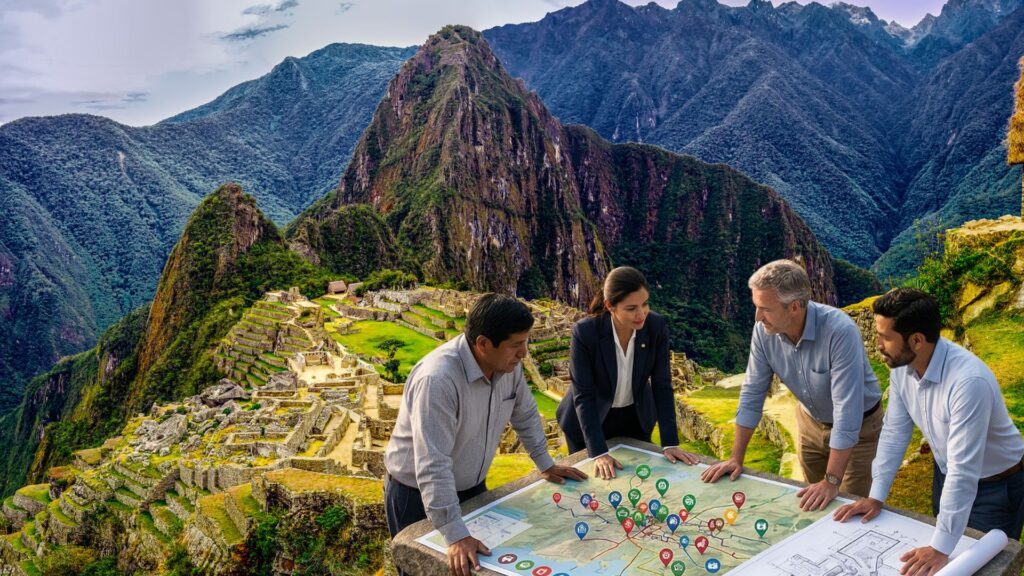
Individual businesses like hotels and restaurants drive essential progress when they reduce their own footprints and implement sustainable practices. These small changes contribute directly to local conservation and set a high standard for service. However, the most significant impact occurs when an entire destination aligns under a unified sustainability vision. Strategic governance transforms these isolated successes into a territory-wide movement, ensuring that every participant works toward shared climate goals. The Foundation of Destination Sustainability Governance Governance in the context of sustainable tourism refers to the systems and processes used to make decisions and hold stakeholders accountable. A robust framework ensures that environmental goals do not conflict with economic growth. Instead, it integrates climate resilience into the core identity of the destination. The most effective models involve a centralized Destination Management Organization (DMO) that acts as a bridge between the public sector and private enterprises. This entity coordinates the implementation of climate strategies, ensuring that every participant—from large resorts to small tour operators—works toward the same carbon reduction targets. Essential Components of a Climate Action Roadmap Building a sustainable destination requires a phased approach that moves from initial assessment to long-term monitoring. Let’s take a look at Machu Picchu’s extraordinary case. Stakeholder Mapping and Engagement Identifying every actor in the tourism value chain is the first step. This includes local government agencies, transport providers, hospitality leaders, and the resident community. The Machu Picchu experience highlights the importance of multi-level collaboration, involving local, regional, national, and international sectors to drive change. Policy Alignment and Goal Setting Destinations must align their local sustainability targets with international standards, such as the Paris Agreement, Global Sustainable Tourism Council (GSTC) or the Glasgow Declaration on Climate Action in Tourism. Setting clear time-bound objectives for carbon neutrality or waste reduction provides a benchmark for success. Monitoring and Data Collection You cannot manage what you do not measure. Implementing destination-wide Monitoring, Reporting, and Verification (MRV) systems allows governance bodies to track progress in real-time. This data informs policy adjustments and proves the credibility of the destination’s climate claims to international investors and travelers. Machu Picchu demonstrates this through its consistent carbon footprint measurements since 2019, which led to its validation as the first carbon-neutral UNESCO site in the world. Fragmentation in Tourism Management Fragmentation is the primary barrier to destination-level success. When businesses act in isolation, they often duplicate efforts or overlook shared infrastructure needs. A governance framework solves this by creating “sustainability clusters” where resources are pooled for maximum efficiency. For example, a coordinated governance body can facilitate shared renewable energy projects or centralized waste-to-energy plants that a single SME could not afford alone. This collective approach reduces the cost of entry for smaller players and accelerates the entire territory’s transition to a low-carbon economy. A governance framework solves this by facilitating shared projects that a single business could not afford alone. Practical examples from the Machu Picchu model include: Driving Competitive Advantage Through Transparency Destinations that demonstrate strong climate governance attract a higher caliber of travelers and investors. Transparency in climate reporting builds trust and protects the destination from accusations of greenwashing. By establishing a clear governance structure, a region positions itself as a forward-thinking leader in the global tourism market. Destinations that demonstrate strong climate governance attract a higher caliber of travelers and investors. Transparency in climate reporting builds trust and protects the destination from accusations of greenwashing. By establishing a clear governance structure, a region positions itself as a forward-thinking leader in the global tourism market. Since 2021, Machu Picchu’s carbon-neutral status has generated an estimated $5 million to $12 million in reputational and ESG signaling value. Transparency in climate reporting builds trust and positions a region as a forward-thinking leader in the global tourism market.Learn more about managing complex destination relationships in our guide to Multi-Stakeholder Coordination for Destination Sustainability Initiatives. Ready to transition from isolated efforts to collective impact? Contact us to discover more about managing complex destination relationships and for expert advice. This article was written by Virna Chávez from the Green Initiative Team. FAQ: Understanding Destination Governance References Related Reading
Destination-Level Climate Action: Governance Frameworks for Sustainable Tourism Read More »
SUSTAINABILITY | CLIMATE ACTION | PROFESSIONAL EDUCATION In January 2026, five units of SESC and SENAC Bahia received or renewed their Carbon Neutral certifications by GI International, consolidating the most comprehensive decarbonization project in the service and professional education sector in Brazil. When, in 2022, the Senac Bahia Casa do Comércio Restaurant-School became the first Carbon Neutral certified restaurant in Brazil, the achievement sounded like a promise: that sustainability and operational excellence could go hand in hand. Three years later, that promise was not only fulfilled but multiplied. In January 2026, five units of the Sistema Comércio Bahia came together in a certification ceremony that marked a new chapter in the history of climate action in the country’s service sector. The ceremony brought together two distinct but complementary processes. On one hand, the Carbon Neutral recertification of the Senac Bahia Casa do Comércio and Pelourinho Restaurant-Schools and the Grande Hotel Sesc Itaparica. On the other, the debut of two new spaces in this journey: the Sesc Casa do Comércio Theaters and the Sesc-Senac Pelourinho Theater, which achieved their first Carbon Neutral Certification, expanding the scope of the project to the cultural and events sector. The result is an unprecedented institutional climate action portfolio in Brazil: five certified units, covering gastronomy, hospitality, and culture, all operating in Salvador and the Baía de Todos os Santos, all committed to concrete decarbonization pathways through 2030. The progress of the Restaurant-Schools: growing without compromising the climate The Senac Bahia Casa do Comércio Restaurant-School completed in 2025 its third greenhouse gas inventory, referring to the year 2024, and the numbers tell a story of decoupling between growth and environmental impact, something rare and valuable in the gastronomic sector. In 2024, the restaurant served 94,515 people, an increase of 23.2% compared to 2023. In contrast, absolute emissions increased only 10.9%, rising from 1,089.32 to 1,212.94 tons of CO2eq. What is most impressive, however, is the emissions intensity indicator per person served: 12.78 kgCO2eq per client, a reduction of 9.96% compared to 2023 and an expressive 26.7% compared to the base year of 2021. This accumulated reduction of 26.7% in just three years is no coincidence. It results from strategic, consistent, and measurable decisions. The most impactful of these was the reformulation of the menu: emissions associated with beef and lamb per person served fell 26.13%, as a result of conscious substitution with lower environmental impact proteins, such as seafood, poultry, and pork. The purchase of 100% renewable energy through the free market completely eliminated emissions from electricity consumption (Category 2), an achievement that remains a pillar of the decarbonization strategy. The 90.44% reduction in paper consumption per person served also deserves attention, resulting from an operational transformation that goes beyond symbolism. The most revealing result lies in the trajectory relative to the 2030 target. The restaurant had projected reaching 14.54 kgCO2eq per person as an intermediate benchmark in 2024. By achieving 12.78, it was approximately one to two years ahead of the planned schedule. This means that the target of a 50% reduction by 2030, starting from 17.44 kgCO2eq/person in the base year, is not only on the horizon but appears achievable ahead of schedule. The Senac Bahia Pelourinho Restaurant-School, in turn, completed in 2024 its first year post-baseline, in an inaugural monitoring cycle. With a total footprint of 1,283.22 tCO2eq and an intensity indicator of 12.18 kgCO2eq per person served (calculated over 105,345 clients), Pelourinho establishes its starting line clearly. The first decarbonization cycles often present adjustment challenges, and Pelourinho was no exception: a 14.91% increase in absolute emissions alongside a 6.64% increase in audience signals the path still to be traveled. Even so, positive results are already emerging: solid waste decomposition fell 33.08% per person served, and employee commuting decreased 12.13%. The 50% reduction target by 2030, based on the 11.30 kgCO2eq/person indicator in 2023, is ambitious and achievable, especially with the implementation of the structured actions in the Climate Action Plan that will be put into practice starting in 2025. Grande Hotel Sesc Itaparica: 41.48% reduction in emissions intensity Among all the decarbonization stories celebrated in January 2026, that of the Grande Hotel Sesc Itaparica may be the most eloquent in numerical terms. In its second Carbon Neutral certification cycle, the hotel presented results that challenge the conventional logic that growth and emissions reduction are conflicting objectives. In 2024, the hotel recorded a 13.84% increase in the number of overnight stays, rising from 38,447 to 43,767. Simultaneously, absolute emissions fell 33.38%, from 1,966.34 to 1,309.90 tCO2eq. The intensity indicator per overnight stay dropped from 51.14 to 29.93 kgCO2eq, a reduction of 41.48% in a single cycle. This result demonstrates real gains in carbon management efficiency and does not stem from a single isolated action, but from a set of operational transformations. The transition to 100% renewable energy, with I-REC certification, completely eliminated emissions from electricity consumption, which in 2023 represented 38.61 tCO2eq. The production of raw materials and inputs, the main source of emissions in any hospitality operation, decreased 32.87% in absolute values and 41.03% in intensity. Employee commuting decreased 32.97% in absolute terms. Improved data collection on refrigerant gases, adopting a methodology based on primary replenishment data instead of estimates based on average rates, also contributed to more accurate and representative measurement of operational reality. The Grande Hotel Sesc Itaparica concretely illustrates that sustainable tourism is not a niche or an aspiration: it is a viable business strategy that delivers economic and environmental value simultaneously. Located on the island of Itaparica, in the Baía de Todos os Santos, the hotel also carries the symbolic weight of protecting one of the richest marine ecosystems in the southern hemisphere. Expansion into culture: the Sesc Theaters reach certification The major new development in January 2026 was the incorporation of two theaters into Sesc Bahia’s Carbon Neutral portfolio. The Sesc Casa do Comércio Theater and the Sesc-Senac Pelourinho Theater conducted their first greenhouse gas inventories, referring to the year 2024, and immediately achieved Carbon Neutral
SESC & SENAC Bahia: Historic Expansion of Carbon Neutral Certification Read More »
The global tourism industry stands at a critical transition point where a destination’s success is no longer measured solely by visitor numbers, but by its ability to protect the natural assets that sustain it. On February 26, 2026, Green Initiative will join global leaders at the One Planet Global Roundtable to discuss “Practical Solutions for a Climate Resilient Tourism Future.” Strategic leadership is the cornerstone of this evolution. A primary voice in this transition is Bruno Wendling, President of Fundtur-MS (Mato Grosso do Sul Tourism Foundation), who has transformed the state of Mato Grosso do Sul, Brazil, into a global laboratory for climate-resilient development. The Bonito Model: An Award-Winning Legacy of Resilience Under the management of Bruno Wendling, the city of Bonito (MS) and Fundtur-MS have consolidated their positions as world references in sustainability. The partnership with Green Initiative not only secured Bonito’s status as the world’s first Carbon Neutral ecotourism destination but has also yielded a remarkable record of international acclaim over the last three years (2023–2025). Climate Leadership Awards and Milestones This strategic commitment has earned achievements that serve as an inspiration for the entire sector: Strategic Actions by Fundtur-MS The success of Mato Grosso do Sul is the result of critical actions implemented by Fundtur, which serve as a framework for destination certification and local climate action: Matheus Mendes, Portfolio Manager at Green Initiative, will join forces with Bruno Wendling at the Roundtable to detail how these achievements can be replicated. They will discuss the sector-specific emission measurement nuances that allow tourism destinations to move from theoretical promises to verifiable results. Join the Global Conversation This event is an invitation to witness the practical implementation of the future of tourism. Participants will learn how the partnership between Fundtur and Green Initiative is scaling solutions to make Mato Grosso do Sul Brazil’s first carbon-neutral state, creating a climate positive tourism model that generates brand value and competitive advantage. Event Details: Register for the afternoon session on 26th February here: One Planet Network Event Registration Download the event pdf here.
Climate Leadership in Action: The Bonito Model at the 2026 Global Tourism Roundtable Read More »

The Winter Olympic Games represent the ultimate expression of human skill on ice and snow. However, behind the acrobatics and extreme speeds, the natural stage for these competitions faces an existential threat. The reality is direct: the global climate warms with each passing decade and cities that historically hosted these events record increasingly higher temperatures. This phenomenon deeply alters the conditions of historic venues. The rise in average February temperatures transforms what were once freezing and reliable winters into periods of climate uncertainty. For financial institutions and public policy agencies, understanding this progression is vital to evaluate long-term infrastructure viability and asset resilience against climate change. The Thermal Rise in Historic Venues A detailed analysis of cities that have served as Winter Olympic hosts since 1950 reveals a clear warming trend. The average February temperature in these locations has risen steadily over time. Today, host cities record temperature averages several degrees higher than when they first held the games. The Case of Cortina d’Ampezzo Cortina d’Ampezzo, Italy, serves as an emblematic example of this transformation. This city was the original host of the 1956 Winter Games. From that year to the present, February temperatures in the region have risen by approximately 3.6 °C. This increase shifts the freezing line and reduces the stability of the natural snowpack, which forces organizations to rethink their resource management strategies. The Lesson of Beijing 2022: The Artificial Snow Dilemma The Beijing 2022 edition marked a concerning milestone in this trend. Due to the scarcity of natural precipitation and inconsistent temperatures caused by climate change, these were the first Games to rely almost 100% on artificial snow. While technology allowed the competitions to take place, the environmental cost was immense. Millions of liters of water and a massive amount of energy were required to power snow cannons in a region already suffering from water stress. This model was unsustainable and demonstrated that, without real climate action, sporting events of this magnitude will become high-impact industrial processes instead of celebrations of nature. Why Winters are Warmer This thermal increase is a direct consequence of global warming. The planet experiences a generalized rise in temperature due to the accumulated emissions of greenhouse gases (GHG). This process makes winters progressively warmer in most mountainous and northern regions of the world. Cities that previously guaranteed extreme cold conditions now face comparatively mild Februaries. Climate change erodes seasonal reliability, affecting not only elite sports but also local economies that depend on winter tourism. The transition toward a low-carbon economy is necessary to preserve these ecosystems and the infrastructure associated with them. Toward Carbon Neutral Venues and Climate Smart Events The future of major events with high tourism demand must evolve. Mitigating damage is not enough; Olympic venues have the opportunity to transform into Carbon Neutral Venues that also host Climate Smart Events. A Climate Smart Event uses technology and citizen participation to reduce its carbon footprint to the minimum. Additionally, it promotes greater carbon sequestration through tree planting in hectares of ecological restoration projects. Given the massive influx of visitors and the media buzz they generate, these events must be participatory platforms where tourists do more than consume. They must engage actively in sustainability. We can imagine venues that function as collaborative laboratories for climate action, where transport is 100% electric, energy comes from local renewable sources, and every visitor contributes to the regeneration of the host ecosystem. A Shared Commitment: The Three Pillars of Action The magnitude of the climate challenge in winter sports indicates that we cannot leave the solution solely in the hands of organizing committees. Joint action is required under three fundamental pillars: The Time to Act is Now Climate change is not a distant spectator; it is already dictating the rules of the game in our mountains and stadiums. However, this challenge is also our greatest opportunity to innovate. Participating in a Climate Smart Event or choosing a Sustainable Destination is more than a travel choice. It is a step toward the goal of a positive future for our planet. We invite you to be more than a simple observer of climate transformation. As citizens, business leaders, and nature lovers, we have the capacity to turn every major event into a catalyst for hope and regeneration. Let us act with the same determination and passion as an Olympic athlete to protect our planet! This article was prepared by Erika Rumiche Hernández from the Green Initiative Team. Information Sources and References Related Reading
The Future at Stake: How Global Warming is Transforming Winter Olympic Venues Read More »
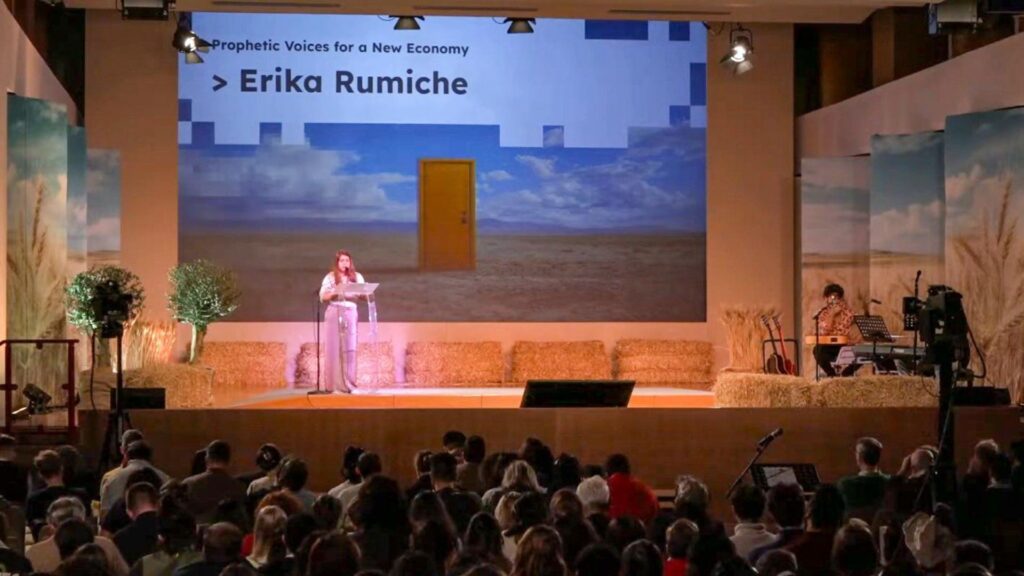
The end of a year is not a full stop, but a pause to look back, acknowledge lessons learned, and appreciate what has taken shape through effort, time, and conviction. For Erika Rumiche Hernández, 2025 was precisely that: a year in which knowledge moved beyond analysis and transformed into concrete action, even in the face of complex challenges and high-impact results. Throughout the year, experience, science, and commitment converged into a trajectory that demonstrates how climate action, when grounded in data and guided by purpose, can generate measurable and lasting impact. A Year of Action, Learning, and Impact In 2025, Erika led more than 50 multi-sector projects across 18 countries, demonstrating that measuring to reduce and committing to innovative ideas can generate real change. Her work reflects a strong belief that climate action must go beyond intention and be translated into systems, strategies, and results. Her collaborative and strategic approach reinforces her dedication to advancing toward a net-zero economy and a sustainable, nature-positive future, even in complex and diverse cultural and institutional contexts. Leadership in Climate Action and Net-Zero Strategies Erika’s work spanned data, strategies, and highly technical processes, yet it was always guided by values such as responsibility, commitment, and openness to new challenges. In a year marked globally by climate, social, and economic crises, 2025 served as a constant reminder of what truly matters. The future only makes sense when collective and innovative solutions are pursued to protect life and nature, reduce emissions, and align every action with that purpose. This principle consistently guided her professional decisions and leadership style. International Recognition: Rising Star – Under 30 One of the most significant moments of the year was receiving the Rising Star – Under 30 award from Environmental Finance. The recognition highlighted her approach of measuring to transform, building agreements among diverse stakeholders, and demonstrating that achieving net-zero emissions is possible—even in culturally and socially complex environments. As Technical Lead at Green Initiative, Erika played a central role in making Machu Picchu the world’s first carbon-neutral tourism destination, marking a global milestone for climate action in tourism. Machu Picchu as a Living Laboratory for Sustainable Tourism Machu Picchu became much more than a certified destination—it evolved into a real-world laboratory where climate action, culture, territory, and community are deeply interconnected. Second Carbon Neutral Certification (2024): Key Results Results from the second certification in 2024 showed an 18.77% reduction in GHG emissions compared to the 2019 baseline year. This was achieved through decarbonization strategies such as waste segregation, PET plastic compaction, biochar production, and the use of electric vehicles. These actions integrated circular economy principles while generating tangible local, social, and environmental benefits. Third Carbon Neutral Certification (2025): Consolidating a Replicable Model The third certification in 2025 consolidated a long-term sustainability vision applied to a UNESCO World Heritage site. The destination achieved a 7.26% reduction in GHG emissions per tourist, further strengthening the link between climate action, cultural heritage, and local communities. Machu Picchu proved that it is possible to protect humanity’s heritage while building replicable climate solutions with real impact for global tourism. Global Dialogue on a New Economy: The Economy of Francesco Beyond her role as Carbon Management Coordinator, 2025 also opened spaces for deeper reflection and broader challenges. Erika represented Green Initiative at The Economy of Francesco, an international initiative led by Pope Francis to rethink a more just, humane, and sustainable economic model. This experience connected her technical climate work with a profoundly human dialogue on the purpose of the economy and its role in collective well-being. Forest Friends: From Carbon Measurement to Ecosystem Restoration During the Extraordinary Entrepreneurial Ideas Session, Erika presented Forest Friends, a web application developed by a multidisciplinary team at Green Initiative. The platform enables individuals and organizations to measure their carbon footprint and actively contribute to ecosystem restoration by planting native trees. Forest Friends promotes a regenerative economy, turning climate responsibility into a tangible and accessible action for biodiversity protection. Prophetic Voices for a New Economy Among thousands of participants worldwide, Erika was selected to deliver a speech at the opening of the event in the Prophetic Voices for a New Economy segment. In her speech, she shared her personal journey—from her childhood in Lima, Peru, and the deep connection with nature inspired by her grandmother, to the disappearance of the Pastoruri glacier, which sparked her commitment to climate action. This path led her to study Environmental Engineering and later join Green Initiative, where she now coordinates carbon management and ecological restoration projects. Her story illustrated how personal experience, scientific knowledge, and collective action can converge into meaningful climate leadership. The Power of Collaboration and Collective Impact 2025 reaffirmed a fundamental truth: extraordinary achievements are never reached alone. Surrounding oneself with dreamers and people who turn ideas into action is essential. To achieve truly extraordinary performance, strong teams are required. This is precisely what Green Initiative represents—collaboration, trust, and positive ambition translated into measurable and lasting impact. Looking Ahead: Inspiring 2026 and Beyond As we look toward 2026 and beyond, one conviction remains clear: true impact is neither immediate nor individual. It is built step by step, with consistency, patience, and the courage to turn knowledge into action. Every recognition reflects responsibility. Every achievement expands the reach of collective work. This year-end reflection does not mark an ending, but the continuation of a story that invites belief in a sustainable future—one that always begins with the decision to act. Erika’s journey is a call to move from intention to action, reminding us that meaningful change starts with courageous choices made today, in favor of climate, nature, and future generations. Congratulations, Erika.Your journey reflects the very essence of what Green Initiative stands for: rigor, responsibility, collaboration, and purpose translated into real-world impact. Your leadership, dedication, and ability to turn knowledge into action continue to inspire teams, partners, and communities across borders. As we look ahead, your work reminds us that meaningful change is built with courage, consistency, and a deep commitment
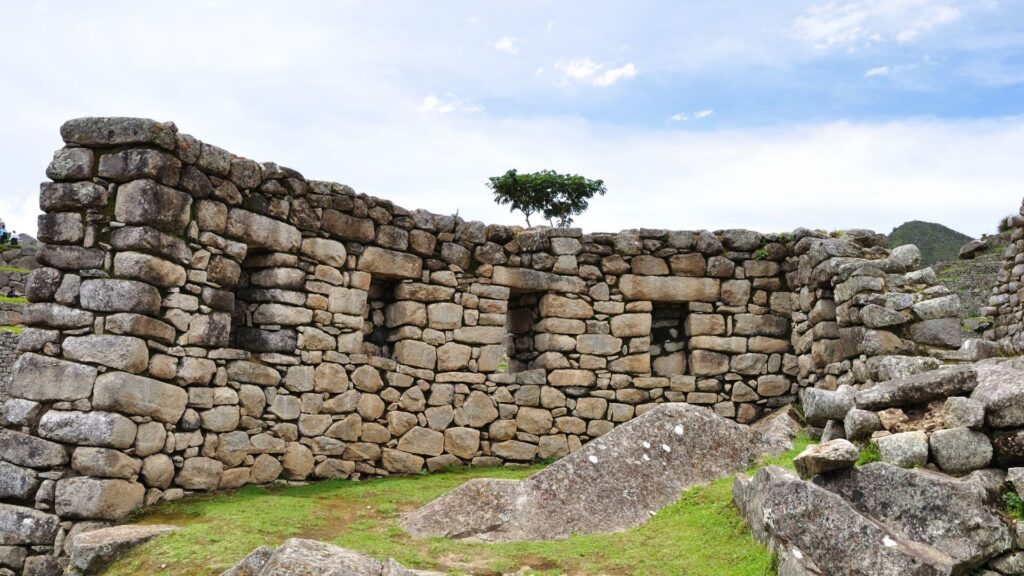
As the world seeks models for regenerative tourism and effective climate action, Machu Picchu continues to stand as a living testament to how cultural heritage and nature can be protected together. Since earning its first Carbon Neutral Certification, the Historic Sanctuary has advanced a long-term vision where conservation, ecological restoration, and sustainable tourism reinforce one another. This article presents both an analytical overview of the sanctuary’s progress and a special Q&A with Mrs. Ruth Saire, Administrator of the Machupicchu National Historic Sanctuary, whose insights highlight the strategies, values, and collaborations behind Machu Picchu’s leadership in sustainability within Peru and across the region. Restoring Degraded Areas: A Commitment That Grows Stronger Every Year The first Carbon Neutral certification represented not only a milestone but also a renewed obligation to protect and restore one of the world’s most iconic landscapes. Since then, Machu Picchu has implemented substantial ecological restoration actions: These interventions have increased vegetation cover, improved soil stability, and enhanced the sanctuary’s carbon-capture capacity, ensuring tangible progress toward its sustainability goals. A Living Classroom: How Machu Picchu Teaches Sustainability to the World Machu Picchu is more than a historical marvel—it is a dynamic space for environmental education. Through the lens of Andean cosmovisión, the sanctuary communicates values of reciprocity, respect, and balance with nature. Visitors learn sustainability through: Thus, each visit becomes an opportunity for personal and collective awareness, promoting sustainable practices far beyond Peru’s borders. A Beacon for Other Iconic Sites: Tikal, Cristo Redentor, Galápagos, and More Machu Picchu has become an influential reference point for other renowned natural and cultural destinations. Delegations from Tikal (Guatemala), Cristo Redentor (Brazil), and the Galápagos Islands (Ecuador) frequently visit to study its conservation model and sustainable tourism management. This growing exchange opens the possibility of developing a regional network of sustainable destinations, strengthening collaboration through: Such cooperation would reinforce the region’s leadership in heritage conservation and climate action. Q&A With Ruth Saire – Administradora del Santuario Histórico Nacional de Machupicchu In this interview, Ruth Saire reflects on the ecological progress achieved within the sanctuary, Machu Picchu’s impact on visitors, and the importance of collaboration with other emblematic destinations. 1. What concrete advances have been achieved in restoring degraded areas since Machu Picchu’s first Carbon Neutral certification? “Since the first certification, it has represented both recognition and continuity in our commitment to preserve and strengthen the ecological restoration of the Machupicchu National Historic Sanctuary for the world. We have reforested critical areas with native species, restored eroded zones using bioengineering techniques, controlled invasive species, and strengthened the monitoring of natural regeneration. These actions have increased vegetation cover, improved soil stability, and enhanced the Sanctuary’s capacity to capture carbon, directly contributing to our sustainability goals.” 2. From the cultural perspective, how does Machu Picchu inspire and educate visitors to adopt more sustainable habits? “From a cultural perspective, we believe that Machu Picchu is a living example of sustainability. The Andean cosmovision expressed here teaches respect, reciprocity, and harmony with nature. Visitors learn by observing how the Incas built by integrating themselves into the environment rather than against it. In addition, the interpretive signage and the work of the Historic Sanctuary’s staff reinforce messages about conservation, responsible waste management, respect for wildlife, and fire prevention. All of this inspires visitors to adopt more conscious and sustainable practices.” 3. How do you perceive the growing interest from other destinations—such as Tikal, Cristo Redentor, or Galápagos—that visit Machu Picchu to learn from its experience? What actions are needed to strengthen collaboration? “The Historic Sanctuary of Machu Picchu is often compared with destinations such as Tikal, Christ the Redeemer, or the Galápagos, and in those comparisons our image is highly positive. These destinations see us as an international benchmark in the integrated and sustainable management of cultural and natural heritage, which opens opportunities for mutual learning and technical collaboration. To strengthen this relationship, we propose establishing a permanent network of sustainable destinations, promoting exchanges among specialists, harmonizing good environmental management practices, and developing joint projects in restoration, carbon neutrality, and responsible tourism management.” Conclusion: A Legacy of Stewardship for the Planet Machu Picchu’s leadership demonstrates how ancient knowledge, scientific rigor, cultural stewardship, and international cooperation can converge into a powerful model for climate-positive world heritage tourism. With champions like Ruth Saire guiding conservation and sustainable management efforts, the sanctuary continues to protect biodiversity, inspire global travelers, and collaborate with peer destinations—helping shape a future where culture, nature, and climate action thrive together. This article was written by Musye Lucen from the Green Initiative Team. Related Reading
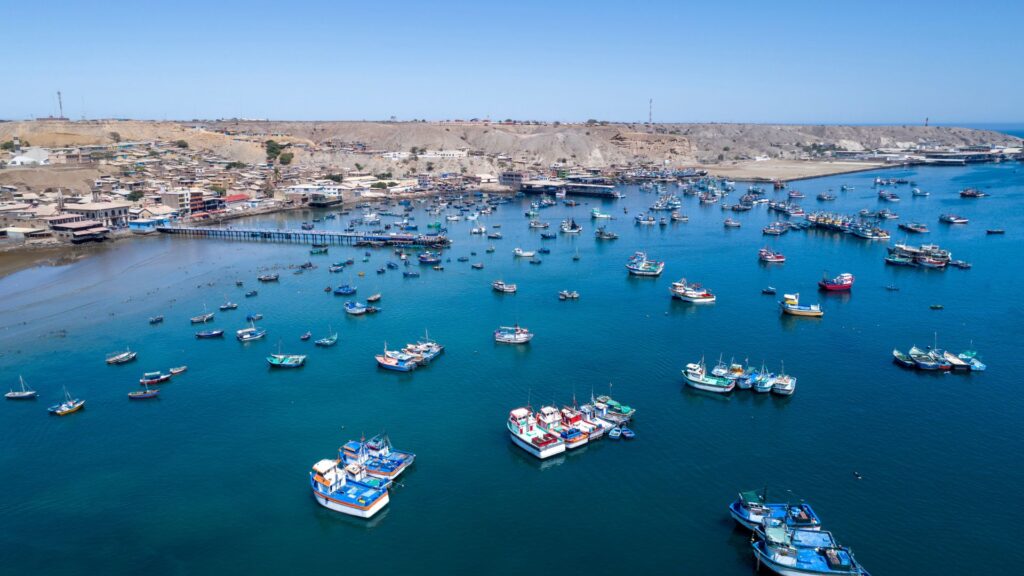
Listening, Learning, and Co-Creating a Regenerative Future for an Iconic Coastal Community Over the past few months, and with financing from IDB Invest, the Tamesis Impact team—in alliance with Green Initiative (GI International)—carried out an in-depth social engagement process in Cabo Blanco, Piura. This iconic coastal community, celebrated for its artisanal fishing heritage and cultural identity, is entering a defining moment as it explores new pathways for sustainable development, inclusive governance, and regenerative tourism. The purpose of this process was clear: to listen to Cabo Blanco’s residents, understand their priorities, and work collaboratively to envision a development model that honors their history while creating long-term social, economic, and environmental benefits. Building Trust Through Dialogue and Participation The engagement process included interviews with local authorities, community visits, and four thematic participatory workshops designed to encourage reflection, dialogue, and collective planning. We met with fishers, women leaders, youth groups, tourism stakeholders, and civil society organizations—each contributing essential perspectives. Key insights that emerged from these exchanges: 1. Openness to sustainable and regenerative tourism Residents show strong interest in tourism models that respect local traditions, protect marine and coastal ecosystems, and reinforce the cultural identity that defines Cabo Blanco. 2. Women and youth as leaders of transformation Throughout the process, women and young people demonstrated creativity, leadership, and a deep sense of commitment to their community’s future. 3. Need for integrated and inclusive governance The community expressed the importance of coordinated action among authorities, civil society, private actors, and community organizations to ensure coherent planning and equitable development. 4. Identity as the foundation of future development A recurring message across all workshops: Cabo Blanco’s greatest asset is its people—their resilience, pride, and strong connection to the sea. Why Cabo Blanco Can Become a Regenerative Tourism Model Cabo Blanco is far more than a destination. It is a living cultural landscape shaped by its fishing identity, its relationship with the ocean, and its place in Peru’s coastal history—from artisanal fishing traditions to its international recognition. This combination of heritage, identity, and community cohesion creates exceptional potential to develop a high-integrity regenerative tourism model, one capable of: A Shared Vision for Transformative and Responsible Development The alliance between Tamesis Impact, Green Initiative, and IDB Invest reinforces a commitment to responsible investment, social inclusion, and climate-resilient planning rooted in community voice. As emphasized by Joaquín Daly, Managing Partner at Tamesis Impact, the moment is both unique and urgent: “Cabo Blanco is at a turning point where identity, community engagement, and responsible investment can come together to shape a new development model for Peru’s coastal territories. At Tamesis Impact, we believe that real transformation begins by listening to people—understanding their values, their aspirations, and the heritage they want to protect. Working in alliance with Green Initiative and with financing from IDB Invest, we are helping co-create a regenerative vision that strengthens local leadership and ensures long-term social and environmental resilience.”— Joaquín Daly, Managing Partner, Tamesis Impacthttp://tamesis.com.pe/ Next Steps: Co-Designing a Community-Led Path Forward As Cabo Blanco embraces new opportunities, the priority remains the same: development shaped by and for the community. The insights gathered through this engagement process will inform the next phases of planning, technical analysis, and capacity building, ensuring that every step forward aligns with community values, territorial identity, and long-term sustainability. Cabo Blanco now stands at the threshold of becoming a flagship example of regenerative coastal development in Latin America, showing how communities, institutions, and responsible investors can work together to build a future rooted in identity, resilience, and shared prosperity. This article was written by Yves Hemelryck from the GI International Team. Related reading
Community Update: Social Engagement in Cabo Blanco, Peru Read More »
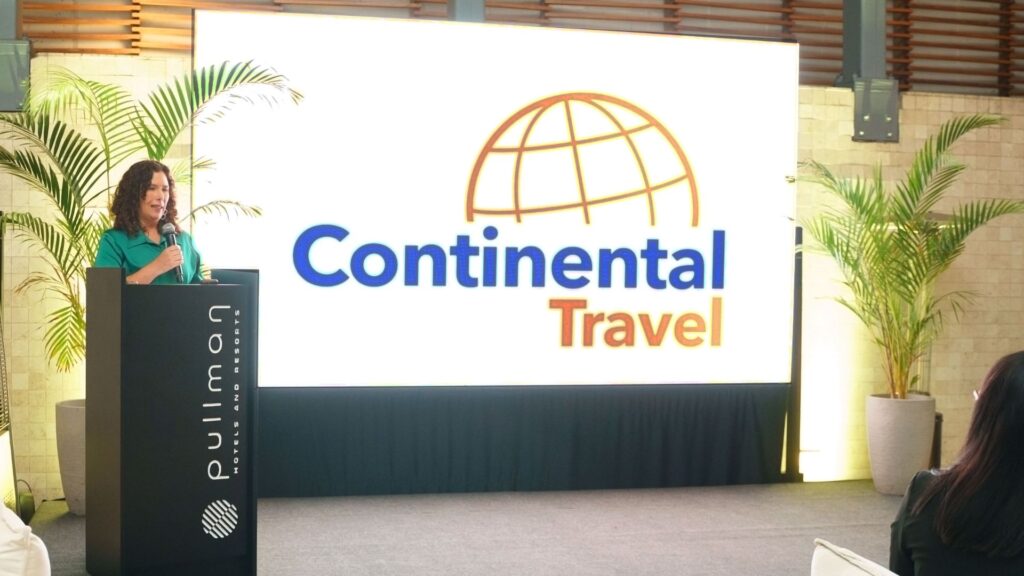
This milestone, granted by Green Initiative, reaffirms the agency’s commitment to climate management and the promotion of low-carbon corporate travel through the launch of its new solution, Climate Smart Travel. In a global context where companies are increasingly seeking to integrate climate-action criteria into their operations, the corporate travel sector is evolving toward more responsible practices. Marking a milestone in the local industry, Continental Travel—an agency with more than 30 years of experience—has become the first corporate travel agency in Peru to obtain the “Carbon Measured” certification, granted by Green Initiative. The certification ceremony took place on Tuesday, November 11, at the Pullman San Isidro Hotel, in an event attended by Sophia Dávila, Director of Tourism Environmental Affairs at MINCETUR, who highlighted the importance of this initiative for the sector. This achievement confirms that the company has quantified its greenhouse gas (GHG) emissions under international standards (Scopes 1, 2, and 3), validating its real commitment to climate action and its alignment with the objectives of the Glasgow Declaration. Key Insight: Over 90% of the Carbon Footprint Comes from Flights The rigorous measurement process not only evaluated the agency’s direct operations but also the services it manages for its clients, such as air travel and accommodation. The analysis revealed an important insight: more than 90% of Continental Travel’s carbon footprint comes precisely from the emissions generated by its clients’ air travel (classified under Scope 3). This finding was the main driver behind the creation of new value-added solutions. “Climate Smart Travel”: A Solution for Climate Management In direct response to these results, and recognizing its role in the value chain, the agency announced the launch of its new and innovative service: Climate Smart Travel. This solution will provide companies with transparent and timely information to accurately measure—and later access alternatives to compensate for—the CO₂ emissions from their flights, thus facilitating the management of their own sustainability indicators. “This decision stems from our conviction that the world of corporate travel can and must evolve. We want to support companies not only in the management of their travel but also in understanding and reducing their environmental impact.”— Joelma Galdós, Deputy General Manager of Continental Travel “Companies that understand that the climate agenda is not an ideological issue and move quickly have the opportunity to develop new competitive advantages. This is precisely the case of Continental Travel, a company that has understood the times and is committed to managing its carbon footprint and innovating with climate-smart services.”— Green Initiative Additionally, as part of its commitments, Continental Travel will implement a climate-action plan to reduce its own operational footprint. This plan will include progressive measures such as process optimization and increased digitalization. With this step, Continental Travel not only reaffirms its leadership in the sector but also strengthens its value proposition for corporate clients seeking strategic partners aligned with global climate goals. This article was written by Musye Lucen from the Green Initiative Team. Related Reading