Sustainable Tourism

Hotel Punta Sal: A Sustainable Commitment to Climate Mitigation and Carbon Footprint Reduction

Hotel Punta Sal: A Sustainable Commitment to Climate Mitigation and Carbon Footprint Reduction

In a world increasingly aware of the climate crisis, corporate environmental responsibility has become a key factor for competitiveness and long-term sustainability. A clear example of this trend is Hotel Punta Sal (Tumbes, Peru), an establishment that has shown a strong commitment to sustainability and climate change mitigation. Measuring and Offsetting the Carbon Footprint In 2023, Hotel Punta Sal took a major step in its sustainability journey by measuring its carbon footprint and earning the Carbon Neutral Certification from Green Initiative. Measuring its carbon footprint was crucial to understanding the environmental impact of the hotel’s operations, identifying the areas that generate the highest greenhouse gas emissions. After this assessment, the hotel took action to offset its carbon footprint, demonstrating its commitment to reducing environmental impact and fulfilling its social responsibility. Based on this initial assessment — the baseline — the hotel identified mitigation opportunities and made significant investments in actions to reduce its emissions. Climate Action Plans In 2024, in addition to measuring and offsetting its carbon footprint, Hotel Punta Sal has also implemented several climate mitigation measures to tangibly reduce its environmental impact. Key efforts include: These initiatives are part of a broader Climate Action Plan and are expected to positively influence the hotel’s carbon footprint assessment for the cycle. By implementing these measures, the hotel reduces its carbon footprint, enhances its competitiveness in a market increasingly demanding sustainability, and demonstrates its commitment to global climate goals such as the Paris Agreement. As a key player in the climate agenda for tourism, Green Initiative is committed to supporting companies like Hotel Punta Sal, which will join a select group of Latin American signatories of the Glasgow Declaration, accelerating progress toward decarbonizing the tourism sector. Benefits of Climate Action Hotel Punta Sal’s commitment to climate action also brings economic and strategic advantages: A More Sustainable Future Hotel Punta Sal is a prime example of how the tourism industry can play a crucial role in the fight against climate change. By measuring and offsetting its carbon footprint, implementing sustainable technologies, and adopting a Climate Action Plan with mitigation measures, the hotel not only protects the environment but also ensures its future viability and competitiveness. With its continued efforts to integrate climate action into its business model, Hotel Punta Sal positions itself as a leader in sustainability in Peru and globally, proving that climate action is essential not only for the planet but also for long-term business success and prosperity. This article was written by Tatiana Otaviano from the Green Initiative Team. Related reading

Hotel Punta Sal: A Sustainable Commitment to Climate Mitigation and Carbon Footprint Reduction Read More »

WorldXchange Renews Its Climate Positive Commitment and Takes a Step Further with LATA Responsible Tourism Awards Application

WorldXchange Renews Its Climate Positive Commitment and Takes a Step Further with LATA Responsible Tourism Awards Application

At Green Initiative, we proudly celebrate the ongoing climate leadership of our partner: WorldXchange. In 2025, WorldXchange not only renewed its Climate Positive Certification — maintaining its role as the first and only currency exchange company in the world with this distinction — but also took a bold step forward by submitting its application for the prestigious LATA Responsible Tourism Awards 2025 in the Nature-Positive Tourism category. This recognition is a testament to the company’s deep-rooted vision: tourism and finance can, and must, be forces for positive change. Elevating Tourism’s Second Face: From Currency Exchange to Environmental Stewardship WorldXchange operates in Peru’s major tourist corridors, with offices in Lima, Cusco, and Arequipa — cities that are gateways to some of the most biodiverse and culturally rich regions of Latin America. Although primarily a financial service provider, WorldXchange understood early on that its strategic position within airports — the “first and last impression” of many visitors — placed it at the heart of the tourism value chain. In partnership with Green Initiative, WorldXchange adopted a robust Measure-Reduce-Offset (MRV) strategy, achieving verified emissions reductions, supporting reforestation projects in the Amazon region of Madre de Dios, and engaging over 250,000 travelers annually in education efforts about climate, biodiversity, and regenerative tourism practices. Beyond internal transformation, WorldXchange’s leadership helped catalyze broader change: after its carbon-neutral and Climate Positive achievements, Lima Airport updated its concession contracts to require environmental accountability from all vendors — a ripple effect that now influences one of Latin America’s busiest airports. A New Milestone: LATA Responsible Tourism Awards Application This year, WorldXchange has taken another major step by submitting its candidacy for the LATA Responsible Tourism Awards under the Nature-Positive Tourism category. Their application highlights several key achievements: WorldXchange’s story perfectly exemplifies how companies traditionally outside the “green tourism” space can fully embrace regenerative practices — and even lead sectoral transformation. Looking Ahead: Sustaining and Expanding Climate Leadership As WorldXchange continues its journey, the company remains committed to deepening its climate and nature-positive impact. In 2025, it is finalizing its latest carbon footprint assessment and preparing new targets to further lower its emissions and environmental footprint per traveler served. At Green Initiative, we are proud to stand beside WorldXchange as it redefines the role of financial service providers in sustainable tourism. Their achievements are a clear reminder that climate-positive leadership can — and must — be integrated across every link of the tourism value chain. Congratulations to the entire WorldXchange team for their renewed certification, their bold steps forward, and their unwavering commitment to a more sustainable future! This article was written by Ella Baehringer from the Green Initiative team Related reading

WorldXchange Renews Its Climate Positive Commitment and Takes a Step Further with LATA Responsible Tourism Awards Application Read More »

How Sustainability Is Driving Consumer Behavior in 2025 — and What It Means for Your Business

How Sustainability Is Driving Consumer Behavior in 2025 — and What It Means for Your Business

In 2025, sustainability is no longer optional — it’s a driving force behind consumer, investor, and employee decisions. From travel to logistics, businesses are being reshaped by growing demands for transparency, responsibility, and measurable environmental action. According to IBM’s latest global sustainability study, 51% of consumers say environmental sustainability is more important today than it was a year ago. The shift is clear — and it’s opening major opportunities for businesses that lead with climate and nature positive strategies. Key Sustainability Trends Shaping Consumer Behavior 1. Consumers Are Paying More for Sustainable Products Nearly half of surveyed consumers reported paying an average of 59% more for eco-conscious products. Brands that align with these values are not only earning loyalty but also capturing new markets. 2. Green Investments Are Growing 62% of personal investors now consider sustainability in their decisions — up from 48% just one year earlier. Climate certifications and ESG reporting are now essential for attracting capital. 3. Sustainability Attracts Top Talent 67% of job seekers are more likely to apply for a job with an environmentally responsible company. Sustainable practices are a competitive advantage in today’s hiring landscape. 4. Consumers Want to Act — But Need Help While 77% want to make sustainable choices, barriers like access and affordability remain. Businesses that empower consumers to live more sustainably will stand out. What Leading Companies Are Doing — And How You Can Too ✅ Make Sustainability Visible and Verifiable Certifications are a powerful trust signal for today’s conscious consumers. For example, Delfin Group, a logistics provider, earned Climate Neutral Certification through Green Initiative by optimizing its emissions and adopting cleaner energy solutions across operations. In the travel sector, Kuoda Travel achieved Climate Positive Certification, reaffirming its leadership in sustainable tourism by accurately measuring emissions, offsetting carbon, and supporting reforestation efforts across South America. Meanwhile, in the beverage industry, AJE Group’s Bio Amayu became the world’s first Climate Positive fruit juice, created with sustainably sourced Amazonian ingredients and produced through carbon-balanced practices. In Brazil, institutions like SESC and SENAC are advancing sustainable development in education and culture through Climate Certification. Grupo Rio da Prata, a leader in ecotourism, has achieved Climate Positive Certification by investing in nature conservation, biodiversity, and responsible tourism. From Europe, organizations such as CEPA and AlphaMundi Group are leading the way in sustainable investment and education, aligning their strategies with measurable climate action and long-term environmental impact. These are just a few of the companies and institutions in our portfolio that are leading their sectors by aligning business goals with climate goals — and reaping the rewards of trust, loyalty, and long-term impact. Get certified here → ✅ Promote Nature Positive Actions Go beyond carbon neutrality. Support biodiversity, reforestation, and regenerative practices with measurable impact — like ForestFriends.eco, Green Initiative’s ecosystem restoration project. Through Forest Friends, businesses and individuals can restore native forests and protect endangered species in regions affected by climate change. Learn about Forest Friends → Lead the Change, Build a Better Future Sustainability isn’t a trend. It’s the foundation of a new business model — one that prioritizes regeneration, equity, and long-term value. At Green Initiative, we help organizations turn climate ambition into real-world action.Join the movement. Get certified. Restore ecosystems. Lead the transition to a truly climate and nature positive future. 👉 Explore climate and nature positive certifications👉 Support ecosystem restoration with Forest Friends

How Sustainability Is Driving Consumer Behavior in 2025 — and What It Means for Your Business Read More »

Sustainability in Hospitality A Competitive Advantage, Not Just Compliance Green Initiative

Sustainability in Hospitality: A Competitive Advantage, Not Just Compliance

Why Sustainability Matters for Hotels and Restaurants Sustainability in hospitality is no longer optional—it’s a strategic necessity for long-term success. As climate action gains momentum worldwide, hotels and restaurants that embrace sustainable practices are securing financial benefits, reducing operational costs, and strengthening brand loyalty. But sustainability isn’t just about meeting environmental goals—it’s about gaining a competitive edge in a rapidly evolving industry. From cutting expenses through energy efficiency to attracting eco-conscious travelers and securing preferential financing, sustainability is reshaping the hospitality landscape. Businesses that integrate climate-smart strategies will thrive, while those that ignore this shift risk higher costs, limited financing options, and declining market appeal. The message is clear: sustainability is no longer just about compliance—it’s the key to long-term profitability and success.. Key Benefits of Sustainability in Hospitality ✅ Cost Reduction – Energy efficiency and waste reduction lower operational expenses.✅ Access to Climate Financing – Hotels with strong sustainability practices can secure preferential loans and investment opportunities.✅ Brand Differentiation – Eco-conscious travelers actively seek sustainable hospitality options.✅ Regulatory Compliance & Future-Proofing – Meeting global climate pledges protects businesses from future regulatory risks. Sustainability as a Competitive Edge in Hospitality Hotels that delay climate-smart strategies risk rising costs, shrinking market appeal, and limited financing options. Sustainability isn’t just a trend—it’s shaping the future of the hospitality industry. Hospitality Sustainability Success Stories 1. SENAC Restaurants, Brazil: A Carbon-Neutral Dining Model SENAC Restaurants in Brazil achieved Carbon Neutral Certification by overhauling their food sourcing strategy. By prioritizing local suppliers, they: ✔ Cut transportation costs✔ Improved menu sustainability✔ Strengthened brand reputation This demonstrates how sustainability and profitability go hand in hand. 2. Inkaterra: A Global Leader in Eco-Hospitality Inkaterra, a pioneer in ecotourism, has integrated climate action into its operations by managing 15,000 hectares of protected forest. Their Climate Certification has: ✔ Strengthened their international reputation✔ Secured climate finance through partnerships like the Inter-American Development Bank (IDB)✔ Improved operational efficiency These case studies highlight that sustainability is not just about reducing emissions—it’s a business growth strategy. The Business-Driven Approach to Hospitality Sustainability Despite misconceptions that climate action is losing momentum, the truth is that sustainability is now a business-driven necessity. The rising costs of energy, food, and waste management make climate-positive initiatives essential for profitability. How to Integrate Sustainability into Your Hospitality Business To stay ahead in the industry, hospitality businesses should consider: 🔹 Carbon Certification for Hotels & Restaurants – Align with climate finance frameworks and secure better investment opportunities.🔹 Energy & Waste Management Strategies – Reduce operational costs while meeting sustainability goals.🔹 Sustainable Sourcing & Eco-Friendly Operations – Attract eco-conscious travelers and corporate clients. Take Action: Future-Proof Your Hospitality Business Hotels and restaurants can gain a competitive advantage by obtaining Green Initiative’s Climate Certificates for tourism, hospitality, and destinations. These certifications help businesses secure financing, improve sustainability performance, and increase market appeal. Download the Free Climate Action Guide for Hospitality Gain valuable insights on integrating climate mitigation strategies into your hotel or restaurant business. 📥 Download the Climate Action Guide Final Thoughts Sustainability is not just an ethical obligation—it’s a smart business strategy. Hotels and restaurants that embrace climate action will thrive, while those that hesitate may struggle with rising costs and diminishing market share. Is your hospitality business ready for the future? Start your sustainability journey today and position yourself as a leader in the evolving hospitality landscape. Get in touch.

Sustainability in Hospitality: A Competitive Advantage, Not Just Compliance Read More »

Inkaterra Cabo Blanco: A Global Model for Regenerative Tourism and Sustainable Sport Fishing

Inkaterra Cabo Blanco: A Global Model for Regenerative Tourism and Sustainable Sport Fishing

Cabo Blanco, a small fishing village on the northern coast of Peru, holds a unique place in maritime history. Once a legendary destination for sport fishing—attracting figures such as Ernest Hemingway—it is now at the center of an ambitious initiative to promote regenerative tourism, marine conservation, and climate-positive economic development. Through the efforts of Inkaterra Hotels, a leading Climate Positive Certified hospitality group, and Inkaterra Asociación, a nonprofit organization dedicated to biodiversity research and conservation, Cabo Blanco is transitioning towards a nature-positive future—one that restores ecosystems, empowers local communities and creates long-term economic value through sustainable tourism. A Legacy of Sport Fishing in Cabo Blanco During the 1950s, Cabo Blanco gained international recognition as a premier destination for big-game fishing, particularly for black marlin, with record-breaking catches exceeding 700 kg. However, decades of overfishing, habitat degradation, and climate change have led to a dramatic decline in marine populations, threatening both the ecosystem and the livelihoods of local fishing communities. To counteract these impacts, conservation initiatives have been set in motion to restore marine biodiversity while ensuring sustainable tourism remains a viable economic driver. One of the most significant steps toward this goal is the proposal for Peru’s first marine reserve, which aims to protect critical habitats, replenish fish populations, and regulate responsible fishing practices. Sustainable Sport Fishing: A Regenerative Approach While sport fishing remains a core attraction in Cabo Blanco, adopting regenerative fishing practices, such as catch-and-release policies, ensures that tourism supports, rather than depletes, the region’s marine resources. Key Benefits of Sustainable Sport Fishing: Regenerative Tourism and Marine Conservation in Cabo Blanco Beyond fishing, Cabo Blanco is evolving into a hub for regenerative tourism, where visitors actively contribute to the ecosystem’s health rather than merely minimizing their impact. Inkaterra Asociación, in collaboration with scientists, conservationists, and local communities, is implementing nature-positive solutions to rebuild degraded marine and coastal environments. Regenerative Tourism Initiatives in Cabo Blanco: Inkaterra’s Climate and Nature-Positive Impact As a Climate Positive Certified company, Inkaterra Hotels goes beyond sustainability by actively removing more carbon from the atmosphere than it emits. In Cabo Blanco, its impact is being realized through: By aligning with global climate goals and nature-positive principles, Inkaterra Asociación and Inkaterra Hotels prove that tourism can be a force for environmental regeneration rather than exploitation. A Scalable Model for Global Conservation The transformation of Cabo Blanco into a regenerative tourism destination serves as a blueprint for coastal communities worldwide. By combining scientific research, sustainable economic development, and active ecosystem restoration, this initiative demonstrates how tourism can be reimagined as a tool for global climate action and biodiversity protection. How to Support Regenerative Tourism in Cabo Blanco: Conclusion Cabo Blanco is undergoing a profound transformation—from a historic fishing hotspot to a global leader in regenerative tourism and conservation. By prioritizing marine restoration, responsible tourism practices, and community engagement, this initiative ensures that future generations can continue to experience this iconic destination’s natural and cultural richness. As the world moves toward more climate-resilient and nature-positive tourism models, Inkaterra’s work in Cabo Blanco is a powerful example of how travel can catalyze ecological regeneration and socio-economic prosperity. For more information on regenerative tourism and conservation efforts, visit Green Initiative and contact us.

Inkaterra Cabo Blanco: A Global Model for Regenerative Tourism and Sustainable Sport Fishing Read More »

The Leadership Behind Machu Picchu's Carbon-Neutral Success A Model for Sustainable Tourism - Green Initiative

The Leadership Behind Machu Picchu’s Carbon Neutral Success: A Model for Sustainable Tourism

Machu Picchu, one of the world’s most iconic tourist destinations, has become a global leader in sustainability. Thanks to the visionary leadership of Mayor Elvis Lexin La Torre Uñaccori, this UNESCO World Heritage Site has not only achieved carbon-neutral certification but has successfully renewed it for a second time. His remarkable work in implementing sustainable practices, forging key partnerships, and aligning with global climate and nature positive initiatives inspires tourism leaders worldwide. Pioneering Climate and Nature Positive Tourism As the mayor of Machu Picchu Pueblo, Mayor La Torre has taken bold steps to address the environmental challenges posed by millions of annual visitors. Central to his approach has been adopting climate- and nature-positive strategies, including: These strategies have drastically reduced the town’s environmental footprint, setting a precedent for regenerative tourism—an approach that restores ecosystems while benefiting local communities. Collaborative Leadership with Key Partners Machu Picchu’s success in achieving and maintaining carbon-neutral status showcases the power of collaboration. Under Mayor La Torre’s leadership, the municipality has partnered with prominent organizations to drive impactful initiatives: These partnerships, facilitated by Green Initiative, have helped Machu Picchu achieve a remarkable 18.77% reduction in carbon emissions compared to its 2019 baseline, demonstrating the potential of public-private collaboration in achieving sustainability goals. Commitment to Global Climate and Tourism Frameworks Mayor La Torre has aligned Machu Picchu’s sustainability efforts with key international frameworks, ensuring the site remains a leader in global climate action: These commitments reflect the site’s dedication to fostering a sustainable future for tourism while combating climate change. An Honorable Legacy of Leadership Mayor La Torre’s leadership exemplifies how local governments can drive meaningful change. By integrating climate-positive policies and regenerative practices, he has transformed Machu Picchu into a beacon of sustainable tourism. “Leadership is about action. Let us lead with the purpose of leaving our world better than we found it,” Mayor La Torre has stated. His work safeguards Machu Picchu’s ancient legacy and establishes it as a symbol of hope and resilience for future generations. A Call to Action for Global Tourism Leaders Mayor La Torre’s visionary approach provides a compelling roadmap for leaders of other tourism-dependent regions. By prioritizing regenerative tourism, fostering collaborations with key partners, and committing to international climate goals, mayors and municipal teams can create destinations that thrive economically while preserving their natural and cultural heritage. Machu Picchu’s achievements prove that bold, collaborative leadership can leave a lasting positive impact on the planet. As the world grapples with the effects of climate change, the work of Mayor Elvis Lexin La Torre Uñaccori serves as a testament to what’s possible when we lead with purpose and innovation. Make your destination Climate and Nature Positive, contact us at Green Initiative to learn how we can help your city or region achieve sustainability goals, implement regenerative tourism strategies, and align with global climate frameworks like the Glasgow Declaration. Together, we can build a future where tourism regenerates nature and communities thrive. 🌍

The Leadership Behind Machu Picchu’s Carbon Neutral Success: A Model for Sustainable Tourism Read More »

Grupo Rio da Prata Recanto Ecológico Estância Mimosa Lagoa Misteriosa

Grupo Rio da Prata Wins Prestigious 2024 Eco Amcham Award for Sustainability Leadership

A Commitment to Sustainability and Regenerative Tourism Earns Grupo Rio da Prata the Eco Amcham Award in the Products and Services Category Grupo Rio da Prata, a leader in ecotourism with attractions located in Jardim and Bonito, Mato Grosso do Sul – Brazil, has achieved an extraordinary milestone by winning the 2024 Eco Amcham Award. This prestigious accolade, organized by the American Chamber of Commerce for Brazil (Amcham), recognizes the company’s groundbreaking efforts in blending sustainable tourism with impactful environmental conservation initiatives: Regenerative Tourism. What is the Eco Amcham Award? Since its inception in 1982, the Eco Amcham Award has been Brazil’s longest-standing and most distinguished corporate recognition for sustainable practices. This year, the award saw 199 projects evaluated by a panel of 74 expert jurors, highlighting innovation and leadership in environmental stewardship. Grupo Rio da Prata stood out in the Products and Services category with their initiative titled:“Carbon Positive Ecotourism Attractions: A Journey Towards Sustainability and Climate Positive Certification.” Grupo Rio da Prata shares the spotlight with other winners in the Products and Services category, including C&A Moda, Gerdau, Banco BV, and Baterias Moura. Together, these companies exemplify a commitment to driving innovation and sustainability. Why Grupo Rio da Prata Stands Out The attractions managed by Grupo Rio da Prata—Recanto Ecológico Rio da Prata, Lagoa Misteriosa, and Estância Mimosa—have achieved the Climate Positive Certification, awarded by the Green Initiative. This certification goes beyond carbon neutrality, recognizing the company’s efforts to remove more carbon dioxide from the atmosphere than they emit, and Nature Positive initiatives such as ecosystem restoration, preservation and protection. This achievement underscores their commitment to not only mitigating climate change but also creating a net positive impact on the environment. Key Highlights of Grupo Rio da Prata’s Sustainability Efforts: Recognizing the Impact of the Eco Amcham Award Grupo Rio da Prata’s achievements highlight the transformative power of sustainable and regenerative tourism. By investing in eco-friendly practices and inspiring visitors to connect with nature responsibly (nature positive initiatives), the company is setting a benchmark for environmental conservation in the tourism industry. According to Daniela Aiach, Sustainability Director at Amcham, the Eco Award is more than a recognition; it’s a platform for transformation. Regenerative Tourism: A Vision for a Sustainable Future “This award reflects our deep love for nature and our unwavering commitment to preserving it. Our success is a collective effort involving employees, partners, suppliers, and visitors who share our mission to protect ecosystems and promote sustainable living. This recognition inspires us to leave a lasting positive legacy for future generations.” – Simone Spengler Coelho, Director of Grupo Rio da Prata “This award showcases how companies are rethinking their operations to create a positive impact on society and the planet, inspiring others to take action.” – Daniela Aiach, Sustainability Director at Amcham “We at Green Initiative extend our heartfelt congratulations to Grupo Rio da Prata on receiving the prestigious 2024 Eco Amcham Award. This well-deserved recognition highlights their exemplary commitment to sustainable regenerative tourism and environmental conservation. Achieving Climate Positive Certification is no small feat—it reflects a profound dedication to reducing emissions, restoring ecosystems, and fostering a positive impact on our planet. Grupo Rio da Prata’s innovative practices, from reforestation efforts to the creation of protected reserves, set a new standard for what it means to harmonize business success with environmental stewardship. As partners, we are proud to support their journey and celebrate this remarkable milestone together. Their work inspires us all to continue striving for a sustainable and inclusive future.” – Tatiana Otaviano, Head of Relationship Management, Green Initiative Planning your next adventure? Discover the breathtaking beauty and sustainable initiatives at Recanto Ecológico Rio da Prata, Lagoa Misteriosa, and Estância Mimosa. Every visit supports their mission to protect the environment and contribute to a greener future. For more details, visit Grupo Rio da Prata Website 👉 Download Green Initiative’s Climate Action Guides for Tourism Tusinesses and Destinations here. Related articles

Grupo Rio da Prata Wins Prestigious 2024 Eco Amcham Award for Sustainability Leadership Read More »

How COP29 is Transforming Tourism, Transport, and Urbanization for a Climate Positive Future

How COP29 is Transforming Tourism, Transport, and Urbanization for a Climate and Nature Positive Future

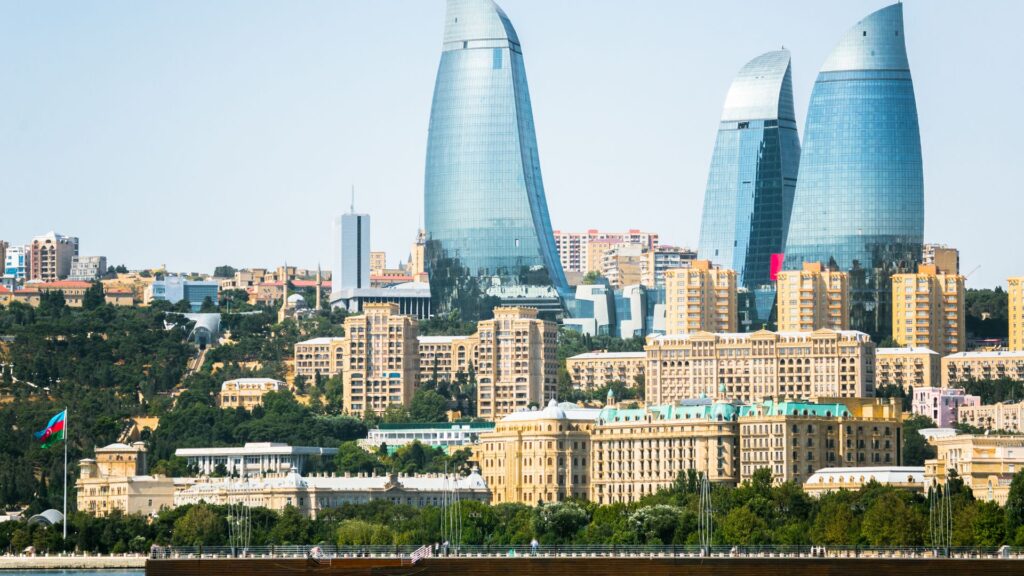
On November 20, 2024, COP29 in Baku, Azerbaijan, marked a transformative moment in global climate action by dedicating a day to critical sectors shaping our climate future: tourism, transport, and urbanization. With two groundbreaking declarations, the conference showcased a vision of sustainability that integrates innovation, cross-sector collaboration, and a commitment to leaving the planet better than we found. This Tourism Takes Center Stage with Climate Commitments The COP29 Declaration on Enhanced Climate Action in Tourism highlights tourism’s dual identity as a vital economic force and a key partner of the climate change global challenges for mitigating greenhouse gas emissions supporting the Paris Agreement goals. This initiative seeks to redefine the sector, steering it toward a more sustainable and climate-positive future as a result of the determination and global leadership of the UN Tourism Executive Director Zoritsa Urosevic and her team, who have mobilized the interest of UN Tourism member states from around the world to raise awareness to connect tourism with climate and nature positive action. Complementing this leadership is the outstanding contribution of Virginia Fernandez-Trapa, Programme Coordinator for Sustainable Tourism and Resilience at UN Tourism. Her advocacy for climate and regenerative action has been instrumental, building on milestones like the Glasgow Declaration to achieve this significant breakthrough. Key commitments in the declaration include: Zurab Pololikashvili, Secretary-General of the UN World Tourism Organization, emphasized the sector’s potential to drive transformative change through innovation, decarbonization, and regenerative practices. Resilient Cities Through Cross-Sector Collaboration Urbanization, a defining feature of modern life, was addressed by launching the COP29 Multisectoral Actions Pathways (MAP) Declaration for Resilient and Healthy Cities. Developed in partnership with UN-Habitat, the MAP Declaration lays the groundwork for building sustainable, inclusive urban environments. This initiative promotes: Mukhtar Babayev, COP29 President, highlighted the critical role of collaboration, stating, “These initiatives are about enhancing the quality of life while addressing the profound challenges posed by climate change.” The commitments made during COP29 underline the importance of addressing economic, social, and environmental dimensions together, with a shared vision of a sustainable future for people and the planet. Green Initiative: Leading the Way in Regenerative Travel and Climate Certification While COP29 sets the stage for global action, organizations like Green Initiative are translating these goals into tangible outcomes on the ground. Through regenerative tourism, climate certifications, and nature positive strategies, the Green Initiative team helps businesses and destinations make measurable progress toward sustainability. Regenerative Tourism Regenerative tourism is a transformative approach that aims to leave destinations better than they were found. By restoring ecosystems, enhancing community well-being, and reducing carbon footprints, regenerative tourism shifts the focus from sustaining to actively improving environments. A prime example is Machu Picchu, where Green Initiative’s support helped the historic site achieve carbon-neutral certification. This included waste management improvements, renewable energy integration, and reforestation efforts in surrounding areas. Similarly, Bonito, a globally renowned ecotourism destination in Brazil, has embraced regenerative principles by achieving carbon-neutral certification with the help of Green Initiative. Bonito’s initiatives include protecting vital freshwater ecosystems, promoting biodiversity conservation, and implementing sustainable visitor practices to ensure long-term environmental resilience while supporting the local economy. Climate and Nature Positive Certifications Green Initiative offers certifications that help businesses and destinations go beyond carbon neutrality, designed to empower businesses, destinations, and organizations to demonstrate and enhance their sustainability efforts. These certifications are essential for ensuring measurable, transparent progress toward sustainability goals. From tourism operators to urban planners, the Green Initiative provides tools to align operations with global climate objectives. Join the Movement Interested in making your organization a leader in sustainability? The Green Initiative provides a clear path to certification and actionable strategies for regenerative practices. Contact us today to learn how your business or destination can make a lasting, positive impact. Get in Touch!

How COP29 is Transforming Tourism, Transport, and Urbanization for a Climate and Nature Positive Future Read More »

Green Initiative Finalist for the Green Projects Awards Leading Sustainable Tourism and Climate and Nature Positive Action

Green Initiative: Finalist for the UN Tourism Green Projects Challenge Awards | Leading Sustainable Tourism and Climate and Nature Positive Action

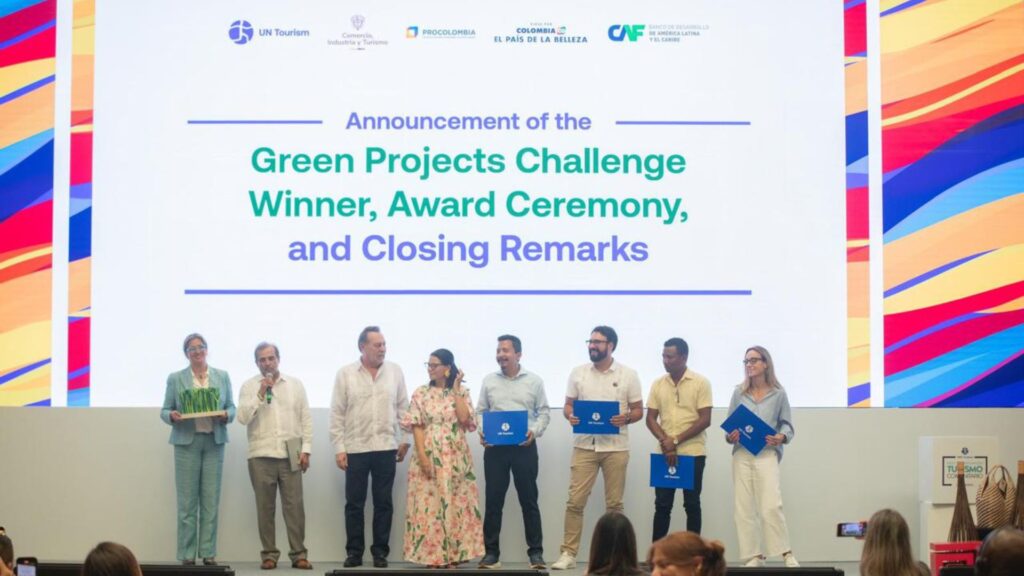
From November 13th to 16th, 2024, the vibrant city of Cartagena, Colombia, hosted the 122nd Executive Council Meeting of the United Nations World Tourism Organization (UN Tourism). This prestigious event brought together global tourism leaders to discuss the future of travel, emphasizing sustainability, resilience, and innovation in a post-pandemic world. Attended by representatives from 47 countries, including 21 deputy ministers, 350 international delegates, and stakeholders from the private sector, civil society, and financial organizations, the Council addressed strategic pillars such as tourism innovation and attracting investments for sustainable development. Amid these significant discussions, Green Initiative achieved a remarkable milestone: we were honored to be named a finalist for the Green Projects Challenge Awards, acknowledging our impactful efforts to drive climate action and foster sustainability in climate and nature through regenerative travel and tourism. Driving Climate Action: Green Initiative at the Green Projects Challenge Awards We are thrilled to announce that Green Initiative has been selected as a finalist for the Green Projects Challenge Awards, co-hosted by CAF – Development Bank of Latin America and UN Tourism. This prestigious accolade recognizes organizations that demonstrate outstanding contributions to: Out of over 500 project submissions, only four finalists were chosen to present their initiatives in a 4-minute pitch during the event. Representing Green Initiative, Tatiana Otaviano Luiz emphasized our dedication to creating a greener, low-carbon future: “As a finalist, we are proud to stand alongside organizations committed to building a sustainable world through innovation and collaboration.” Being recognized for this award is a testament to Green Initiative’s work in helping businesses: Our transformative projects align with the goals of the Green Projects Awards and the broader United Nations Sustainable Development Goals (SDGs), making sustainability an aspiration and a necessity. UN Tourism Executive Council: Spotlight on Sustainable Tourism The 122nd UN Tourism Executive Council Meeting provided a platform to explore how sustainable tourism can address the global climate crisis. Host country Colombia demonstrated its commitment to sustainability through programs promoting biodiversity conservation and eco-friendly tourism development. During the event, delegates emphasized the critical need to balance tourism growth with environmental preservation. This focus resonates with Green Initiative’s vision of a tourism sector that contributes to economic recovery while respecting nature and promoting social inclusion. CAF and UN Tourism: Pioneers of Sustainability and Innovation The Green Projects Challenge Awards, co-hosted by CAF and UN Tourism, aim to recognize projects that embody sustainability leadership. These organizations are pivotal in fostering a future where climate action is at the heart of economic and social development. With more than 500 projects submitted, the awards highlight the collaborative efforts needed to: As a finalist, Green Initiative is honored to join the global movement of organizations leading the fight against climate change. We share this recognition with other exceptional finalists making transformative contributions to sustainability: Rodolfo Salinas Roca, representing Natoure, for pioneering efforts in eco-tourism in Mexico, Alvaro Quiros Rodriguez, with Tequina Wave, for advancing sustainable practices in coastal tourism in Panama, and Gilson Altamar, from Por un Coral Más Vivo, for championing marine conservation and coral restoration in Colombia. Together, we represent a united front in driving innovation, reducing carbon footprints, and fostering a more sustainable future. We extend our heartfelt congratulations to the incredible leaders and organizations recognized at the UN Tourism Green Projects Challenge Awards for their dedication to advancing sustainable tourism and driving positive climate and nature action. A special acknowledgment goes to: Together, your collective efforts inspire hope and action in the global fight against climate change, proving that sustainability is not only possible but essential for a thriving future. 🌍✨ Congratulations to all on your outstanding contributions! Let us continue to work together toward a more sustainable, inclusive, and resilient world. A Commitment to a Low-Carbon Economy Green Initiative’s recognition at the Green Projects Challenge Awards underscores the impact of our efforts to advance sustainable tourism and help industries transition toward a low-carbon economy. By partnering with businesses and governments, we create actionable solutions to address environmental challenges, build climate resilience, and foster sustainable development. As the 122nd UN Tourism Executive Council concluded, it left a renewed sense of optimism about the role of sustainable tourism in tackling the world’s most pressing environmental challenges. Discover how Green Initiative can help your organization lead climate action. Contact us today to learn more. Related content:

Green Initiative: Finalist for the UN Tourism Green Projects Challenge Awards | Leading Sustainable Tourism and Climate and Nature Positive Action Read More »

Green Initiative Showcases Machu Picchu as a Model for Carbon-Neutral and Regenerative Tourism at COP16

Green Initiative Showcases Machu Picchu as a Model for Carbon Neutral and Regenerative Tourism at COP16

During the 16th Conference of the Parties to the United Nations Convention on Biological Diversity (COP16), Green Initiative presented the case of Machu Picchu as a model for a Carbon Neutral and Regenerative Tourism Destination. COP16 concluded in Cali after 12 days of intense discussions. Known as “The People’s COP,” the summit was divided into a blue zone for official negotiations and a green zone focusing on civil society participation. According to the Colombian government, the green zone attracted nearly a million visitors, with around 40,000 attending various academic activities. In the blue zone, where negotiations took place, parallel events were also organized in the pavilions of different countries and entities. Among these was the Peru Pavilion, which hosted a series of prominent events, including one titled “Machu Picchu: Carbon-Neutral and Regenerative Tourism Destination.” This session showcased the climate and nature-positive initiatives underway in Machu Picchu, aimed at reducing carbon emissions and restoring ecosystems as part of its tourism management. The panel featured representatives from organizations such as the National Service of State-Protected Natural Areas (SERNANP), AJE Group, Tetra Pak, and Latam Airlines. Panelists emphasized the importance of public-private sector collaboration for the success of projects like Machu Picchu. They recognized the leadership of Green Initiative as a key advisor in the region’s transition to decarbonization and regenerative tourism. COP16 was a platform for dialogue and reflection and marked significant milestones in its final plenary session. Among the most notable were creating a subsidiary body for Article 8J to support Indigenous peoples and local communities, the acknowledgment of Afro-descendant peoples as biodiversity guardians, and the Cali Fund, a global mechanism for the equitable distribution of benefits derived from genetic information. Additionally, collaboration between the Biodiversity and Climate Change agendas was promoted, in preparation for COP29 on Climate Change in Azerbaijan and the upcoming COP30 in Brazil. Colombia also took the opportunity to launch the world’s first biodiversity bonds during COP16, an initiative aimed at involving the private sector in biological diversity preservation. Banco Davivienda, with an investment of up to 50 million dollars from the International Finance Corporation (IFC), will channel these resources into projects with positive biodiversity impacts. Similarly, BBVA Colombia issued another bond, subscribed to by IDB Invest and IFC in two tranches to finance projects with positive biodiversity impacts. Written by Musye Lucen from the Green Initiative team. Related articles:

Green Initiative Showcases Machu Picchu as a Model for Carbon Neutral and Regenerative Tourism at COP16 Read More »