Sustainability

What Are Green Bonds and Why Are Prices So Low - Green Initiative

What Are Green Bonds and Why Are Prices So Low?

In recent years, green bonds have become a powerful financial instrument, playing a key role in addressing the global challenge of climate change and funding sustainability projects. These bonds support environmentally beneficial initiatives such as renewable energy, biodiversity conservation, and sustainable infrastructure, offering both financial returns and a tangible positive impact on the environment. Despite the promise they hold, green bond prices have been lower than expected due to several market factors. However, the future of green bonds is incredibly bright, with a growing alignment between investor demand and sustainability objectives. Understanding Green Bonds Green bonds operate like traditional bonds but serve a higher purpose—financing projects dedicated to environmental sustainability. Governments, corporations, and institutions issue these bonds to fund projects such as renewable energy development, energy efficiency improvements, and biodiversity conservation initiatives. Green bonds provide an innovative solution to global environmental issues, allowing investors to support the transition to a low-carbon economy while securing returns. Moreover, the market for green bonds is expanding rapidly. With governments and corporations pledging to meet net-zero emissions targets, the demand for green financing climate and nature positive instruments is expected to continue accelerating. Green bonds are thus well-positioned to become a mainstream financial tool for a sustainable future. Why Are Green Bond Prices So Low? Several factors explain why green bond prices have been lower recently: Increasing Supply of Green Bonds As the issuance of green bonds has surged globally, supply now outpaces demand in certain markets. However, this increase in supply is a positive sign that sustainability-focused financing is becoming mainstream. As more investors adopt ESG (Environmental, Social, and Governance) strategies, demand for green bonds is expected to catch up, potentially driving prices higher in the future. Rising Interest Rates Like all fixed-income instruments, green bonds are affected by interest rates. In a rising rate environment, newly issued bonds offer higher yields, making older green bonds less attractive. However, this is a temporary challenge. As central banks stabilize interest rates, green bonds—especially those tied to long-term climate and nature positive environmental projects—will regain their appeal. Perceived Risk of Green Projects While some green bonds finance projects in emerging sectors or developing regions, where risks may be perceived as higher, this is also an opportunity. Investors who understand the long-term potential of green technologies and climate and nature positive sustainability initiatives recognize that these bonds support transformative projects that can generate both environmental and economic returns. Greenium and Market Maturity The concept of greenium, or the premium investors have historically paid for green bonds, is evolving. As the green bond market matures and expands, greenium has diminished, making these bonds more accessible. This signals a healthy market transition, where green bonds no longer command higher prices but instead offer competitive returns, aligning with the expectations of mainstream investors. Greenium and ESG Investment Strategies Green bonds are increasingly attractive to investors seeking to align their portfolios with ESG goals. The diminishing greenium, while lowering bond premiums, actually enhances the accessibility of green bonds, offering competitive returns without sacrificing sustainability. As the market for green finance grows, companies with high ESG commitments, particularly climate and nature positive, are likely to attract more capital, driving even more innovation and positive environmental impact. For investors with a long-term view, green bonds provide a unique opportunity to support projects with positive externalities while maintaining attractive returns. This alignment of financial and environmental performance makes green bonds a compelling part of any sustainable investment strategy. A Quote on Brazil’s Green Bond Market Green bonds have emerged as an essential tool for financing sustainable projects, significantly contributing to the transition to a low-carbon economy. In Brazil, the green bond market is still in its growth phase but already shows enormous potential. Since the first issuance in 2015, the country has accumulated around USD 11.2 billion in issuances. The growth of this market in Brazil is driven by the increasing demand for sustainable investments, both from institutional investors and individuals concerned about the environmental impact of their investments. Additionally, the greenium, which is the price premium that investors are willing to pay for green bonds, is directly related to the supply and, more importantly, the demand for these bonds. This phenomenon is reinforced by the commitments made by large asset managers and financial institutions to direct resources towards projects that promote sustainability. With the growing awareness of climate change and the need for concrete actions, the green bond market in Brazil has significant room for growth. The expectation is that, with favorable public policies and the continuous engagement of the private sector, we will see a substantial increase in green bond issuances in the coming years, contributing to a more sustainable and resilient future. Quotes Marcos Lima, ESG Finance and Investment Banking – Lecturer at FEBRABAN and Coordinator of Sustainable & Climate Finance at BV Bank. A Bright Future for Green Bonds Looking ahead, the future of green bonds is incredibly promising. Several factors will fuel their growth: Increasing Regulatory Support Governments are implementing policies to promote sustainable finance, including green bonds. The European Union’s Green Bond Standard is setting the stage for stronger frameworks that ensure the transparency and integrity of green bonds. These regulations will encourage more issuers to enter the market and provide investors with confidence in the impact of their investments. Climate Commitments and Global Demand With global climate commitments like the Paris Agreement pushing governments and corporations to reduce carbon emissions, the demand for green finance will only grow. Green bonds are at the forefront of financing this transition, offering an efficient way to raise capital for large-scale environmental projects. Investor Appetite for Sustainable Assets As more investors integrate sustainability into their strategies, green bonds will continue to be a key part of the solution. The narrowing greenium makes these bonds more attractive to a broad range of investors, enabling green bonds to move from a niche product to a mainstream asset class. This growing demand, coupled with an increase in green bond issuance, is expected

What Are Green Bonds and Why Are Prices So Low? Read More »

How Destinations Can Become Climate Certified and Why It Matters - Green Initiative

How Destinations Can Become Climate Certified and Why It Matters

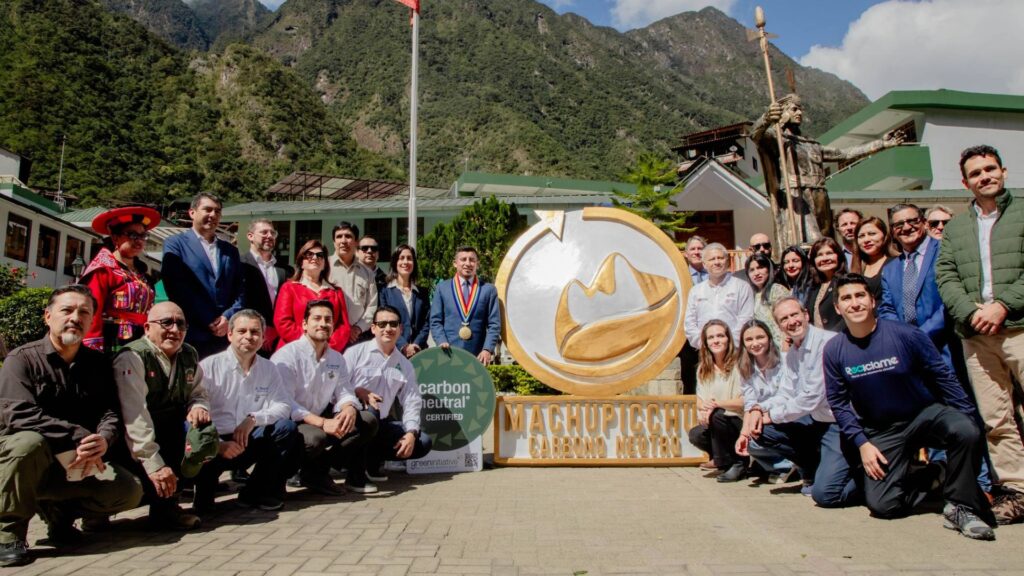
In today’s climate-conscious world, destinations seeking to be Climate Certified must follow a structured process, provided by Green Initiative. The certifications align them with international sustainability frameworks, including the Paris Agreement and Glasgow Declaration. Here’s how destinations can get certified, and why they should do so. Steps to Climate Certification Why Pursue Certification? Inspiration from Machu Picchu’s Journey A prime example of climate certification success is Machu Picchu, which was recently recertified as Carbon Neutral after achieving an impressive 18.47% reduction in carbon emissions since its 2021 certification. This ancient site has become a global leader in sustainable tourism by implementing comprehensive emission reduction measures, waste management systems, and reforestation projects. Machu Picchu’s journey proves that iconic destinations can effectively align their operations with climate goals while preserving their cultural and natural heritage. By achieving climate certification from Green Initiative, destinations contribute to the global fight against climate change and position themselves as top choices for responsible travelers and businesses. The certification process fosters resilience, ensures compliance with international standards, and paves the way for a sustainable future. You can read the full story here for more on Machu Picchu’s inspiring climate action. How UNESCO-Designated Sites Are Leading Climate Action Destinations looking to achieve climate certification can draw inspiration from UNESCO-designated sites, which are actively integrating climate action into their preservation efforts. As outlined by Green Initiative, UNESCO sites like natural reserves and cultural landmarks are adopting sustainable practices to safeguard both heritage and ecosystems. These sites are not only reducing emissions but also enhancing climate resilience by protecting biodiversity, demonstrating that climate-conscious tourism is feasible and essential for long-term conservation. For more on this topic, visit here. Bonito’s Leadership in Climate Action Another outstanding example of climate certification is Bonito, a renowned ecotourism destination in Brazil. Bonito achieved climate certification through its commitment to sustainability, implementing actions that have reduced its carbon footprint while preserving its natural wonders. Bonito’s certification underlines the importance of eco-friendly practices in tourism, proving that destinations can thrive while protecting their ecosystems. City mayors and tourism leaders can follow Bonito’s lead by engaging with Green Initiative to guide their climate action efforts. “We are here today because this is the result of work done by the destination for many years. Bonito is inherently responsible, and this certification is not just an award but a global commitment that Bonito makes to the world, to become an even more responsible destination. This achievement reflects decades of responsible management, environmental care, and the dedication of local businesses and guides. Celebrate, but also remember that we have an even greater commitment moving forward to achieve more in the coming years.” – Bruno Wendling, president director of Fundtur, emphasized the importance of Bonito’s long-standing efforts in achieving certification. For more information, see here. A Call to Action for City Mayors and Tourism Secretariats City mayors and secretariats play a critical role in shaping sustainable tourism and reducing their cities’ environmental impact. By partnering with Green Initiative, cities can embark on a journey toward climate certification, ensuring a resilient future while promoting eco-friendly tourism. Green Initiative offers expert advisory and guidance, resources, and certification programs to help cities reduce their carbon footprint, protect and restore ecosystems, and lead the way in global climate action. We encourage city leaders to contact us to explore how their destination can become climate-certified and set a benchmark for sustainable urban tourism. We strongly encourage downloading Green Initiative’s Climate Action Guide for Tourism Destinations here. This comprehensive guide provides essential tools and strategies for reducing emissions, improving resource efficiency, and aligning with global climate commitments. By following the steps outlined in the guide, destinations can build resilience, attract eco-conscious travelers, and lead the way in responsible tourism. It’s a critical resource for those ready to take meaningful action for the future. Reach out to us today to start your city’s climate journey!

How Destinations Can Become Climate Certified and Why It Matters Read More »

Setting Climate and Nature Positive Goals A Pathway for Sustainable Business Leadership - Forest Friends Green Initiative

Setting Climate and Nature Positive Goals: A Pathway for Sustainable Business Leadership

In today’s corporate landscape, companies are increasingly adopting climate and nature positive goals to ensure that their business activities reduce environmental harm and contribute to the restoration and preservation of ecosystems. Achieving such goals requires combining strategic planning, emission reduction, and ecosystem restoration. Since our founding, Green Initiative has been helping businesses across various sectors work toward climate positive, carbon neutral, and carbon measured certifications. These certifications enhance organizations’ environmental responsibility and strengthen their market positioning in an era when sustainability is key. What Does It Mean to Be Climate Positive? A climate positive company goes beyond net-zero emissions by actively removing more carbon dioxide from the atmosphere than it emits. This involves efforts such as reducing operational emissions, switching to renewable energy, and supporting nature-based solutions like reforestation and habitat restoration. Achieving climate positive status requires companies to go beyond simply offsetting their carbon footprint. They must engage in activities that directly benefit the environment, ensuring a net positive impact on ecosystems and biodiversity. Certification Pathways: Climate Positive, Carbon Neutral, and Carbon Measured The Green Initiative certification programs provide structured pathways for businesses to reduce their environmental impact and work toward positive outcomes for both the climate and nature: Why Climate Positive Goals Matter? Climate and nature positive goals ensure businesses contribute positively to the planet rather than simply minimizing harm. These goals align with global climate action efforts, such as the Paris Agreement, and support biodiversity preservation under the Convention on Biological Diversity. For businesses, these certifications provide reputational advantages, foster customer loyalty, and attract investment from stakeholders who value sustainability. Companies that achieve climate positive status also position themselves as leaders in the transition to a low-carbon economy. Examples of Companies Setting Climate Positive Goals Here are some examples of businesses that have successfully integrated climate and nature positive goals into their operations through partnerships with Green Initiative: 1. WorldXchange: Pioneering Climate Positive Leadership in Currency Exchange WorldXchange, the first Climate Positive Certified currency exchange company, has set new standards in the financial sector by reducing its carbon footprint by 16% between 2021 and 2023. Furthermore, WorldXchange has gone beyond emissions reductions by planting over 300 trees in Madre de Dios, Peru, and is committed to planting more than 15,000 trees, reaching Forest Friends Accelerator certified partner status. Their efforts, which contribute to carbon sequestration and global climate awareness, position WorldXchange as a forward-thinking leader in integrating sustainability into the financial services sector. 2. Estância Mimosa Ecoturismo: A Leader in Ecotourism and Conservation Located in the heart of Brazil’s Pantanal region, Estância Mimosa Ecoturismo has adopted climate and nature-positive goals to protect the unique ecosystems surrounding its operations. The company has actively reduced its carbon footprint by reforestation projects, sustainable tourism practices, and biodiversity preservation efforts while promoting responsible ecotourism. Their ongoing conservation efforts help offset emissions and contribute to the long-term health of local ecosystems, making them a model for sustainable tourism. 3. Bio-Amayu – AJE Group: Combining Business Growth with Conservation Bio-Amayu, part of the AJE Group, focuses on producing sustainable beverages while protecting the ecosystems in the Amazon Rainforest. By using responsibly sourced ingredients and supporting reforestation projects, Bio-Amayu has made strides toward achieving climate positive goals. In collaboration with Green Initiative, the company is dedicated to reducing its carbon footprint while also investing in the regeneration of Amazonian forests. Their efforts contribute significantly to carbon sequestration and biodiversity protection, exemplifying how businesses can balance economic growth with ecological preservation. 4. Inkaterra Hotels: Regenerative Tourism at Its Best A pioneer in sustainable luxury tourism, Inkaterra Hotels is a shining example of how businesses can align luxury with environmental responsibility. With operations located in some of Peru’s most biodiverse areas, Inkaterra is deeply committed to environmental conservation, scientific research, and the empowerment of local communities. By achieving climate positive certification, Inkaterra supports reforestation and biodiversity conservation projects in the Peruvian Amazon and Andes regions. These efforts are aimed at both offsetting emissions from their hotel operations and contributing to the long-term preservation of Peru’s natural heritage. 5. Kuoda Travel: Promoting Responsible and Sustainable Travel Kuoda Travel, a leading luxury travel company in Peru, has embraced climate positive goals by offering sustainable travel experiences that minimize environmental impact. By partnering with Green Initiative, Kuoda ensures its carbon neutral operations and actively supports conservation efforts through nature-based solutions. Their commitment to reducing the carbon footprint of travel while supporting local conservation projects makes them a leader in the responsible travel sector, ensuring that tourism benefits both people and the planet. How Businesses Can Set and Achieve Climate Positive Goals? For companies aspiring to be climate positive, the Green Initiative certification process provides a roadmap: The Business Case for Climate Positive Goals Businesses that achieve climate positive certification contribute to global climate action and gain a competitive advantage. These companies are well-positioned to adapt to future regulatory changes, attract eco-conscious consumers, and foster greater brand loyalty. Additionally, companies that invest in ecosystem restoration and biodiversity conservation create long-term value for the planet, ensuring that it remains resilient to environmental challenges. Conclusion: Leading the Way Toward a Climate Positive Future The path to becoming climate positive is both an environmental and business imperative. By pursuing certifications through Green Initiative, companies like WorldXchange, Estância Mimosa Ecoturismo, Bio-Amayu – AJE Group, Inkaterra Hotels, and Kuoda Travel are leading the charge in creating a sustainable future. These companies demonstrate that integrating climate and nature positive goals is achievable and essential for long-term business success. By taking proactive steps to reduce emissions and restore ecosystems, businesses can ensure they contribute positively to the environment while benefiting from the growing market demand for sustainability. Now is the time for companies to set ambitious goals and take meaningful action toward building a more resilient, sustainable world. Contact us for expert advice on implementing climate and nature positive strategies in your business.

Setting Climate and Nature Positive Goals: A Pathway for Sustainable Business Leadership Read More »

Recap - Webinar on Regenerative Tourism: The Key Dimension for Ecological Sustainability and Business Competitiveness

Recap – Webinar on Regenerative Tourism: The Key Dimension for Ecological Sustainability and Business Competitiveness

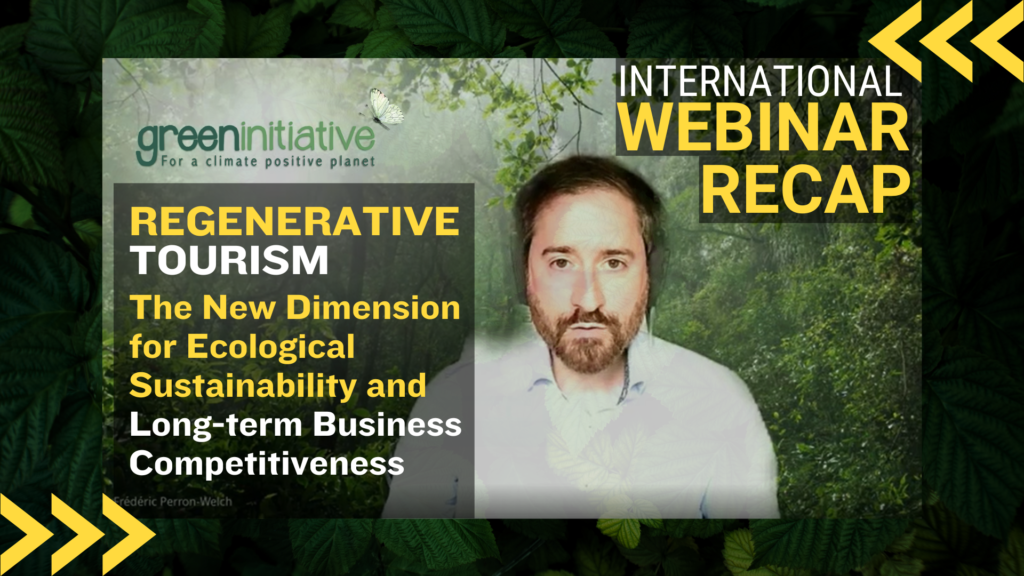
On August 28, 2024, the Green Initiative hosted an exceptional international webinar titled “Regenerative Tourism: The New Dimension for Ecological Sustainability and Long-Term Business Competitiveness.” The event brought together a diverse group of experts, industry professionals, and global stakeholders to discuss the transformative potential of regenerative tourism. The webinar provided attendees with invaluable insights into how regenerative tourism practices are not only reshaping the future of travel but also contributing to global sustainability goals. Frédéric Perron-Welch, Head of Climate and Nature Policy at Green Initiative, kicked off the webinar with a warm welcome. “Regenerative tourism is not just about sustainability; it’s about restoring and enhancing the ecosystems and communities that make tourism possible,” said Perron-Welch, emphasizing the core philosophy of the event. Keynote Presentations Marcos Vaena – Senior Executive at IFC Marcos Vaena provided a comprehensive overview of the International Finance Corporation’s (IFC) Environmental and Social Performance Standards, illustrating how they align with the principles of regenerative tourism. He highlighted the synergies between green finance and regenerative practices, particularly in emerging markets. “In today’s world, going beyond sustainability is crucial for destinations that want to differentiate themselves in a competitive marketplace. Regenerative tourism offers a blueprint for long-term success by ensuring that tourism projects do not adversely impact the natural assets that these countries possess,” Vaena stated. He also discussed how IFC’s performance standards, which include guidelines on labor conditions, community health, and biodiversity conservation, are critical in boosting competitiveness in the tourism sector. Virginia Fernandez-Trapa – Programme Coordinator, UN World Tourism Organization Virginia Fernandez-Trapa presented a compelling discussion on the “Regenerate Pathway” of The Glasgow Declaration. She emphasized that concept challenges conventional tourism practices by focusing on not only preserving but actively restoring ecosystems. “The regenerate pathway challenges us to go beyond conventional practices, focusing on restoring ecosystems and supporting nature’s ability to draw down carbon”, said Fernandez-Trapa She highlighted how the regenerate pathway is central to the goals of the Glasgow Declaration and emphasized the need for a balanced approach that incorporates environmental, social, and economic pillars of sustainable development. “At present and in alignment with the Glasgow Declaration pathways for us is clear, that regenerative can certainly play a role in accelerating the pace of change towards the needed balance, so that we can ultimately ensure sustainable development of our societies, and we need to integrate those regenerative arteries and policies and actions”, she added. Tenisha Brown-Williams – Senior Tourism Specialist, Inter-American Development Bank Tenisha Brown-Williams captivated the audience with compelling case studies from Barbados and Brazil, showcasing how regenerative tourism can lead to transformative change. She shared the story of Walker’s Reserve in Barbados, a former quarry transformed into a thriving ecotourism destination, and the IDB‘s Salvador program in Brazil, which empowers Afro-Brazilian communities through regenerative tourism. “I want to bring us all to one common point of agreement. We can all agree that in spite of the debates around sustainable turism and regenerative…. I think we could agree that given the climate crisis and other pressing vulnerabilities the global tourism industry must embrace in a new approach, so it is imperative for all stakeholders within the tourism value chain to adopt, what is called a transformative mindset, and this shift really involves moving beyond purely economic objectives to embrace the holistic reflections, which I have highlighted… On some rhetorical questions, we need to ponder: it’s tourism a benefit to the people at the destination or to the tourists?, said Brown-Williams. “I want to propose that a mind cannot be transformed without visible proof of change and tangible evidence of its impact. So the IDB’S Tourism sector framework has a line of action which deals with original knowledge agenda for the tourism sector that covers important issues for which there is a lack of information. We also need to continue to inspire by sharing examples which strengthen community based tourism enterprises such as the examples shared in Belize, the Bahamas and Dominica, with elements of regenerative tourism at it’s core”, she added. “I propose that the future of regenerative tourism hinges on our collective recognition that it is a mindset shift, brought to life through strategic policies and programs, and fully realized through robust partnerships across the entire tourism value chain. It is in this unified understanding and collaborative effort that we will shape a truly regenerated future for the global tourism industry. As we face unprecedented challenges, regenerative tourism offers a path forward that benefits both people and the planet. By fostering inclusive, community-driven initiatives, we can ensure that tourism serves as a powerful tool for positive change and long-term resilience,” she concluded. In closing, Tenisha Brown-Williams emphasized the critical importance of regenerative tourism as a transformative force within the industry. She called on all stakeholders to embrace this new approach, which prioritizes not only environmental sustainability but also social equity and cultural preservation. Inspiring Case Studies Gabriel Meseth – Project Manager, Inkaterra Hotels Gabriel Meseth presented Inkaterra’s pioneering efforts in ecotourism and sustainable development in Peru, focusing on their initiatives in the Amazon rainforest and the Machu Picchu cloud forest. He highlighted the successful restoration of these areas and the innovative waste management strategies that have made Machu Picchu the first carbon-neutral UNESCO Designated Site. “Inkaterra’s approach to regenerative tourism is deeply rooted in scientific research and community engagement. By restoring ecosystems and empowering local communities, we are not only preserving Peru’s natural heritage but also setting new standards for sustainable tourism worldwide,” Meseth explained. He also discussed the importance of public-private partnerships in achieving these ambitious goals, citing the collaboration between Inkaterra, the Green Initiative, and local communities as a model for other regions. André Fortunato – Program Manager, CEPA (Customized Educational Programs Abroad) André Fortunato shared CEPA’s innovative approach to regenerative tourism through their study abroad programs in Costa Rica and Guatemala. He emphasized the importance of service learning and climate-positive actions in educating students and supporting local communities. “Through our programs, students not only learn about sustainability but actively contribute

Recap – Webinar on Regenerative Tourism: The Key Dimension for Ecological Sustainability and Business Competitiveness Read More »

Charting a Course Towards Sustainable and Resilient Prosperity in Fisheries and Aquaculture

Charting a Course Towards Sustainable and Resilient Prosperity in Fisheries and Aquaculture

The resilience and prosperity of the region’s small-scale fisheries are crucial, as they are the main source of livelihood for fishers in the sector. The recent impact of Hurricane Beryl on Grenada, Saint Vincent and the Grenadines, Jamaica, and Barbados has highlighted the urgent need to protect and modernize this critical sector. The storm, a clear indication of climate change, has shown the potential devastation that rapidly forming hurricanes can bring to communities and livelihoods. In response to these challenges, the Caribbean Regional Fisheries Mechanism (CRFM) is promoting sustainable fishery practices and resilience. Its initiatives, which include decarbonizing the sector, enhancing marine habitat restoration, and securing financial resources for adaptation and mitigation, are crucial. However, international support is also needed to ensure a resilient future for the region’s fisheries and aquaculture industries. Read the full article here. Useful reports here.

Charting a Course Towards Sustainable and Resilient Prosperity in Fisheries and Aquaculture Read More »

How UNESCO Heritage Sites are Integrating Climate Action - Green Initiative

How UNESCO Designated Sites are Integrating Climate Action

Bonito and Machu Picchu: The Power of Twin UNESCO Designated Sites Pioneering Climate Action in Tourism In a time where climate change poses significant challenges to our planet, the tourism industry is stepping up to play a crucial role in mitigating its impact through the Glasgow Declaration for Climate Action in Tourism. In this context, two iconic cultural and ecotourism destinations are leading the way in climate action in tourism. Bonito, located in the Brazilian Pantanal and recognized as a UNESCO Biosphere Reserve, and Machu Picchu, situated in the Peruvian Andes and recognized as a UNESCO Mixed World Heritage Site, integrate climate mitigation best practices into their tourism development models. The results achieved so far, through the climate certification of both destinations, have consistently showcased that through well-informed and pragmatic action, the development of tourism in UNESCO Biosphere Reserves and Mixed World Heritage Sites can go hand in hand with the decarbonization of tourism destinations, generating positive impacts on both the local economy and the climate. Bonito and Machu Picchu: Laboratories for Climate Mitigation Action and Expertise Development Bonito, located in Mato Grosso do Sul, Brazil, was designated a UNESCO Biosphere Reserve in 2000. Bonito has long been a reference for sustainable tourism, known for its crystal-clear rivers, stunning waterfalls, and rich biodiversity. Similarly, Machu Picchu, the ancient Incan citadel nestled in the Andes Mountains of Peru, was declared a UNESCO Mixed World Heritage Site in 1983. In collaboration with the Green Initiative, both UNESCO destinations, Bonito and Machu Picchu, have embarked on a transformative journey to net-zero emissions through a rigorous climate-certification process that involves: In 2021, the tourism destination of Bonito had a total of 17,829.42 tCO2eq emissions. Around 51% of its footprint was related to the consumption of fuels by ground mobile sources, such as cars and buses used by tourists in their visits. The second largest emission was the decomposition of solid residues (22.32%), followed by electricity consumption (6.02%). In the development of Bonito’s Climate Action Plan, several actions were defined to address these core emissions, such as stimulating the use of biofuels, conversion and availability of electric vehicles, waste management improvements in the public system, community engagement in the circular economy, and carbon capture enhancements by promoting ecosystems restorations. On the other hand, in 2022, Machu Picchu successfully reduced its emissions to 7,117.55 tCO2eq, an 18.77% decrease from the 2019 base year. Four processes were implemented to reuse recoverable waste: Additionally, electric vehicles were introduced to transport the generated waste, and waste segregation points were established throughout the district, among other actions. The new waste management processes significantly reduced 40.80 tCO2eq, 2.5 times more than in 2019. Carbon capture from ecological restoration, where 6,596 native trees were planted in degraded areas, capturing 5,055.17 tCO2eq, led to a net emission balance of 2,062.38 tCO2eq. Machu Picchu’s carbon footprint has been fully offset with 2,155 carbon credits from the REDD+ Brazil Nut Concessions project by Bosques Amazónicos (BAM), which protects over 600,000 hectares of megadiverse forests and supports more than 800 Amazon Brazil nut harvesting families in Madre de Dios, Peru. By integrating climate action into their core business models, these destinations are setting new standards for sustainable tourism at UNESCO heritage sites. As Jose Salazar Ríos, Coordinator of the Culture Sector at UNESCO Peru, highlights: “Machu Picchu, one of the 13 World Heritage sites that Peru has, is an inspiring example of how tourism can be integrated with climate action, thus contributing to the sustainability and conservation of World Heritage.“ The Glasgow Declaration on Climate Action in Tourism The Glasgow Declaration on Climate Action in Tourism is a pivotal framework for mobilizing the tourism sector to act decisively on climate change. Launched at the UN Climate Change Conference (COP26) in Glasgow, the Declaration commits signatories to halve emissions by 2030 and achieve net zero by 2050 at the latest. By aligning with the pathways to the Paris Agreement, the Declaration provides a clear roadmap for tourism stakeholders to integrate climate action into their business models. It encourages collaboration across the industry, promoting the sharing of best practices, resources, and innovative solutions to accelerate decarbonization. Bonito and Machu Picchu are exemplary participants in this global movement, demonstrating how UNESCO heritage sites can lead by example in integrating comprehensive climate strategies into their tourism operations. Through initiatives such as these, the Glasgow Declaration aims to unify the tourism industry in the fight against climate change, fostering a collective effort to protect our planet for future generations. The Power of Twin UNESCO Designated Sites in Climate Mitigation The collaboration between Bonito and Machu Picchu, as climate-smart twin cities, holds immense potential for climate mitigation and expertise development worldwide. By sharing best practices, resources, and innovative solutions, they can amplify their impact on reducing tourism-related emissions and serve as a reference for other UNESCO Designated Sites worldwide. According to Sofia Gutierrez, Deputy Director of Sustainable Tourism at UN Tourism: “The experience of Machu Picchu as a signatory of the Glasgow Declaration can be a reference for other tourist destinations in Peru and around the world. In addition to being a natural and cultural treasure, Machu Picchu is also an inspiring example of how the growth of tourism and decarbonization can and should go hand in hand.“ Emerging Opportunities Final Reflections Bonito, as a UNESCO Biosphere Reserve, and Machu Picchu, as a UNESCO Mixed World Heritage Site, both as Carbon Neutral destinations, can provide the tourism industry significant insights into the fight against climate change. Their reinforcement of bilateral collaboration as climate-smart twin cities holds the potential to drive substantial progress in decarbonizing tourism and promoting sustainable development both locally and worldwide. By working together, they can inspire other destinations to follow suit, creating a ripple effect that contributes to a more sustainable and resilient planet. As we look to the future, Bonito’s and Machu Picchu’s partnership serves as a testament to the power of collaboration in addressing the pressing challenges of climate change. Together, they are preserving their natural and cultural


How UNESCO Designated Sites are Integrating Climate Action Read More »

The Synergy Between Electric Vehicles and Renewable Energy Powering a Greener Future - Green Initiative

The Synergy Between Electric Vehicles and Renewable Energy: Powering a Greener Future

Electric vehicles are synonymous with a green lifestyle. However, few Americans (4%) own an electric vehicle (EV), or are seriously considering purchasing one (12%), according to 2023 data from Gallup. Another 43% of U.S. adults say they may consider purchasing an EV in the future, while 41% “unequivocally say they would not.” For those who are planning to invest in an EV in 2024, renewable energy solutions can heighten the eco-friendly benefits of owning an EV in many ways — including saving even more on your monthly energy bill. From the many applications of solar energy to how EV owners can implement the technology at home, modern options serve as a great consideration for those who may be on the fence about investing in a new vehicle. Elevating an eco-friendly lifestyle Whether you’re a busy parent with a full schedule of running the roads or you’re simply looking for a vehicle that is cheaper to maintain, EVs are the go-to choice for an eco-friendly ride. For starters, EVs typically have a smaller carbon footprint than traditional gasoline cars, making them ideal for those wishing to take on a more eco-friendly lifestyle. While EVs themselves have no tailpipe emissions, the U.S. Environmental Protection Agency (EPA) points out that generating the electricity used to charge EVs may create carbon pollution. The EPA goes on to explain that the amount of pollution created “varies widely,” particularly when it comes to how the local power is generated (for instance, the impact of coal or natural gas vs. renewable sources that don’t emit carbon pollution). For those who wish to maximize the eco-friendly potential of an EV, the adoption of renewable energy is a great consideration, according to the U.S. Department of Energy. A dedicated solar energy charging station can be the ideal solution in looking to power an EV in a clean and green way, and presents several advantages. In addition to lower energy costs, EV owners that take advantage of solar energy charging can further benefit by being able to charge their vehicle during a power outage. This can be particularly valuable for those who are in areas that experience strong weather, though the benefits don’t end there. The Department of Energy goes on to note that EV owners who choose to charge their vehicle when there is ‘plentiful solar generation’ can minimize the strain on the local electricity grid, thus furthering the eco-friendly impact on a larger scale. Exploring the endless possibilities of solar Solar panels for the home are a well-known concept. When it comes to electric vehicles, however, there are several innovative solutions out there. The Department of Energy’s Solar Technologies Office details several solar-powered solutions for EVs, including rooftop solar, solar-powered public charging stations, and community solar. Rooftop solar systems, for example, power the home (or building), and as a result power the vehicle via a charging station.When you’re generating more electricity than you’re using, rooftop solar systems can be optimized in order to maximize your solar savings even further, thus contributing to a lifestyle that is cohesive with eco-friendly values.  Solar-powered public charging stations, vehicle-attached or added photovoltaics, and vehicle-integrated photovoltaics are additional solutions outlined in the Solar Technologies Office post. While such adoptions can sound far-fetched or unrealistic for many prospective EV owners, it’s imperative to realize that solar energy solutions for EVs are already becoming more prevalent. In Raleigh, North Carolina, new solar EV chargers can be found at Anderson Point Park and Brier Creek Park, though the chargers will occasionally be moved around the city so that more people can try them. According to the RaleighNC.gov site, the solar powered EV chargers can be placed in areas of the city that don’t have EV charging infrastructure, effectively reducing the need for expensive electrical work while helping the city to better understand where permanent EV charging infrastructure is needed in the future. Maximizing your environmental impact from the start Installing a solar powered EV charging station at home is a great way to start using solar charging right at home, though there are a few important aspects of the process to keep in mind. According to one U.S. News & World Report article, experts note that a properly-sized solar array is generally sufficient in powering a home, though it may not be  enough for EV charging (in addition to the home’s routine power use). As a result, talking with your local solar energy installer is advised in order to explore your options thoroughly, though it’s noted that it is possible to run both your home and charge your EV entirely off of solar. Other options include having a local utility company switch your household to a clean energy source, though it’s noted that this may not work if you’re in a multi-unit dwelling or an area where these sources aren’t available. While EV sales appear to have lost momentum (at least temporarily), according to one early 2024 NPR post, those considering an investment in an EV have a variety of considerations to keep in mind when aiming to choose the right vehicle. Range and charge time are valuable considerations when looking for the right EV, with ratings and reviews of popular models providing great insight on such features. For example, the 2023 Chevrolet Bolt EUV is a practical choice for those looking for an all-electric SUV thanks to its space and electric powertrain, though many owners don’t enjoy the overall fuel economy and driving range of the vehicle or the driving range and speed of charging the vehicle. On the other hand, options such as the 2023 Chevrolet Bolt EV, an electric hatchback, features high range. By sifting through reviews beforehand, you can make an educated decision on what vehicle is best suited for your specific lifestyle and needs. For those looking to lead an environmentally friendly lifestyle, solutions extend well beyond the investment of an electric vehicle. Through the many options that solar powered charging presents, EV owners have the chance to explore a number of solutions — from the installation of solar panels at home to the

The Synergy Between Electric Vehicles and Renewable Energy: Powering a Greener Future Read More »

Machu Picchu Achieves Significant Reduction in Carbon Emissions Since 2021 Certification

From Heritage to Habitats: The Journey of Sustainable Conservation from Machu Picchu to the Amazon

In 2014, UNESCO warned that Machu Picchu could be included on the list of endangered heritage sites due to poor waste management. In response, the Inkaterra Hotels Association, the Municipality of Machu Picchu, and the AJE Group implemented a circular economy model to manage waste locally. In 2015, four plants were established to process this waste. In Machu Picchu Pueblo, also known as Aguas Calientes, four tons of organic waste are generated daily due to the large influx of tourists, restaurants, and hotels. This waste is segregated and processed in a pyrolysis plant built in collaboration with Peruvian engineers and the University of Cusco. This plant converts the waste into biochar, a natural carbon that enriches the soil and helps retain carbon dioxide. Additionally, there are PET compaction plants, cardboard segregation plants, and glass processing plants. Plastic bottles are compacted and transported to a recycling plant in Lima, turning them into new bottles. These actions aim to raise awareness about the recyclable value of plastic bottles. Glass bottles are also recycled and pulverized, preventing them from ending up in the Vilcanota River. The resulting sand is mixed with concrete to create paving stones that beautify and reinforce the riverbanks. Some of these white paving stones have already been placed in Machu Picchu, marking certain areas and contributing to the beautification and strengthening of the local infrastructure. According to the World Tourism Organization, tourism activity accounts for around 8% of total CO2 emissions globally. In Peru, according to the Green Initiative, about 5% of total emissions are related to tourism. Therefore, the tourism industry worldwide and in Peru, in particular, must improve its practices and incorporate climate action as a standard between destinations and companies. A fundamental aspect of this change consists of implementing management for reducing carbon emissions (mitigation) and achieving the carbon-neutral certification promoted internationally by the Green Initiative. The certification was granted to Machu Picchu in 2021 by the Green Initiative after a certification cycle lasting five months. During this cycle, the Municipality formalized its climate commitment through the UN Climate Change – Climate Neutral Now program, aligning itself with the objectives of the Paris Climate Agreement and the recommendations for low-carbon tourism reactivation promoted by the One Planet program of the World Tourism Organization. These results confirm that tourism activity and the generation of carbon emissions are directly related, exhibiting a positive correlation. To reach its goal of reducing carbon emissions by 45% by 2030, Machu Picchu must promote tourism’s reactivation and economic recovery without increasing carbon emissions. Now, in June 2024, Machu Picchu has renewed its certification as the First Carbon Neutral UNESCO Designated Site, underscoring Machu Picchu’s commitment to sustainability and decarbonization, which continues to lead in sustainable tourism through innovative environmental initiatives and collaborative efforts. Moreover, Machu Picchu has made substantial progress in reducing carbon emissions. The total carbon footprint for 2022 was 7,117.55 tCO2eq, representing an 18.77% reduction compared to the 2019 baseline. REDD+ Brazil Nut Concessions: Pioneering Conservation and Sustainable Development in the Amazon Following the successful waste management initiatives in Machu Picchu, efforts to offset its carbon footprint led to the REDD+ Brazil Nut Concessions conservation project. Developed by the Peruvian company Bosques Amazónicos (BAM), an ally of Green Initiative, this project protects over 600,000 hectares of unique megadiverse forests in partnership with more than 800 castañeros families in Madre de Dios, Peru. The REDD+ Brazil Nut Concessions project stands out for its scale and impact. It safeguards the chestnut forests, which are home to incredible biodiversity. For over 14 years, BAM, the Green Initiative, and the concessionary families have been united in their mission to protect these forests from the looming threats of deforestation. Their approach combines sustainable economic development with environmental conservation, ensuring that the local community benefits alongside the environment. A core principle of the REDD+ Brazil Nut Concessions project is promoting economic development in harmony with nature. The project has implemented an integrated system for forest monitoring. It provides continuous technical and legal assistance to concessionary families. These families receive ongoing training in sustainable forest management, empowering them to protect their natural resources while enhancing their livelihoods. The project also offers direct economic benefits to the castañeros partners. It has developed sustainable, productive alternatives to improve the community’s quality of life. Photos by Walter H. Wust In addition to its economic and social impacts, the REDD+ Brazil Nut Concessions project makes significant strides in biodiversity conservation. Scientific expeditions as part of the BAM Science Program leverage technology and innovation to monitor the biodiversity of the chestnut forests with active participation from the castañeros community. This ensures that the conservation efforts are both scientifically robust and community-driven. Notable achievements include: These accomplishments highlight the project’s role in mitigating climate change, conserving biodiversity, and fostering sustainable development. It is a global model for integrating economic growth with environmental stewardship and community empowerment. A Model for Global Conservation The REDD+ Brazil Nut Concessions project serves as a model for conservation efforts worldwide. Integrating economic development with environmental stewardship and community empowerment demonstrates that protecting our planet’s natural resources can improve human well-being. As the world continues to grapple with climate change and environmental degradation challenges, initiatives like REDD+ Brazil Nut Concessions offer a beacon of hope. They show that innovative approaches and collaborative efforts can create a sustainable future for both people and the planet. To delve deeper into the remarkable work of the REDD+ Brazil Nut Concessions project, download the 2023 Annual Report here. Contact us for further information and supporting Green Initiative’s actions from the Andes to the Amazon. Useful links:

From Heritage to Habitats: The Journey of Sustainable Conservation from Machu Picchu to the Amazon Read More »

The European Union's Nature Restoration Law A Model for Global Restoration Efforts - Green Initiative

The European Union’s Nature Restoration Law: A Model for Global Restoration Efforts?

In a groundbreaking effort to tackle the dual crises of biodiversity loss and climate change, the European Union has adopted the Regulation on Nature Restoration. This new legislative framework is a pivotal component of the European Green Deal and the EU Biodiversity Strategy for 2030, aiming to restore degraded ecosystems across the continent, enhance biodiversity, and strengthen climate resilience. Background and Objectives The Regulation responds to the urgent need to restore Europe’s natural habitats, which are in a state of decline due to various human activities, including intensive agriculture, urbanization, pollution, and climate change. It builds on existing conservation efforts under the EU Habitats Directive and the Birds Directive, expanding their scope and introducing legally binding restoration targets. Furthermore, the EU Regulation on Nature Restoration aligns seamlessly with the UN Decade on Ecosystem Restoration (2021-2030), a global initiative aimed at preventing, halting, and reversing the degradation of ecosystems worldwide. This UN initiative underscores the critical importance of large-scale restoration efforts in addressing biodiversity loss and climate change, themes that are echoed in the EU’s ambitious targets. This alignment not only reinforces the global urgency for ecosystem restoration but also positions the EU as a leader in driving international efforts towards a more sustainable and resilient future. Key Provisions The Regulation sets ambitious targets to restore degraded terrestrial, inland water, coastal, and marine ecosystems. By 2030, at least 30% of these ecosystems are to be under restoration, with a long-term goal of covering all ecosystems in need of restoration by 2050. Specific targets include: EU Member States must develop and implement national restoration plans, based on scientific evidence, that include measures to improve the condition of habitats and species listed in the Habitats and Birds Directives. Restoration measures should ensure continuous improvement until favorable conservation status is achieved. In addition, the Regulation highlights the link between biodiversity and climate change with restoration projects aimed at contributing to climate change mitigation and adaptation, enhancing natural carbon sinks and increasing ecosystem resilience. Synergy with the European Climate Law is crucial, particularly its aim for climate neutrality by 2050. Special attention is given to marine habitats, with specific restoration actions mandated for marine species and habitats in alignment with the Marine Strategy Framework Directive. Member States must report on their progress towards the restoration targets, using standardized indicators and methodologies. The European Environment Agency (EEA) will play a key role in supporting these efforts, ensuring transparency and accountability. The Regulation provides for financial support from various EU funding mechanisms, including the Common Agricultural Policy (CAP), the LIFE Programme, and the European Maritime and Fisheries Fund (EMFF). Incentives for private land conservation and sustainable management practices are also included. Challenges and Opportunities Implementing the Regulation will face several challenges. Adequate funding and technical expertise are essential for the success of restoration projects and technical and financial resources will need to be mobilized at scale to achieve the targets established. In addition, effective collaboration with local communities, farmers, foresters, and other stakeholders will be critical for success as implementation must reconcile ecological restoration with socio-economic activities, ensuring that restoration efforts do not unduly disrupt livelihoods. Yet, the opportunities are significant. Restored ecosystems can provide numerous benefits, including improved air and water quality, enhanced biodiversity, climate regulation, and increased resilience against natural disasters, and the restoration economy can create high-quality jobs and stimulate sustainable growth that lasts. Conclusion The EU Regulation on Nature Restoration represents a landmark step towards a sustainable future. By setting ambitious, legally binding targets for ecosystem restoration, the Regulation aims to reverse biodiversity loss, enhance climate resilience, and promote a healthier environment. Successful implementation will require concerted efforts from all Member States, robust scientific support, and active stakeholder participation. EU member states must begin planning to submit national restoration plans to the Commission, providing details on how they will deliver on the targets and monitor and report on their progress based on EU-wide biodiversity indicators. The adoption of the Regulation reaffirms that environmental sustainability remains a top priority for the EU despite recent electoral results, meaning that companies remain compelled to adopt sustainable business practices that minimize their environmental footprint and are nature positive. This adds to the heightened accountability companies now face, including from the perspective of financial disclosures on nature-related risks. Implementation across EU Member States will impact business operations significantly and will require companies to prepare to align their activities with evolving national regulations, which may mean adjusting current practices to comply with emerging standards. This signals a pivotal moment for EU businesses, which must plan ahead to adapt and innovate within a stricter environmental framework. Written by Frédéric Perron-Welch, from the Green Initiative team.

The European Union’s Nature Restoration Law: A Model for Global Restoration Efforts? Read More »

Continental Travel Peru Pioneering Carbon-Neutral Business Travel with Green Initiative

Continental Travel Peru: Pioneering Carbon-Neutral Business Travel with Green Initiative

Continental Travel is setting the bar high in the business travel industry in Peru with its global commitment to carbon neutrality. At Green Initiative, we are pleased to announce that Continental Travel has started its journey to decarbonize its corporate operations and services. This strategic leadership decision follows several years of investments in sustainability efforts. They have also increased their technical capacities for climate mitigation. “Starting this journey towards carbon neutrality is not just a strategic move for Continental Travel; It’s a way to show our commitment to leading the industry in responsible travel. By measuring, reducing, and offsetting our carbon emissions, we’re setting a new standard for corporate travel services in Peru. We want our clients to know that we are actively contributing to a more sustainable future, with clear, science-based reports on our decarbonization efforts.” As a result, Continental Travel will be positioned as the first corporate business travel operator to achieve Green Initiative’s Carbon Neutral Certification. This achievement will lead the sector into a new standard for low-carbon emissions in corporate travel. Continental Travel is a Peruvian travel operator with over two decades of experience. They have a deep understanding of the international business travel market. Their clients span various industries, including banking, mining, healthcare, energy, and textiles. How Business Travel is Leading the Charge Towards Net-Zero Emissions Business travelers are becoming more committed to achieving net-zero emissions. This includes their own corporate operations and value chains. Marcos Piera, General Director at Continental Travel, states that business travel agencies should not be part of the problem. Instead, they should add value to their corporate clients by measuring, reducing, and offsetting CO₂ emissions. They should also provide consistent and transparent reports with science-based evidence of decarbonization progress. The work led by Continental Travel is innovative but not isolated. Worldwide, the business travel industry is becoming more sophisticated in decarbonizing its services. The power of business travel is significant. Leading flight companies are putting additional pressure on Airbus, Boeing, and Embraer to accelerate progress towards cleaner fuels and more efficient engines. Corporations around the world may reduce business travel due to their need for public pledges and international carbon mitigation goals. By partnering with Green Initiative and undergoing the Carbon Neutral Certification process, Continental Travel is demonstrating its proactive stance in reducing carbon emissions associated with its operations. This initiative aligns with global efforts to combat climate change, such as the Glasgow Declaration for Climate Action in Tourism. This UN initiative aims to catalyze climate and nature-positive action. But what does this mean for business travel? Continental Travel Peru’s bold move toward climate-smart business travel in partnership with Green Initiative is not just about reducing carbon emissions. It’s about leading by example and inspiring positive change within the industry. Take the Next Step Toward Climate-Smart Business Travel Are you ready to elevate your business travel to the next level? Contact us to learn more about our expert advisory services and how your company can become a climate-smart leader in your industry. Join Continental Travel, Green Initiative, and many more businesses that are making a tangible difference for our planet. Written by Tatiana Otaviano, from the Green Initiative team.

Continental Travel Peru: Pioneering Carbon-Neutral Business Travel with Green Initiative Read More »