Climate Positive

The New Face of Luxury: How Inkaterra and the Koechlin Legacy Are Redefining Travel in South America

The New Face of Luxury: How Inkaterra and the Koechlin Legacy Are Redefining Travel in South America

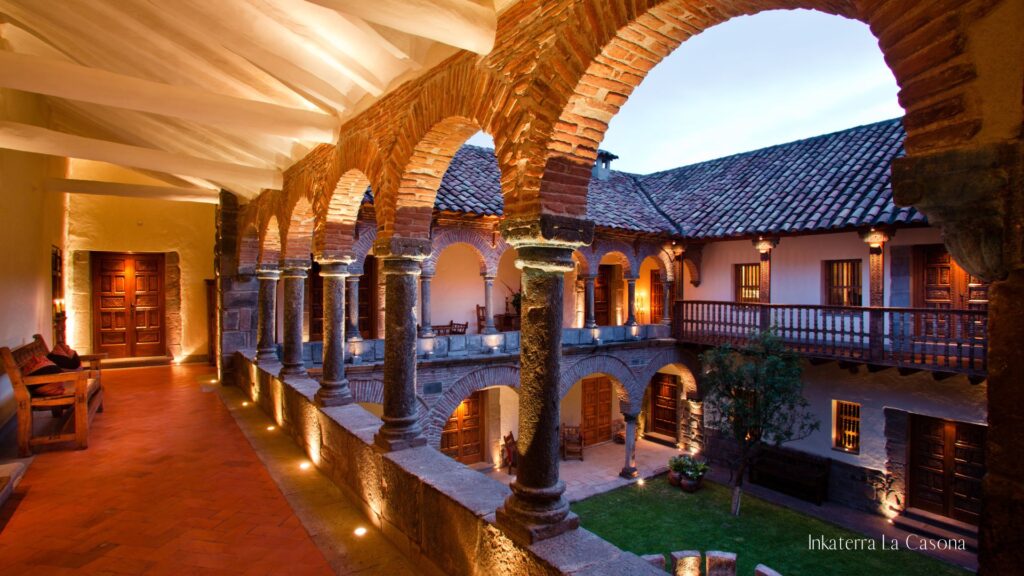
When Condé Nast Traveller unveiled its list of the Best Hotels in South America 2025, one truth became undeniable: the future of travel is already taking shape in Peru. Of the twenty hotels featured, two are part of the Koechlin family’s collection — Inkaterra La Casona and Inkaterra Machu Picchu Pueblo Hotel — among eight from Peru. This is more than recognition; it’s a revelation. It confirms what discerning travelers and sustainability experts have been saying for years: authenticity, purpose, and humility are the new pillars of luxury. A Legacy Rooted in Simplicity and Soul For nearly five decades, José Koechlin and his family have built not just hotels, but sanctuaries of meaning. The philosophy has always been deceptively simple — celebrate nature, empower local communities, and preserve cultural heritage. Yet within that simplicity lies a mastery that no marketing campaign can manufacture: genuine care, quiet excellence, and an unwavering vocation to serve both people and planet. Each property tells a story: The World Is Listening — and Learning In an era when travelers are turning away from excess, these hotels remind us that true hospitality begins with humility. The Koechlin family’s approach reflects a quiet revolution: sustainability not as an obligation, but as a natural extension of respect — for place, for people, for the passage of time. This recognition by Condé Nast Traveller is not only a triumph for the family, but for Latin America. It signals that our region’s authenticity is no longer a niche attraction — it’s the global benchmark. A Call to Conscious Travelers To those seeking experiences that heal rather than consume, Peru stands as an open invitation. Visit not just to see, but to learn — how tourism can restore, how communities can thrive, and how simplicity can once again feel extraordinary. Because in a world that celebrates noise, these places whisper what truly matters: Love for nature. Respect for culture. A sense of belonging. At Green Initiative, we celebrate the Koechlin family and the entire Inkaterra team for reminding us that sustainability and elegance are not opposites — they are, in fact, inseparable. Their success redefines what it means to be climate and nature positive: not through promises, but through practice — in every smile, every garden, every carefully restored stone. Read the full list of winners at Condé Nast Traveller, and discover how Inkaterra continues to inspire the world’s transition toward a more conscious, regenerative way of travel. This article was written by Yves Hemelryck from the Green Initiative Team. Related Reading
The New Face of Luxury: How Inkaterra and the Koechlin Legacy Are Redefining Travel in South America Read More »

Riding the Wave of Change: How Roberto Meza “Muelas” Is Mobilizing Peru’s Surf Industry Toward Innovative Climate- and Nature-Positive Action

Riding the Wave of Change: How Roberto Meza “Muelas” Is Mobilizing Peru’s Surf Industry Toward Innovative Climate- and Nature-Positive Action

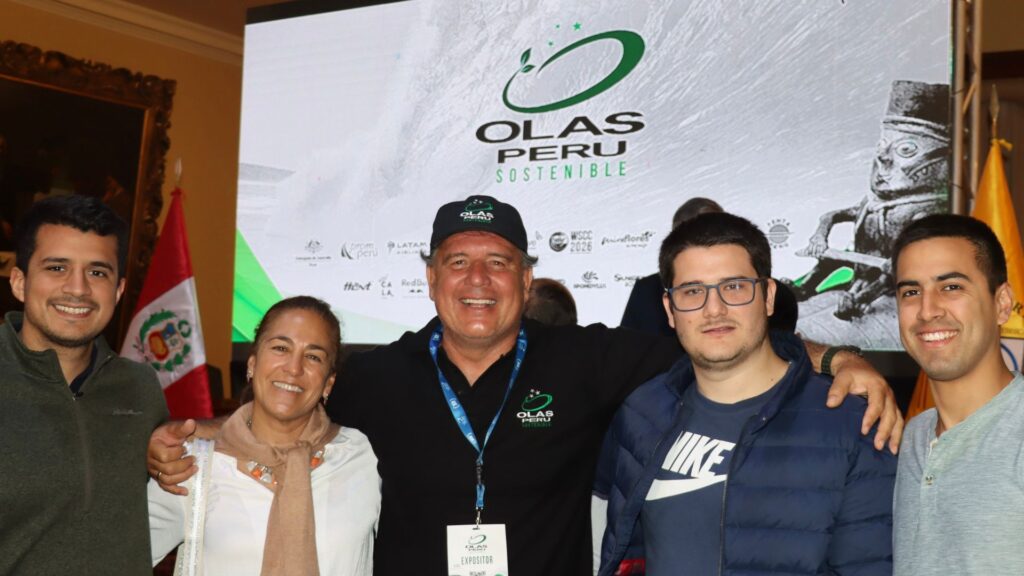
The ocean has always been Peru’s stage for surf legends. Today, it’s also becoming the frontier of climate leadership—thanks to visionaries like Roberto “Muelas” Meza, founder of Olas Perú and Global Ambassador of the World Surf Cities Network (WSCN). Earlier this month, Olas Perú officially launched its 2025–2028 Sustainability Plan at the Municipal Palace of Miraflores. The event marked a milestone not only for Peruvian surf culture but for global sustainability in sports. With this initiative, Olas Perú reaffirmed its role as the world’s first carbon-neutral surf school, setting the standard for surf communities everywhere. From Surfboards to Sustainability Boards Under the leadership of Meza and Director Silvana Pastorelli, Olas Perú’s new plan revolves around five strategic pillars: “This plan is not just a document—it’s our commitment to Peru, to the ocean, and to future generations,” said Pastorelli. “We invite everyone to paddle together toward a surf culture that inspires, regenerates, and transcends.” For Meza, sustainability isn’t an accessory—it’s the new wave that must carry the entire surf ecosystem forward. As an active voice within the WSCN, he has been instrumental in connecting surf cities like Miraflores and Cabo Blanco through shared goals of carbon neutrality, circular tourism, and climate-positive coastal management. Measuring Impact: From Commitment to Certification Olas Perú’s commitment to sustainability is backed by concrete results. In 2023, the organization conducted a rigorous carbon footprint measurement following ISO 14064-1:2018 and the Greenhouse Gas Protocol standards, covering all emission sources—from transportation to energy use and materials. These emissions were fully offset through Certified Emission Reductions (CERs) issued by the United Nations, derived from a renewable energy project in India, enabling Olas Perú to contribute to the global clean energy transition. This achievement positions Olas Perú not only as a pioneer in Latin America but as a model for surf schools worldwide, proving that sports can grow in harmony with the planet. The Power of Partnership The launch event brought together key partners and institutions shaping Peru’s green transition. Representatives from PromPerú, CANATUR, Hazla por tu Ola, LATAM Airlines, and the Municipality of Miraflores joined the discussion panel “Surf and Sustainability: Waves of Change for Peru.” Their collective message was clear: sustainability in sports thrives when public and private sectors paddle in the same direction. Olas Perú’s leadership was also recognized with the Marca Perú (Peru Brand) distinction, underscoring its role as an ambassador for responsible tourism and national pride. Miraflores and Cabo Blanco: Twin Beacons of Climate Action The Mayor of Miraflores, Carlos Canales, highlighted the district’s recognition as an official Surf City within the WSCN—thanks in large part to Olas Perú’s decades of work. Miraflores now stands beside other Peruvian coastal destinations like Cabo Blanco, which recently advanced its own sustainability agenda through the Turismo Circular Perú project, financed by AECID and the European Union and implemented with the Green Initiative. While Miraflores symbolizes the urban surf model of circular governance, Cabo Blanco represents the community-driven transformation of rural coastal tourism. Together, they embody Peru’s emerging identity as a global laboratory for climate and nature-positive development in surf cities. A Movement That Transcends the Ocean With over 33 years of history, Olas Perú continues to inspire athletes, educators, and policymakers to view surfing not only as a sport but as a vehicle for environmental restoration and social inclusion. By integrating education, circular economy principles, and ecosystem conservation into its operations, Olas Perú demonstrates how surf schools can become agents of decarbonization—turning every wave into a ripple of positive impact.Through the guidance of Roberto “Muelas” Meza and the support of partners like Green Initiative, PromPerú, and WSCN, the country is charting a new course: one where sustainability is as natural as the tide and where Peru’s surf cities ride together toward a climate-positive future. This article was written by Musye Lucen from the Green Initiative Team. Related Reading

Riding the Wave of Change: How Roberto Meza “Muelas” Is Mobilizing Peru’s Surf Industry Toward Innovative Climate- and Nature-Positive Action Read More »

Reputation, Soft Power, and Multilevel Governance Tourism as a driver of the decarbonization economy

Reputation, Soft Power, and Multilevel Governance: Tourism as a driver of the decarbonization economy

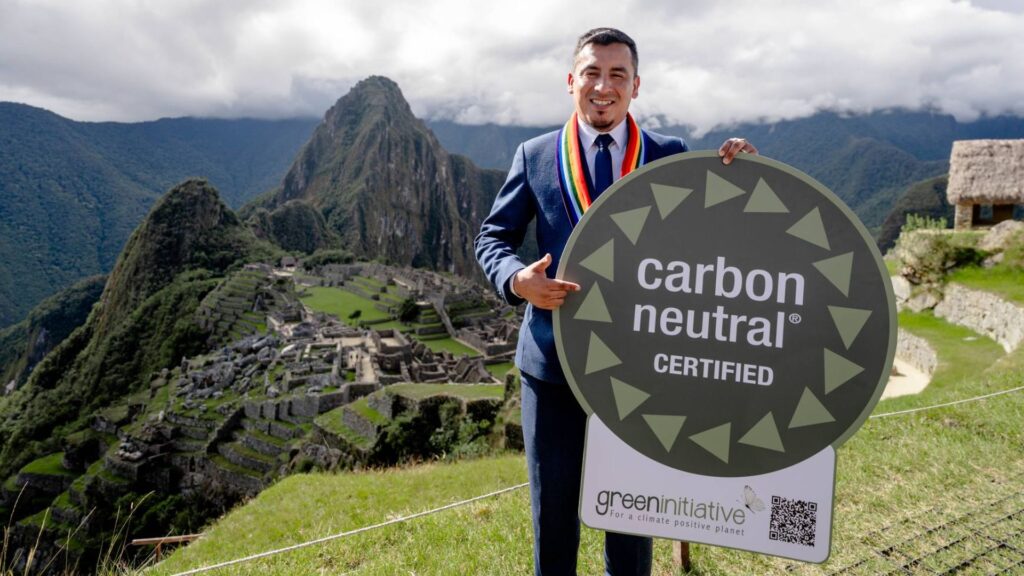
The Paris Agreement set an ambitious target: limiting global warming to 1.5°C by 2050. To achieve this, governments, companies, and society must act in coordination — and tourism, responsible for nearly 8% of global greenhouse gas emissions, is a critical part of the equation. At Green Initiative, we believe climate action goes beyond carbon accounting. It is also about reputation, soft power, and regenerative prosperity. As we often say: “We translate carbon into reputation, connecting territories to narratives of impact, and building bridges between climate action, trust, and the future.” The Reputation Economy in action We live in the era of the Reputation Economy: organizations and territories are evaluated by the trust they inspire, the consistency between discourse and practice, and their ability to generate positive impact. In this context, decarbonization is also a reputational strategy. Destinations that commit to transparent climate action not only reduce emissions but also earn legitimacy and influence. Reputation is the bridge that connects climate ambition, governance, and long-term competitiveness. Multilevel Governance as a differentiator & Soft Power The transition to carbon-neutral destinations requires multilevel governance: aligning local community commitments with national policies, multilateral frameworks, and global investors. This is the foundation of the Climate Action Guide for Tourism Businesses and Destinations, launched by Green Initiative in collaboration with UNEP, UN Tourism, UNCTAD, UNFCCC, and Brazilian partners. More than a technical tool, the guide is a political instrument: by strengthening collective commitments, it enhances the reputation of destinations and opens access to climate finance. Bonito, Brazil (MS) became the world’s first ecotourism destination to achieve carbon-neutral certification. Machu Picchu, Peru has also reached this milestone and will reaffirm it in November during the Climate Talks Machu Picchu 2025. More than a ceremony, the event will serve as a platform to discuss governance, sustainable logistics, and international reputation, showing how tourism can lead in decarbonization. The reputation challenge in Carbon markets A recent Nasdaq study stressed the urgency of scaling and ensuring liquidity in carbon markets. For tourism, this means the viability of decarbonization models depends not only on emission reductions but also on credible compensation mechanisms. The reputation of carbon credits will be the key dividing line between projects that deliver real impact and those at risk of greenwashing. This is why Green Initiative ensures certified, traceable, and internationally recognized credits, aligning tourism destinations with robust governance practices and investor expectations. November in Machu Picchu: a global milestone From November 4–6, 2025, Machu Picchu will host the 3rd Carbon Neutral Certification Ceremony, alongside the launch of Peru’s first Carbon Neutral Tourism Corridor, connecting Cusco, Machu Picchu, and Choquequirao. This moment comes at the right time: while operational challenges highlight the need to enhance visitor experience, the event demonstrates how to move forward with structured responses — combining decarbonization, reliable logistics, and transparent governance. The World Heritage and Emblemátic Sites Coalition – Climate Action in Tourism will be more than a climate commitment: it will be an invitation to continuous improvement in destination management, balancing preservation, access, and reputation. Held just days before COP30 in Belém, Brazil, the event will reinforce that cultural and natural heritage sites can lead the global climate agenda, translating soft power into cooperation and regenerative prosperity. According to UNESCO, climate change is already threatening many of the planet’s most iconic cultural and natural heritage sites. One in six World Heritage properties faces direct risks from climate impacts, while a third of World Heritage cities are located in coastal zones exposed to sea-level rise and extreme weather. By 2050, one third of the glaciers in these sites may disappear, and nearly all coral reefs within World Heritage areas are projected to experience major bleaching events. These alarming figures underscore the urgency of integrating climate governance and sustainable tourism into preservation strategies, ensuring that destinations like Machu Picchu not only safeguard their heritage but also lead global adaptation and mitigation efforts. Three reputation lessons for tourism destinations By integrating governance, reputation, and climate action, Green Initiative positions itself as a leader in a pioneering movement: turning destinations into ambassadors of the transition toward a climate-positive planet. In November, Machu Picchu will consolidate this model — and in Belém, during COP30, tourism can assert itself as a powerful platform for influence, trust, and sustainable competitiveness. This article was written by Karla de Melo from the Green Initiative Team. Related Reading
Reputation, Soft Power, and Multilevel Governance: Tourism as a driver of the decarbonization economy Read More »

Inkaterra: 50 Years of Pioneering Sustainable Tourism and Global Climate Action

Inkaterra: 50 Years of Pioneering Sustainable Tourism and Global Climate Action

Few organizations have done as much to redefine the future of tourism as Inkaterra, a true pioneer in sustainability, Peru ecotourism, and biodiversity conservation across Latin America. This year, as Inkaterra celebrates its 50th anniversary, the Green Initiative team is honored to recognize and celebrate our partner’s extraordinary journey — one that has transformed not only the way we experience travel, but also the way we connect with nature and contribute to a more climate positive and nature positive future. Joe Koechlin: A Visionary Behind Inkaterra’s 50 Years At the heart of Inkaterra’s 50-year journey is Joe Koechlin, its founder and driving force. Since establishing Inkaterra in 1975, Koechlin has redefined what tourism can mean for both travelers and the planet. His conviction was clear from the start: hospitality must be inseparable from conservation, scientific research, and cultural preservation. Guided by this vision, Koechlin transformed Inkaterra into one of the world’s most respected models of sustainable hotels and regenerative tourism. Under his leadership: Koechlin’s work has also had profound international resonance. His voice has been instrumental in showing how the private sector can align with global climate goals while delivering unforgettable travel experiences. With Inkaterra soon reaching its 50th anniversary in 2025, his leadership continues to inspire new generations of hoteliers, conservationists, and travelers committed to a climate and nature positive future. Inkaterra: A Legacy of Conservation and Innovation Since its founding in 1975, Inkaterra has been at the forefront of ecotourism and environmental preservation. Through scientific research, reforestation, and community engagement, the organization has created a model where hospitality, ecotourism, and conservation walk hand in hand. Over the decades, their projects have become international milestones, showing the world that protecting biodiversity and generating social value are not only possible, but essential. The August edition of Inkaterra’s newsletter highlights this remarkable legacy in the article “Inkaterra 50th Anniversary Milestones”, celebrating half a century of achievements in protecting Peru’s natural and cultural heritage. From pioneering sustainable tourism in the Amazon to creating conservation projects in Cusco and Cabo Blanco, Inkaterra continues to inspire destinations worldwide. A Strategic Alliance for a Climate Positive Future Our collaboration with Inkaterra is built on a shared vision: that the tourism industry can be a driver of climate action and ecosystem regeneration. Together, we have celebrated achievements that resonated across the globe: Forest Friends at the Economy of Francesco We are deeply grateful to Inkaterra for highlighting our project Forest Friends in their newsletter article “INKATERRA AND GREEN INITIATIVE: GLOBAL RECOGNITION FOR ECOSYSTEM RESTORATION”. Forest Friends was recently selected to be showcased at the Economy of Francesco Extraordinary Ideas Global Event 2025, a gathering inspired by Pope Francis that brings together leaders, entrepreneurs, and changemakers to build a new economy rooted in social justice, environmental sustainability, and the common good. This recognition is not just about our work — it is a testament to a shared commitment with Inkaterra: proving that tourism can be a powerful tool for climate and nature positive transformation. Facilitate your businesses journey towards value-driven climate and nature positive impacts with Forest Friends. Through Forest Friends, individuals, companies, and institutions can calculate and offset their carbon footprint by planting native trees, protecting biodiversity, and generating social benefits in regions of high ecological importance such as the Osa Peninsula (Costa Rica), Madre de Dios (Peru), and beyond. Looking Ahead: A Shared Path Toward 2050 As Inkaterra steps into its next 50 years, we celebrate their pioneering role in uniting science, tourism, and conservation. Together, we are building replicable models for sustainable tourism that inspire global action and directly support the goals of the UN Decade on Ecosystem Restoration. On behalf of the Green Initiative and our global Forest Friends community, we congratulate Inkaterra on this historic milestone. May the next decades bring even greater achievements in climate action, biodiversity conservation, and regenerative tourism — for Peru, Latin America, and the world. This article was written by Yves Hemelryck from the Green Initiative team

Inkaterra: 50 Years of Pioneering Sustainable Tourism and Global Climate Action Read More »

Ahead of COP30, UNESCO World Heritage Sites Unite for Climate Action at Machu Picchu

Ahead of COP30, UNESCO World Heritage Sites Unite for Climate Action at Machu Picchu

Tourism is responsible for nearly 8% of global greenhouse gas emissions, placing destinations under growing pressure to decarbonize and integrate circular economy practices. Within this context, UNESCO World Heritage Sites stand at a crossroads. Their cultural and natural value is irreplaceable, and their visibility to millions of visitors makes them powerful platforms to prove that climate action and heritage preservation can go hand in hand. In November 2025, just days before the world gathers in Brazil for COP30, Machu Picchu — one of the most iconic UNESCO World Heritage Sites — will host Climate Talks Machu Picchu 2025. This historic high-level event will unite leaders from tourism, culture, and climate action, positioning heritage destinations as active players in shaping global climate solutions. A Historic First for Global Heritage For the first time, cultural and natural heritage sites will step onto the global stage of climate diplomacy. By aligning their preservation mission with ambitious decarbonization goals, these sites are sending a clear message: heritage is not only about safeguarding the past, but about shaping a livable future. At Climate Talks Machu Picchu 2025, World Heritage leaders will: COP30 Momentum With COP30 in Belém do Pará just around the corner, this initiative aims to inject fresh urgency into international climate negotiations. By placing heritage at the center of the climate agenda, world-renowned destinations are transforming from symbols of history into agents of change, amplifying their moral authority to inspire governments, industries, and communities. Workshop Circular Tourism, sponsored by AECID / CANATUR PERU Workshop on Circular Tourism, organized by Turismo Circular Perú — a national project led by CANATUR in collaboration with AECID. The workshop, delivered with the technical support of Green Initiative, will focus on strengthening local capacities to streamline best practices in circularity and decarbonization. By supporting Machu Picchu’s public and private stakeholders to streamline sustainable practices, the program seeks to enhance efficiency, reduce environmental impacts, and reinforce the destination’s role as a global benchmark in climate-smart and circular tourism. Celebrating Climate Leadership As part of the program, Climate Talks Machu Picchu 2025 will also host the 3rd Ceremony for the Carbon Neutral Certification of Machu Picchu, reaffirming the destination’s pioneering role as a benchmark in sustainable tourism. The agenda includes technical visits to explore circular economy practices in Machu Picchu, knowledge-sharing panels with representatives from Angkor Wat, Petra, the Galápagos, Taj Mahal, Bonito, and Tikal, and the signature of a global Call to Action. This milestone gathering will not only strengthen local and international collaboration but also celebrate tangible progress, ensuring that heritage sites lead by example in advancing climate neutrality. A Global Engagement The initiative is convened by the Municipality of Machu Picchu, CANATUR, Inkaterra, and the Green Initiative, with support from the German Embassy in Peru, the Peruvian Embassy in India, SEVEA (Cambodia), Cristo Redentor (Rio de Janeiro), and SERNANP, in collaboration with UN Tourism and the UNESCO Country Offices. Pedro Andrade Corrêa de Brito, International Relations Coordinator of Santuário Cristo Redentor, emphasized:“Cristo Redentor is not only a symbol of faith and unity for Brazil and the world, it is also a call to collective responsibility. By joining forces with Machu Picchu and other heritage icons, we reaffirm that protecting our most cherished cultural and natural treasures requires urgent climate action.” Gustavo Santos, Director of UN Tourism for the Americas, added:“Our vision for a thriving tourism sector, aligned with the great challenges humanity must overcome, is clear: tourism development and decarbonization can — and must — go hand in hand.” José Koechlin, President of Inkaterra, concluded:“Heritage destinations like Machu Picchu remind us that protecting the past is inseparable from safeguarding the future. By leading through example and working together across borders, we can turn climate ambition into pragmatic action. This is the responsibility of all parts of society — and the opportunity before us.” By aligning culture, nature, and tourism with ambitious climate goals, World Heritage Sites are sending a powerful message to the world: protecting our heritage means protecting our future. Machu Picchu will serve as the stage where history, culture, and climate converge, demonstrating how iconic destinations can lead by example and inspire change on a global scale. 📩 Media Inquiries and Participation Journalists interested in covering Climate Talks Machu Picchu 2025 or requesting further information are warmly invited to contact us at contact@greeninitiative.eco. Our team will be glad to provide press materials, facilitate interviews, and support media participation. The Green Initiative Team

Ahead of COP30, UNESCO World Heritage Sites Unite for Climate Action at Machu Picchu Read More »

Green Initiative’s Forest Friends Selected for the Economy of Francesco Extraordinary Ideas Global Call

Green Initiative’s Forest Friends Selected for the Economy of Francesco Extraordinary Ideas Global Call

We are proud to announce that our project Forest Friends: Catalyzing Social Change to Value, Conserve, and Restore Nature and Biodiversity has been officially selected for presentation at the Economy of Francesco Extraordinary Ideas for the Economy Global Event 2025. The call received many inspiring proposals from around the world, and our initiative stood out for its unique approach to connecting people everywhere with the positive impacts of ecosystem restoration, biodiversity protection, and climate action. About Forest Friends Forest Friends is an innovative web platform created by a multidisciplinary team at Green Initiative. It transforms environmental awareness into tangible regenerative action by allowing individuals, organizations, and students to: Forest Friends is proud to contribute to the global movement of the UN Decade on Ecosystem Restoration (2021–2030), which calls on everyone to prevent, halt, and reverse the degradation of ecosystems worldwide. By engaging individuals, organizations, and local communities in tangible restoration efforts, Forest Friends is turning this vision into measurable action — one tree, one project, and one partnership at a time. Our Gratitude to Partners This impact is possible thanks to strong partnerships. A heartfelt thank you to CEPA Study Abroad Programs, whose commitment has engaged students and university partners in planting over 9,900 native trees in Costa Rica’s Península de Osa. Through their support of student-led restoration with Fundación Saimiri and Green Initiative’s Forest Friends, CEPA is helping to regenerate one of the world’s most biodiverse regions, inspire the next generation of climate and nature stewards, and contribute directly to the goals of the UN Decade on Ecosystem Restoration. Likewise, we are deeply grateful to Tulu Travel, Swetours, Mapfre, WorldXChange, Luz del Sur, MSC Peru, Kuoda Travel, Inkaterra Hotels and Adidas Peru, that have suported tree-planting through Forest Friends, making ecological restoration a reality across Latin America. Their trust and commitment fuel our mission and impact. And a very special thank you goes to the individuals around the world who plant trees directly through forestfriends.eco. Together with our on-the-ground partners, these funders are helping regenerate biodiversity hotspots, empower local communities, and advance the goals of the UN Decade on Ecosystem Restoration, a global call to prevent, halt, and reverse ecosystem degradation.. Forest Friends also proudly collaborates with Inkaterra Asociación, advancing ecosystem restoration and biodiversity conservation in some of the world’s most important destinations, Peru. Together, we are building bridges between climate action, nature restoration, and community well-being. Global Recognition, Local Impact Being selected for the Economy of Francesco Extraordinary Ideas is more than recognition — it’s an opportunity to showcase Forest Friends before a global community of innovators, entrepreneurs, and changemakers who share a vision for a fairer, greener economy. This milestone strengthens our mission: to transform environmental awareness into measurable results that are climate positive, nature positive, and socially inclusive. What’s Next for Forest Friends Looking forward, Forest Friends will: 🌍✨ We believe that restoring nature means restoring hope. This achievement belongs to every partner, student, and supporter who has helped plant a tree, calculate a footprint, or shared our vision. 👉 Explore Forest Friends and join the movement: https://forestfriends.eco This article was written by Erika Rumiche from the Green Initiative team Related Reading

Green Initiative’s Forest Friends Selected for the Economy of Francesco Extraordinary Ideas Global Call Read More »

COP30 Unveils Thematic Days and Invites the World to Belém, Brazil

COP30 Unveils Thematic Days and Invites the World to Belém, Brazil

Source: Agência Gov (Brazil), August 6, 2025 In an official statement made this week, the Brazilian government, in partnership with the United Nations Framework Convention on Climate Change (UNFCCC), announced the schedule of thematic days for COP30, which will take place in Belém do Pará from November 10 to 21, 2025. The global event marks a historic moment as it will be the first UN Climate Change Conference held in the Amazon. During a press conference, the Executive Secretary of the Ministry of Environment and Climate Change, João Paulo Capobianco, emphasized Brazil’s intention to offer an inclusive and action-driven summit: “We want COP30 to be a transformative milestone, both in terms of the commitments taken on by countries and the legacy it will leave for the Amazon, for Brazil, and for the planet,” he said. The official thematic calendar was developed based on consultations with civil society, scientists, governments, and Indigenous representatives. According to Capobianco, the themes were designed to highlight climate justice, biodiversity, decarbonization, and sustainable development, ensuring that the Amazon is at the center of global climate negotiations. Key Thematic Days of COP30 As Ana Toni, COP30 CEO, stated: “We want scientists and students, ministers and mayors, activists and artists to see where they belong in this agenda and plan to join us in Belém for collective action … This calendar brings clarity to participants, and momentum to our movement. Participation is power.” Dates Themes Nov 10–11 Adaptation; Cities; Infrastructure; Water; Waste; Local Governments; Bioeconomy; Circular Economy; Tourism Nov 12–13 Health; Jobs; Education; Culture; Justice & Human Rights; Information Integrity; Workers; introduction of the Global Ethical Stocktake Nov 14–15 Energy; Industry; Transport; Trade; Finance; Carbon Markets; Non‑CO₂ Gases—supporting goals to triple renewables, double energy efficiency, and ensure a just fossil‑fuel transition Nov 17–18 Forests; Oceans; Biodiversity—highlighting Indigenous peoples, local and traditional communities, youth, and small & medium entrepreneurs Nov 19–20 Agriculture; Food Systems & Security; Fisheries; Family Farming; Women; Gender; Afro‑descendants; plus focus on Science, Technology and Artificial Intelligence Each thematic day will host panels, debates, and technical sessions aimed at advancing the implementation of the Paris Agreement, promoting nature-based solutions, and supporting climate-positive actions aligned with sustainable development goals. The Amazon as a Global Climate Stage Belém, the capital of Pará, is preparing to receive more than 30,000 participants from around the world. The government is investing in infrastructure, sustainability measures, and digital platforms to ensure accessibility, transparency, and carbon accountability during the event. Marina Silva, Brazil’s Minister of the Environment and Climate Change, reinforced the significance of holding COP30 in the Amazon: “We want the world to see the Amazon not just as a place that needs protection, but as a place of solutions, of science, of culture, and of hope.” The selection of Belém as host city reflects a strategic effort to position the Amazon biome at the heart of global climate discussions, drawing attention to the role of tropical forests in carbon sequestration, ecosystem services, and indigenous stewardship. Green Initiative’s Commentary At Green Initiative, we recognize the urgency of ensuring that climate and nature-positive solutions are scaled and recognized at global forums like COP30. We applaud the focus on territorial governance, inclusive participation, and thematic alignment, particularly around forest-based solutions and the energy transition. As part of our commitment, we will continue supporting private and institutional stakeholders that seek to create measurable impact for people and planet. This article was written by Yves Hemelryck from the Green Initiative team Related Reading

COP30 Unveils Thematic Days and Invites the World to Belém, Brazil Read More »

Machu Picchu Achieves Significant Reduction in Carbon Emissions Since 2021 Certification

Machu Picchu’s Journey to Carbon Neutrality: Acelerating public and private decarbonization investments

Machu Picchu, Peru – Leading Climate Action in Tourism Amidst the lush Peruvian Andes, Machu Picchu—one of the world’s most iconic cultural and natural landmarks—is redefining what it means to be a sustainable travel destination. With over 1.5 million visitors each year, the challenge was immense—but the will to act was even greater. In a recent interview for the Observatorio de Descarbonización y Economía Circular of the Cámara Nacional de Turismo (CANATUR), Elvis La Torre, Mayor of the District Municipality of Machu Picchu, shared the region’s ambitious climate goals, achievements to date, and critical lessons for the global tourism sector. A Bold Start: Why Machu Picchu Chose Decarbonization The decarbonization project officially began in 2021, led by the District Municipality of Machu Picchu, in collaboration with Inkaterra Asociación and Green Initiative. The decision was made in response to the urgent need to reduce the environmental impact of mass tourism and to shape a more resilient, sustainable development model following the COVID-19 crisis. Using 2019 as the baseline year, Machu Picchu began the Carbon Neutral Certification process and soon became the first UNESCO World Heritage Site to earn this recognition. In 2022, the destination became a signatory of the Glasgow Declaration on Climate Action in Tourism, further reinforcing its leadership in climate-smart tourism. “This certification, led by Green Initiative, gave us the opportunity to position Machu Picchu as a global leader in climate-intelligent tourism,” said Mayor La Torre in the CANATUR interview. Tangible Climate Results: From Waste to Regeneration To date, the outcomes have been remarkable: These milestones were achieved through robust collaboration among public and private stakeholders. Notably, Inkaterra, Grupo AJE, WorldXchange and Tetra Pak played key roles in implementing circular solutions. Luz del Sur provided technical assistance, while CANATUR offered strategic support, reinforcing strong climate governance. Additionally, Machu Picchu’s carbon footprint has been fully offset with 2,155 carbon credits from the REDD+ Brazil Nut Concessions project by Bosques Amazónicos (BAM), which protects over 600,000 hectares of megadiverse forests and supports more than 800 Amazon Brazil nut harvesting families in Madre de Dios, Peru. What’s Next: Scaling Impact and Inclusion Despite significant progress, major challenges remain. Chief among them is the need to expand both public and private financing to scale up the most impactful decarbonization initiatives—such as energy efficiency in tourism services and large-scale ecosystem restoration. Equally important is the continuous strengthening of existing programs, particularly those involving waste management through circular economy principles and the transition to clean energy. Most critically, there is a growing need to increase the active participation of local communities and businesses. Their involvement will be essential to ensure that this regenerative and carbon-neutral tourism model becomes permanent and self-sustaining. “The active participation of all stakeholders will be key to consolidating a regenerative and carbon-neutral tourism model that stands the test of time,” affirmed Mayor La Torre. A Model for the World Machu Picchu’s decarbonization journey is more than a local success story—it is a global call to action. As destinations worldwide face the escalating impacts of climate change, Machu Picchu proves that protecting heritage, supporting local livelihoods, and leading in climate action can go hand in hand. By embracing bold decisions, inclusive governance, and science-based climate solutions, Machu Picchu is charting a path toward a climate and nature-positive future—one that others can follow. 📌 Learn More & Get Involved Is your destination or organization ready to take the next step toward climate and nature-positive leadership? Discover how our certification and advisory services can help you generate measurable impact. 📩 Contact our team This article was written by Yves Hemelryck from the Green Initiative team Related Reading

Machu Picchu’s Journey to Carbon Neutrality: Acelerating public and private decarbonization investments Read More »

Where Do Your Tourism Emissions Really Come From

Where Do Your Tourism Emissions Really Come From?

Why Understanding Emissions in Tourism Matters Climate change is no longer an abstract concern. For the tourism industry, it has become a real and pressing issue that influences infrastructure, customer preferences, operational costs, and even destination viability. More travelers are making decisions based on sustainability, and regulators are introducing stricter environmental guidelines across markets. For tourism businesses—whether you run a hotel, operate tours, or manage a restaurant—understanding your greenhouse gas (GHG) emissions is the essential first step to building a sustainable and competitive business model. This begins with understanding what causes emissions and how to categorize them using internationally recognized frameworks. The Climate Action Guide for Tourism Businesses and Destinations by Green Initiative provides a clear, evidence-based path to help businesses assess, track, and reduce emissions at every level of the value chain. Understanding Scope 1, 2, and 3 Emissions The Greenhouse Gas Protocol (GHG Protocol) organizes emissions into three distinct categories, known as Scope 1, Scope 2, and Scope 3. This classification helps tourism businesses understand where emissions are generated and where reduction efforts should be concentrated. Scope 1: Direct Emissions These are emissions released from sources that are owned or directly controlled by the business. They include: For example, a hotel that uses gas-powered water heaters or diesel generators is producing Scope 1 emissions. Scope 2: Indirect Energy Emissions Scope 2 emissions are those generated from the production of energy that is purchased and consumed by the business. This includes: A travel agency that consumes electricity in its office space is responsible for Scope 2 emissions related to the electricity provider’s generation methods. Scope 3: Other Indirect Emissions Scope 3 emissions are indirect emissions that occur throughout the value chain but are not directly controlled by the business. These are often the most complex and the most significant in volume. Examples include: For most tourism businesses, Scope 3 emissions represent the largest share of their total carbon footprint. Emissions by Business Type in Tourism The Green Initiative guide provides a detailed breakdown of how different types of tourism-related businesses contribute to emissions. Understanding these patterns helps businesses identify their emission hotspots and implement targeted climate actions. Hotels and Accommodations Hotels are energy-intensive operations, with emissions originating from various areas: Actionable steps include switching to energy-efficient appliances, training staff on energy-saving practices, offering towel and linen reuse programs, managing food waste, and sourcing products locally. Tour Operators and Travel Agencies These businesses may seem less energy-intensive, but emissions can be significant: Key strategies include regenerative tourism, integrating more low-emission transportation options, choosing eco-certified accommodation partners, offering carbon offset options to customers, and consolidating itineraries to reduce intra-destination travel. Restaurants, Bars, and Hospitality Venues Hospitality venues have concentrated emissions due to: Actions such as sourcing local, plant-based ingredients, optimizing inventory to reduce waste, and transitioning to compostable packaging can significantly lower the carbon footprint. Retail Shops, Attractions, and Leisure Providers These entities generate emissions mainly through: Businesses can improve their environmental performance by choosing sustainable suppliers, minimizing single-use plastics, and offering climate-conscious products and experiences. How to Start Measuring Your Tourism Emissions For tourism businesses that want to act, the first step is to measure emissions accurately. The process can be approached in a structured and manageable way: Step 1: Collect Data Gather the following data categories: Step 2: Apply Frameworks Use internationally accepted frameworks such as: Step 3: Analyze and Prioritize Once data is compiled: Business Benefits of Taking Climate Action Reducing emissions is not just an environmental imperative—it’s a smart business strategy. Companies that adopt climate-positive practices gain a competitive advantage in multiple ways. Customer Preference An increasing number of travelers prefer sustainable options. Offering climate-conscious experiences can attract eco-minded customers and enhance brand loyalty. Cost Reduction Energy efficiency and waste reduction lead to operational savings. Businesses often see rapid financial returns from installing LED lighting, optimizing refrigeration, or improving water use efficiency. Compliance and Risk Mitigation Regulatory frameworks related to emissions and sustainability are expanding globally. Businesses that prepare early will be better positioned to comply with future laws and avoid fines or reputational risk. Certification and Reputation Sustainability certifications such as those offered by Green Initiative (Climate Positive, Carbon Neutral and Carbon Measured) enhance credibility, improve visibility in search engines, and are increasingly valued in procurement processes and partnerships. Moving Beyond Sustainability: The Power of Regenerative Tourism While reducing emissions and minimizing harm is essential, leading tourism businesses are now embracing a more ambitious vision—regenerative tourism. Unlike traditional sustainability models that aim to “do less harm,” regenerative tourism is about actively restoring and improving ecosystems, cultures, and communities through tourism activities. It challenges businesses not only to neutralize their impact but to leave destinations better than they were before. This includes practices such as: Green Initiative’s approach aligns fully with this philosophy, providing pathways for tourism businesses to become genuine stewards of place, not just visitors or service providers. In a world where travelers are seeking deeper meaning, authenticity, and purpose, regenerative tourism represents not only a moral responsibility—but a strategic advantage – says Yves Hemelryck from the Green Initiative Team. Final Thoughts: From Awareness to Strategic Action Understanding your emissions is more than a technical exercise. It is the foundation for meaningful climate action and long-term business success in a rapidly changing world. By identifying where emissions originate and applying targeted reduction strategies, tourism businesses can play a leading role in building a more resilient and responsible industry—while also improving their operations, finances, and reputation. Whether your business is just starting its sustainability journey or seeking certification and performance reporting, the most important step is to begin. Contact us to learn how your tourism business can measure, reduce, and certify its emissions with expert guidance. Our team at Green Initiative is here to support you in becoming Climate and Nature Positive. Get in touch now at greeninitiative.eco/contact. Related reading

Where Do Your Tourism Emissions Really Come From? Read More »

Addressing Fashion's Footprint Sustainable Solutions for a Greener Future

Addressing Fashion’s Footprint: Sustainable Solutions for a Greener Future

In Honor of the International Day of Zero Waste 2025 Introduction Fashion is a powerful form of self-expression, but behind the glamor lies a growing problem. The industry is under pressure for its serious environmental and social impacts. Mountains of discarded clothes, rivers turned toxic from dyes, and synthetic fibers polluting marine life are just a few of the consequences of our fast-paced fashion system. In fact, the fashion industry is responsible for up to 8% of global greenhouse gas emissions—and every second, the equivalent of a garbage truck of clothing is burned or sent to landfill. As we mark the International Day of Zero Waste 2025 on March 30th., it’s more urgent than ever to spotlight these issues. The global campaign calls for innovative, community-driven solutions to reduce waste and shift toward a circular economy—goals that align perfectly with the movement for sustainable fashion. But the tide is beginning to turn. New collaborations are emerging that blend climate action with social impact—empowering marginalized communities while tackling fashion’s environmental toll. From climate certifications to circular business models, the industry is taking bold steps to become more responsible. Designing with the full lifecycle in mind—and giving clothes second, third, even fourth lives—is key to creating real, lasting change. The Hidden Costs of Fashion Fashion doesn’t just affect what we wear—it impacts ecosystems, workers, and communities. Most of its footprint happens during production, where huge amounts of water, energy, and chemicals are used to turn raw fibers into fabric. Shockingly, over 15,000 chemicals are used in textile manufacturing. Some—like flame retardants and stain repellents—are highly toxic and hard to remove from the environment, making safe recycling nearly impossible. And it doesn’t stop there. Synthetic fabrics release microplastics into the water every time we wash them. These tiny fibers are not only polluting oceans but also entering the food chain. That’s why the European Commission has made textiles a priority in its Circular Economy Action Plan, calling for urgent reform in the sector. This makes fashion a critical part of the waste conversation—not only in landfills, but throughout its entire lifecycle. Rethinking Fashion: Toward a Circular Future To truly shift fashion onto a sustainable path, we need more than just minor tweaks—we need systemic change. This means governments, brands, suppliers, and consumers all working together. Brands are beginning to invest in eco-innovation: from green chemistry to low-impact textiles. And while change is complex, it’s not impossible. With the right support and collaboration across the supply chain, the industry can drastically cut its environmental impact. These changes represent more than just trend shifts—they’re essential actions for achieving a zero waste future, where resources are valued and waste is designed out from the beginning. Game-Changing Materials & Methods Sustainable fashion starts with smarter choices in materials and production. Here are some innovations making waves: Such practices directly support the UN’s call to reduce and avoid waste generation in high-impact sectors like fashion. Designing With the Planet in Mind Fashion design plays a crucial role in sustainability. By choosing recyclable materials and phasing out harmful chemicals, designers can make clothes easier to reuse or recycle. Other key principles include: Timeless, durable designs also mean consumers get more wear out of each piece—reducing demand for constant replacements. This shift toward intentional design and responsible consumption resonates deeply with the International Day of Zero Waste’s focus on eliminating unnecessary resource use. The Power of Conscious Consumers Shoppers hold a lot of power. By making small changes, consumers can drastically reduce fashion waste. Here’s how: Unfortunately, marketing often pushes us to believe that “new is better.” Between 2000 and 2015, clothing production doubled, while the average garment was worn half as often. To change the industry, we also need to shift this mindset. These consumer habits are crucial in helping societies move toward zero waste cultures—ones where durability and reuse are celebrated, not ignored. Reinventing the Business Model While upcycling and resale offer great short-term solutions, the real transformation lies in rethinking the entire fashion business model. Circularity isn’t just about recycling—it’s about designing for longevity, reusability, and shared ownership from the very beginning. This includes models like: The goal? Maximize the value of each piece, over and over again. By embracing these models, brands are helping build the infrastructure for low-waste societies, which is one of the International Day of Zero Waste’s main goals. Tackling the Carbon Footprint Luxury brands and mainstream labels alike are starting to calculate—and cut—their emissions. Studies show that the raw materials used in garments account for a large part of a brand’s carbon footprint. That’s why using recycled materials, reducing packaging, and even looking at employee travel can make a big difference.Encouraging consumers to care for clothes properly—and keep them longer—also helps reduce emissions during the use phase. Zero waste and carbon neutrality go hand in hand. Every step taken toward reducing fashion waste contributes to broader climate goals. Challenges and What’s Next Despite exciting progress, sustainable fashion still faces barriers. Many small-scale producers and artisans don’t have access to the tools or training they need to thrive in a sustainable market. Fast fashion’s profit-driven models often leave little room for ethical practices. There’s also a pressing need for better education—across the industry and among consumers. Schools and design programs must integrate sustainability into their curriculums. Brands need transparency. Shoppers need better information. More research is also needed—on bio-based garments, user-centered design, and even how people dispose of clothes. Understanding habits like how often people discard items, and why, can help design better solutions. Supporting education and innovation aligns directly with the Zero Waste Day’s mission to build capacity and awareness for long-term solutions to waste. Conclusion A greener fashion future is possible—but it requires commitment across the board. From innovative materials to circular design, from consumer choices to government policies, every action matters. When brands commit to sustainability across operations, and consumers shift toward mindful habits, we create a system where fashion doesn’t cost the earth. It’s time to rethink what

Addressing Fashion’s Footprint: Sustainable Solutions for a Greener Future Read More »