Machu Picchu, Peru – Leading Climate Action in Tourism
Amidst the lush Peruvian Andes, Machu Picchu—one of the world’s most iconic cultural and natural landmarks—is redefining what it means to be a sustainable travel destination. With over 1.5 million visitors each year, the challenge was immense—but the will to act was even greater.
In a recent interview for the Observatorio de Descarbonización y Economía Circular of the Cámara Nacional de Turismo (CANATUR), Elvis La Torre, Mayor of the District Municipality of Machu Picchu, shared the region’s ambitious climate goals, achievements to date, and critical lessons for the global tourism sector.
A Bold Start: Why Machu Picchu Chose Decarbonization
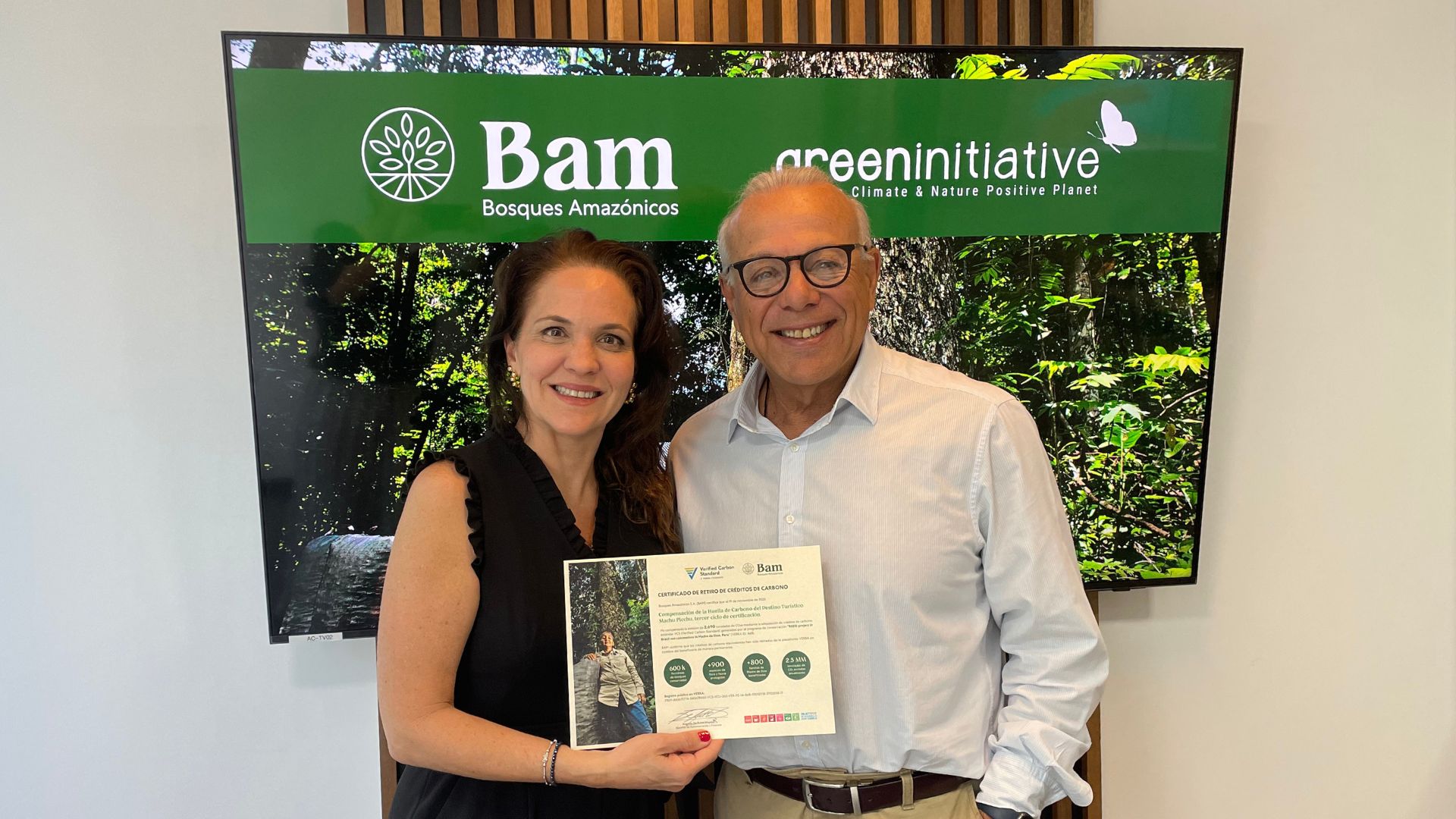
The decarbonization project officially began in 2021, led by the District Municipality of Machu Picchu, in collaboration with Inkaterra Asociación and Green Initiative. The decision was made in response to the urgent need to reduce the environmental impact of mass tourism and to shape a more resilient, sustainable development model following the COVID-19 crisis.
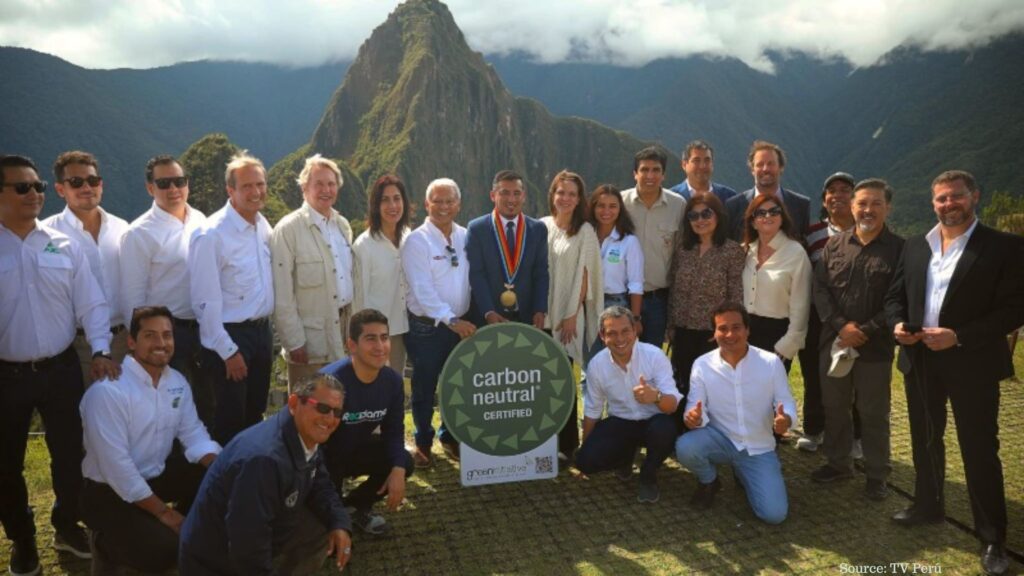
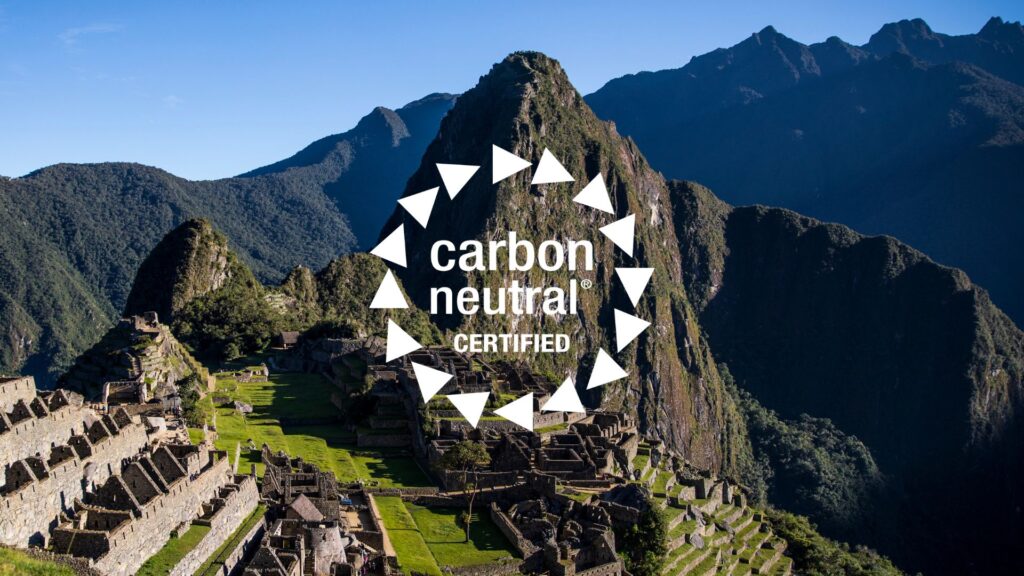
Using 2019 as the baseline year, Machu Picchu began the Carbon Neutral Certification process and soon became the first UNESCO World Heritage Site to earn this recognition.
In 2022, the destination became a signatory of the Glasgow Declaration on Climate Action in Tourism, further reinforcing its leadership in climate-smart tourism.
“This certification, led by Green Initiative, gave us the opportunity to position Machu Picchu as a global leader in climate-intelligent tourism,” said Mayor La Torre in the CANATUR interview.