Climate Action

Why should the Wine Industry in Latin America Integrate Climate Action at the core of their business models?

Why should the Wine Industry in Latin America Integrate Climate Action at the core of their business models?

The wine industry is one of Latin America’s most important export sectors, especially for countries like Argentina, Chile, and Uruguay. Wine production in Latin America has grown rapidly over the past few decades, accounting for a significant share of global wine production. For example, in 2019, Argentina was the fifth largest wine-producing country in the world, with a production of over 14 million hectoliters, while Chile was the ninth largest, with a production of over 10 million hectoliters (OIV, 2020). On the other hand, Uruguay is a small but significant player in the premium wine market, focusing on high-quality wines (Uruguay XXI, 2021). The Economic Impact of the Wine Industry in Latin America: Job Creation, Tourism, and Export Growth According to a report by the Inter-American Development Bank (IDB), the wine industry in Latin America is an important driver of economic growth, generating jobs and income for rural communities and contributing to the development of the local economy (IDB, 2019). In Argentina, for example, the wine industry generates over 20,000 jobs and contributes to the country’s tourism industry (Wines of Argentina, 2021). In Chile, the wine industry is a significant source of exports, accounting for over 2% of the country’s total exports (Chilean Wine, 2021). Similarly, in Uruguay, the wine industry contributes to the country’s exports and tourism industry, focusing on high-end wines (Uruguay XXI, 2021). Challenges and Opportunities: Why Integrating Climate Action is Essential for the Future of the Wine Industry in Latin America The wine industry in Latin America is facing significant challenges due to climate change. As a result, grape yields, quality, and the industry’s overall sustainability are being affected. In order to address these challenges, it is essential for the wine industry in Latin America to integrate climate action and promote sustainability. In addition to the environmental and social benefits, integrating climate action in the wine industry in Latin America can have economic benefits.  By integrating climate action at the core of their business models, Latin American wine producers can mitigate climate risk and benefit from opportunities to reduce costs, increase efficiency, promote product innovation, and tap into emerging net-zero emissions value chains. EU’s Carbon Border Adjustment Mechanism and Its Implications for the Wine Industry in Latin America The European Union has introduced the Carbon Border Adjustment Mechanism (CBAM) to ensure that imported goods meet the same environmental standards as those produced within the EU. The CBAM is expected to significantly impact the wine industry in Latin America, as it will require exporters from Latin America to pay a carbon price based on the carbon footprint of the exported product. This mechanism will encourage exporters to reduce their carbon footprint and ensure that companies that take proactive measures to reduce their emissions and promote sustainability are more likely to succeed in the European market. Green Initiative: Partnering with Latin American Wine Producers to Implement Climate-Smart Business Strategies Latin American wine producers seeking to integrate climate action into their business models can benefit from expert guidance and support from Green Initiative. Green Initiative’s advisory services specialize in helping companies develop and implement climate action strategies that reduce their carbon footprint, promote climate-smart practices, and connect to emerging net-zero emissions value chains. Through a comprehensive approach that includes science-based carbon footprint assessments, strategy development, and implementation support, Green Initiative can help Latin American wine producers navigate the complex landscape of climate action and take concrete steps to achieve their decarbonization goals. Are you a wine producer in Latin America looking to reduce your carbon footprint and promote climate-smart practices? Contact Green Initiative today and benefit from our expert advisory services. Our team of experienced climate advisors can help you develop and implement customized climate action strategies that meet your business needs and align with emerging net-zero emissions value chains. Take the first step towards a sustainable future – contact us now to learn more!

Why should the Wine Industry in Latin America Integrate Climate Action at the core of their business models? Read More »

Why Logistics Companies Should Provide Climate Smart Services and Gain Competitive Advantages

Why Logistics Companies Should Provide Climate Smart Services and Gain Competitive Advantages

The logistics industry is a vital component of the global economy, responsible for transporting goods and materials worldwide. However, it is also a significant contributor to greenhouse gas emissions and climate change. According to the International Energy Agency (IEA), the transportation sector accounted for 24% of global energy-related CO2 emissions in 2019. As a result, logistics companies are increasingly looking for ways to reduce their environmental impact and promote sustainability. Going Green: Climate-Smart Services in Logistics for a Sustainable Future Climate-smart services are transportation and logistics solutions designed to minimize environmental impact. These services can take many forms, including carbon-neutral shipping, electric or hybrid vehicles, and efficient routing and packaging.Logistics companies can lower their operational costs and improve their bottom line by reducing energy consumption and greenhouse gas emissions. In addition, by promoting sustainable practices throughout the supply chain, logistics companies can help reduce the industry’s overall carbon footprint and contribute to global efforts to combat climate change. Urgent Need for Logistics Companies to Prioritize Climate Action for Sustainable Supply Chains Logistics companies must adopt climate action at the core of their business model to effectively provide climate-smart services. These include investing in fuel-efficient vehicles, optimizing routes, reducing packaging waste, and collaborating with suppliers and customers to promote sustainable practices throughout the supply chain. Green Initiative: Empowering Logistics Companies to Achieve Climate Goals with Advisory and Certification Services Green Initiative’s climate advisory and certification services can help logistics companies achieve these goals. For example, Green Initiative can conduct a carbon footprint assessment to identify areas for improvement, guide high-impact climate action, and offer carbon offsetting programs to help companies mitigate their carbon footprint. Governments and international organizations also implement policies and regulations to promote climate-smart logistics. For example, the International Maritime Organization (IMO) has set targets to reduce carbon emissions from the shipping sector by at least 50% by 2050. The European Union is promoting low-emission vehicles and alternative fuels in transport through initiatives like the Green Deal and the Sustainable and Smart Mobility Strategy. In summary, sustainable logistics is crucial to addressing climate change. Companies and organizations can help build more sustainable logistics systems that benefit both the environment and global trade by employing various strategies to reduce emissions, optimize supply chains, and leverage digital technologies. By partnering with Green Initiative, logistics companies can take a proactive approach to climate action, reduce their environmental impact, and help address the urgent challenge of climate change. Click here to contact us.

Why Logistics Companies Should Provide Climate Smart Services and Gain Competitive Advantages Read More »

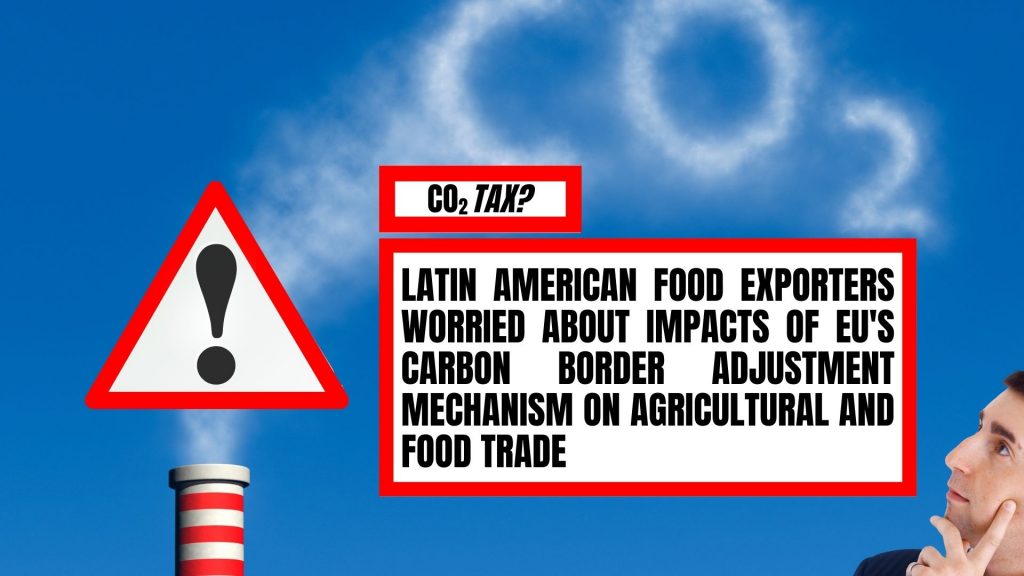
15-03-23 Latin American Exporters Worried About Impacts of EU's Carbon Border Adjustment Mechanism on Agricultural and Food Trade

The Potential Impact of EU’s Carbon Border Adjustment Mechanism on Latin American Food Producers: Mitigation Actions and Support from Green Initiative

Latin American Food Exporters Worried About Impacts of EU’s Carbon Border Adjustment Mechanism on Agricultural and Food Trade The European Union’s Carbon Border Adjustment Mechanism (CBAM) has been a hot topic of discussion lately, especially for developing countries that export to the EU. The CBAM aims to prevent carbon leakage by requiring importers to pay a carbon price equivalent to that paid by EU producers, creating a level playing field for trade. However, Latin American exporters are concerned that this could put them at a disadvantage. According to a report by the Inter-American Institute for Cooperation on Agriculture (IICA), the CBAM could have significant impacts on agricultural and food trade in Latin America and the Caribbean. It could increase production costs for exporters and make their products less competitive in the EU market, potentially leading to a decline in exports and income for Latin American farmers and producers. In addition, Latin American countries are also worried about the environmental effects of the CBAM. The World Bank Group’s report on the CBAM notes that some Latin American countries are among the most vulnerable to climate change and are already experiencing its effects. Climate Mitigation Actions Latin American Food Producers Can Take to Mitigate the Impact of EU’s CBAM To help mitigate mitigate the impact of the CBAM and address the urgent need to reduce greenhouse gas emissions, food producers in Latin America can take a number of climate mitigation actions. These include: By taking these climate mitigation actions, food producers in Latin America can reduce their carbon footprint, improve the sustainability of their production practices, and prepare for the potential impacts of the CBAM. In addition, these actions can help reduce costs, increase efficiency, and enhance the resilience of food production systems in the face of climate change. Green Initiative Offers Climate Certification and Advisory Services to Help Latin American Food Producers Navigate the CBAM and Reduce their Carbon Footprint Green Initiative offers climate certification and advisory services for climate action to support Latin American food producers in reducing their carbon footprint and complying with potential future policies such as the CBAM. Their services can help identify areas where emissions can be reduced, develop strategies to implement sustainable farming practices, and implement renewable energy solutions. Additionally, their supply chain analysis services can help identify opportunities to improve supply chain efficiency and reduce carbon footprint. By working with Green Initiative, Latin American food producers can receive expert guidance to navigate the complex landscape of climate policy and sustainability standards, and position themselves for success in a rapidly changing market.

The Potential Impact of EU’s Carbon Border Adjustment Mechanism on Latin American Food Producers: Mitigation Actions and Support from Green Initiative Read More »

08-3-2023 final GI article

The Impact of ASCART: How Sustainable Agriculture Can Support Climate Goals in the Amazon

ASCART, a Conservation Association of Amazon Chestnut Producers, Safeguarding 39,765 Hectares of Biodiverse Forest in Peru’s Tambopata National Reserve ASCART, the “Association of Amazon Chestnut Producers at the Tambopata National Reserve (TNR) – Peru” has over 12 members, who are responsible for the conservation and management of 39,765 hectares of tropical forest. The TNR in southeastern Peru is an incredibly biodiverse area that is home to over 10,000 species of plants, 600 species of birds, and 200 species of mammals. It plays a crucial role in protecting the Amazon rainforest and maintaining the global climate. The reserve is also significant culturally, as it is home to indigenous communities who have lived in harmony with the rainforest for centuries. The Amazon Rainforest is now Emitting More CO2 than it Absorbs, Says Recent Study – Urgent Action Needed to Combat Climate Change and Deforestation However, the Amazon rainforest is facing significant threats from climate change, deforestation, and other environmental pressures. According to a recent study, the Amazon rainforest is now emitting more carbon dioxide than it is absorbing due to increased deforestation and forest degradation (Gatti et al., 2021). This is a concerning trend that underscores the urgent need for action to address the underlying causes of climate change and preserve the rainforest’s ecosystem. Amazon Nut Production: A Key Driver of Sustainable Forest Management and Livelihoods in the Region, but with Challenges to Sustainability and Pollinator Dependence The production of Amazon chestnuts is significant in the region as it provides income and employment opportunities for local communities, and helps to promote sustainable forest management practices. However, Amazon chestnut harvesting is a complex and labor-intensive process, and it requires careful management to ensure the long-term sustainability of the industry and the surrounding ecosystem. In addition, the Amazon chestnut tree is dependent on a specific group of pollinators, making it particularly vulnerable to habitat loss and other environmental pressures. For ASCART, the production of Amazon chestnut in Madre de Dios involves a complex supply chain, with different actors involved in harvesting, processing, and trading the nuts. The chestnuts are harvested from the wild in a sustainable manner by indigenous communities and small-scale farmers, who are associates of ASCART. The chestnuts are then transported to processing plants, where they are shelled, sorted, and packaged for export. ASCART’s Complex Supply Chain for Sustainable Amazon Chestnut Production: From Harvesting by Indigenous Communities to Export ASCART has made a significant commitment to addressing climate change and promoting sustainable practices in the Amazon chestnut industry. The efforts of ASCART towards climate neutrality, which started in 2020, earned them a competitive fund “ProCompite“ from the regional government of Tambopata valued at $45,000 thousand dollars. In 2021, ASCART introduced climate action as a key aspect of its business model, with the technical assistance of Green Initiative. As part of this process, the climate positive effect of the conservation efforts of ASCART were measured, making it visible that ASCART’s best practices were supporting the carbon capture of 29 tons of CO2 per year. ASCART Leads the Way in Climate-Smart Agriculture: Using Biodiesel and Regenerative Practices to Decarbonize its Value Chain and Support Global Climate Goals The climate smart agricultural practices applied by ASCART make this association a live example of how climate smart agriculture can support the global fight for the decarbonization of the economy. ASCART’s climate action commitment has taken them to the production of biofuels, from the chestnuts shell remainders, and the development of other regenerative practices that are decarbonizing its value chain CO2 emissions. Through the Climate Pledge signed in 2022, ASCART is now formally committed to a decarbonization agenda, with clear goals, making this association a consistent supporter of the SDGs goal 13 and the Paris Climate Agreement strategic vision. ASCART’s Sustainable Practices and Climate Neutrality Commitment – A Model for Organizations to Preserve the Amazon and Build a Sustainable Future ASCART’s commitment to decarbonization and sustainable practices is a model for other organizations to follow. By promoting sustainable forest management practices, supporting local communities, and working towards climate neutrality, ASCART is playing a critical role in preserving the biodiversity of the TNR and ensuring the long-term viability of the Amazon chestnut industry. With their ongoing efforts towards climate neutrality and decarbonization, ASCART is helping to build a more resilient and sustainable future for the Amazon. This article was prepared by Marc Tristant, from The Green Initiative Team.

The Impact of ASCART: How Sustainable Agriculture Can Support Climate Goals in the Amazon Read More »

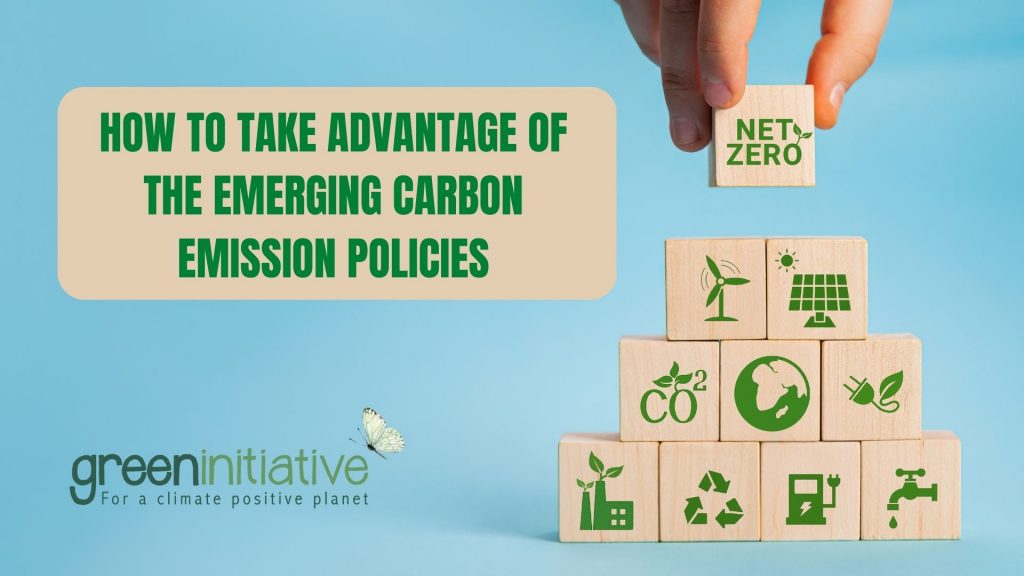
03-03-23 Carbon emission sanctions and rewards understanding the future of climate policies

Carbon emission sanctions and rewards: understanding the future of climate policies

How to take advantage of the emerging carbon emission policies What are carbon sanctions/rewards As the world becomes increasingly aware of the negative impact of carbon emissions on the environment, governments and corporations alike are facing mounting pressure to take action to reduce their carbon footprints. One way this has begun to be addressed is through the implementation of sanctions and rewards for carbon emissions. Sanctions for carbon emissions involve penalties for companies or countries that exceed a certain threshold of carbon emissions. These penalties could take the form of fines or restrictions on activities, and would serve as a disincentive for businesses and nations to continue emitting high levels of carbon. On the other hand, bonuses for carbon emissions would offer rewards for companies or nations that make significant strides in reducing their carbon emissions. Thus, reducing the financial burden of investing in novel, green technologies that often require an elevated initial investment. The importance of carbon sanction/rewards in the upcoming years Several governments have already implemented such policies. For example, the European Union’s Emissions Trading System (ETS) imposes a cap on carbon emissions from power plants, factories, and other industrial sectors. Companies are required to purchase permits to emit carbon, and those that exceed their allotted emissions must purchase additional permits or face fines. Conversely, companies that emit less than their allotted amount can sell their excess permits for a profit. Similarly, China’s carbon trading system, which began operating in 2017, covers the energy and industrial sectors and is designed to help the country meet its goal of peaking carbon emissions by 2030. Companies that reduce their emissions below their allotted cap can sell excess permits to those that exceed their limits, creating a financial incentive for companies to reduce their carbon footprints. In addition to these policies, governments are also offering rewards for companies and nations that make significant progress in reducing their carbon emissions. For example, Sweden offers rebates on the purchase of electric cars, while Norway has set a goal of having all new cars sold be electric by 2025. In the United States, the state of New York offers incentives for the installation of solar panels, while California offers rebates for the purchase of energy-efficient appliances. In essence, the implementation of sanctions and rewards for carbon emissions is one potential solution that could help to incentivize the changes necessary to reach a climate positive economy. Governments from around the globe have only just begun to implement climate action into their policies and given the alarming state of the warming climate, they are not likely to stop anytime soon. How can you take advantage of the new sanctions/rewards on carbon emissions As the world continues to grapple with the effects of climate change, it is becoming increasingly clear that we need to take decisive action to reduce our carbon emissions. At Green Initiative, we offer a range of services that can help your company take advantage of carbon emission rewards and avoid current and future carbon emission sanctions. Whether you need help identifying the sources of your emissions, developing a carbon reduction strategy, or implementing energy-efficient solutions, we are here to help you and your company get a head start on climate action. Reach out to contact@greeninitiative.eco and become a part of our climate champions!

Carbon emission sanctions and rewards: understanding the future of climate policies Read More »

28-02-23 Why Climate Engagement is Key

Why Climate Engagement is Key

Strengthening Your Company’s Organizational Culture through Climate Action The world is facing a climate crisis, and businesses have a critical role to play in mitigating its impact. As the urgency of climate action continues to grow, companies are increasingly recognizing the need to incorporate sustainability and responsible environmental stewardship into their organizational culture. By prioritizing climate action, companies can not only reduce their environmental impact but also reinforce their organizational culture and values. The importance of Organizational Culture in Driving Sustainable Practices and Climate Action in Companies Organizational culture refers to the shared values, beliefs, and behaviors that define how a company operates and interacts with stakeholders. A strong organizational culture that prioritizes sustainability and responsible environmental stewardship can help ensure that climate action is integrated into all areas of a company’s operations, from decision-making processes to resource management practices. There are several ways in which climate action can help to enforce a company’s organizational culture. First, climate action requires companies to set ambitious sustainability goals and work collaboratively to achieve them. This process of goal-setting and collaboration can help promote transparency, accountability, and teamwork. By involving all employees in the process of setting and achieving sustainability goals, companies can create a sense of shared purpose and commitment to responsible behavior. Second, climate action requires companies to adopt sustainable practices and technologies that align with their values. For example, if a company values innovation and creativity, it may choose to invest in new technologies that promote sustainability and reduce its environmental impact. By aligning those, companies can reinforce their commitment and demonstrate that sustainability is not just a side project but a core component of their business strategy. Third, climate action requires companies to engage with stakeholders, including employees, customers, and the broader community, to promote sustainability and responsible environmental stewardship. By engaging with stakeholders in this way, companies can reinforce their commitment to building long-term relationships based on trust, transparency, and shared values. For example, a company that values community engagement and social responsibility may choose to work with local organizations to promote sustainability and environmental awareness. Key Strategies for Companies to Demonstrate Commitment to Responsible Environmental Stewardship and Reinforce Organizational Culture In conclusion, by setting ambitious sustainability goals, adopting sustainable practices and technologies, engaging with stakeholders, and embracing a culture of learning and improvement, companies can demonstrate their commitment to responsible environmental stewardship and reinforce their organizational culture and values. As the urgency of climate action continues to grow, companies must rise to the challenge and become part of the solution. Want to know more about how climate action can be a solution to your business? Reach out to contact@greeninitiative.eco and become a part of our climate champions.

Why Climate Engagement is Key Read More »

BioAmayu Becomes the World’s First Certified Climate-Positive Fruit Juice

From Commitment to Action: BioAmayu Becomes the World’s First Certified Climate-Positive Fruit Juice

New Business Models Emerge to Combat Deforestation in Peru as AJE Group Introduces Eco-Friendly BioAmayu Fruit Juice Peru lost over 2,000 hectares of forest in 2020, the largest amount in two decades, and deforestation rates have worsened over time. In this context, private-sector-led initiatives are striving to create new business models that have a positive impact on climate and biodiversity, aligning environmental protection with economic competitiveness. As part of this effort, AJE Group has developed an Amazon-based fruit juice, BioAmayu, that aims to provide a uniquely eco-friendly consumer experience. Reflecting Increased Corporate Focus on Environmentalism BioAmayu was launched in 2018, before the COVID-19 pandemic offered a stark reminder of the need to reconcile mankind’s relationship with the natural world. Moreover, the protection of forests and restoration of degraded ecosystems is vital to mitigate global warming and safeguard the planet’s health. In recent years, AJE Group and other firms have redoubled their efforts to integrate environmentalism into their corporate culture and business models. In April 2022, AJE Group began the process of certifying BioAmayu as the world’s first climate-positive fruit juice. A Model for Sustainability and Community Empowerment in the Amazon Rainforest BioAmayu’s production methods support the conservation and sustainable use of 112,000 hectares of forest in the Peruvian Amazon, which sequester an estimated 400,000 tons of atmospheric C02. Fruit harvesting is conducted sustainably by Amazonian communities, which sell their produce directly to AJE Group, creating strong financial incentives to protect fruit trees, respect the cycles of nature, and manage forest resources responsibly. As a result, BioAmayu’s production contributes to healthier ecosystems with a more robust capacity to provide ecosystem services, including carbon capture. To date, more than 700,000 kilos of fruit have been purchased from Amazonian communities, benefitting more than 200 families in 24 Amazonian communities in Pacaya Samiria National Reserve, Manu National Park, National Reserve Pucacuro, and the Allpahuayo Mishana National Reserve. As a member of the United Nations “Race to Zero” initiative since December 2021, AJE Group implements its corporate commitment to climate action consistently and transparently. Jorge López-Dóriga, Global Director of Communications and Sustainability for AJE Group, has emphasized the firm’s commitment to driving transformative change in the beverage industry, stating – AJE Group Achieves Industry Leadership in Environmental Sustainability BioAmayu received its climate-positive certification on 7th December 2022, the certificate was provided by Green Initiative, marking a key milestone in AJE Group’s efforts to reduce its carbon footprint and position itself as an industry leader in environmental sustainability. Green Initiative Recognizes AJE Group as Global Champion for Climate Action and Biodiversity Protection, Encourages Acceleration of Net-Zero Emissions by 2050 At Green Initiative, we believe that AJE Group can become a global champion for climate action and the protection of biodiversity by continuing to integrating these values into its business model, as well as influencing its global value chains, in an attempt to accelerate their transition to net-zero emissions by 2050.

From Commitment to Action: BioAmayu Becomes the World’s First Certified Climate-Positive Fruit Juice Read More »

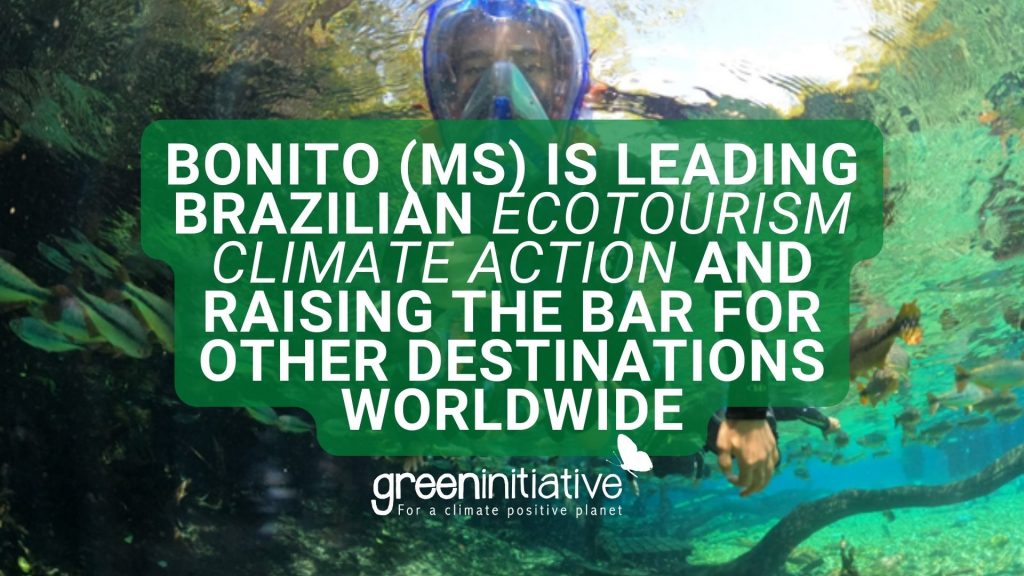
Bonito (MS) is Leading Brazilian ecotourism Climate Action and raising the bar for other destinations worldwide

Bonito: How a Brazilian ecotourism destination is leading climate action by example

As the world recovers from the shock of the COVID-19 pandemic, rebuilding a more sustainable tourism sector remains a shared responsibility of tourism firms and destinations. Amid mounting evidence of severe climate change, points that the window of opportunity to rapidly reduce greenhouse gas (GHG) emissions and avoid a climate disaster is rapidly narrowing. Atmospheric temperatures have already increased by about 1⁰ Celsius from preindustrial levels, and keeping that increase to less than 1.5⁰ through 2050 will require intense efforts by the public and private sectors. At the COP26 conference in November 2021, the UN World Tourism Organization (UNWTO), the United Nations Environment Program (UNEP) and their partners issued the Glasgow Declaration for Tourism and Climate, which calls on all tourism stakeholders to demonstrate a shared commitment to mitigating greenhouse gas (GHG) emissions by integrating climate action into the core of tourism business models and management tools. Brazil’s ecotourism industry relies on landscapes with extraordinary biodiversity and vibrant ecosystems that provide food and shelter for native species. One of Brazil’s key ecotourism centers is Bonito, a fantastic destination in Mato Grosso do Sul that rests atop the Guarani Aquifer, the second largest source of freshwater on earth. Bonito’s efforts to achieve carbon-neutral certification are based on over two decades of implementing sustainable tourism management practices. As early as 1995, Bonito created a Tourism Voucher system that is designed to control the number of tourists per attraction based on a scientific reference point for tourist capacity, and Bonito has since emerged as one of the most lauded ecotourism destinations in the country. After Bonito received the WTN Global Responsible Tourism Award in 2013 (London), government authorities launched a public-private destination governance body – FUNDTUR, which plays a key role in promoting sustainable tourism development best practices for Bonito. The carbon neutral certification process led by Green Initiative, was initiated with the signing of the Glasgow Declaration by FUNDTUR, in coordination with the Bonito municipal government and the state secretariats for the environment, tourism, and economic development. The carbon-neutral certification cycle requires an accurate assessment of the destination’s carbon footprint. This footprint establishes the baseline for reducing Bonito’s carbon emissions, which will need to fall by 45% by 2030 and reach net zero by 2050, in accordance with the guidelines of the Paris Agreement. The certification process also includes an assessment of the GHG capture and storage capacity of local forests, which include eight of Bonito’s main ecotourism attractions spread over 5,000 hectares. According to the carbon-footprint assessment, the main GHG emission sources are fuel consumption by vehicles (52,36% of total emissions), followed by the decomposition of solid waste (22,64%). The mitigation plan will focus first on solid-waste management (including food waste), reducing methane emissions at landfills by channeling organic waste to appropriate sites through governmental and community programs. In addition to reducing GHG emissions, the proper treatment of organic waste can provide opportunities to produce valuable products such as biochar, compost, biogas, and organic fertilizers. Local farmers can use organic fertilizers as a substitute for nitrogen-based fertilizers, further slashing GHG emissions from agriculture while complementing ecosystem restoration and reforestation projects currently underway. Reducing the carbon footprint of cars, trucks, and motorcycles will be vital to achieve Bonito’s climate targets. Vehicle emissions pose an especially complex challenge, and emissions reduction will require sustained investments in electric mobility. By developing the capacity to measure and monitor its climate performance, Bonito is raising the bar in climate action for ecotourism destinations world-wide, leading the way to new destination management practices, that should mainstream climate action as a significantly relevant aspect for long-term prosperity for any destination. This article for Transforming One Planet Vision into Action has been prepared by FUNDTUR, Mato Grosso do Sul Destination Management Organization. For more information visit Green Initiative website. Green Initiative, a leading sustainable certification company, is proud to announce that it has partnered with the UNWTO and the Travel Foundation to support the Glasgow Declaration Capacity Building Working Group. ENGAGE NOW Commit to a new level of leadership and competitiveness in the tourism industry by introducing climate action at the core of your business model, and become Climate Positive, Carbon Neutral and /or Carbon Measured certified. Click here to learn more about Green Initiative Certifications and Climate Action Solutions for Tourism.

Bonito: How a Brazilian ecotourism destination is leading climate action by example Read More »

19-01-23 Global Risks Report 2023 Navigating the Converging Crises of the Decade Ahead

Global Risks Report 2023: Navigating the Converging Crises of the Decade Ahead

The past years of this decade have marked a significant period of disruption in human history. The return to a “new normal” post-COVID-19 pandemic was short-lived as the outbreak of war in Ukraine brought about fresh crises in food and energy, reviving problems that had been previously addressed. As 2023 begins, the world faces risks that are both unprecedented and familiar. Familiar risks such as inflation, cost-of-living issues, trade wars, and nuclear warfare have resurfaced, while new developments such as unsustainable debt, low global investment, and the pressure of climate change are amplifying these risks. These risks are converging to shape a unique, uncertain, and turbulent decade ahead. The Global Risks Report 2023 presents the findings of the latest Global Risks Perception Survey. The report examines global risks using three time frames: current crises, short-term risks, and long-term risks. It also explores the potential for these risks to converge into a “polycrisis” centered around natural resource shortages by 2030 and assesses preparedness for these risks and potential solutions for a more resilient future. Click here to download the Global Risks Report 2023. ENGAGE YOUR BUSINESS INTO A NEW LEVEL Learn how to engage your Business into a New Level of Leadership and Competitiveness by becoming Climate Positive, Climate Neutral and Climate Measured certified here.

Global Risks Report 2023: Navigating the Converging Crises of the Decade Ahead Read More »

What is E-Waste And How Can I Prevent It

What is E-Waste And How Can I Prevent It?

Introduction If you’re like me, you have a room in your house filled with a bunch of old computers and other electronics. Maybe it’s even overflowing with stuff that doesn’t work anymore. Even though I know better than to let my devices pile up like this, it still happens every now and then—especially when new technology comes out that’s so shiny and cool-looking! But what do we do with all these old devices once they’re no longer useful? Do we recycle them? Throw them away? Neither of those choices is good for the environment or our health. So here are some tips on how to reduce e-waste while still enjoying all the cool new gadgets out there: What Is E-Waste? E-waste is a term used to describe old or broken devices that contain potentially toxic materials. In other words, e-waste refers to electronics that have been thrown away and are now sitting in landfills. These include computers, cell phones, TVs, printers, and other gadgets. According to the United Nations University, every year we throw away 50 million tons of electronic waste—more than 80% of which comes from households! Why Is E-Waste Dangerous? The problem with e-waste is that it contains many toxic substances like arsenic, lead, mercury, cadmium, and beryllium. These hazardous materials pose a serious threat to both human health and the environment. They can be released into the atmosphere through incineration or landfill sites and then they contaminate water bodies and soil leading to adverse effects on human health such as cancer or neurological disorders. Lead is known to cause brain damage in children and also increases blood pressure in adults. Cadmium can cause kidney failure and even death if it enters your system in high enough quantities over time. Mercury is especially dangerous because it can travel through the soil into groundwater supplies where it could contaminate drinking water for years to come. How To Prevent E-Waste Use rechargeable batteries. You can buy rechargeable batteries for most electronic devices, and they’ll save you money in the long run. Don’t leave your gadgets plugged in all the time. This is especially true if you don’t use them often—that’s just wasting energy! If you do have a gadget that needs to be charged all the time, try plugging it into a power strip or surge protector so that when it’s not being used, it will turn off automatically (this will also help save energy). Make extra room on your phone or laptop. Use a video compressor to reduce the file size of your videos without sacrificing quality. You can then store them on Google Drive. Create animated GIFs of your photos or movies using GIF compressor, then share them on social media before deleting them. In this manner, you can avoid purchasing a new phone with more memory. Don’t throw your gadgets away. Recycle them or reuse them. There are a number of ways to reuse your gadgets. You can donate them to charities and schools, resell them, or recycle them. Donate your gadgets. Many charitable organizations accept donations of old electronics, including computers, monitors, and printers; cell phones; tablets; and gaming systems. The Salvation Army accepts all types of working or nonworking electronics for reuse in their thrift stores nationwide. Goodwill Industries accepts most brands of working or nonworking electronics for donation at any location (goodwillnetwork.org); please call ahead before bringing items by so that staff members can make sure they’ll be accepted. Schools often accept donations of laptops and other educational technology used in the classroom; check with your local school district to find out what they need most before donating anything special like a laptop computer. Conclusion With so many gadgets on the market, it’s easy to see why people might just throw their old ones away. But if you take a moment to think about how much money, energy, and resources went into creating them (not to mention all the precious metals in there), it’s clear that recycling or reusing electronics is a much better choice for the environment than throwing them out. Plus, with some careful planning now (like looking up how much your state recycles), you can make sure those devices stay out of landfills forever! Ronie is from Veed. He is a passionate content marketer with a wealth of knowledge in the online space. His curiosity and enthusiasm led to the development of a constantly expanding portfolio that includes anything from video editing services to publishing his original creations on top-notch websites. ENGAGE YOUR BUSINESS INTO A NEW LEVEL Learn how to engage your Business into a New Level of Leadership and Competitiveness by becoming Climate Positive, Climate Neutral and Climate Measured certified here.

What is E-Waste And How Can I Prevent It? Read More »