Nature Positive

WorldXchange's Climate Positive Leadership Elevating Standards in Tourism and Currency Exchange - Green Initiative

WorldXchange’s Climate Positive Leadership: Elevating Standards in Tourism and Currency Exchange

The tourism sector, crucial for global economic vitality and responsible for approximately 10% of global GDP, also contributes significantly to global greenhouse gas emissions. This dual role positions the industry uniquely both as a contributor to and a potential leader in climate change mitigation. With the direct impact of climate change threatening everything from natural landscapes to historical sites, the need for sustainable practices has never been more urgent. WorldXchange, is exemplifying this leadership. Since achieving Carbon Neutral Certification in 2023, WorldXchange has expanded its sustainability initiatives, setting new standards for environmental stewardship within the currency exchange market. These efforts not only highlight its commitment to reducing its own carbon footprint but also demonstrate the potential for industry-wide impact. By leading the charge towards a climate-positive future, WorldXchange not only enhances its operational efficiency and customer appeal but also inspires other businesses within the tourism and financial sectors to follow suit, proving that sustainable practices can coexist with business growth and innovation. This proactive approach is not just about adapting to change—it’s about driving it, ensuring a healthier planet and a more resilient global economy. Continued Leadership in Sustainable Practices WorldXchange has achieved a remarkable 16% reduction in its carbon footprint from 2021 to 2023, underscoring its commitment to operational excellence and eco-friendly practices. This significant decrease highlights the company’s rigorous efforts to innovate and implement efficiency solutions across its operations. Commitment to Biodiversity and Reforestation In an ambitious move to support biodiversity, WorldXchange is committing to plant 15,000 native trees in Madre de Dios, a critical ecosystem in the heart of the Amazon. With over 300 trees planted since 2023, this project not only aids in carbon sequestration but also preserves the habitat for countless species, underscoring the company’s interest in supporting the enhancement of nature´s positive impacts. Educating and Engaging the Public WorldXchange’s impact extends beyond environmental actions. Through comprehensive awareness-raising activities, the company has enlightened over 80,000 individuals about the intricacies of climate mitigation, emphasizing the significant role that both individuals and corporations play in this global fight. Setting a New Benchmark: Climate Positive Certification Achieving the status of the first Climate Positive Certified currency exchange company globally marks WorldXchange as a pioneer in the market. This accolade is a testament to the company’s unwavering commitment to support and actively engage in the environmental standards promoted by LAP (Lima Airport Partners), inspiring others to follow suit. The Urgent Need for Decarbonization in Tourism Supported by the Glasgow Declaration on Climate Action in Tourism, WorldXchange’s initiatives are a response to the critical need for robust climate action within the sector. Aimed at halving emissions by 2030 and achieving net zero by 2050, these efforts align with global strategies for rapid climate mitigation, as highlighted in key reports by entities like the UNWTO and McKinsey & Company. As WorldXchange continues to integrate climate action into every facet of its operations, the path forward is clear—sustainability is not just a goal but a guiding principle for its business model. For further insights into WorldXchange journey and the challenges, visit the original article here. Written by the Green Initiative team.

WorldXchange’s Climate Positive Leadership: Elevating Standards in Tourism and Currency Exchange Read More »

Embracing Regeneration A New Horizon in Tourism - Green Initiative - What is Regenerative Tourism

Embracing Regeneration: A New Horizon in Tourism

In the shadow of overtourism, climate change and cultural erosion, the tourism industry is at a crossroads, with one path leading to a deeper, more holistic approach known as regenerative tourism. This forward-thinking concept seeks not only to mitigate the negative impacts of travel, but to actively improve the environmental, social and economic fabric of destinations worldwide. Through the lens of real examples, we explore the transformative power of regenerative tourism and its potential to redefine our travel experiences. The Essence of Regenerative Tourism By aiming to leave destinations better than they were found, regenerative tourism goes beyond traditional sustainability. It focuses on revitalising ecosystems, strengthening community ties and ensuring tourism supports the overall wellbeing of host areas. It’s a method that sees tourists as active participants in regeneration, not just visitors. Real-World Examples of Regenerative Tourism Brazil: Sustainable Tourism in Bonito, Mato Grosso do Sul The region of Bonito in Mato Grosso do Sul, Brazil, has become a beacon of regenerative tourism. Known for its crystal-clear rivers and rich biodiversity, the city of Bonito has achieved Carbon Neutral Certification and has implemented strict environmental regulations and innovative practices to ensure that tourism makes a positive contribution to the conservation of the environment and the well-being of the community. As a result, tour operators and local stakeholders such as Rio da Prata Recanto Ecológico and Estância Mimosa are working together to preserve the area’s natural beauty while offering tourists an immersive experience in one of Brazil’s most stunning natural landscapes. Costa Rica’s Conservation Efforts Costa Rica’s commitment to nature is evident from its extensive network of national parks and protected areas, which cover more than a quarter of its land area. The country’s innovative payment for ecosystem services program compensates landowners for conserving forested areas, thus promoting biodiversity and attracting eco-conscious travelers. Tourism companies in Costa Rica such as Tulu Travel and Swetours are helping to conserve the country’s rich biodiversity and reforest areas destroyed by deforestation through regenerative tourism initiatives. Green Initiative’s Forest Friends project in Costa Rica’s Osa Peninsula has also attracted the attention of other companies such as CEPA, which has not only reduced its carbon emissions (CO2e) from its study abroad programmes in 2021, but has also planted over 4,000 native trees to date. In the lush landscapes of the Peninsula de Osa, Green Initiative has partnered with the local Saimiri Foundation to undertake a significant ecosystem restoration project. This collaboration focuses on reviving the region’s rich biodiversity including many endangered species, in particular the Tití Monkey which is threatened by deforestation for agriculture and development. By integrating regenerative practices into the local tourism model, they ensure that every visitor contributes to the environmental health of the area, turning what was once a footprint into a lasting positive impact. New Zealand’s Pioneering Approach New Zealand has long been at the forefront of integrating sustainable practices into its tourism sector. The country has taken this commitment further by embracing the principles of regenerative tourism. Tourism New Zealand’s strategy is to encourage visitors to travel more consciously and engage in activities that have a positive impact on the local environment and communities. One example is the Tiaki Promise, where visitors pledge to look after Aotearoa New Zealand for future generations by committing to care for the land, sea and wildlife by treading lightly and leaving no trace; to travel safely by showing care and consideration for all; and to respect the culture and local communities by travelling with an open heart and mind. The Transformation of Palau The Pacific island nation of Palau has introduced a pioneering policy to ensure that tourism contributes positively to the environment and local communities. The Palau Pledge is a formal promise that all visitors must sign upon arrival, committing them to act in an ecologically and culturally responsible way on the island. This initiative, combined with sustainable tourism practices and vast marine protected areas helps to protect and regenerate Palau’s delicate island and marine ecosystems. Peru: Pioneering Projects in the Amazon and Dry Forests In Peru, Green Initiative works closely with Inkaterra Associación to regenerate critical ecosystems in two distinct regions: Tambopata in the Madre de Dios region, one of the planet’s most biodiverse areas, with a high plant biodiversity of up to 300 tree species/ha, and the Chaparrí Ecological Reserve in the Lambayeque dry forests, where the aim is to safeguard animal and tree species including several IUCN Red List species such as the Andean Bear. Travel agencies in Peru like Kuoda Travel are contributing to the conservation of the region by actively participating in the restoration of ecosystems. These Forest Friends projects not only aim to restore the natural environment but also involve local communities in tourism, ensuring that they benefit economically and socially while maintaining their cultural heritage. This approach has proven effective in preserving biodiversity and enhancing the ecological resilience of these vital areas. Slovenia: A Green Heart in Europe Slovenia is setting benchmarks for regenerative tourism in Europe. Recognized as one of the continent’s greenest countries, Slovenia promotes eco-friendly tourism through its Green Scheme of Slovenian Tourism (GSST), a certification program that supports sustainable development. The country’s emphasis on preserving its natural landscapes and promoting local cultures has contributed to the regeneration of rural areas, turning them into thriving tourist destinations that prioritize the well-being of nature and inhabitants alike The Path Forward These examples illustrate regenerative tourism’s profound impact on preserving and enhancing destinations for future generations. By focusing on regeneration, the tourism industry can contribute to solving global challenges like climate change, biodiversity loss, and social inequality. The success of regenerative tourism hinges on collaboration among all stakeholders—governments, businesses, local communities, and tourists. It requires a shift in mindset from merely using natural and cultural resources to actively contributing to their resilience and revival. Green Initiative’s Role in Shaping Climate Action in Tourism Green Initiative’s contribution to regenerative tourism extends beyond project-specific collaborations. As members of the Glasgow Declaration for Climate Action in Tourism,

Embracing Regeneration: A New Horizon in Tourism Read More »

Nurturing Nature and Leading Climate Action

Nurturing Nature and Leading Climate Action

In an era where environmental consciousness is more critical than ever, organizations seek innovative solutions to address climate change risks, market challenges, and innovation opportunities. Green Initiative stands at the forefront, offering services designed to add value to your business and connect you with global initiatives like the Paris Agreement and the United Nations Sustainable Development Goals. Our commitment to sustainability is evident through our adherence to the highest standards recommended by the UN for measuring and reducing company emissions. Additionally, being featured on the ITC Global Standards Map underscores our dedication to maintaining global benchmarks in sustainability. At the heart of our services lies a set of science-based tools that enable your organization to understand its current standing on climate performance. This insight is crucial for developing strategies to mitigate your carbon footprint, ultimately achieving net-zero emissions. Our multi-industry and international expertise uniquely positions us to engage in climate and nature-positive action through mitigation and ecosystem restoration. This involvement aligns with global environmental goals and puts us in a better position to manage greenhouse gas emissions effectively. For example, we are setting standards for sustainable travel in the tourism sector with the Climate Action Guide for Tourism Businesses and Destinations. Simultaneously, we are helping transform the beverages industry with the first ever Climate Positive Certified drinks, signaling innovation in reducing environmental impact. In logistics, we have introduced Latin America’s first climate-neutral logistical services and are deeply committed to supporting the International Maritime Organization’s (IMO) goal of reducing the carbon intensity of international shipping by at least 40% by 2030. In hospitality, we are proud of having certified the first climate-positive hotel chain in the world. And, in agriculture, which accounts for 11% of global emissions, we support agroindustry in different sectors shifting towards climate-smart agricultural practices, making them part of the climate change mitigation solution. Through the International Finance Corporation (IFC), we extend our influence to finance, actively developing climate-smart investment portfolios and providing technical assistance to businesses. This aids in improving overall climate standards in the business world. Benefits of Engaging with Green Initiative 1. Compliance with Global Value Chains: Adhere to global climate policies and standards.  2. Integration of Climate Action: Introduce climate action at the core of your business model.  3. Reduced Financing Costs: Access climate funding to reduce financing costs.  4. Innovation Support: Foster business innovation through climate-smart products and services.  5. Global Recognition: Gain global recognition through climate leadership. Forest Friends A unique nature-positive offering from our portfolio is the Forest Friends Certificates, catering to individuals and organizations dedicated to participating in ecosystem and wildlife restoration. By supporting tree planting initiatives, recipients actively contribute to nature’s positive impact, aligning with our commitment to a greener planet. Our partnerships with organizations deeply committed to long-term ecosystem and wildlife restoration go beyond mere support. These Partner Organizations actively engage in projects that create lasting nature-positive impacts, enhancing biodiversity and ecosystem health. For those seeking an even more significant commitment, we identify accelerators—organizations dedicated to accelerating ecosystem and wildlife restoration. These accelerators play a crucial role in promoting and supporting the involvement of more organizations, fostering a collective effort toward a sustainable future. As part of our commitment, we plant trees on behalf of your organization using an ecosystem-based approach. Our goals focus on restoring connectivity between biodiversity hotspots, providing shelter and food for local species, and engaging with local communities through green job creation. Our reforestation methodology includes: This comprehensive approach ensures the number of trees planted and the overall impact on biodiversity recovery. In choosing our services, your organization catalyzes positive change, aligning with global sustainability goals and contributing to a healthier planet for future generations. Contact us today if you are ready to embark on a journey towards Climate and Nature Positive sustainability, environmental responsibility, and global recognition through climate leadership. Our dedicated team is here to guide your organization through implementing creative solutions, science-based tools, and impactful initiatives. Whether you are looking to measure and reduce emissions, participate in ecosystem restoration, or innovate in climate-smart products and services, we are committed to supporting your goals. Reach out to us now, and let’s collaborate towards a greener, more sustainable future. Together, we can make a difference. Written by Yves van Hemelyck, from the Green Initiative Team.

Nurturing Nature and Leading Climate Action Read More »

🌳Trees The Silent Guardians of Our Existence

🌳Trees: The Silent Guardians of Our Existence

In the bustling symphony of life, a quiet force exists that we often overlook – trees. They stand tall, breathing life into our planet, offering shade and shelter, and weaving a delicate harmony into the very fabric of our existence. These gentle giants are not mere bystanders but the custodians of our well-being. With each rustle of their leaves and each sway in the wind, trees whisper secrets of resilience and interconnectedness. They purify the air we breathe, bestow us with fruits of nourishment, and paint our world with vibrant hues that soothe the soul. Their roots delve deep into the earth, anchoring us to nature’s rhythm and reminding us of our profound bond with the environment. But beyond their ecological significance, trees carry history, culture, and spirituality stories. They’ve witnessed civilizations rise and fall, offering solace and wisdom to those who seek their silent counsel. Their presence in myths and folklore transcends time, embodying strength and serenity. At the heart of one of our missions lies the daily commitment to planting trees, for example, in the Peninsula de Osa, Costa Rica. Each day, our dedicated team works tirelessly to restore the rich biodiversity of this precious region. We aim to restore ecosystems, mitigate climate change, and preserve habitats for countless species. This daily endeavor is more than just planting; it’s a passionate dedication to nurturing the planet, one tree at a time. Your support enables us to continue this vital work, ensuring a greener, more sustainable future for the Peninsula de Osa and beyond. Deep gratitude extends to CEPA Customized Educational Programs Abroad, Swee Tours, and Tulu Travel for the unwavering commitment to the Green Initiative Forest Friends nature-positive actions with Fundación Saimiri in Costa Rica.  These vital harmonizers of our planet Let’s stand with them, nurture them, and understand that our destinies are entwined. Let’s ensure a future where the symphony of life continues to flourish, conducted by the graceful baton of these magnificent trees. Your support cultivates change; it’s the catalyst for lasting change. With your contribution, we transform lives, empower communities, and build a brighter future. Every action you take, whether big or small, creates ripples of impact, fostering resilience and hope where it’s needed most. Together, we can forge a path toward progress, making a tangible difference in the world. Thank you for being the driving force behind meaningful and lasting change. To support our Forest Friends initiative, please visit greeninitiative.eco/forest-friends

🌳Trees: The Silent Guardians of Our Existence Read More »

Restoring Mountain Ecosystems Lessons, Success, and Future Endeavors - Green Initiative Forest Friends

Restoring Mountain Ecosystems: Lessons, Success, and Future Endeavors

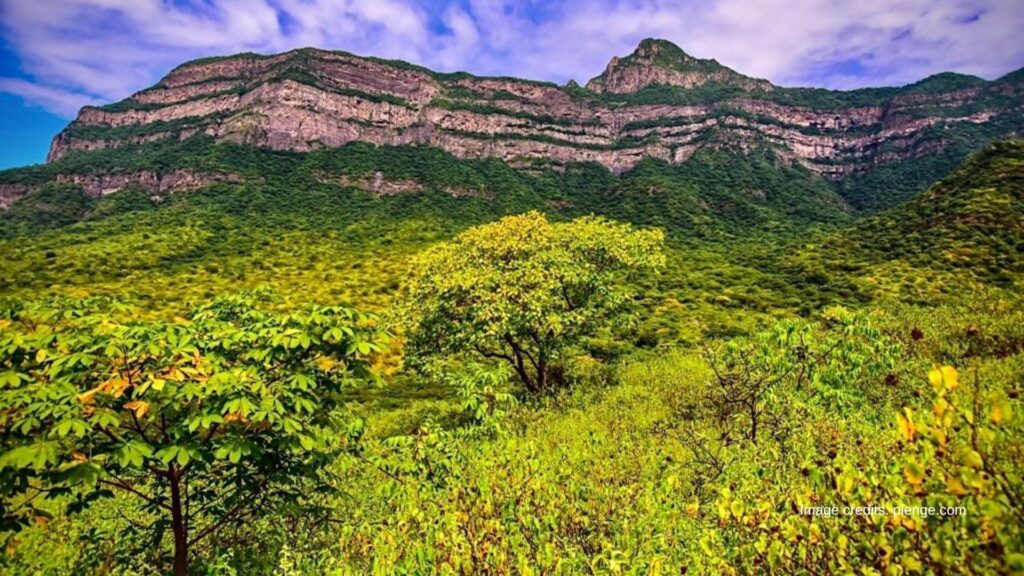
Often seen as majestic landscapes, mountains are crucial yet undervalued in our world’s ecological balance. As we commemorate International Mountain Day, the Food and Agriculture Organization (FAO) and the United Nations Environment Programme (UNEP) have unveiled a groundbreaking report. This collaborative publication stands as a beacon, shedding light on the often-neglected realm of mountain ecosystems and their imperative restoration. The report is a treasure trove of principles, success stories, and recommendations to revitalize these vital ecosystems. With a deep dive into lessons gleaned from esteemed projects across Uganda, Rwanda, Serbia, Kyrgyzstan, Nepal, and the Andes, it emphasizes the significance of mountains—homes to approximately one billion people and the lifeline for countless more who rely on them for sustenance and water resources. Despite their profound importance, mountains have historically been overlooked in restoration initiatives. However, this report serves as a testament to the burgeoning success of #GenerationRestoration in reviving these ecosystems. It showcases instances where dedicated efforts have reaped rewards, breathing life into these often-forgotten landscapes. In the heart of Lambayeque, nestled within the Chaparri Ecological Reserve, a crucial endeavor is underway: the restoration of ecosystems through tree planting. This region holds a special significance as it harbors the underrepresented dry forest ecosystems of the Peruvian Andes. Our concerted efforts focus on planting trees, a pivotal step towards rejuvenating and preserving these invaluable ecosystems. The Chaparri Ecological Reserve stands as a beacon for conservation, aiming to revive and protect the unique biodiversity found within the dry forests of the Peruvian Andes. By planting trees in this biodiverse haven, we aim not only to restore the ecosystem but also to bolster the resilience of this landscape, ensuring its sustainability for generations to come. Each tree planted in this underrepresented region contributes significantly to the restoration and preservation of the precious dry forest ecosystems of the Peruvian Andes. We are planting trees to restore ecosystems in the Chaparri Ecological Reserve at Lambayeque, a region with underrepresented dry forest ecosystems in the peruvian andes. To support this initiative click here. The report elucidates how the UN Decade’s Ten Principles for Ecosystem Restoration can be effectively applied to these unique terrains by analyzing various mountain ecosystem restoration projects. Furthermore, it celebrates the victories of initiatives chosen or shortlisted as the UN Decade’s World Restoration Flagships. These success stories not only inspire but also serve as guiding beacons for future endeavors in mountain restoration. As this year’s International Mountain Day centers on the theme of “Restoring Mountain Ecosystems,” this publication assumes profound significance. It highlights achievements, delineates challenges, presents compelling case studies, and offers pragmatic recommendations for implementing the UN Decade Principles for Mountain Ecosystem Restoration. Jointly developed by the Mountain Partnership Secretariat at FAO and UNEP, this report represents a collaborative effort uniting expertise and insights from diverse landscapes. Its comprehensive analysis and actionable recommendations are pivotal to the ongoing efforts to restore the delicate balance of mountain ecosystems. Moreover, this publication arrives at an opportune moment, coinciding with the celebration of Five Years of Action for the Development of Mountain Regions 2023–2027. It serves as a roadmap, guiding the trajectory of future actions and policies necessary for the sustainable development of these critical regions. In essence, this report serves as a rallying call to acknowledge the significance of mountains, celebrate the strides made in their restoration, and galvanize global action toward preserving and nurturing these vital ecosystems. The link to the publication promises a wealth of knowledge, offering insights into the challenges, triumphs, and the promising path forward for restoring mountain ecosystems. It beckons all stakeholders, from policymakers to environmental enthusiasts, to embark on a journey towards a more sustainable future where mountains thrive, providing for generations to come. As we commemorate International Mountain Day, let us heed this call, celebrate the progress, and recommit ourselves to preserving and restoring these awe-inspiring natural wonders. Download the report here. Source: UN Decade on Ecosystem Restoration – United Nations Environment Programme and Green initiative Forest Friends.

Restoring Mountain Ecosystems: Lessons, Success, and Future Endeavors Read More »

Mato Grosso do Sul Leading the Way in Ecotourism

Mato Grosso do Sul: Leading the Way in Ecotourism

In a surprising turn of events, Mato Grosso do Sul, renowned for its prominence in agribusiness, has emerged as a global frontrunner in ecotourism. This transformation, spearheaded by the municipality of Bonito, marked a significant milestone in 2023, earning the distinction of being the world’s first carbon-neutral ecotourism destination. But how did a state primarily associated with agribusiness pivot so remarkably towards sustainability and eco-conscious tourism? “Delving into this remarkable evolution necessitated an immersive exploration of the region, compelling me, as a documentarian, to venture alongside the talented director of photography Maxwell Polimanti and the accomplished executive producer Gisele Abrahão from LPM.World.” Adriana Farias Our journey unveiled a narrative that transcended conventional expectations. The documentary “Mato Grosso do Sul – Ecotourism Trailblazer to the World,” comprised of four compelling episodes, offered an insightful narrative about this transformation. This film received critical acclaim, earning a prestigious spot at the Travel FilmFest, a renowned international cinema festival held in Europe last October. Its recognition as a finalist in the best documentary category further underscored the significance of this paradigm shift. At the heart of this revolution stands Bonito, a municipality that etched its name in history by securing the coveted title of the world’s inaugural carbon-neutral ecotourism destination in 2023. The distinction, conferred by the esteemed Green Initiative, endorsed by the United Nations, signifies a system that absorbs more carbon than it emits during its operations. This acknowledgment empowers this tourist haven to pioneer innovative climate-conscious products and services. The certification not only underscores Bonito’s commitment to sustainability but also facilitates a platform for fostering actions that stimulate climate-smart innovations within the tourism industry. It heralds a new era where ecotourism and sustainability aren’t mere buzzwords but tangible, actionable principles embraced and embodied by a region once primarily synonymous with agricultural prowess. This pivotal recognition reverberates beyond mere accolades. It exemplifies a profound shift in mindset and approach—a testament to how a region deeply rooted in one industry can transition towards sustainability while preserving its natural wonders. Bonito’s narrative stands as a beacon of hope—a testament to the fact that industries can pivot, regions can transform, and paradigms can shift towards a more sustainable future. As the world grapples with environmental challenges, Bonito stands tall as an exemplar, inspiring others to emulate its success and embark on their journey towards sustainable tourism. The journey of Mato Grosso do Sul—from agribusiness stronghold to an ecotourism bastion—is not merely a tale of transformation but a beacon guiding the way towards a more sustainable, environmentally conscious future for destinations worldwide. Source: Terra, Redação Planeta

Mato Grosso do Sul: Leading the Way in Ecotourism Read More »

Forest Conservation and Restoration A Crucial Ally in the Fight Against Climate Change - Green Initiative

Forest Conservation and Restoration: A Crucial Ally in the Fight Against Climate Change

The urgency of addressing climate change has never been more evident, and a recent study underscores the potential of forest conservation and restoration in mitigating the climate crisis. Published in Nature.com and based on collaboration among hundreds of leading forest ecologists, the research emphasizes the importance of allowing existing trees to age in healthy ecosystems and restoring degraded areas. The findings suggest that through these measures, an impressive 226 gigatonnes of carbon could be sequestered—equivalent to nearly 50 years of US emissions for 2022. However, the study cautions against the simplistic approach of mass monoculture tree-planting and offsets, urging a nuanced strategy that prioritizes both carbon drawdown and biodiversity. The Carbon Sequestration Potential The study highlights that humans have cleared approximately half of Earth’s forests, with ongoing destruction in critical regions like the Amazon rainforest and the Congo basin. The research estimates that outside of urban agricultural areas in regions with low human footprints, forests can draw down significant amounts of carbon. Protecting standing forests and allowing them to mature into old growth ecosystems, such as the Białowieża forest in Poland and Belarus or California’s sequoia groves, could realize 61% of this potential. The remaining 39% could be achieved by restoring fragmented forests and areas that have already been cleared. The Role of Biodiversity Emphasizing the importance of biodiversity, the researchers warn against planting vast numbers of single species, citing that such monoculture approaches would hinder forests from realizing their full carbon drawdown potential. The study advocates for urgent cuts to fossil fuel emissions and stresses the significance of biodiversity in aiding forests to achieve their maximum carbon sequestration capabilities. Challenges and Considerations The researchers acknowledge challenges such as the increasing threat of forest fires and rising temperatures due to the climate crisis, which could diminish the potential of forests to sequester carbon. Lidong Mo, a lead author of the study, notes, “Most of the world’s forests are highly degraded. In fact, many people have never been in one of the few old growth forests that remain on Earth.” To overcome these challenges and restore global biodiversity, ending deforestation becomes a top priority. Meeting Targets and Moving Forward While acknowledging the commitment made at Cop26 in 2021 by world leaders to halt and reverse deforestation by the end of this decade, the researchers stress the need for countries to stay on track. Brazil, Colombia, and Indonesia are mentioned as nations making progress, but overall, concerted global efforts are necessary. The study underscores the importance of meeting targets set by the UN climate and biodiversity agreements to unlock the full potential of forests in the fight against climate change. Conclusion In conclusion, the study offers a hopeful perspective on the role of forest conservation and restoration in the battle against climate change. It not only emphasizes the massive carbon drawdown potential but also highlights the need for a holistic approach that prioritizes biodiversity and addresses the challenges facing the world’s forests. As the global community grapples with the climate crisis, the study suggests that a combination of protecting standing forests and restoring degraded areas could reshape forest conservation from mere emissions avoidance to a powerful tool for massive carbon drawdown. Source: The Guardian

Forest Conservation and Restoration: A Crucial Ally in the Fight Against Climate Change Read More »

Forest Friends Nature and Climate Positive Reforestation and Ecosystem Restoration

Forest Friends Climate and Nature Positive Ecosystem Restoration

Rebuilding Biodiversity with Forest Friends In an era where environmental consciousness is at the forefront of global concerns, the launch of Green Initiative’s Forest Friends, an inclusive certification label for the planting of trees, marks a significant step toward the effective restoration of ecosystems in recognized biodiversity hotspots. Addressing Global Challenges Green Initiative has a comprehensive approach to ecosystem restoration, reforesting with a diverse range of flora species native to the regions; Tambopata National Reserve and Peninsula de Osa, both of which are classified as Biodiversity Hotspots by the Critical Ecosystem Partnership Fund (CEPF). Hotspots must contain at least 1,500 species of endemic vascular plants and have lost at least 70% of its primary native vegetation, effectively making these regions prime real estate for the conservation of biodiversity. Collaboration for Ecosystem Restoration Our ecosystem restoration practices are implemented and reinforced by our local partners. We work together with Saimiri Foundation in Peninsula de Osa, a rainforest ecosystem in Costa Rica harboring 2.5% of the world terrestrial biodiversity, to identify priority areas for the reestablishment of forest connectivity and help support the foundation’s efforts to protect non-human primates from anthropogenic environmental threats. On the other hand, in Tambopata National Reserve in the Peruvian rainforest, we are partnered with ITA Inkaterra to foster the development of scientific research and conservation activities through biodiversity monitoring and the identification of key species, the promotion of agroforestry, organic farming, and sustainable harvesting practices. We are also working to expand the reach of our ecosystem restoration efforts. For example, our most recent partnership with the Chaparri Ecological Reserve in Lambayeque, Peru, will help restore dry carob forests in the region that are particularly vulnerable to urbanization intrusions. In addition, in these biodiversity hotspots, ecotourism represents a large proportion of the economic benefits for the local inhabitants. The reforestation of the region and the involvement of local communities in the plantation, monitoring, and evaluation processes contributes to the economy of the region and fosters the dissemination of knowledge about the local ecosystems. The Vision Behind Forest Friends Forest Friends is not just a certification; it’s a commitment to restoring our planet’s natural balance. Therefore, It goes beyond simply planting trees and seeks to accelerate the investment into nature positive impacts and support the objectives of our local restoration partners while simultaneously encouraging long-term commitments to the plantation of trees. Furthermore, Green Initiative’s reforestation practices adhere to high standards of transparency and accountability while engaging in a continual process to improve the evaluation of the degree and extent of biological restoration. Joining the Movement Companies, NGOs, and governmental bodies looking to make a positive impact on the environment now have the opportunity to be a part of the Forest Friends movement. By achieving this certification, they are making a public commitment to responsible tree planting that goes beyond token gestures. The Forest Friends certification can be achieved at any of the three levels mentioned below: Participant Organizations dedicated to contributing to ecosystem and wildlife restoration for nature’s positive impact through tree planting initiatives. Partner Organizations deeply committed to long-term ecosystem and wildlife restoration that are actively engaged in nature-positive impact projects. Accelerator Organizations dedicated to accelerating ecosystem and wildlife restoration for nature positive impact projects promoting and supporting the involvement of more organizations, fostering a collective effort. The Time for Action Is Now The launch of “Forest Friends” sends a clear message: the time for half-hearted environmental efforts is over. By setting a higher standard for tree planting initiatives, we have a chance to redefine our relationship with the environment and secure a healthier planet for generations to come. To learn more about Forest Friends and how to become certified, visit greeninitiative.eco/forest-friends and be a part of the movement.

Forest Friends Climate and Nature Positive Ecosystem Restoration Read More »

Embratur and Green Initiative collaborate for climate action

Brazilian Agency for Tourism Promotion – Embratur and Green Initiative Partner to Accelerate Climate Action

Unveiling the “GUIA BRASILEIRO DE AÇÃO CLIMÁTICA PARA EMPRESAS E DESTINOS TURÍSTICOS” In an exciting development aimed at propelling climate action within the tourism industry, the Brazilian Agency for Tourism Promotion, Embratur, has collaborated with the Green Initiative, alongside the Brazilian Ministry of Tourism and FUNDTUR – MS. Together, they are proud to unveil the “GUIA BRASILEIRO DE AÇÃO CLIMÁTICA PARA EMPRESAS E DESTINOS TURÍSTICOS” (Brazilian Guide to Climate Action for Businesses and Tourist Destinations). This comprehensive guide is set to be a valuable resource for all stakeholders in the tourism sector, both within Brazil and worldwide. Official Launch at Abav Expo 23 The “GUIA BRASILEIRO DE AÇÃO CLIMÁTICA PARA EMPRESAS E DESTINOS TURÍSTICOS” is a groundbreaking publication that encapsulates the commitment of these organizations to combat climate change and foster climate action within the tourism sector in Brazil. This guide the way businesses and destinations approach sustainability within the tourism sector. On the 28th., during the ABAV EXPO 23, Embratur will launch the Climate Action Guide for Tourism, a product of Fundtur and Green Initiative, which will be promoted by Embratur to the entire national tourism trade – Marcelo Freixo, President of Embratur, signs the preface of the guide. “And the Climate Action Guide becomes our reference for the trade, indicating the path we must follow to make our destinations and services increasingly sustainable.” – Marcelo Freixo – President, Embratur The launch of the “GUIA BRASILEIRO DE AÇÃO CLIMÁTICA PARA EMPRESAS E DESTINOS TURÍSTICOS” underscores the commitment of Embratur, the Green Initiative, and the Brazilian Ministry of Tourism to drive positive climate action the tourism sector. This initiative is a significant step toward aligning the tourism value chain with the strategic recomendations provided by the Glasgow Declaration for Climate Action in Tourism. “The Glasgow Declaration is a catalyst for increased urgency about the need to accelerate climate action in tourism and to secure strong commitments to support the global goals to halve emissions over the next decade and reach Net Zero emissions as soon as possible before 2050.“ By providing practical and accessible resources, this guide empowers stakeholders in the tourism value chain industry to take meaningful steps towards decarbonization of their activities ensuring that tourism sector in Brazil remains competitive in the long run and directly contributes to the achievement of the Paris Agreement recommendations

Brazilian Agency for Tourism Promotion – Embratur and Green Initiative Partner to Accelerate Climate Action Read More »

Sustainable Business Leadership Through Climate Positive Certification

Sustainable Business Leadership Through Climate Positive Certification

Becoming climate positive certified can offer several benefits for a company, both in terms of its environmental impact and its business operations. Here are some reasons why a company might consider obtaining climate positive certification: Environmental Responsibility Climate positive certification signifies a company’s commitment to taking meaningful action to address climate change, meaning that your climate action has gone beyond neutrality, actually creating an environmental and climate benefit by removing additional carbon dioxide from the atmosphere. This can help enhance the company’s reputation as an environmentally responsible entity, appealing to environmentally conscious consumers, investors, and partners. Competitive Advantage In a market where sustainability is becoming increasingly important, being climate positive certified can give a company a competitive edge. Consumers and clients are more likely to support and engage with businesses that are taking concrete steps to reduce their carbon footprint and contribute to a more sustainable future. Risk Management Climate change poses significant risks to businesses, including supply chain disruptions, regulatory changes, and physical impacts. By becoming climate positive certified, a company can demonstrate to stakeholders that it is actively managing these risks and adapting to a changing climate. Innovation and Creativity Pursuing climate positive certification often requires a company to innovate and develop new processes, products, and technologies. This can lead to enhanced creativity within the organization and potentially open up new revenue streams from sustainable products and services. Attracting Talent Many employees, especially those from younger generations, are concerned about climate change and seek employment with companies that share their values. Being climate positive certified can help attract and retain top talent who are passionate about sustainability. Investor Appeal Climate positive certification can make a company more attractive to socially responsible investors who consider environmental performance as part of their investment criteria. This could potentially lead to increased access to funding and improved investor relations. Long-Term Viability Addressing climate change isn’t just about short-term gains; it’s about ensuring the long-term viability of the company in a world affected by climate-related challenges. By obtaining certification, a company demonstrates its commitment to being part of the solution, which can contribute to its overall sustainability and success. Regulatory Compliance As governments and international bodies implement more stringent regulations to mitigate climate change, being climate positive certified can position a company ahead of regulatory requirements, reducing the risk of non-compliance penalties. Stakeholder Engagement Climate positive certification can foster stronger relationships with various stakeholders, including customers, suppliers, communities, and NGOs. This engagement can lead to collaborative efforts and partnerships to address shared sustainability goals. Positive Brand Image Climate positive certification can significantly enhance a company’s brand image, showcasing its dedication to environmental stewardship and inspiring other businesses and industries to follow suit. Ultimately, becoming climate positive certified is not only a responsible decision for the planet but can also yield tangible business benefits by aligning a company’s operations with sustainability goals and positioning it as a leader in its industry. Empower Your Business Journey Towards Climate Positive Certification Today! Calling all visionary business owners and leaders! Unlock the transformative power of sustainability with our expert guidance towards climate positive certification. Elevate your business’s reputation as an environmental leader, gain a competitive edge in the sustainability-focused market, actively manage climate-related risks, foster innovation, attract top talent and investors, and strengthen stakeholder engagement. Let us guide you in shaping a more sustainable and successful future – contact us today to embark on the journey toward climate positive certification.

Sustainable Business Leadership Through Climate Positive Certification Read More »