Nature Positive

BAM and Green Initiative: High-Integrity Carbon Credits and REDD+ Projects in Peru

BAM and Green Initiative: High-Integrity Carbon Credits and REDD+ Projects in Peru

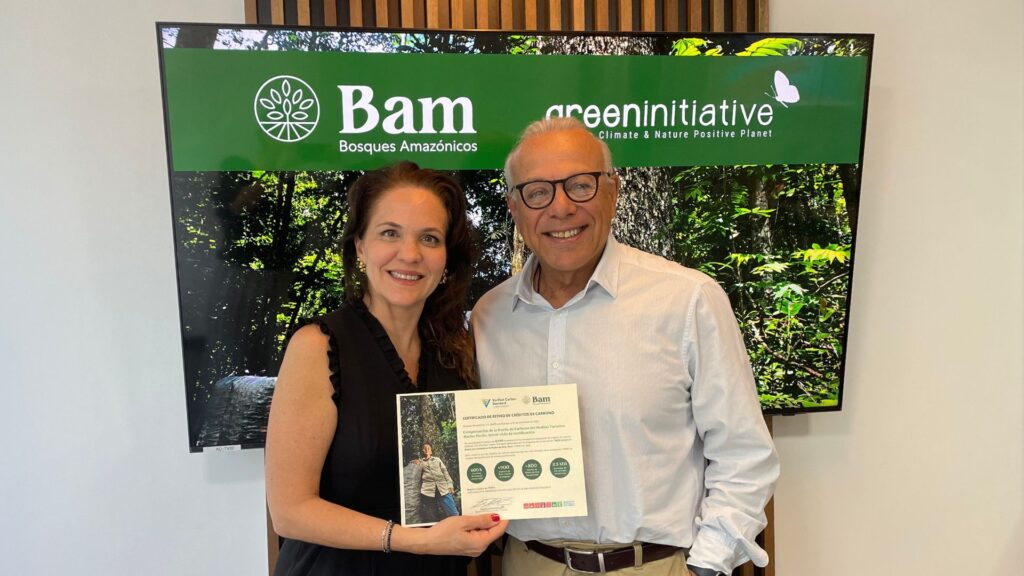
In a global context where integrity, transparency, and real impact are increasingly demanded by those who invest in the carbon market, the collaboration between Green Initiative and Bosques Amazónicos (BAM) represents a meaningful step toward a more rigorous, trustworthy, and climate-positive model. Why BAM Stands Out in the Carbon Market With more than 20 years of experience, BAM has built a solid track record in forest conservation, sustainable forest management, and the development of high-impact REDD+ projects in the Peruvian Amazon. One of its flagship initiatives is the REDD+ Castañeros Project, which: BAM also leads other innovative conservation efforts, such as REDD+ El Último Hábitat in Ucayali, located in a region that has concentrated 45% of all Amazon deforestation since 2001. This project focuses on preventing forest loss, conserving biodiversity, and creating sustainable livelihood opportunities for local communities. Raising the Bar: Adoption of High-Integrity Methodologies In response to global demands for credibility and precision, BAM has recently adopted more stringent integrity standards, including the Verra VM0048 methodology. This methodology strengthens: This evolution enhances the traceability, transparency, and robustness of the emissions reductions delivered. A Shared Commitment to a More Transparent Carbon Market At Green Initiative, we believe that nature-based solutions must adhere to strict standards of quality, integrity, and verification. Our collaboration with BAM is grounded in the recognition of their technical expertise, commitment to local communities, and long-standing environmental stewardship. Together, we aim to promote projects that: Moving Toward a Future of Integrity, Impact, and Scale Green Initiative values BAM’s technical capacity, environmental commitment, and transparency. Partnerships like this enable us to offer high-credibility climate mitigation solutions supported by science and aligned with real benefits for nature, communities, and the climate. Although the collaboration has so far been specific, successful examples such as Machu Picchu’s Carbon Neutral certification show a promising pathway toward a more mature, reliable, and responsible carbon market in Peru. We invite companies, organizations, and institutions seeking high-quality carbon credits to explore this approach—one that prioritizes seriousness, transparency, and real climate impact for a healthier planet. This article was written by Marc Tristant from the GI International Team. Related reading

BAM and Green Initiative: High-Integrity Carbon Credits and REDD+ Projects in Peru Read More »

Climate & Nature Positive Peru_ Green Initiative + BAM REDD+

Green Initiative and Peru’s Amazon: Advancing Global Climate-Positive and Nature-Positive Action with BAM and the REDD+ Castañeros Project

Peru stands as one of the world’s most strategic regions for implementing climate-positive and nature-positive solutions. Across its iconic landscapes— from Machu Picchu to Madre de Dios— the country is redefining how territories can integrate science, governance, community leadership, and verified impact to protect ecosystems while generating sustainable development. At the center of this transformation is Green Initiative, whose international climate governance model is being adopted by governments, destinations, and conservation partners throughout Peru. A key pillar of this effort is the alliance with Bosques Amazónicos (BAM) and its internationally recognized conservation program: the REDD+ Castañeros Project, one of the most relevant private REDD+ initiatives worldwide for climate and social impact. Together, these organizations are demonstrating how Peru can convert climate ambition into real, verifiable, and community-led implementation. Peru as a Global Model for Climate & Nature Positive Implementation Green Initiative works across multiple ecosystems and governance levels to accelerate: This integrated approach positions Peru as a global reference for implementation, not only commitment. The REDD+ Castañeros Project: A Cornerstone of Amazonian Conservation Developed by BAM in collaboration with more than 800 Brazil nut–harvesting families, the REDD+ Castañeros project protects over 600,000 hectares of unique and megadiverse Brazil nut forests in Madre de Dios. For more than 15 years, this alliance has safeguarded ecosystems of extraordinary importance while strengthening local livelihoods. This model directly supports Green Initiative’s mission:evidence-based climate action, measurable biodiversity protection, and community-centered development. 🌍 1. Climate-Positive Impact Through avoided deforestation and strengthened forest governance, the REDD+ Castañeros project generates high-integrity carbon credits with global relevance. Key climate outcomes: These achievements align with Green Initiative’s standards for traceability, transparency, and MRV integrity across territories. 👨‍👩‍👦 2. Community Impact & Inclusive Development The project’s social dimension is one of its greatest strengths. BAM works side by side with families that have protected Brazil nut forests for generations, providing incentives, tools, and opportunities for sustainable development. Social impact highlights: This mirrors Green Initiative’s philosophy: climate solutions must empower people first. 🐾 3. Biodiversity Protection & Scientific Innovation The REDD+ Castañeros territory is among the most biologically rich regions on Earth. Outstanding biodiversity contributions: These efforts strengthen the nature-positive goals that Green Initiative promotes globally:conservation based on science, technology, and local knowledge. Why This Alliance Matters for Peru and the World Global demand for high-integrity climate solutions is rapidly expanding. Territories that can demonstrate: are becoming the most attractive for climate finance, regenerative tourism, and international investment. The alliance between Green Initiative, BAM, and the REDD+ Castañeros community places Peru at the forefront of this movement, proving that real climate action must reconnect people, forests, and economic opportunity. From the Amazon to the World: Implementation That Sets a Benchmark Through this partnership, Peru advances: This is the pathway from ambition to implementation — and from implementation to global leadership. About Green Initiative Green Initiative is an international platform dedicated to climate governance, decarbonization pathways, nature-positive implementation, and ecosystem restoration, working with governments, World Heritage sites, conservation programs, and local communities. Its portfolio spans iconic destinations from Machu Picchu to Bonito, Cristo Redentor, Cabo Blanco, Angkor Wat, and the Galápagos, supporting them in achieving real, verifiable, and community-centered climate impact. REDD+ Castañeros in Focus: A Photographic Story by Walter H. Wust This article was written by Virna Chávez from the Green Initiative Team. Related Reading

Green Initiative and Peru’s Amazon: Advancing Global Climate-Positive and Nature-Positive Action with BAM and the REDD+ Castañeros Project Read More »

Riding the Wave of Change: How Roberto Meza “Muelas” Is Mobilizing Peru’s Surf Industry Toward Innovative Climate- and Nature-Positive Action

Riding the Wave of Change: How Roberto Meza “Muelas” Is Mobilizing Peru’s Surf Industry Toward Innovative Climate- and Nature-Positive Action

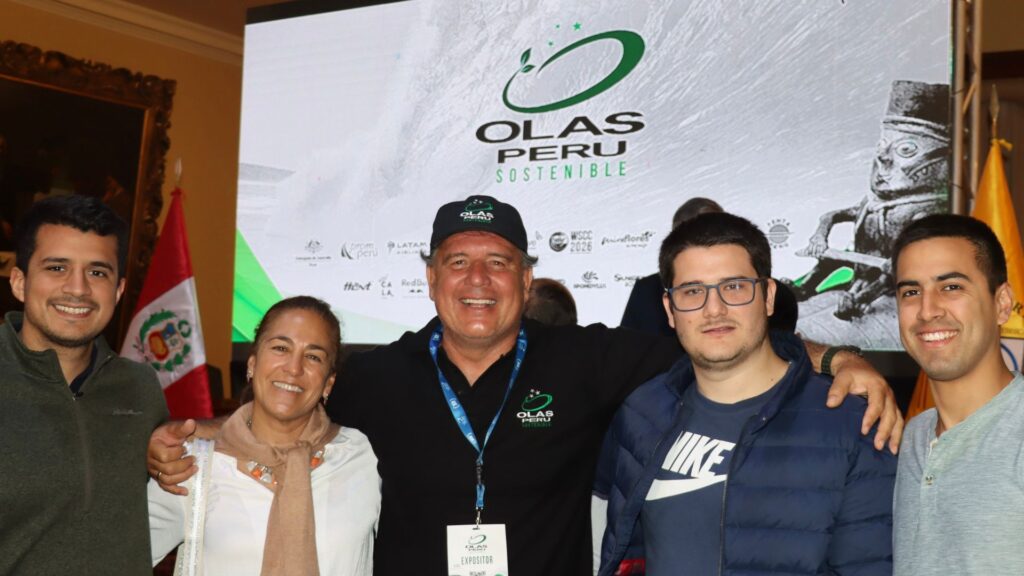
The ocean has always been Peru’s stage for surf legends. Today, it’s also becoming the frontier of climate leadership—thanks to visionaries like Roberto “Muelas” Meza, founder of Olas Perú and Global Ambassador of the World Surf Cities Network (WSCN). Earlier this month, Olas Perú officially launched its 2025–2028 Sustainability Plan at the Municipal Palace of Miraflores. The event marked a milestone not only for Peruvian surf culture but for global sustainability in sports. With this initiative, Olas Perú reaffirmed its role as the world’s first carbon-neutral surf school, setting the standard for surf communities everywhere. From Surfboards to Sustainability Boards Under the leadership of Meza and Director Silvana Pastorelli, Olas Perú’s new plan revolves around five strategic pillars: “This plan is not just a document—it’s our commitment to Peru, to the ocean, and to future generations,” said Pastorelli. “We invite everyone to paddle together toward a surf culture that inspires, regenerates, and transcends.” For Meza, sustainability isn’t an accessory—it’s the new wave that must carry the entire surf ecosystem forward. As an active voice within the WSCN, he has been instrumental in connecting surf cities like Miraflores and Cabo Blanco through shared goals of carbon neutrality, circular tourism, and climate-positive coastal management. Measuring Impact: From Commitment to Certification Olas Perú’s commitment to sustainability is backed by concrete results. In 2023, the organization conducted a rigorous carbon footprint measurement following ISO 14064-1:2018 and the Greenhouse Gas Protocol standards, covering all emission sources—from transportation to energy use and materials. These emissions were fully offset through Certified Emission Reductions (CERs) issued by the United Nations, derived from a renewable energy project in India, enabling Olas Perú to contribute to the global clean energy transition. This achievement positions Olas Perú not only as a pioneer in Latin America but as a model for surf schools worldwide, proving that sports can grow in harmony with the planet. The Power of Partnership The launch event brought together key partners and institutions shaping Peru’s green transition. Representatives from PromPerú, CANATUR, Hazla por tu Ola, LATAM Airlines, and the Municipality of Miraflores joined the discussion panel “Surf and Sustainability: Waves of Change for Peru.” Their collective message was clear: sustainability in sports thrives when public and private sectors paddle in the same direction. Olas Perú’s leadership was also recognized with the Marca Perú (Peru Brand) distinction, underscoring its role as an ambassador for responsible tourism and national pride. Miraflores and Cabo Blanco: Twin Beacons of Climate Action The Mayor of Miraflores, Carlos Canales, highlighted the district’s recognition as an official Surf City within the WSCN—thanks in large part to Olas Perú’s decades of work. Miraflores now stands beside other Peruvian coastal destinations like Cabo Blanco, which recently advanced its own sustainability agenda through the Turismo Circular Perú project, financed by AECID and the European Union and implemented with the Green Initiative. While Miraflores symbolizes the urban surf model of circular governance, Cabo Blanco represents the community-driven transformation of rural coastal tourism. Together, they embody Peru’s emerging identity as a global laboratory for climate and nature-positive development in surf cities. A Movement That Transcends the Ocean With over 33 years of history, Olas Perú continues to inspire athletes, educators, and policymakers to view surfing not only as a sport but as a vehicle for environmental restoration and social inclusion. By integrating education, circular economy principles, and ecosystem conservation into its operations, Olas Perú demonstrates how surf schools can become agents of decarbonization—turning every wave into a ripple of positive impact.Through the guidance of Roberto “Muelas” Meza and the support of partners like Green Initiative, PromPerú, and WSCN, the country is charting a new course: one where sustainability is as natural as the tide and where Peru’s surf cities ride together toward a climate-positive future. This article was written by Musye Lucen from the Green Initiative Team. Related Reading

Riding the Wave of Change: How Roberto Meza “Muelas” Is Mobilizing Peru’s Surf Industry Toward Innovative Climate- and Nature-Positive Action Read More »

Three actions you can take to change your consumer behavior for Earth Day

Three Actions You Can Take to Change Your Consumer Behavior for Earth Day

Earth Day is more than just a date on the calendar—it’s a global reminder that we all share responsibility for the health of our planet. While governments and corporations play a big role in shaping the future, our personal behaviors and actions matter more than we think. In fact, household consumption is linked to more than 60% of global greenhouse gas emissions and up to 80% of water use. That means our everyday choices—from what we buy to how we live—can create ripple effects across the economy and the environment. Here are three simple but powerful things you can do today to make a real difference—and a fourth that lets you go one step further. 1. Cut Back on Single-Use Plastics Plastic pollution continues to choke our oceans, wildlife, and natural landscapes. Start small: carry a reusable water bottle, bring your own tote bags to the store, and say no to plastic straws and cutlery. These everyday habits reduce demand for plastic production and help keep our environment clean. 2. Save Energy at Home Lowering your energy consumption helps reduce greenhouse gas emissions and can even cut your utility bills. Simple actions like turning off lights when not in use, unplugging devices, using LED bulbs, and running appliances more efficiently all add up. You can also look into switching to renewable energy if it’s available in your area. 3. Make Conscious Purchases Shift your buying habits by choosing products that are reusable, recyclable, or made from sustainable materials. Support brands that are transparent about their environmental impact. Even small changes—like buying less, avoiding fast fashion, or choosing items with minimal packaging—can reduce your ecological footprint over time. Are you already taking these actions, or do you simply want to take your Earth Day contribution a step further? Help restore degraded ecosystems by planting trees with Forest Friends. Support one of our restoration projects in the Peruvian Amazon or the tropical moist forests of Costa Rica, and receive or gift a certificate recognizing your contribution to healthier ecosystems, climate stability, and wildlife recovery. It’s a meaningful way to make a long-term impact—one tree at a time. This article was written by Marc Tristant from the Green Initiative Team.

Three Actions You Can Take to Change Your Consumer Behavior for Earth Day Read More »

Bonito and Fundtur MS A Strategic Partnership for Global Leadership in Sustainable Tourism

Bonito and Fundtur MS: A Strategic Partnership for Global Leadership in Sustainable Tourism

The Future of Sustainable Tourism in Brazil Begins in Bonito Bonito, one of Brazil’s most renowned ecotourism destinations, continues to solidify its position as a global reference in sustainable tourism. Through a strong collaboration with the Mato Grosso do Sul Tourism Foundation (Fundtur MS), led by Bruno Wendling, Bonito has achieved significant advancements in integrating climate mitigation strategies into its tourism development model. Some of the key milestones include: With this initiative, Bonito becomes the first tourism destination fully aligned with the Glasgow Declaration, presenting a comprehensive investment program for decarbonization. At the forefront of this movement is Juliane Salvadori, Vice Mayor of Bonito, who has played a key role in maintaining the Carbon Neutral certification since her tenure as Tourism Secretary in 2022. “This achievement strengthens our commitment to transforming Bonito into an increasingly sustainable destination, ensuring that tourism here is synonymous with conservation and environmental innovation.” – Juliane Salvadori, Vice Mayor of Bonito and Leader of the Bonito Carbono Neutral Program Knowledge Exchange with Machu Picchu: Sharing Global Best Practices Beyond its local advancements, Bonito has fostered a knowledge exchange program with Machu Picchu, another internationally recognized tourism destination committed to climate action. This collaboration allows for the sharing of mitigation measures and regenerative tourism strategies, reinforcing Bonito and Mato Grosso do Sul’s participation in the global discussion on climate-smart tourism. “Mato Grosso do Sul’s strategy is clear: we want to be a global benchmark in sustainable tourism, and Bonito is the ideal showcase to demonstrate how this is possible. The involvement of the Green Initiative and the actions led by Fundtur MS are key drivers of this transformation.” – Bruno Wendling, President of Fundtur MS Bonito Hosts the International Smart Destinations Fair (FIDI) 2025 In a significant development, Bonito was selected to host the third edition of the International Smart Destinations Fair (FIDI) in 2025, scheduled from March 19 to 22. This event will bring together tourism professionals, entrepreneurs, public managers, and students to discuss innovation, sustainability, and technology in tourism. Hosting FIDI 2025 underscores Bonito’s commitment to positioning itself as a Smart Tourism Destination, integrating governance, sustainability, innovation, technology, and promotion.​ “Securing this event was a strategic move, as we are bringing the most important fair that addresses smart destination models. The public can expect a lot of innovation, knowledge, and exchange of experiences in all aspects that a Smart Tourism Destination encompasses.” – Bruno Wendling, President of Fundtur MS Bonito Carbono Neutro Wins FIDI 2025 Environmental Sustainability Award Highlighting its commitment to environmental stewardship, Bonito Carbono Neutro was honored with the Environmental Sustainability Award at FIDI 2025. This accolade recognizes Bonito’s ongoing efforts in reducing carbon emissions and implementing sustainable tourism practices, further solidifying its status as a leader in environmental conservation.​ Towards COP-30: Bonito on the Global Sustainability Stage The achievements resulting from the collaboration between Fundtur MS and Bonito position the municipality as one of Brazil’s leading success stories to be showcased during COP-30, which will take place in Belém, Pará, in November 2025. This collective effort will contribute to raising awareness among thousands of people in Brazil and worldwide about the importance of climate action and the positive environmental impacts as fundamental pillars for the prosperity and development of smart tourism destinations.​ Bonito’s journey exemplifies how dedicated leadership and strategic partnerships can transform a destination into a global model for sustainable tourism and environmental responsibility. In the Media:

Bonito and Fundtur MS: A Strategic Partnership for Global Leadership in Sustainable Tourism Read More »

The State of Nature Metrics A Key Step Toward a Nature-Positive Future

The State of Nature Metrics: A Key Step Toward a Nature-Positive Future

Biodiversity loss and environmental degradation pose significant threats to global economic stability, human well-being, and climate resilience. The urgency to address these challenges has led to the establishment of the Nature Positive Global Goal, which aims to halt and reverse nature loss by 2030. However, measuring progress towards this goal remains a major hurdle due to the lack of standardized metrics. The Need for Standardized Nature Metrics Currently, businesses, governments, and environmental organizations rely on a multitude of metrics to assess the state of nature. The absence of a consistent, unified approach makes it difficult to track progress and ensure accountability. To address this gap, the Nature Positive Initiative (NPI) has been working to create a standardized framework for measuring nature-positive outcomes. Introducing the State of Nature (SON) Metrics The newly developed State of Nature (SON) metrics are designed to provide clarity and consistency in evaluating conservation and restoration efforts. These metrics aim to: The development of these standardized metrics is critical for ensuring that organizations worldwide can effectively measure their contributions to a more sustainable future. Key Components of the State of Nature Metrics The draft State of Nature Metrics, set for piloting in 2025, primarily focus on terrestrial ecosystems. They are structured around three core indicators: These indicators provide a structured, science-based approach to measuring nature’s health, helping organizations make data-driven decisions that support biodiversity restoration. Piloting and Future Development The piloting phase in 2025 will assess the effectiveness of the SON metrics across different environmental and social contexts. The goal is to refine the framework and integrate it into globally recognized sustainability standards such as the Taskforce on Nature-related Financial Disclosures (TNFD) and the Global Reporting Initiative (GRI). While the terrestrial metrics are ready for initial testing, further development is needed for freshwater and marine ecosystems, as well as for the integration of traditional knowledge and local ecological insights. Key challenges such as data accessibility, affordability, and cross-industry applicability will be addressed during this phase. Engaging Stakeholders for a Nature-Positive Future The Nature Positive Initiative has already received extensive feedback from over 700 stakeholders across 15 consultation events, ensuring the framework reflects diverse perspectives. As the piloting phase unfolds, businesses, financial institutions, and policymakers must actively participate in refining these tools to ensure they are scalable, practical, and effective. The introduction of the State of Nature Metrics marks a significant milestone in the global effort to reverse biodiversity loss. By fostering consensus, accountability, and measurable progress, these metrics will play a crucial role in shaping a more sustainable, nature-positive world. Organizations worldwide are encouraged to engage in the piloting process and contribute to the collective mission of safeguarding our planet’s ecosystems for future generations. For further insights, visit: This article was written by Marc Tristant from the Green Initiative Team. Related Articles

The State of Nature Metrics: A Key Step Toward a Nature-Positive Future Read More »

Nationally Determined Contributions (NDCs) in 2025 Progress, Challenges, and Global Impact

Nationally Determined Contributions (NDCs) in 2025: Progress, Challenges, and Global Impact

What Are Nationally Determined Contributions (NDCs)? Nationally Determined Contributions (NDCs) are climate action plans submitted by countries under the Paris Agreement, an international treaty adopted in 2015 to limit global warming and strengthen global responses to climate change. to reduce greenhouse gas emissions and mitigate global warming. These commitments are crucial in the global fight against climate change, with periodic updates required to enhance ambitions and align with the 1.5°C target set by the United Nations Framework Convention on Climate Change (UNFCCC). The 2025 NDC Update: Where Do Countries Stand? As of February 2025, only 13 out of 195 signatory nations have submitted their updated NDCs ahead of the February 10, 2025, deadline. Among the leading countries to meet the submission deadline are: Are Current NDCs Enough to Meet the Paris Agreement Goals? Despite some progress, the overall global climate response remains inadequate. The UNFCCC warns that current national climate plans will only achieve a 2.6% reduction in global greenhouse gas emissions by 2030, far below the required 43% reduction needed to limit warming to 1.5°C above pre-industrial levels. Furthermore, extreme weather events, including record-breaking heatwaves and intensified hurricanes, underscore the urgent need for more aggressive mitigation efforts. The UNFCCC warns that current national climate plans will only achieve a 2.6% reduction in global greenhouse gas emissions by 2030, far below the required 43% reduction needed to limit warming to 1.5°C above pre-industrial levels. Key Challenges in Achieving NDC Targets The Role of COP30 in Strengthening Climate Commitments The upcoming COP30 conference in Brazil presents a critical opportunity to: Visit the COP30 Host Country site. Conclusion: Urgent Action Needed to Strengthen Global Climate Goals While countries like the U.S., Japan, and UAE have set ambitious emission reduction targets, the global response is still falling short. To prevent catastrophic climate impacts, immediate and intensified efforts are required to align with the Paris Agreement targets. The fight against climate change demands urgent, collective, and sustained action. Ready to align your practices with climate action? Contact us today to explore how Green Initiative can help you achieve measurable climate mitigation impact through responsible and transparent actions. Contact us at https://greeninitiative.eco/contact/ This article was written by Marc Tristant from the Green Initiative Team. Related Articles

Nationally Determined Contributions (NDCs) in 2025: Progress, Challenges, and Global Impact Read More »

Best Practices for Achieving Climate and Nature Positive Outcomes in Fisheries and Aquaculture Geen Initiative

Best Practices for Achieving Climate and Nature Positive Outcomes in Fisheries and Aquaculture

Introduction As global awareness of environmental sustainability intensifies, the fisheries and aquaculture sectors are under increasing pressure to adopt climate positive and nature positive practices. Contributing approximately 0.49% of global greenhouse gas emissions, these industries play a crucial role in climate change mitigation, biodiversity preservation, and food security. Unlike terrestrial agriculture, which emits between 400 and 660 million tons of CO₂ annually, aquaculture has a lower carbon footprint due to improved feed conversion rates and the absence of methane-producing land-use changes. Embracing climate certifications—such as climate positive, carbon neutral, and carbon measured—can further support sustainability efforts in these sectors. This article examines the key emission sources in fisheries and aquaculture and highlights practical strategies to reduce their environmental impact. Understanding Climate and Nature Positive Practices Key Emission Sources in Fisheries and Aquaculture 1. Wild Capture Fisheries The primary emissions in this sector stem from fuel consumption in fishing vessels. Additional contributors include: 2. Aquaculture Operations Emissions in aquaculture primarily arise from: Best Practices for Carbon Footprint Reduction A. Wild Capture Fisheries B. Aquaculture Operations The Path Forward: Economic and Environmental Synergy Many carbon-reduction strategies not only help the environment but also improve economic efficiency. For example: Conclusion The fisheries and aquaculture industries are at a turning point. By adopting technological innovations, sustainable management practices, and renewable energy solutions, they can significantly cut their carbon footprints while ensuring long-term food security. With continued investment and industry-wide collaboration, the seafood sector can play a pivotal role in the global fight against climate change. Want to Learn More? Contact Us! At Green Initiative, we help businesses and industries transition toward a climate and nature positive future. Whether you’re looking to reduce your carbon footprint, achieve climate certifications, or improve sustainability in fisheries and aquaculture, our team is here to assist you. Get in touch and let us know if you would like to receive an in-depht technical review on Best Practices for Carbon Footprint Reduction in Fisheries and Aquaculture Operations. This article was written by Matheus Mendes from the Green Initiative Team. Image credits by Marcos Vaena Further Reading on Fisheries Sustainability:

Best Practices for Achieving Climate and Nature Positive Outcomes in Fisheries and Aquaculture Read More »

AI-Powered Sustainable Tourism The Future of Travel and Climate Action Green Initiative

AI-Powered Sustainable Tourism: The Future of Travel and Climate Action

How Artificial Intelligence is Transforming Tourism for a Climate and Nature-Positive Future Tourism is one of the world’s most resilient industries, contributing to economic growth, cultural exchange, and job creation. However, climate change, ecosystem degradation, and rising carbon emissions threaten its long-term sustainability. To secure a climate and nature-positive future, the tourism industry must balance economic benefits with sustainability, climate action, and ecosystem restoration. Artificial Intelligence (AI) is emerging as a game-changer, helping destinations and businesses reduce their environmental impact, optimize resource use, and promote climate resilience. Why Tourism is Resilient to AI Disruption Unlike industries where AI replaces human labor, tourism thrives on human connection, cultural authenticity, and sensory experiences—elements that AI cannot fully replicate. Tourism’s resilience stems from: AI-Powered Solutions for Low-Carbon, Sustainable Tourism With tourism contributing to 8% of global carbon emissions, AI presents a third path—enabling economic growth while cutting emissions. AI-driven strategies include: Green Initiative’s Climate and Nature Regenerative Tool: A World-First Innovation At Green Initiative, we have developed the world’s first Climate and Nature Regenerative Tool, empowering individuals and businesses to: ✅ Calculate their carbon emissions from travel, hotel stays, and even at home.✅ Offset their footprint by planting native tree species in ecosystem restoration hotspots.✅ Take direct climate action through a science-based, transparent, and effective decarbonization strategy. This groundbreaking tool is a game-changer for sustainable tourism, allowing travelers to take responsibility for their environmental impact while actively contributing to reforestation and ecosystem restoration efforts. How AI Supports Ecosystem Restoration & Climate Action Tourism depends on healthy ecosystems—rainforests, coral reefs, wetlands, and national parks attract millions of visitors. However, over-tourism and climate change threaten these fragile landscapes. AI is now a vital tool for regenerative tourism: How Developing Countries Can Leverage AI for Climate-Positive Tourism Growth AI is not a threat to tourism—instead, it offers a strategic advantage for developing nations. By integrating AI-driven sustainability strategies, countries can: 1. Prioritize High-Value, Experience-Based Tourism Rather than competing in mass-market, low-cost tourism, developing nations should focus on premium, experience-driven tourism: 2. Invest in AI-Enhanced Smart Tourism AI can make destinations more accessible and sustainable through: 3. Build Climate-Resilient Infrastructure Developing nations must invest in sustainable infrastructure to attract long-term tourism growth: Become a Climate-Certified Tourism Business At Green Initiative, we help businesses in the tourism industry become climate-certified. Through our certifications, consulting services, and ecosystem restoration programs, we guide businesses toward a climate and nature-positive future, giving you a competitive edge in the growing sustainable tourism market. AI and sustainable tourism go hand in hand, driving both economic growth and environmental conservation. By leveraging AI-powered solutions and nature-based tourism strategies, we can transform the travel industry into a force for climate action. Contact us today to learn more about Green Initiative’s sustainability certifications and how your business can become climate-certified. Visit Green Initiative and fill out our contact form—we’ll get back to you quickly.

AI-Powered Sustainable Tourism: The Future of Travel and Climate Action Read More »

Inkaterra Cabo Blanco: A Global Model for Regenerative Tourism and Sustainable Sport Fishing

Inkaterra Cabo Blanco: A Global Model for Regenerative Tourism and Sustainable Sport Fishing

Cabo Blanco, a small fishing village on the northern coast of Peru, holds a unique place in maritime history. Once a legendary destination for sport fishing—attracting figures such as Ernest Hemingway—it is now at the center of an ambitious initiative to promote regenerative tourism, marine conservation, and climate-positive economic development. Through the efforts of Inkaterra Hotels, a leading Climate Positive Certified hospitality group, and Inkaterra Asociación, a nonprofit organization dedicated to biodiversity research and conservation, Cabo Blanco is transitioning towards a nature-positive future—one that restores ecosystems, empowers local communities and creates long-term economic value through sustainable tourism. A Legacy of Sport Fishing in Cabo Blanco During the 1950s, Cabo Blanco gained international recognition as a premier destination for big-game fishing, particularly for black marlin, with record-breaking catches exceeding 700 kg. However, decades of overfishing, habitat degradation, and climate change have led to a dramatic decline in marine populations, threatening both the ecosystem and the livelihoods of local fishing communities. To counteract these impacts, conservation initiatives have been set in motion to restore marine biodiversity while ensuring sustainable tourism remains a viable economic driver. One of the most significant steps toward this goal is the proposal for Peru’s first marine reserve, which aims to protect critical habitats, replenish fish populations, and regulate responsible fishing practices. Sustainable Sport Fishing: A Regenerative Approach While sport fishing remains a core attraction in Cabo Blanco, adopting regenerative fishing practices, such as catch-and-release policies, ensures that tourism supports, rather than depletes, the region’s marine resources. Key Benefits of Sustainable Sport Fishing: Regenerative Tourism and Marine Conservation in Cabo Blanco Beyond fishing, Cabo Blanco is evolving into a hub for regenerative tourism, where visitors actively contribute to the ecosystem’s health rather than merely minimizing their impact. Inkaterra Asociación, in collaboration with scientists, conservationists, and local communities, is implementing nature-positive solutions to rebuild degraded marine and coastal environments. Regenerative Tourism Initiatives in Cabo Blanco: Inkaterra’s Climate and Nature-Positive Impact As a Climate Positive Certified company, Inkaterra Hotels goes beyond sustainability by actively removing more carbon from the atmosphere than it emits. In Cabo Blanco, its impact is being realized through: By aligning with global climate goals and nature-positive principles, Inkaterra Asociación and Inkaterra Hotels prove that tourism can be a force for environmental regeneration rather than exploitation. A Scalable Model for Global Conservation The transformation of Cabo Blanco into a regenerative tourism destination serves as a blueprint for coastal communities worldwide. By combining scientific research, sustainable economic development, and active ecosystem restoration, this initiative demonstrates how tourism can be reimagined as a tool for global climate action and biodiversity protection. How to Support Regenerative Tourism in Cabo Blanco: Conclusion Cabo Blanco is undergoing a profound transformation—from a historic fishing hotspot to a global leader in regenerative tourism and conservation. By prioritizing marine restoration, responsible tourism practices, and community engagement, this initiative ensures that future generations can continue to experience this iconic destination’s natural and cultural richness. As the world moves toward more climate-resilient and nature-positive tourism models, Inkaterra’s work in Cabo Blanco is a powerful example of how travel can catalyze ecological regeneration and socio-economic prosperity. For more information on regenerative tourism and conservation efforts, visit Green Initiative and contact us.

Inkaterra Cabo Blanco: A Global Model for Regenerative Tourism and Sustainable Sport Fishing Read More »