Markets

Celebrating World Tourism Day with a Global Milestone Green Initiative Wins as World's Leading Sustainable Organisation

Celebrating World Tourism Day with a Global Milestone: Green Initiative Wins as World’s Leading Sustainable Organisation

On this World Tourism Day, Green Initiative is honored to share a significant achievement: winning as the World’s Leading Sustainable Organisation at the 2024 World Sustainable Travel & Hospitality Awards! This recognition underscores our commitment to a greener, more sustainable tourism industry that regenerates rather than depletes. We extend our deepest gratitude to everyone who voted for us and supported our mission to lead the way in sustainable tourism, climate, and nature positive business. This achievement is as much yours as it is ours!” A Legacy of Impactful Tourism Green Initiative has always believed that tourism can be a driving force for good. We’ve pioneered sustainable tourism practices that balance business competitiveness with ecological preservation through our work with partners like Inkaterra Hotels, WorldXchange, and CEPA (Customized Educational Programs Abroad). What It Means to Be the World’s Leading Sustainable Organisation Winning this prestigious award is more than a recognition—it’s a reminder of our responsibility. From reducing the carbon footprints of our certified businesses to pioneering regenerative tourism models, we’ve made great strides in proving that tourism can benefit both people and the planet. Our Ongoing Commitment As we celebrate this milestone, we reaffirm our dedication to continuing our work with partners and clients worldwide to reduce emissions, restore ecosystems, and create sustainable livelihoods for local communities. As we mark World Tourism Day and celebrate this momentous win, we invite you to be part of this journey. Let’s work together to make travel sustainable, responsible, and regenerative—so that future generations can continue to explore the world while preserving its natural beauty. Designated Sites are Integrating Climate Action UNESCO-designated sites like Bonito and Machu Picchu are leading the way in integrating climate action into tourism through innovative practices such as carbon measurement, ecosystem restoration, and waste management solutions. By adopting climate-smart approaches, these destinations are not only reducing emissions but also enhancing community resilience and attracting eco-conscious travelers. Green Initiative’s collaboration with these iconic sites showcases how tourism can actively contribute to global climate goals and serve as a model for sustainable tourism worldwide. Explore our full article to learn how UNESCO Sites Are Pioneering Climate Action in Sustainable Tourism, and leading by example here. We highly recommend downloading Green Initiative’s Climate Action Guide for Tourism Destinations. This essential resource offers practical tools for reducing emissions, improving resource efficiency, and aligning with global climate goals. By following the guide, destinations can enhance resilience, attract eco-conscious travelers, and lead in sustainable tourism. It’s a must-have for those committed to making a positive impact. Contact us to learn more about our projects, certifications, and how we’re working with companies globally to shape a sustainable tourism industry.

Celebrating World Tourism Day with a Global Milestone: Green Initiative Wins as World’s Leading Sustainable Organisation Read More »

What Are Green Bonds and Why Are Prices So Low - Green Initiative

What Are Green Bonds and Why Are Prices So Low?

In recent years, green bonds have become a powerful financial instrument, playing a key role in addressing the global challenge of climate change and funding sustainability projects. These bonds support environmentally beneficial initiatives such as renewable energy, biodiversity conservation, and sustainable infrastructure, offering both financial returns and a tangible positive impact on the environment. Despite the promise they hold, green bond prices have been lower than expected due to several market factors. However, the future of green bonds is incredibly bright, with a growing alignment between investor demand and sustainability objectives. Understanding Green Bonds Green bonds operate like traditional bonds but serve a higher purpose—financing projects dedicated to environmental sustainability. Governments, corporations, and institutions issue these bonds to fund projects such as renewable energy development, energy efficiency improvements, and biodiversity conservation initiatives. Green bonds provide an innovative solution to global environmental issues, allowing investors to support the transition to a low-carbon economy while securing returns. Moreover, the market for green bonds is expanding rapidly. With governments and corporations pledging to meet net-zero emissions targets, the demand for green financing climate and nature positive instruments is expected to continue accelerating. Green bonds are thus well-positioned to become a mainstream financial tool for a sustainable future. Why Are Green Bond Prices So Low? Several factors explain why green bond prices have been lower recently: Increasing Supply of Green Bonds As the issuance of green bonds has surged globally, supply now outpaces demand in certain markets. However, this increase in supply is a positive sign that sustainability-focused financing is becoming mainstream. As more investors adopt ESG (Environmental, Social, and Governance) strategies, demand for green bonds is expected to catch up, potentially driving prices higher in the future. Rising Interest Rates Like all fixed-income instruments, green bonds are affected by interest rates. In a rising rate environment, newly issued bonds offer higher yields, making older green bonds less attractive. However, this is a temporary challenge. As central banks stabilize interest rates, green bonds—especially those tied to long-term climate and nature positive environmental projects—will regain their appeal. Perceived Risk of Green Projects While some green bonds finance projects in emerging sectors or developing regions, where risks may be perceived as higher, this is also an opportunity. Investors who understand the long-term potential of green technologies and climate and nature positive sustainability initiatives recognize that these bonds support transformative projects that can generate both environmental and economic returns. Greenium and Market Maturity The concept of greenium, or the premium investors have historically paid for green bonds, is evolving. As the green bond market matures and expands, greenium has diminished, making these bonds more accessible. This signals a healthy market transition, where green bonds no longer command higher prices but instead offer competitive returns, aligning with the expectations of mainstream investors. Greenium and ESG Investment Strategies Green bonds are increasingly attractive to investors seeking to align their portfolios with ESG goals. The diminishing greenium, while lowering bond premiums, actually enhances the accessibility of green bonds, offering competitive returns without sacrificing sustainability. As the market for green finance grows, companies with high ESG commitments, particularly climate and nature positive, are likely to attract more capital, driving even more innovation and positive environmental impact. For investors with a long-term view, green bonds provide a unique opportunity to support projects with positive externalities while maintaining attractive returns. This alignment of financial and environmental performance makes green bonds a compelling part of any sustainable investment strategy. A Quote on Brazil’s Green Bond Market Green bonds have emerged as an essential tool for financing sustainable projects, significantly contributing to the transition to a low-carbon economy. In Brazil, the green bond market is still in its growth phase but already shows enormous potential. Since the first issuance in 2015, the country has accumulated around USD 11.2 billion in issuances. The growth of this market in Brazil is driven by the increasing demand for sustainable investments, both from institutional investors and individuals concerned about the environmental impact of their investments. Additionally, the greenium, which is the price premium that investors are willing to pay for green bonds, is directly related to the supply and, more importantly, the demand for these bonds. This phenomenon is reinforced by the commitments made by large asset managers and financial institutions to direct resources towards projects that promote sustainability. With the growing awareness of climate change and the need for concrete actions, the green bond market in Brazil has significant room for growth. The expectation is that, with favorable public policies and the continuous engagement of the private sector, we will see a substantial increase in green bond issuances in the coming years, contributing to a more sustainable and resilient future. Quotes Marcos Lima, ESG Finance and Investment Banking – Lecturer at FEBRABAN and Coordinator of Sustainable & Climate Finance at BV Bank. A Bright Future for Green Bonds Looking ahead, the future of green bonds is incredibly promising. Several factors will fuel their growth: Increasing Regulatory Support Governments are implementing policies to promote sustainable finance, including green bonds. The European Union’s Green Bond Standard is setting the stage for stronger frameworks that ensure the transparency and integrity of green bonds. These regulations will encourage more issuers to enter the market and provide investors with confidence in the impact of their investments. Climate Commitments and Global Demand With global climate commitments like the Paris Agreement pushing governments and corporations to reduce carbon emissions, the demand for green finance will only grow. Green bonds are at the forefront of financing this transition, offering an efficient way to raise capital for large-scale environmental projects. Investor Appetite for Sustainable Assets As more investors integrate sustainability into their strategies, green bonds will continue to be a key part of the solution. The narrowing greenium makes these bonds more attractive to a broad range of investors, enabling green bonds to move from a niche product to a mainstream asset class. This growing demand, coupled with an increase in green bond issuance, is expected

What Are Green Bonds and Why Are Prices So Low? Read More »

Paving the Way for Sustainable Agriculture Five Key Strategies

Paving the Way for Sustainable Agriculture: Five Key Strategies

The global landscape of agriculture is at a pivotal juncture, caught between the demands of a burgeoning population and the imperative to safeguard our environment. Conventional agricultural practices have long served as the backbone of food production, yet their impact on ecosystems and human health raises urgent concerns. In response, a clarion call for sustainable agriculture has emerged, propelled by the pressing need to ensure food security while preserving our planet’s delicate balance. The World Economic Forum underscores the critical role of the agricultural sector, contributing substantially to global economies while employing a significant portion of the world’s workforce. However, conventional methods, such as the heavy reliance on synthetic fertilizers and pesticides, monoculture, and large-scale industrial farming, have taken a toll on our environment and human well-being. Enter sustainable agriculture – a viable pathway offering resilience, equity, and environmental sustainability across the food system. Amidst escalating climate change effects, from soil degradation to dwindling water levels, sustainable agriculture stands as a beacon of hope, charting a course opposite to the detrimental effects of conventional farming practices. Outlined by the Food and Agriculture Organization (FAO) and championed by the World Economic Forum, five pivotal strategies pave the way for this transformative shift: The imperative to accelerate the transition to sustainable agricultural practices looms large. Embracing these strategies can herald a paradigm shift, ensuring food security, safeguarding the environment, and fostering a more resilient agricultural ecosystem. As stakeholders unite in this collective endeavor, the promise of a sustainable future for agriculture beckons on the horizon. If you’re seeking guidance or wish to delve deeper into these transformative strategies for sustainable agriculture, our team is here to assist you. Whether you’re a farmer eager to implement these practices, a stakeholder in the agricultural sector, or an enthusiast keen on contributing to a sustainable future, reach out to us for personalized advice and comprehensive support. Together, let’s embark on this journey toward a more resilient, equitable, and environmentally conscious agricultural landscape. Contact us today to join the movement shaping the future of agriculture. Related articles:

Paving the Way for Sustainable Agriculture: Five Key Strategies Read More »

Catching the Wave of Sustainability Balancing Climate Impact in the Surf Industry

Catching the Wave of Sustainability: Balancing Climate Impact in the Surf Industry

Climate change is emerging as a significant global concern, and its effects are felt in various industries, including surfing. This exciting activity, which has become a way of life for many people, faces significant challenges due to environmental impacts and climate variations. Oceanic Impact: Climate Regulation, Carbon Absorption, and Disturbing Trends These impacts significantly affect the oceans, which play a crucial role as climate regulators by absorbing heat and carbon dioxide. The oceans are essential to the climate balance, as they can capture about half of the carbon released into the atmosphere, making them the leading carbon sinks. Moreover, according to research published in Geophysical Research Letters, the oceans have absorbed more than 93% of the heat generated by human activities since the 1950s. This capacity of the oceans to absorb carbon dioxide plays a fundamental role in mitigating climate change. However, climate change is causing harmful alterations such as temperature increases, rising sea levels, and acidification. According to U.S. National Oceanic and Atmospheric Administration data, the oceans have recorded a record high temperature, reaching 21.1°C (70°F). This represents the highest seawater temperature in at least the last four and a half decades. According to the information presented, more than 90% of the increase in temperature is attributed to the rise of greenhouse gases in the atmosphere, resulting from activities such as the burning of fossil fuels and deforestation. Rising Seas, Surfing Sustainability, and Climate-Conscious Solutions On the other hand, according to the United Nations, the rise in sea levels in the oceans has accelerated in recent decades due to the increase in melting ice in the planet’s polar areas. The most recent data from the World Meteorological Organization show that the global average sea level has reached a new historical maximum in 2021, with an average increase of 4.5 millimeters per year from 2013 to 2021. In addition, this growth has resulted in a gradual loss of wave quality at many famous surfing beaches. Coastal erosion and changes in wave patterns have impacted the regularity and formation of waves suitable for surfing, thus threatening the sustainability of surf schools and local surfing businesses. Historically, the surf industry has been heavily tied to petroleum-derived materials, such as the polyurethane foam used to manufacture surfboards. The production process of these materials contributes significantly to greenhouse gas emissions and environmental pollution. As climate change worsens, there is an urgent need to look for more sustainable and environmentally friendly materials to reduce the environmental impact of this industry. Surf Industry Growth Amidst Climate Challenges Currently, the surf industry generates a total of US$4 billion, with an annual growth rate of 4%, and will reach US$5 billion between 2027 and 2028, according to a market study by ReportLinker. However, the increased frequency and severity of extreme weather events, such as storms and hurricanes, impact the production and distribution of surfboards. Numerous organizations associated with the surfboard manufacturing value chain have been experiencing damage related to climate change, causing delays in production, which has affected the supply of equipment to surfers and has led to an increase in production and transportation costs and, consequently, the final selling price to athletes. Fortunately, increased awareness of implementing more sustainable and environmentally friendly practices has increased the use of alternative materials in surfboard production. For example, some companies have used biodegradable and recycled materials and foams made from natural elements. These initiatives reduce the carbon footprint and improve the performance and durability of the equipment. Sustainable Innovations and Initiatives in the Surf Industry An example of best practice in the surf industry is “Smart Wax,” a product developed by the Clean Ocean Foundation. It uses a natural substance to neutralize harmful acids and transform them into pure water. This innovative product can be used in any surf wax formula. With this new product, the Clean Ocean Foundation urges surf wax brands to incorporate the use of Calcium Carbonate in their products in exchange for gradually contributing to neutralizing the increase of acidity in the ocean because of climate change. Another example is the innovative project led by a group of biology and chemistry students at the University of San Diego, collaborating with Arctic Foam, the largest board manufacturer in the United States, where polyurethane was replaced with a more environmentally friendly alternative. Through a chemical transformation of algae oil, they obtained various polyols that expand and solidify, creating a substance similar to polyurethane foam that can float on water. Speaking of good practices related to the surf industry, it is also important to highlight an innovative and sustainable example of the primary input surfers use to care for their skin, in which Avasol stands out. This company has created sunscreens based on natural medicinal and ethnopharmacology, offering them in biobased and refillable packaging to reduce the waste load on the earth. Voices and Actions in the Surf Community According to Emma Danzo, Avasol Manager for Marketing, Partnerships, and Social Media – “It’s easy to overlook the individual effects of the materials we introduce into the ocean through our surfing equipment, but together they have a large impact, and it’s up to us to turn the tide on the cumulative effect of our actions in the ocean. With Avasol, there’s no need to sacrifice sustainability for sun protection. As waterpeople, it’s our duty and privilege to protect that which gives us so much life and love.“ It is also essential to mention Olas Surf School Peru, with more than 31 years of experience in the surfing industry, has been developing strategies to position itself as the first surf school to promote climate and environmental awareness through the carbon-neutral certification of its operations. Roberto Meza, Director of the Olas Peru Surf School, tells us that Olas Peru has been developing educational programs for beach protection and environmental conservation through activations such as beach cleanups along the coast, acquisition of ecological garbage cans, as well as participating directly in the work plan for the approval of the law for the

Catching the Wave of Sustainability: Balancing Climate Impact in the Surf Industry Read More »

Sustainable Urban Development A Comprehensive Approach to Climate Neutrality and Fast-Tracking Climate Action

Sustainable Urban Development: A Comprehensive Approach to Climate Neutrality and Fast-Tracking Climate Action

In the ever-growing challenge of climate change, cities worldwide are taking center stage as they navigate the delicate balance between rapid urbanization and environmental sustainability. Combinig “Climate Neutrality and Sustainable Urban Development with Climate Action” serves as a comprehensive guide, outlining a roadmap for cities to achieve climate neutrality. This framework emphasizes the integration of diverse initiatives, addressing the multifaceted aspects of climate change. Simultaneously, the imperative of fast-tracking sustainable urban development with climate action is highlighted, showcasing the need for innovative strategies to transform urban landscapes into resilient, eco-friendly hubs. Understanding Climate Neutrality At the core of sustainable urban development lies the concept of climate neutrality, where cities strive to balance their greenhouse gas emissions with equivalent removal or offset measures. Achieving climate neutrality is a crucial milestone in the global effort to combat climate change, preventing further environmental degradation and securing a sustainable future for urban areas. Key Components of a Combined Climate Neutrality and Sustainable Urban Development Framework Cities that are making it possible There are many cities worldwide proving that sustainable urban development with climate action is prossible, such as Machu Picchu, the world’s first carbon neutral certified tourist destination and Bonito, a brazilian ecotourism destination whis is leading climate action by example, also as carbon neutral certified. Another example is the city of Curitiba, in Brazil, which has just been awarded as the world’s most sustainable smart-city in the world by the World Smart City Awards 2023. Conclusion Combining the “Climate Neutrality Framework” with the imperative of “Sustainable Urban Development with Climate Action” provides a holistic guide for cities. By integrating emission reduction strategies, renewable energy, sustainable transportation, circular economy practices, green infrastructure, community engagement, and innovative policies, urban centers can accelerate their transition to sustainable, resilient hubs. Embracing these initiatives positions cities as beacons of environmental responsibility, leading the way toward a more sustainable and climate-resilient future. At Green Initiative, we empower organizations to integrate climate action at the core of their business models, helping achieve decarbonization targets and comply with international climate action standards. Contact us here. by Yves Hemelryck, from the Green Initiative Team

Sustainable Urban Development: A Comprehensive Approach to Climate Neutrality and Fast-Tracking Climate Action Read More »

Three socially responsible mining practices

Three Socially Responsible Mining Practices

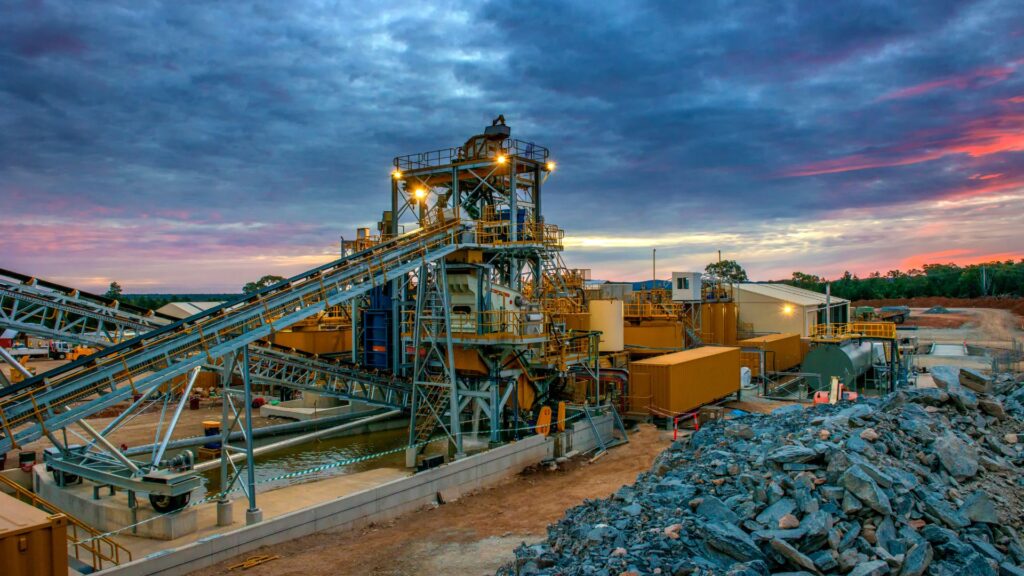
With research around climate change and the damage to our planet only becoming more and more shocking, it’s imperative that individuals and industries alike make a stand for promoting sustainable practices. The mining sector is one that is crucial to many businesses, pulling valuable resources from our planet and using them to support our infrastructures, technologies and daily activities. But mining irresponsibly can have devastating consequences for the environment, as well as for the human and wildlife populations in its surrounding areas. The degradation of natural resources in remote areas can be treacherous for the indigenous communities that live there, and it’s clear that more transparency and ethical practices are needed. Here, we explore three socially responsible mining practices. Protecting local communities Mining continues to be a leading industry for global wealth and trading, with the projected global growth in the industry looking to reach around $2775.5 billion by 2027. Some of the continued growth can be attributed to the introduction of green grants and sustainable financial incentives, with $450 billion being offered in 2022. But whilst this is a step in the right direction, small-scale mines in third-world countries need to do more to protect the local communities in which they operate. As much as 80% of small-scale mining falls outside of any legal framework or regulations, which causes a fatality rate of over 90% higher than mines in industrialised countries for its workers – which often includes women and children. Socially responsible mines must prioritise the health and wellbeing of the local communities, by providing access to fresh water and managing the health risks associated with mining. Transparency Water conservation is a pressing issue in the mining industry, as extractions can require large amounts of water, which means that this vital natural resource is drawn away from the people who depend on it to survive. A mine has a responsibility to ensure protection of the surrounding environment, people and wildlife, by providing access to fresh water and creating a zero-harm environment. Transparency for all mines is essential in order to ensure these standards are met. By closing down illegal mining operations and supporting those willing to pledge green initiatives, we can help reduce global damage from this industry. From reusing mining waste to using eco-friendly equipment, there’s numerous ways to modernise mining and reduce its social and environmental impact. Sustainable development of minerals The mining sector also has a responsibility to support the sustainable and responsible development of minerals used in battery technologies, such as lithium. With electric vehicles becoming sought after modes of transportation, lithium batteries are in high demand. With new technologies ever evolving, mining practices must do all they can to ensure responsible production of the minerals they require. Lithium is a non-renewable resource, and its extraction has similar consequences as that of fossil-fuel mining, with soil degradation, biodiversity loss and CO2 emissions being some of the largest issues. Whilst some companies are looking into the use of more common elements such as iron or silicon for batteries, others are pushing for more eco-friendly ways to extract lithium. As lithium batteries are currently providing a step away from the overmining of fossil fuels, the mining of these minerals is crucial. However, improving lithium extraction methods can help reduce the social and environmental costs of these operations. Working together It’s clear that a globally united approach is key to ensuring we mine responsibly. By taking innovative steps to ensure the extraction of valuable resources is as environmentally friendly as possible, we can help reduce the devastation to our planet from the mining industry. By providing eco-initiatives and modern practices, mines can work to serve and protect the local communities who live around and work in them. This article was written in collaboration with Anne Walton, Consultant | Researcher at Digital Content & Media

Three Socially Responsible Mining Practices Read More »

Embratur and Green Initiative collaborate for climate action

Brazilian Agency for Tourism Promotion – Embratur and Green Initiative Partner to Accelerate Climate Action

Unveiling the “GUIA BRASILEIRO DE AÇÃO CLIMÁTICA PARA EMPRESAS E DESTINOS TURÍSTICOS” In an exciting development aimed at propelling climate action within the tourism industry, the Brazilian Agency for Tourism Promotion, Embratur, has collaborated with the Green Initiative, alongside the Brazilian Ministry of Tourism and FUNDTUR – MS. Together, they are proud to unveil the “GUIA BRASILEIRO DE AÇÃO CLIMÁTICA PARA EMPRESAS E DESTINOS TURÍSTICOS” (Brazilian Guide to Climate Action for Businesses and Tourist Destinations). This comprehensive guide is set to be a valuable resource for all stakeholders in the tourism sector, both within Brazil and worldwide. Official Launch at Abav Expo 23 The “GUIA BRASILEIRO DE AÇÃO CLIMÁTICA PARA EMPRESAS E DESTINOS TURÍSTICOS” is a groundbreaking publication that encapsulates the commitment of these organizations to combat climate change and foster climate action within the tourism sector in Brazil. This guide the way businesses and destinations approach sustainability within the tourism sector. On the 28th., during the ABAV EXPO 23, Embratur will launch the Climate Action Guide for Tourism, a product of Fundtur and Green Initiative, which will be promoted by Embratur to the entire national tourism trade – Marcelo Freixo, President of Embratur, signs the preface of the guide. “And the Climate Action Guide becomes our reference for the trade, indicating the path we must follow to make our destinations and services increasingly sustainable.” – Marcelo Freixo – President, Embratur The launch of the “GUIA BRASILEIRO DE AÇÃO CLIMÁTICA PARA EMPRESAS E DESTINOS TURÍSTICOS” underscores the commitment of Embratur, the Green Initiative, and the Brazilian Ministry of Tourism to drive positive climate action the tourism sector. This initiative is a significant step toward aligning the tourism value chain with the strategic recomendations provided by the Glasgow Declaration for Climate Action in Tourism. “The Glasgow Declaration is a catalyst for increased urgency about the need to accelerate climate action in tourism and to secure strong commitments to support the global goals to halve emissions over the next decade and reach Net Zero emissions as soon as possible before 2050.“ By providing practical and accessible resources, this guide empowers stakeholders in the tourism value chain industry to take meaningful steps towards decarbonization of their activities ensuring that tourism sector in Brazil remains competitive in the long run and directly contributes to the achievement of the Paris Agreement recommendations

Brazilian Agency for Tourism Promotion – Embratur and Green Initiative Partner to Accelerate Climate Action Read More »

Ocho Sur receives 'Carbon Measured' Certification Leading the Way in Sustainable Palm Oil with Green Initiative

Ocho Sur receives ‘Carbon Measured’ Certification: Leading the Way in Sustainable Palm Oil with Green Initiative

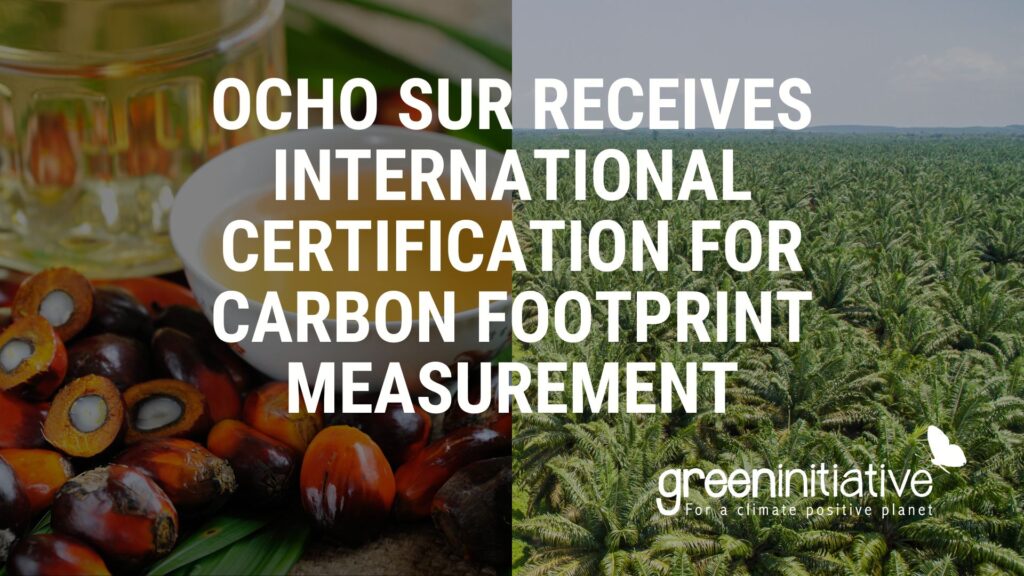
A Landmark in Sustainable Palm Oil Ocho Sur, a company dedicated to sustainable palm oil production in Ucayali, has achieved a significant milestone by obtaining the international certification “Carbon Measured” from Green Initiative. The certification process completed by Ocho Sur complies with the international standards promoted by the United Nations, ensuring consistency and transparency in the measurement of the company’s carbon footprint and its commitment to sustainable development. “The Carbon Measured certification from Green Initiative acknowledges that Ocho Sur has conducted a comprehensive measurement of all greenhouse gas emissions throughout its value chain,” stated Michael Spoor, CEO of Ocho Sur. It is essential for organizations to measure their carbon footprint, as this allows them to identify mitigation measures and establish action plans to achieve carbon neutrality. This initiative drives the company to develop a new generation of products with low carbon emissions or climate-smart attributes, thereby enhancing its market positioning and fostering innovation. Furthermore, it commits the company to accelerate the decarbonization of its activities and to protect local ecosystems in Pucallpa. The work carried out enabled Ocho Sur to strike a balance between generated emissions and emissions captured in its plantations, providing the company with a holistic perspective on mitigation opportunities and positive climate impact. Ocho Sur’s Carbon Measured Journey: Rigorous Certification Process and Impactful CO2 Reduction Initiatives Obtaining the “Carbon Measured” certification is a rigorous process consisting of three main stages: calculate, mitigate, and certify, each with specific sub-stages that ensure the rigor and quality of the study. Since the beginning of its operations, Ocho Sur has been developing strategies and implementing notable initiatives that have allowed it to reduce its CO2. Examples include the implementation of circular economy practices and the utilization of palm waste, such as fiber and husks, to generate biofuel used in boilers. Subsequently, in 2021, they chose to capture the biogas emanating from the stabilization ponds of industrial wastewater treatment. This action represents the second mitigation measure, which enabled the combustion of methane present in the biogas, thus preventing its direct release into the atmosphere. With these initiatives, Ocho Sur is becoming a benchmark for green businesses in the Peruvian Amazon due to its comprehensive focus on sustainable development, centered around forest protection and improvement in the quality of life for the local population. The Peruvian company implements awareness programs for the local population (monitoring workshops), ecosystem protection policies, and mitigation actions as part of its business model, thereby leading a positive change in the region. Partner with Green Initiative for a Sustainable and Impactful Future This achievement calls out to all kinds of businesses that want to help the Earth and society in a good way. At Green Initiative, we stand ready to collaborate with organizations that seek to make a difference in the world. Together, we can drive change, foster innovation, and lead the way to a greener and more sustainable future. Reach out to us today, and let us work hand in hand to forge a path of environmental stewardship and excellence. To learn more about the Green Initiative Certifications and certifying your business, please contact our team of specialists here.

Ocho Sur receives ‘Carbon Measured’ Certification: Leading the Way in Sustainable Palm Oil with Green Initiative Read More »

Sustainable Business Leadership Through Climate Positive Certification

Sustainable Business Leadership Through Climate Positive Certification

Becoming climate positive certified can offer several benefits for a company, both in terms of its environmental impact and its business operations. Here are some reasons why a company might consider obtaining climate positive certification: Environmental Responsibility Climate positive certification signifies a company’s commitment to taking meaningful action to address climate change, meaning that your climate action has gone beyond neutrality, actually creating an environmental and climate benefit by removing additional carbon dioxide from the atmosphere. This can help enhance the company’s reputation as an environmentally responsible entity, appealing to environmentally conscious consumers, investors, and partners. Competitive Advantage In a market where sustainability is becoming increasingly important, being climate positive certified can give a company a competitive edge. Consumers and clients are more likely to support and engage with businesses that are taking concrete steps to reduce their carbon footprint and contribute to a more sustainable future. Risk Management Climate change poses significant risks to businesses, including supply chain disruptions, regulatory changes, and physical impacts. By becoming climate positive certified, a company can demonstrate to stakeholders that it is actively managing these risks and adapting to a changing climate. Innovation and Creativity Pursuing climate positive certification often requires a company to innovate and develop new processes, products, and technologies. This can lead to enhanced creativity within the organization and potentially open up new revenue streams from sustainable products and services. Attracting Talent Many employees, especially those from younger generations, are concerned about climate change and seek employment with companies that share their values. Being climate positive certified can help attract and retain top talent who are passionate about sustainability. Investor Appeal Climate positive certification can make a company more attractive to socially responsible investors who consider environmental performance as part of their investment criteria. This could potentially lead to increased access to funding and improved investor relations. Long-Term Viability Addressing climate change isn’t just about short-term gains; it’s about ensuring the long-term viability of the company in a world affected by climate-related challenges. By obtaining certification, a company demonstrates its commitment to being part of the solution, which can contribute to its overall sustainability and success. Regulatory Compliance As governments and international bodies implement more stringent regulations to mitigate climate change, being climate positive certified can position a company ahead of regulatory requirements, reducing the risk of non-compliance penalties. Stakeholder Engagement Climate positive certification can foster stronger relationships with various stakeholders, including customers, suppliers, communities, and NGOs. This engagement can lead to collaborative efforts and partnerships to address shared sustainability goals. Positive Brand Image Climate positive certification can significantly enhance a company’s brand image, showcasing its dedication to environmental stewardship and inspiring other businesses and industries to follow suit. Ultimately, becoming climate positive certified is not only a responsible decision for the planet but can also yield tangible business benefits by aligning a company’s operations with sustainability goals and positioning it as a leader in its industry. Empower Your Business Journey Towards Climate Positive Certification Today! Calling all visionary business owners and leaders! Unlock the transformative power of sustainability with our expert guidance towards climate positive certification. Elevate your business’s reputation as an environmental leader, gain a competitive edge in the sustainability-focused market, actively manage climate-related risks, foster innovation, attract top talent and investors, and strengthen stakeholder engagement. Let us guide you in shaping a more sustainable and successful future – contact us today to embark on the journey toward climate positive certification.

Sustainable Business Leadership Through Climate Positive Certification Read More »

Estância Mimosa is the first Climate Positive certified ecotourism attraction in the world

Estância Mimosa is the first Climate Positive certified ecotourism attraction in the world

Addressing Climate Change in Tourism: The Glasgow Declaration’s Strategic Framework Climate change is one of the major problems faced by humanity today. Since 2021, the Glasgow Declaration has offered all actors in the tourism sector a strategic framework that encourages the internalization of climate actions in all areas of the tourism value chain: destinations, attractions, companies, and tourists. In this context, Estância Mimosa, a renowned ecotourism tour in Bonito, Mato Grosso do Sul, celebrates an unprecedented achievement for the world tourism sector. It became the first tourist attraction in the world to receive the Climate Positive Certification, granted by the international organization Green Initiative. This achievement highlights Estância Mimosa’s commitment and hard work since its foundation in 1999, not only towards environmental sustainability and the preservation of local biodiversity but also with the climate action goals proposed by the United Nations and the Glasgow Declaration for Tourism. To obtain this prestigious certification, Estância Mimosa started the Green Initiative Certification Cycle in 2023, demonstrating compliance with the organization’s strict criteria of sustainability and environmental responsibility. With this perspective in mind, the INTERNATIONAL SEMINAR ON CLIMATE ACTION IN TOURISM took place in Bonito on July 27, 2023. The event featured the participation of Dr. Saulo Rodrigues, Sustainability and Climate Action Manager, representing the Ministry of Tourism, Edson Barros, as well as Dr. Daniel Galvan from UNFCCC, and Virginia Fernandez-Trapa from the World Tourism Organization, among other stakeholders from the national tourism sector. Estância Mimosa: Leading the Way as a Climate Positive Certified Attraction The Climate Positive Certification demonstrates that Estância Mimosa not only has a neutral balance between its emissions, captures, and offsets but also actively contributes to the mitigation of climate change by preserving and recovering native forests within the limits of the attraction, which account for more than 84 % of the total area of ​​the property. The preservation of these forests guarantees that the carbon in their biomass is not released into the atmosphere through exploitation, and it allows more carbon to be captured by plants during forest restoration. Sustainable Ecotourism Throughout the project, all sources of greenhouse gas emissions from the attraction were quantified for the year 2022 and classified into four categories proposed by the ISO 14064 methodology, namely: The carbon footprint calculation was carried out following the principles of Relevance, Completeness, Consistency, Transparency, and Precision, considering the complete scope 1, 2, and 3 of the attraction. This means that all emissions relating to the operation and the business value chain were assessed in a detailed and standardized manner to allow the comparison of results in the coming years and show the effect of the reduction measures that will be taken. All raw materials used in the attraction were accounted for, from the consumption of fuel and paper to the consumption of rice, meat, and beans. Among the results, we have that the emissions of Estância Mimosa in 2022 were 277.76 tons of CO2 equivalent, which results in 12.46kg of CO2 per visitor received in 2022. The analysis of carbon capture in 2022 was carried out by combining detailed maps of the property’s vegetation cover using UAV technology, satellite images, and studies of forest inventory and carbon capture. ​​Estância Mimosa is a rural property with a significant extension of primary forests and forest regeneration areas, also officially protected by a private reserve – RPPN. This survey found that the forest regeneration areas, equivalent to 89 hectares, captured a total of 460.36 tons of CO2 in their aerial biomass throughout 2022, which is greater than the total emissions of the attraction. Regeneration areas have an accelerated accumulation of biomass in their initial phase of development, which then tends to decrease as the forest becomes more mature. In addition, the carbon stock present in primary forest areas was estimated, which in addition to avoiding greenhouse gas emissions, has an apparent effect on environmental additionality in the region since it is home to a wide range of birds, mammals, and other animals, already identified on the property. Luiza Coelho, Sustainability Director at Estância Mimosa, expressed her gratitude for the recognition and highlighted the attraction’s ongoing commitment to promoting sustainable practices and inspiring other companies in the sector to follow this path. “The Carbon Neutral Certification in the Climate Positive category is an extraordinary milestone for Estância Mimosa and an incentive for us to continue our work in the pursuit of excellence in sustainable ecotourism. We are proud to be leaders in this journey, and we thank all those involved who made it possible “. The Award The Climate Positive Certification was awarded to Eduardo and Simone Coelho, Directors of the Rio da Prata Group (www.gruporiodaprata.com.br), of which Estância Mimosa is part, during the Seminar on Climate Action in Tourism: Global Challenges and Local Opportunities for Innovation, an event held at Sebrae, Bonito, MS on July 27, 2023. About Estância Mimosa Located in Bonito, Mato Grosso do Sul, Estância Mimosa is an acclaimed ecotourism tour known for its lush nature, well-preserved trails, and stunning waterfalls. Committed to sustainability, it offers visitors memorable experiences in harmony with nature. The site is the only tourist attraction in Bonito (MS) that offers trails and waterfalls within a private reserve – RPPN in which it is possible to enjoy direct contact with preserved nature, walk along trails through the forest, see more than 255 species of birds or come across one of the 32 species of cataloged mammals. More information: http://www.estanciamimosa.eco.br Press Contact Name: Luiza Coelho Position: Director of Sustainability of Grupo Rio da Prata E-mail: luiza@gruporiodaprata.com.br Phone: 5567999389064 Become a Climate and Nature Positive Business Green Initiative Certifications are a crucial step towards promoting sustainability and responsible environmental practices across various industries. These certifications are awarded to organizations and businesses that demonstrate a genuine commitment to reducing their carbon footprint, conserving natural resources, and mitigating the impacts of their operations on the environment. By adhering to rigorous standards and guidelines, companies can quantify their greenhouse gas emissions, identify areas for improvement, and implement


Estância Mimosa is the first Climate Positive certified ecotourism attraction in the world Read More »