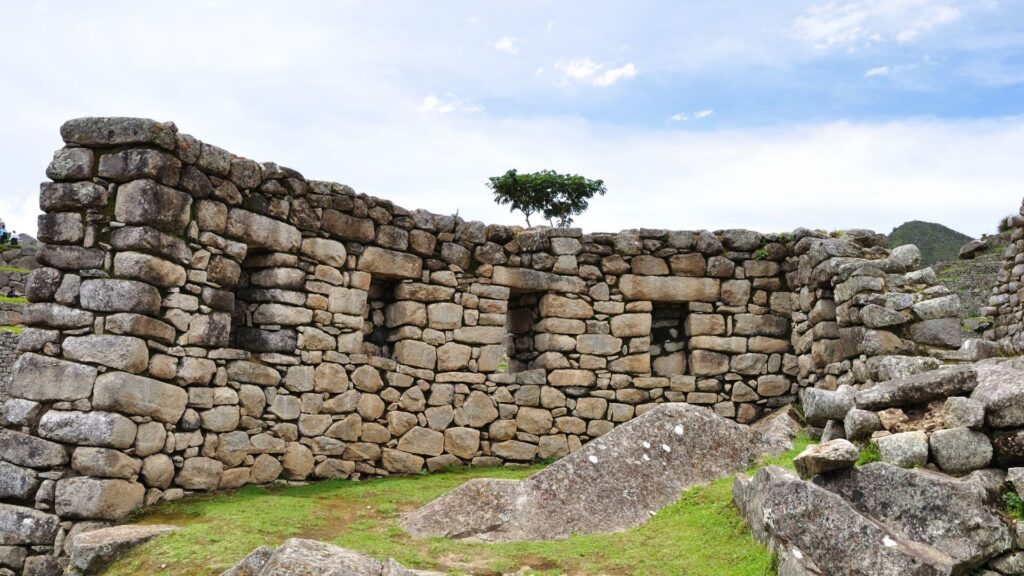
As the world seeks models for regenerative tourism and effective climate action, Machu Picchu continues to stand as a living testament to how cultural heritage and nature can be protected together. Since earning its first Carbon Neutral Certification, the Historic Sanctuary has advanced a long-term vision where conservation, ecological restoration, and sustainable tourism reinforce one another.
This article presents both an analytical overview of the sanctuary’s progress and a special Q&A with Mrs. Ruth Saire, Administrator of the Machupicchu National Historic Sanctuary, whose insights highlight the strategies, values, and collaborations behind Machu Picchu’s leadership in sustainability within Peru and across the region.
Restoring Degraded Areas: A Commitment That Grows Stronger Every Year
The first Carbon Neutral certification represented not only a milestone but also a renewed obligation to protect and restore one of the world’s most iconic landscapes. Since then, Machu Picchu has implemented substantial ecological restoration actions:
- Reforesting critical areas with native species, helping restore the cloud forest ecosystem.
- Rehabilitating eroded zones through bioengineering techniques, stabilizing soils and preventing further degradation.
- Controlling invasive species, allowing native biodiversity to recover naturally.
- Strengthening ecological monitoring systems to track forest regeneration and environmental health with greater precision.
These interventions have increased vegetation cover, improved soil stability, and enhanced the sanctuary’s carbon-capture capacity, ensuring tangible progress toward its sustainability goals.
A Living Classroom: How Machu Picchu Teaches Sustainability to the World
Machu Picchu is more than a historical marvel—it is a dynamic space for environmental education. Through the lens of Andean cosmovisión, the sanctuary communicates values of reciprocity, respect, and balance with nature.
Visitors learn sustainability through:
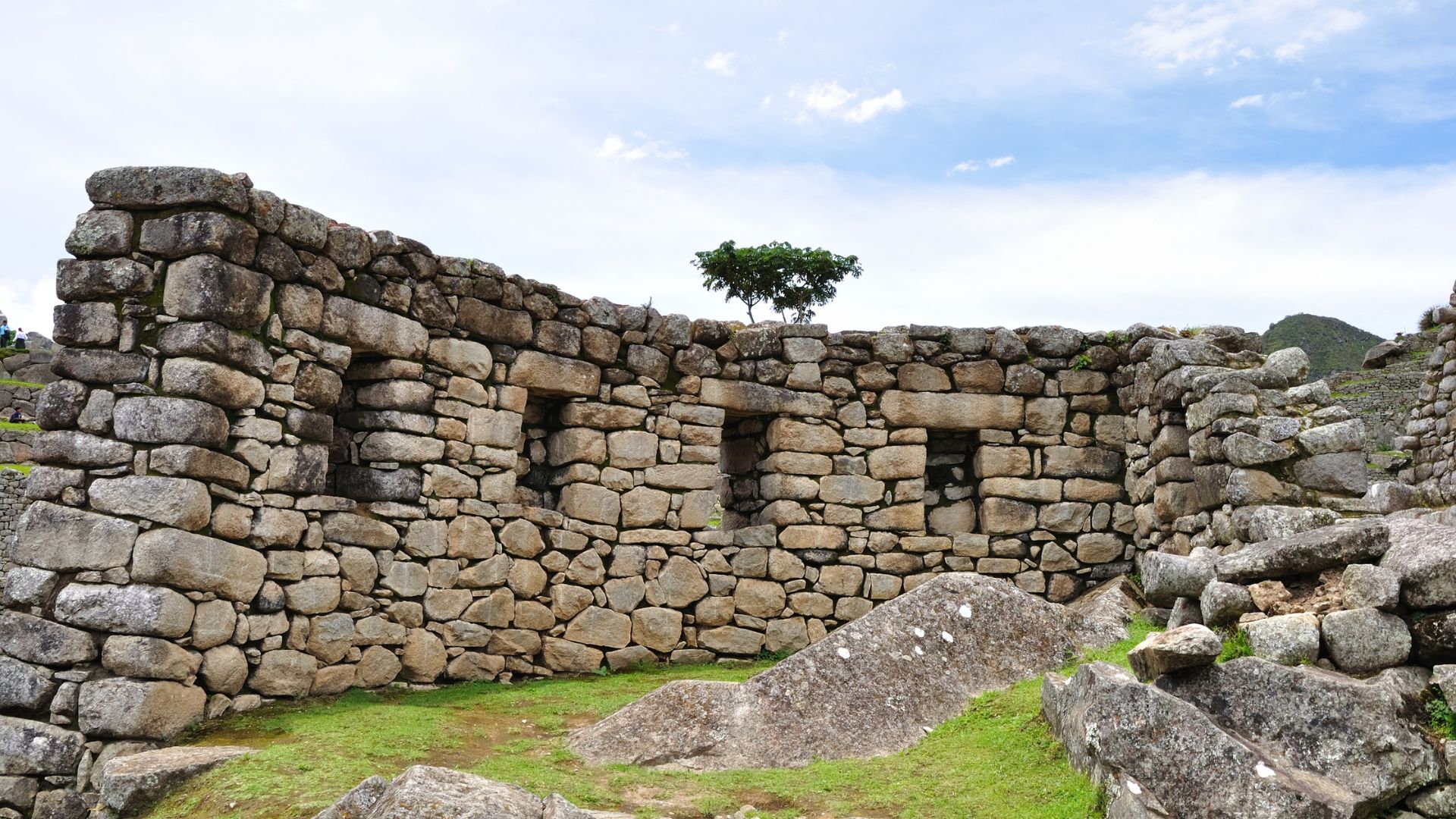
- Inca engineering, which harmonizes construction with the natural mountain environment.
- Interpretive signage, reinforcing conservation, waste responsibility, wildlife respect, and fire prevention.
- The daily work of sanctuary personnel, who guide and model proper environmental behavior.
Thus, each visit becomes an opportunity for personal and collective awareness, promoting sustainable practices far beyond Peru’s borders.
A Beacon for Other Iconic Sites: Tikal, Cristo Redentor, Galápagos, and More
Machu Picchu has become an influential reference point for other renowned natural and cultural destinations. Delegations from Tikal (Guatemala), Cristo Redentor (Brazil), and the Galápagos Islands (Ecuador) frequently visit to study its conservation model and sustainable tourism management.
This growing exchange opens the possibility of developing a regional network of sustainable destinations, strengthening collaboration through:
- Specialist exchanges
- Harmonized environmental management practices
- Joint initiatives in ecological restoration, carbon neutrality, and responsible tourism
Such cooperation would reinforce the region’s leadership in heritage conservation and climate action.
Q&A With Ruth Saire – Administradora del Santuario Histórico Nacional de Machupicchu
In this interview, Ruth Saire reflects on the ecological progress achieved within the sanctuary, Machu Picchu’s impact on visitors, and the importance of collaboration with other emblematic destinations.
1. What concrete advances have been achieved in restoring degraded areas since Machu Picchu’s first Carbon Neutral certification?
“Since the first certification, it has represented both recognition and continuity in our commitment to preserve and strengthen the ecological restoration of the Machupicchu National Historic Sanctuary for the world. We have reforested critical areas with native species, restored eroded zones using bioengineering techniques, controlled invasive species, and strengthened the monitoring of natural regeneration. These actions have increased vegetation cover, improved soil stability, and enhanced the Sanctuary’s capacity to capture carbon, directly contributing to our sustainability goals.”
2. From the cultural perspective, how does Machu Picchu inspire and educate visitors to adopt more sustainable habits?
“From a cultural perspective, we believe that Machu Picchu is a living example of sustainability. The Andean cosmovision expressed here teaches respect, reciprocity, and harmony with nature. Visitors learn by observing how the Incas built by integrating themselves into the environment rather than against it. In addition, the interpretive signage and the work of the Historic Sanctuary’s staff reinforce messages about conservation, responsible waste management, respect for wildlife, and fire prevention. All of this inspires visitors to adopt more conscious and sustainable practices.”
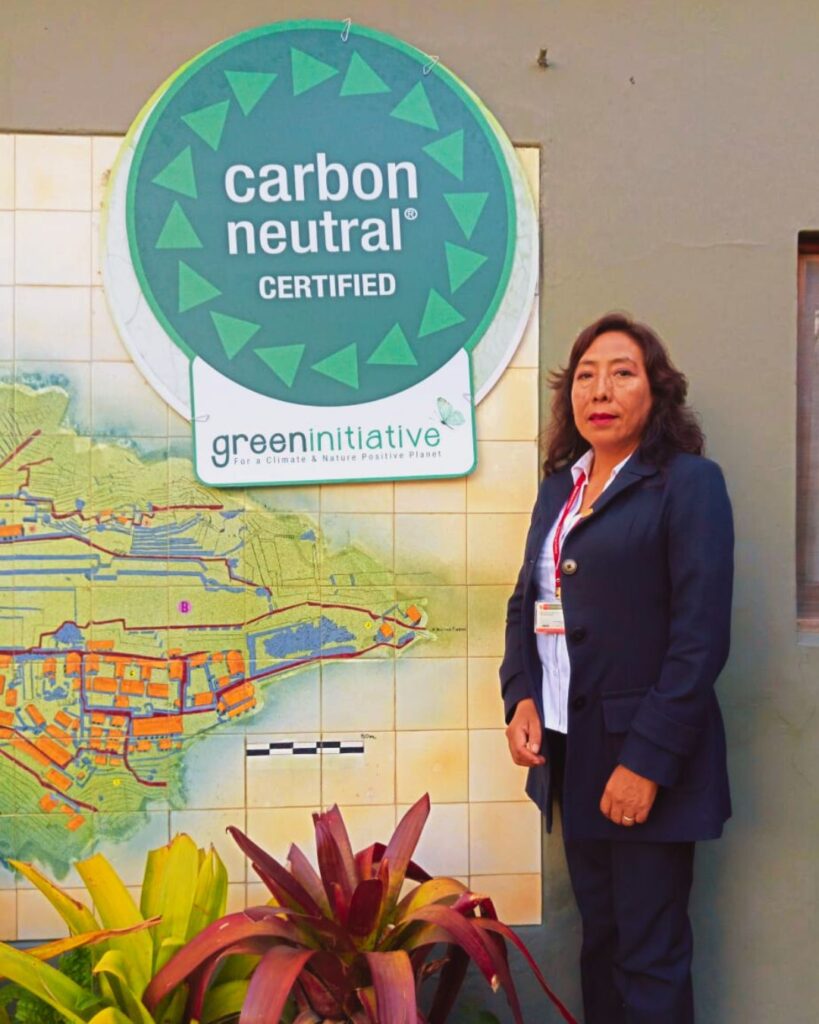
3. How do you perceive the growing interest from other destinations—such as Tikal, Cristo Redentor, or Galápagos—that visit Machu Picchu to learn from its experience? What actions are needed to strengthen collaboration?
“The Historic Sanctuary of Machu Picchu is often compared with destinations such as Tikal, Christ the Redeemer, or the Galápagos, and in those comparisons our image is highly positive. These destinations see us as an international benchmark in the integrated and sustainable management of cultural and natural heritage, which opens opportunities for mutual learning and technical collaboration. To strengthen this relationship, we propose establishing a permanent network of sustainable destinations, promoting exchanges among specialists, harmonizing good environmental management practices, and developing joint projects in restoration, carbon neutrality, and responsible tourism management.”
Conclusion: A Legacy of Stewardship for the Planet
Machu Picchu’s leadership demonstrates how ancient knowledge, scientific rigor, cultural stewardship, and international cooperation can converge into a powerful model for climate-positive world heritage tourism.
With champions like Ruth Saire guiding conservation and sustainable management efforts, the sanctuary continues to protect biodiversity, inspire global travelers, and collaborate with peer destinations—helping shape a future where culture, nature, and climate action thrive together.

This article was written by Musye Lucen from the Green Initiative Team.