Sustainability

Circular Economy Innovations Transforming Business Sustainability for Climate Action

Circular Economy Innovations: Transforming Business Sustainability for Climate Action

The circular economy is consolidating itself as a highly relevant business strategy in reducing carbon footprint, costs, and boosting competitiveness in the market. Its focus lies in closing the product lifecycle to minimize waste generation and optimize resource utilization. The relationship between the circular economy and climate action is undeniable. By reusing, recycling, and sharing existing resources instead of relying on continuous extraction, there is a significant reduction in emissions. This transition not only decreases the need for new materials but also alleviates pressure on ecosystems and contributes to reducing emissions associated with resource extraction. Reusing materials or products and extending their lifespan are essential elements in the circular economy. By prolonging the life of materials, the need for constant production decreases, thereby reducing emissions linked to manufacturing. Repairing and upgrading electronic devices, for instance, not only reduce electronic waste generation but also contribute to decreasing greenhouse gas emissions related to the production of new devices. At Green Initiative, we take satisfaction in introducing circular economy best practices in various companies, thereby contributing to climate change mitigation goals. For example, we have been collaborating with Machu Picchu on several actions to mitigate its environmental impact caused by tourism activities in the area. Embarking on Circular Sustainability: Transformative Innovations One of the standout actions in this effort is the ‘Organic Waste Pyrolysis.’ Since 2019, the town of Machu Picchu has initiated a pyrolysis plant designed to convert organic waste into a product called Biochar. This initiative has been achieved through the joint work of Grupo AJE, InkaTerra, and the District Municipality of Machu Picchu. Biochar not only serves as an effective fertilizer but also significantly improves soil properties while potentially capturing carbon dioxide (CO2) from the atmosphere on its surface. The waste utilized mainly comprises food remnants, diverting them from landfills and consequently reducing methane (CH4) production derived from their decomposition. The generated biochar conspicuously exemplifies circular economy principles by giving waste a new purpose instead of being discarded. Moreover, this product aids in strengthening reforestation in Machu Picchu’s Andean cloud forest, simultaneously promoting agricultural productivity in the region. Another crucial mitigation action in Machu Picchu is ‘Biodiesel Production.’ Since 2018, in partnership with InkaTerra, a specialized transformation plant has been established to convert oils into biodiesel, representing another noteworthy example of the circular economy. It’s important to note that just one liter of oil can contaminate over 1000 liters of water. This initiative helps avoid inappropriate disposal of large quantities of highly polluting oils while promoting the production of a biofuel with significantly reduced greenhouse gas emissions, decreasing these emissions by over 95% compared to fossil fuels. In the textile industry, adidas stands out as a company that has integrated the circular economy into its processes, especially in its sustainable fashion line. The brand uses recycled materials obtained from ocean plastic waste and fabrics manufactured from recycled materials. Additionally, they’ve adopted cruelty-free alternatives and eliminated the use of virgin materials. In essence, they have achieved a significant reduction in their carbon footprint by avoiding the manufacture of new materials. Green Initiative has collaborated with adidas Peru in several efforts aimed at raising awareness and promoting the circular economy. In the gastronomy sector, we’ve collaborated with the SENAC School Restaurant (National Service for Commercial Learning) which recently participated in the 8th World Forum on Gastronomic Tourism by the UNWTO in Donostia-San Sebastián, Spain. At this event, SENAC presented an exemplary case of sustainable practices regarding climate change, showcasing profitable and environmentally responsible strategies within the tourism sector. Their primary focus was on reducing food waste through prevention measures, redistribution, and implementing revaluation processes that transform waste into valuable resources through recycling, composting, or other actions. This not only promotes economic growth through new income sources but also leads to a reduction in greenhouse gas emissions and contributes to a more sustainable food system. Initiatives and practices that exemplify the principles of the circular economy Product Lifecycle Extension Sharing Platforms Waste-to-Resource Innovation Circular Supply Chains Renewable Energy and Resource Efficiency Regenerative Agriculture These examples illustrate diverse approaches within the circular economy framework, showcasing how businesses, communities, and industries can implement strategies to reduce waste, preserve resources, and create a more sustainable and regenerative economy. Sustainable Innovation Driving Efficiency and Collaboration In summary, the circular economy not only represents an environmentally sustainable solution but also positions itself as an innovative strategy that drives efficiency, reduces costs, and carbon emissions. This approach benefits not only businesses but also significantly contributes to sustainability by allowing the connection between different sectors; in other words, one company’s waste can become another’s raw material. It’s expected that these mitigation actions can expand through cooperation with a greater number of companies. The circular economy becomes a key element in transitioning to a more sustainable future, and it’s important to consider that the decisions we make in the next 50 years will have an impact influencing the next 10,000 years. This article was writen by Alberto Urteaga and Erika Rumiche, from the Green Initiative Team.

Circular Economy Innovations: Transforming Business Sustainability for Climate Action Read More »

Lima Airport Partners Leads the Way in Sustainable Aviation Recognized at ACI-LAC Annual Assembly 2023

Lima Airport Partners Leads the Way in Sustainable Aviation: Recognized at ACI-LAC Annual Assembly 2023

The recent ACI-LAC Annual Assembly, Conference & Exhibition 2023 held in Miami showcased the dedication of Latin American and Caribbean airports towards pioneering projects in the aviation industry. The spotlight was on two critical areas – decarbonization and enhancing the passenger experience. Among the standouts was Lima Airport Partners (LAP), whose innovative project, “Sustainable Management of Waste and Materials in the New Jorge Chávez Expansion Project,” earned them the prestigious Green Airport Recognition 2023. Green Airport Recognition 2023 The Green Airport Recognition program is designed to spotlight and promote environmentally sustainable initiatives by airports in the Latin American and Caribbean region. Covering a range of aspects like waste management, energy efficiency, carbon emissions management, and climate change adaptation, this year’s edition was backed by TAV Technologies, a key technology provider in the airport market. Lima Airport Partners was among the fourteen distinguished airport operators recognized for their commitment to sustainable practices. LAP’s winning project, focusing on the sustainable management of waste and materials in the expansion of the Jorge Chávez Airport in Lima, Peru, was a standout example of their dedication to eco-friendly airport development. A Winning Project The “Sustainable Management of Waste and Materials in the New Jorge Chávez Expansion Project” is a testament to Lima Airport Partners’ commitment to setting new standards in airport sustainability. As a new airport city takes shape, LAP is determined to build a future that adheres to the highest national and international socio-environmental standards. This project not only reflects LAP’s dedication to environmental stewardship but also marks a pivotal step towards a sustainable and resilient future. ESG Award 2023 and ACI-LAC Green Airport Award 2023 In addition to the Green Airport Recognition, Lima Airport Partners was also honored with the ESG Award 2023, showcasing their commitment to Environmental, Social, and Governance (ESG) principles. These accolades serve as powerful motivators for LAP, reinforcing their dedication to the development of the new Jorge Chávez Airport with the highest standards and a positive impact on both people and the environment. WorldXChange – A Beacon of Sustainable Innovation Within the Jorge Chávez Airport, LAP’s commitment to green initiatives extends beyond the airport expansion project. A notable example is WorldXChange, a currency exchange office that holds both Carbon Neutral and Forest Friends certifications. Through actively managing and compensating its greenhouse gas emissions, WorldXChange goes a step further by supporting ecosystem restoration in Peru, showcasing LAP’s dedication to not only carbon neutrality, but also to contributing to the restoration of local fauna and flora. Conclusion Lima Airport Partners’ success at the ACI-LAC Annual Assembly 2023 exemplifies the pivotal role airports play in driving sustainable practices within the aviation industry. LAP’s dedication to eco-friendly initiatives, as demonstrated by their winning project and the recognition from industry awards, positions them as a leader in sustainable airport development. As the aviation sector continues to grapple with environmental challenges, LAP’s achievements serve as an inspiring model for other airports in the region and around the world, illustrating that a commitment to sustainability can lead to both operational excellence and positive impacts on the environment To contact us click here.

Lima Airport Partners Leads the Way in Sustainable Aviation: Recognized at ACI-LAC Annual Assembly 2023 Read More »

Sustainable Urban Development A Comprehensive Approach to Climate Neutrality and Fast-Tracking Climate Action

Sustainable Urban Development: A Comprehensive Approach to Climate Neutrality and Fast-Tracking Climate Action

In the ever-growing challenge of climate change, cities worldwide are taking center stage as they navigate the delicate balance between rapid urbanization and environmental sustainability. Combinig “Climate Neutrality and Sustainable Urban Development with Climate Action” serves as a comprehensive guide, outlining a roadmap for cities to achieve climate neutrality. This framework emphasizes the integration of diverse initiatives, addressing the multifaceted aspects of climate change. Simultaneously, the imperative of fast-tracking sustainable urban development with climate action is highlighted, showcasing the need for innovative strategies to transform urban landscapes into resilient, eco-friendly hubs. Understanding Climate Neutrality At the core of sustainable urban development lies the concept of climate neutrality, where cities strive to balance their greenhouse gas emissions with equivalent removal or offset measures. Achieving climate neutrality is a crucial milestone in the global effort to combat climate change, preventing further environmental degradation and securing a sustainable future for urban areas. Key Components of a Combined Climate Neutrality and Sustainable Urban Development Framework Cities that are making it possible There are many cities worldwide proving that sustainable urban development with climate action is prossible, such as Machu Picchu, the world’s first carbon neutral certified tourist destination and Bonito, a brazilian ecotourism destination whis is leading climate action by example, also as carbon neutral certified. Another example is the city of Curitiba, in Brazil, which has just been awarded as the world’s most sustainable smart-city in the world by the World Smart City Awards 2023. Conclusion Combining the “Climate Neutrality Framework” with the imperative of “Sustainable Urban Development with Climate Action” provides a holistic guide for cities. By integrating emission reduction strategies, renewable energy, sustainable transportation, circular economy practices, green infrastructure, community engagement, and innovative policies, urban centers can accelerate their transition to sustainable, resilient hubs. Embracing these initiatives positions cities as beacons of environmental responsibility, leading the way toward a more sustainable and climate-resilient future. At Green Initiative, we empower organizations to integrate climate action at the core of their business models, helping achieve decarbonization targets and comply with international climate action standards. Contact us here. by Yves Hemelryck, from the Green Initiative Team

Sustainable Urban Development: A Comprehensive Approach to Climate Neutrality and Fast-Tracking Climate Action Read More »

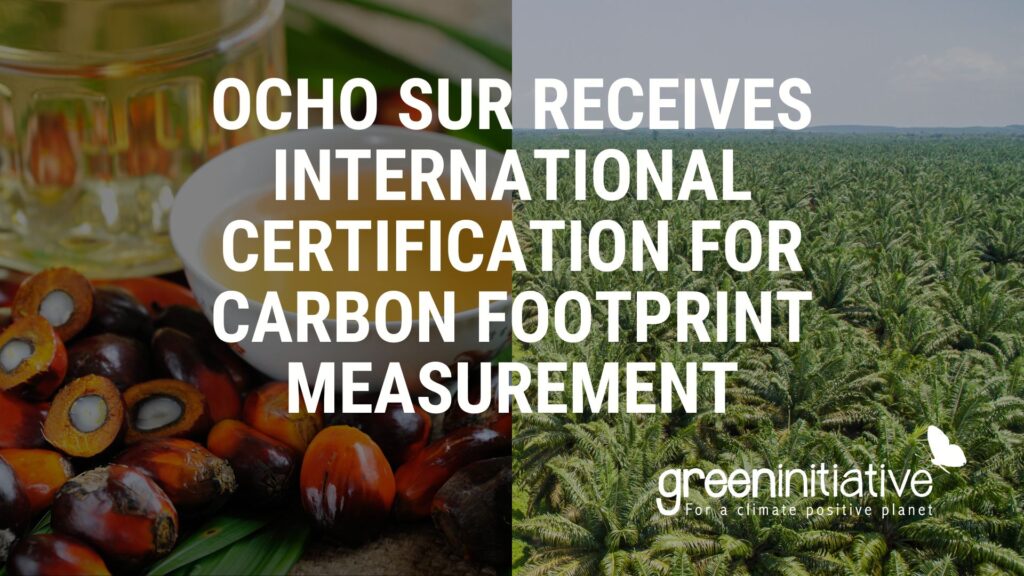
Ocho Sur receives 'Carbon Measured' Certification Leading the Way in Sustainable Palm Oil with Green Initiative

Ocho Sur receives ‘Carbon Measured’ Certification: Leading the Way in Sustainable Palm Oil with Green Initiative

A Landmark in Sustainable Palm Oil Ocho Sur, a company dedicated to sustainable palm oil production in Ucayali, has achieved a significant milestone by obtaining the international certification “Carbon Measured” from Green Initiative. The certification process completed by Ocho Sur complies with the international standards promoted by the United Nations, ensuring consistency and transparency in the measurement of the company’s carbon footprint and its commitment to sustainable development. “The Carbon Measured certification from Green Initiative acknowledges that Ocho Sur has conducted a comprehensive measurement of all greenhouse gas emissions throughout its value chain,” stated Michael Spoor, CEO of Ocho Sur. It is essential for organizations to measure their carbon footprint, as this allows them to identify mitigation measures and establish action plans to achieve carbon neutrality. This initiative drives the company to develop a new generation of products with low carbon emissions or climate-smart attributes, thereby enhancing its market positioning and fostering innovation. Furthermore, it commits the company to accelerate the decarbonization of its activities and to protect local ecosystems in Pucallpa. The work carried out enabled Ocho Sur to strike a balance between generated emissions and emissions captured in its plantations, providing the company with a holistic perspective on mitigation opportunities and positive climate impact. Ocho Sur’s Carbon Measured Journey: Rigorous Certification Process and Impactful CO2 Reduction Initiatives Obtaining the “Carbon Measured” certification is a rigorous process consisting of three main stages: calculate, mitigate, and certify, each with specific sub-stages that ensure the rigor and quality of the study. Since the beginning of its operations, Ocho Sur has been developing strategies and implementing notable initiatives that have allowed it to reduce its CO2. Examples include the implementation of circular economy practices and the utilization of palm waste, such as fiber and husks, to generate biofuel used in boilers. Subsequently, in 2021, they chose to capture the biogas emanating from the stabilization ponds of industrial wastewater treatment. This action represents the second mitigation measure, which enabled the combustion of methane present in the biogas, thus preventing its direct release into the atmosphere. With these initiatives, Ocho Sur is becoming a benchmark for green businesses in the Peruvian Amazon due to its comprehensive focus on sustainable development, centered around forest protection and improvement in the quality of life for the local population. The Peruvian company implements awareness programs for the local population (monitoring workshops), ecosystem protection policies, and mitigation actions as part of its business model, thereby leading a positive change in the region. Partner with Green Initiative for a Sustainable and Impactful Future This achievement calls out to all kinds of businesses that want to help the Earth and society in a good way. At Green Initiative, we stand ready to collaborate with organizations that seek to make a difference in the world. Together, we can drive change, foster innovation, and lead the way to a greener and more sustainable future. Reach out to us today, and let us work hand in hand to forge a path of environmental stewardship and excellence. To learn more about the Green Initiative Certifications and certifying your business, please contact our team of specialists here.

Ocho Sur receives ‘Carbon Measured’ Certification: Leading the Way in Sustainable Palm Oil with Green Initiative Read More »

Estância Mimosa is the first Climate Positive certified ecotourism attraction in the world

Estância Mimosa is the first Climate Positive certified ecotourism attraction in the world

Addressing Climate Change in Tourism: The Glasgow Declaration’s Strategic Framework Climate change is one of the major problems faced by humanity today. Since 2021, the Glasgow Declaration has offered all actors in the tourism sector a strategic framework that encourages the internalization of climate actions in all areas of the tourism value chain: destinations, attractions, companies, and tourists. In this context, Estância Mimosa, a renowned ecotourism tour in Bonito, Mato Grosso do Sul, celebrates an unprecedented achievement for the world tourism sector. It became the first tourist attraction in the world to receive the Climate Positive Certification, granted by the international organization Green Initiative. This achievement highlights Estância Mimosa’s commitment and hard work since its foundation in 1999, not only towards environmental sustainability and the preservation of local biodiversity but also with the climate action goals proposed by the United Nations and the Glasgow Declaration for Tourism. To obtain this prestigious certification, Estância Mimosa started the Green Initiative Certification Cycle in 2023, demonstrating compliance with the organization’s strict criteria of sustainability and environmental responsibility. With this perspective in mind, the INTERNATIONAL SEMINAR ON CLIMATE ACTION IN TOURISM took place in Bonito on July 27, 2023. The event featured the participation of Dr. Saulo Rodrigues, Sustainability and Climate Action Manager, representing the Ministry of Tourism, Edson Barros, as well as Dr. Daniel Galvan from UNFCCC, and Virginia Fernandez-Trapa from the World Tourism Organization, among other stakeholders from the national tourism sector. Estância Mimosa: Leading the Way as a Climate Positive Certified Attraction The Climate Positive Certification demonstrates that Estância Mimosa not only has a neutral balance between its emissions, captures, and offsets but also actively contributes to the mitigation of climate change by preserving and recovering native forests within the limits of the attraction, which account for more than 84 % of the total area of ​​the property. The preservation of these forests guarantees that the carbon in their biomass is not released into the atmosphere through exploitation, and it allows more carbon to be captured by plants during forest restoration. Sustainable Ecotourism Throughout the project, all sources of greenhouse gas emissions from the attraction were quantified for the year 2022 and classified into four categories proposed by the ISO 14064 methodology, namely: The carbon footprint calculation was carried out following the principles of Relevance, Completeness, Consistency, Transparency, and Precision, considering the complete scope 1, 2, and 3 of the attraction. This means that all emissions relating to the operation and the business value chain were assessed in a detailed and standardized manner to allow the comparison of results in the coming years and show the effect of the reduction measures that will be taken. All raw materials used in the attraction were accounted for, from the consumption of fuel and paper to the consumption of rice, meat, and beans. Among the results, we have that the emissions of Estância Mimosa in 2022 were 277.76 tons of CO2 equivalent, which results in 12.46kg of CO2 per visitor received in 2022. The analysis of carbon capture in 2022 was carried out by combining detailed maps of the property’s vegetation cover using UAV technology, satellite images, and studies of forest inventory and carbon capture. ​​Estância Mimosa is a rural property with a significant extension of primary forests and forest regeneration areas, also officially protected by a private reserve – RPPN. This survey found that the forest regeneration areas, equivalent to 89 hectares, captured a total of 460.36 tons of CO2 in their aerial biomass throughout 2022, which is greater than the total emissions of the attraction. Regeneration areas have an accelerated accumulation of biomass in their initial phase of development, which then tends to decrease as the forest becomes more mature. In addition, the carbon stock present in primary forest areas was estimated, which in addition to avoiding greenhouse gas emissions, has an apparent effect on environmental additionality in the region since it is home to a wide range of birds, mammals, and other animals, already identified on the property. Luiza Coelho, Sustainability Director at Estância Mimosa, expressed her gratitude for the recognition and highlighted the attraction’s ongoing commitment to promoting sustainable practices and inspiring other companies in the sector to follow this path. “The Carbon Neutral Certification in the Climate Positive category is an extraordinary milestone for Estância Mimosa and an incentive for us to continue our work in the pursuit of excellence in sustainable ecotourism. We are proud to be leaders in this journey, and we thank all those involved who made it possible “. The Award The Climate Positive Certification was awarded to Eduardo and Simone Coelho, Directors of the Rio da Prata Group (www.gruporiodaprata.com.br), of which Estância Mimosa is part, during the Seminar on Climate Action in Tourism: Global Challenges and Local Opportunities for Innovation, an event held at Sebrae, Bonito, MS on July 27, 2023. About Estância Mimosa Located in Bonito, Mato Grosso do Sul, Estância Mimosa is an acclaimed ecotourism tour known for its lush nature, well-preserved trails, and stunning waterfalls. Committed to sustainability, it offers visitors memorable experiences in harmony with nature. The site is the only tourist attraction in Bonito (MS) that offers trails and waterfalls within a private reserve – RPPN in which it is possible to enjoy direct contact with preserved nature, walk along trails through the forest, see more than 255 species of birds or come across one of the 32 species of cataloged mammals. More information: http://www.estanciamimosa.eco.br Press Contact Name: Luiza Coelho Position: Director of Sustainability of Grupo Rio da Prata E-mail: luiza@gruporiodaprata.com.br Phone: 5567999389064 Become a Climate and Nature Positive Business Green Initiative Certifications are a crucial step towards promoting sustainability and responsible environmental practices across various industries. These certifications are awarded to organizations and businesses that demonstrate a genuine commitment to reducing their carbon footprint, conserving natural resources, and mitigating the impacts of their operations on the environment. By adhering to rigorous standards and guidelines, companies can quantify their greenhouse gas emissions, identify areas for improvement, and implement

Estância Mimosa is the first Climate Positive certified ecotourism attraction in the world Read More »

Methane GAS Emissions and climate change

Methane Emissions and climate change

Anthropogenic methane emissions and their implications for climate change within the next decade The Sixth Assessment Report from the Intergovernmental Panel on Climate Change (IPCC) stresses with high confidence that net greenhouse gas (GHG) emissions since 2010 are characterized by an increasing trend. Particularly, estimates in 2019 state the agricultural sector and other land-use activities are responsible for 22% of anthropogenic, or human-induced, global greenhouse emissions (IPCC, 2022). In this context, carbon dioxide and methane emissions have been identified to be significant contributors to global warming. Carbon dioxide, for example, once emitted into the atmosphere has been estimated to linger for roughly 300 to 1000 years (Buis, 2019) before it is fixed into biomass or mineralized into ocean or land sediments by natural processes. Thus, carbon’s multigenerational lifespan in the atmosphere often leads to a trend in climate action projects centered on reducing carbon dioxide emissions exclusively. However, methane has been found to have 84-87 times the global warming potential (GWP) than carbon dioxide on a 20-year timescale (IPCC, 2022), while estimates using the 100-year timescale, which is commonly adopted by organizations across the globe, shows a mere 24 times difference between the GWP of methane and carbon dioxide. As a result, scientists often stress the need to use cumulative metrics, that do not operate on a timescale, to accurately represent the impact of short-lived climate pollutants, like methane, on global temperatures within the next decade and consequently use this understanding to develop more efficient policies to reduce the negative effects of climate change in the near future (Allen et al., 2018). Governmental policies on methane emissions Due to alarming estimates of methane’s contribution to 30% of global warming to date (IEA, 2022), global methane initiatives strive to promote the use of methane as a clean energy source along with governmental organizations like the Environmental Protection Agency (EPA) that are opting to strengthen their policies against methane emissions, and the European Union (EU), that have set ambitious goals to reduce 30% of their methane emissions by 2030. Particularly, there is increasing scientific and analytical evidence that reducing anthropogenic methane emission by 50% over the next 30 years could help to maintain the global average temperature increase below 2 degrees Celsius and therefore, contribute to the climate goals established in the Paris Agreement. (Mckinsey, 2021; Arndt, 2022) Solutions to the anthropogenic emission of methane in the agriculture sector Promoting the industry switch to reduced methane emissions is not as simple as establishing governmental sanctions across the globe for many reasons, including concerns related to food security. Hence, several solutions are being implemented to reduce methane emissions from the agriculture sector, particularly for livestock, which have been estimated to account for 32% of human-induced methane emissions (UNEP, n.d.). These solutions include: Feed additives Such as garlic, clove, and seaweed, have been found to reduce methane emissions from ruminant animals. These additives can reduce the amount of methane produced during digestion, ultimately leading to lower emissions. Alternative feeds Like oilseed crops or legumes, can improve the quality of feed and reduce the amount of methane produced by animals. Alternative feeds can also help to reduce the amount of land required for grazing and improve soil quality. Breeding and genetics Specialized programs can be used to produce animals that are more efficient in their digestion, thereby reducing the amount of methane produced during digestion. Methane capture and reuse Methane can be captured from livestock manure and reused as a source of energy. This can be done through the use of anaerobic digesters, which can convert manure into biogas that can be used for electricity or heat. Precision livestock monitoring Technologies such as remote monitoring and smart feeding and watering systems can help to improve the efficiency of livestock production and reduce methane emissions. Novel Research in Molecular Engineering: Promising Strategies for Reducing Methane Emissions in Livestock Furthermore, novel research in the field of molecular engineering has a significant potential to reduce methane emissions by manipulating the metabolic pathways of livestock and the microbial communities in their digestive tracts. One solution involves the use of feed supplements that inhibit the activity of methanogens, which are the microorganisms in the rumen of livestock that produce methane during digestion. The results observed a consistent reduction in methane gas emissions by up to 30% for dairy cows and 90% for meat cows in experimental conditions (Palangi & Lackner, 2022). In addition, other studies explored the use of RNA interference molecules (Bradford et al., 2017) to inhibit the expression of certain genes in methanogens, blocking the production of proteins involved in methane production. Other similar approaches use the well-known, and often less costly CRISPR-CAS9 gene-editing tool (Subdei et al., 2022). Although more research is needed to understand the biological mechanisms underlying methanogens, the cost-effectiveness on a large scale, and some ethical considerations involved in gene manipulation, these developments outline a promising future for the reduction of methane emissions in the agricultural industry. Comprehensive Climate Action: Accounting for GWP Metrics and Developing Cost-effective Solutions to Reduce Emissions Despite Green Initiatives’ focus on removing carbon dioxide from the atmosphere, we understand the importance of fighting climate change on all fronts and thus, we consider Global Warming Potential (GWP) metrics to account for the short- and long-lived effects of carbon dioxide, methane, and nitrous oxide. Furthermore, we take climate action to the next level by advising our clients on developing cost-effective, climate-friendly solutions to reduce harmful emissions. Contact us to learn more and become a part of our climate champions. This article was writen by Marc Tristant, from the Green Inititative team. References: Allen, M. R., Shine, K. P., Fuglestvedt, J. S., Millar, R. J., Cain, M., Frame, D. J., & Macey, A. (2018). A solution to the misrepresentations of CO2-equivalent emissions of short-lived climate pollutants under ambitious mitigation. Npj Climate and Atmospheric Science, 1(1). https://doi.org/10.1038/s41612-018-0026-8 Arndt, C., Hristov, A. N., Price, W. J., McClelland, S. C., Pelaez, A. M., Cueva, S. F., Oh, J., Dijkstra, J., Bannink, A., Bayat, A. R.,

Methane Emissions and climate change Read More »

19-04-23 Green Initiative Post The importance of investing in carbon capture technologies

The Importance of Investing in Carbon Capture Technologies

The Earth’s natural carbon sinks: Understanding their vital role in climate change The Earth has a remarkable ability to naturally sequester carbon, through a variety of processes that occur in ecosystems including forests, grasslands, wetlands, soils, and oceans. These natural processes, also known as “sinks,” play a crucial role in removing carbon dioxide, a major greenhouse gas, from the atmosphere and storing it in the Earth’s ecosystems. Although, recent studies suggest significant carbon sinks such as the Amazonia, may no longer be capturing as much carbon as they release. (Denning, 2020) The Impacts of Climate Change on Natural Carbon Sequestration Processes: Disruptions and Consequences Rising temperatures, changing precipitation patterns, and altered ecosystems due to climate change have disrupted natural carbon sequestration processes. For example, climate-induced disturbances such as wildfires, droughts, and floods can disrupt ecosystems, leading to changes in vegetation growth, carbon storage in soils, and oceanic carbon uptake. These combined impacts of climate change and human activities are reducing the Earth’s ability to naturally sequester carbon, contributing to the increase of atmospheric carbon dioxide levels and exacerbating climate change. Exploring the Potential and Limitations of Forest Regeneration as a Climate Mitigation Strategy To counteract the negative effects associated with increasing atmospheric carbon dioxide levels, climate certification and advisory companies most commonly employ the method of forest regeneration. This method is preferred due to the limited amount of required monitoring and maintenance, the added benefits to biodiversity and soil conservation, and its cost-effectiveness. Scientists estimate forest regeneration has the potential to store an equivalent of 25% of the atmospheric carbon pool (Bastin et al., 2019). However, forest regeneration is a time-consuming process and requires large areas of land, often resulting in land-use conflicts. Furthermore, considering the UN’s ambitious goal to reach carbon neutrality by 2050, it is unreasonable to hypothesize all the carbon mitigation will occur through forest regeneration. Carbon Capture and Storage (CCS) and Bioenergy with Carbon Capture and Storage (BECCS): Potential, Limitations, and the Need for Investment Decarbonization can also take place through Carbon Capture and Storage (CCS) and Bioenergy with Carbon Capture and Storage (BECCS). These emerging technologies have the potential to help mitigate the relatively large carbon footprint of aviation, maritime, and heavy industries that are considered hard to abate, as they have limited low-carbon alternatives currently available. For example, estimates suggest that CCS has the potential to capture and store up to 45% of the CO2 emissions from industrial processes. Even in the most conservative scenarios, these technologies are expected to scale up in demand enough to remove at least 2 gigatons per annum (GTPA) of carbon dioxide by 2050. However, we are still at the very beginning of development, with CCS and BECCS requiring large amounts of energy to operate and thus, having a limited carbon capture efficiency. Analyst estimates suggest a 120-fold increase in carbon uptake needs to occur for these technologies to be viable to achieve climate goals by 2050 (McKinsey, 2022) Therefore, private investment in these technologies is essential to achieve global decarbonization as it is only through advancements in material science, manufacturing, and engineering optimizations that we achieve technological improvements. Join the Climate Champions: Partner with Green Initiative for Sustainable Solutions At Green Initiative, we strive to help our clients stay up to date with the latest developments in climate action and provide our clients with the necessary tools and knowledge to set a plan to achieve decarbonization, reduce their carbon footprint, and contribute to a sustainable future. Contact us to learn more and become a part of our climate champions! This article was writen by Marc Tristant, from the Green Inititative team. References: Bastin, J., Finegold, Y., Garcia, C., Mollicone, D., Rezende, M., Routh, D., Zohner, C. M., & Crowther, T. W. (2019). The global tree restoration potential. Science, 365(6448), 76–79. https://doi.org/10.1126/science.aax0848 Denning, A. S. (2021). Southeast Amazonia is no longer a carbon sink. Nature, 595(7867), 354–355. https://doi.org/10.1038/d41586-021-01871-6 Scaling the CCUS industry to achieve net-zero emissions. (2022, October 28). McKinsey & Company. https://www.mckinsey.com/industries/oil-and-gas/our-insights/scaling-the-ccus-industry-to-achieve-net-zero-emissions

The Importance of Investing in Carbon Capture Technologies Read More »

29-03-23 From Fast Fashion to Sustainable Style The Urgent Need to Decarbonize the Fashion Industry - img blog post

From Fast Fashion to Sustainable Style: The Urgent Need to Decarbonize the Fashion Industry

Fashion Industry Valued at Over $2.5 Trillion, but will it remain competitive? The global fashion industry was valued at over $2.5 trillion in 2020 and is projected to grow to $3.3 trillion by 2025. However, the industry’s rapid growth has come at a cost to the environment. According to data, the fashion industry accounts for 10% of global carbon emissions and is the second-largest consumer of water worldwide. Climate Change’s Economic Toll: Fashion Industry Loses Over $4 Billion in 2019 The economic cost of climate change is significant and affects many industries, including fashion. Extreme weather events, such as floods and droughts, disrupt global supply chains, affecting the production and transportation of goods. In 2019, the fashion industry suffered losses of over $4 billion due to the impact of climate change on cotton production. Climate Change Sparks Rise in Sustainable Fashion Market, Valued at $9.81 Billion by 2025 Rising temperatures can also significantly impact fashion customers’ behavior, which in turn can affect the fashion industry’s bottom line. According to a survey by McKinsey & Company, 66% of global consumers are willing to pay more for sustainable products, including clothing. This shift towards sustainability is also reflected in the growth of the global sustainable fashion market, which is projected to reach $9.81 billion by 2025. Transforming the Fashion Industry: Climate Action as a Key Business Strategy to Reduce Environmental Impact Although the fashion industry’s environmental impact is significant, from the production of synthetic fibers to the use of toxic chemicals in textile manufacturing, not to mention that the industry is also known for its high-water consumption, with an estimated 2,700 liters of water required to produce one cotton shirt, introducing climate action at the core of the industry business model, would reduce its carbon footprint, water consumption, and waste generation. Climate Inaction Could Cost Fashion Industry’s Financial and Reputational Losses One compelling argument for the fashion industry to engage in climate action is that failure could lead to significant financial and reputational risks. As climate change becomes an increasingly pressing issue for consumers, investors, and regulators, fashion companies that do not take action to reduce their environmental impact may face negative consequences such as consumer boycotts, regulatory penalties, and decreased investor confidence. Leading Fashion Brands Take Action to Mitigate Environmental Impact and Reap Long-Term Benefits In contrast, companies that take proactive steps to mitigate their environmental impact and demonstrate a commitment to sustainability are more likely to attract consumers and investors who value responsible business practices, potentially leading to long-term financial and reputational benefits.Here are a few recommendations and examples of how lead fashion brands are progressively engaging in serious decarbonization: Overall, strong market arguments exist for the fashion industry to shift towards low carbon emissions and sustainable fashion. By doing so, fashion brands can reduce their environmental impact and appeal to consumers, mitigate risks, improve their reputation, and realize cost savings. Green Initiative Empowers the Fashion Industry to Embrace Sustainability, Mitigate Risks, and Save Costs At Green Initiative, we are working with the Fashion and Textile industry to support them in adopting climate-action best practices that are helping them adapt to intense climate regulation and a net-zero emissions economy. Click here to contact our team of experts and find out how we can help empower your fashion business.

From Fast Fashion to Sustainable Style: The Urgent Need to Decarbonize the Fashion Industry Read More »

Why should the Wine Industry in Latin America Integrate Climate Action at the core of their business models?

Why should the Wine Industry in Latin America Integrate Climate Action at the core of their business models?

The wine industry is one of Latin America’s most important export sectors, especially for countries like Argentina, Chile, and Uruguay. Wine production in Latin America has grown rapidly over the past few decades, accounting for a significant share of global wine production. For example, in 2019, Argentina was the fifth largest wine-producing country in the world, with a production of over 14 million hectoliters, while Chile was the ninth largest, with a production of over 10 million hectoliters (OIV, 2020). On the other hand, Uruguay is a small but significant player in the premium wine market, focusing on high-quality wines (Uruguay XXI, 2021). The Economic Impact of the Wine Industry in Latin America: Job Creation, Tourism, and Export Growth According to a report by the Inter-American Development Bank (IDB), the wine industry in Latin America is an important driver of economic growth, generating jobs and income for rural communities and contributing to the development of the local economy (IDB, 2019). In Argentina, for example, the wine industry generates over 20,000 jobs and contributes to the country’s tourism industry (Wines of Argentina, 2021). In Chile, the wine industry is a significant source of exports, accounting for over 2% of the country’s total exports (Chilean Wine, 2021). Similarly, in Uruguay, the wine industry contributes to the country’s exports and tourism industry, focusing on high-end wines (Uruguay XXI, 2021). Challenges and Opportunities: Why Integrating Climate Action is Essential for the Future of the Wine Industry in Latin America The wine industry in Latin America is facing significant challenges due to climate change. As a result, grape yields, quality, and the industry’s overall sustainability are being affected. In order to address these challenges, it is essential for the wine industry in Latin America to integrate climate action and promote sustainability. In addition to the environmental and social benefits, integrating climate action in the wine industry in Latin America can have economic benefits.  By integrating climate action at the core of their business models, Latin American wine producers can mitigate climate risk and benefit from opportunities to reduce costs, increase efficiency, promote product innovation, and tap into emerging net-zero emissions value chains. EU’s Carbon Border Adjustment Mechanism and Its Implications for the Wine Industry in Latin America The European Union has introduced the Carbon Border Adjustment Mechanism (CBAM) to ensure that imported goods meet the same environmental standards as those produced within the EU. The CBAM is expected to significantly impact the wine industry in Latin America, as it will require exporters from Latin America to pay a carbon price based on the carbon footprint of the exported product. This mechanism will encourage exporters to reduce their carbon footprint and ensure that companies that take proactive measures to reduce their emissions and promote sustainability are more likely to succeed in the European market. Green Initiative: Partnering with Latin American Wine Producers to Implement Climate-Smart Business Strategies Latin American wine producers seeking to integrate climate action into their business models can benefit from expert guidance and support from Green Initiative. Green Initiative’s advisory services specialize in helping companies develop and implement climate action strategies that reduce their carbon footprint, promote climate-smart practices, and connect to emerging net-zero emissions value chains. Through a comprehensive approach that includes science-based carbon footprint assessments, strategy development, and implementation support, Green Initiative can help Latin American wine producers navigate the complex landscape of climate action and take concrete steps to achieve their decarbonization goals. Are you a wine producer in Latin America looking to reduce your carbon footprint and promote climate-smart practices? Contact Green Initiative today and benefit from our expert advisory services. Our team of experienced climate advisors can help you develop and implement customized climate action strategies that meet your business needs and align with emerging net-zero emissions value chains. Take the first step towards a sustainable future – contact us now to learn more!

Why should the Wine Industry in Latin America Integrate Climate Action at the core of their business models? Read More »

Why Logistics Companies Should Provide Climate Smart Services and Gain Competitive Advantages

Why Logistics Companies Should Provide Climate Smart Services and Gain Competitive Advantages

The logistics industry is a vital component of the global economy, responsible for transporting goods and materials worldwide. However, it is also a significant contributor to greenhouse gas emissions and climate change. According to the International Energy Agency (IEA), the transportation sector accounted for 24% of global energy-related CO2 emissions in 2019. As a result, logistics companies are increasingly looking for ways to reduce their environmental impact and promote sustainability. Going Green: Climate-Smart Services in Logistics for a Sustainable Future Climate-smart services are transportation and logistics solutions designed to minimize environmental impact. These services can take many forms, including carbon-neutral shipping, electric or hybrid vehicles, and efficient routing and packaging.Logistics companies can lower their operational costs and improve their bottom line by reducing energy consumption and greenhouse gas emissions. In addition, by promoting sustainable practices throughout the supply chain, logistics companies can help reduce the industry’s overall carbon footprint and contribute to global efforts to combat climate change. Urgent Need for Logistics Companies to Prioritize Climate Action for Sustainable Supply Chains Logistics companies must adopt climate action at the core of their business model to effectively provide climate-smart services. These include investing in fuel-efficient vehicles, optimizing routes, reducing packaging waste, and collaborating with suppliers and customers to promote sustainable practices throughout the supply chain. Green Initiative: Empowering Logistics Companies to Achieve Climate Goals with Advisory and Certification Services Green Initiative’s climate advisory and certification services can help logistics companies achieve these goals. For example, Green Initiative can conduct a carbon footprint assessment to identify areas for improvement, guide high-impact climate action, and offer carbon offsetting programs to help companies mitigate their carbon footprint. Governments and international organizations also implement policies and regulations to promote climate-smart logistics. For example, the International Maritime Organization (IMO) has set targets to reduce carbon emissions from the shipping sector by at least 50% by 2050. The European Union is promoting low-emission vehicles and alternative fuels in transport through initiatives like the Green Deal and the Sustainable and Smart Mobility Strategy. In summary, sustainable logistics is crucial to addressing climate change. Companies and organizations can help build more sustainable logistics systems that benefit both the environment and global trade by employing various strategies to reduce emissions, optimize supply chains, and leverage digital technologies. By partnering with Green Initiative, logistics companies can take a proactive approach to climate action, reduce their environmental impact, and help address the urgent challenge of climate change. Click here to contact us.

Why Logistics Companies Should Provide Climate Smart Services and Gain Competitive Advantages Read More »