Green Initiative

Green Initiative at the One Planet Network Forum 2024

Green Initiative at the One Planet Network Forum 2024

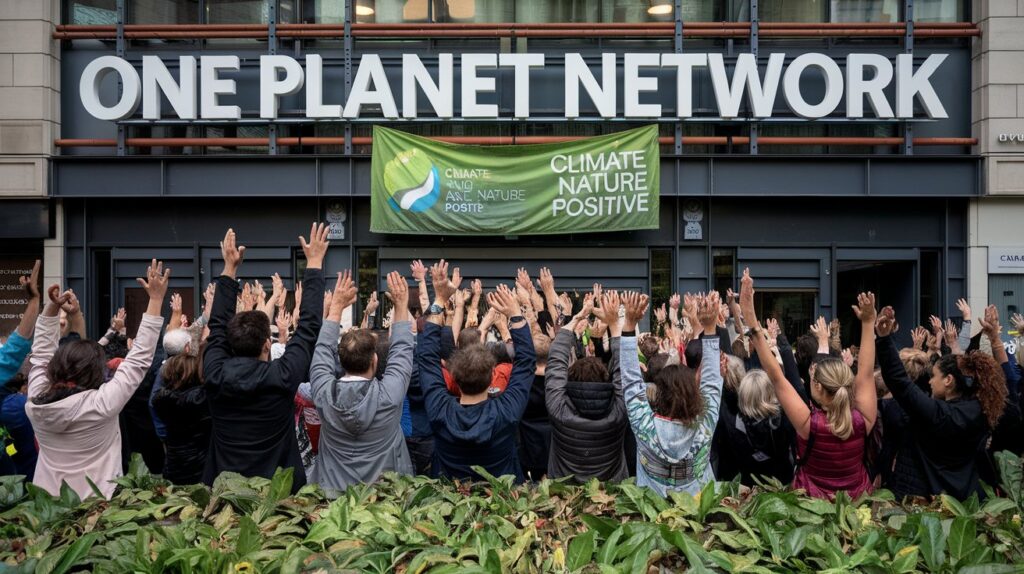
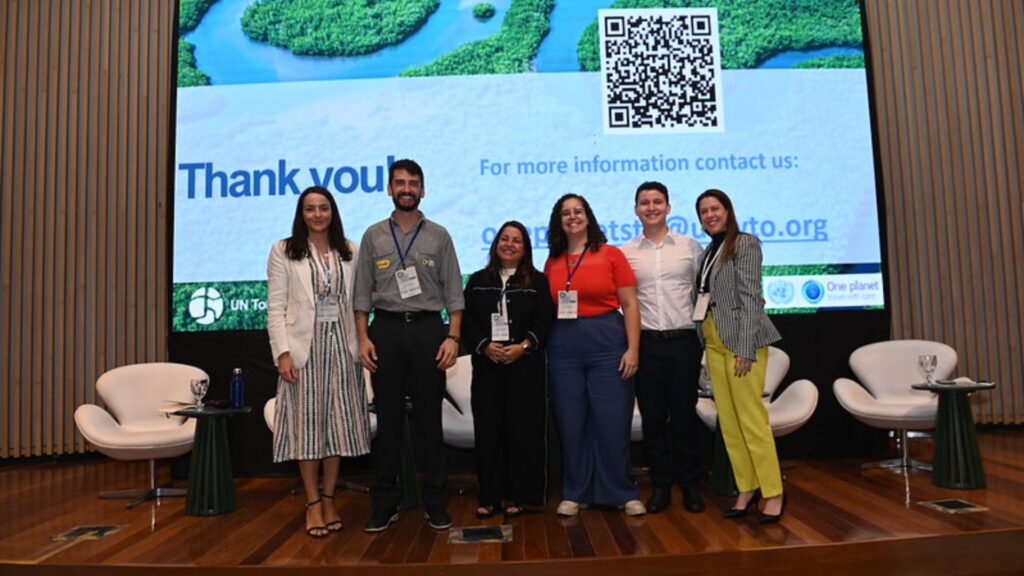
In September, Green Initiative participated in the One Planet Network Forum 2024 in Rio de Janeiro, participating in the panel “Tourism Reimagined: Towards Circular, Low Carbon, Regenerative, and Inclusive Operations.” We shared our work on sustainable tourism and explored how the industry can drive positive environmental change. Our discussion highlighted practical ways to integrate circular economies, low carbon practices, and inclusive approaches in tourism, with valuable contributions from leading organizations like @fundtur.ms, @grupo.cataratas, @embraturbrasil, @unwto, and @unep. This was an inspiring platform to showcase the importance of Climate and Nature Positive organizations and their action initiatives in tourism. As proud signatories of the #GlasgowDeclarationinTourism, we continue to drive climate action in the tourism sector, fostering sustainable operations that benefit both people and the planet—leading by example @greeninitiative.eco. We’re thrilled to congratulate Grupo Cataratas and Amazon Ecopark Jungle Lodge for becoming signatories to the Glasgow Declaration on Climate Action in Tourism! Their commitment to driving climate action in tourism is a decisive step towards reducing emissions and enhancing sustainability within the industry. By joining this global initiative, they are helping to create a more climate-resilient and nature-positive future for tourism. We applaud their leadership and look forward to seeing the positive impact of their efforts! We want to thank all our friends who joined the panel with Matheus Mendes from the Green Initiative team for their brilliant insights during the panel and for contributing to an inspiring discussion. Matheus’s input on circular and regenerative tourism practices was key to demonstrating how tourism can catalyze environmental and social benefits. The collective expertise in the room made for an engaging and impactful session, and we’re grateful to all involved for pushing the conversation forward!

Green Initiative at the One Planet Network Forum 2024 Read More »

Green Initiative Selected as Finalist in the Green Projects Innovation Challenge Pioneering a New Era of Sustainable Tourism in Latin America and the Caribbean (1)

Green Initiative Selected as Finalist in the Green Projects Innovation Challenge: Pioneering a New Era of Sustainable Tourism in Latin America and the Caribbean

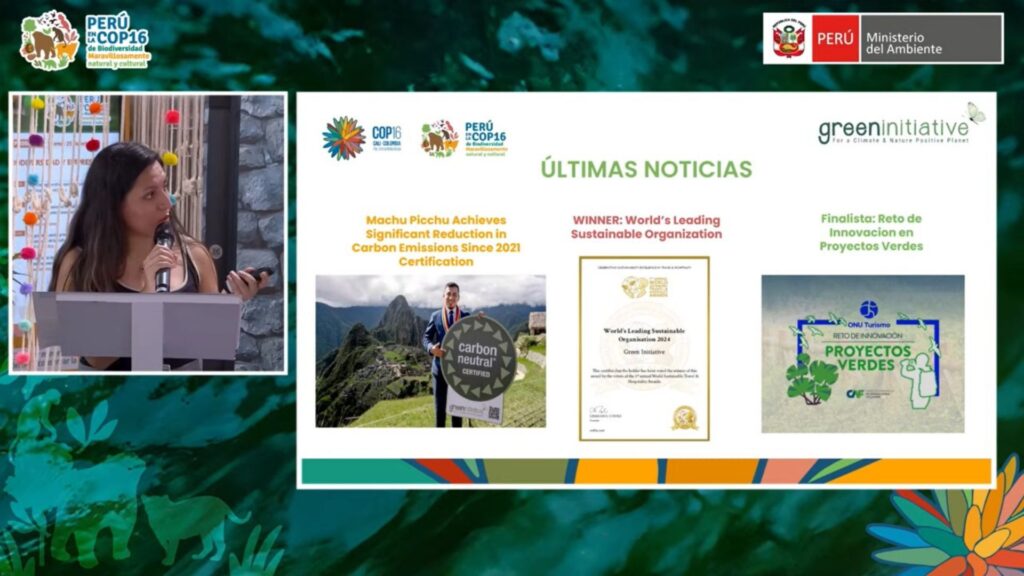
We are thrilled to announce that Green Initiative has been selected as a finalist in the Green Projects Innovation Challenge—a groundbreaking effort led by UN Tourism in collaboration with the Development Bank of Latin America and the Caribbean (CAF). This challenge, designed to accelerate innovation in the tourism sector, aims to reshape the industry by promoting green projects that enhance sustainability, reduce emissions, and generate positive social and economic impact, particularly in rural and community tourism. A Transformative Vision for Tourism The Green Projects Innovation Challenge emerges at a pivotal moment for the tourism industry. As global travel rebounds, there is an increasing call for tourism experiences that captivate travelers and foster ecological and social transformation. With the Latin America and the Caribbean sector showing significant resilience—achieving 87% of 2019 tourism levels between January and July 2023—this is a crucial opportunity to rethink how tourism operates. At the heart of this challenge is a drive to push forward innovation that addresses both environmental imperatives and the evolving demands of travelers who increasingly seek responsible and sustainable experiences. As part of this initiative, the Green Projects Innovation Challenge recognizes the critical role that green projects play in promoting sustainability. The tourism sector, a significant contributor to global economies, must now confront pressing emissions, waste management, and ecosystem preservation challenges. By supporting initiatives that harness new ideas and technologies, UN Tourism and CAF are striving to make tourism a driver of positive change for local communities, ecosystems, and economies. Green Initiative: Driving Decarbonization and Ecological Restoration Green Initiative’s selection as a finalist underscores the impact of our work in decarbonizing and restoring ecosystems, particularly through the innovative application of technology and data. Our model, built on five key stages of decarbonization and validated by international standards, has already generated measurable value for tourism businesses and destinations. By integrating climate action into business models, we empower our clients to reduce emissions while unlocking opportunities for climate-smart innovations in products and services. In line with the goals of the Green Projects Innovation Challenge, we have also focused on strengthening rural and community tourism, a sector with immense potential for sustainable transformation. By driving ecological restoration and reducing the negative impacts of land-use change, our work aligns with the broader mission to enhance the tourism sector’s contribution to climate goals and biodiversity conservation. Innovation to Address Local and Global Challenges The Green Projects Innovation Challenge seeks to empower startups and enterprises that redefine how tourism interacts with nature. This initiative emphasizes not only the reduction of emissions but also the preservation and regeneration of ecosystems and biodiversity across Latin America and the Caribbean. Doing so offers a pathway for tourism companies to meet the growing expectations of environmentally conscious travelers while fostering local economic development. Our commitment to these goals is evidenced by our authorship of critical resources such as the Climate Action Guide for Tourism Businesses and Destinations and the Brazilian Guide to Climate Action for Tourism Businesses and Destinations, developed in partnership with national tourism organizations. These tools provide essential guidance for tourism companies looking to implement sustainable practices and achieve measurable climate impacts. Building a Future of Climate and Nature Positive Regenerative Tourism Being recognized as a finalist in this challenge affirms our leadership in sustainable tourism and motivates us to continue driving change across the industry. Our participation in initiatives such as the United Nations Climate Change—Climate Neutral Now and the Global Covenant of Mayors for Climate & Energy reinforces our commitment to integrating Climate-Positive and Nature-Positive impacts into the tourism sector. As tourism in Latin America and the Caribbean recovers, we are excited to work alongside industry leaders and innovators to ensure this growth is sustainable, inclusive, and transformative. By combining cutting-edge technology with community-focused approaches, we aim to create tourist experiences that are not just memorable, but that also contribute to the long-term health of our planet. A Call for Innovation and Collaboration As we move forward in this challenge, we are eager to collaborate with other visionary organizations and stakeholders who share our mission to make tourism a force for good. Through innovative green projects, we can collectively drive the shift toward a more sustainable tourism industry that prioritizes preserving our natural resources, reducing emissions and uplifting communities. We extend our deepest gratitude to UN Tourism and CAF for recognizing our efforts and for their unwavering support of green projects that are set to transform the tourism sector in Latin America and the Caribbean. Together, we can build a future where tourism plays a leading role in shaping a more sustainable and equitable world. Contact us to receive expert advisory and become a Climate and Nature Positive Certified tourism business or destination. Discover our Climate Positive, Carbon Neutral and Carbon Measured certifications here. Related articles:

Green Initiative Selected as Finalist in the Green Projects Innovation Challenge: Pioneering a New Era of Sustainable Tourism in Latin America and the Caribbean Read More »

Catastrophic Decline in Global Wildlife Populations A System in Crisis

Catastrophic Decline in Global Wildlife Populations: A System in Crisis

WWF’s flagship Living Planet Report details sharp declines in monitored wildlife populations with the steepest drops recorded in Latin America and the Caribbean (95%), Africa (76%) and Asia–Pacific (60%), followed by North America (39%) and Europe and Central Asia (35%). The latest report from the World Wildlife Fund (WWF) has brought alarming news to the forefront: wildlife populations worldwide have suffered an unprecedented 73% decline in just 50 years. This revelation is more than just a statistic—it is a wake-up call that underscores the fragility of our natural ecosystems and the impact of human activities on biodiversity. Over the past 50 years (1970–2020), the average size of monitored wildlife populations has shrunk by 73%, as measured by the Living Planet Index (LPI). This is based on almost 35,000 population trends and 5,495 species of amphibians, birds, fish, mammals and reptiles. Freshwater populations have suffered the heaviest declines, falling by 85%, followed by terrestrial (69%) and marine populations (56%). The Living Planet Report, a detailed analysis of global wildlife trends, exposes how habitat loss, climate change, overexploitation, pollution, and invasive species are driving the decline of species essential to our planet’s health. Without immediate action, we risk crossing irreversible ecological thresholds, with dire consequences for wildlife and humanity. Declines in wildlife populations can act as early warning indicators ofincreasing extinction risk and the potential loss of healthy ecosystems. When ecosystems lose resilience they are more susceptible to additional disturbance and the report examines how the dual crises of nature loss and climate change are pushing the planet closer to dangerous and irreversible tipping points. The Living Planet Report underlines the urgency of the world meeting global goals on nature, climate and sustainable development by 2030. To achieve this, it presents solutions to transform conservation and the energy, food and financial systems in a fair and inclusive way. The report warns that the next five years will be crucial for the future of life on Earth but that there is hope. The Alarming State of Wildlife Decline According to the WWF’s findings, the decline in wildlife populations is not evenly distributed across regions or species. Some areas, particularly those rich in biodiversity like the Amazon rainforest and African savannahs, are experiencing even more severe reductions. For instance, freshwater species have declined by an average of 83%, the most significant drop across any species category. WWF attributes these losses primarily to the following factors: The Ripple Effect: Why Wildlife Decline Matters to Us All Wildlife plays an integral role in maintaining ecosystem balance. The sharp decline in biodiversity directly affects ecosystem services that humans rely on, such as pollination, water purification, climate regulation, and soil fertility. The loss of these services can lead to food and water insecurity, increased natural disasters, and economic instability. Pollinators, such as bees, birds, and bats, are essential for agricultural productivity. Their decline threatens global food supplies and the agricultural economy. Similarly, wetlands and forests act as natural carbon sinks, absorbing greenhouse gases from the atmosphere. As these ecosystems degrade, our ability to combat climate change diminishes, exacerbating global warming and its associated impacts. Economic Implications: Nature’s Positive Value Beyond Measure The financial cost of losing wildlife and degrading ecosystems is immense. According to WWF and other environmental economists, the global economy could suffer trillions of dollars in losses annually if current trends continue. Natural resources provide livelihoods for millions of people, especially in developing countries where eco-tourism, fisheries, and agriculture are primary sources of income. The degradation of ecosystems threatens these economies, leading to job losses, increased poverty rates, and greater social inequalities. Investing in nature conservation is not just about protecting wildlife; it’s about sustaining a healthy economy, ensuring food security, and building resilience against climate-related risks. A Call to Action: What Needs to Be Done Addressing the wildlife crisis requires urgent, collective action at all levels of society. WWF’s report outlines several key strategies for reversing the decline: Green Initiative’s Perspective: Regenerative Tourism as a Solution In alignment with WWF’s call for integrated solutions to the wildlife crisis, Green Initiative, a leader in sustainable development, emphasizes the role of regenerative tourism in transforming how we interact with nature. His upcoming white paper outlines six dimensions of regenerative tourism: Community Engagement, Biodiversity, Climate, Water, Landscapes, and Governance. Regenerative tourism aims to enhance environmental conservation and promote economic development by fostering deeper connections between travelers and local communities. This approach minimizes tourism’s impact on natural habitats and actively contributes to the restoration and preservation of wildlife ecosystems. The Role of Individuals in Wildlife Conservation While large-scale policies and international cooperation are critical, individual actions can also make a meaningful impact. Here are some ways that each of us can contribute to the cause: A Path Forward: Hope Amidst the Crisis Despite the grim statistics, there is still hope. Nature’s resilience means that with dedicated efforts, many ecosystems and species can recover. Success stories of species brought back from the brink of extinction demonstrate that change is possible when humanity unites for a common cause. The WWF’s report serves as both a warning and a guide, highlighting the need for immediate, coordinated action to halt wildlife decline and restore nature’s balance. We can steer the planet toward a more resilient and prosperous future by embracing sustainable practices, investing in conservation, and prioritizing biodiversity in policy and business decisions. Conclusion The unprecedented decline in global wildlife populations is not just a crisis for nature; it’s a crisis for humanity. Our future depends on the health of the planet’s ecosystems. As we stand on the brink of a tipping point, our actions today will determine the legacy we leave for future generations. Now is the time for global leaders, industries, and individuals to act decisively and collaboratively. It’s still possible to make a difference, but the window of opportunity is closing rapidly. Together, we can protect the planet’s biodiversity, secure our future, and create a world where people and nature thrive. For more in-depth insights, visit the WWF’s official

Catastrophic Decline in Global Wildlife Populations: A System in Crisis Read More »

Plastic pollution in the Brazilian coast perceptions from hotel managers on the consumption of disposables

Plastic Pollution In The Brazilian Coast Study: Perceptions From Hotel Managers On The Consumption Of Single-Use Plastic Disposals

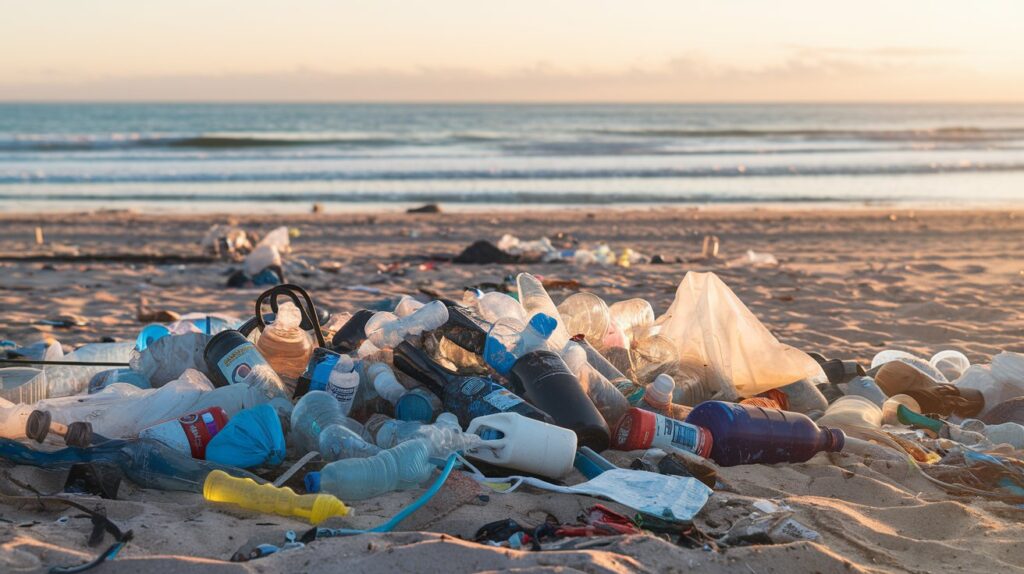
Introduction Plastic pollution is a growing global concern, representing about 12% of all waste worldwide, with production rapidly increasing. By 2019, plastic production reached 396 million tons annually, equating to about 53 kilograms per person per year. Despite this massive production, only 9% of all plastic produced has been recycled. Brazil alone generates 11.3 million tons of plastic waste per year, making it the fourth-largest producer of plastic waste in the world. Single-use plastics (SUPs), like bottles, cups, and packaging, account for a significant portion of this pollution, with their improper disposal leading to severe ecological impacts, particularly in marine environments. The study aims to explore the perceptions of hotel managers on the Brazilian coast regarding the consumption and management of SUPs, their impact on tourism, and the challenges faced in transitioning to more sustainable practices. By focusing on these stakeholders, who play a direct role in managing tourist interactions with the environment, it seeks to provide insights into the broader implications of SUPs for the tourism industry in Brazil. Impact of Single-Use Plastics on Coastal Tourism The study highlights a range of perspectives from hotel managers on the issue of plastic pollution. While some see it as a significant problem that directly affects the attractiveness of coastal areas, others view it as a minor concern. The majority of managers acknowledge the environmental damage caused by SUPs but note that economic factors often drive decision-making, prioritizing cost savings over ecological considerations. Plastic pollution not only mars the natural beauty of tourist destinations but also imposes high cleaning costs on local businesses. Some hotel managers expressed frustration over the lack of government support for waste management, often leaving them to bear the burden of maintaining clean beaches. These efforts are crucial, as the presence of littered beaches can deter tourists and reduce their overall experience, impacting the local economy. Management of Single-Use Plastics in Hotels All participating hotels reported using SUPs, primarily in the form of cups, bottles, and packaging. However, only a small percentage actively engaged in initiatives to reduce or replace these items. Strategies to manage plastic use included replacing plastic straws with biodegradable alternatives, conducting environmental education for guests and staff, organizing beach clean-up efforts, and implementing internal training programs to reduce plastic use. Despite these efforts, several barriers hinder progress toward sustainable practices. Hotel managers cited the unavailability of cost-effective and high-quality plastic alternatives, resistance from consumers who prefer the convenience of disposables, and a lack of strong leadership and investor support as significant challenges. Additionally, many businesses struggled with implementing circular economy principles, indicating a need for more comprehensive industry changes. The Role of Circular Economy in Addressing Plastic Pollution The study underscores the importance of moving from a linear model of consumption and disposal to a circular economy approach. In a circular economy, products are designed to minimize waste and are either reusable, recyclable, or biodegradable. This shift requires a collective effort involving changes in consumer behavior, innovations in product design, and supportive policies from both the private sector and governments. However, the implementation of circular economy principles in the hospitality industry remains limited due to a lack of understanding and the practical challenges of changing established systems. Many hotel managers were unaware of how to integrate these principles into their operations, indicating a need for more education and advocacy around sustainable practices. Impact of the COVID-19 Pandemic on Plastic Use The COVID-19 pandemic has significantly worsened the issue of plastic pollution. The surge in the use of disposable items like masks, gloves, and single-use packaging has contributed to an increase in plastic waste. This situation presents additional challenges for coastal regions that are already grappling with the impacts of plastic pollution on their ecosystems and tourism activities. The pandemic’s impact on waste generation emphasizes the need for a renewed focus on developing sustainable solutions that balance health and environmental concerns. Efforts to reduce plastic use must adapt to the new reality, incorporating hygiene requirements without compromising on sustainability goals. Recommendations for Sustainable Management of Plastics To address the plastic pollution crisis effectively, the study suggests several key strategies: Conclusion The study provides valuable insights into the challenges faced by coastal hotel managers in Brazil regarding the management of SUPs. While there is a growing awareness of the environmental issues posed by plastic pollution, economic concerns and a lack of alternative solutions hinder significant progress. The COVID-19 pandemic has exacerbated these challenges, increasing the demand for disposable items and complicating efforts to reduce plastic waste. To move towards a more sustainable future, there is a pressing need for broader adoption of circular economy principles, stronger regulations, and a shift in consumer and industry behavior. By addressing these challenges, the hospitality sector can play a pivotal role in reducing plastic pollution and safeguarding the natural beauty of Brazil’s coastal regions for future generations. We want to extend our heartfelt thanks to Jaqueline Gil, our Scientific and Technical Advisory Council member, for allowing us to share this important research. The study, titled “Poluição plástica no litoral brasileiro: percepções de gestores de meios de hospedagem sobre consumo de descartáveis,” was authored by David Leonardo Bouças da Silva, Jaqueline Gil, Elimar Pinheiro do Nascimento, Helena Araújo Costa, and Ravel Paixão. Published in the Revista Brasileira de Pesquisa em Turismo (RBTUR), São Paulo, volume 16, e-2481, in 2022. We appreciate the opportunity to bring greater attention to these valuable findings. We recommend the reading of the full study, that can be accessed here: https://doi.org/10.7784/rbtur.v16.2481. If your organization is facing challenges with plastic pollution and the management of single-use plastics (SUPs), we encourage you to contact us at Green Initiative. Our advisory services supports businesses in adopting sustainable practices, navigating the complexities of waste management, and transitioning to a climate and nature positive circular economy model. By partnering with us, you can overcome these obstacles and take meaningful steps toward reducing your environmental impact while enhancing your climate and nature sustainability credentials. Contact us here. Suggested articles:

Plastic Pollution In The Brazilian Coast Study: Perceptions From Hotel Managers On The Consumption Of Single-Use Plastic Disposals Read More »

Welcome Érico Mendonça: A Pioneer and Visionary in Sustainable Tourism

We are thrilled to welcome Érico Mendonça, a visionary leader in Brazilian tourism, to our community. With over 35 years of experience shaping the tourism landscape in Brazil, Érico has held pivotal roles, including Secretary of Culture and Tourism for Salvador da Bahia and Superintendent of Tourism Investments for Bahia. He played a crucial role in coordinating the PRODETUR program, which boosted tourism development in the region. Érico’s expertise spans beyond tourism management; he has also made significant strides in tourism-real estate projects, serving as CEO of Prima S.A. His innovative leadership has resulted in landmark developments that blend economic growth with environmental stewardship. Érico is a Senior Consultant for Tourism Development Projects and co-author of the Brazilian Climate Action Guide for Tourism Destinations, a testament to his unwavering commitment to sustainable tourism. His body of work includes numerous publications on the intersection of tourism, socioeconomic development, and real estate in Brazil, making him a thought leader in the field. His notable contributions include: Érico’s work continues to influence how tourism can drive development while fostering environmental responsibility, and we continue to look forward to the impact his forward-thinking ideas will bring to the future of tourism and sustainability. Welcome Érico! #RegenerativeTourism #ClimateAndNaturePositiveTourism 💚🌍🌳🐒👨‍👩‍👧‍👦🏆

Welcome Érico Mendonça: A Pioneer and Visionary in Sustainable Tourism Read More »

Celebrating World Tourism Day with a Global Milestone Green Initiative Wins as World's Leading Sustainable Organisation

Celebrating World Tourism Day with a Global Milestone: Green Initiative Wins as World’s Leading Sustainable Organisation

On this World Tourism Day, Green Initiative is honored to share a significant achievement: winning as the World’s Leading Sustainable Organisation at the 2024 World Sustainable Travel & Hospitality Awards! This recognition underscores our commitment to a greener, more sustainable tourism industry that regenerates rather than depletes. We extend our deepest gratitude to everyone who voted for us and supported our mission to lead the way in sustainable tourism, climate, and nature positive business. This achievement is as much yours as it is ours!” A Legacy of Impactful Tourism Green Initiative has always believed that tourism can be a driving force for good. We’ve pioneered sustainable tourism practices that balance business competitiveness with ecological preservation through our work with partners like Inkaterra Hotels, WorldXchange, and CEPA (Customized Educational Programs Abroad). What It Means to Be the World’s Leading Sustainable Organisation Winning this prestigious award is more than a recognition—it’s a reminder of our responsibility. From reducing the carbon footprints of our certified businesses to pioneering regenerative tourism models, we’ve made great strides in proving that tourism can benefit both people and the planet. Our Ongoing Commitment As we celebrate this milestone, we reaffirm our dedication to continuing our work with partners and clients worldwide to reduce emissions, restore ecosystems, and create sustainable livelihoods for local communities. As we mark World Tourism Day and celebrate this momentous win, we invite you to be part of this journey. Let’s work together to make travel sustainable, responsible, and regenerative—so that future generations can continue to explore the world while preserving its natural beauty. Designated Sites are Integrating Climate Action UNESCO-designated sites like Bonito and Machu Picchu are leading the way in integrating climate action into tourism through innovative practices such as carbon measurement, ecosystem restoration, and waste management solutions. By adopting climate-smart approaches, these destinations are not only reducing emissions but also enhancing community resilience and attracting eco-conscious travelers. Green Initiative’s collaboration with these iconic sites showcases how tourism can actively contribute to global climate goals and serve as a model for sustainable tourism worldwide. Explore our full article to learn how UNESCO Sites Are Pioneering Climate Action in Sustainable Tourism, and leading by example here. We highly recommend downloading Green Initiative’s Climate Action Guide for Tourism Destinations. This essential resource offers practical tools for reducing emissions, improving resource efficiency, and aligning with global climate goals. By following the guide, destinations can enhance resilience, attract eco-conscious travelers, and lead in sustainable tourism. It’s a must-have for those committed to making a positive impact. Contact us to learn more about our projects, certifications, and how we’re working with companies globally to shape a sustainable tourism industry.

Celebrating World Tourism Day with a Global Milestone: Green Initiative Wins as World’s Leading Sustainable Organisation Read More »

What Are Green Bonds and Why Are Prices So Low - Green Initiative

What Are Green Bonds and Why Are Prices So Low?

In recent years, green bonds have become a powerful financial instrument, playing a key role in addressing the global challenge of climate change and funding sustainability projects. These bonds support environmentally beneficial initiatives such as renewable energy, biodiversity conservation, and sustainable infrastructure, offering both financial returns and a tangible positive impact on the environment. Despite the promise they hold, green bond prices have been lower than expected due to several market factors. However, the future of green bonds is incredibly bright, with a growing alignment between investor demand and sustainability objectives. Understanding Green Bonds Green bonds operate like traditional bonds but serve a higher purpose—financing projects dedicated to environmental sustainability. Governments, corporations, and institutions issue these bonds to fund projects such as renewable energy development, energy efficiency improvements, and biodiversity conservation initiatives. Green bonds provide an innovative solution to global environmental issues, allowing investors to support the transition to a low-carbon economy while securing returns. Moreover, the market for green bonds is expanding rapidly. With governments and corporations pledging to meet net-zero emissions targets, the demand for green financing climate and nature positive instruments is expected to continue accelerating. Green bonds are thus well-positioned to become a mainstream financial tool for a sustainable future. Why Are Green Bond Prices So Low? Several factors explain why green bond prices have been lower recently: Increasing Supply of Green Bonds As the issuance of green bonds has surged globally, supply now outpaces demand in certain markets. However, this increase in supply is a positive sign that sustainability-focused financing is becoming mainstream. As more investors adopt ESG (Environmental, Social, and Governance) strategies, demand for green bonds is expected to catch up, potentially driving prices higher in the future. Rising Interest Rates Like all fixed-income instruments, green bonds are affected by interest rates. In a rising rate environment, newly issued bonds offer higher yields, making older green bonds less attractive. However, this is a temporary challenge. As central banks stabilize interest rates, green bonds—especially those tied to long-term climate and nature positive environmental projects—will regain their appeal. Perceived Risk of Green Projects While some green bonds finance projects in emerging sectors or developing regions, where risks may be perceived as higher, this is also an opportunity. Investors who understand the long-term potential of green technologies and climate and nature positive sustainability initiatives recognize that these bonds support transformative projects that can generate both environmental and economic returns. Greenium and Market Maturity The concept of greenium, or the premium investors have historically paid for green bonds, is evolving. As the green bond market matures and expands, greenium has diminished, making these bonds more accessible. This signals a healthy market transition, where green bonds no longer command higher prices but instead offer competitive returns, aligning with the expectations of mainstream investors. Greenium and ESG Investment Strategies Green bonds are increasingly attractive to investors seeking to align their portfolios with ESG goals. The diminishing greenium, while lowering bond premiums, actually enhances the accessibility of green bonds, offering competitive returns without sacrificing sustainability. As the market for green finance grows, companies with high ESG commitments, particularly climate and nature positive, are likely to attract more capital, driving even more innovation and positive environmental impact. For investors with a long-term view, green bonds provide a unique opportunity to support projects with positive externalities while maintaining attractive returns. This alignment of financial and environmental performance makes green bonds a compelling part of any sustainable investment strategy. A Quote on Brazil’s Green Bond Market Green bonds have emerged as an essential tool for financing sustainable projects, significantly contributing to the transition to a low-carbon economy. In Brazil, the green bond market is still in its growth phase but already shows enormous potential. Since the first issuance in 2015, the country has accumulated around USD 11.2 billion in issuances. The growth of this market in Brazil is driven by the increasing demand for sustainable investments, both from institutional investors and individuals concerned about the environmental impact of their investments. Additionally, the greenium, which is the price premium that investors are willing to pay for green bonds, is directly related to the supply and, more importantly, the demand for these bonds. This phenomenon is reinforced by the commitments made by large asset managers and financial institutions to direct resources towards projects that promote sustainability. With the growing awareness of climate change and the need for concrete actions, the green bond market in Brazil has significant room for growth. The expectation is that, with favorable public policies and the continuous engagement of the private sector, we will see a substantial increase in green bond issuances in the coming years, contributing to a more sustainable and resilient future. Quotes Marcos Lima, ESG Finance and Investment Banking – Lecturer at FEBRABAN and Coordinator of Sustainable & Climate Finance at BV Bank. A Bright Future for Green Bonds Looking ahead, the future of green bonds is incredibly promising. Several factors will fuel their growth: Increasing Regulatory Support Governments are implementing policies to promote sustainable finance, including green bonds. The European Union’s Green Bond Standard is setting the stage for stronger frameworks that ensure the transparency and integrity of green bonds. These regulations will encourage more issuers to enter the market and provide investors with confidence in the impact of their investments. Climate Commitments and Global Demand With global climate commitments like the Paris Agreement pushing governments and corporations to reduce carbon emissions, the demand for green finance will only grow. Green bonds are at the forefront of financing this transition, offering an efficient way to raise capital for large-scale environmental projects. Investor Appetite for Sustainable Assets As more investors integrate sustainability into their strategies, green bonds will continue to be a key part of the solution. The narrowing greenium makes these bonds more attractive to a broad range of investors, enabling green bonds to move from a niche product to a mainstream asset class. This growing demand, coupled with an increase in green bond issuance, is expected

What Are Green Bonds and Why Are Prices So Low? Read More »

How Destinations Can Become Climate Certified and Why It Matters - Green Initiative

How Destinations Can Become Climate Certified and Why It Matters

In today’s climate-conscious world, destinations seeking to be Climate Certified must follow a structured process, provided by Green Initiative. The certifications align them with international sustainability frameworks, including the Paris Agreement and Glasgow Declaration. Here’s how destinations can get certified, and why they should do so. Steps to Climate Certification Why Pursue Certification? Inspiration from Machu Picchu’s Journey A prime example of climate certification success is Machu Picchu, which was recently recertified as Carbon Neutral after achieving an impressive 18.47% reduction in carbon emissions since its 2021 certification. This ancient site has become a global leader in sustainable tourism by implementing comprehensive emission reduction measures, waste management systems, and reforestation projects. Machu Picchu’s journey proves that iconic destinations can effectively align their operations with climate goals while preserving their cultural and natural heritage. By achieving climate certification from Green Initiative, destinations contribute to the global fight against climate change and position themselves as top choices for responsible travelers and businesses. The certification process fosters resilience, ensures compliance with international standards, and paves the way for a sustainable future. You can read the full story here for more on Machu Picchu’s inspiring climate action. How UNESCO-Designated Sites Are Leading Climate Action Destinations looking to achieve climate certification can draw inspiration from UNESCO-designated sites, which are actively integrating climate action into their preservation efforts. As outlined by Green Initiative, UNESCO sites like natural reserves and cultural landmarks are adopting sustainable practices to safeguard both heritage and ecosystems. These sites are not only reducing emissions but also enhancing climate resilience by protecting biodiversity, demonstrating that climate-conscious tourism is feasible and essential for long-term conservation. For more on this topic, visit here. Bonito’s Leadership in Climate Action Another outstanding example of climate certification is Bonito, a renowned ecotourism destination in Brazil. Bonito achieved climate certification through its commitment to sustainability, implementing actions that have reduced its carbon footprint while preserving its natural wonders. Bonito’s certification underlines the importance of eco-friendly practices in tourism, proving that destinations can thrive while protecting their ecosystems. City mayors and tourism leaders can follow Bonito’s lead by engaging with Green Initiative to guide their climate action efforts. “We are here today because this is the result of work done by the destination for many years. Bonito is inherently responsible, and this certification is not just an award but a global commitment that Bonito makes to the world, to become an even more responsible destination. This achievement reflects decades of responsible management, environmental care, and the dedication of local businesses and guides. Celebrate, but also remember that we have an even greater commitment moving forward to achieve more in the coming years.” – Bruno Wendling, president director of Fundtur, emphasized the importance of Bonito’s long-standing efforts in achieving certification. For more information, see here. A Call to Action for City Mayors and Tourism Secretariats City mayors and secretariats play a critical role in shaping sustainable tourism and reducing their cities’ environmental impact. By partnering with Green Initiative, cities can embark on a journey toward climate certification, ensuring a resilient future while promoting eco-friendly tourism. Green Initiative offers expert advisory and guidance, resources, and certification programs to help cities reduce their carbon footprint, protect and restore ecosystems, and lead the way in global climate action. We encourage city leaders to contact us to explore how their destination can become climate-certified and set a benchmark for sustainable urban tourism. We strongly encourage downloading Green Initiative’s Climate Action Guide for Tourism Destinations here. This comprehensive guide provides essential tools and strategies for reducing emissions, improving resource efficiency, and aligning with global climate commitments. By following the steps outlined in the guide, destinations can build resilience, attract eco-conscious travelers, and lead the way in responsible tourism. It’s a critical resource for those ready to take meaningful action for the future. Reach out to us today to start your city’s climate journey!

How Destinations Can Become Climate Certified and Why It Matters Read More »

Kuoda Travel Obtains Climate Positive Certification, Reaffirming Its Leadership in Sustainable Tourism

Kuoda Travel Obtains Climate Positive Certification, Reaffirming Its Leadership in Sustainable Tourism

Kuoda Travel, a leading travel agency specializing in creating personalized experiences in South America, has achieved the prestigious Climate Positive certification by Green Initiative. This recognition goes beyond carbon-neutral status and positions the company as a pioneer in sustainable tourism in the region. Since 2014, Kuoda Travel has worked closely with Green Initiative to measure and manage its carbon footprint. This involves a comprehensive assessment of all the emissions generated by its operations, including transportation, accommodations, and activities. Furthermore, engaging in initiatives to offset and mitigate these emissions, such as supporting reforestation projects and investing in renewable energy. The agency had previously obtained Carbon Neutral certification after meticulously measuring and offsetting its carbon footprint through sustainable regional projects. With the recent attainment of the Climate Positive certification, Kuoda neutralizes its greenhouse gas emissions and creates a positive impact on the environment. The Climate Positive certification was obtained after measuring and offsetting 100% of the emissions generated in 2023, with the additional contribution of tree planting in critical areas for ecosystem restoration, such as in Madre de Dios, Peru. This achievement reflects Kuoda Travel’s unwavering commitment to protecting the natural environment and its long-term vision to drive positive change in the tourism industry. “At Kuoda Travel, we have always believed in the importance of traveling consciously, respecting, and preserving the natural wonders we explore with our clients” said Mery Calderón, founder and director of Kuoda Travel. “This commitment is reflected in our tourism operations and the events and activities we organize. By becoming a Climate Positive company, we are not only maintaining our commitment to carbon neutrality but also striving to create a real and lasting impact for future generations.“ Kuoda Travel continues solidifying its leadership in sustainable tourism with a range of initiatives. These include ecosystem restoration projects, supporting renewable energy projects by purchasing carbon credits, promoting regenerative tourism that benefits local communities and the environment, and implementing responsible practices in its operations, such as waste reduction and energy efficiency measures. These initiatives are part of their ongoing commitment to sustainability and belief that responsible tourism can make a positive impact on the world. About Kuoda Travel Founded in 2008, Kuoda Travel is a luxury travel agency based in Cusco, Peru, specializing in designing unique and personalized experiences in South America. The name Kuoda evokes expansion, improvement, learning, and growth, values that guide the company in its meticulous approach to attention to detail and sustainability. Over the years, they have been recognized for excellence in service and unwavering commitment to responsible tourism practices. This commitment has led them to set new standards in the industry, ensuring a responsible and sustainable travel experience for their clients. Their recent achievement of the Climate Positive certification is a testament to this commitment and long-term vision to drive positive change in the tourism industry.For more information, visit https://www.kuodatravel.com/about-us/. Written by Virna Chávez, from the Green Initiative Team.

Kuoda Travel Obtains Climate Positive Certification, Reaffirming Its Leadership in Sustainable Tourism Read More »

Green Initiative Regenerative Tourism International Webinar The New Dimension for Ecological Sustainability and Long-term Business Competitiveness

Reimagine Tourism: Register Now for the International Webinar ‘Regenerative Tourism – The New Dimension for Ecological Sustainability and Long-Term Business Competitiveness’

Hosted by leaders in sustainable tourism and environmental restoration, this webinar is your opportunity to dive deep into the principles and practices that are shaping a new era of tourism—one that not only sustains but regenerates the planet. Why Attend? Event Details Date: Wednesday, 28th AugustTime: 10:00 AM EDT / 16:00 CESTPlatform: Google MeetRegistration is FREE! Secure your spot now and join the movement towards a sustainable and regenerative future. 👉 Register Here This is your chance to connect with leading experts and discover how you can contribute to a tourism industry that regenerates the planet and remains competitive. By attending, you’ll take a significant step towards our planet’s protection and future. Let’s make a difference—together.

Reimagine Tourism: Register Now for the International Webinar ‘Regenerative Tourism – The New Dimension for Ecological Sustainability and Long-Term Business Competitiveness’ Read More »