Ecosystem Restoration

Restoring Mountain Ecosystems Lessons, Success, and Future Endeavors - Green Initiative Forest Friends

Restoring Mountain Ecosystems: Lessons, Success, and Future Endeavors

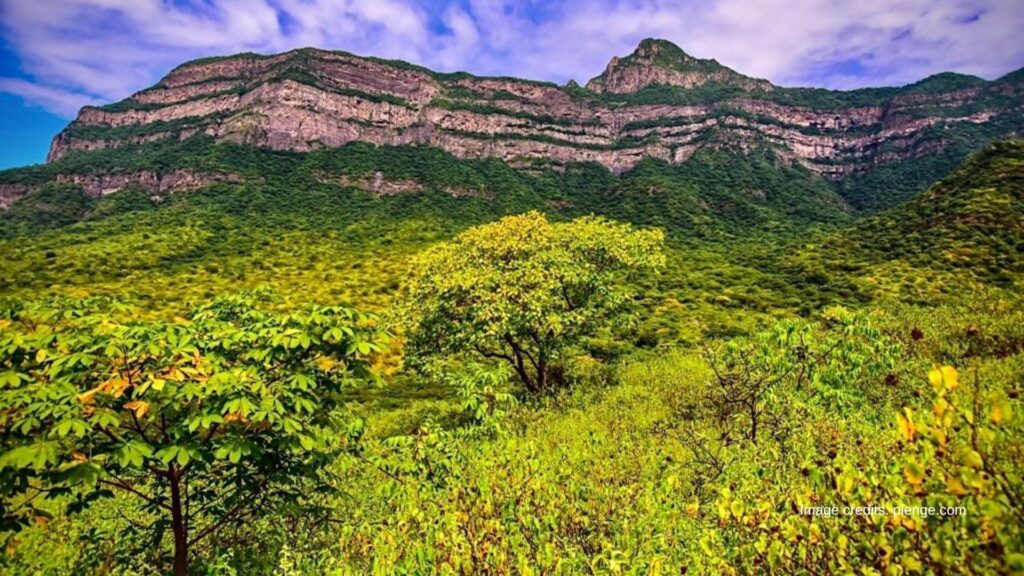
Often seen as majestic landscapes, mountains are crucial yet undervalued in our world’s ecological balance. As we commemorate International Mountain Day, the Food and Agriculture Organization (FAO) and the United Nations Environment Programme (UNEP) have unveiled a groundbreaking report. This collaborative publication stands as a beacon, shedding light on the often-neglected realm of mountain ecosystems and their imperative restoration. The report is a treasure trove of principles, success stories, and recommendations to revitalize these vital ecosystems. With a deep dive into lessons gleaned from esteemed projects across Uganda, Rwanda, Serbia, Kyrgyzstan, Nepal, and the Andes, it emphasizes the significance of mountains—homes to approximately one billion people and the lifeline for countless more who rely on them for sustenance and water resources. Despite their profound importance, mountains have historically been overlooked in restoration initiatives. However, this report serves as a testament to the burgeoning success of #GenerationRestoration in reviving these ecosystems. It showcases instances where dedicated efforts have reaped rewards, breathing life into these often-forgotten landscapes. In the heart of Lambayeque, nestled within the Chaparri Ecological Reserve, a crucial endeavor is underway: the restoration of ecosystems through tree planting. This region holds a special significance as it harbors the underrepresented dry forest ecosystems of the Peruvian Andes. Our concerted efforts focus on planting trees, a pivotal step towards rejuvenating and preserving these invaluable ecosystems. The Chaparri Ecological Reserve stands as a beacon for conservation, aiming to revive and protect the unique biodiversity found within the dry forests of the Peruvian Andes. By planting trees in this biodiverse haven, we aim not only to restore the ecosystem but also to bolster the resilience of this landscape, ensuring its sustainability for generations to come. Each tree planted in this underrepresented region contributes significantly to the restoration and preservation of the precious dry forest ecosystems of the Peruvian Andes. We are planting trees to restore ecosystems in the Chaparri Ecological Reserve at Lambayeque, a region with underrepresented dry forest ecosystems in the peruvian andes. To support this initiative click here. The report elucidates how the UN Decade’s Ten Principles for Ecosystem Restoration can be effectively applied to these unique terrains by analyzing various mountain ecosystem restoration projects. Furthermore, it celebrates the victories of initiatives chosen or shortlisted as the UN Decade’s World Restoration Flagships. These success stories not only inspire but also serve as guiding beacons for future endeavors in mountain restoration. As this year’s International Mountain Day centers on the theme of “Restoring Mountain Ecosystems,” this publication assumes profound significance. It highlights achievements, delineates challenges, presents compelling case studies, and offers pragmatic recommendations for implementing the UN Decade Principles for Mountain Ecosystem Restoration. Jointly developed by the Mountain Partnership Secretariat at FAO and UNEP, this report represents a collaborative effort uniting expertise and insights from diverse landscapes. Its comprehensive analysis and actionable recommendations are pivotal to the ongoing efforts to restore the delicate balance of mountain ecosystems. Moreover, this publication arrives at an opportune moment, coinciding with the celebration of Five Years of Action for the Development of Mountain Regions 2023–2027. It serves as a roadmap, guiding the trajectory of future actions and policies necessary for the sustainable development of these critical regions. In essence, this report serves as a rallying call to acknowledge the significance of mountains, celebrate the strides made in their restoration, and galvanize global action toward preserving and nurturing these vital ecosystems. The link to the publication promises a wealth of knowledge, offering insights into the challenges, triumphs, and the promising path forward for restoring mountain ecosystems. It beckons all stakeholders, from policymakers to environmental enthusiasts, to embark on a journey towards a more sustainable future where mountains thrive, providing for generations to come. As we commemorate International Mountain Day, let us heed this call, celebrate the progress, and recommit ourselves to preserving and restoring these awe-inspiring natural wonders. Download the report here. Source: UN Decade on Ecosystem Restoration – United Nations Environment Programme and Green initiative Forest Friends.

Restoring Mountain Ecosystems: Lessons, Success, and Future Endeavors Read More »

Forest Conservation and Restoration A Crucial Ally in the Fight Against Climate Change - Green Initiative

Forest Conservation and Restoration: A Crucial Ally in the Fight Against Climate Change

The urgency of addressing climate change has never been more evident, and a recent study underscores the potential of forest conservation and restoration in mitigating the climate crisis. Published in Nature.com and based on collaboration among hundreds of leading forest ecologists, the research emphasizes the importance of allowing existing trees to age in healthy ecosystems and restoring degraded areas. The findings suggest that through these measures, an impressive 226 gigatonnes of carbon could be sequestered—equivalent to nearly 50 years of US emissions for 2022. However, the study cautions against the simplistic approach of mass monoculture tree-planting and offsets, urging a nuanced strategy that prioritizes both carbon drawdown and biodiversity. The Carbon Sequestration Potential The study highlights that humans have cleared approximately half of Earth’s forests, with ongoing destruction in critical regions like the Amazon rainforest and the Congo basin. The research estimates that outside of urban agricultural areas in regions with low human footprints, forests can draw down significant amounts of carbon. Protecting standing forests and allowing them to mature into old growth ecosystems, such as the Białowieża forest in Poland and Belarus or California’s sequoia groves, could realize 61% of this potential. The remaining 39% could be achieved by restoring fragmented forests and areas that have already been cleared. The Role of Biodiversity Emphasizing the importance of biodiversity, the researchers warn against planting vast numbers of single species, citing that such monoculture approaches would hinder forests from realizing their full carbon drawdown potential. The study advocates for urgent cuts to fossil fuel emissions and stresses the significance of biodiversity in aiding forests to achieve their maximum carbon sequestration capabilities. Challenges and Considerations The researchers acknowledge challenges such as the increasing threat of forest fires and rising temperatures due to the climate crisis, which could diminish the potential of forests to sequester carbon. Lidong Mo, a lead author of the study, notes, “Most of the world’s forests are highly degraded. In fact, many people have never been in one of the few old growth forests that remain on Earth.” To overcome these challenges and restore global biodiversity, ending deforestation becomes a top priority. Meeting Targets and Moving Forward While acknowledging the commitment made at Cop26 in 2021 by world leaders to halt and reverse deforestation by the end of this decade, the researchers stress the need for countries to stay on track. Brazil, Colombia, and Indonesia are mentioned as nations making progress, but overall, concerted global efforts are necessary. The study underscores the importance of meeting targets set by the UN climate and biodiversity agreements to unlock the full potential of forests in the fight against climate change. Conclusion In conclusion, the study offers a hopeful perspective on the role of forest conservation and restoration in the battle against climate change. It not only emphasizes the massive carbon drawdown potential but also highlights the need for a holistic approach that prioritizes biodiversity and addresses the challenges facing the world’s forests. As the global community grapples with the climate crisis, the study suggests that a combination of protecting standing forests and restoring degraded areas could reshape forest conservation from mere emissions avoidance to a powerful tool for massive carbon drawdown. Source: The Guardian

Forest Conservation and Restoration: A Crucial Ally in the Fight Against Climate Change Read More »

Forest Friends Nature and Climate Positive Reforestation and Ecosystem Restoration

Forest Friends Climate and Nature Positive Ecosystem Restoration

Rebuilding Biodiversity with Forest Friends In an era where environmental consciousness is at the forefront of global concerns, the launch of Green Initiative’s Forest Friends, an inclusive certification label for the planting of trees, marks a significant step toward the effective restoration of ecosystems in recognized biodiversity hotspots. Addressing Global Challenges Green Initiative has a comprehensive approach to ecosystem restoration, reforesting with a diverse range of flora species native to the regions; Tambopata National Reserve and Peninsula de Osa, both of which are classified as Biodiversity Hotspots by the Critical Ecosystem Partnership Fund (CEPF). Hotspots must contain at least 1,500 species of endemic vascular plants and have lost at least 70% of its primary native vegetation, effectively making these regions prime real estate for the conservation of biodiversity. Collaboration for Ecosystem Restoration Our ecosystem restoration practices are implemented and reinforced by our local partners. We work together with Saimiri Foundation in Peninsula de Osa, a rainforest ecosystem in Costa Rica harboring 2.5% of the world terrestrial biodiversity, to identify priority areas for the reestablishment of forest connectivity and help support the foundation’s efforts to protect non-human primates from anthropogenic environmental threats. On the other hand, in Tambopata National Reserve in the Peruvian rainforest, we are partnered with ITA Inkaterra to foster the development of scientific research and conservation activities through biodiversity monitoring and the identification of key species, the promotion of agroforestry, organic farming, and sustainable harvesting practices. We are also working to expand the reach of our ecosystem restoration efforts. For example, our most recent partnership with the Chaparri Ecological Reserve in Lambayeque, Peru, will help restore dry carob forests in the region that are particularly vulnerable to urbanization intrusions. In addition, in these biodiversity hotspots, ecotourism represents a large proportion of the economic benefits for the local inhabitants. The reforestation of the region and the involvement of local communities in the plantation, monitoring, and evaluation processes contributes to the economy of the region and fosters the dissemination of knowledge about the local ecosystems. The Vision Behind Forest Friends Forest Friends is not just a certification; it’s a commitment to restoring our planet’s natural balance. Therefore, It goes beyond simply planting trees and seeks to accelerate the investment into nature positive impacts and support the objectives of our local restoration partners while simultaneously encouraging long-term commitments to the plantation of trees. Furthermore, Green Initiative’s reforestation practices adhere to high standards of transparency and accountability while engaging in a continual process to improve the evaluation of the degree and extent of biological restoration. Joining the Movement Companies, NGOs, and governmental bodies looking to make a positive impact on the environment now have the opportunity to be a part of the Forest Friends movement. By achieving this certification, they are making a public commitment to responsible tree planting that goes beyond token gestures. The Forest Friends certification can be achieved at any of the three levels mentioned below: Participant Organizations dedicated to contributing to ecosystem and wildlife restoration for nature’s positive impact through tree planting initiatives. Partner Organizations deeply committed to long-term ecosystem and wildlife restoration that are actively engaged in nature-positive impact projects. Accelerator Organizations dedicated to accelerating ecosystem and wildlife restoration for nature positive impact projects promoting and supporting the involvement of more organizations, fostering a collective effort. The Time for Action Is Now The launch of “Forest Friends” sends a clear message: the time for half-hearted environmental efforts is over. By setting a higher standard for tree planting initiatives, we have a chance to redefine our relationship with the environment and secure a healthier planet for generations to come. To learn more about Forest Friends and how to become certified, visit greeninitiative.eco/forest-friends and be a part of the movement.

Forest Friends Climate and Nature Positive Ecosystem Restoration Read More »