Decarbonization

COP30 in Brazil: The Moment to Deliver on Climate Promises

COP30 in Brazil: The Moment to Deliver on Climate Promises

The Conference of the Parties (COP) brings together governments, international organizations, and non-state actors to assess global progress and negotiate collective measures under the Paris Climate Agreement The 30th United Nations Climate Change Conference (COP30) begins today in Belém do Pará and, for the first time, the opening takes place on schedule. After intense negotiations over the weekend, the agenda was confirmed, signaling diplomatic maturity and a renewed sense of collective purpose. Three central themes will guide the coming days: At the heart of these discussions lies a key challenge: multilevel governance how to turn political commitments into mechanisms that are executable, measurable, and comparable across countries and sectors. Ten Years After Paris: From Ambition to Action The Conference of the Parties (COP) brings together governments, international organizations, and non-state actors to assess global progress and negotiate collective measures under the Paris Climate Agreement Ten years after the signing of that agreement, experience shows that the transition toward a low-emission economy is no longer a utopia but a strategic priority driving a global race for innovation, productivity, and competitiveness. However, this race advances unevenly largely reflecting the typical dynamics of any (r)evolutionary industrial shift: a struggle between those striving for a future powered by new opportunities and technologies, and those seeking to preserve the status quo, delaying technological and sociocultural change as long as possible to avoid transformation. Beyond the motives or interests, strategic or otherwise, the goals and commitments assumed by different sectors of society have not achieved the necessary level of progress, and the results remain far from those originally pledged.. The Urgent Reality of a Warming Planet According to the IPCC, the planet has already warmed by approximately 1.1°C above pre-industrial levels, and current projections indicate that keeping warming below the 1.5°C threshold set by the Paris Agreement will be difficult before mid-century. Recent data from the Copernicus Climate Change Service (C3S) further underscores this urgency. These data confirm that the current framework of regulatory and voluntary commitments — along with existing performance systems  is insufficient when faced with the speed and scale of the climate challenge. The gap between promises and real implementation often translated into greenwashing has, in many cases, become the main obstacle to achieving an effective transition. At Green Initiative, we see this credibility gap as the defining test of our time. Climate action is no longer about announcing goals, but about demonstrating verifiable progress — where measurement, certification, and transparency become the true language of trust. COP30: Brazil Takes the Lead in Turning Words into Results In this context, COP30 — to be held in Belém do Pará, Brazil, from 10 to 21 November 2025 — assumes a decisive role by promoting a shift in approach: complementing statements and ambitions, which remain essential, with concrete and pragmatic action, which is now urgent. As the host nation, Brazil intends to place forests and nature-based solutions at the heart of the global debate, highlighting the Amazon as a living symbol of both vulnerability and opportunity in the fight against climate change. “A successful COP30 will depend on the ability to translate ambition into credible delivery.” Companies and governments alike are expected to strengthen climate disclosure and performance standards, aligning them with national regulatory frameworks — especially in emerging markets — and demonstrating traceable, verifiable progress across their value chains. At the same time, the expansion of climate finance, particularly through blended instruments and public-private investment vehicles, will be key to mobilizing capital toward sectors vital for decarbonization and resilience. Financing Adaptation and the Just Transition The conversation will also broaden to include adaptation financing, a critical gap as global needs — estimated at over US$ 300 billion per year by 2035 — far exceed current commitments. In parallel, energy transition debates are expected to gain momentum, with biofuels, renewable energy, and infrastructure modernization taking center stage. The principle of a “just transition” will continue to gain prominence, integrating social equity, workforce adaptation, and community engagement as fundamental components of climate credibility. The Private Sector: From Ideology to Competitiveness For the private sector which increasingly recognizes that the climate agenda extends beyond ideology COP30 should reinforce the logic of competitiveness and the advantages of early movers: those who anticipate market shifts, invest in resilience, and position their organizations as leaders in the emerging low-carbon economy. At Green Initiative, we have witnessed how companies and destinations that embed transparency into their climate journey gain both reputation and resilience. The capacity to measure, verify, and communicate progress is no longer a differentiator — it is a prerequisite for participation in the next economy. Green Initiative: Bridging Ambition and Impact At Green Initiative, we share this conviction. Through our Climate Certification Programs, Climate Performance Platform, and strategic advisory services, we help organizations and destinations: By turning commitments into measurable, verifiable, and transparent climate action, we advance a climate- and nature-positive global economy — one where progress and prosperity align with the protection of our planet. This article was written by Karla de Melo from the Green Initiative Team. Related Reading

COP30 in Brazil: The Moment to Deliver on Climate Promises Read More »

Cabo Blanco Advances in Circularity and Decarbonization of Tourism in Peru

Cabo Blanco Advances in Circularity and Decarbonization of Tourism in Peru

On October 1, 2025, thanks to the Turismo Circular Peru project led by Canatur with the financing support of AECID – Agencia Española de Cooperación Internacional para el Desarrollo and the European Union, a workshop took place in El Alto, bringing together authorities, partner organizations, and local community representatives. The gathering marked the beginning of a historic process to position Cabo Blanco as an international reference for climate action and sustainable tourism through circularity. Building Circular Tourism in Cabo Blanco The workshop was led by the District Municipality of El Alto, in collaboration with CANATUR, Inkaterra, Olas Perú, and Turismo Circular Peru. Together, they explored how circular economy principles and decarbonization strategies can transform Cabo Blanco into a sustainable surf tourism hub. Participants emphasized the importance of reducing emissions, adopting circular business models, and creating local value chains that benefit the community. The event also demonstrated how the Circular Tourism Peru project strengthens local capacities, ensuring that sustainability is not only a vision but also a concrete, measurable practice. Insights and Contributions Key interventions during the workshop included: Through participatory dynamics, attendees worked on practical solutions for reducing waste, optimizing resources, and strengthening Cabo Blanco’s positioning within the International Surf Cities Network. Next Steps This workshop is the first in a cycle of activities outlined in the project agenda, which will include: These steps aim to consolidate Cabo Blanco as a national and international benchmark for sustainable, circular, and regenerative tourism. A Shared Commitment The Cabo Blanco Circular Tourism Project is made possible by the leadership of the District Municipality of El Alto and the commitment of partners including AECID, the European Union, CANATUR, Inkaterra, Olas Perú, and Turismo Circular Peru.While Green Initiative contributes with technical assistance, the driving force behind this transformation is the collective effort of partners and the local community, working hand in hand to build a more resilient, inclusive, and circular model of tourism in northern Peru. This article was written by Virna Chavez from the Green Initiative Team. Related Reading

Cabo Blanco Advances in Circularity and Decarbonization of Tourism in Peru Read More »

Machu Picchu Achieves Significant Reduction in Carbon Emissions Since 2021 Certification

Machu Picchu’s Journey to Carbon Neutrality: Acelerating public and private decarbonization investments

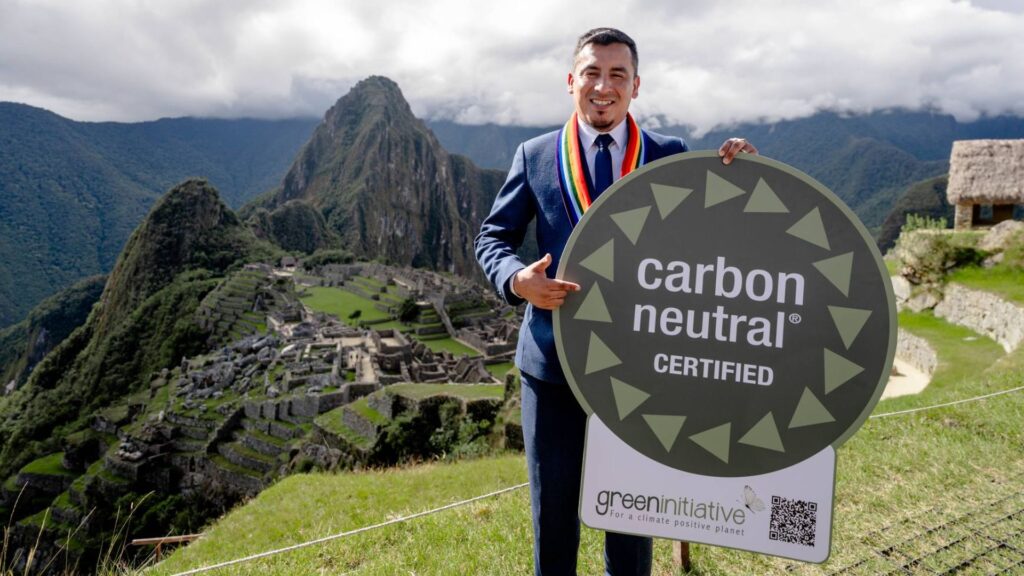
Machu Picchu, Peru – Leading Climate Action in Tourism Amidst the lush Peruvian Andes, Machu Picchu—one of the world’s most iconic cultural and natural landmarks—is redefining what it means to be a sustainable travel destination. With over 1.5 million visitors each year, the challenge was immense—but the will to act was even greater. In a recent interview for the Observatorio de Descarbonización y Economía Circular of the Cámara Nacional de Turismo (CANATUR), Elvis La Torre, Mayor of the District Municipality of Machu Picchu, shared the region’s ambitious climate goals, achievements to date, and critical lessons for the global tourism sector. A Bold Start: Why Machu Picchu Chose Decarbonization The decarbonization project officially began in 2021, led by the District Municipality of Machu Picchu, in collaboration with Inkaterra Asociación and Green Initiative. The decision was made in response to the urgent need to reduce the environmental impact of mass tourism and to shape a more resilient, sustainable development model following the COVID-19 crisis. Using 2019 as the baseline year, Machu Picchu began the Carbon Neutral Certification process and soon became the first UNESCO World Heritage Site to earn this recognition. In 2022, the destination became a signatory of the Glasgow Declaration on Climate Action in Tourism, further reinforcing its leadership in climate-smart tourism. “This certification, led by Green Initiative, gave us the opportunity to position Machu Picchu as a global leader in climate-intelligent tourism,” said Mayor La Torre in the CANATUR interview. Tangible Climate Results: From Waste to Regeneration To date, the outcomes have been remarkable: These milestones were achieved through robust collaboration among public and private stakeholders. Notably, Inkaterra, Grupo AJE, WorldXchange and Tetra Pak played key roles in implementing circular solutions. Luz del Sur provided technical assistance, while CANATUR offered strategic support, reinforcing strong climate governance. Additionally, Machu Picchu’s carbon footprint has been fully offset with 2,155 carbon credits from the REDD+ Brazil Nut Concessions project by Bosques Amazónicos (BAM), which protects over 600,000 hectares of megadiverse forests and supports more than 800 Amazon Brazil nut harvesting families in Madre de Dios, Peru. What’s Next: Scaling Impact and Inclusion Despite significant progress, major challenges remain. Chief among them is the need to expand both public and private financing to scale up the most impactful decarbonization initiatives—such as energy efficiency in tourism services and large-scale ecosystem restoration. Equally important is the continuous strengthening of existing programs, particularly those involving waste management through circular economy principles and the transition to clean energy. Most critically, there is a growing need to increase the active participation of local communities and businesses. Their involvement will be essential to ensure that this regenerative and carbon-neutral tourism model becomes permanent and self-sustaining. “The active participation of all stakeholders will be key to consolidating a regenerative and carbon-neutral tourism model that stands the test of time,” affirmed Mayor La Torre. A Model for the World Machu Picchu’s decarbonization journey is more than a local success story—it is a global call to action. As destinations worldwide face the escalating impacts of climate change, Machu Picchu proves that protecting heritage, supporting local livelihoods, and leading in climate action can go hand in hand. By embracing bold decisions, inclusive governance, and science-based climate solutions, Machu Picchu is charting a path toward a climate and nature-positive future—one that others can follow. 📌 Learn More & Get Involved Is your destination or organization ready to take the next step toward climate and nature-positive leadership? Discover how our certification and advisory services can help you generate measurable impact. 📩 Contact our team This article was written by Yves Hemelryck from the Green Initiative team Related Reading

Machu Picchu’s Journey to Carbon Neutrality: Acelerating public and private decarbonization investments Read More »

The Importance of Carbon Footprint Management and Increasing Sustainability in the Fishing Sector: Celebrating NFCS’s Carbon Measured Certification

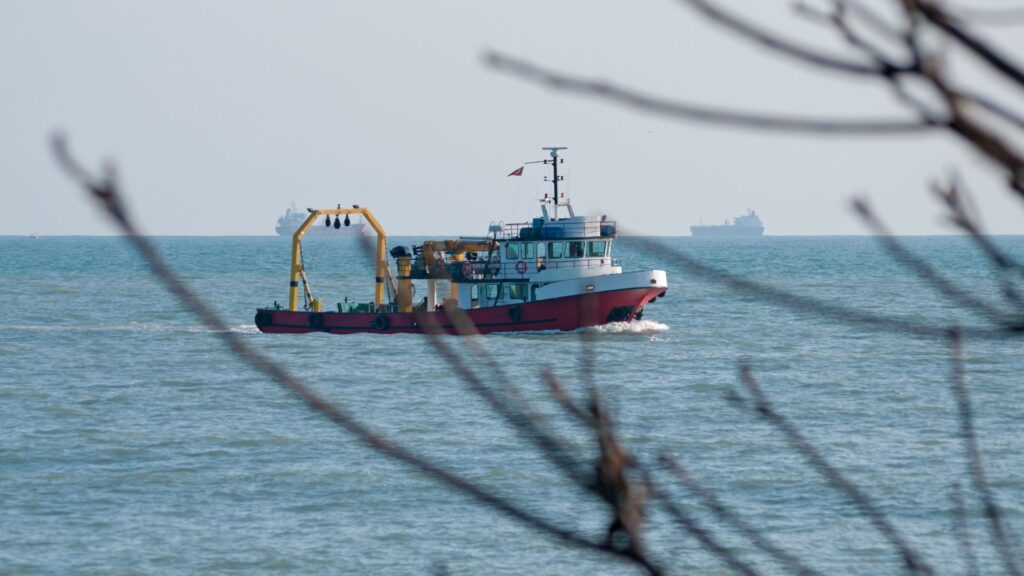
In today’s world, where climate change and environmental sustainability dominate global economic challenges, industries worldwide are under increasing pressure to reduce their carbon footprints and adopt efficient climate and nature positive. The fishing industry, a vital component of global food security and a significant source of employment is no exception. The National Fishermen Cooperative Society (NFCS), one of Belize’s most well-established cooperatives of lobster and conch fishers, has recently made a commendable stride in this direction by achieving Green Initiative’s Carbon Measured Certification. This milestone highlights the role of carbon footprint management as a core aspect of the NFCS’s long-term competitiveness, assuring new opportunities for market access and integration with global value chains.   The project was directly supported by the Caribbean Regional Fisheries Mechanism (CRFM) as an effort to move Belize’s fisheries development path towards a low carbon/carbon neutral operation in support of blue economy development policy and strategy. By progressively improving its management practices and embracing technological, financial, and structural innovations, NFCS is balancing economic performance with CO2 emissions reduction, fish stock sustainability, and marine ecosystem conservation. This positions the cooperative on a clear path toward a more sustainable and competitive future. Accelerating the Decarbonization of Fisheries in the Caribbean The fisheries sector is a critical component of global food security and income generation, particularly for small island states, and it is a significant source of employment, supporting over 58 million people worldwide. (FAO, 2022) However, it also contributes approximately 4% of the total greenhouse gas (GHG) emissions of the food sector. To ensure the key role fisheries can play in the green, net-zero emissions economy, there is an urgent need to roll out decarbonization investments that will support small cooperatives of fisheries such as the NFC=S to execute the investments required to increase efficiency, reduce energy costs and enter into new and fast-growing sustainable fisheries markets.   The journey towards decarbonizing the fisheries sector in the Caribbean can be categorized into three primary levels of challenges. The first and most significant challenge is the technological maturity. Unlike other sectors, the technologies required to achieve net-zero emissions in the fisheries sector have not yet matured. Fishing vessels operate offshore, often far from ports, necessitating highly reliable solutions. The closest technologies that can aid in the transition include energy-efficient measures such as engines that consume less fuel and emit fewer pollutants, as well as improved vessel designs. The second level of challenge involves the development and adoption of alternative fuels. Using biofuels, biogas, hybrid engines, and green hydrogen can significantly reduce emissions. However, these technologies require further development and investment. The third level of challenge is the development of wind propulsion technologies. Historically, wind propulsion was the primary method of marine transportation. While there have been advancements in tourism sailing, such as cruise ships, these have not yet been widely adopted in the fisheries sector. Investing in smart and innovative wind propulsion technologies could enable both small and large-scale fisheries to utilize sails, reducing their reliance on fossil fuels. Besides the development of new technologies, transitioning to more sustainable practices in the fisheries sector involves significant financial investment and structural changes. The replacement of fishing vessels is a long-term investment, typically occurring every 20 to 40 years. Creating incentives in both the public and private sectors is crucial to facilitate this transition so newer sustainable vessels can be adopted with fewer capital risks. Ports also need to be equipped with the necessary infrastructure to support new and alternative fuels, ensuring a smooth transition as older vessels are replaced with newer, more sustainable models. Conservation and restoration of marine ecosystems are also critical to maintaining biodiversity and supporting fish stocks and, consequently, long-term prosperity for both the fisherman and the ecosystems on which they rely. As Vivas (2024) refers, balancing these objectives is challenging as they require a strategic vision, science-based management for appropriate fisheries stock conservation, and investments. This may be particularly difficult for small fisheries, but this is exactly the type of challenge that the NFCS assumes, playing a leading role at the regional and international levels. The Carbon Measured Certification Cycle In 2024, NFCS supported by the CRFM, conducted a detailed assessment of its carbon footprint, covering Scope 1, 2, and 3 emissions. This thorough approach ensures that all emission sources within their operations are accounted for. According to the results, NFCS’ greenhouse gas emissions were significantly lower than other benchmarks in the lobster fishing industry, emitting an impressive 2,95kg of CO2 per kg of the final product, while other analyzed Australian fisheries emitted from 6.92 to 13.00 kg of CO2 per kg of the final product, considering the emissions related to fishing, processing, and packaging. By analyzing the most impactful emission sources, NFCS outlined several mitigation measures, including transitioning to clean energy sources, investing in energy-efficient engines and technologies, exploring alternative fuels, and optimizing fishing operations. These steps aim to significantly reduce their carbon emissions in the following years. NFCS’s initiative involves transparent implementation and active participation from all stakeholders, ensuring a lasting positive impact on the environment, society, and the economy. Conclusions By taking proactive steps to measure and progressively reduce its CO2 emissions, NFCS is not only enhancing its sustainability but also strengthening its competitive advantage within the international fisheries market. Positioned as one of the few low emissions fisheries producers globally, NFCS is strategically poised to integrate into sustainable fisheries value chains, which are expanding more rapidly than traditional, less sustainable practices. A clear example of this opportunity lies in the Caribbean’s international cruise lines, many of which are committed to decarbonization and sourcing from sustainable fisheries. By managing its climate footprint, NFCS is becoming a key supplier of sustainable lobster, helping cruise ships reduce their scope 3 carbon emissions. This demonstrates how climate mitigation strategies can generate tangible benefits for small-scale fisheries in the Caribbean. Let’s celebrate NFCS’s commitment to sustainability and look forward to a future where the fishing industry not only thrives but does so in harmony with the

The Importance of Carbon Footprint Management and Increasing Sustainability in the Fishing Sector: Celebrating NFCS’s Carbon Measured Certification Read More »

Powershoring: A Game-Changer for Climate Action and Sustainable Industry

Powershoring: A Game-Changer for Climate Action and Sustainable Industry

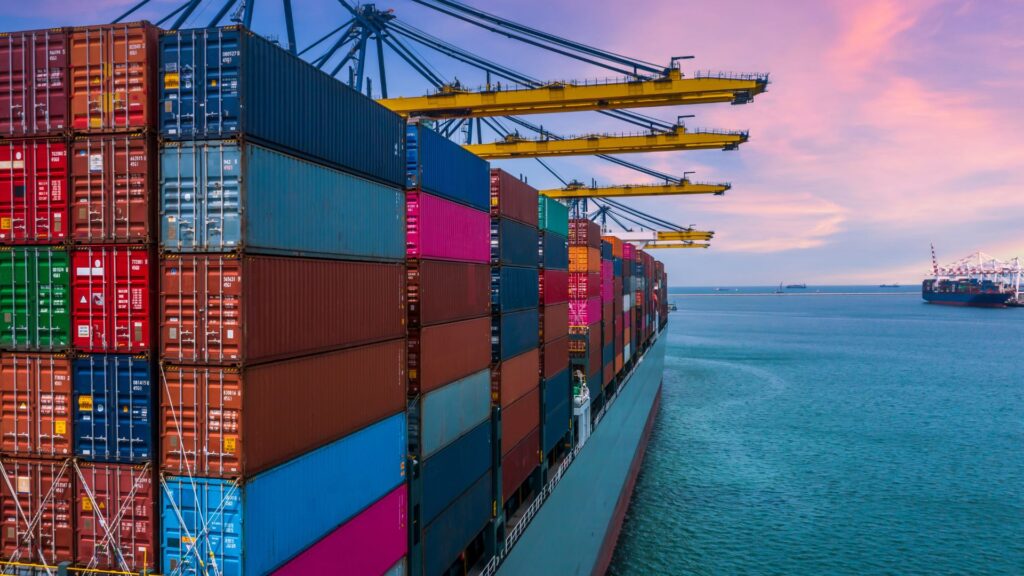
“Powershoring is a corporate strategy designed to serve international markets by relocating energy-intensive industries to locations with clean, secure, cheap, and abundant energy,” explains Jorge Arbache, professor of economics and the originator of the concept. This innovative approach addresses sustainability, energy security, and economic efficiency while strengthening global supply chains. Unlike reshoring, nearshoring, or friendshoring—strategies often influenced by political and trade policies—powershoring is a business-driven model that prioritizes low-carbon industrial production, cost efficiency, and strategic proximity to consumer markets. As industries seek climate and nature-positive solutions, powershoring is emerging as a key enabler of decarbonization, energy transition, and green supply chain resilience. The Strategic Importance of Powershoring for Climate Action Historically, globalization prioritized low labor costs, leading to industrial concentration in Asia and other cost-effective regions. However, new economic and environmental realities are reshaping corporate priorities. Key drivers of this shift include: ✅ Climate Action & Net-Zero Goals – Reducing CO₂ emissions in industrial production.✅ Extreme Weather Events & Energy Disruptions – Increasing supply chain vulnerabilities.✅ Renewable Energy Transition – The need for stable, clean, and cost-effective energy sources.✅ Geopolitical Stability & Trade Security – Reducing risks from political and economic tensions.✅ Market Competitiveness & Green Economy Growth – Meeting global demand for sustainable, low-carbon products. According to Jorge Arbache, “Countries that combine renewable energy infrastructure, attractive labor and energy costs, and geopolitical stability stand to benefit the most from powershoring.” Powershoring offers a sustainable and cost-effective industrial strategy, ensuring long-term competitiveness in a world transitioning towards climate and nature-positive economies. Who Benefits from Powershoring? Countries and industries that meet specific clean energy, infrastructure, and economic criteria are best positioned to capitalize on powershoring. 1. Nations with Clean and Abundant Renewable Energy Countries with strong solar, wind, hydro, biomass, and geothermal energy resources can offer low-cost, sustainable electricity, attracting energy-intensive industries.📌 Examples: Brazil, Uruguay, Paraguay, Costa Rica, Norway, Iceland, Canada. 2. Regions Close to Major Consumer Markets Strategically located regions with clean energy and strong logistics enable industries to minimize transportation costs and carbon emissions.📌 Example: Latin America and the Caribbean (LAC), with proximity to North America and Europe. 3. Emerging Economies with Competitive Costs Developing nations with affordable labor, green energy incentives, and robust infrastructure offer a cost-effective and sustainable alternative for industrial relocation.📌 Examples: Brazil, Colombia, Peru, Chile. 4. Energy-Intensive Multinational Corporations Companies in steel, aluminum, glass, fertilizers, cement, automotive, and chemicals can reduce emissions, secure renewable energy, and align with sustainability regulations. 5. Consumers and Governments Powershoring enables the production of low-carbon goods at competitive prices, helping governments meet climate targets and consumers access sustainable products. Our research indicates that these beneficiaries align with real-world market trends. Sectors such as automotive, green steel, and industrial chemicals are already shifting towards low-carbon production hubs, confirming that powershoring is an emerging reality in the global energy transition. How Powershoring Accelerates the Green Transition Jorge Arbache highlights the role of powershoring in decarbonization and economic growth, stating: “By relocating industries to regions with clean, secure, and affordable energy, powershoring accelerates the global shift to a low-carbon economy while reducing costs for companies and consumers.” Key Climate and Economic Benefits: ✔ Access to cost-competitive renewable energy✔ Lower carbon footprints in industrial production✔ Stronger supply chain resilience✔ Compliance with strict environmental regulations✔ Accelerated innovation in green technologies Reports from IRENA and the United Nations Industrial Development Organization (UNIDO) confirm that industries relocating to clean-energy hubs can cut emissions by up to 40% while maintaining cost efficiency. This strategy aligns corporate interests with global climate action, ensuring that economic growth and environmental responsibility go hand in hand. Challenges and Risks of Powershoring Despite its advantages, powershoring is not without risks. Companies and governments must proactively address potential challenges, including: 🚧 Regulatory Barriers – Inconsistent policies delaying industrial investments.💸 High Initial Costs – Infrastructure and workforce training investments.🌎 Geopolitical Uncertainty – Trade policies and international conflicts affecting energy supply.⚡ Energy Price Volatility – Renewable energy dependence on weather conditions.🏭 Supply Chain Adaptation – The integration of new industrial hubs into global value chains. At Green Initiative, we reviewed global industrial policies and found that clear regulations, trade agreements, and investment incentives are crucial for successful powershoring implementation. Governments must ensure policy stability and support infrastructure development to mitigate these risks. Latin America’s Competitive Edge in Powershoring Latin America (LAC) is emerging as a global leader in powershoring due to its: ✅ High renewable energy share – Countries like Uruguay, Costa Rica, and Paraguay operate on nearly 100% renewable electricity.✅ Abundant green fuel resources – Including ethanol, biodiesel, and green hydrogen.✅ Strategic market proximity – Reducing emissions and costs for exports to North America and Europe.✅ Favorable investment climate – With strong policies for sustainable industrial development. Brazil, in particular, stands out. Arbache notes, “Brazil has an extensive renewable energy infrastructure, a highly integrated electricity grid, and significant industrial hubs, making it an ideal powershoring destination.” Powershoring’s Strategic Benefits for Europe and China 🌍 Europe: Strengthening Green Industry & Reducing Costs Europe faces rising energy prices, supply chain instability, and net-zero policy pressures. Powershoring provides a cost-effective strategy for European industries to: ✔ Secure renewable energy at lower costs✔ Reduce dependency on fossil fuel imports✔ Enhance industrial competitiveness and sustainability✔ Meet EU Green Deal targets efficiently 🇨🇳 China: Expanding Access to Clean Markets Although powershoring is often viewed as a Western strategy, China can also benefit. By investing in clean energy hubs abroad, China can: ✔ Diversify trade partnerships with sustainable economies✔ Expand access to green technologies✔ Improve its global reputation as a climate leader✔ Reduce carbon-related trade barriers The Role of Governments and Global Institutions To maximize powershoring’s potential, governments and financial institutions must create strong policy frameworks and investment incentives. 🏗 Infrastructure Expansion – Ports, industrial zones, and renewable energy grids.💰 Green Financing & Incentives – Tax benefits and investment de-risking.📜 Regulatory Stability – Clear and consistent environmental policies.🎓 Workforce Training – Skilled labor programs for green industries.📢 International Promotion – Positioning powershoring as a climate-positive investment strategy. Development banks like IDB,

Powershoring: A Game-Changer for Climate Action and Sustainable Industry Read More »

The UK Climate and Nature Bill

A Missed Opportunity: The UK Climate and Nature Bill Delay and Its Global Implications

The UK government’s recent decision to delay the debate on the Climate and Nature Bill until July represents a significant setback in the global fight against climate change and biodiversity loss. Passed by 120 votes to seven to end discussions for now, the motion sends a troubling message about the urgency of addressing these twin crises. This decision, while seemingly administrative, has profound implications for climate action, biodiversity conservation, and sustainable development. The Consequences of Delay Time is not a luxury in the battle against climate change. Delaying critical legislation like the Climate and Nature Bill creates a policy vacuum that hinders progress on both national and international climate goals. As global leaders in climate action, organizations such as Green Initiative and Forest Friends emphasize the importance of maintaining legislative momentum to meet international commitments like the Paris Agreement and the Glasgow Declaration on Climate Action in Tourism. 1. Legislative Stagnation Undermines Climate Goals The postponement of the Climate and Nature Bill directly impacts the UK’s ability to implement policies that drive emissions reductions and protect vulnerable ecosystems. This delay is a missed opportunity to provide businesses, communities, and individuals with the regulatory framework needed to transition to a low-carbon economy. For Green Initiative, which certifies businesses for climate-positive practices, such inaction highlights the critical need for private-sector leadership to bridge the gap. 2. Biodiversity Left in the Balance From Forest Friends’ perspective, the delay further endangers fragile ecosystems and species already under threat. Legislation like the Climate and Nature Bill is crucial for safeguarding natural habitats and implementing nature-based solutions that combat both biodiversity loss and climate change. Without timely action, the UK risks falling behind in global efforts to restore ecosystems and protect biodiversity. Business Uncertainty in the Wake of Policy Inaction Delaying this bill creates uncertainty for businesses striving to align with future climate regulations. The lack of a clear policy framework makes it challenging for companies to invest in sustainable practices confidently. Green Initiative sees this as a call for businesses to take the lead in climate action, embracing voluntary certifications and proactive decarbonization strategies to mitigate risks and demonstrate their commitment to sustainability. In the tourism sector, the ripple effects are particularly concerning. Tourism contributes significantly to global emissions, and robust policies are needed to guide the industry toward decarbonization. Green Initiative, a leading certifier in tourism, stresses the importance of aligning with initiatives like the Glasgow Declaration to reduce emissions, regardless of governmental delays. The Role of Grassroots and Private Sector Leadership While policy delays are discouraging, they also highlight the power and responsibility of grassroots movements and private organizations. Forest Friends emphasizes the importance of community-led initiatives to restore ecosystems and promote sustainable practices, filling the void left by slow governmental action. Similarly, Green Initiative’s work demonstrates how businesses can adopt climate-positive practices independently, setting an example for peers and influencing policy indirectly through market pressure. A Call to Action The delay of the Climate and Nature Bill is a wake-up call for all stakeholders—governments, businesses, and individuals. The path forward requires collective responsibility: Seizing the Moment The current pause in the UK’s legislative process should be seen not as an end but as a chance to regroup and push harder for meaningful action. Organizations like Green Initiative and Forest Friends stand ready to support businesses, policymakers, and communities in driving progress. The challenges of climate change and biodiversity loss demand urgency, innovation, and collaboration—qualities we must all embrace to secure a sustainable future. “As we learn and evolve that aspects of economic development and prosperity can go hand in hand with climate and nature-positive action, a new generation of businesses and industries will arise, generating more jobs for the benefit of all.” By turning this delay into an opportunity for reflection and renewed commitment, we can ensure that climate and nature remain at the forefront of public and private agendas. Written by Yves Hemelryck, from the Green Initative Team. Suggested reading: Climate and Nature Bill falls as MPs vote to end debate – BBC.com

A Missed Opportunity: The UK Climate and Nature Bill Delay and Its Global Implications Read More »

Green Initiative, AlphaMundi, and Bankamoda: Driving Sustainability and Social Impact in the Fashion Industry

Green Initiative, AlphaMundi, and Bankamoda: Driving Sustainability and Social Impact in the Fashion Industry

A Game-Changing Partnership for Climate Action and Financial Inclusion In a groundbreaking collaboration, Green Initiative, AlphaMundi Group, and Bankamoda are joining forces to address climate change while empowering underserved communities in the fashion industry. This partnership, which merges environmental sustainability with financial inclusion, marks a significant step toward decarbonizing operations, achieving climate certifications, and fostering social equity in the fashion sector. Leading Financial Inclusion in Colombia’s Fashion Industry As Colombia’s premier fintech for the fashion industry, Bankamoda provides critical financial support to micro, small, and medium-sized enterprises (MSMEs). This sector, where 90% of businesses are unbanked and 82% of employees are women heads of households, represents a key opportunity for social impact. With access to a USD 8 billion fashion market and a projected 14% annual growth in its loan portfolio from 2022 to 2027, Bankamoda is driving economic development and gender equity. This strategic growth positions Bankamoda as both a financial inclusion leader and a vital contributor to Colombia’s fashion economy. Accelerating Climate Certification and Operational Decarbonization Through this partnership, Bankamoda is collaborating with Green Initiative to integrate climate-smart operational processes and achieve Climate Certification. This effort will set new benchmarks for sustainable innovation within the fintech sector while positively influencing Bankamoda’s value chain and client portfolio. By decarbonizing its operations, Bankamoda is not only enhancing its environmental impact but also differentiating itself as a forward-thinking financial institution in the global climate arena. Green Initiative is at the forefront of making climate finance accessible to businesses, especially those in emerging markets. Through simplified sustainability rating tools, certification guidance, and impact monitoring, Green Initiative ensures that resources are efficiently allocated to companies driving climate action. As a leader in impact investing, AlphaMundi Group is committed to funding enterprises that deliver measurable social and environmental benefits. By integrating carbon certification and net-zero strategies, AlphaMundi’s investments align with the United Nations Sustainable Development Goals (SDGs), fostering long-term resilience in the sectors it supports, including financial inclusion and renewable energy. The partnership between Green Initiative, AlphaMundi, and Bankamoda demonstrates how strategic collaboration can drive meaningful climate action while promoting financial inclusion. Together, we are creating a model for industry-wide transformation, empowering communities, and building a more sustainable and inclusive world.

Green Initiative, AlphaMundi, and Bankamoda: Driving Sustainability and Social Impact in the Fashion Industry Read More »

Charting a Course Towards Sustainable and Resilient Prosperity in Fisheries and Aquaculture

Charting a Course Towards Sustainable and Resilient Prosperity in Fisheries and Aquaculture

The resilience and prosperity of the region’s small-scale fisheries are crucial, as they are the main source of livelihood for fishers in the sector. The recent impact of Hurricane Beryl on Grenada, Saint Vincent and the Grenadines, Jamaica, and Barbados has highlighted the urgent need to protect and modernize this critical sector. The storm, a clear indication of climate change, has shown the potential devastation that rapidly forming hurricanes can bring to communities and livelihoods. In response to these challenges, the Caribbean Regional Fisheries Mechanism (CRFM) is promoting sustainable fishery practices and resilience. Its initiatives, which include decarbonizing the sector, enhancing marine habitat restoration, and securing financial resources for adaptation and mitigation, are crucial. However, international support is also needed to ensure a resilient future for the region’s fisheries and aquaculture industries. Read the full article here. Useful reports here.

Charting a Course Towards Sustainable and Resilient Prosperity in Fisheries and Aquaculture Read More »

How UNESCO Heritage Sites are Integrating Climate Action - Green Initiative

How UNESCO Designated Sites are Integrating Climate Action

Bonito and Machu Picchu: The Power of Twin UNESCO Designated Sites Pioneering Climate Action in Tourism In a time where climate change poses significant challenges to our planet, the tourism industry is stepping up to play a crucial role in mitigating its impact through the Glasgow Declaration for Climate Action in Tourism. In this context, two iconic cultural and ecotourism destinations are leading the way in climate action in tourism. Bonito, located in the Brazilian Pantanal and recognized as a UNESCO Biosphere Reserve, and Machu Picchu, situated in the Peruvian Andes and recognized as a UNESCO Mixed World Heritage Site, integrate climate mitigation best practices into their tourism development models. The results achieved so far, through the climate certification of both destinations, have consistently showcased that through well-informed and pragmatic action, the development of tourism in UNESCO Biosphere Reserves and Mixed World Heritage Sites can go hand in hand with the decarbonization of tourism destinations, generating positive impacts on both the local economy and the climate. Bonito and Machu Picchu: Laboratories for Climate Mitigation Action and Expertise Development Bonito, located in Mato Grosso do Sul, Brazil, was designated a UNESCO Biosphere Reserve in 2000. Bonito has long been a reference for sustainable tourism, known for its crystal-clear rivers, stunning waterfalls, and rich biodiversity. Similarly, Machu Picchu, the ancient Incan citadel nestled in the Andes Mountains of Peru, was declared a UNESCO Mixed World Heritage Site in 1983. In collaboration with the Green Initiative, both UNESCO destinations, Bonito and Machu Picchu, have embarked on a transformative journey to net-zero emissions through a rigorous climate-certification process that involves: In 2021, the tourism destination of Bonito had a total of 17,829.42 tCO2eq emissions. Around 51% of its footprint was related to the consumption of fuels by ground mobile sources, such as cars and buses used by tourists in their visits. The second largest emission was the decomposition of solid residues (22.32%), followed by electricity consumption (6.02%). In the development of Bonito’s Climate Action Plan, several actions were defined to address these core emissions, such as stimulating the use of biofuels, conversion and availability of electric vehicles, waste management improvements in the public system, community engagement in the circular economy, and carbon capture enhancements by promoting ecosystems restorations. On the other hand, in 2022, Machu Picchu successfully reduced its emissions to 7,117.55 tCO2eq, an 18.77% decrease from the 2019 base year. Four processes were implemented to reuse recoverable waste: Additionally, electric vehicles were introduced to transport the generated waste, and waste segregation points were established throughout the district, among other actions. The new waste management processes significantly reduced 40.80 tCO2eq, 2.5 times more than in 2019. Carbon capture from ecological restoration, where 6,596 native trees were planted in degraded areas, capturing 5,055.17 tCO2eq, led to a net emission balance of 2,062.38 tCO2eq. Machu Picchu’s carbon footprint has been fully offset with 2,155 carbon credits from the REDD+ Brazil Nut Concessions project by Bosques Amazónicos (BAM), which protects over 600,000 hectares of megadiverse forests and supports more than 800 Amazon Brazil nut harvesting families in Madre de Dios, Peru. By integrating climate action into their core business models, these destinations are setting new standards for sustainable tourism at UNESCO heritage sites. As Jose Salazar Ríos, Coordinator of the Culture Sector at UNESCO Peru, highlights: “Machu Picchu, one of the 13 World Heritage sites that Peru has, is an inspiring example of how tourism can be integrated with climate action, thus contributing to the sustainability and conservation of World Heritage.“ The Glasgow Declaration on Climate Action in Tourism The Glasgow Declaration on Climate Action in Tourism is a pivotal framework for mobilizing the tourism sector to act decisively on climate change. Launched at the UN Climate Change Conference (COP26) in Glasgow, the Declaration commits signatories to halve emissions by 2030 and achieve net zero by 2050 at the latest. By aligning with the pathways to the Paris Agreement, the Declaration provides a clear roadmap for tourism stakeholders to integrate climate action into their business models. It encourages collaboration across the industry, promoting the sharing of best practices, resources, and innovative solutions to accelerate decarbonization. Bonito and Machu Picchu are exemplary participants in this global movement, demonstrating how UNESCO heritage sites can lead by example in integrating comprehensive climate strategies into their tourism operations. Through initiatives such as these, the Glasgow Declaration aims to unify the tourism industry in the fight against climate change, fostering a collective effort to protect our planet for future generations. The Power of Twin UNESCO Designated Sites in Climate Mitigation The collaboration between Bonito and Machu Picchu, as climate-smart twin cities, holds immense potential for climate mitigation and expertise development worldwide. By sharing best practices, resources, and innovative solutions, they can amplify their impact on reducing tourism-related emissions and serve as a reference for other UNESCO Designated Sites worldwide. According to Sofia Gutierrez, Deputy Director of Sustainable Tourism at UN Tourism: “The experience of Machu Picchu as a signatory of the Glasgow Declaration can be a reference for other tourist destinations in Peru and around the world. In addition to being a natural and cultural treasure, Machu Picchu is also an inspiring example of how the growth of tourism and decarbonization can and should go hand in hand.“ Emerging Opportunities Final Reflections Bonito, as a UNESCO Biosphere Reserve, and Machu Picchu, as a UNESCO Mixed World Heritage Site, both as Carbon Neutral destinations, can provide the tourism industry significant insights into the fight against climate change. Their reinforcement of bilateral collaboration as climate-smart twin cities holds the potential to drive substantial progress in decarbonizing tourism and promoting sustainable development both locally and worldwide. By working together, they can inspire other destinations to follow suit, creating a ripple effect that contributes to a more sustainable and resilient planet. As we look to the future, Bonito’s and Machu Picchu’s partnership serves as a testament to the power of collaboration in addressing the pressing challenges of climate change. Together, they are preserving their natural and cultural

How UNESCO Designated Sites are Integrating Climate Action Read More »

Machu Picchu - Reduce Carbon Emission Footprint - Carbon Neutral Climate Certification - Green Initiative

Machu Picchu Achieves Significant Reduction in Carbon Emissions Since 2021 Certification

Lima, June 2024 – Machu Picchu has renewed its certification as the First Carbon Neutral UNESCO Designated Site. This prestigious certification, awarded by Green Initiative, underscores Machu Picchu’s commitment to sustainability and decarbonization. Originally certified in 2021, Machu Picchu continues to lead in sustainable tourism through innovative environmental initiatives and collaborative efforts. Significant Reductions in Carbon Emissions Since its initial certification in 2021, Machu Picchu has made substantial progress in reducing carbon emissions. The total carbon footprint for 2022 was 7,117.55 tCO2eq, representing an 18.77% reduction compared to the 2019 baseline. This impressive reduction was achieved through several key strategies: Decarbonization Strategies, Innovative Waste Management and Circular Economy, and Nature Positive Initiatives Machu Picchu’s approach to waste management and circular economy has been integral to maintaining its carbon-neutral status. The renewal of Machu Picchu’s carbon-neutral certification highlights the success of various decarbonization strategies. These include: These measures have substantially reduced Machu Picchu’s carbon footprint, making it a model for sustainable tourism worldwide. Key Highlights: Collaborative Efforts for Sustainability This achievement was made possible through the collaboration of various stakeholders, including the Municipality of Machu Picchu, Grupo AJE, Inkaterra, and Tetra Pak. Support also came from World Xchange, Luz del Sur, Bosques Amazónicos (BAM), Latam, PROMPERÚ, and the National Chamber of Tourism of Peru (CANATUR). “We are proud to announce that Machupicchu renews its ‘First Carbon Neutral’ certificate. This achievement represents a significant milestone in our effort to promote circular economy models and sustainable cities, where for example, we give new life to bottles, such as Cielo Alcalina which is made 100% from recycled bottles,” says Jorge López-Doriga, Chief Communications and Sustentability Officer in AJE Group. “As a pioneer of regenerative tourism in Peru, Inkaterra is committed to conserving the natural heritage of Machupicchu,” states José Koechlin, founding president of Inkaterra. “This alliance is a success story about the goals that can be achieved when public and private sectors work hand in hand. With the support of the local community, the first destination in Latin America with a circular economy has been achieved. We Peruvians enjoy the privilege of having this cultural and natural heritage of humanity, which entails the great responsibility of caring for it for future generations.” “The result achieved in Machupicchu is the result of significant collaborative effort; however, it is necessary to attract more financial and intellectual capital, with the help of national and international actors, to expand and scale up the accumulated experience. The world needs references in climate action in tourism, and Machupicchu can be a great laboratory for climate action and circular economy of global interest,” states Tatiana Otaviano, Head of Relationship Management at Green Initiative. Mónica Montes, Sustainability Manager of Tetra Pak Andina, specifies the valuable role that the actors in the recycling chain in the country have played in achieving such an important achievement. “At Tetra Pak, we firmly believe in shared responsibility, so the contribution of major allies such as AJE, Inkaterra, the State, among others, allows the renewal of the certification of Machupicchu as a Carbon Neutral Destination to be a testimony of success. From Tetra Pak, we will continue with the commitment to make our packaging contribute to the circular economy and significantly reduce our carbon footprint, thus contributing to a better future,” commented the executive. Global Recognition and Future Goals Machu Picchu’s renewed carbon-neutral certification has received international recognition from UN Tourism, UNESCO, and UN Climate Change. Publications like Lonely Planet have also highlighted this achievement, naming Machu Picchu as one of the ‘Top 10 Best World Tourism News’ in 2021. The ongoing efforts to maintain and enhance Machu Picchu’s sustainability practices demonstrate a broader commitment to combating climate change. This milestone serves as an inspiration for other tourist destinations worldwide, showcasing the benefits of integrating climate action into tourism. As we celebrate this achievement, it is essential to continue fostering public and private partnerships and securing investments to sustain and expand these efforts. Machu Picchu’s journey towards a fully decarbonized future is a beacon of hope and a blueprint for sustainable tourism globally.

Machu Picchu Achieves Significant Reduction in Carbon Emissions Since 2021 Certification Read More »