community engagement

Community Update: Social Engagement in Cabo Blanco, Peru

Community Update: Social Engagement in Cabo Blanco, Peru

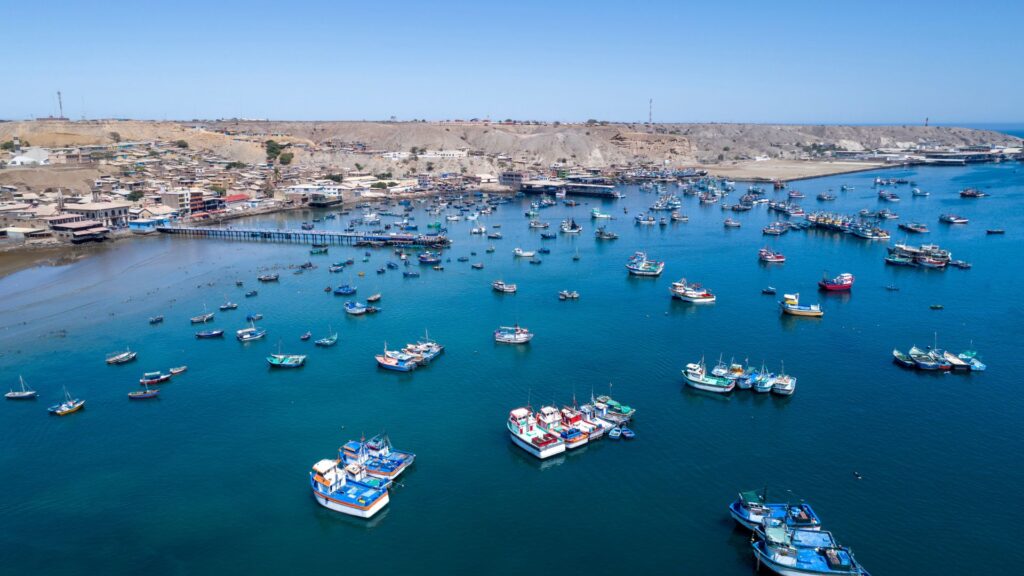
Listening, Learning, and Co-Creating a Regenerative Future for an Iconic Coastal Community Over the past few months, and with financing from IDB Invest, the Tamesis Impact team—in alliance with Green Initiative (GI International)—carried out an in-depth social engagement process in Cabo Blanco, Piura. This iconic coastal community, celebrated for its artisanal fishing heritage and cultural identity, is entering a defining moment as it explores new pathways for sustainable development, inclusive governance, and regenerative tourism. The purpose of this process was clear: to listen to Cabo Blanco’s residents, understand their priorities, and work collaboratively to envision a development model that honors their history while creating long-term social, economic, and environmental benefits. Building Trust Through Dialogue and Participation The engagement process included interviews with local authorities, community visits, and four thematic participatory workshops designed to encourage reflection, dialogue, and collective planning. We met with fishers, women leaders, youth groups, tourism stakeholders, and civil society organizations—each contributing essential perspectives. Key insights that emerged from these exchanges: 1. Openness to sustainable and regenerative tourism Residents show strong interest in tourism models that respect local traditions, protect marine and coastal ecosystems, and reinforce the cultural identity that defines Cabo Blanco. 2. Women and youth as leaders of transformation Throughout the process, women and young people demonstrated creativity, leadership, and a deep sense of commitment to their community’s future. 3. Need for integrated and inclusive governance The community expressed the importance of coordinated action among authorities, civil society, private actors, and community organizations to ensure coherent planning and equitable development. 4. Identity as the foundation of future development A recurring message across all workshops: Cabo Blanco’s greatest asset is its people—their resilience, pride, and strong connection to the sea. Why Cabo Blanco Can Become a Regenerative Tourism Model Cabo Blanco is far more than a destination. It is a living cultural landscape shaped by its fishing identity, its relationship with the ocean, and its place in Peru’s coastal history—from artisanal fishing traditions to its international recognition. This combination of heritage, identity, and community cohesion creates exceptional potential to develop a high-integrity regenerative tourism model, one capable of: A Shared Vision for Transformative and Responsible Development The alliance between Tamesis Impact, Green Initiative, and IDB Invest reinforces a commitment to responsible investment, social inclusion, and climate-resilient planning rooted in community voice. As emphasized by Joaquín Daly, Managing Partner at Tamesis Impact, the moment is both unique and urgent: “Cabo Blanco is at a turning point where identity, community engagement, and responsible investment can come together to shape a new development model for Peru’s coastal territories. At Tamesis Impact, we believe that real transformation begins by listening to people—understanding their values, their aspirations, and the heritage they want to protect. Working in alliance with Green Initiative and with financing from IDB Invest, we are helping co-create a regenerative vision that strengthens local leadership and ensures long-term social and environmental resilience.”— Joaquín Daly, Managing Partner, Tamesis Impacthttp://tamesis.com.pe/ Next Steps: Co-Designing a Community-Led Path Forward As Cabo Blanco embraces new opportunities, the priority remains the same: development shaped by and for the community. The insights gathered through this engagement process will inform the next phases of planning, technical analysis, and capacity building, ensuring that every step forward aligns with community values, territorial identity, and long-term sustainability. Cabo Blanco now stands at the threshold of becoming a flagship example of regenerative coastal development in Latin America, showing how communities, institutions, and responsible investors can work together to build a future rooted in identity, resilience, and shared prosperity. This article was written by Yves Hemelryck from the GI International Team. Related reading

Community Update: Social Engagement in Cabo Blanco, Peru Read More »

World Heritage Sites Call to Net for Climate Action in Tourism

Machu Picchu and Christ the Redeemer Lead Global Call to Climate Action in Tourism

A New Boost to Global Collaboration among World Heritage Sites Inspired by Machu Picchu — and a Call for More to Join Machu Picchu, the world’s most iconic mountain sanctuary, has once again become a source of inspiration for global climate action in tourism. During the celebration of its third consecutive Carbon Neutral Certification, leaders and representatives from emblematic heritage destinations gathered to reaffirm a shared commitment to sustainability and climate responsibility. Inspired by the words and vision of Gustavo Santos, Regional Director for the Americas at UN Tourism, and guided by the transformative energy felt in Machu Picchu, the historic “World Heritage Sites: Call to Net for Climate Action in Tourism” was signed — a collective declaration by heritage destinations determined to accelerate measurable and impactful climate action through tourism. Heritage as a Living Force for Change Heritage sites are more than cultural or natural landmarks — they are living symbols of ecological richness and human achievement. Every day, they welcome thousands of visitors, offering a powerful platform to influence awareness, behavior, and policy implementation on a global scale. Far from being passive backdrops for tourism, heritage sites are active agents of change. Many of the civilizations that built them once thrived in harmony with nature, but the absence of preservation and adaptation over time led to deterioration and loss. Today, these places remind us that preserving heritage is preserving humanity itself — and that climate action in tourism is one of the most effective ways to ensure their protection for generations to come. The Call to Net: From Heritage to Hope The World Heritage Sites: Call to Net for Climate Action in Tourism, supported by Green Initiative, brings together managers and stakeholders from emblematic destinations in a global call to action. As sites of exceptional cultural and natural value, these destinations hold a unique position to demonstrate that tourism can be both a source of economic vitality and a driver of climate- and nature-positive transformation. The initiative aligns with the principles of the UN Tourism Glasgow Declaration, advancing measurable climate strategies that integrate low-emission operations, ecosystem conservation, community engagement, and visitor education across participating sites. The first signatories include representatives of Machu Picchu (Peru), Tikal (Guatemala), the Galápagos Islands (Ecuador), Foz do Iguaçu, Bonito, the Pantanal and Christ the Redeemer (Brazil), along with delegations from Belize, UN Tourism and UNCTAD, marking the beginning of a powerful movement for climate action in tourism. Networking together — by sharing best practices, engaging local communities, and amplifying visible climate action — the initiative aims to catalyze a broader shift across the tourism industry, moving from isolated sustainability efforts to coordinated and large-scale mitigation and preservation strategies. This network is conceived as a grassroots movement led by the Global South, grounded in equity, transparency, and the collective urgency to respond to the climate crisis. And it is open for more heritage sites worldwide to join — from the Andes to Angkor, from Petra to Patagonia — amplifying the shared mission of transforming tourism into a true force for regeneration. Scaling Climate Action Through Tourism As Gustavo Santos emphasized: “This achievement demonstrates that through public–private and multilateral collaboration we can achieve remarkable results in decarbonizing the economy, moving closer to the climate goals humanity must reach. The certification experience accumulated here — and which we seek to scale across the Americas and worldwide — shows that tourism and climate action can and must go hand in hand.” Through collaboration among governments, private organizations, and local communities, the Call to Net sets a roadmap for transformative action — one where heritage destinations become living laboratories for sustainable development and climate innovation. A Pathway to Achieving National Climate Goals This initiative extends beyond the tourism sector. It represents a scalable model for countries striving to meet their Nationally Determined Contributions (NDCs) under the Paris Agreement. By measuring and reducing emissions, restoring ecosystems, and promoting circular economy solutions, heritage destinations can contribute directly to national and global climate targets while enhancing local livelihoods and resilience. A Legacy for the Planet From the heart of the Andes, Machu Picchu demonstrates that heritage preservation and climate action are deeply intertwined — two sides of the same mission to protect our planet and our shared future. As this movement expands, each participating destination adds its voice, its innovation, and its hope — proving that the places that defined our past can also lead the way toward a climate-positive future. 🌍 The Call to Net is open — heritage sites worldwide are invited to join. 📍 Machu Picchu, November 6, 2025 🔗 Read the full declaration: World Heritage Sites: Call to Net for Climate Action in Tourism This article was written by Tatiana Otaviano from the Green Initiative Team. Related Reading

Machu Picchu and Christ the Redeemer Lead Global Call to Climate Action in Tourism Read More »