Tourism

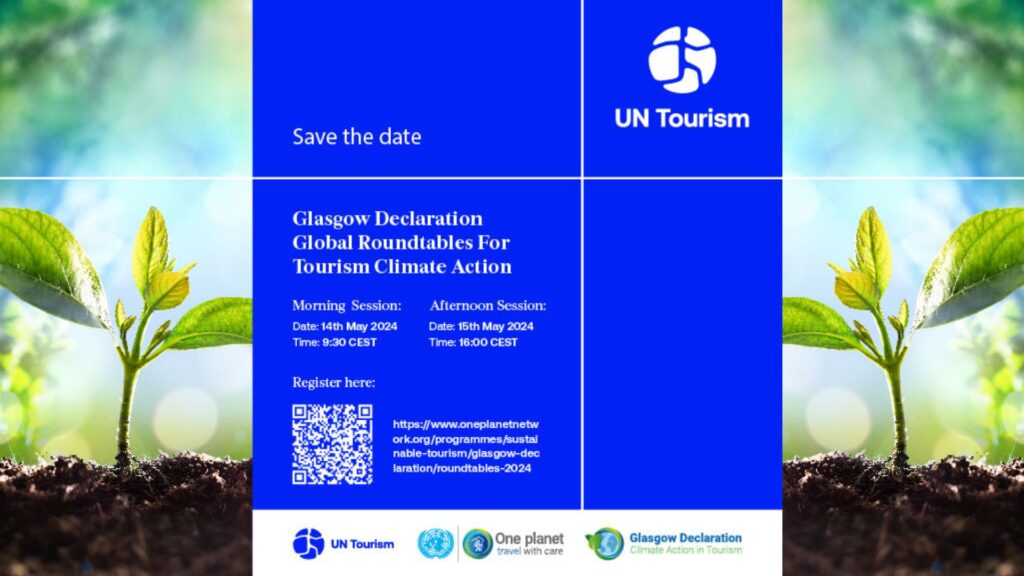
Join the Glasgow Declaration Global Roundtable for Tourism Climate Action Making a Difference Together

Join the Glasgow Declaration Global Roundtable for Tourism Climate Action: Making a Difference Together

The tourism industry has a critical role to play in advancing sustainability and resilience in the face of escalating climate challenges. The “Glasgow Declaration on Climate Action in Tourism” represents a pivotal opportunity for stakeholders to unite and drive meaningful change. The Global Roundtable for Tourism Climate Action invites you to participate in this transformative initiative. This declaration is not just a document; it’s a commitment to ongoing dialogue, knowledge sharing, and collaborative efforts to shape a low-carbon, climate-resilient tourism sector. What is the Glasgow Declaration? The Glasgow Declaration serves as a rallying call for action within the tourism industry. It aims to: Why Participate? Joining the Global Roundtable means becoming part of a dynamic community committed to driving positive change in tourism. By engaging in these sessions: How Can You Get Involved? Participation in the Global Roundtable is open to stakeholders across the tourism spectrum—businesses, governments, NGOs, and individuals passionate about climate action. Your voice and contributions are vital whether you’re already implementing initiatives or seeking to learn from others. Please mark your calendars and join us in advancing the low-carbon and climate-resilient tourism agenda. Together, let’s make a difference. Event Details: For detailed information and to register, visit the event page here. Let’s take action for a sustainable future. by the Green Initiative team.

Join the Glasgow Declaration Global Roundtable for Tourism Climate Action: Making a Difference Together Read More »

Inkaterra Hotels Leading the Way in Sustainable Luxury, Conservation, and Regenerative Tourism in peru

Inkaterra Hotels: Leading the Way in Sustainable Luxury, Conservation, and Regenerative Tourism in Peru

Inkaterra Hotels, renowned for their unparalleled luxury and commitment to conservation, have once again been recognized for their excellence in the hospitality industry. Five of their distinguished properties – Inkaterra La Casona, Inkaterra Hacienda Urubamba, Inkaterra Machu Picchu Pueblo Hotel, Inkaterra Hacienda Concepción, and Inkaterra Reserva Amazónica – have been nominated for the prestigious Travel + Leisure World’s Best Awards 2024. Moreover, Inkaterra, acclaimed as the third best in the World’s Best Hotel Brands in 2019, has received another nomination for the esteemed title of best hotel brand. This recognition underscores not only the exceptional service and experiences offered by Inkaterra Hotels but also their unwavering commitment to environmental sustainability, conservation efforts, and regenerative tourism. One of their numerous accolades stands out prominently – their Climate Positive certification. Discover the Wonders of the Peruvian Amazon at the Inkaterra Amazon Field Station: An Immersive Experience for Nature Enthusiasts, Researchers, Students, and Volunteers An enriching experience for natural lovers, researchers, students and volunteers, Amazon Field Station byInkaterra invites all guests to explore the Peruvian Amazon through interactive excursions, inspired by conservation initiatives managed by Inkaterra Asociación within the megadiverse rainforest. Inkaterra Hotels, deeply rooted in the Peruvian landscape, have made significant strides in mitigating their environmental impact while contributing to preserving Peru’s rich biodiversity. Their Climate Positive certification is a testament to their dedication to combatting climate change and protecting the natural wonders surrounding their properties. The concept of Climate Positivity goes beyond mere carbon neutrality; it involves actively removing more carbon dioxide from the atmosphere than the organization emits. Inkaterra Hotels achieves this through a multifaceted approach encompassing various sustainable practices across their properties. From reforestation initiatives to energy-efficient operations and community engagement, each aspect of their operations is meticulously designed to minimize environmental harm and maximize positive contributions to the ecosystem. In addition to their Climate Positive certification, Inkaterra Hotels are at the forefront of the regenerative tourism movement, pioneering innovative approaches that minimize their ecological footprint and actively regenerate the environments in which they operate. Inkaterra goes beyond sustainability to restore and rejuvenate the natural landscapes and communities surrounding their properties by implementing regenerative practices such as regenerative agriculture, reforestation, and ecosystem restoration. Through initiatives like their Spectacled Bear Conservation project and native tree planting programs, they empower local communities and promote biodiversity conservation, ensuring that their presence leaves a lasting positive impact on both the environment and the people who call these regions home. Inkaterra’s commitment to regenerative tourism enriches the guest experience. It serves as a beacon of hope for the future of responsible Travel worldwide. Inkaterra La Casona, nestled within the historic city of Cusco, seamlessly blends colonial charm with modern comforts while prioritizing sustainability. The property is a beacon of eco-conscious luxury, showcasing how heritage preservation and environmental stewardship coexist harmoniously. Meanwhile, Inkaterra Hacienda Urubamba offers guests a serene retreat in the Sacred Valley of the Incas, where breathtaking landscapes and cultural immersion go hand in hand with responsible tourism practices. In the heart of the Andean cloud forest, Inkaterra Machu Picchu Pueblo Hotel provides an enchanting escape for travelers seeking to connect with nature without compromising luxury. Here, guests can explore the lush surroundings while supporting conservation efforts to safeguard the delicate ecosystem. Venturing into the Amazon rainforest, guests of Inkaterra Hacienda Concepción and Inkaterra Reserva Amazónica are treated to an immersive wilderness experience like no other. These eco-lodges offer unparalleled opportunities for wildlife encounters and actively contribute to rainforest conservation through research, education, and sustainable tourism initiatives. As Inkaterra Hotels continues to garner acclaim for its exceptional hospitality and commitment to sustainability, it invites travelers worldwide to join it in its conservation journey. By voting in the Travel + Leisure World’s Best Awards 2024, guests can support responsible tourism practices and help elevate Inkaterra Hotels to greater heights of excellence. In a world where luxury often comes at the expense of the environment, Inkaterra Hotels is a shining example of how hospitality and conservation can converge to create unforgettable experiences while safeguarding the planet for future generations. Green Initiative and Forest Friends: Leading the Way Towards Regenerative Tourism and Sustainable Hospitality with Inkaterra Hotels As partners of Inkaterra Hotels, Green Initiative and Forest Friends are immensely proud of their dedication to sustainable practices, conservation, and regenerative tourism. We applaud their leadership in the hospitality industry and stand alongside them in their commitment to protecting the planet. We encourage other hotel brands worldwide to follow the example and contact us for guidance and support in implementing environmentally responsible initiatives through our Climate and Nature Positive advisory and certification processes. Together, we can make a significant difference in preserving our natural heritage. Written by Yves van Hemelryck, from the Green Initiative Team.

Inkaterra Hotels: Leading the Way in Sustainable Luxury, Conservation, and Regenerative Tourism in Peru Read More »

Why opting for a staycation is more sustainable - Green Initiative

Why Opting for a Staycation is More Sustainable

We all need a holiday every once in a while, but if you’re trying to live more sustainably, choosing a trip can cause some anxiety – mainly as you try to figure out the best way to take a good break and be kind to the planet. A staycation rather than heading abroad, you can considerably lower your holiday’s carbon footprint. Let’s dive into how a staycation is a more sustainable alternative to jetting abroad. Reduced travel emissions By taking a holiday a little closer to home, you can forgo air travel and save plenty of carbon dioxide from being released into the atmosphere. Airplanes emit approximately 100 times more carbon dioxide per hour than road vehicles, making travel on buses, trains, and cars a much more sustainable option. Similarly, when you take a staycation, you tend to find yourself doing less sightseeing that requires long-distance travel and enjoying the natural beauty of your local surroundings instead. You’re much more likely to walk or cycle to your holiday activities or may find that you take much shorter trips in the car, which all goes a long way toward reducing your CO2 emissions. Supporting local businesses Part of the fun of taking a holiday is coming home with a few fun souvenirs that will remind you of your trip. When you take a holiday abroad, purchasing souvenirs from local artisans can significantly support the local economy. However, it cannot be easy to discern which products are eco-friendly and which are mass-produced with a higher carbon footprint when you don’t speak the same language as the locals. Of course, skipping the souvenirs altogether is always best – unless you need something, less is more. But if you feel tempted to purchase, you can select locally produced, eco-friendly products when you take a staycation. By performing a little research, you should be able to discover some tremendous sustainable stores and may even find some that give back to the community and local environmental charities. Less waste produced When preparing to take a holiday abroad, resisting the temptation to prepare over can be challenging. Particularly if we’re in a rush to get everything packed, we may be more inclined to spend money on travel-sized toiletries or stock up on sunscreen for fear that we may not be able to find any once we reach our holiday destination. It’s much easier to avoid panic buying when you choose to take a staycation. With no luggage restrictions, you can pack the items you use at home into your car rather than buying all new mini products that may eventually go to waste. Similarly, once you arrive at your destination, it will be easy to navigate around the local shops – so you can save most of your purchases for when they’re essential. Do your bit to save the planet There are plenty of benefits to taking a staycation. For most people, they provide a welcome opportunity to save some money and visit unexplored local sights. Of course, the best part about taking a staycation is that you’ll be doing your bit to protect the planet. By reducing your travel emissions, supporting local businesses, and shopping a little less, you can do plenty to support sustainability efforts across the globe. But I want to go far away from home this holiday season! In that case, consider embracing climate-positive travel by taking steps to offset your carbon emissions and contribute to the preservation of ecosystems. When booking your trips, prioritize agencies like Tulu Travel, Sweetours, Kuoda Travel, and Lima Tours, which are known for their commitment to sustainability and ecosystems restoration. Opt for resorts such as Inkaterra and Estância Mimosa, renowned for their eco-friendly tourism practices. To mitigate your carbon footprint, explore options these agencies provide to compensate for emissions generated by your travel, such as investing in certified carbon offset programs. Additionally, take it further by engaging in initiatives like tree-planting projects that help restore and preserve vital ecosystems, promoting a more sustainable and regenerative approach to holiday travel. If you are a travel agent, consider reading our climate action guide for tourism businesses and destinations. This article was written in collaboration with Anne Walton, Digital Content & Media Consultant and Researcher.

Why Opting for a Staycation is More Sustainable Read More »

Green Initiative's Leadership in Climate-Smart Tourism at cop28

Green Initiative’s Leadership in Climate-Smart Tourism at COP28

In an era where environmental concerns are at the forefront of global discourse, the tourism sector is both a beacon of exploration and a contributor to carbon emissions. However, amid this duality, strides toward sustainable practices are being made, exemplified by the Glasgow Declaration and the dedicated efforts of organizations like the Green Initiative. As a signatory of the Glasgow Declaration, it is with immense pride and honor that Green Initiative announces its participation at COP28 in Dubai. Alongside UN Climate Change, on the 10th and 11th of December 2023, the exhibition booths nestled inside the Blue Zone. This presence shows our pivotal role in driving transformative change on the international platform. As a committed signatory of the Glasgow Declaration, Green Initiative has positioned itself as a catalyst for change, focusing on infusing climate action into the fabric of business models. Our unwavering commitment extends to guiding and empowering tourism entities worldwide to curb their carbon footprint and ultimately achieve net-zero emissions before 2050. The transformative journey of the tourism sector aligns harmoniously with the principles outlined in the Glasgow Declaration. This movement is underscored by the Green Initiative’s strategic development of the “Climate Action Guide for Tourism Businesses and Destinations.”  This comprehensive roadmap equips stakeholders with practical tools and real-life examples of successful climate mitigation efforts, featuring notable instances like Machu Picchu – The First Carbon Neutral Certified UNESCO Designated Site and Bonito – The First Carbon Neutral Ecotourism Destination in the World. Beyond mere carbon reduction, the Glasgow Declaration advocates adopting eco-friendly and regenerative practices in tourism. Green Initiative stands at the vanguard, actively collaborating with international tourism entities, agencies, and hospitality chains to integrate regenerative approaches. Notably, our initiatives align with the UN Decade for Ecosystem Restoration program, showcasing projects in Peninsula de la Osa, Costa Rica, and Madre de Dios, Peru, to restore 10 thousand hectares (100,000 trees) by 2030. At its core, Green Initiative’s leadership under the Glasgow Declaration embodies a commitment to climate-smart and regenerative tourism. From spearheading decarbonization efforts in renowned destinations to fostering collaborative ecosystem restoration projects in biodiversity hotspots, our endeavors radiate a dedication to promoting positive climate and environmental impacts within the tourism sector globally. Moreover, through initiatives like the “Climate Action Guide for Tourism Businesses and Destinations,” the Green Initiative facilitates a critical alignment between public and private investments with overarching global climate goals. This guide is a beacon for industry leaders and governments, empowering them to steer their efforts toward sustainable, climate-resilient tourism practices. In essence, Green Initiative’s unwavering dedication underscores the vital role of proactive collaboration and sustainable innovation in fostering a tourism landscape that mitigates its environmental impact and nurtures the natural world it so eagerly explores. As we continue to pave the way for climate-positive tourism, our commitment remains a testament to the transformative power of aligned action and conscientious stewardship in safeguarding our planet for future generations.

Green Initiative’s Leadership in Climate-Smart Tourism at COP28 Read More »

Estância Mimosa is the first Climate Positive certified ecotourism attraction in the world

Estância Mimosa is the first Climate Positive certified ecotourism attraction in the world

Addressing Climate Change in Tourism: The Glasgow Declaration’s Strategic Framework Climate change is one of the major problems faced by humanity today. Since 2021, the Glasgow Declaration has offered all actors in the tourism sector a strategic framework that encourages the internalization of climate actions in all areas of the tourism value chain: destinations, attractions, companies, and tourists. In this context, Estância Mimosa, a renowned ecotourism tour in Bonito, Mato Grosso do Sul, celebrates an unprecedented achievement for the world tourism sector. It became the first tourist attraction in the world to receive the Climate Positive Certification, granted by the international organization Green Initiative. This achievement highlights Estância Mimosa’s commitment and hard work since its foundation in 1999, not only towards environmental sustainability and the preservation of local biodiversity but also with the climate action goals proposed by the United Nations and the Glasgow Declaration for Tourism. To obtain this prestigious certification, Estância Mimosa started the Green Initiative Certification Cycle in 2023, demonstrating compliance with the organization’s strict criteria of sustainability and environmental responsibility. With this perspective in mind, the INTERNATIONAL SEMINAR ON CLIMATE ACTION IN TOURISM took place in Bonito on July 27, 2023. The event featured the participation of Dr. Saulo Rodrigues, Sustainability and Climate Action Manager, representing the Ministry of Tourism, Edson Barros, as well as Dr. Daniel Galvan from UNFCCC, and Virginia Fernandez-Trapa from the World Tourism Organization, among other stakeholders from the national tourism sector. Estância Mimosa: Leading the Way as a Climate Positive Certified Attraction The Climate Positive Certification demonstrates that Estância Mimosa not only has a neutral balance between its emissions, captures, and offsets but also actively contributes to the mitigation of climate change by preserving and recovering native forests within the limits of the attraction, which account for more than 84 % of the total area of ​​the property. The preservation of these forests guarantees that the carbon in their biomass is not released into the atmosphere through exploitation, and it allows more carbon to be captured by plants during forest restoration. Sustainable Ecotourism Throughout the project, all sources of greenhouse gas emissions from the attraction were quantified for the year 2022 and classified into four categories proposed by the ISO 14064 methodology, namely: The carbon footprint calculation was carried out following the principles of Relevance, Completeness, Consistency, Transparency, and Precision, considering the complete scope 1, 2, and 3 of the attraction. This means that all emissions relating to the operation and the business value chain were assessed in a detailed and standardized manner to allow the comparison of results in the coming years and show the effect of the reduction measures that will be taken. All raw materials used in the attraction were accounted for, from the consumption of fuel and paper to the consumption of rice, meat, and beans. Among the results, we have that the emissions of Estância Mimosa in 2022 were 277.76 tons of CO2 equivalent, which results in 12.46kg of CO2 per visitor received in 2022. The analysis of carbon capture in 2022 was carried out by combining detailed maps of the property’s vegetation cover using UAV technology, satellite images, and studies of forest inventory and carbon capture. ​​Estância Mimosa is a rural property with a significant extension of primary forests and forest regeneration areas, also officially protected by a private reserve – RPPN. This survey found that the forest regeneration areas, equivalent to 89 hectares, captured a total of 460.36 tons of CO2 in their aerial biomass throughout 2022, which is greater than the total emissions of the attraction. Regeneration areas have an accelerated accumulation of biomass in their initial phase of development, which then tends to decrease as the forest becomes more mature. In addition, the carbon stock present in primary forest areas was estimated, which in addition to avoiding greenhouse gas emissions, has an apparent effect on environmental additionality in the region since it is home to a wide range of birds, mammals, and other animals, already identified on the property. Luiza Coelho, Sustainability Director at Estância Mimosa, expressed her gratitude for the recognition and highlighted the attraction’s ongoing commitment to promoting sustainable practices and inspiring other companies in the sector to follow this path. “The Carbon Neutral Certification in the Climate Positive category is an extraordinary milestone for Estância Mimosa and an incentive for us to continue our work in the pursuit of excellence in sustainable ecotourism. We are proud to be leaders in this journey, and we thank all those involved who made it possible “. The Award The Climate Positive Certification was awarded to Eduardo and Simone Coelho, Directors of the Rio da Prata Group (www.gruporiodaprata.com.br), of which Estância Mimosa is part, during the Seminar on Climate Action in Tourism: Global Challenges and Local Opportunities for Innovation, an event held at Sebrae, Bonito, MS on July 27, 2023. About Estância Mimosa Located in Bonito, Mato Grosso do Sul, Estância Mimosa is an acclaimed ecotourism tour known for its lush nature, well-preserved trails, and stunning waterfalls. Committed to sustainability, it offers visitors memorable experiences in harmony with nature. The site is the only tourist attraction in Bonito (MS) that offers trails and waterfalls within a private reserve – RPPN in which it is possible to enjoy direct contact with preserved nature, walk along trails through the forest, see more than 255 species of birds or come across one of the 32 species of cataloged mammals. More information: http://www.estanciamimosa.eco.br Press Contact Name: Luiza Coelho Position: Director of Sustainability of Grupo Rio da Prata E-mail: luiza@gruporiodaprata.com.br Phone: 5567999389064 Become a Climate and Nature Positive Business Green Initiative Certifications are a crucial step towards promoting sustainability and responsible environmental practices across various industries. These certifications are awarded to organizations and businesses that demonstrate a genuine commitment to reducing their carbon footprint, conserving natural resources, and mitigating the impacts of their operations on the environment. By adhering to rigorous standards and guidelines, companies can quantify their greenhouse gas emissions, identify areas for improvement, and implement

Estância Mimosa is the first Climate Positive certified ecotourism attraction in the world Read More »

Why should the Wine Industry in Latin America Integrate Climate Action at the core of their business models?

Why should the Wine Industry in Latin America Integrate Climate Action at the core of their business models?

The wine industry is one of Latin America’s most important export sectors, especially for countries like Argentina, Chile, and Uruguay. Wine production in Latin America has grown rapidly over the past few decades, accounting for a significant share of global wine production. For example, in 2019, Argentina was the fifth largest wine-producing country in the world, with a production of over 14 million hectoliters, while Chile was the ninth largest, with a production of over 10 million hectoliters (OIV, 2020). On the other hand, Uruguay is a small but significant player in the premium wine market, focusing on high-quality wines (Uruguay XXI, 2021). The Economic Impact of the Wine Industry in Latin America: Job Creation, Tourism, and Export Growth According to a report by the Inter-American Development Bank (IDB), the wine industry in Latin America is an important driver of economic growth, generating jobs and income for rural communities and contributing to the development of the local economy (IDB, 2019). In Argentina, for example, the wine industry generates over 20,000 jobs and contributes to the country’s tourism industry (Wines of Argentina, 2021). In Chile, the wine industry is a significant source of exports, accounting for over 2% of the country’s total exports (Chilean Wine, 2021). Similarly, in Uruguay, the wine industry contributes to the country’s exports and tourism industry, focusing on high-end wines (Uruguay XXI, 2021). Challenges and Opportunities: Why Integrating Climate Action is Essential for the Future of the Wine Industry in Latin America The wine industry in Latin America is facing significant challenges due to climate change. As a result, grape yields, quality, and the industry’s overall sustainability are being affected. In order to address these challenges, it is essential for the wine industry in Latin America to integrate climate action and promote sustainability. In addition to the environmental and social benefits, integrating climate action in the wine industry in Latin America can have economic benefits.  By integrating climate action at the core of their business models, Latin American wine producers can mitigate climate risk and benefit from opportunities to reduce costs, increase efficiency, promote product innovation, and tap into emerging net-zero emissions value chains. EU’s Carbon Border Adjustment Mechanism and Its Implications for the Wine Industry in Latin America The European Union has introduced the Carbon Border Adjustment Mechanism (CBAM) to ensure that imported goods meet the same environmental standards as those produced within the EU. The CBAM is expected to significantly impact the wine industry in Latin America, as it will require exporters from Latin America to pay a carbon price based on the carbon footprint of the exported product. This mechanism will encourage exporters to reduce their carbon footprint and ensure that companies that take proactive measures to reduce their emissions and promote sustainability are more likely to succeed in the European market. Green Initiative: Partnering with Latin American Wine Producers to Implement Climate-Smart Business Strategies Latin American wine producers seeking to integrate climate action into their business models can benefit from expert guidance and support from Green Initiative. Green Initiative’s advisory services specialize in helping companies develop and implement climate action strategies that reduce their carbon footprint, promote climate-smart practices, and connect to emerging net-zero emissions value chains. Through a comprehensive approach that includes science-based carbon footprint assessments, strategy development, and implementation support, Green Initiative can help Latin American wine producers navigate the complex landscape of climate action and take concrete steps to achieve their decarbonization goals. Are you a wine producer in Latin America looking to reduce your carbon footprint and promote climate-smart practices? Contact Green Initiative today and benefit from our expert advisory services. Our team of experienced climate advisors can help you develop and implement customized climate action strategies that meet your business needs and align with emerging net-zero emissions value chains. Take the first step towards a sustainable future – contact us now to learn more!

Why should the Wine Industry in Latin America Integrate Climate Action at the core of their business models? Read More »

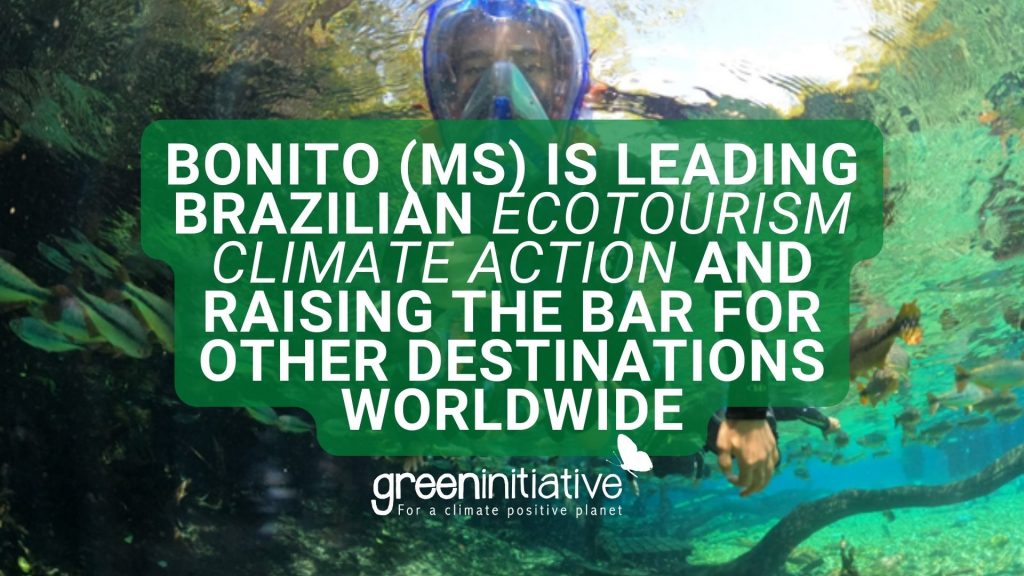
Bonito (MS) is Leading Brazilian ecotourism Climate Action and raising the bar for other destinations worldwide

Bonito: How a Brazilian ecotourism destination is leading climate action by example

As the world recovers from the shock of the COVID-19 pandemic, rebuilding a more sustainable tourism sector remains a shared responsibility of tourism firms and destinations. Amid mounting evidence of severe climate change, points that the window of opportunity to rapidly reduce greenhouse gas (GHG) emissions and avoid a climate disaster is rapidly narrowing. Atmospheric temperatures have already increased by about 1⁰ Celsius from preindustrial levels, and keeping that increase to less than 1.5⁰ through 2050 will require intense efforts by the public and private sectors. At the COP26 conference in November 2021, the UN World Tourism Organization (UNWTO), the United Nations Environment Program (UNEP) and their partners issued the Glasgow Declaration for Tourism and Climate, which calls on all tourism stakeholders to demonstrate a shared commitment to mitigating greenhouse gas (GHG) emissions by integrating climate action into the core of tourism business models and management tools. Brazil’s ecotourism industry relies on landscapes with extraordinary biodiversity and vibrant ecosystems that provide food and shelter for native species. One of Brazil’s key ecotourism centers is Bonito, a fantastic destination in Mato Grosso do Sul that rests atop the Guarani Aquifer, the second largest source of freshwater on earth. Bonito’s efforts to achieve carbon-neutral certification are based on over two decades of implementing sustainable tourism management practices. As early as 1995, Bonito created a Tourism Voucher system that is designed to control the number of tourists per attraction based on a scientific reference point for tourist capacity, and Bonito has since emerged as one of the most lauded ecotourism destinations in the country. After Bonito received the WTN Global Responsible Tourism Award in 2013 (London), government authorities launched a public-private destination governance body – FUNDTUR, which plays a key role in promoting sustainable tourism development best practices for Bonito. The carbon neutral certification process led by Green Initiative, was initiated with the signing of the Glasgow Declaration by FUNDTUR, in coordination with the Bonito municipal government and the state secretariats for the environment, tourism, and economic development. The carbon-neutral certification cycle requires an accurate assessment of the destination’s carbon footprint. This footprint establishes the baseline for reducing Bonito’s carbon emissions, which will need to fall by 45% by 2030 and reach net zero by 2050, in accordance with the guidelines of the Paris Agreement. The certification process also includes an assessment of the GHG capture and storage capacity of local forests, which include eight of Bonito’s main ecotourism attractions spread over 5,000 hectares. According to the carbon-footprint assessment, the main GHG emission sources are fuel consumption by vehicles (52,36% of total emissions), followed by the decomposition of solid waste (22,64%). The mitigation plan will focus first on solid-waste management (including food waste), reducing methane emissions at landfills by channeling organic waste to appropriate sites through governmental and community programs. In addition to reducing GHG emissions, the proper treatment of organic waste can provide opportunities to produce valuable products such as biochar, compost, biogas, and organic fertilizers. Local farmers can use organic fertilizers as a substitute for nitrogen-based fertilizers, further slashing GHG emissions from agriculture while complementing ecosystem restoration and reforestation projects currently underway. Reducing the carbon footprint of cars, trucks, and motorcycles will be vital to achieve Bonito’s climate targets. Vehicle emissions pose an especially complex challenge, and emissions reduction will require sustained investments in electric mobility. By developing the capacity to measure and monitor its climate performance, Bonito is raising the bar in climate action for ecotourism destinations world-wide, leading the way to new destination management practices, that should mainstream climate action as a significantly relevant aspect for long-term prosperity for any destination. This article for Transforming One Planet Vision into Action has been prepared by FUNDTUR, Mato Grosso do Sul Destination Management Organization. For more information visit Green Initiative website. Green Initiative, a leading sustainable certification company, is proud to announce that it has partnered with the UNWTO and the Travel Foundation to support the Glasgow Declaration Capacity Building Working Group. ENGAGE NOW Commit to a new level of leadership and competitiveness in the tourism industry by introducing climate action at the core of your business model, and become Climate Positive, Carbon Neutral and /or Carbon Measured certified. Click here to learn more about Green Initiative Certifications and Climate Action Solutions for Tourism.

Bonito: How a Brazilian ecotourism destination is leading climate action by example Read More »

Building Tourism Back Better

A Climate Action Guide For Tourism Businesses and Destinations

As the world continues to recover from the unprecedented shock of the COVID-19 pandemic, rebuilding a sustainable tourism sector remains a shared responsibility for tourism organizations worldwide. Amid mounting evidence of severe climate change, the window of opportunity for swiftly reducing greenhouse gas (GHG) emissions is rapidly narrowing. In November 2021 The UN World Tourism Organization (UNWTO) and the UN Environment Programme (UNEP), in collaboration with the Travel Foundation, launched the Glasgow Declaration for Climate Action in Tourism at the climate-change conference COP26. The declaration calls on all tourism stakeholders to publicly demonstrate a joint commitment towards GHG reduction and climate resilience. In the wake of the Glasgow Declaration, the tourism industry is striving to embrace the challenges posedby climate change. Reaching a broad consensus on how to address climate change would be of utmost importance, impacting tourism industry developments and performance in the years to come. Since 2014 Green Initiative has been working alongside tourism businesses and destinations worldwide, introducing best climate action practices leading to efficient processes, access to climate financing, cost reductions, compliance with ESG standards, and international climate leadership. As part of our continuous support to accelerate the decarbonization of global tourism, a Climate Action Guide for Tourism Businesses and Destinations was prepared by Green Initiative and technically reviewed by the staff of the United Nations Environment Programme (UNEP), United Nations World Tourism Organization (UNWTO), United Nations Climate Change (UNFCCC) and United Nations Conference on Trade and Development (UNCTAD). Forthcoming at COP 27th At Sharm El-Sheikh, Egypt, the guide provides a practical roadmap to define baseline emissions, monitor carbon footprint changes, set emissions targets, evaluate progress, and publicize climate commitments and successes. At Green Initiative, we believe that unsustainable business-as-usual models will lose competitiveness and disappear. It’s time to reinforce collaborative processes and work together, “Building Tourism Back Better”. Please click here to download the Climate Action Guide For Tourism Businesses and Destinations.

A Climate Action Guide For Tourism Businesses and Destinations Read More »

World exchange becomes Carbon Neutral certified

WorldXchange becomes Carbon Neutral Certified

Worldxchange is the first Currency Exchange House in the world to reach the Carbon Neutral Certification The Company WorldXchange, a foreign currency exchange house with more than 40 years of experience in the national market. Conveniently located in the country’s main airports, our services are characterized by their reliability, agility, and competitiveness. The company´s ISO 9001 certification ensures compliance with high-quality standards. It guarantees commitment and continued improvement. Tourism is one of the most critical sectors for the country’s economic recovery. It provides outstanding contribution to generating work and income opportunities. Peru needs to promote the reactivation of Tourism in a different way. Namely, by internalizing the lessons that COVID-19 has left us. Lessons Learned One of the ways to promote the recovery of tourism activity is by supporting the international climate agenda. WorldXchange understands that the Peruvian tourism sector must engage in a sustainable development path. This is by adopting smart climate action practices that will contribute with efficiency and innovation – Building Tourism Back Better. The tourism sector of Peru has been taking significant steps in this direction. The certification of Machu Picchu as the first carbon-neutral UNESCO Designated Site is perhaps the best example for this. This good news has spread worldwide and has given our emblematic heritage site access to financing sources and international recognition. Like National Geographic, Lonely Planet, United Nations Climate Change, and the World Tourism Organization. At WorldXchange we believe that this effort is consistent with the current needs of tourism industry and needs to be widely supported by all tourism stakeholders, including airports, hotels, tourism operators and agencies, transport, and the entire set of organizations that make up the value chain. In this context, WorldXchange has been working with Green Initiative to introduce climate action at the core of its business model. “One of the lessons that Covid-19 leaves us is that from wherever we are, we must do things differently. At WorldXchange we are committed to the reactivation of tourism with climate responsibility. Responsible companies must support intelligent and climate-responsible economic reactivation. From which, we all benefit. This is our great challenge today.” Raul Villa Green Initiative is very proud to announce that WorldXchange is the first Currency Exchange House in the world to reach the Carbon Neutral Certification. Engage Learn how to engage your Travel Business into a New Level of Leadership and Competitiveness. Become Climate Positive, Climate Neutral and Climate Measured certified here.

WorldXchange becomes Carbon Neutral Certified Read More »