sustainable development

Machu Picchu Leads Global Climate Action with Its Third Carbon Neutral Certification

Machu Picchu Leads Global Climate Action with Its Third Carbon Neutral Certification

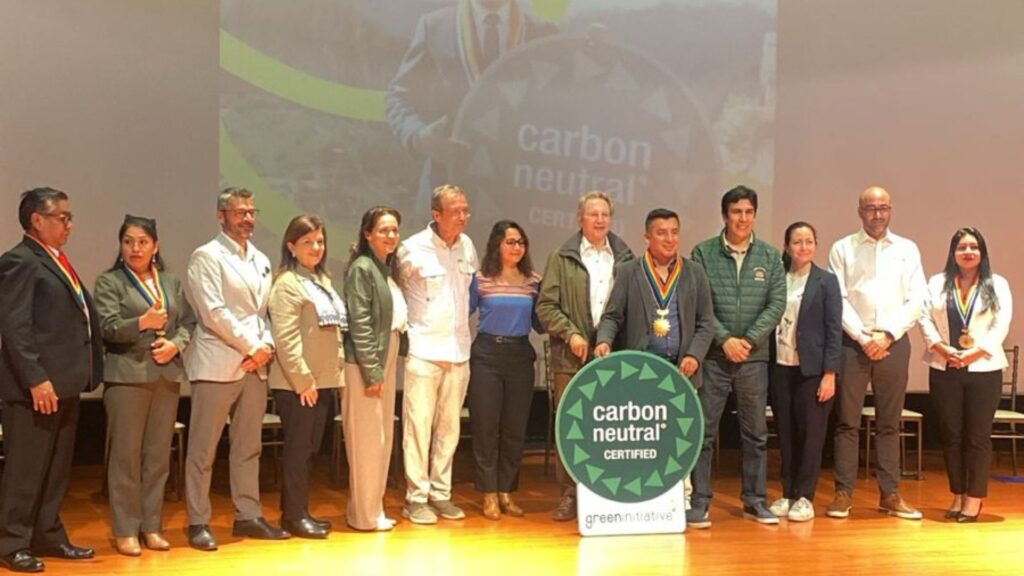
From the heart of the Andes, Machu Picchu once again makes history — not only as a symbol of world heritage, but as a living model of how tourism and climate action can move together toward a shared future. In 2025, the iconic destination achieved its third consecutive Carbon Neutral Certification, granted by Green Initiative, consolidating its leadership in the global movement for climate-positive and nature-positive tourism. A measurable path toward decarbonization Between 2019 and 2024, Machu Picchu achieved a 7.07% reduction in its carbon footprint per tourist, while increasing its carbon capture through reforestation and ecological restoration projects. These results are not symbolic — they are measurable, verifiable, and replicable, proving that the decarbonization of tourism is possible when data, science, and collaboration converge. Behind this achievement lies a rigorous process of measurement, reduction, and compensation aligned with international standards such as the GHG Protocol and IPCC Guidelines. Residual emissions were offset through the retirement of high-integrity carbon credits, ensuring climate integrity and transparency across all levels of reporting. A model built on collaboration The certification reflects four years of work led by the Municipality of Machu Picchu, in collaboration with PROMPERÚ, Inkaterra, AJE Group, BAM (Bosques Amazónicos), SERNANP, Ministry of Culture of Peru (Decentralized Directorate of Culture of Cusco), Tetra Pak, together with partners including CANATUR, LATAM Airlines, MSC, Inka Rail, Peru Rail, Belmond and World Xchange. The process also integrated technical cooperation with UN Tourism, UN Climate Change (UNFCCC), UNCTAD, the Peru Circular Tourism Initiative, the Consulate of the German Embassy in Peru, and the Spanish Agency for International Development Cooperation (AECID). It is a public-private and multilateral alliance that turned ambition into measurable action — a framework now inspiring similar transitions in destinations such as Cabo Blanco, Bonito, and Christ the Redeemer.    Why it matters now A decade after the Paris Agreement, and as the world looks toward COP30, Machu Picchu stands as tangible proof that climate ambition can translate into practical results. Its model merges circular economy practices — such as pyrolysis for biochar production, biodiesel generation from used oils, and recycling of PET plastics, packaging, and glass — with improvements in sustainable mobility through electric vehicles. The integration of these strategies enhances the destination’s resilience to climate change, strengthening its role as a benchmark for regenerative and low-carbon tourism. The entire process follows the principles of transparency and traceability promoted by the Circular Tourism Peru framework, under the commitments of the Glasgow Declaration for Climate Action in Tourism led by UN Tourism. Toward the world’s first Carbon Neutral Tourism Corridor Building on this success, Machu Picchu is now spearheading the creation of the World’s First Carbon Neutral Tourism Corridor, connecting district municipalities from Machu Picchu to Cusco, including Choquequirao. The initiative aims to reduce regional emissions, foster public and private investment, and promote sustainable mobility while creating a more inclusive and climate-smart visitor experience. At the same time, Machu Picchu is expanding its reach through international collaboration with other emblematic World Heritage sites such as Angkor Wat (Cambodia) and Petra (Jordan), to exchange best practices that accelerate the fulfillment of the Paris Agreement and Glasgow Declaration objectives. Voices that inspire global transformation “From the District Municipality of Machu Picchu, we remain committed to continuously monitoring our carbon footprint and promoting policies that foster a circular and regenerative economy in harmony with nature.”— Elvis La Torre, Mayor of Machu Picchu “Through public–private and multilateral collaboration, we can achieve remarkable results in decarbonizing the economy. The experience accumulated here — and that we aim to scale worldwide — shows that tourism and climate action must go hand in hand.” — Gustavo Santos, Regional Director for the Americas, UN Tourism “Machu Picchu’s leadership highlights the impact of years of scientific data collection and standardization. Climate action becomes tangible when grounded in science and collaboration.” — Daniel Galván Pérez, UN Climate Change “Machu Picchu not only represents the greatness of our history and culture, but also Peru’s commitment to a sustainable future. Being the first World Cultural Heritage Site to achieve carbon neutrality is a milestone that reflects how tourism can be a positive force for conservation and development. Today, travelers around the world seek experiences that connect with nature and respect the environment; Machu Picchu demonstrates that it is possible to experience cultural heritage in harmony with the planet. This achievement inspires us to continue promoting tourism that protects, values, and transforms.” — María del Sol Velásquez, Director of Tourism Promotion, PROMPERÚ “The certification of Machu Picchu as a carbon-neutral destination marked a milestone in the environmental management of Peruvian tourism. This achievement opens the opportunity to move toward a more ambitious model, where tourist destinations strengthen their resource efficiency, reduce their carbon footprint, foster innovation, and consolidate the participation of local communities. At MINCETUR, we work to ensure that this example inspires other destinations to advance on the path toward sustainability and resilience, in alignment with the country’s climate commitments.” — Sophia Dávila, Director of the Directorate of Environmental Tourism Affairs, MINCETUR. “Tourism does not only move economies — it moves memories, territories, and shared purpose. From CANATUR PERU, we promote a collaborative network within the sector that seeks to transform every destination into a node of sustainability, traceability, and resilience. Machu Picchu stands today as the living symbol of this transformation, reminding us that heritage is not simply preserved — it is managed with legitimacy, sensitivity, and a shared vision.” — Carlos Loayza, General Manager, CANATUR “The Carbon Neutral Certification symbolizes what happens when companies act with purpose. At AJE Group, we reaffirm our commitment to solutions that combine innovation, sustainability, and social well-being.” — Jorge Lopes-Dóriga, Director of Communication and Sustainability, AJE Group “For BAM, it is an honor to have contributed for the third consecutive year to the certification of Machu Picchu as a carbon-neutral destination, through the emission reductions generated by our REDD+ Castañeros project. This project protects more than 600,000 hectares of unique forests and directly benefits more than

Machu Picchu Leads Global Climate Action with Its Third Carbon Neutral Certification Read More »

Industrialization of Brazil’s Comparative Advantages: How Natural Capital Can Drive Inclusive and Sustainable Growth

Industrialization of Brazil’s Comparative Advantages: How Natural Capital Can Drive Inclusive and Sustainable Growth

How can emerging economies grow and foster development today, in a world where protectionism has become the norm, access to markets has narrowed, technology sharing has declined, and geopolitics has taken center stage? The strategies that propelled South Korea, Taiwan, China, Singapore, and others to success decades ago no longer deliver the same results. What, then, are the new pathways and opportunities? The answer lies in identifying and seizing the vast opportunities arising from climate transition, geopolitical realignment, and the quest for resilience in global value chains. These forces are revaluing geography as one of the most powerful drivers of business and investment. This is particularly true for much of Latin America, endowed with immense natural wealth and capital—renewable energy, bioeconomy resources, critical minerals, forests, carbon markets, water, and ecosystem services, among others. There are already unmistakable signs of a shift in relative prices in favor of these assets, which could reshape the global economic game and benefit emerging economies. To unlock this potential, however, countries must transform static comparative advantages into dynamic ones—in other words, industrialize their natural assets and add value to them. The moment is favorable, but the benefits are not automatic. 🎧 This is the central theme of the new podcast series launched by Imagine Brasil, “Industrialization of Brazil’s Comparative Advantages,” conducted by professors Aldemir Drummond and Jorge Arbache. In the first episode, Maria Netto, CEO of the Instituto Clima e Sociedade (iCS), offers an in-depth analysis of the global geopolitical and economic landscape, highlighting structural crises linked to energy, food, and climate change. She discusses Brazil’s challenges and opportunities in leveraging its clean energy matrix and abundant natural resources to generate innovation, added value, and long-term development. “Industrializing natural advantages is not only about economic transformation—it’s about shaping a new, inclusive model of prosperity for the twenty-first century,” emphasizes the Imagine Brasil initiative, created in collaboration with the Fundação Dom Cabral (FDC). 🔗 Listen to the first episode on Spotify: Industrialização das vantagens comparativas do Brasil – Conversa com Maria Netto (iCS) The new Imagine Brasil podcast, conducted by Jorge Arbache (Photo/ Green Initiative’s Scientific and Technical Advisory Council member) and Aldemir Drummond, explores how Brazil can transform its natural capital into engines of innovation, inclusive prosperity, and sustainable development through the industrialization of its comparative advantages.

Industrialization of Brazil’s Comparative Advantages: How Natural Capital Can Drive Inclusive and Sustainable Growth Read More »

MAPFRE Peru Launches the Campaign “Sowing a More Sustainable Future” and Reaffirms Its Commitment to Ecological Restoration in the Amazon

MAPFRE Peru Launches the Campaign “Sowing a More Sustainable Future” and Reaffirms Its Commitment to Ecological Restoration in the Amazon

As part of its commitment to sustainability and climate action, MAPFRE Peru has launched the campaign “Sowing a More Sustainable Future”, an initiative that highlights its active role in restoring Amazonian ecosystems and its participation as a co-sponsor of the animated film Milagros: An Extraordinary Bear, the first film in the world to receive the international Climate Positive certification from Green Initiative. This campaign includes the release of a touching video that documents the experience of the MAPFRE Peru team during their visit to Madre de Dios – Tambopata, where they witnessed the tangible impact of the ecological restoration efforts they helped support. During this immersion, they gained insight into the scientific practices behind effective restoration, the challenges facing the Amazon, and the importance of protecting one of the most biodiverse ecosystems on the planet. This journey allowed the MAPFRE Peru team members to deepen their understanding of the urgency of caring for our ecosystems and the role we can all play in ensuring a better future. The restoration project, managed by Forest Friends and implemented by the Inkaterra Association, aims to recover an area of forest degraded by agricultural practices. Thanks to the support of MAPFRE and other companies, over 1,000 trees of species with high ecological, nutritional, medicinal, and commercial value have already been planted—promoting not only forest regeneration but also the well-being of local communities. MAPFRE Peru played an essential role in the Climate Positive certification process of the film Milagros, co-sponsoring the planting of native trees as part of the ecological restoration component of the certification. This action reinforces its view that climate change demands concrete and multi-sectoral responses and shows that sectors such as entertainment can also lead by example in sustainability efforts. With this campaign, MAPFRE Peru becomes a benchmark and reaffirms its commitment to biodiversity conservation and restoration, as well as to sustainable development in the country—inspiring more companies and individuals to be part of the change. Ecological restoration is possible, measurable, and necessary. This article was written by Marc Tristant from the Green Initiative Team. Related Articles

MAPFRE Peru Launches the Campaign “Sowing a More Sustainable Future” and Reaffirms Its Commitment to Ecological Restoration in the Amazon Read More »

CANATUR and AECID, leading Tourism Coalition for a Circular, Inclusive, and Climate-Smart Economy with the support of Green Initiative

CANATUR and AECID, leading Tourism Coalition for a Circular, Inclusive, and Climate-Smart Economy with the support of Green Initiative

Green Initiative, an entity recognized for its expertise in advising and certifying organizations that seek to mitigate their CO₂ emissions, is working as the technical supporting partner for the project entitled “Coalición Turística por una Economía Circular, Inclusiva y Climáticamente Inteligente” (Tourism Coalition for a Circular, Inclusive, and Climate-Smart Economy). This initiative represents a collaborative endeavor between CANATUR (National Chamber of Tourism of Peru) and AECID (Spanish Agency for International Development Cooperation), also funded by the European Union. The project is dedicated to fostering a more sustainable and low-carbon tourism model within Peru, thereby establishing itself as a crucial undertaking for the global climate agenda. This project arises in a context where the circular economy is recognized as a key tool contributing to global objectives associated with the current climate crisis. Following the signing of the Paris Agreement in 2015 by 195 countries, including Peru, a new paradigm of production and consumption was generated. The main commitment is to reduce greenhouse gas emissions and curb global warming. For the tourism sector, this represents a great opportunity and a challenge to incorporate reuse, recovery, recycling, and maximizing resource efficiency, getting the sector to incorporate these practices into its operations. The Significance of the Climate Agenda for Tourist Destinations in Peru and Globally Peru, home to iconic destinations such as Machu Picchu and Cabo Blanco, holds a prominent position in global tourism. However, in common with other international destinations, the nation faces challenges related to climate change, which exert an impact on the environment, the local economy, and communities. The reduction of greenhouse gas (GHG) emissions, particularly CO2, is of fundamental importance for the protection of these destinations and to ensure their preservation for future generations. Peru, alongside the other 195 signatory nations of the Paris Agreement, is committed to substantially reducing its GHG emissions to mitigate global warming. The Circular Economy as a Key Tool Within this context, the circular economy emerges as a potent instrument for achieving these objectives. The transition from a linear model of production and consumption, characterized by “produce and discard,” to a circular model, which prioritizes the reuse, recovery, and recycling of resources, is essential for both environmental integrity and sustainable economic growth. The general objective of the project is to implement a circular development model centered on an economy where reuse, recovery, recycling, extending useful life, and reducing the carbon footprint in the tourism sector prevail, while also boosting innovation and competitiveness fairly and equitably. The Role of Green Initiative Green Initiative has established itself as a global benchmark in providing advisory services to tourist destinations, assisting them in the implementation of sustainable practices and the attainment of climate-smart management practices. The selection of the company was predicated upon its extensive experience and recognized achievements in collaborating with tourist destinations worldwide, facilitating the integration of circular economy practices and the reduction of their CO2 emissions. Green Initiative’s mission transcends the implementation of environmental policies; the organization is dedicated to transforming the operational modalities of the tourism sector, promoting climate change mitigation in an integrated manner across the entire value chain. Project Scope and Expected Results The collaboration with CANATUR and AECID presents an opportunity to disseminate this knowledge within Peru. The project aims to implement a management model based on innovative circular economy practices in 2 tourist destinations for carbon emission mitigation. Additionally, it will promote the creation of a Sectorial Commission for Circular Economy in Tourism to implement a Roadmap and flagship actions, and strengthen the capacities of tourism system actors on climate action and cleaner, circular production. The initial intervention regions are Lima, Cusco, Piura, and San Martín, although the project will have a national impact. This tourism coalition project will yield a series of deliverables that are critical for the implementation of the transition towards a more circular and sustainable tourism sector. Green Initiative will be responsible for ensuring that these deliverables are executed with the utmost quality and efficiency. Activities will include workshops, training sessions, webinars, an international conference, and the implementation of flagship actions in tourist destinations. The project aligns with global sustainable development objectives, including the Sustainable Development Goals (SDGs) such as SDG 13 (Climate Action), SDG 12 (Responsible Consumption and Production), and SDG 11 (Sustainable Cities and Communities). With the circular economy gaining increasing prominence, a unique opportunity exists to transform the tourism sector into an engine for sustainable development, generating new employment opportunities and fostering an inclusive, low-carbon economy. Active participation from stakeholders and allies is sought through backing (R) the sectoral committee, synergy (S) in activities by contributing experience and resources, and dissemination (D) of project progress. Conclusion Sustainable tourism transcends the notion of doing good; it constitutes an urgent necessity in the face of prevailing global climate challenges. Green Initiative, in conjunction with CANATUR and AECID, is at the forefront of this transformative process in Peru, assisting tourist destinations in the adoption of circular economy practices and carbon mitigation strategies. Consequently, beyond the preservation of natural splendors such as Machu Picchu and Cabo Blanco, this collaboration contributes to a more balanced and sustainable future for all stakeholders. Green Initiative, with its demonstrated expertise and leadership, will be instrumental in enabling significant Peruvian tourist destinations to progress towards a more sustainable future. This article was written by Tatiana Otaviano from the Green Initiative Team. Related reading

CANATUR and AECID, leading Tourism Coalition for a Circular, Inclusive, and Climate-Smart Economy with the support of Green Initiative Read More »

Welcoming Jorge Arbache as a New STAC Member at Green Initiative

Welcoming Jorge Arbache as a New STAC Member at Green Initiative

At Green Initiative, we are thrilled to welcome Jorge Arbache, Ph.D., as the newest member of our Scientific and Technical Advisory Committee (STAC). With his extensive expertise in development economics, sustainable finance, and green investments in emerging markets, Arbache brings invaluable insight to our mission of promoting climate-positive and nature-positive solutions worldwide. Who is Jorge Arbache? Connect with Jorge Arbache on LinkedIn to explore his insights and professional contributions. Jorge Arbache is a renowned economist with a distinguished career spanning academia, government, the private sector, and international organizations. His leadership roles include: Advancing Sustainable Investments and Green Finance Jorge Arbache has written extensively on sustainability and economic transitions. Check out his articles, also published on Green Initiative: His contributions to Valor Econômico, Brazil’s top business newspaper, highlight crucial trends such as powershoring, economic resilience, and investment strategies in Latin America and emerging economies. Strengthening Green Initiative’s Mission With Arbache joining Green Initiative’s STAC, we are strengthening our commitment to climate action, sustainability, and corporate responsibility. His expertise will help businesses, governments, and institutions develop science-based sustainability solutions that drive real impact and long-term resilience. Looking Ahead: A More Climate-Positive Future Jorge Arbache’s collaboration reinforces Green Initiative’s leadership in sustainability, climate finance, and corporate green transitions. His knowledge and strategic vision will play a crucial role in expanding our impact and fostering climate-positive solutions worldwide. We are honored to have him on board and look forward to innovating, collaborating, and creating a more sustainable future together. Stay Updated Follow Green Initiative for more insights on climate action, sustainability, and green finance. Stay informed about the latest developments in climate-positive business strategies and sustainability innovations.

Welcoming Jorge Arbache as a New STAC Member at Green Initiative Read More »

Success Story_ How Instituto Recicleiros is Transforming Recycling in Brazil

Success Story: How Instituto Recicleiros is Transforming Recycling in Brazil

Recycling in Brazil has advanced significantly in recent years, and one of the key drivers of this transformation is the Instituto Recicleiros. As a non-profit organization, Recicleiros has stood out for its innovative approach, promoting technological and social solutions to enable an ethical recycling chain in Brazilian municipalities. The Role of Recycling in Combating Climate Change Recycling is not just a waste management solution; it is also a fundamental strategy for mitigating the impacts of climate change. Currently, around 4% of greenhouse gas (GHG) emissions in Brazil come from the solid waste sector. Of these, 64.1% result from improper waste disposal in open dumps, controlled landfills, and sanitary landfills. The adoption of sustainable and integrated waste management practices, such as recycling and the circular economy, can significantly reduce these emissions. Materials like plastic, glass, paper, metal, and cooking oil, when recycled, prevent the release of methane—a gas 82.5 times more impactful than carbon dioxide (CO₂) over a 20-year period. The Recicleiros Model: Integration and Sustainability The major differentiator of Instituto Recicleiros is its ability to integrate various stakeholders in the recycling chain, including municipal governments, companies, and waste pickers, ensuring a sustainable, inclusive, and economically viable system. Through the Recicleiros Cidades Program, the organization helps municipalities implement a structured selective collection and recycling system, from waste management to training public managers and waste pickers. With a focus on efficiency, the program provides technical support for the creation of Recyclable Material Processing Units (UPMRs). These units are designed to ensure safety, ergonomics, and efficiency in waste sorting and processing, providing better working conditions for waste pickers and increasing the profitability of recycling. The Urgency of Collective Action For recycling to have a significant impact, active participation from governments, industries, and citizens is essential. Instituto Recicleiros plays a crucial role in this context, acting as a bridge between municipalities, businesses, and waste pickers. The organization trains public managers to implement efficient recycling policies, supports the development of recycling cooperatives, and carries out socio-environmental education initiatives, fostering a more engaged and efficient recycling chain. Currently, Recicleiros is present in 14 municipalities across Brazil’s five regions, including cities such as Guaxupé (MG), Naviraí (MS), Caldas Novas (GO), Serra Talhada (PE), São José do Rio Pardo (SP), and Campo Largo (PR). Conclusion Instituto Recicleiros exemplifies how the combination of innovation, technology, and social inclusion can transform waste management in Brazil. Its circular approach not only promotes environmental sustainability but also generates a significant social impact, creating job opportunities and improving the quality of life for communities across the country. The future of our planet depends on the choices we make today. Recycling is not just an economic process; it is a powerful tool against climate change. Governments, businesses, and citizens all have an essential role in building an efficient and sustainable recycling system. If you want to learn more about Recicleiros’ initiatives or contribute to this transformation, visit the official website: https://recicleiros.org.br.Together, we can make recycling in Brazil a true success story! This article was written in collaboration with Janayna Rodrigues from Instituto Recicleiros.

Success Story: How Instituto Recicleiros is Transforming Recycling in Brazil Read More »

Financing the Green Future Principles for Tracking Climate Mitigation Investments Green Initiative

Financing the Green Future: Principles for Tracking Climate Mitigation Investments

As most of the world intensifies efforts to combat climate change, the role of climate finance has become increasingly vital. The Paris Agreement has set an ambitious goal: to keep global temperature rise well below 2°C, with a strong commitment to limiting it to 1.5°C. Achieving this target requires a fundamental transformation of the global economy, shifting investments away from high-emission industries and toward nature-positive solutions, such as renewable energy, sustainable transport, and green infrastructure. However, ensuring that financial flows genuinely align with climate goals requires a transparent, standardized framework for tracking and reporting climate mitigation investments. The Common Principles for Climate Mitigation Finance Tracking, developed by multilateral development banks (MDBs) and the International Development Finance Club (IDFC), serve this purpose by establishing clear eligibility criteria for climate-positive investments while excluding those that undermine long-term decarbonization efforts. This article explores the key principles of climate mitigation finance tracking, the sectors benefiting from green investments, and the future of financial strategies aimed at accelerating climate action. The Role of Climate Mitigation Finance Climate mitigation finance is a crucial tool for supporting the transition to a net-zero economy. It ensures capital is directed toward investments that: 1. Reduce or Avoid Greenhouse Gas (GHG) Emissions Reducing greenhouse gas (GHG) emissions is a core pillar of climate mitigation finance, as it directly addresses the root cause of global warming. By shifting investments toward clean energy, low-emission transport, and energy-efficient infrastructure, we can significantly cut carbon emissions while driving economic growth and innovation. Key strategies include transitioning from fossil fuels to renewable energy sources, electrifying transportation systems, and enhancing energy efficiency in buildings and industries. These measures not only reduce dependence on high-carbon energy but also create a foundation for a sustainable, net-zero future. 2. Enhance Carbon Sequestration While reducing emissions is crucial, it is equally important to remove existing carbon dioxide (CO₂) from the atmosphere to mitigate climate change effectively. Carbon sequestration plays a key role in this effort by capturing and storing CO₂ through natural and technological solutions. Investments in reforestation and afforestation restore forests that act as natural carbon sinks, while regenerative agriculture enhances soil health, increasing its capacity to store carbon. Additionally, carbon capture and storage (CCS) technologies provide an industrial-scale solution by trapping CO₂ from power plants and factories before it enters the atmosphere. These approaches work together to offset emissions and contribute to a climate-positive economy. 3. Transition High-Emission Industries Heavy industries such as steel, cement, and chemicals are among the largest contributors to global carbon emissions. Decarbonizing these sectors is essential for achieving a net-zero economy, but doing so requires targeted investments in innovative, low-carbon technologies. One of the most promising solutions is green hydrogen, which serves as a clean alternative to fossil fuels in industrial processes. Additionally, circular economy initiatives—such as waste reduction, recycling, and material reuse—help lower emissions by minimizing resource consumption. The adoption of sustainable construction materials, such as carbon-negative cement and recycled steel, further reduces the environmental impact of the building sector. Without a robust system for tracking climate-positive investments, financial flows could be misallocated to projects that offer only short-term emission reductions while reinforcing long-term fossil fuel dependency. The Common Principles ensure that financial institutions prioritize truly sustainable climate investments. Key Principles for Climate Mitigation Finance Tracking The Common Principles categorize climate mitigation finance into three distinct groups, ensuring investments are aligned with the Paris Agreement and contribute to a nature-positive global economy. 1. Negative- or Very-Low-Emission Activities To achieve a net-zero future, investments must prioritize projects that produce little to no greenhouse gas emissions while actively contributing to deep decarbonization. These activities are fully aligned with global climate targets and represent the most effective pathways toward long-term sustainability. Key areas of investment include renewable energy, such as solar, wind, hydropower, and geothermal, which replace fossil fuels and provide clean, sustainable electricity. Additionally, carbon sequestration projects—including reforestation, soil carbon restoration, and blue carbon initiatives (e.g., mangrove and seagrass restoration)—help remove CO₂ from the atmosphere. Further advancements in low-carbon industrial production are also essential. Technologies such as green hydrogen, carbon-negative cement, and bioplastics provide viable alternatives to traditional, high-emission materials, reducing the environmental impact of key industries. These projects form the foundation of a climate-positive economy and ensure that financial investments drive real, lasting change toward a sustainable world. These projects are fully aligned with net-zero targets and drive deep decarbonization. Examples include: 2. Transitional Activities While the ultimate goal is a fully decarbonized economy, some industries and systems require an intermediate phase to reduce emissions before achieving full sustainability. Transitional activities play a crucial role in this process by improving the efficiency of existing infrastructure while minimizing reliance on fossil fuels. However, these projects must be carefully managed to avoid long-term carbon lock-in and ensure they serve as stepping stones toward net-zero solutions. Key transitional strategies include industrial energy efficiency upgrades, which can reduce emissions by 30–50% through advanced technologies such as waste heat recovery, automation, and energy-efficient manufacturing processes. In the transport sector, hybrid vehicle adoption provides an interim solution, lowering emissions while paving the way for full electrification and hydrogen-powered mobility. Additionally, retrofitting buildings with energy-efficient solutions, such as heat pumps, green roofs, and smart grid integration, helps reduce energy consumption and carbon footprints. By ensuring that transitional activities remain aligned with long-term decarbonization goals, financial investments can maximize climate benefits while accelerating the global shift toward sustainable energy, transport, and industry. These projects reduce emissions in existing systems but still involve some reliance on fossil fuels. They must not create long-term carbon lock-in. Examples include: 3. Enabling Activities Achieving a net-zero economy requires not only direct emissions reductions but also a strong support system that enables the widespread adoption of climate-positive technologies and practices. Enabling activities play a crucial role in facilitating this transition by providing the financial, regulatory, and technological infrastructure needed to scale up green investments. Key enabling strategies include green bonds and sustainability-linked finance mechanisms, which provide dedicated funding for climate mitigation projects. These financial instruments

Financing the Green Future: Principles for Tracking Climate Mitigation Investments Read More »

Powershoring: A Game-Changer for Climate Action and Sustainable Industry

Powershoring: A Game-Changer for Climate Action and Sustainable Industry

“Powershoring is a corporate strategy designed to serve international markets by relocating energy-intensive industries to locations with clean, secure, cheap, and abundant energy,” explains Jorge Arbache, professor of economics and the originator of the concept. This innovative approach addresses sustainability, energy security, and economic efficiency while strengthening global supply chains. Unlike reshoring, nearshoring, or friendshoring—strategies often influenced by political and trade policies—powershoring is a business-driven model that prioritizes low-carbon industrial production, cost efficiency, and strategic proximity to consumer markets. As industries seek climate and nature-positive solutions, powershoring is emerging as a key enabler of decarbonization, energy transition, and green supply chain resilience. The Strategic Importance of Powershoring for Climate Action Historically, globalization prioritized low labor costs, leading to industrial concentration in Asia and other cost-effective regions. However, new economic and environmental realities are reshaping corporate priorities. Key drivers of this shift include: ✅ Climate Action & Net-Zero Goals – Reducing CO₂ emissions in industrial production.✅ Extreme Weather Events & Energy Disruptions – Increasing supply chain vulnerabilities.✅ Renewable Energy Transition – The need for stable, clean, and cost-effective energy sources.✅ Geopolitical Stability & Trade Security – Reducing risks from political and economic tensions.✅ Market Competitiveness & Green Economy Growth – Meeting global demand for sustainable, low-carbon products. According to Jorge Arbache, “Countries that combine renewable energy infrastructure, attractive labor and energy costs, and geopolitical stability stand to benefit the most from powershoring.” Powershoring offers a sustainable and cost-effective industrial strategy, ensuring long-term competitiveness in a world transitioning towards climate and nature-positive economies. Who Benefits from Powershoring? Countries and industries that meet specific clean energy, infrastructure, and economic criteria are best positioned to capitalize on powershoring. 1. Nations with Clean and Abundant Renewable Energy Countries with strong solar, wind, hydro, biomass, and geothermal energy resources can offer low-cost, sustainable electricity, attracting energy-intensive industries.📌 Examples: Brazil, Uruguay, Paraguay, Costa Rica, Norway, Iceland, Canada. 2. Regions Close to Major Consumer Markets Strategically located regions with clean energy and strong logistics enable industries to minimize transportation costs and carbon emissions.📌 Example: Latin America and the Caribbean (LAC), with proximity to North America and Europe. 3. Emerging Economies with Competitive Costs Developing nations with affordable labor, green energy incentives, and robust infrastructure offer a cost-effective and sustainable alternative for industrial relocation.📌 Examples: Brazil, Colombia, Peru, Chile. 4. Energy-Intensive Multinational Corporations Companies in steel, aluminum, glass, fertilizers, cement, automotive, and chemicals can reduce emissions, secure renewable energy, and align with sustainability regulations. 5. Consumers and Governments Powershoring enables the production of low-carbon goods at competitive prices, helping governments meet climate targets and consumers access sustainable products. Our research indicates that these beneficiaries align with real-world market trends. Sectors such as automotive, green steel, and industrial chemicals are already shifting towards low-carbon production hubs, confirming that powershoring is an emerging reality in the global energy transition. How Powershoring Accelerates the Green Transition Jorge Arbache highlights the role of powershoring in decarbonization and economic growth, stating: “By relocating industries to regions with clean, secure, and affordable energy, powershoring accelerates the global shift to a low-carbon economy while reducing costs for companies and consumers.” Key Climate and Economic Benefits: ✔ Access to cost-competitive renewable energy✔ Lower carbon footprints in industrial production✔ Stronger supply chain resilience✔ Compliance with strict environmental regulations✔ Accelerated innovation in green technologies Reports from IRENA and the United Nations Industrial Development Organization (UNIDO) confirm that industries relocating to clean-energy hubs can cut emissions by up to 40% while maintaining cost efficiency. This strategy aligns corporate interests with global climate action, ensuring that economic growth and environmental responsibility go hand in hand. Challenges and Risks of Powershoring Despite its advantages, powershoring is not without risks. Companies and governments must proactively address potential challenges, including: 🚧 Regulatory Barriers – Inconsistent policies delaying industrial investments.💸 High Initial Costs – Infrastructure and workforce training investments.🌎 Geopolitical Uncertainty – Trade policies and international conflicts affecting energy supply.⚡ Energy Price Volatility – Renewable energy dependence on weather conditions.🏭 Supply Chain Adaptation – The integration of new industrial hubs into global value chains. At Green Initiative, we reviewed global industrial policies and found that clear regulations, trade agreements, and investment incentives are crucial for successful powershoring implementation. Governments must ensure policy stability and support infrastructure development to mitigate these risks. Latin America’s Competitive Edge in Powershoring Latin America (LAC) is emerging as a global leader in powershoring due to its: ✅ High renewable energy share – Countries like Uruguay, Costa Rica, and Paraguay operate on nearly 100% renewable electricity.✅ Abundant green fuel resources – Including ethanol, biodiesel, and green hydrogen.✅ Strategic market proximity – Reducing emissions and costs for exports to North America and Europe.✅ Favorable investment climate – With strong policies for sustainable industrial development. Brazil, in particular, stands out. Arbache notes, “Brazil has an extensive renewable energy infrastructure, a highly integrated electricity grid, and significant industrial hubs, making it an ideal powershoring destination.” Powershoring’s Strategic Benefits for Europe and China 🌍 Europe: Strengthening Green Industry & Reducing Costs Europe faces rising energy prices, supply chain instability, and net-zero policy pressures. Powershoring provides a cost-effective strategy for European industries to: ✔ Secure renewable energy at lower costs✔ Reduce dependency on fossil fuel imports✔ Enhance industrial competitiveness and sustainability✔ Meet EU Green Deal targets efficiently 🇨🇳 China: Expanding Access to Clean Markets Although powershoring is often viewed as a Western strategy, China can also benefit. By investing in clean energy hubs abroad, China can: ✔ Diversify trade partnerships with sustainable economies✔ Expand access to green technologies✔ Improve its global reputation as a climate leader✔ Reduce carbon-related trade barriers The Role of Governments and Global Institutions To maximize powershoring’s potential, governments and financial institutions must create strong policy frameworks and investment incentives. 🏗 Infrastructure Expansion – Ports, industrial zones, and renewable energy grids.💰 Green Financing & Incentives – Tax benefits and investment de-risking.📜 Regulatory Stability – Clear and consistent environmental policies.🎓 Workforce Training – Skilled labor programs for green industries.📢 International Promotion – Positioning powershoring as a climate-positive investment strategy. Development banks like IDB,

Powershoring: A Game-Changer for Climate Action and Sustainable Industry Read More »

The UK Climate and Nature Bill

A Missed Opportunity: The UK Climate and Nature Bill Delay and Its Global Implications

The UK government’s recent decision to delay the debate on the Climate and Nature Bill until July represents a significant setback in the global fight against climate change and biodiversity loss. Passed by 120 votes to seven to end discussions for now, the motion sends a troubling message about the urgency of addressing these twin crises. This decision, while seemingly administrative, has profound implications for climate action, biodiversity conservation, and sustainable development. The Consequences of Delay Time is not a luxury in the battle against climate change. Delaying critical legislation like the Climate and Nature Bill creates a policy vacuum that hinders progress on both national and international climate goals. As global leaders in climate action, organizations such as Green Initiative and Forest Friends emphasize the importance of maintaining legislative momentum to meet international commitments like the Paris Agreement and the Glasgow Declaration on Climate Action in Tourism. 1. Legislative Stagnation Undermines Climate Goals The postponement of the Climate and Nature Bill directly impacts the UK’s ability to implement policies that drive emissions reductions and protect vulnerable ecosystems. This delay is a missed opportunity to provide businesses, communities, and individuals with the regulatory framework needed to transition to a low-carbon economy. For Green Initiative, which certifies businesses for climate-positive practices, such inaction highlights the critical need for private-sector leadership to bridge the gap. 2. Biodiversity Left in the Balance From Forest Friends’ perspective, the delay further endangers fragile ecosystems and species already under threat. Legislation like the Climate and Nature Bill is crucial for safeguarding natural habitats and implementing nature-based solutions that combat both biodiversity loss and climate change. Without timely action, the UK risks falling behind in global efforts to restore ecosystems and protect biodiversity. Business Uncertainty in the Wake of Policy Inaction Delaying this bill creates uncertainty for businesses striving to align with future climate regulations. The lack of a clear policy framework makes it challenging for companies to invest in sustainable practices confidently. Green Initiative sees this as a call for businesses to take the lead in climate action, embracing voluntary certifications and proactive decarbonization strategies to mitigate risks and demonstrate their commitment to sustainability. In the tourism sector, the ripple effects are particularly concerning. Tourism contributes significantly to global emissions, and robust policies are needed to guide the industry toward decarbonization. Green Initiative, a leading certifier in tourism, stresses the importance of aligning with initiatives like the Glasgow Declaration to reduce emissions, regardless of governmental delays. The Role of Grassroots and Private Sector Leadership While policy delays are discouraging, they also highlight the power and responsibility of grassroots movements and private organizations. Forest Friends emphasizes the importance of community-led initiatives to restore ecosystems and promote sustainable practices, filling the void left by slow governmental action. Similarly, Green Initiative’s work demonstrates how businesses can adopt climate-positive practices independently, setting an example for peers and influencing policy indirectly through market pressure. A Call to Action The delay of the Climate and Nature Bill is a wake-up call for all stakeholders—governments, businesses, and individuals. The path forward requires collective responsibility: Seizing the Moment The current pause in the UK’s legislative process should be seen not as an end but as a chance to regroup and push harder for meaningful action. Organizations like Green Initiative and Forest Friends stand ready to support businesses, policymakers, and communities in driving progress. The challenges of climate change and biodiversity loss demand urgency, innovation, and collaboration—qualities we must all embrace to secure a sustainable future. “As we learn and evolve that aspects of economic development and prosperity can go hand in hand with climate and nature-positive action, a new generation of businesses and industries will arise, generating more jobs for the benefit of all.” By turning this delay into an opportunity for reflection and renewed commitment, we can ensure that climate and nature remain at the forefront of public and private agendas. Written by Yves Hemelryck, from the Green Initative Team. Suggested reading: Climate and Nature Bill falls as MPs vote to end debate – BBC.com

A Missed Opportunity: The UK Climate and Nature Bill Delay and Its Global Implications Read More »

Let’s Make 2025 the Year of Climate and Nature Positive Action

Let’s Make 2025 the Year of Climate and Nature Positive Action

As we enter 2025, the urgency to address climate change and biodiversity loss has never been greater. But there’s hope and momentum—by planning and acting intentionally, we can create a positive impact for the planet. In 2024, Copernicus Climate Change Service indicates global temperatures exceeded 1.5°C above pre-industrial levels for the first time, marking a significant milestone in climate change. This unprecedented warming has led to more frequent and severe climate-related disasters, such as wildfires, floods, and heatwaves, underscoring the urgent need for comprehensive climate action. The breach of this critical threshold highlights the importance of implementing sustainable practices and policies to mitigate further environmental degradation. At Green Initiative, we’re here to help individuals, communities, and businesses make 2025 a year of bold and meaningful climate and nature-positive progress. Here’s how you can start planning: 1. Set Clear Goals for Climate and Nature Positivity The journey to becoming climate positive goes beyond reducing emissions—it involves actively restoring the planet. This could mean switching to renewable energy, improving energy efficiency, or supporting reforestation efforts. Businesses can also take an important step by getting certified as Climate Positive, Carbon Neutral, or Carbon Measured. Certification ensures transparency and accountability in your sustainability goals. If you’re ready to get started or need to prepare for recertification, learn more here. 2. Partner with Forest Friends for Ecosystem Restoration Reforestation is one of the most impactful ways to fight climate change and restore biodiversity. At Forest Friends, we make it easy for you to plant native trees in critical areas, and you can even gift the trees planted to friends and those you love. By supporting Forest Friends efforts, you’re not just offsetting carbon emissions—you’re revitalizing ecosystems and empowering local communities. Forest Friends also provides tools to calculate your carbon footprint and track the impact of your contributions. 3. Embrace Everyday Sustainability Small, consistent actions in your daily life can lead to big changes over time: 4. Get Certified or Prepare for Recertification For businesses and organizations, certifications are an essential way to demonstrate your commitment to sustainability. Climate-positive and carbon-neutral certifications not only help the planet but also resonate with customers and stakeholders who value transparency. If you’re new to the process or gearing up for recertification in 2025, this guide offers all the details you need to get started. If you are in the travel and tourism industry, read our Climate Action Guide for Tourism Businesses and Destinations and catch up on the best regenerative travel and tourism practices. 5. Advocate and Collaborate Spread the word about climate and nature-positive actions in your networks. Advocate for policies that support sustainability and partner with like-minded organizations to amplify your impact. Collaboration strengthens individual efforts and drives systemic change. Why 2025 is Crucial This year is a pivotal moment for global sustainability efforts. The choices we make now will shape our collective future. Whether you’re planting trees with Forest Friends, pursuing a climate certification, or reducing your carbon footprint, every action counts. Let’s make 2025 a year of bold, meaningful change. Together, we can create a future where both people and nature thrive. Ready to act? Contact us to explore our climate certifications and visit Forest Friends to support reforestation today.

Let’s Make 2025 the Year of Climate and Nature Positive Action Read More »