
Sustainability Standards

Celebrating World Tourism Day with a Global Milestone Green Initiative Wins as World's Leading Sustainable Organisation

Celebrating World Tourism Day with a Global Milestone: Green Initiative Wins as World’s Leading Sustainable Organisation

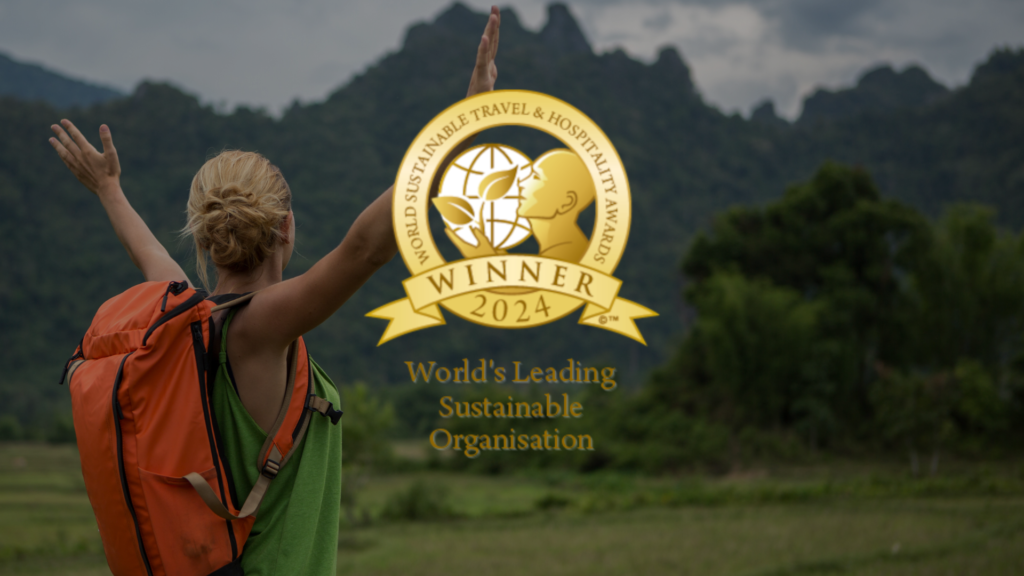
On this World Tourism Day, Green Initiative is honored to share a significant achievement: winning as the World’s Leading Sustainable Organisation at the 2024 World Sustainable Travel & Hospitality Awards! This recognition underscores our commitment to a greener, more sustainable tourism industry that regenerates rather than depletes. We extend our deepest gratitude to everyone who voted for us and supported our mission to lead the way in sustainable tourism, climate, and nature positive business. This achievement is as much yours as it is ours!” A Legacy of Impactful Tourism Green Initiative has always believed that tourism can be a driving force for good. We’ve pioneered sustainable tourism practices that balance business competitiveness with ecological preservation through our work with partners like Inkaterra Hotels, WorldXchange, and CEPA (Customized Educational Programs Abroad). What It Means to Be the World’s Leading Sustainable Organisation Winning this prestigious award is more than a recognition—it’s a reminder of our responsibility. From reducing the carbon footprints of our certified businesses to pioneering regenerative tourism models, we’ve made great strides in proving that tourism can benefit both people and the planet. Our Ongoing Commitment As we celebrate this milestone, we reaffirm our dedication to continuing our work with partners and clients worldwide to reduce emissions, restore ecosystems, and create sustainable livelihoods for local communities. As we mark World Tourism Day and celebrate this momentous win, we invite you to be part of this journey. Let’s work together to make travel sustainable, responsible, and regenerative—so that future generations can continue to explore the world while preserving its natural beauty. Designated Sites are Integrating Climate Action UNESCO-designated sites like Bonito and Machu Picchu are leading the way in integrating climate action into tourism through innovative practices such as carbon measurement, ecosystem restoration, and waste management solutions. By adopting climate-smart approaches, these destinations are not only reducing emissions but also enhancing community resilience and attracting eco-conscious travelers. Green Initiative’s collaboration with these iconic sites showcases how tourism can actively contribute to global climate goals and serve as a model for sustainable tourism worldwide. Explore our full article to learn how UNESCO Sites Are Pioneering Climate Action in Sustainable Tourism, and leading by example here. We highly recommend downloading Green Initiative’s Climate Action Guide for Tourism Destinations. This essential resource offers practical tools for reducing emissions, improving resource efficiency, and aligning with global climate goals. By following the guide, destinations can enhance resilience, attract eco-conscious travelers, and lead in sustainable tourism. It’s a must-have for those committed to making a positive impact. Contact us to learn more about our projects, certifications, and how we’re working with companies globally to shape a sustainable tourism industry.

Celebrating World Tourism Day with a Global Milestone: Green Initiative Wins as World’s Leading Sustainable Organisation Read More »

The Importance of Environmental Protection and Climate Change Mitigation in Marketing Strategies - Green Initiative

The Importance of Environmental Protection and Climate Change Mitigation in Marketing Strategies

Incorporating environmental protection and climate change mitigation into a company’s marketing strategy is crucial in today’s business landscape. However, to avoid the pitfalls of greenwashing, companies must ensure their initiatives are genuine and transparently reported. Today’s consumers are not just aware but highly conscious of environmental issues. They demand authenticity from the brands they support. This is where effective and well-implemented marketing strategies come into play. They have the power to not just transform a business’s value proposition but also its organizational identity and culture, thereby fostering consumer trust and loyalty. By committing to science-based actions that are appropriately monitored and reported, companies can demonstrate their genuine impact on transforming value chains. This approach to communication shields organizations and moves them away from greenwashing, positioning the company as a true leader in sustainability. This article explores the importance of integrating environmental protection and climate change mitigation into marketing strategies. It provides actionable steps for companies to implement these principles authentically and effectively. Why Environmental Protection and Climate Change Mitigation Matter Actionable Steps for Marketing Sustainable Practices 4 Top Sustainability Reports and Insights These reports provide comprehensive insights into each company’s commitment to sustainability and the specific actions they are taking to address environmental challenges. Standards Map: Enhancing Transparency and Understanding of Sustainability Standards Standards Map is an essential online tool developed by the International Trade Centre (ITC) that serves to enhance transparency and understanding of sustainability standards across various industries. This platform offers an extensive database of over 300 sustainability standards, codes of conduct, and audit protocols, providing businesses and stakeholders with crucial information to make informed decisions regarding sustainable practices. Key features of Standards Map include detailed overviews of each standard’s requirements, scope, and governance, allowing users to compare and analyze different sustainability frameworks. It also offers insights into the geographic coverage and sectors each standard applies to, facilitating more strategic planning and implementation of sustainability initiatives. By providing this comprehensive information, Standards Map supports businesses in aligning their operations with best practices, achieving compliance, and promoting sustainable development across global supply chains. This tool is invaluable for companies aiming to meet consumer demands for transparency and ethical sourcing while contributing to broader environmental and social goals. Green Initiative procedures and standards are verified by the International Trade Centre’s Standards Map. This verification underscores our transparency and adherence to global sustainability standards. Conclusion Integrating environmental protection and climate change mitigation into marketing strategies is essential for redefining corporate culture and value and having a positive and transformative impact on value chains, planetary well-being, and thriving business success. To avoid greenwashing and ensure authenticity, companies must transparently communicate their sustainability efforts, obtain credible certifications, and create engaging truthful content. Developing genuinely green products, involving the community, and engaging with customers are critical steps in building a robust, eco-friendly brand. As consumers increasingly prioritize sustainability, companies that take meaningful, science-based action and report their progress transparently will be well-positioned to thrive in the evolving marketplace. By implementing these strategies, companies can ensure they meet the growing demand for sustainable practices while positively impacting the environment and securing long-term success. At Green Initiative, we empower organizations to integrate climate action into the core of their business models, helping them achieve decarbonization goals, protect the environment and comply with international standards. Contact us for expert advisory. Written by Yves Hemelryck from the Green Initiative team.

The Importance of Environmental Protection and Climate Change Mitigation in Marketing Strategies Read More »