Nature Positive

Discovering Hope and Inspiration A Journey Through Nature's Comeback

Discovering Hope and Inspiration: A Journey Through Nature’s Comeback

Updated on January 10, 2024 Exciting news! The RESTORE documentary series, produced by the UN Decade on Ecosystem Restoration, clinched the coveted Prize of the Jury at the prestigious 2023 Science Film Festival. This global recognition celebrates the series’ profound impact in showcasing the most successful endeavors in restoring our planet’s ecosystems. Broadcast across 15+ countries and three continents, the Science Film Festival drew over 500,000 attendees late last year. The UN Decade’s RESTORE series illuminates the first ten UN World Restoration Flagships, highlighting remarkable efforts in harmonizing with nature. Described as a beacon of hope amidst environmental challenges, this series comprises ten meticulously crafted short films, spotlighting locations where nature is making a remarkable comeback. The jury praised its ability to deftly address multifaceted environmental issues, not just inspiring but also educating audiences on the pivotal importance of ecosystem restoration for our planet’s future. You can watch the entire series for free below. For educational screening events using the original films, reach out to restorationdecade@un.org. Let’s join hands in spreading awareness about the critical need for ecosystem restoration! December 29, 2023 In a world where nature’s decline poses an imminent threat, a glimmer of hope emerges through a captivating documentary series of the First 10 UN World Restoration Flagships. Ten remarkable places stand as beacons of resurgence, offering a visual spectacle and a profound lesson in resilience and restoration. These are the inaugural ten UN World Restoration Flagships, exemplifying humanity’s potential to fulfill the goals of the new Global Biodiversity Framework. Titled #GenerationRestoration, this documentary series invites viewers on an immersive expedition across diverse landscapes, showcasing how communities worldwide are spearheading efforts to revitalize nature. Each episode unveils a unique narrative of triumph over adversity, illuminating the transformative power of collective action and innovation. The series embarks on a transformative journey, offering insights into ten distinctive locations where nature’s revival is underway: The Dry Corridor The Sinking Shore Ancient Wisdom A River Back to Life Big Ocean States The Climate Frontier The Golden Steppe The Forgotten Forest The Mighty Mountains The Great Green Wall Empowering Narratives: Uniting for Nature’s Revival – Join #GenerationRestoration! These narratives of rejuvenation and conservation are not just captivating tales; they serve as catalysts for action. Watching this series isn’t merely passive entertainment; it’s an opportunity to be inspired and join a global movement towards restoration. It’s a call to action for #GenerationRestoration. Through these compelling visuals and narratives, viewers can grasp the urgency and potential for change. It’s a chance to be educated, empowered, and mobilized to contribute to preserving our planet. By immersing oneself in these stories of resilience and hope, individuals can better understand the critical role we all play in safeguarding our environment. It’s a collective responsibility to ensure a sustainable future for future generations. So, join the movement. Tune in to this transformative documentary series, witness nature’s remarkable resurgence, and become a part of the solution. Together, let’s champion the restoration of our planet and ensure a thriving future for all life on Earth. Source: UN Decade on Ecosystem Restoration 2021-2030

Discovering Hope and Inspiration: A Journey Through Nature’s Comeback Read More »

Aligning Global Goals The Crucial Role of Ecosystem Restoration - Green And Black Poison Frog

Aligning Global Goals: The Crucial Role of Ecosystem Restoration

In environmental sustainability, ecosystem restoration is a powerful tool poised to address critical global challenges. Its significance extends far beyond the mere revival of landscapes; instead, it forms the foundational cornerstone for achieving the Sustainable Development Goals (SDGs), countering climate change, and preserving biodiversity. The essence of successful ecosystem restoration lies in its capacity to synchronize with these overarching global objectives, forging a cohesive strategy to counter the escalating threats to our planet. Ecosystem Health: A Pillar for Sustainable Development At the heart of the global push for sustainability lies the vitality of ecosystems. Ecosystems, ranging from forests and wetlands to oceans and grasslands, are integral components supporting life on Earth. They provide vital services such as clean air, water, food, and climate regulation. However, these ecosystems’ rapid degradation and fragmentation have raised concerns, posing a significant hurdle in achieving the SDGs. Ecosystem restoration encompasses a spectrum of activities aimed at reversing environmental degradation. This includes reforestation, wetland rehabilitation, conservation of coral reefs, and sustainable land management practices. By restoring ecosystems, we revive their natural functions and bolster resilience against climate change impacts, ensuring the continued provision of ecosystem services essential for human well-being. Convergence with Global Objectives The success of ecosystem restoration hinges upon its alignment with broader global goals. The Sustainable Development Goals (SDGs), a set of 17 interconnected objectives adopted by the United Nations, provide a comprehensive framework for sustainable development encompassing social, economic, and environmental dimensions. For instance, restoring degraded forests contributes to SDG 15 (Life on Land) by preserving terrestrial ecosystems but also aids in achieving SDG 1 (No Poverty) by providing livelihood opportunities through sustainable forest management. Similarly, rehabilitating wetlands can contribute to SDG 6 (Clean Water and Sanitation) by enhancing water quality and availability and supporting biodiversity conservation (SDG 14 – Life Below Water). Real-world Examples of Global Contribution through Ecosystem Restoration 1. The Great Green Wall Initiative: 2. Coral Reef Restoration Projects: 3. Ecosystem Restoration in Peninsula de Osa: Protecting Biodiversity One Tree at a Time The Way Forward: Collaborative Action for Global Impact The urgency of ecosystem restoration demands collaborative efforts across various sectors and stakeholders. Governments, non-governmental organizations, businesses, and local communities must join forces to prioritize and implement restoration initiatives that harmonize with the SDGs. Investments in research, technology, and policy frameworks that support ecosystem restoration are paramount. Furthermore, fostering public awareness and engaging communities in restoration activities can catalyze a groundswell of support for these endeavors. Conclusion Ecosystem restoration emerges as a linchpin in the quest for global sustainability. By aligning with the Sustainable Development Goals and addressing the interlinked challenges of climate change, biodiversity loss, and social development, it paves the way for a resilient and thriving future. Through concerted, strategic action and unwavering commitment, we can harness the transformative potential of ecosystem restoration to safeguard our planet for generations to come.

Aligning Global Goals: The Crucial Role of Ecosystem Restoration Read More »

Why opting for a staycation is more sustainable - Green Initiative

Why Opting for a Staycation is More Sustainable

We all need a holiday every once in a while, but if you’re trying to live more sustainably, choosing a trip can cause some anxiety – mainly as you try to figure out the best way to take a good break and be kind to the planet. A staycation rather than heading abroad, you can considerably lower your holiday’s carbon footprint. Let’s dive into how a staycation is a more sustainable alternative to jetting abroad. Reduced travel emissions By taking a holiday a little closer to home, you can forgo air travel and save plenty of carbon dioxide from being released into the atmosphere. Airplanes emit approximately 100 times more carbon dioxide per hour than road vehicles, making travel on buses, trains, and cars a much more sustainable option. Similarly, when you take a staycation, you tend to find yourself doing less sightseeing that requires long-distance travel and enjoying the natural beauty of your local surroundings instead. You’re much more likely to walk or cycle to your holiday activities or may find that you take much shorter trips in the car, which all goes a long way toward reducing your CO2 emissions. Supporting local businesses Part of the fun of taking a holiday is coming home with a few fun souvenirs that will remind you of your trip. When you take a holiday abroad, purchasing souvenirs from local artisans can significantly support the local economy. However, it cannot be easy to discern which products are eco-friendly and which are mass-produced with a higher carbon footprint when you don’t speak the same language as the locals. Of course, skipping the souvenirs altogether is always best – unless you need something, less is more. But if you feel tempted to purchase, you can select locally produced, eco-friendly products when you take a staycation. By performing a little research, you should be able to discover some tremendous sustainable stores and may even find some that give back to the community and local environmental charities. Less waste produced When preparing to take a holiday abroad, resisting the temptation to prepare over can be challenging. Particularly if we’re in a rush to get everything packed, we may be more inclined to spend money on travel-sized toiletries or stock up on sunscreen for fear that we may not be able to find any once we reach our holiday destination. It’s much easier to avoid panic buying when you choose to take a staycation. With no luggage restrictions, you can pack the items you use at home into your car rather than buying all new mini products that may eventually go to waste. Similarly, once you arrive at your destination, it will be easy to navigate around the local shops – so you can save most of your purchases for when they’re essential. Do your bit to save the planet There are plenty of benefits to taking a staycation. For most people, they provide a welcome opportunity to save some money and visit unexplored local sights. Of course, the best part about taking a staycation is that you’ll be doing your bit to protect the planet. By reducing your travel emissions, supporting local businesses, and shopping a little less, you can do plenty to support sustainability efforts across the globe. But I want to go far away from home this holiday season! In that case, consider embracing climate-positive travel by taking steps to offset your carbon emissions and contribute to the preservation of ecosystems. When booking your trips, prioritize agencies like Tulu Travel, Sweetours, Kuoda Travel, and Lima Tours, which are known for their commitment to sustainability and ecosystems restoration. Opt for resorts such as Inkaterra and Estância Mimosa, renowned for their eco-friendly tourism practices. To mitigate your carbon footprint, explore options these agencies provide to compensate for emissions generated by your travel, such as investing in certified carbon offset programs. Additionally, take it further by engaging in initiatives like tree-planting projects that help restore and preserve vital ecosystems, promoting a more sustainable and regenerative approach to holiday travel. If you are a travel agent, consider reading our climate action guide for tourism businesses and destinations. This article was written in collaboration with Anne Walton, Digital Content & Media Consultant and Researcher.

Why Opting for a Staycation is More Sustainable Read More »

Green Initiative Recognized on Standards Map

Climate Excellence Recognized: Green Initiative on Standards Map

Green Initiative has achieved a momentous milestone in a significant stride towards its commitment to environmental stewardship. Our organization has proudly secured a position on the esteemed Standards Map, a comprehensive online platform designed by the International Trade Centre (ITC) to facilitate easy access to vital information regarding environmental protection standards, labor rights, business ethics, due diligence, and traceability. A Recognition for Climate Action Excellence This inclusion on the Standards Map is a testament to Green Initiative’s dedication and adherence to stringent standards for certifying global climate and nature actions. It signifies a noteworthy recognition of our comprehensive approach and alignment with international benchmarks for sustainable practices. The Standards Map is not just an online tool; it’s a gateway to a wealth of insights and information. Its user-friendly interface empowers users to swiftly access critical data and comprehend prevailing trends across various domains crucial for sustainability. Green Initiative’s presence on this platform amplifies its visibility and credibility, showcasing its commitment to embracing and surpassing global climate action best practices. Partners’ Dedication Propels Green Initiative to Standards Map Recognition This achievement is a recognition to our partners, team, scientific and technical advisory council, and allies’ unwavering support and dedication. The continuous backing has been instrumental in propelling Green Initiative towards this commendable achievement. This recognition not only elevates the profile of the Green Initiative but also positions us as a critical partner for all those organizations that pursue the decarbonization of their processes and value chains. Being part of the Standards Map opens doors to expanded opportunities for collaboration in different sectors and industries, reinforcing our strategic role and commitment to fostering climate action on a global scale. Gratitude for Collective Support Green Initiative appreciates all partners and stakeholders for their enduring support. Together, this recognition marks a significant leap forward in the collective endeavor towards a more sustainable and environmentally conscious future. The journey toward climate and nature’s positive impacts is ongoing, and Green Initiative remains steadfast in its dedication to accelerating this transition. Thank you! The Green Initiative Team

Climate Excellence Recognized: Green Initiative on Standards Map Read More »

COP28 ended with an agreement: Carbon Calamity - The question now is about the speed & scale of implementation

COP28 ended with an agreement: Carbon Calamity – The question now is about the speed & scale of implementation

The urgency to address climate change has never been more evident, as highlighted by the recent conclusion of COP28. Amidst the agreements and discussions, the pivotal question is not just about what needs to be done but how swiftly and effectively these measures can be implemented. Science unequivocally emphasizes the necessity for a dual approach: the imperative to decarbonize economies and simultaneously seek ways to extract existing carbon from the atmosphere. However, the route to achieving the latter remains a spirited debate. Should we rely on nature-based solutions or pivot toward new technological innovations? This is where Brooklyn-based rapper Dex McBean steps onto the stage with a creative and thought-provoking rap battle. Dex McBean’s Rap Battle Sparks Dialogue on Nature vs. Tech Solutions Dex McBean, known for his lyrical prowess, took to the mic in an electrifying performance, exploring the arguments from both sides of the aisle. In a captivating display of wit and rhythm, he delved into the pros and cons of nature-based solutions and cutting-edge technologies, igniting a dialogue that resonates with the urgency of the climate crisis. The rap battle, an unconventional yet engaging medium, catalyzes discussion. It’s not merely entertainment; it’s a platform that invites individuals to delve deeper into the heart of the matter. Through Dex McBean’s verses, the dichotomy between harnessing the inherent power of nature and leveraging human ingenuity via technology comes alive. The dichotomy is more than just theoretical. It’s grounded in tangible reports and initiatives driving the conversation on climate action. The UNEP Emissions Gap Report 2023 underscores the critical need for comprehensive solutions. The UNEP State of Finance for Nature Report 2023 sheds light on the financial aspects, highlighting the significance of funding mechanisms for these solutions. Moreover, the UNEP/FAO Becoming #GenerationRestoration Report 2021 lays the groundwork for a global initiative emphasizing political support, research, and financial investments. The UN Decade on Ecosystem Restoration 2021-2030, led by the United Nations Environment Programme and the Food and Agriculture Organization of the United Nations, stands as a clarion call for collective action. This ambitious initiative aims to unite political will, scientific expertise, and financial resources to scale restoration efforts across terrestrial, coastal, and marine ecosystems. It’s a rallying cry to all, urging active participation to shape a more sustainable future. The Green Initiative Team Calls for Action: Join #GenerationRestoration in Climate Solutions Post-COP28 For those inspired by the rhythm of Dex McBean’s rap and motivated to contribute, the Green Initiative Team offers avenues for involvement. With hashtags like #GenerationRestoration, #GreenInitiative, and #ForestFriends, the movement gains momentum, fostering a community dedicated to restoring and preserving our natural world. The rap battle isn’t just about choosing sides; it’s about recognizing the synergy between nature’s resilience and human innovation. It prompts us to contemplate a future where nature-based solutions and technological advancements complement each other in the fight against climate change. As the curtains fall on COP28, the echoes of Dex McBean’s verses linger—a reminder that the battle against climate change demands not just action but a harmonious collaboration between nature’s forces and humanity’s ingenuity. It’s a challenge, an opportunity, and a call to arms for #GenerationRestoration. So, let’s embrace this creative take on climate solutions, dive into the rap battle, and explore the avenues that lead us toward a sustainable, restored planet.

COP28 ended with an agreement: Carbon Calamity – The question now is about the speed & scale of implementation Read More »

🌳Trees The Silent Guardians of Our Existence

🌳Trees: The Silent Guardians of Our Existence

In the bustling symphony of life, a quiet force exists that we often overlook – trees. They stand tall, breathing life into our planet, offering shade and shelter, and weaving a delicate harmony into the very fabric of our existence. These gentle giants are not mere bystanders but the custodians of our well-being. With each rustle of their leaves and each sway in the wind, trees whisper secrets of resilience and interconnectedness. They purify the air we breathe, bestow us with fruits of nourishment, and paint our world with vibrant hues that soothe the soul. Their roots delve deep into the earth, anchoring us to nature’s rhythm and reminding us of our profound bond with the environment. But beyond their ecological significance, trees carry history, culture, and spirituality stories. They’ve witnessed civilizations rise and fall, offering solace and wisdom to those who seek their silent counsel. Their presence in myths and folklore transcends time, embodying strength and serenity. At the heart of one of our missions lies the daily commitment to planting trees, for example, in the Peninsula de Osa, Costa Rica. Each day, our dedicated team works tirelessly to restore the rich biodiversity of this precious region. We aim to restore ecosystems, mitigate climate change, and preserve habitats for countless species. This daily endeavor is more than just planting; it’s a passionate dedication to nurturing the planet, one tree at a time. Your support enables us to continue this vital work, ensuring a greener, more sustainable future for the Peninsula de Osa and beyond. Deep gratitude extends to CEPA Customized Educational Programs Abroad, Swee Tours, and Tulu Travel for the unwavering commitment to the Green Initiative Forest Friends nature-positive actions with Fundación Saimiri in Costa Rica.  These vital harmonizers of our planet Let’s stand with them, nurture them, and understand that our destinies are entwined. Let’s ensure a future where the symphony of life continues to flourish, conducted by the graceful baton of these magnificent trees. Your support cultivates change; it’s the catalyst for lasting change. With your contribution, we transform lives, empower communities, and build a brighter future. Every action you take, whether big or small, creates ripples of impact, fostering resilience and hope where it’s needed most. Together, we can forge a path toward progress, making a tangible difference in the world. Thank you for being the driving force behind meaningful and lasting change. To support our Forest Friends initiative, please visit greeninitiative.eco/forest-friends

🌳Trees: The Silent Guardians of Our Existence Read More »

EU Implements Strict Measures to Ensure Deforestation-Free Supply Chains

EU Implements Strict Measures to Ensure Deforestation-Free Supply Chains

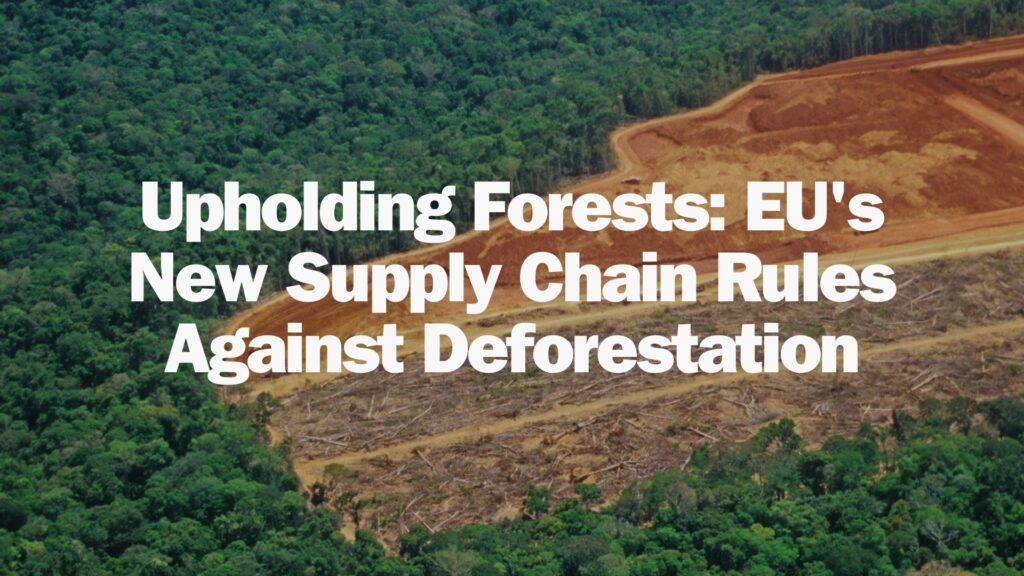
In the wake of environmental crises and the looming threat of deforestation, the European Union has taken a decisive step towards protecting global forests. The EU’s recent implementation of stringent regulations to prevent deforestation-linked supply chains marks a pivotal moment in sustainable trade practices. Under these new rules, companies and traders within the EU have been granted an 18-month transition period to comply. The regulations, sanctioned by the European Parliament and EU member nations, fundamentally aspire to eliminate goods from the EU market that contribute to deforestation and forest degradation, both within the EU and across the globe. Virginijus Sinkevičius, the Commissioner for the Environment, emphasized the broader impact of these regulations, stating, “This law will not only help protect forests worldwide but also increase the demand for products not linked to deforestation.” This directive offers an open market for all countries, provided they can substantiate their products’ deforestation-free status, encouraging collaboration with international partners to ensure effective implementation and success. This regulation’s heart lies in a concerted effort to combat climate change and preserve biodiversity. It places a binding duty of care on relevant companies placing specific goods on the EU market or exporting them outside the EU. This encompasses commodities like palm oil, beef, soy, coffee, cocoa, wood, rubber, and their derived products, identified as primary drivers of deforestation due to extensive agricultural expansion. The obligations thrust upon companies are rigorous. Operators and traders must unequivocally demonstrate that their products have no association with deforestation, including proof of being sourced from lands cleared before December 31, 2020, and compliance with all pertinent legislations in their country of origin. The mandate further requires these entities to meticulously document geographical specifics regarding the agricultural lands involved in production for verification purposes. Non-compliance with these regulations will not be tolerated lightly. Member States are mandated to enforce effective and dissuasive sanctions, ensuring adherence to the guidelines. Additionally, the list of monitored raw materials is subject to regular review and updates, reflecting any shifts in deforestation patterns or newly available data. Recognizing the varying capacities of businesses, smaller enterprises will benefit from an extended adjustment period to align with these regulations effectively. The European Commission will introduce a comparative assessment system, critically evaluating countries or regions based on their deforestation and forest degradation risk levels. This assessment will determine the extent of company obligations tailoring requirements to correspond with the assessed risk levels. Implementing these regulations signifies a monumental stride towards sustainable commerce, underscoring the EU’s commitment to combatting deforestation and its far-reaching implications. It reinforces environmental conservation efforts and sets a precedent for responsible global trade practices, fostering a future where economic progress harmonizes with ecological preservation. Source: European Commission Related Articles

EU Implements Strict Measures to Ensure Deforestation-Free Supply Chains Read More »

Restoring Mountain Ecosystems Lessons, Success, and Future Endeavors - Green Initiative Forest Friends

Restoring Mountain Ecosystems: Lessons, Success, and Future Endeavors

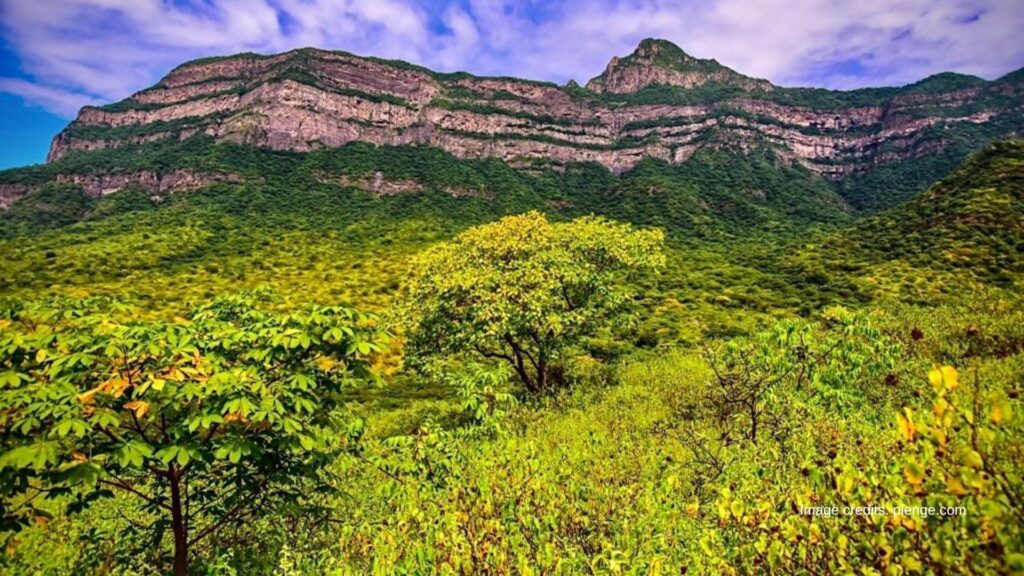
Often seen as majestic landscapes, mountains are crucial yet undervalued in our world’s ecological balance. As we commemorate International Mountain Day, the Food and Agriculture Organization (FAO) and the United Nations Environment Programme (UNEP) have unveiled a groundbreaking report. This collaborative publication stands as a beacon, shedding light on the often-neglected realm of mountain ecosystems and their imperative restoration. The report is a treasure trove of principles, success stories, and recommendations to revitalize these vital ecosystems. With a deep dive into lessons gleaned from esteemed projects across Uganda, Rwanda, Serbia, Kyrgyzstan, Nepal, and the Andes, it emphasizes the significance of mountains—homes to approximately one billion people and the lifeline for countless more who rely on them for sustenance and water resources. Despite their profound importance, mountains have historically been overlooked in restoration initiatives. However, this report serves as a testament to the burgeoning success of #GenerationRestoration in reviving these ecosystems. It showcases instances where dedicated efforts have reaped rewards, breathing life into these often-forgotten landscapes. In the heart of Lambayeque, nestled within the Chaparri Ecological Reserve, a crucial endeavor is underway: the restoration of ecosystems through tree planting. This region holds a special significance as it harbors the underrepresented dry forest ecosystems of the Peruvian Andes. Our concerted efforts focus on planting trees, a pivotal step towards rejuvenating and preserving these invaluable ecosystems. The Chaparri Ecological Reserve stands as a beacon for conservation, aiming to revive and protect the unique biodiversity found within the dry forests of the Peruvian Andes. By planting trees in this biodiverse haven, we aim not only to restore the ecosystem but also to bolster the resilience of this landscape, ensuring its sustainability for generations to come. Each tree planted in this underrepresented region contributes significantly to the restoration and preservation of the precious dry forest ecosystems of the Peruvian Andes. We are planting trees to restore ecosystems in the Chaparri Ecological Reserve at Lambayeque, a region with underrepresented dry forest ecosystems in the peruvian andes. To support this initiative click here. The report elucidates how the UN Decade’s Ten Principles for Ecosystem Restoration can be effectively applied to these unique terrains by analyzing various mountain ecosystem restoration projects. Furthermore, it celebrates the victories of initiatives chosen or shortlisted as the UN Decade’s World Restoration Flagships. These success stories not only inspire but also serve as guiding beacons for future endeavors in mountain restoration. As this year’s International Mountain Day centers on the theme of “Restoring Mountain Ecosystems,” this publication assumes profound significance. It highlights achievements, delineates challenges, presents compelling case studies, and offers pragmatic recommendations for implementing the UN Decade Principles for Mountain Ecosystem Restoration. Jointly developed by the Mountain Partnership Secretariat at FAO and UNEP, this report represents a collaborative effort uniting expertise and insights from diverse landscapes. Its comprehensive analysis and actionable recommendations are pivotal to the ongoing efforts to restore the delicate balance of mountain ecosystems. Moreover, this publication arrives at an opportune moment, coinciding with the celebration of Five Years of Action for the Development of Mountain Regions 2023–2027. It serves as a roadmap, guiding the trajectory of future actions and policies necessary for the sustainable development of these critical regions. In essence, this report serves as a rallying call to acknowledge the significance of mountains, celebrate the strides made in their restoration, and galvanize global action toward preserving and nurturing these vital ecosystems. The link to the publication promises a wealth of knowledge, offering insights into the challenges, triumphs, and the promising path forward for restoring mountain ecosystems. It beckons all stakeholders, from policymakers to environmental enthusiasts, to embark on a journey towards a more sustainable future where mountains thrive, providing for generations to come. As we commemorate International Mountain Day, let us heed this call, celebrate the progress, and recommit ourselves to preserving and restoring these awe-inspiring natural wonders. Download the report here. Source: UN Decade on Ecosystem Restoration – United Nations Environment Programme and Green initiative Forest Friends.

Restoring Mountain Ecosystems: Lessons, Success, and Future Endeavors Read More »

Green Initiative's Leadership in Climate-Smart Tourism at cop28

Green Initiative’s Leadership in Climate-Smart Tourism at COP28

In an era where environmental concerns are at the forefront of global discourse, the tourism sector is both a beacon of exploration and a contributor to carbon emissions. However, amid this duality, strides toward sustainable practices are being made, exemplified by the Glasgow Declaration and the dedicated efforts of organizations like the Green Initiative. As a signatory of the Glasgow Declaration, it is with immense pride and honor that Green Initiative announces its participation at COP28 in Dubai. Alongside UN Climate Change, on the 10th and 11th of December 2023, the exhibition booths nestled inside the Blue Zone. This presence shows our pivotal role in driving transformative change on the international platform. As a committed signatory of the Glasgow Declaration, Green Initiative has positioned itself as a catalyst for change, focusing on infusing climate action into the fabric of business models. Our unwavering commitment extends to guiding and empowering tourism entities worldwide to curb their carbon footprint and ultimately achieve net-zero emissions before 2050. The transformative journey of the tourism sector aligns harmoniously with the principles outlined in the Glasgow Declaration. This movement is underscored by the Green Initiative’s strategic development of the “Climate Action Guide for Tourism Businesses and Destinations.”  This comprehensive roadmap equips stakeholders with practical tools and real-life examples of successful climate mitigation efforts, featuring notable instances like Machu Picchu – The First Carbon Neutral Certified UNESCO Designated Site and Bonito – The First Carbon Neutral Ecotourism Destination in the World. Beyond mere carbon reduction, the Glasgow Declaration advocates adopting eco-friendly and regenerative practices in tourism. Green Initiative stands at the vanguard, actively collaborating with international tourism entities, agencies, and hospitality chains to integrate regenerative approaches. Notably, our initiatives align with the UN Decade for Ecosystem Restoration program, showcasing projects in Peninsula de la Osa, Costa Rica, and Madre de Dios, Peru, to restore 10 thousand hectares (100,000 trees) by 2030. At its core, Green Initiative’s leadership under the Glasgow Declaration embodies a commitment to climate-smart and regenerative tourism. From spearheading decarbonization efforts in renowned destinations to fostering collaborative ecosystem restoration projects in biodiversity hotspots, our endeavors radiate a dedication to promoting positive climate and environmental impacts within the tourism sector globally. Moreover, through initiatives like the “Climate Action Guide for Tourism Businesses and Destinations,” the Green Initiative facilitates a critical alignment between public and private investments with overarching global climate goals. This guide is a beacon for industry leaders and governments, empowering them to steer their efforts toward sustainable, climate-resilient tourism practices. In essence, Green Initiative’s unwavering dedication underscores the vital role of proactive collaboration and sustainable innovation in fostering a tourism landscape that mitigates its environmental impact and nurtures the natural world it so eagerly explores. As we continue to pave the way for climate-positive tourism, our commitment remains a testament to the transformative power of aligned action and conscientious stewardship in safeguarding our planet for future generations.

Green Initiative’s Leadership in Climate-Smart Tourism at COP28 Read More »

Paving the Way for Sustainable Agriculture Five Key Strategies

Paving the Way for Sustainable Agriculture: Five Key Strategies

The global landscape of agriculture is at a pivotal juncture, caught between the demands of a burgeoning population and the imperative to safeguard our environment. Conventional agricultural practices have long served as the backbone of food production, yet their impact on ecosystems and human health raises urgent concerns. In response, a clarion call for sustainable agriculture has emerged, propelled by the pressing need to ensure food security while preserving our planet’s delicate balance. The World Economic Forum underscores the critical role of the agricultural sector, contributing substantially to global economies while employing a significant portion of the world’s workforce. However, conventional methods, such as the heavy reliance on synthetic fertilizers and pesticides, monoculture, and large-scale industrial farming, have taken a toll on our environment and human well-being. Enter sustainable agriculture – a viable pathway offering resilience, equity, and environmental sustainability across the food system. Amidst escalating climate change effects, from soil degradation to dwindling water levels, sustainable agriculture stands as a beacon of hope, charting a course opposite to the detrimental effects of conventional farming practices. Outlined by the Food and Agriculture Organization (FAO) and championed by the World Economic Forum, five pivotal strategies pave the way for this transformative shift: The imperative to accelerate the transition to sustainable agricultural practices looms large. Embracing these strategies can herald a paradigm shift, ensuring food security, safeguarding the environment, and fostering a more resilient agricultural ecosystem. As stakeholders unite in this collective endeavor, the promise of a sustainable future for agriculture beckons on the horizon. If you’re seeking guidance or wish to delve deeper into these transformative strategies for sustainable agriculture, our team is here to assist you. Whether you’re a farmer eager to implement these practices, a stakeholder in the agricultural sector, or an enthusiast keen on contributing to a sustainable future, reach out to us for personalized advice and comprehensive support. Together, let’s embark on this journey toward a more resilient, equitable, and environmentally conscious agricultural landscape. Contact us today to join the movement shaping the future of agriculture. Related articles:

Paving the Way for Sustainable Agriculture: Five Key Strategies Read More »