
Nature Positive

Inkaterra Cabo Blanco: A Global Model for Regenerative Tourism and Sustainable Sport Fishing

Inkaterra Cabo Blanco: A Global Model for Regenerative Tourism and Sustainable Sport Fishing

Cabo Blanco, a small fishing village on the northern coast of Peru, holds a unique place in maritime history. Once a legendary destination for sport fishing—attracting figures such as Ernest Hemingway—it is now at the center of an ambitious initiative to promote regenerative tourism, marine conservation, and climate-positive economic development. Through the efforts of Inkaterra Hotels, a leading Climate Positive Certified hospitality group, and Inkaterra Asociación, a nonprofit organization dedicated to biodiversity research and conservation, Cabo Blanco is transitioning towards a nature-positive future—one that restores ecosystems, empowers local communities and creates long-term economic value through sustainable tourism. A Legacy of Sport Fishing in Cabo Blanco During the 1950s, Cabo Blanco gained international recognition as a premier destination for big-game fishing, particularly for black marlin, with record-breaking catches exceeding 700 kg. However, decades of overfishing, habitat degradation, and climate change have led to a dramatic decline in marine populations, threatening both the ecosystem and the livelihoods of local fishing communities. To counteract these impacts, conservation initiatives have been set in motion to restore marine biodiversity while ensuring sustainable tourism remains a viable economic driver. One of the most significant steps toward this goal is the proposal for Peru’s first marine reserve, which aims to protect critical habitats, replenish fish populations, and regulate responsible fishing practices. Sustainable Sport Fishing: A Regenerative Approach While sport fishing remains a core attraction in Cabo Blanco, adopting regenerative fishing practices, such as catch-and-release policies, ensures that tourism supports, rather than depletes, the region’s marine resources. Key Benefits of Sustainable Sport Fishing: Regenerative Tourism and Marine Conservation in Cabo Blanco Beyond fishing, Cabo Blanco is evolving into a hub for regenerative tourism, where visitors actively contribute to the ecosystem’s health rather than merely minimizing their impact. Inkaterra Asociación, in collaboration with scientists, conservationists, and local communities, is implementing nature-positive solutions to rebuild degraded marine and coastal environments. Regenerative Tourism Initiatives in Cabo Blanco: Inkaterra’s Climate and Nature-Positive Impact As a Climate Positive Certified company, Inkaterra Hotels goes beyond sustainability by actively removing more carbon from the atmosphere than it emits. In Cabo Blanco, its impact is being realized through: By aligning with global climate goals and nature-positive principles, Inkaterra Asociación and Inkaterra Hotels prove that tourism can be a force for environmental regeneration rather than exploitation. A Scalable Model for Global Conservation The transformation of Cabo Blanco into a regenerative tourism destination serves as a blueprint for coastal communities worldwide. By combining scientific research, sustainable economic development, and active ecosystem restoration, this initiative demonstrates how tourism can be reimagined as a tool for global climate action and biodiversity protection. How to Support Regenerative Tourism in Cabo Blanco: Conclusion Cabo Blanco is undergoing a profound transformation—from a historic fishing hotspot to a global leader in regenerative tourism and conservation. By prioritizing marine restoration, responsible tourism practices, and community engagement, this initiative ensures that future generations can continue to experience this iconic destination’s natural and cultural richness. As the world moves toward more climate-resilient and nature-positive tourism models, Inkaterra’s work in Cabo Blanco is a powerful example of how travel can catalyze ecological regeneration and socio-economic prosperity. For more information on regenerative tourism and conservation efforts, visit Green Initiative and contact us.


Inkaterra Cabo Blanco: A Global Model for Regenerative Tourism and Sustainable Sport Fishing Read More »

Bonito: A Carbon-Neutral Ecotourism Destination to Host the 2025 International Sustainability Forum

Bonito: A Carbon-Neutral Ecotourism Destination to Host the 2025 International Sustainability Forum

In May 2025, Bonito, Mato Grosso do Sul, Brazil—a global leader in sustainable tourism—will host the International Sustainability Forum from May 29 to 31. Known for its pristine natural beauty and pioneering environmental initiatives, Bonito is the perfect venue for this pivotal event, which aims to shape discussions around energy transition and green financing ahead of the COP30 climate conference in Belém. Why Bonito? A Model of Regenerative Tourism Bonito is not just a popular tourist destination; it’s a carbon-neutral certified ecotourism hub. In 2022, the city made history by becoming the first tourism destination in the world to earn this certification. This milestone was achieved through a rigorous collaboration between the Fundação de Turismo de Mato Grosso do Sul (FUNDTUR) and Green Initiative, which assessed and mitigated the carbon footprint of its tourism sector. Key climate and nature positive strategies that contributed to this certification include: Additionally, Bonito is home to Climate Positive Ecotourism Businesses such as Grupo Rio da Prata Ecoturismo and Estância Mimosa, which actively work to create a net positive environmental impact. Grupo Rio da Prata offers eco-friendly snorkeling and diving experiences in its pristine rivers, while engaging in large-scale reforestation efforts and water conservation initiatives. Similarly, Estância Mimosa provides guided tours through stunning waterfalls and trails while implementing carbon sequestration through native tree planting and sustainable farming practices. These businesses exemplify Bonito’s dedication to ecotourism and serve as models for sustainability in the global tourism industry. These initiatives collectively reduce Bonito’s environmental footprint and contribute to its goal of becoming a global leader in climate-smart tourism. Mayor of Bonito, Josmail Rodrigues, highlighted the city’s global leadership in sustainability, stating: “Bonito is a global reference for sustainable tourism, and hosting an event of this magnitude reinforces our commitment to environmental preservation and responsible economic development. The International Sustainability Forum will be a unique opportunity to discuss innovative solutions and establish our city as a model of sustainability for Brazil and the world.” The Significance of the International Sustainability Forum The forum will bring together policymakers, environmentalists, scientists, and industry leaders to discuss: Bonito’s role as host is particularly symbolic. Its transformation into a carbon-neutral destination highlights the power of local initiatives to drive global change, setting an example for other regions aiming to balance economic growth with environmental stewardship. Recognized Leadership in ESG Practices Bonito and the state of Mato Grosso do Sul have gained national and international recognition for their sustainability efforts. In December 2024, Mato Grosso do Sul was ranked among Brazil’s top three regions for ESG practices in sustainable tourism by Embratur. This accolade underscores the state’s forward-thinking approach to tourism development and environmental conservation. Specific achievements include: Bruno Wendling, President of FUNDTUR, stated, “Our goal is to position Bonito as a global model for sustainable and regenerative tourism by ensuring every visitor’s experience contributes positively to the environment. Hosting the International Sustainability Forum further solidifies our commitment to this mission.” Bonito: A Destination Worth Protecting Bonito’s unique ecosystems are its greatest treasure. Highlights include: Through carbon-neutral initiatives and sustainable tourism practices, Bonito is setting a precedent for destinations worldwide, showcasing that natural beauty and environmental responsibility can coexist. What to Expect at the Forum The event promises a wealth of opportunities, including: As the world prepares for the COP30 climate conference, Bonito stands out as a beacon of sustainable innovation and environmental leadership. Hosting the International Sustainability Forum in this Carbon-Neutral Certified city not only amplifies its commitment to protecting natural resources but also inspires other destinations to follow suit. Bonito’s story proves that tourism and sustainability can go hand in hand, paving the way for a greener future. By the Green Initiative Team. Suggested reading:

Bonito: A Carbon-Neutral Ecotourism Destination to Host the 2025 International Sustainability Forum Read More »

Brazil Adopts a Regulated Carbon Market A Milestone in Climate Action and Sustainability

Brazil Adopts a Regulated Carbon Market: A Milestone in Climate Action and Sustainability

In a historic environmental policy move, Brazil enacted Law No. 15,042, dated December 11, 2024, establishing the Brazilian System for Trading Greenhouse Gas Emissions (SBCE). This ambitious initiative positions Brazil as a global leader in combating climate change and transitioning to a low-carbon economy. By fostering sustainable practices and promoting climate and nature-positive strategies, this law is set to revolutionize Brazil’s environmental and economic landscape. What Is the Brazilian System for Trading Emissions (SBCE)? The SBCE is a regulated carbon market where companies and industries trade emission allowances, known as Brazilian Emission Quotas (CBEs). Each quota authorizes the emission of one metric ton of carbon dioxide equivalent (tCO₂e). Companies emitting less than their quota can sell surplus allowances, while those exceeding their limit must purchase additional quotas. The system is complemented by Certificates of Verified Reduction or Removal of Emissions (CRVEs), generated by projects that reduce or capture GHG emissions. These include reforestation, clean energy projects, and environmental conservation. Businesses can trade CRVEs or use them to offset emissions, contributing to climate action and sustainability goals. Key Features of Law No. 15,042 This groundbreaking legislation lays out mechanisms to regulate emissions and incentivize businesses to adopt sustainable practices. Key features include: How the SBCE Works: Implementation and Timeline The SBCE will be implemented in phases to ensure a smooth transition: The government has a two-year period to finalize regulations, after which businesses will have additional time to comply with emission limits. Benefits of the SBCE: Climate and Nature-Positive Outcomes The regulated carbon market is a powerful tool for fostering sustainable development and generating significant climate and nature-positive impacts: Transforming Industries Through Sustainability Energy and Manufacturing Agriculture Regenerative Tourism The tourism sector can lead the way in adopting climate-positive strategies: Challenges and Opportunities While the SBCE offers immense potential, it presents challenges that require attention: Why the SBCE Matters for Brazil and the World Law No. 15,042 is not just about reducing emissions but redefining Brazil’s role in the global economy. By embedding climate and nature-positive principles into its economic framework, Brazil is committed to a sustainable future where economic growth complements environmental stewardship. The SBCE is a bold step toward a green economy, from regenerative tourism to carbon-neutral industries. It empowers businesses to innovate while addressing urgent climate challenges, ensuring Brazil remains a key player in global sustainability. FAQs About the SBCE What is the primary goal of the SBCE? The SBCE aims to reduce greenhouse gas emissions and foster sustainable practices through a regulated carbon market. Which sectors are regulated? Energy, transportation, and manufacturing are included, while primary agriculture is excluded, but they can participate voluntarily. What are the benefits of the SBCE for businesses? The SBCE incentivizes innovation, attracts green investments, and enhances international competitiveness. Take the Next Step Toward Sustainability Is your business ready to align with Brazil’s new carbon market? Partner with Green Initiative for expert advice and climate certification services. We provide tailored solutions to help your organization navigate the SBCE, reduce emissions, and achieve sustainability goals. Contact us to transform your climate action strategy and become a leader in Brazil’s sustainable future. Let’s work together for a climate-positive tomorrow!

Brazil Adopts a Regulated Carbon Market: A Milestone in Climate Action and Sustainability Read More »

Bio Amayu's Climate Positive Journey AJE Group Redefining Sustainable Beverages in 2024

Bio Amayu’s Climate Positive Journey: AJE Group Redefining Sustainable Beverages in 2024

Bio Amayu, a brand developed by the renowned AJE Group, is setting new standards in sustainability and innovation within the beverage industry. In 2022, Bio Amayu earned the prestigious Climate Positive certification for its fruit beverages, featuring unique flavors like Açaí, Aguaje, Goldenberry, and Camu Camu. This recognition showcased the environmental benefits of its products and the brand’s unwavering commitment to forest conservation and community empowerment. AJE Group’s Vision and BioAmayu’s Mission As a leader in the beverage sector, AJE Group’s investment in Bio Amayu reflects its dedication to creating environmentally conscious products. Bio Amayu is more than a brand—it is part of a broader initiative to combat climate change through sustainable innovation. At the core of Bio Amayu’s mission is its commitment to being Naturre Positive through forest conservation and biodiversity protection. By working closely with local communities, the brand ensures its practices prevent deforestation while promoting social and ecological well-being. 2024 Recertification: Continuing the Climate Positive Journey In November 2024, Bio Amayu began recertifying its Climate Positive status, reaffirming its dedication to sustainability. The rigorous evaluation includes a detailed analysis of the greenhouse gas (GHG) emissions generated during production and an assessment of the climate mitigation measures implemented since the initial certification. This recertification reflects AJE Group and Bio Amayu’s commitment to transparency and continuous improvement in their environmental impact. “Superfruits that Preserve Forests” is the essence of our BIO Amayu brand, a model that has become a global example to follow. During COP28, we had the opportunity to present this initiative, which generates demand for superfruits from the jungle such as aguaje, camu camu, and açaí. These fruits are sustainably harvested by Amazonian communities, who commit to keeping the forest standing and receive fair payment in return. Through this value chain, we have supported over 200 families across 24 Amazonian communities. Scalable examples like this are rare. We started in Peru and have since expanded, creating sustainable value chains in communities in Ecuador, Colombia, and Thailand. At AJE Group, we aim for the superfruit model to inspire other companies to generate positive impacts on biodiversity and actively protect forests. This is what we call the true Natural Revolution—a new paradigm post-Industrial Revolution, where megadiverse countries like Peru hold a competitive advantage. Through the Natural Revolution, we invite all companies to rethink their business models—not just focusing on people and meeting their needs but placing Mother Earth at the center of their goals. Without nature and forests, there will be no civilization, no businesses, and no future. Therefore, companies must shift their mindset and begin to create models and initiatives rooted in the Natural Revolution. Only by doing so can we give back to Mother Earth and society all that they have given us.” – Jorge López- Doriga, Chief Comunication and Sustainability Officer · AJE “None of this would have been possible without the support of the Añaños family, who serve as the advisory council of the group. They have continuously supported this dream. From the very beginning, we committed to doing things in a consistent and responsible way, building a sustainable reality. What’s amazing about our juices—and now our shots—is that this is a tangible reality; it’s something concrete. Our products have become ambassadors of sustainability, and little by little, people are recognizing this.” – Alberto Suárez, Manager of Amarumayu at AJE Group Introducing Bio Amayu Shots As part of the 2024 recertification, Bio Amayu includes its latest innovation: Bio Amayu Shots. These nutrient-packed, concentrated beverages showcase the brand’s dedication to expanding its product range while maintaining its commitment to climate positivity. By evaluating the environmental footprint of these new products, Bio Amayu ensures that its sustainability principles extend across its entire portfolio. Why Bio Amayu and AJE Group Are Leading the Way Bio Amayu, supported by AJE Group’s visionary leadership, exemplifies how businesses can align with global efforts to combat climate change. By focusing on sustainable practices, fostering local community partnerships, and innovating with accountability, Bio Amayu sets a benchmark for the beverage industry and beyond. In a world where addressing climate change is an urgent priority, Bio Amayu’s journey inspires hope and action. Its Climate Positive certification is a reminder that choosing the right products can make a difference for the planet. Supporting Bio Amayu: A Simple Step Toward Sustainability By choosing Bio Amayu, you support a brand that values environmental conservation, community development, and innovative solutions to global challenges. From their flavorful fruit beverages to the new Bio Amayu Shots, the brand offers consumers a chance to enjoy great products while contributing to a healthier planet Bio Amayu, with the backing of AJE Group, continues to push the boundaries of sustainable innovation. Its commitment to forest preservation, climate action, and premium product development is a blueprint for a greener, more equitable future. Let’s give Bio Amayu and AJE Group a cheers glass for their leadership in climate-positive business practices—one drink at a time. Written by Erika Rumiche from the Green Initiative Team. Related Posts

Bio Amayu’s Climate Positive Journey: AJE Group Redefining Sustainable Beverages in 2024 Read More »

How COP29 is Transforming Tourism, Transport, and Urbanization for a Climate Positive Future

How COP29 is Transforming Tourism, Transport, and Urbanization for a Climate and Nature Positive Future

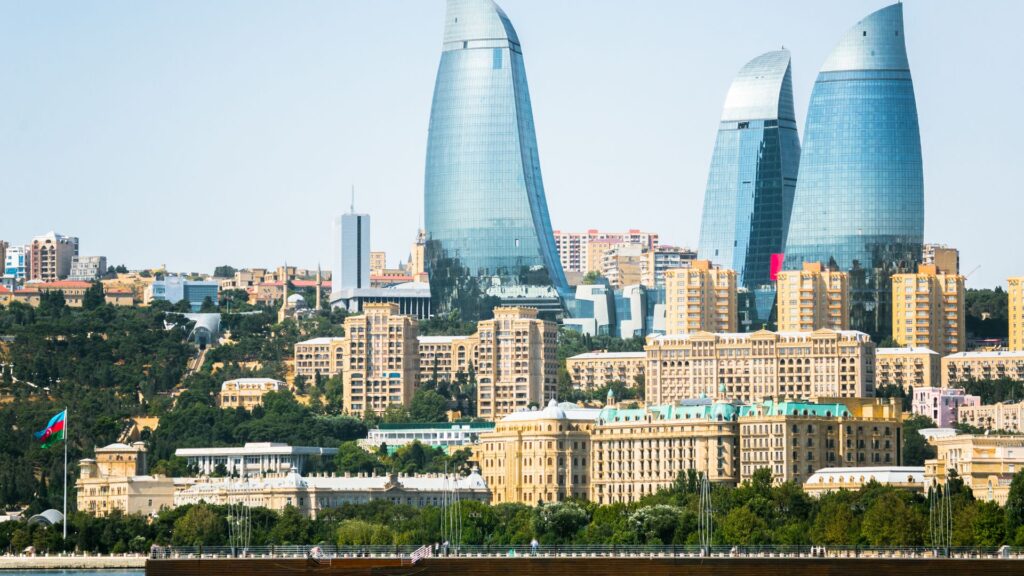
On November 20, 2024, COP29 in Baku, Azerbaijan, marked a transformative moment in global climate action by dedicating a day to critical sectors shaping our climate future: tourism, transport, and urbanization. With two groundbreaking declarations, the conference showcased a vision of sustainability that integrates innovation, cross-sector collaboration, and a commitment to leaving the planet better than we found. This Tourism Takes Center Stage with Climate Commitments The COP29 Declaration on Enhanced Climate Action in Tourism highlights tourism’s dual identity as a vital economic force and a key partner of the climate change global challenges for mitigating greenhouse gas emissions supporting the Paris Agreement goals. This initiative seeks to redefine the sector, steering it toward a more sustainable and climate-positive future as a result of the determination and global leadership of the UN Tourism Executive Director Zoritsa Urosevic and her team, who have mobilized the interest of UN Tourism member states from around the world to raise awareness to connect tourism with climate and nature positive action. Complementing this leadership is the outstanding contribution of Virginia Fernandez-Trapa, Programme Coordinator for Sustainable Tourism and Resilience at UN Tourism. Her advocacy for climate and regenerative action has been instrumental, building on milestones like the Glasgow Declaration to achieve this significant breakthrough. Key commitments in the declaration include: Zurab Pololikashvili, Secretary-General of the UN World Tourism Organization, emphasized the sector’s potential to drive transformative change through innovation, decarbonization, and regenerative practices. Resilient Cities Through Cross-Sector Collaboration Urbanization, a defining feature of modern life, was addressed by launching the COP29 Multisectoral Actions Pathways (MAP) Declaration for Resilient and Healthy Cities. Developed in partnership with UN-Habitat, the MAP Declaration lays the groundwork for building sustainable, inclusive urban environments. This initiative promotes: Mukhtar Babayev, COP29 President, highlighted the critical role of collaboration, stating, “These initiatives are about enhancing the quality of life while addressing the profound challenges posed by climate change.” The commitments made during COP29 underline the importance of addressing economic, social, and environmental dimensions together, with a shared vision of a sustainable future for people and the planet. Green Initiative: Leading the Way in Regenerative Travel and Climate Certification While COP29 sets the stage for global action, organizations like Green Initiative are translating these goals into tangible outcomes on the ground. Through regenerative tourism, climate certifications, and nature positive strategies, the Green Initiative team helps businesses and destinations make measurable progress toward sustainability. Regenerative Tourism Regenerative tourism is a transformative approach that aims to leave destinations better than they were found. By restoring ecosystems, enhancing community well-being, and reducing carbon footprints, regenerative tourism shifts the focus from sustaining to actively improving environments. A prime example is Machu Picchu, where Green Initiative’s support helped the historic site achieve carbon-neutral certification. This included waste management improvements, renewable energy integration, and reforestation efforts in surrounding areas. Similarly, Bonito, a globally renowned ecotourism destination in Brazil, has embraced regenerative principles by achieving carbon-neutral certification with the help of Green Initiative. Bonito’s initiatives include protecting vital freshwater ecosystems, promoting biodiversity conservation, and implementing sustainable visitor practices to ensure long-term environmental resilience while supporting the local economy. Climate and Nature Positive Certifications Green Initiative offers certifications that help businesses and destinations go beyond carbon neutrality, designed to empower businesses, destinations, and organizations to demonstrate and enhance their sustainability efforts. These certifications are essential for ensuring measurable, transparent progress toward sustainability goals. From tourism operators to urban planners, the Green Initiative provides tools to align operations with global climate objectives. Join the Movement Interested in making your organization a leader in sustainability? The Green Initiative provides a clear path to certification and actionable strategies for regenerative practices. Contact us today to learn how your business or destination can make a lasting, positive impact. Get in Touch!

How COP29 is Transforming Tourism, Transport, and Urbanization for a Climate and Nature Positive Future Read More »

Green Initiative Finalist for the Green Projects Awards Leading Sustainable Tourism and Climate and Nature Positive Action

Green Initiative: Finalist for the UN Tourism Green Projects Challenge Awards | Leading Sustainable Tourism and Climate and Nature Positive Action

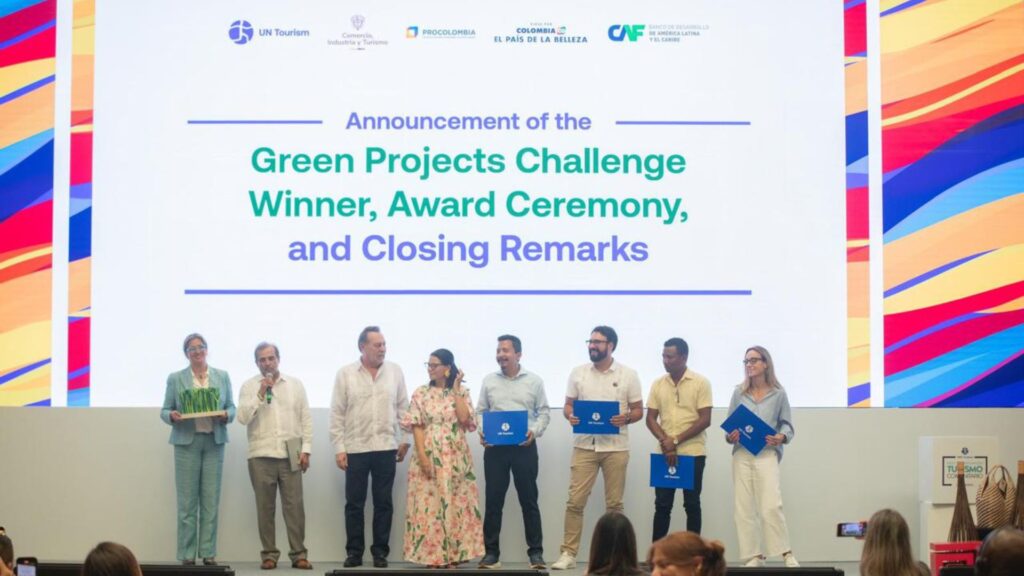
From November 13th to 16th, 2024, the vibrant city of Cartagena, Colombia, hosted the 122nd Executive Council Meeting of the United Nations World Tourism Organization (UN Tourism). This prestigious event brought together global tourism leaders to discuss the future of travel, emphasizing sustainability, resilience, and innovation in a post-pandemic world. Attended by representatives from 47 countries, including 21 deputy ministers, 350 international delegates, and stakeholders from the private sector, civil society, and financial organizations, the Council addressed strategic pillars such as tourism innovation and attracting investments for sustainable development. Amid these significant discussions, Green Initiative achieved a remarkable milestone: we were honored to be named a finalist for the Green Projects Challenge Awards, acknowledging our impactful efforts to drive climate action and foster sustainability in climate and nature through regenerative travel and tourism. Driving Climate Action: Green Initiative at the Green Projects Challenge Awards We are thrilled to announce that Green Initiative has been selected as a finalist for the Green Projects Challenge Awards, co-hosted by CAF – Development Bank of Latin America and UN Tourism. This prestigious accolade recognizes organizations that demonstrate outstanding contributions to: Out of over 500 project submissions, only four finalists were chosen to present their initiatives in a 4-minute pitch during the event. Representing Green Initiative, Tatiana Otaviano Luiz emphasized our dedication to creating a greener, low-carbon future: “As a finalist, we are proud to stand alongside organizations committed to building a sustainable world through innovation and collaboration.” Being recognized for this award is a testament to Green Initiative’s work in helping businesses: Our transformative projects align with the goals of the Green Projects Awards and the broader United Nations Sustainable Development Goals (SDGs), making sustainability an aspiration and a necessity. UN Tourism Executive Council: Spotlight on Sustainable Tourism The 122nd UN Tourism Executive Council Meeting provided a platform to explore how sustainable tourism can address the global climate crisis. Host country Colombia demonstrated its commitment to sustainability through programs promoting biodiversity conservation and eco-friendly tourism development. During the event, delegates emphasized the critical need to balance tourism growth with environmental preservation. This focus resonates with Green Initiative’s vision of a tourism sector that contributes to economic recovery while respecting nature and promoting social inclusion. CAF and UN Tourism: Pioneers of Sustainability and Innovation The Green Projects Challenge Awards, co-hosted by CAF and UN Tourism, aim to recognize projects that embody sustainability leadership. These organizations are pivotal in fostering a future where climate action is at the heart of economic and social development. With more than 500 projects submitted, the awards highlight the collaborative efforts needed to: As a finalist, Green Initiative is honored to join the global movement of organizations leading the fight against climate change. We share this recognition with other exceptional finalists making transformative contributions to sustainability: Rodolfo Salinas Roca, representing Natoure, for pioneering efforts in eco-tourism in Mexico, Alvaro Quiros Rodriguez, with Tequina Wave, for advancing sustainable practices in coastal tourism in Panama, and Gilson Altamar, from Por un Coral Más Vivo, for championing marine conservation and coral restoration in Colombia. Together, we represent a united front in driving innovation, reducing carbon footprints, and fostering a more sustainable future. We extend our heartfelt congratulations to the incredible leaders and organizations recognized at the UN Tourism Green Projects Challenge Awards for their dedication to advancing sustainable tourism and driving positive climate and nature action. A special acknowledgment goes to: Together, your collective efforts inspire hope and action in the global fight against climate change, proving that sustainability is not only possible but essential for a thriving future. 🌍✨ Congratulations to all on your outstanding contributions! Let us continue to work together toward a more sustainable, inclusive, and resilient world. A Commitment to a Low-Carbon Economy Green Initiative’s recognition at the Green Projects Challenge Awards underscores the impact of our efforts to advance sustainable tourism and help industries transition toward a low-carbon economy. By partnering with businesses and governments, we create actionable solutions to address environmental challenges, build climate resilience, and foster sustainable development. As the 122nd UN Tourism Executive Council concluded, it left a renewed sense of optimism about the role of sustainable tourism in tackling the world’s most pressing environmental challenges. Discover how Green Initiative can help your organization lead climate action. Contact us today to learn more. Related content:

Green Initiative: Finalist for the UN Tourism Green Projects Challenge Awards | Leading Sustainable Tourism and Climate and Nature Positive Action Read More »

Green Initiative Showcases Machu Picchu as a Model for Carbon-Neutral and Regenerative Tourism at COP16

Green Initiative Showcases Machu Picchu as a Model for Carbon Neutral and Regenerative Tourism at COP16

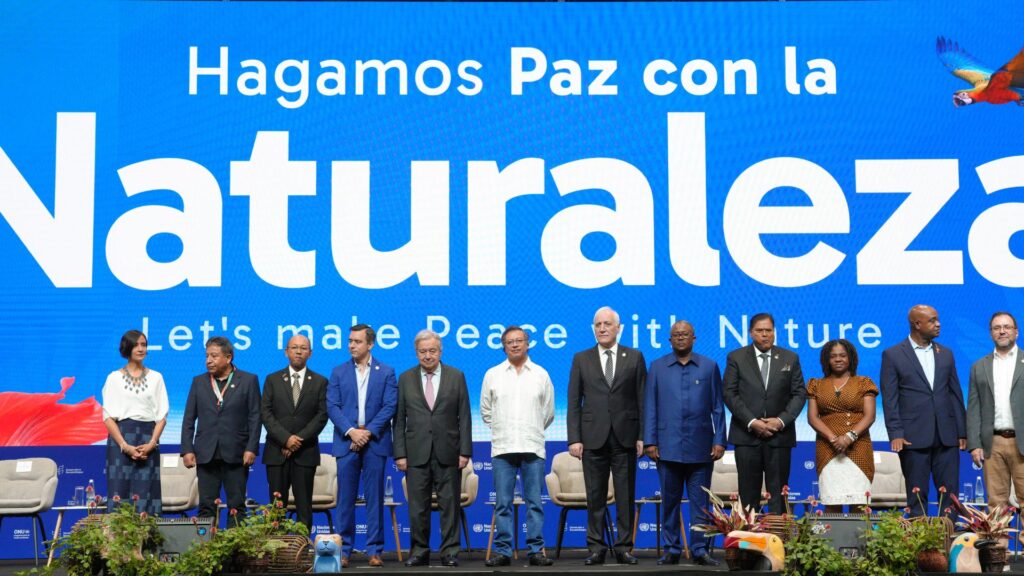
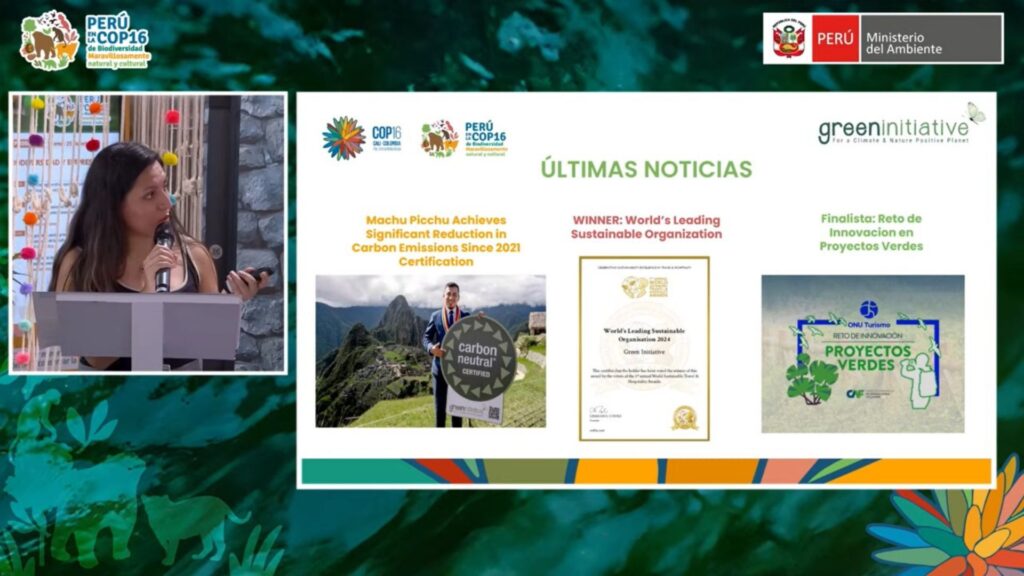
During the 16th Conference of the Parties to the United Nations Convention on Biological Diversity (COP16), Green Initiative presented the case of Machu Picchu as a model for a Carbon Neutral and Regenerative Tourism Destination. COP16 concluded in Cali after 12 days of intense discussions. Known as “The People’s COP,” the summit was divided into a blue zone for official negotiations and a green zone focusing on civil society participation. According to the Colombian government, the green zone attracted nearly a million visitors, with around 40,000 attending various academic activities. In the blue zone, where negotiations took place, parallel events were also organized in the pavilions of different countries and entities. Among these was the Peru Pavilion, which hosted a series of prominent events, including one titled “Machu Picchu: Carbon-Neutral and Regenerative Tourism Destination.” This session showcased the climate and nature-positive initiatives underway in Machu Picchu, aimed at reducing carbon emissions and restoring ecosystems as part of its tourism management. The panel featured representatives from organizations such as the National Service of State-Protected Natural Areas (SERNANP), AJE Group, Tetra Pak, and Latam Airlines. Panelists emphasized the importance of public-private sector collaboration for the success of projects like Machu Picchu. They recognized the leadership of Green Initiative as a key advisor in the region’s transition to decarbonization and regenerative tourism. COP16 was a platform for dialogue and reflection and marked significant milestones in its final plenary session. Among the most notable were creating a subsidiary body for Article 8J to support Indigenous peoples and local communities, the acknowledgment of Afro-descendant peoples as biodiversity guardians, and the Cali Fund, a global mechanism for the equitable distribution of benefits derived from genetic information. Additionally, collaboration between the Biodiversity and Climate Change agendas was promoted, in preparation for COP29 on Climate Change in Azerbaijan and the upcoming COP30 in Brazil. Colombia also took the opportunity to launch the world’s first biodiversity bonds during COP16, an initiative aimed at involving the private sector in biological diversity preservation. Banco Davivienda, with an investment of up to 50 million dollars from the International Finance Corporation (IFC), will channel these resources into projects with positive biodiversity impacts. Similarly, BBVA Colombia issued another bond, subscribed to by IDB Invest and IFC in two tranches to finance projects with positive biodiversity impacts. Written by Musye Lucen from the Green Initiative team. Related articles:

Green Initiative Showcases Machu Picchu as a Model for Carbon Neutral and Regenerative Tourism at COP16 Read More »

Join Us at COP 16 Machu Picchu – A Carbon Neutral and Regenerative Tourism Destination

Join Us at COP 16: Machu Picchu – A Carbon Neutral and Regenerative Tourism Destination

At this year’s COP 16, we are excited to invite you to a key side event, organized by Green Initiative, focusing on how one of the world’s most iconic sites—Machu Picchu—is becoming a global leader in sustainable tourism. Discover how collaboration between public and private sectors is making Machu Picchu a carbon-neutral and regenerative tourism destination, setting a benchmark for ecological restoration and sustainable travel. Join us as we explore how this UNESCO World Heritage site is becoming a global example of climate and nature positive tourism. This event will dive into the innovative approaches taken to protect Machu Picchu’s natural environment while boosting local economies and community engagement. The conversation will center on how carbon neutrality and ecosystem restoration are integrated into tourism, creating a model for other global destinations. 🌿 Event: Machu Picchu: Carbon Neutral and Regenerative Tourism Destination 📅 Date: Friday, October 25⏰ Time: 1:30 PM – 2:45 PM📍 Location: Peru Pavilion, Cali, Colombia Why Attend? Machu Picchu is not just a symbol of cultural history but now also stands as a model for green tourism. This event will highlight the collaborative efforts that have transformed this destination into a carbon-neutral site, with regenerative practices that are reviving local ecosystems and supporting sustainable economic growth for the region. Key Speakers: 🗣 Moderated by: Musye Lucen, Carbon Management Advisor and Youth Leader Program Advocate at Green Initiative. What to Expect Can’t make it in person? No worries! You can catch the event via live stream on Youtube. Let’s come together to create a blueprint for sustainable tourism that not only preserves cultural heritage but also nurtures the environment for future generations. Why COP 16 is a Turning Point for Global Biodiversity Taking place from October 21 to November 1, 2024, in Cali, Colombia, COP 16 (the 16th Conference of the Parties to the Convention on Biological Diversity) is a pivotal moment for global biodiversity efforts. This conference aims to convert the ambitious goals set by the Kunming-Montreal Global Biodiversity Framework into actionable strategies. These goals include protecting 30% of Earth’s land and oceans by 2030 and mobilizing $200 billion annually to restore biodiversity. COP 16 brings together governments, NGOs, the private sector, and Indigenous communities to address urgent challenges like habitat loss, biodiversity finance, and equitable benefit-sharing. Colombia, as one of the most biodiverse countries in the world, is a fitting host, underscoring the urgency of preserving ecosystems critical to the planet’s future​. Together, we can lead the way to a more sustainable and regenerative future for tourism and the planet. 🌱

Join Us at COP 16: Machu Picchu – A Carbon Neutral and Regenerative Tourism Destination Read More »

Green Initiative's Climate and Nature Positive Sustainability Work Featured in One Planet Network's Tools and Resources A Major Step for Global Climate Action

Green Initiative’s Climate and Nature Positive Sustainability Work Featured in One Planet Network’s Tools and Resources: A Major Step for Global Climate Action

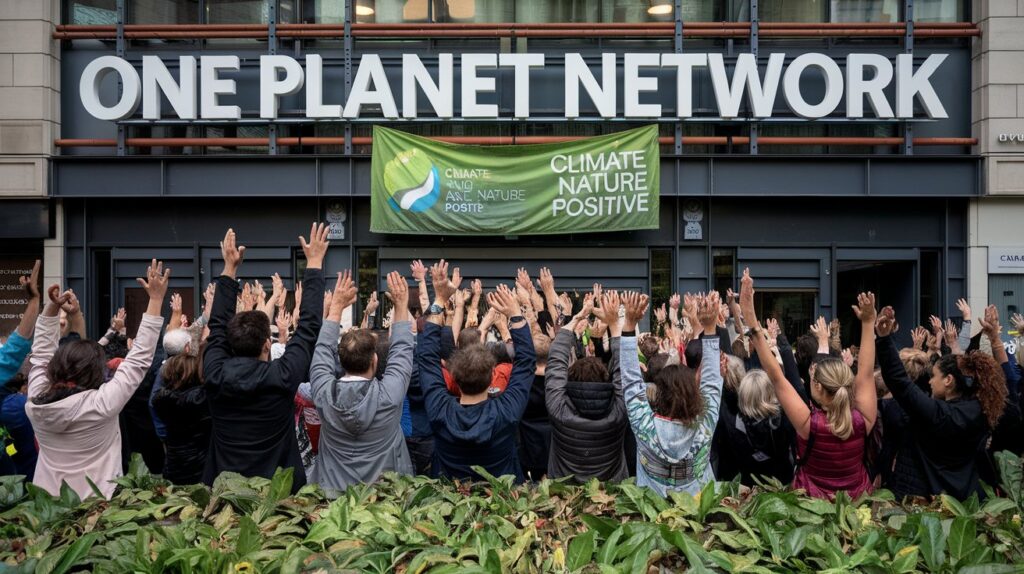
In a powerful endorsement of our efforts to drive climate and nature positive sustainability in tourism, Green Initiative has been prominently featured in the One Planet Network’s Tools and Resources section, a key platform for advancing climate-positive action. Several landmark projects, including the Carbon Neutral Certification renewal of Machu Picchu, the Climate Action Guide for Tourism Businesses and Destinations publication, and a comprehensive International Webinar on Regenerative Tourism, are now listed among vital tools supporting global climate action planning. Machu Picchu’s Carbon Neutral Certification: A Global Model for Heritage and Sustainability At the forefront of these efforts is the successful renewal of Machu Picchu’s Carbon Neutral Certification, a project led by Green Initiative now featured on the One Planet Network. The certification underscores the site’s ongoing commitment to reducing its environmental impact. It serves as a model for other world heritage sites aiming to align with the objectives of the Glasgow Declaration on Climate Action in Tourism. This achievement is highlighted in the One Planet Network’s news section, emphasizing the importance of carbon-neutral strategies in heritage tourism. Read more about Machu Picchu’s Carbon Neutral Certification here. The Climate Action Guide: A Vital Tool for Tourism Operators Green Initiative’s Climate Action Guide for Tourism Businesses and Destinations is now available through the One Planet Network’s Tools and Resources. This guide provides a practical, action-oriented framework for tourism stakeholders to create and implement climate-positive action plans. It addresses key areas such as reducing carbon emissions, adopting renewable energy, improving waste management, and integrating sustainable business practices. The guide offers step-by-step strategies for tourism operators looking to advance their climate commitments in line with the Glasgow Declaration, making it an indispensable resource for businesses and destinations seeking to reduce their carbon footprints. Access the Climate Action Guide for Tourism Businesses and Destinations here. International Webinar on Regenerative Tourism: Expanding the Scope of Sustainability Also featured on the platform is the recording of an insightful International Webinar on Regenerative Tourism, co-hosted by Green Initiative. This webinar explores the concept of regenerative tourism, which aims to minimize environmental harm and restore and rejuvenate ecosystems. As businesses and destinations seek ways to contribute positively to the environment, this approach offers a new paradigm for ecological sustainability and long-term competitiveness in the tourism sector. The webinar provides valuable knowledge on how tourism can be a force for ecological restoration, helping businesses implement practices that leave destinations better than before. Watch the International Webinar on Regenerative Tourism here. Empowering Climate Action in Tourism Through One Planet Network The inclusion of Green Initiative’s work in the One Planet Network’s Tools and Resources section signifies a major step forward in empowering tourism operators to actively participate in global climate action. These resources—from real-world examples of Machu Picchu’s carbon neutrality to actionable guides and educational webinars—are now accessible to tourism businesses, destinations, and stakeholders worldwide. This collaboration strengthens the push for a more sustainable and climate-resilient tourism industry, reinforcing that tourism can lead global efforts to fight climate change. By leveraging these tools and resources, destinations worldwide can follow the path paved by Green Initiative, taking bold steps toward reducing their environmental impact while enhancing the resilience of their operations. Contact us to learn more about our services and receive expert climate and nature positive advice for your business organization. Related articles

Green Initiative’s Climate and Nature Positive Sustainability Work Featured in One Planet Network’s Tools and Resources: A Major Step for Global Climate Action Read More »

Green Initiative Selected as Finalist in the Green Projects Innovation Challenge Pioneering a New Era of Sustainable Tourism in Latin America and the Caribbean (1)

Green Initiative Selected as Finalist in the Green Projects Innovation Challenge: Pioneering a New Era of Sustainable Tourism in Latin America and the Caribbean

We are thrilled to announce that Green Initiative has been selected as a finalist in the Green Projects Innovation Challenge—a groundbreaking effort led by UN Tourism in collaboration with the Development Bank of Latin America and the Caribbean (CAF). This challenge, designed to accelerate innovation in the tourism sector, aims to reshape the industry by promoting green projects that enhance sustainability, reduce emissions, and generate positive social and economic impact, particularly in rural and community tourism. A Transformative Vision for Tourism The Green Projects Innovation Challenge emerges at a pivotal moment for the tourism industry. As global travel rebounds, there is an increasing call for tourism experiences that captivate travelers and foster ecological and social transformation. With the Latin America and the Caribbean sector showing significant resilience—achieving 87% of 2019 tourism levels between January and July 2023—this is a crucial opportunity to rethink how tourism operates. At the heart of this challenge is a drive to push forward innovation that addresses both environmental imperatives and the evolving demands of travelers who increasingly seek responsible and sustainable experiences. As part of this initiative, the Green Projects Innovation Challenge recognizes the critical role that green projects play in promoting sustainability. The tourism sector, a significant contributor to global economies, must now confront pressing emissions, waste management, and ecosystem preservation challenges. By supporting initiatives that harness new ideas and technologies, UN Tourism and CAF are striving to make tourism a driver of positive change for local communities, ecosystems, and economies. Green Initiative: Driving Decarbonization and Ecological Restoration Green Initiative’s selection as a finalist underscores the impact of our work in decarbonizing and restoring ecosystems, particularly through the innovative application of technology and data. Our model, built on five key stages of decarbonization and validated by international standards, has already generated measurable value for tourism businesses and destinations. By integrating climate action into business models, we empower our clients to reduce emissions while unlocking opportunities for climate-smart innovations in products and services. In line with the goals of the Green Projects Innovation Challenge, we have also focused on strengthening rural and community tourism, a sector with immense potential for sustainable transformation. By driving ecological restoration and reducing the negative impacts of land-use change, our work aligns with the broader mission to enhance the tourism sector’s contribution to climate goals and biodiversity conservation. Innovation to Address Local and Global Challenges The Green Projects Innovation Challenge seeks to empower startups and enterprises that redefine how tourism interacts with nature. This initiative emphasizes not only the reduction of emissions but also the preservation and regeneration of ecosystems and biodiversity across Latin America and the Caribbean. Doing so offers a pathway for tourism companies to meet the growing expectations of environmentally conscious travelers while fostering local economic development. Our commitment to these goals is evidenced by our authorship of critical resources such as the Climate Action Guide for Tourism Businesses and Destinations and the Brazilian Guide to Climate Action for Tourism Businesses and Destinations, developed in partnership with national tourism organizations. These tools provide essential guidance for tourism companies looking to implement sustainable practices and achieve measurable climate impacts. Building a Future of Climate and Nature Positive Regenerative Tourism Being recognized as a finalist in this challenge affirms our leadership in sustainable tourism and motivates us to continue driving change across the industry. Our participation in initiatives such as the United Nations Climate Change—Climate Neutral Now and the Global Covenant of Mayors for Climate & Energy reinforces our commitment to integrating Climate-Positive and Nature-Positive impacts into the tourism sector. As tourism in Latin America and the Caribbean recovers, we are excited to work alongside industry leaders and innovators to ensure this growth is sustainable, inclusive, and transformative. By combining cutting-edge technology with community-focused approaches, we aim to create tourist experiences that are not just memorable, but that also contribute to the long-term health of our planet. A Call for Innovation and Collaboration As we move forward in this challenge, we are eager to collaborate with other visionary organizations and stakeholders who share our mission to make tourism a force for good. Through innovative green projects, we can collectively drive the shift toward a more sustainable tourism industry that prioritizes preserving our natural resources, reducing emissions and uplifting communities. We extend our deepest gratitude to UN Tourism and CAF for recognizing our efforts and for their unwavering support of green projects that are set to transform the tourism sector in Latin America and the Caribbean. Together, we can build a future where tourism plays a leading role in shaping a more sustainable and equitable world. Contact us to receive expert advisory and become a Climate and Nature Positive Certified tourism business or destination. Discover our Climate Positive, Carbon Neutral and Carbon Measured certifications here. Related articles:

Green Initiative Selected as Finalist in the Green Projects Innovation Challenge: Pioneering a New Era of Sustainable Tourism in Latin America and the Caribbean Read More »