
hotel sustainability

Master the hotel energy transition with solar, wind, and hybrid systems. Learn how to integrate renewable energy into your property for cost savings and resilience.

Renewable Energy Integration for Hotels: Solar, Wind, and Hybrid Systems

For the hospitality sector, the transition to renewable energy is the most visible signal of climate leadership. While energy efficiency reduces the load, renewable integration eliminates the carbon intensity of the remaining energy demand. However, hotels face unique spatial and aesthetic challenges when deploying these technologies. This guide analyzes how to integrate solar, wind, and hybrid systems into hotel infrastructure to achieve energy independence and long-term cost stability. The Strategic Shift to On-Site Generation Modern hotels are no longer just energy consumers; they are becoming “prosumers”—entities that both consume and produce energy. Integrating renewable systems protects the property from the volatility of fossil fuel prices and grid instability. For example, for destinations in Peru, ranging from the Andean highlands to the Amazonian basin, decentralized renewable energy is often more reliable and cost-effective than traditional grid extensions. Financial and Regulatory Incentives Many jurisdictions offer accelerated depreciation, tax credits, or net-metering schemes for hotels that export excess renewable energy back to the grid. These financial mechanisms, combined with the plummeting cost of photovoltaic (PV) hardware, have brought the Return on Investment (ROI) for many hotel solar projects down to 4 to 6 years. Solar Energy: The Foundation of Hotel Renewables Solar Photovoltaic (PV) technology is the most common renewable choice for hotels due to its scalability and low maintenance requirements. Rooftop and Building-Integrated Photovoltaics (BIPV) Solar Thermal for Hot Water While PV generates electricity, solar thermal systems use the sun’s heat directly to warm water for guest rooms, laundries, and swimming pools. Solar thermal is significantly more efficient per square meter than PV for heating applications, making it a “quick win” for high-occupancy resorts. Wind Energy: Specialized Applications Wind energy is less common in urban hospitality but highly effective for coastal or remote highland properties with consistent wind profiles. Micro-Wind Turbines Unlike the massive turbines seen in industrial wind farms, micro-wind turbines are designed for building integration. Vertical Axis Wind Turbines (VAWTs) are quieter and can capture wind from any direction, making them suitable for coastal resorts where sea breezes are constant. Site Assessment Requirements Wind projects require at least 12 months of localized anemometer data to ensure viability. Because of the potential for noise and vibration, turbines must be strategically placed away from guest quiet zones. Hybrid Systems and Energy Storage The primary challenge of renewable energy is intermittency—solar does not work at night, and wind is variable. Hybrid systems solve this by combining multiple energy sources and storage. Solar-Wind Hybrids By combining solar and wind, hotels can achieve a more balanced generation profile. In many regions, wind speeds are higher at night or during cloudy days when solar production is low. Battery Energy Storage Systems (BESS) To achieve true energy independence or “Peak Shaving,” hotels are increasingly installing lithium-ion or flow batteries. Overcoming Implementation Barriers Aesthetic Integration Luxury hotels often hesitate to install renewables for fear of disrupting the “guest experience.” Modern design solves this by hiding panels behind parapet walls or using colored solar glass that mimics traditional building materials. Is your property suitable for solar or wind? Request a Renewable Energy Feasibility Study from Green Initiative’s technical experts. This article was written by Musye Lucen from the Green Initiative Team. Frequently Asked Questions (FAQ) for Hotel Renewable Energy Integration Related Reading

Renewable Energy Integration for Hotels: Solar, Wind, and Hybrid Systems Read More »
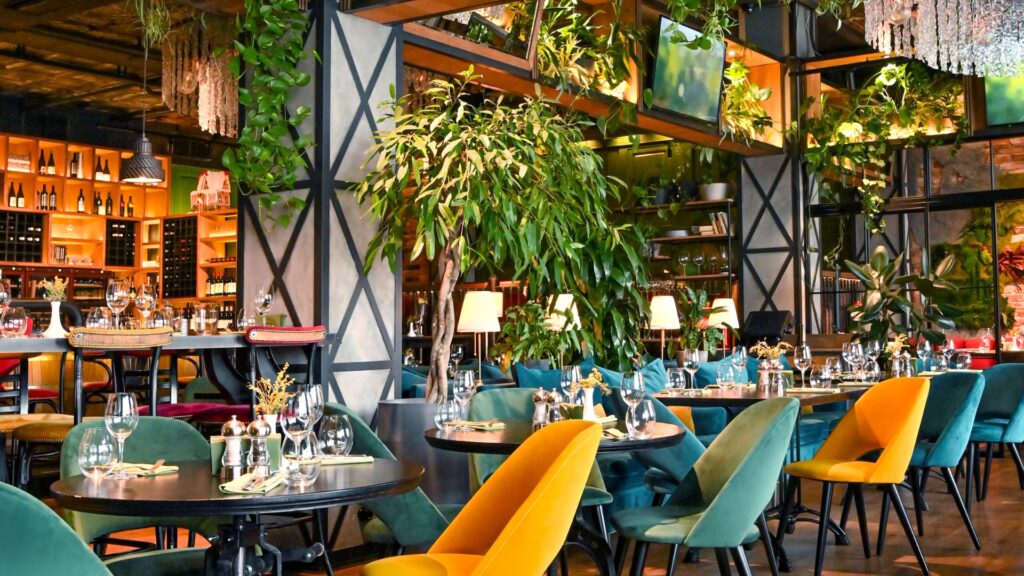
Sustainability in Hospitality A Competitive Advantage, Not Just Compliance Green Initiative

Sustainability in Hospitality: A Competitive Advantage, Not Just Compliance

Why Sustainability Matters for Hotels and Restaurants Sustainability in hospitality is no longer optional—it’s a strategic necessity for long-term success. As climate action gains momentum worldwide, hotels and restaurants that embrace sustainable practices are securing financial benefits, reducing operational costs, and strengthening brand loyalty. But sustainability isn’t just about meeting environmental goals—it’s about gaining a competitive edge in a rapidly evolving industry. From cutting expenses through energy efficiency to attracting eco-conscious travelers and securing preferential financing, sustainability is reshaping the hospitality landscape. Businesses that integrate climate-smart strategies will thrive, while those that ignore this shift risk higher costs, limited financing options, and declining market appeal. The message is clear: sustainability is no longer just about compliance—it’s the key to long-term profitability and success.. Key Benefits of Sustainability in Hospitality ✅ Cost Reduction – Energy efficiency and waste reduction lower operational expenses.✅ Access to Climate Financing – Hotels with strong sustainability practices can secure preferential loans and investment opportunities.✅ Brand Differentiation – Eco-conscious travelers actively seek sustainable hospitality options.✅ Regulatory Compliance & Future-Proofing – Meeting global climate pledges protects businesses from future regulatory risks. Sustainability as a Competitive Edge in Hospitality Hotels that delay climate-smart strategies risk rising costs, shrinking market appeal, and limited financing options. Sustainability isn’t just a trend—it’s shaping the future of the hospitality industry. Hospitality Sustainability Success Stories 1. SENAC Restaurants, Brazil: A Carbon-Neutral Dining Model SENAC Restaurants in Brazil achieved Carbon Neutral Certification by overhauling their food sourcing strategy. By prioritizing local suppliers, they: ✔ Cut transportation costs✔ Improved menu sustainability✔ Strengthened brand reputation This demonstrates how sustainability and profitability go hand in hand. 2. Inkaterra: A Global Leader in Eco-Hospitality Inkaterra, a pioneer in ecotourism, has integrated climate action into its operations by managing 15,000 hectares of protected forest. Their Climate Certification has: ✔ Strengthened their international reputation✔ Secured climate finance through partnerships like the Inter-American Development Bank (IDB)✔ Improved operational efficiency These case studies highlight that sustainability is not just about reducing emissions—it’s a business growth strategy. The Business-Driven Approach to Hospitality Sustainability Despite misconceptions that climate action is losing momentum, the truth is that sustainability is now a business-driven necessity. The rising costs of energy, food, and waste management make climate-positive initiatives essential for profitability. How to Integrate Sustainability into Your Hospitality Business To stay ahead in the industry, hospitality businesses should consider: 🔹 Carbon Certification for Hotels & Restaurants – Align with climate finance frameworks and secure better investment opportunities.🔹 Energy & Waste Management Strategies – Reduce operational costs while meeting sustainability goals.🔹 Sustainable Sourcing & Eco-Friendly Operations – Attract eco-conscious travelers and corporate clients. Take Action: Future-Proof Your Hospitality Business Hotels and restaurants can gain a competitive advantage by obtaining Green Initiative’s Climate Certificates for tourism, hospitality, and destinations. These certifications help businesses secure financing, improve sustainability performance, and increase market appeal. Download the Free Climate Action Guide for Hospitality Gain valuable insights on integrating climate mitigation strategies into your hotel or restaurant business. 📥 Download the Climate Action Guide Final Thoughts Sustainability is not just an ethical obligation—it’s a smart business strategy. Hotels and restaurants that embrace climate action will thrive, while those that hesitate may struggle with rising costs and diminishing market share. Is your hospitality business ready for the future? Start your sustainability journey today and position yourself as a leader in the evolving hospitality landscape. Get in touch.

Sustainability in Hospitality: A Competitive Advantage, Not Just Compliance Read More »