Green Initiative

Rural heritage as witness of climate change in Italy

When Heritage Speaks: How Italy’s Food Architecture Became a Climate Archive

From forgotten wine cellars to silent olive mills, ancient structures reveal how climate change reshaped culture — and how heritage can guide a more resilient future. When Walls Remember the Weather Centuries before satellites tracked carbon or AI models forecast drought, humanity had its own climate sensors: stone, earth, and wood.Every wall built for survival — a cellar, a mill, a granary — was designed in dialogue with nature. These “food architectures” were not just factories of flavor; they were records of local climate adaptation, silent witnesses to environmental change. Now, new research published in Heritage (MDPI) by Roberta Varriale and Roberta Ciaravino introduces a compelling concept: “Food-related architecture as a climatic indicator” — a physical record of how past societies adapted to, and were transformed by, shifting environmental conditions.(Varriale & Ciaravino, 2025, Heritage, 8, 423) For Green Initiative, this research resonates deeply. It connects heritage, climate intelligence, and local economies, echoing our mission to empower destinations and organizations to become Climate Positive and Nature Positive through measurable action and cultural understanding. Architecture as a Climate Indicator The study proposes a revolutionary lens: when reliable meteorological data are absent, architecture itself becomes evidence.A cellar designed to stay cool or a water mill abandoned after floods reflects not only economic cycles but also environmental transformation. “The very existence of certain architecture designed to manage specific climatic factors is an indicator that, at the time of its construction, climatic conditions were compatible with them,” write the authors. “Similarly, their abandonment is a sign that those climatic conditions have changed.” This transforms every mill and cellar into a data point — and every rural landscape into an open-air climate observatory. Case Study 1 — Pietragalla: The Wine Cellars That Climbed the Mountain In Basilicata, southern Italy, the small town of Pietragalla hosts over 200 rock-cut wine cellars, carved into sandstone hills. These “Palmenti” once formed the heart of local viticulture — cool, shaded, and close to vineyards. But as temperatures rose, vineyards migrated uphill, seeking cooler altitudes. By the 1970s, the historic cellars were abandoned.The architecture itself records the change: a literal climb of agriculture in search of equilibrium. Today, Pietragalla’s wine district has been restored as an urban park within the Italian Environment Fund (FAI), but the lesson endures: Climate change can rewrite landscapes faster than culture can adapt — unless adaptation becomes part of the heritage narrative itself. Pietragalla’s story mirrors the challenges faced by mountain destinations in the Andes, Himalayas, or Costa Rica, where temperature shifts redefine both agriculture and tourism. Case Study 2 — The Apulian Rock-Cut Olive Mills: Warmth, Work, and Abandonment In the limestone lands of Apulia, more than 150 underground olive oil mills were carved beneath the soil between the 15th and 19th centuries.They were engineering masterpieces: thermally insulated, self-heated by mules and workers, and optimized for pressing during the cold Little Ice Age (1590–1850). As Europe warmed after 1870, production moved above ground.The architecture of adaptation became the archaeology of change. Today, these subterranean mills are both heritage sites and tourism assets, yet their climatic significance remains under-recognized.Reframing them as climatic indicators could integrate them into wider climate education and regenerative tourism strategies — precisely what Green Initiative promotes through its Climate Positive Certification and storytelling frameworks. Case Study 3 — Gragnano’s Valley of Mills: The Pasta District That Outlived Its River Near Naples, the Mills’s Valley of Gragnano became the heart of Italy’s pasta industry. The Vernotico River powered its mills and gave life to a thriving manufacturing district. But shifting rainfall patterns turned prosperity into peril: catastrophic floods in 1764 and 1841 destroyed much of the infrastructure.Over time, production transitioned to electric power, leaving behind silent towers and abandoned stone mills. Today, Gragnano is a Protected Geographical Indication (PGI) district, and the valley is listed by FAI and UNESCO. Yet, as rainfall extremes return, the past speaks clearly: Hydrological instability is both a heritage story and a warning. The parallels with Latin American river valleys are striking — from the Peruvian Andes to Brazil’s coastal basins — where water, culture, and resilience intersect. Green Initiative integrates these lessons into climate adaptation planning, merging heritage protection with risk reduction and tourism decarbonization. From Case Studies to Climate Intelligence The Italian examples demonstrate that heritage can function as a living dataset, connecting cultural identity with long-term climate data.By analyzing when and why structures were built or abandoned, researchers fill historical gaps in temperature and rainfall records — offering context for modern resilience strategies. For Green Initiative, this aligns directly with our Climate & Nature Positive Framework, which helps destinations measure, monitor, and communicate environmental impacts holistically — encompassing emissions, biodiversity, and cultural adaptation capacity. “These architectures remind us that every heritage site is also a climate lesson waiting to be learned.” Linking Past Wisdom to Modern Action Heritage Insight Green Initiative Response Rural architectures reflect adaptation to environmental limits Climate Positive Certification ensures measurable reductions and local ecosystem regeneration. Abandonment reveals vulnerability to climate change Nature Positive Programs strengthen ecosystem resilience and community awareness. Architecture as storytelling of resilience Sustainable Tourism Certification embeds heritage-based climate education. Shared cultural identity as a driver of sustainability Forest Friends Program connects communities through tangible restoration — reforesting memory as much as land. By connecting scientific evidence with practical frameworks, Green Initiative turns heritage into active climate governance. From Italy to the World: Reading Climate in Stone and Soil If Italy’s vineyards, olive mills, and rivers tell stories of adaptation, so too do Peru’s terraces, Costa Rica’s coffee estates, and Brazil’s coastal fisheries.All are “food architectures” — designed ecosystems that mirror their climates. Through projects in Machu Picchu, Cabo Blanco, and Bonito, Green Initiative extends this philosophy globally:heritage is not only cultural — it is also climatic heritage. Our certifications and partnerships ensure these landscapes continue to function as living climate indicators, guiding humanity toward measurable sustainability and community-based resilience. Conclusion: From Abandonment to Regeneration What Varriale and Ciaravino’s research reveals is that climate intelligence already exists in

When Heritage Speaks: How Italy’s Food Architecture Became a Climate Archive Read More »

Tourism in the Age of Artificial Intelligence: The 26th UN Tourism General Assembly Marks a New Era of Global Cooperation

Tourism in the Age of Artificial Intelligence: The 26th UN Tourism General Assembly Marks a New Era of Global Cooperation

Riyadh Hosts the Largest UN Tourism General Assembly in History The 26th UN Tourism General Assembly opened this week in Riyadh, Saudi Arabia, gathering more than 160 delegations of ministers, private sector leaders, and organizations under the theme “AI-Powered Tourism: Redefining the Future.”This historic event — the largest in the organization’s 50-year history — highlights how digital innovation, sustainability, and cooperation are shaping the next generation of global tourism. According to Gulf News, Riyadh’s role as host city symbolizes the Gulf region’s growing influence in sustainable tourism and digital transformation — key pillars of Saudi Vision 2030. AI and Climate Intelligence: Aligning Innovation with Responsibility As artificial intelligence revolutionizes industries worldwide, the tourism sector stands at a crossroads: it must innovate while preserving its social and environmental essence. This year’s Assembly, aligned with UN Tourism’s AI for Good initiative, focuses on how AI can strengthen jobs, empower small businesses, enhance destination management, and accelerate progress toward the Sustainable Development Goals (SDGs). “This week marks a decisive moment for our sector: an opportunity to shape the growth of tourism through greater connectivity, sustainability, investment in human capital, and AI-driven innovation,”said Ahmed Al Khateeb, Saudi Arabia’s Minister of Tourism. The global conversation mirrors insights shared in Reuters’ sustainability feature, which explores how AI is driving smarter, more sustainable tourism worldwide. Responsible Innovation: AI and the Human Side of Travel Artificial Intelligence is not only transforming how destinations operate — it is also redefining how travelers dream, plan, and connect.According to The Guardian, nearly 20% of young adults already use AI to design their holidays, signaling a profound behavioral shift in how tourism experiences are created. But innovation must remain responsible, as emphasized by the OECD: algorithms must respect cultural authenticity, inclusivity, and local identity.In this sense, AI in tourism is evolving from automation to augmentation, empowering communities and travelers to make sustainable choices while enriching the human experience behind every journey. Building the Future of Tourism with Data, Transparency, and Action The Assembly reinforces a core message: data defines direction. Sustainability must be measurable, verifiable, and transparent — a principle central to both AI ethics and climate governance. As emphasized by the World Economic Forum’s 2025 report, data-driven strategies are key to transforming tourism into a resilient, low-carbon sector that fosters inclusive development. At Green Initiative, we help turn these principles into measurable impact through our suite of climate intelligence platforms. Together, these tools enable destinations and enterprises to measure, reduce, and offset their emissions — ensuring that innovation leads to verified climate and nature positive results. Saudi Arabia’s Leadership and Vision 2030 Hosting the General Assembly cements Saudi Arabia’s leadership in global tourism transformation. Guided by Vision 2030, the country invests in sustainable infrastructure, digital innovation, and human capital development to position tourism as a central driver of national diversification. Coverage by Arab News highlights the country’s inclusive approach — bringing together public, private, and multilateral stakeholders to redefine the sector’s future. “Tourism is one of the most powerful forces for prosperity and understanding in the world,”said Al Khateeb. “Guided by Vision 2030, we are proud to welcome the world with the spirit of Saudi hospitality that defines who we are.” Meanwhile, Europe continues to advance the dialogue on digital transformation in tourism. As reported by Cadena SER, the Tourism Innovation Summit (TIS 2025) in Seville has become a global benchmark for smart tourism — complementing Riyadh’s leadership with a strong European commitment to data transparency and sustainability. A Shared Commitment to Climate and Nature Positive Tourism For 50 years, UN Tourism has promoted economic opportunity, cultural understanding, and peace through travel. Today, that mission evolves into a new frontier — where AI, climate intelligence, and nature-based solutions merge to accelerate verified decarbonization. This transition aligns with frameworks such as the UNEP’s advancing circular-economy platform for tourism and the Glasgow Declaration on Climate Action in Tourism, which provides a shared commitment and framework for decarbonizing tourism operations worldwide. It also builds upon the UN Tourism Climate Action Platform and the joint UNWTO–UN report on Climate Action in the Tourism Sector, which together reinforce the sector’s alignment with the Paris Agreement and the goals of the 2030 Agenda for Sustainable Development. Together with the World Economic Forum’s “Travel and Tourism at a Turning Point” report, these frameworks outline the collaboration needed to make climate and nature positive tourism the new global standard. As shown during the Assembly’s Associate Members meeting, the success of sustainable tourism depends on collaboration between governments, businesses, and communities — mirroring Green Initiative’s own approach of forging multi-sector alliances to accelerate measurable decarbonization and ecosystem restoration. Our partnerships in Machu Picchu, Cabo Blanco, and Costa Rica’s Osa Peninsula demonstrate that verified climate and nature positive tourism can drive regeneration, strengthen communities, and inspire global transformation. Looking Ahead: The Intelligence of Nature The future of tourism will be defined by intelligence — both digital and ecological. From the mountain trails of Machu Picchu to the desert skylines of Riyadh, the convergence of AI and climate action is rewriting what it means to explore responsibly. In this journey, the role of organizations like Green Initiative is not just to measure progress, but to ensure that the world travels toward a truly climate and nature positive planet. Green Initiative advances climate and nature positive transformations through measurable climate action, verified certifications, and intelligent digital tools. Our mission is to help organizations and destinations quantify, reduce, and offset emissions while restoring ecosystems and creating long-term value for people and planet. We provide the transparency and rigor needed to align with the Paris Agreement and the 2030 Agenda for Sustainable Development. This article was written by Yves Hemelryck from the Green Initiative Team.

Tourism in the Age of Artificial Intelligence: The 26th UN Tourism General Assembly Marks a New Era of Global Cooperation Read More »

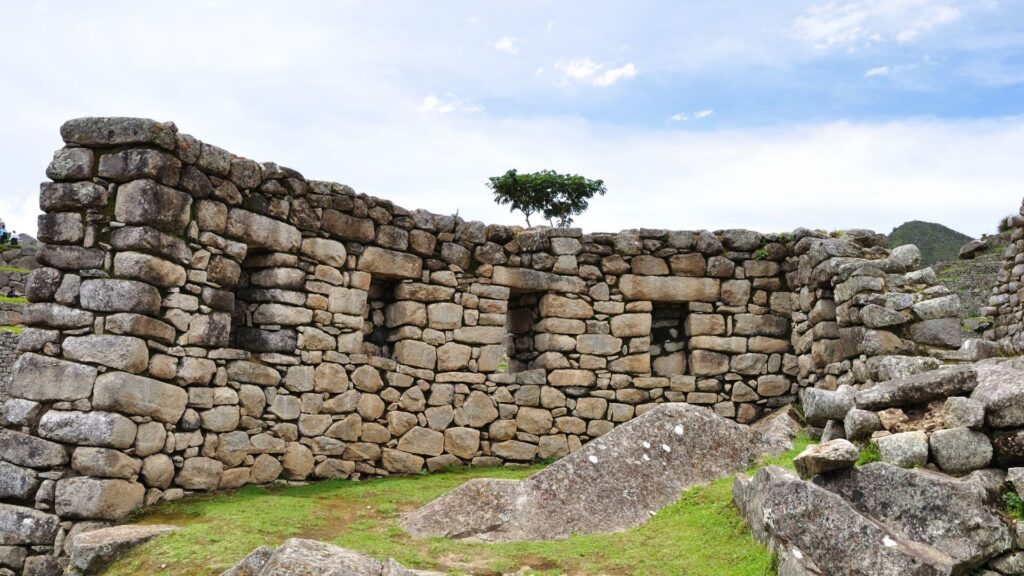
Machu Picchu Leads Global Climate Action with Its Third Carbon Neutral Certification

Machu Picchu Leads Global Climate Action with Its Third Carbon Neutral Certification

From the heart of the Andes, Machu Picchu once again makes history — not only as a symbol of world heritage, but as a living model of how tourism and climate action can move together toward a shared future. In 2025, the iconic destination achieved its third consecutive Carbon Neutral Certification, granted by Green Initiative, consolidating its leadership in the global movement for climate-positive and nature-positive tourism. A measurable path toward decarbonization Between 2019 and 2024, Machu Picchu achieved a 7.26% reduction in its carbon footprint per tourist, while increasing its carbon capture through reforestation and ecological restoration projects. These results are not symbolic — they are measurable, verifiable, and replicable, proving that the decarbonization of tourism is possible when data, science, and collaboration converge. Behind this achievement lies a rigorous process of measurement, reduction, and compensation aligned with international standards such as the GHG Protocol and IPCC Guidelines. Residual emissions were offset through the retirement of high-integrity carbon credits, ensuring climate integrity and transparency across all levels of reporting. A model built on collaboration The certification reflects four years of work led by the Municipality of Machu Picchu, in collaboration with PROMPERÚ, Inkaterra, AJE Group, BAM (Bosques Amazónicos), SERNANP, Ministry of Culture of Peru (Decentralized Directorate of Culture of Cusco), Tetra Pak, together with partners including CANATUR, LATAM Airlines, MSC, Inka Rail, Peru Rail, Belmond and World Xchange. The process also integrated technical cooperation with UN Tourism, UN Climate Change (UNFCCC), UNCTAD, the Peru Circular Tourism Initiative, the Consulate of the German Embassy in Peru, and the Spanish Agency for International Development Cooperation (AECID). It is a public-private and multilateral alliance that turned ambition into measurable action — a framework now inspiring similar transitions in destinations such as Cabo Blanco, Bonito, and Christ the Redeemer.    Why it matters now A decade after the Paris Agreement, and as the world looks toward COP30, Machu Picchu stands as tangible proof that climate ambition can translate into practical results. Its model merges circular economy practices — such as pyrolysis for biochar production, biodiesel generation from used oils, and recycling of PET plastics, packaging, and glass — with improvements in sustainable mobility through electric vehicles. The integration of these strategies enhances the destination’s resilience to climate change, strengthening its role as a benchmark for regenerative and low-carbon tourism. The entire process follows the principles of transparency and traceability promoted by the Circular Tourism Peru framework, under the commitments of the Glasgow Declaration for Climate Action in Tourism led by UN Tourism. Toward the world’s first Carbon Neutral Tourism Corridor Building on this success, Machu Picchu is now spearheading the creation of the World’s First Carbon Neutral Tourism Corridor, connecting district municipalities from Machu Picchu to Cusco, including Choquequirao. The initiative aims to reduce regional emissions, foster public and private investment, and promote sustainable mobility while creating a more inclusive and climate-smart visitor experience. At the same time, Machu Picchu is expanding its reach through international collaboration with other emblematic World Heritage sites such as Angkor Wat (Cambodia) and Petra (Jordan), to exchange best practices that accelerate the fulfillment of the Paris Agreement and Glasgow Declaration objectives. Voices that inspire global transformation “From the District Municipality of Machu Picchu, we remain committed to continuously monitoring our carbon footprint and promoting policies that foster a circular and regenerative economy in harmony with nature.”— Elvis La Torre, Mayor of Machu Picchu “Through public–private and multilateral collaboration, we can achieve remarkable results in decarbonizing the economy. The experience accumulated here — and that we aim to scale worldwide — shows that tourism and climate action must go hand in hand.” — Gustavo Santos, Regional Director for the Americas, UN Tourism “Machu Picchu’s leadership highlights the impact of years of scientific data collection and standardization. Climate action becomes tangible when grounded in science and collaboration.” — Daniel Galván Pérez, UN Climate Change “Machu Picchu not only represents the greatness of our history and culture, but also Peru’s commitment to a sustainable future. Being the first World Cultural Heritage Site to achieve carbon neutrality is a milestone that reflects how tourism can be a positive force for conservation and development. Today, travelers around the world seek experiences that connect with nature and respect the environment; Machu Picchu demonstrates that it is possible to experience cultural heritage in harmony with the planet. This achievement inspires us to continue promoting tourism that protects, values, and transforms.” — María del Sol Velásquez, Director of Tourism Promotion, PROMPERÚ “The certification of Machu Picchu as a carbon-neutral destination marked a milestone in the environmental management of Peruvian tourism. This achievement opens the opportunity to move toward a more ambitious model, where tourist destinations strengthen their resource efficiency, reduce their carbon footprint, foster innovation, and consolidate the participation of local communities. At MINCETUR, we work to ensure that this example inspires other destinations to advance on the path toward sustainability and resilience, in alignment with the country’s climate commitments.” — Sophia Dávila, Director of the Directorate of Environmental Tourism Affairs, MINCETUR. “Tourism drives growth in many developing countries, but its future must be sustainable. Machu Picchu’s Carbon Neutral Certification is an example that it is possible to align decarbonization goals with economic development, making the sector a true ally of climate action.” — Claudia Contreras, Economic Affairs Officer, UNCTAD “Tourism does not only move economies — it moves memories, territories, and shared purpose. From CANATUR PERU, we promote a collaborative network within the sector that seeks to transform every destination into a node of sustainability, traceability, and resilience. Machu Picchu stands today as the living symbol of this transformation, reminding us that heritage is not simply preserved — it is managed with legitimacy, sensitivity, and a shared vision.” — Carlos Loayza, General Manager, CANATUR “The Carbon Neutral Certification symbolizes what happens when companies act with purpose. At AJE Group, we reaffirm our commitment to solutions that combine innovation, sustainability, and social well-being.” — Jorge Lopes-Dóriga, Director of Communication and Sustainability, AJE Group “For

Machu Picchu Leads Global Climate Action with Its Third Carbon Neutral Certification Read More »

Circular Tourism Peru A Model for Climate & Nature Positive Destinations

Circular Tourism Peru: A Model for Climate & Nature Positive Destinations

The Circular Tourism Peru project, led by the National Chamber of Tourism of Peru (CANATUR), with the support of the Spanish Agency for International Development Cooperation (AECID), the European Union, and the technical partnership of Green Initiative, has emerged as a pioneering model for integrating circular economy principles, climate action, and sustainability into tourism. Cabo Blanco and Machu Picchu: Living Laboratories for Circular Tourism In emblematic destinations such as Cabo Blanco and Machu Picchu, the project has developed technical workshops, carbon footprint assessments, and capacity-building programs for public, private, and community stakeholders. These efforts aim to reduce environmental impacts, promote regenerative practices, and establish replicable models of low-emission, climate-smart tourism across Peru and beyond. Key achievements include: Technical Impacts: From Measurement to Action From a technical standpoint, the project has developed climate performance indicators to measure, reduce, and offset greenhouse gas emissions. It also introduced a methodological guide for circular tourism tailored to Peru’s coastal and marine ecosystems. Initiatives include the promotion of energy, water, and waste efficiency, alongside eco-design practices, material revalorization, and blue economy principles, reinforcing the sustainable tourism value chain across the region. Circular Economy and Sustainability: A New Paradigm for Tourism The circular economy framework seeks to keep resources in use for as long as possible, reduce waste, and regenerate natural systems — replacing the traditional linear model of “take–make–dispose.” Aligned with the principles of sustainability, this approach balances economic, social, and environmental well-being while ensuring resource conservation for future generations. It also strengthens climate action, advancing tangible solutions to mitigate emissions and enhance resilience to climate change. Multisectoral Collaboration: Connecting Tourism, Science, and Community At the heart of the project lies multisectoral collaboration, bringing together diverse actors to drive systemic change: Toward a Replicable Model for the Future of Tourism Circular Tourism Peru demonstrates that sustainability and profitability are not opposing goals, but complementary pillars of the tourism of the future. By integrating science, community, culture, and conservation, the project redefines how destinations engage with climate challenges. With Cabo Blanco and Machu Picchu as living examples, Peru is setting a precedent for climate- and nature-positive tourism — one that not only drives economic prosperity but also restores ecosystems and empowers people. This article was written by Tatiana Otaviano from the Green Initiative Team. Related Reading

Circular Tourism Peru: A Model for Climate & Nature Positive Destinations Read More »

How Bonito, Brazil and FundTur (State Tourism Authority) Created the World's First Carbon Neutral Ecotourism Destination, And What It Means for Tourism Worldwide

How Bonito, Brazil and FundTur (State Tourism Authority) Created the World’s First Carbon Neutral Ecotourism Destination, And What It Means for Tourism Worldwide

A small Brazilian municipality and state-level vision proved that tourism growth and decarbonization aren’t just compatible, they’re mutually reinforcing When the UN declared climate urgency in March 2021, followed by the Glasgow Declaration on Climate Action in Tourism that November, the global tourism industry faced a fundamental challenge: how to reconcile economic growth with climate responsibility. The goals were clear, commitments were made, but concrete examples of practical implementation were scarce. Then came Bonito, a municipality of 24,761 inhabitants in Mato Grosso do Sul, Brazil. What happened there over the following three years would fundamentally change the conversation about sustainable tourism. Bonito built a replicable model that proves destinations can grow their visitor numbers while simultaneously reducing their carbon footprint. The results speak for themselves: 52.49% growth in visitor arrivals alongside a 4.65% reduction in emissions per tourist. For an industry searching for proof that climate action and economic development can coexist, Bonito became the living laboratory the world needed. The Vision That Started It All Bruno Wendling, Executive Director of the Mato Grosso do Sul Tourism Foundation (FUNDTUR), saw what others missed. While most destinations viewed climate certification as a cost center or marketing exercise, Wendling recognized a historic opportunity. Mato Grosso do Sul possessed unique conditions: three distinct biomes (Cerrado, Pantanal and Atlantic Forest) including areas in Bonito that are part of the core zone boundaries of the Atlantic Forest Biosphere Reserve, decades of consolidated ecotourism experience, and most importantly, Bonito, a global icon of sustainable tourism that had demonstrated for over 30 years how territorial organization could simultaneously promote environmental conservation, economic development, and effective governance. But the vision transcended simply certifying one municipality. The goal was to position Brazil as a global leader in climate solutions for tourism, establishing a demonstrative laboratory that would prove, with measurable data and replicable methodology, that tourism growth and decarbonization could walk hand in hand. A Partnership Model That Works The genius of the approach lies in its structure. Instead of a siloed initiative, a tripartite partnership was established that combined three complementary forces. FUNDTUR brought state-level institutional articulation, long-term strategic vision, and the capacity to create necessary political and technical conditions. Bonito’s certification represented the first step in the tourism sector’s contribution to a broader state strategy: making Mato Grosso do Sul carbon neutral by 2030. The Municipality of Bonito assumed local implementation, providing detailed operational data, infrastructure, and community engagement. The municipality already had decades of experience with carrying capacity control systems, mature collaborative governance, and solid international reputation in sustainability. Green Initiative completed the tripod with proven international technical expertise, having previously certified Machu Picchu (UNESCO World Heritage Site, Peru) as a carbon neutral destination. The organization offered methodology based on international standards (GHG Protocol, IPCC guidelines, ISO 14064-1:2018) with flexibility for adaptation to Brazilian reality while maintaining scientific rigor. This strategic convergence created exceptional conditions: a partner with systemic state vision, a territory with ideal conditions to serve as a pilot, and internationally proven technical expertise. A Vision for Brazilian Leadership Bruno Wendling, Executive Director of FundTur (Mato Grosso do Sul State Tourism Foundation), reflects on the strategic vision behind the initiative: “When we launched this project in 2021, we weren’t just thinking about certifying one destination. We were thinking about positioning Mato Grosso do Sul as a global leader in climate solutions for tourism. Mato Grosso do Sul has unique conditions: three strategic biomes, decades of ecotourism excellence, and Bonito as a living laboratory. But what really matters is proving that sustainable tourism isn’t a cost, it’s an investment that generates measurable returns. Our goal extends far beyond Bonito. We’re building the foundation for Mato Grosso do Sul to become carbon neutral by 2030, and creating a replicable model that can transform tourism across Brazil and internationally. The results speak for themselves: more visitors, less emissions per tourist, international recognition, and most importantly, a clear pathway for other destinations to follow. Climate action isn’t optional anymore. Destinations that act now will lead tomorrow’s tourism market. Those that wait will find themselves left behind. It’s important to emphasize that this all began as a state-level strategy. Mato Grosso do Sul has been increasing its productivity while simultaneously expanding planted forest areas on lands that were previously degraded pastures. Tourism has become a powerful force for giving visibility to this transformation. We’re leading by example, and the private sector is responding. Local entrepreneurs are embracing the climate agenda, with businesses like Grupo Rio da Prata certifying their attractions. What started as a public sector initiative has inspired the entire tourism industry. FundTur became a reference point for entrepreneurs themselves, demonstrating that when government leads with concrete action, the market follows.” The Results That Changed Everything Let’s talk numbers, but more importantly, let’s understand what they really mean. Environmental Impact Between 2021 and 2023, Bonito achieved: This last figure transformed the entire narrative about forest conservation. It’s no longer just about protecting the environment for ethical or regulatory reasons; preserved forests became a measurable economic asset, an integral part of the local tourism business model. In waste management, 758 tons of organic waste were composted between 2022 and 2024, producing 189 tons of compost and avoiding methane emissions. This circular economy doesn’t just reduce emissions — it creates value and transforms problems into solutions. International Recognition The work didn’t go unnoticed: More than trophies, these recognitions represent something crucial: internationally established technical credibility. This credibility opens doors to future access to international climate financing resources like the Green Climate Fund (GCF) and Global Environment Facility (GEF), while attracting private investments from the growing ESG market. Spontaneous media coverage exceeded one million dollars in equivalent value, positioning Bonito, and by extension, Brazil, as a global protagonist in climate solutions for tourism. Social and Economic Impact The 313,316 tourists who visited Bonito in 2023 experienced carbon neutral tourism and participated in climate education programs, becoming multipliers of the message that different tourism is possible. Over 100 professionals were trained

How Bonito, Brazil and FundTur (State Tourism Authority) Created the World’s First Carbon Neutral Ecotourism Destination, And What It Means for Tourism Worldwide Read More »

The New Face of Luxury: How Inkaterra and the Koechlin Legacy Are Redefining Travel in South America

The New Face of Luxury: How Inkaterra and the Koechlin Legacy Are Redefining Travel in South America

When Condé Nast Traveller unveiled its list of the Best Hotels in South America 2025, one truth became undeniable: the future of travel is already taking shape in Peru. Of the twenty hotels featured, two are part of the Koechlin family’s collection — Inkaterra La Casona and Inkaterra Machu Picchu Pueblo Hotel — among eight from Peru. This is more than recognition; it’s a revelation. It confirms what discerning travelers and sustainability experts have been saying for years: authenticity, purpose, and humility are the new pillars of luxury. A Legacy Rooted in Simplicity and Soul For nearly five decades, José Koechlin and his family have built not just hotels, but sanctuaries of meaning. The philosophy has always been deceptively simple — celebrate nature, empower local communities, and preserve cultural heritage. Yet within that simplicity lies a mastery that no marketing campaign can manufacture: genuine care, quiet excellence, and an unwavering vocation to serve both people and planet. Each property tells a story: The World Is Listening — and Learning In an era when travelers are turning away from excess, these hotels remind us that true hospitality begins with humility. The Koechlin family’s approach reflects a quiet revolution: sustainability not as an obligation, but as a natural extension of respect — for place, for people, for the passage of time. This recognition by Condé Nast Traveller is not only a triumph for the family, but for Latin America. It signals that our region’s authenticity is no longer a niche attraction — it’s the global benchmark. A Call to Conscious Travelers To those seeking experiences that heal rather than consume, Peru stands as an open invitation. Visit not just to see, but to learn — how tourism can restore, how communities can thrive, and how simplicity can once again feel extraordinary. Because in a world that celebrates noise, these places whisper what truly matters: Love for nature. Respect for culture. A sense of belonging. At Green Initiative, we celebrate the Koechlin family and the entire Inkaterra team for reminding us that sustainability and elegance are not opposites — they are, in fact, inseparable. Their success redefines what it means to be climate and nature positive: not through promises, but through practice — in every smile, every garden, every carefully restored stone. Read the full list of winners at Condé Nast Traveller, and discover how Inkaterra continues to inspire the world’s transition toward a more conscious, regenerative way of travel. This article was written by Yves Hemelryck from the Green Initiative Team. Related Reading

The New Face of Luxury: How Inkaterra and the Koechlin Legacy Are Redefining Travel in South America Read More »

Riding the Wave of Change: How Roberto Meza “Muelas” Is Mobilizing Peru’s Surf Industry Toward Innovative Climate- and Nature-Positive Action

Riding the Wave of Change: How Roberto Meza “Muelas” Is Mobilizing Peru’s Surf Industry Toward Innovative Climate- and Nature-Positive Action

The ocean has always been Peru’s stage for surf legends. Today, it’s also becoming the frontier of climate leadership—thanks to visionaries like Roberto “Muelas” Meza, founder of Olas Perú and Global Ambassador of the World Surf Cities Network (WSCN). Earlier this month, Olas Perú officially launched its 2025–2028 Sustainability Plan at the Municipal Palace of Miraflores. The event marked a milestone not only for Peruvian surf culture but for global sustainability in sports. With this initiative, Olas Perú reaffirmed its role as the world’s first carbon-neutral surf school, setting the standard for surf communities everywhere. From Surfboards to Sustainability Boards Under the leadership of Meza and Director Silvana Pastorelli, Olas Perú’s new plan revolves around five strategic pillars: “This plan is not just a document—it’s our commitment to Peru, to the ocean, and to future generations,” said Pastorelli. “We invite everyone to paddle together toward a surf culture that inspires, regenerates, and transcends.” For Meza, sustainability isn’t an accessory—it’s the new wave that must carry the entire surf ecosystem forward. As an active voice within the WSCN, he has been instrumental in connecting surf cities like Miraflores and Cabo Blanco through shared goals of carbon neutrality, circular tourism, and climate-positive coastal management. Measuring Impact: From Commitment to Certification Olas Perú’s commitment to sustainability is backed by concrete results. In 2023, the organization conducted a rigorous carbon footprint measurement following ISO 14064-1:2018 and the Greenhouse Gas Protocol standards, covering all emission sources—from transportation to energy use and materials. These emissions were fully offset through Certified Emission Reductions (CERs) issued by the United Nations, derived from a renewable energy project in India, enabling Olas Perú to contribute to the global clean energy transition. This achievement positions Olas Perú not only as a pioneer in Latin America but as a model for surf schools worldwide, proving that sports can grow in harmony with the planet. The Power of Partnership The launch event brought together key partners and institutions shaping Peru’s green transition. Representatives from PromPerú, CANATUR, Hazla por tu Ola, LATAM Airlines, and the Municipality of Miraflores joined the discussion panel “Surf and Sustainability: Waves of Change for Peru.” Their collective message was clear: sustainability in sports thrives when public and private sectors paddle in the same direction. Olas Perú’s leadership was also recognized with the Marca Perú (Peru Brand) distinction, underscoring its role as an ambassador for responsible tourism and national pride. Miraflores and Cabo Blanco: Twin Beacons of Climate Action The Mayor of Miraflores, Carlos Canales, highlighted the district’s recognition as an official Surf City within the WSCN—thanks in large part to Olas Perú’s decades of work. Miraflores now stands beside other Peruvian coastal destinations like Cabo Blanco, which recently advanced its own sustainability agenda through the Turismo Circular Perú project, financed by AECID and the European Union and implemented with the Green Initiative. While Miraflores symbolizes the urban surf model of circular governance, Cabo Blanco represents the community-driven transformation of rural coastal tourism. Together, they embody Peru’s emerging identity as a global laboratory for climate and nature-positive development in surf cities. A Movement That Transcends the Ocean With over 33 years of history, Olas Perú continues to inspire athletes, educators, and policymakers to view surfing not only as a sport but as a vehicle for environmental restoration and social inclusion. By integrating education, circular economy principles, and ecosystem conservation into its operations, Olas Perú demonstrates how surf schools can become agents of decarbonization—turning every wave into a ripple of positive impact.Through the guidance of Roberto “Muelas” Meza and the support of partners like Green Initiative, PromPerú, and WSCN, the country is charting a new course: one where sustainability is as natural as the tide and where Peru’s surf cities ride together toward a climate-positive future. This article was written by Musye Lucen from the Green Initiative Team. Related Reading

Riding the Wave of Change: How Roberto Meza “Muelas” Is Mobilizing Peru’s Surf Industry Toward Innovative Climate- and Nature-Positive Action Read More »

Reputation, Soft Power, and Multilevel Governance Tourism as a driver of the decarbonization economy

Reputation, Soft Power, and Multilevel Governance: Tourism as a driver of the decarbonization economy

The Paris Agreement set an ambitious target: limiting global warming to 1.5°C by 2050. To achieve this, governments, companies, and society must act in coordination — and tourism, responsible for nearly 8% of global greenhouse gas emissions, is a critical part of the equation. At Green Initiative, we believe climate action goes beyond carbon accounting. It is also about reputation, soft power, and regenerative prosperity. As we often say: “We translate carbon into reputation, connecting territories to narratives of impact, and building bridges between climate action, trust, and the future.” The Reputation Economy in action We live in the era of the Reputation Economy: organizations and territories are evaluated by the trust they inspire, the consistency between discourse and practice, and their ability to generate positive impact. In this context, decarbonization is also a reputational strategy. Destinations that commit to transparent climate action not only reduce emissions but also earn legitimacy and influence. Reputation is the bridge that connects climate ambition, governance, and long-term competitiveness. Multilevel Governance as a differentiator & Soft Power The transition to carbon-neutral destinations requires multilevel governance: aligning local community commitments with national policies, multilateral frameworks, and global investors. This is the foundation of the Climate Action Guide for Tourism Businesses and Destinations, launched by Green Initiative in collaboration with UNEP, UN Tourism, UNCTAD, UNFCCC, and Brazilian partners. More than a technical tool, the guide is a political instrument: by strengthening collective commitments, it enhances the reputation of destinations and opens access to climate finance. Bonito, Brazil (MS) became the world’s first ecotourism destination to achieve carbon-neutral certification. Machu Picchu, Peru has also reached this milestone and will reaffirm it in November during the Climate Talks Machu Picchu 2025. More than a ceremony, the event will serve as a platform to discuss governance, sustainable logistics, and international reputation, showing how tourism can lead in decarbonization. The reputation challenge in Carbon markets A recent Nasdaq study stressed the urgency of scaling and ensuring liquidity in carbon markets. For tourism, this means the viability of decarbonization models depends not only on emission reductions but also on credible compensation mechanisms. The reputation of carbon credits will be the key dividing line between projects that deliver real impact and those at risk of greenwashing. This is why Green Initiative ensures certified, traceable, and internationally recognized credits, aligning tourism destinations with robust governance practices and investor expectations. November in Machu Picchu: a global milestone From November 4–6, 2025, Machu Picchu will host the 3rd Carbon Neutral Certification Ceremony, alongside the launch of Peru’s first Carbon Neutral Tourism Corridor, connecting Cusco, Machu Picchu, and Choquequirao. This moment comes at the right time: while operational challenges highlight the need to enhance visitor experience, the event demonstrates how to move forward with structured responses — combining decarbonization, reliable logistics, and transparent governance. The World Heritage and Emblemátic Sites Coalition – Climate Action in Tourism will be more than a climate commitment: it will be an invitation to continuous improvement in destination management, balancing preservation, access, and reputation. Held just days before COP30 in Belém, Brazil, the event will reinforce that cultural and natural heritage sites can lead the global climate agenda, translating soft power into cooperation and regenerative prosperity. According to UNESCO, climate change is already threatening many of the planet’s most iconic cultural and natural heritage sites. One in six World Heritage properties faces direct risks from climate impacts, while a third of World Heritage cities are located in coastal zones exposed to sea-level rise and extreme weather. By 2050, one third of the glaciers in these sites may disappear, and nearly all coral reefs within World Heritage areas are projected to experience major bleaching events. These alarming figures underscore the urgency of integrating climate governance and sustainable tourism into preservation strategies, ensuring that destinations like Machu Picchu not only safeguard their heritage but also lead global adaptation and mitigation efforts. Three reputation lessons for tourism destinations By integrating governance, reputation, and climate action, Green Initiative positions itself as a leader in a pioneering movement: turning destinations into ambassadors of the transition toward a climate-positive planet. In November, Machu Picchu will consolidate this model — and in Belém, during COP30, tourism can assert itself as a powerful platform for influence, trust, and sustainable competitiveness. This article was written by Karla de Melo from the Green Initiative Team. Related Reading

Reputation, Soft Power, and Multilevel Governance: Tourism as a driver of the decarbonization economy Read More »

Cabo Blanco Advances in Circularity and Decarbonization of Tourism in Peru

Cabo Blanco Advances in Circularity and Decarbonization of Tourism in Peru

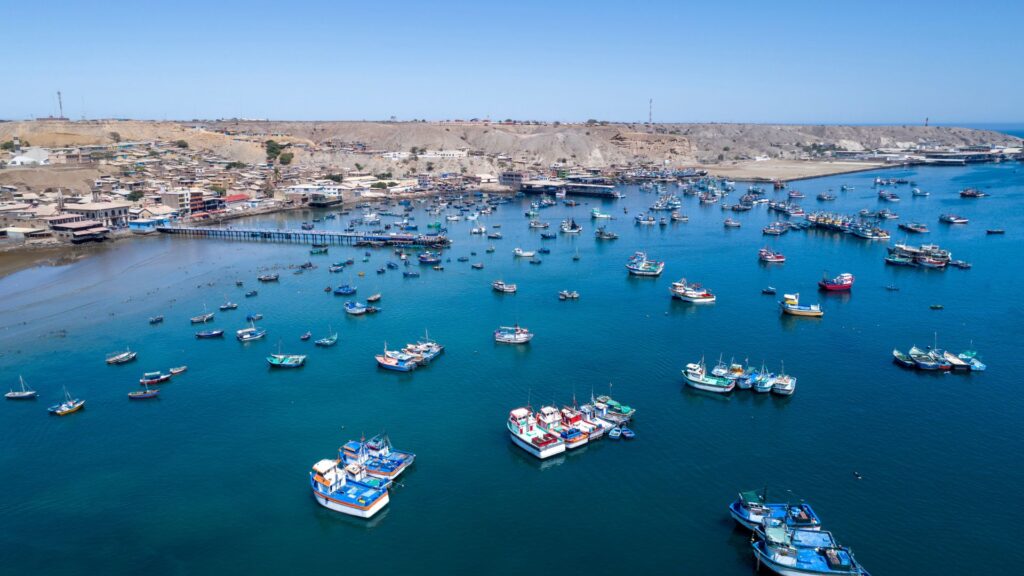
On October 1, 2025, thanks to the Turismo Circular Peru project led by Canatur with the financing support of AECID – Agencia Española de Cooperación Internacional para el Desarrollo and the European Union, a workshop took place in El Alto, bringing together authorities, partner organizations, and local community representatives. The gathering marked the beginning of a historic process to position Cabo Blanco as an international reference for climate action and sustainable tourism through circularity. Building Circular Tourism in Cabo Blanco The workshop was led by the District Municipality of El Alto, in collaboration with CANATUR, Inkaterra, Olas Perú, and Turismo Circular Peru. Together, they explored how circular economy principles and decarbonization strategies can transform Cabo Blanco into a sustainable surf tourism hub. Participants emphasized the importance of reducing emissions, adopting circular business models, and creating local value chains that benefit the community. The event also demonstrated how the Circular Tourism Peru project strengthens local capacities, ensuring that sustainability is not only a vision but also a concrete, measurable practice. Insights and Contributions Key interventions during the workshop included: Through participatory dynamics, attendees worked on practical solutions for reducing waste, optimizing resources, and strengthening Cabo Blanco’s positioning within the International Surf Cities Network. Next Steps This workshop is the first in a cycle of activities outlined in the project agenda, which will include: These steps aim to consolidate Cabo Blanco as a national and international benchmark for sustainable, circular, and regenerative tourism. A Shared Commitment The Cabo Blanco Circular Tourism Project is made possible by the leadership of the District Municipality of El Alto and the commitment of partners including AECID, the European Union, CANATUR, Inkaterra, Olas Perú, and Turismo Circular Peru.While Green Initiative contributes with technical assistance, the driving force behind this transformation is the collective effort of partners and the local community, working hand in hand to build a more resilient, inclusive, and circular model of tourism in northern Peru. This article was written by Virna Chavez from the Green Initiative Team. Related Reading

Cabo Blanco Advances in Circularity and Decarbonization of Tourism in Peru Read More »

Machu Picchu’s Carbon-Neutral Pathway Transparent MRV for Climate and Tourism

Machu Picchu’s Carbon-Neutral Pathway: Transparent MRV for Climate and Tourism

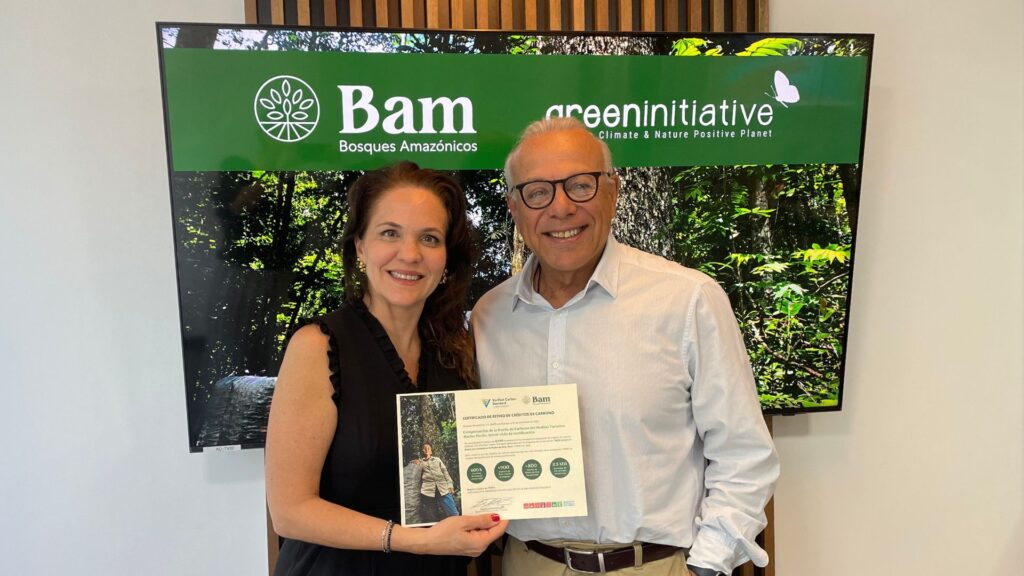
Machu Picchu, Peru’s iconic UNESCO World Heritage Site, became the world’s first carbon-neutral certified tourism destination. This case study examines how the District Municipality of Machu Picchu, in collaboration with Inkaterra and under the technical coordination of Green Initiative, implemented a transparent, science-based system to measure, capture, reduce, and avoid greenhouse gas (GHG) emissions. Supported by local authorities and private sector partners, the initiative has achieved an independently verified 18.77% reduction in emissions since its initial certification in 2021. Background and Challenges Machu Picchu – a UNESCO heritage site – is the most famous archaeological site in South America and a major international tourism destination. It faces significant environmental risks due to unsustainable tourism practices, climate change, inadequate infrastructure, and policy gaps. Its Andean cloud forest ecosystem – home to rare species such as the Andean spectacled bear and orchids – is threatened by habitat loss, erosion, and shifting climate patterns. Additionally, fossil fuel use, unmanaged waste, and deforestation contribute to emissions. Maintaining its carbon-neutral status requires transparent measurement, nature-based solutions, improved infrastructure, and long-term environmental stewardship. Governance and Strategy The success of Machu Picchu’s decarbonization strategy lies in a robust multi-stakeholder governance model. Led by the District Municipality of Machu Picchu, the initiative included Inkaterra, CANATUR, The National Authority for Forest Conservation (Sernanp), International Promotion Agency (PROMPERÚ), AJE Group, TetraPak and international bodies such as UN Tourism, UNFCCC and UNESCO. Green Initiative coordinated the certification process.The climate strategy follows a three-tiered approach: Destination-level emissions accounting and planning; Business-level sustainability integration; Tourist-level engagement in carbon offsetting and restoration. This model, featured by Green Initiative at Climate Action Guide for Tourism Businesses and Destinations, available at the One Planet Network, positions tourism as a regenerative force for both climate and biodiversity. https://www.oneplanetnetwork.org/knowledge-centre/resources/climate-action-guide-tourism-businesses-and-destinations Climate Actions, Results, and Innovation Since 2019, Machu Picchu has developed a comprehensive decarbonization strategy, achieving an 18.77% reduction in its greenhouse gas (GHG) emissions — from 8,761.89 tCO₂eq in 2019 to 7,117.55 tCO₂eq in 2022. This transformation has been made possible through the implementation of innovative solutions and concrete actions, articulated under a regenerative tourism model. The main mitigation measures include: Ecological restoration and reforestation with native species have been carried out across more than five hectares of the district, with a total of 6,596 trees planted. This intervention captured 5,055.17 tCO₂eq, divided between ecological zones (156 tCO₂eq) and historic-cultural zones linked to tourism (4,899.17 tCO₂eq). Circular solid waste management in Machu Picchu includes a pyrolysis plant that transforms organic waste into biochar and a biodiesel plant that reuses cooking oil. The district also has a PET compactor, glass crushers for construction reuse, and recycling bins distributed throughout the area. These actions enable waste valorization, reduce emissions, and promote good practices among residents and visitors.Sustainable transport initiatives include the use of electric vehicles for waste collection, reducing an additional 40.80 tCO₂eq. Emission measurement and management (Scopes 1, 2, and 3) are conducted using scientifically verifiable methodologies, with a focus on Scope 1 emissions, which account for 82.08% of the total, primarily from fossil fuel use in tourist trains, responsible for 63.49% of all emissions.Residual emissions were offset through the purchase of 2,155 carbon credits from the REDD+ Brazil Nut Concessions project in Madre de Dios, implemented by BAM. This project protects 600,000 hectares of forest and benefits over 800 families. These actions are complemented by awareness efforts targeting tourists and operators, the promotion of renewable energy, and the encouragement of sustainable tourism practices, positioning Machu Picchu as a pioneering low-carbon tourism model, recognized by the United Nations and recertified for climate performance in 2024. Impacts and Recognition Through public-private partnerships, emission reductions were complemented by strengthened governance, circular economy systems, and green infrastructure. Machu Picchu was presented at COP16 as a flagship for regenerative tourism, generating over $5 million in spontaneous media coverage and reaching more than 100 countries. It was awarded South America’s Leading Tourist Attraction 2024 and highlighted at the UN Biodiversity Conference.The initiative demonstrates double materiality – reducing climate risk while generating value for visitors, communities, and investors. As highlighted by the One Planet Network (2024), it also aligns with global frameworks like the Glasgow Declaration and Climate Neutral Now. The project seeks to attract climate finance and scale the model to other sites. Conclusion Machu Picchu shows that even fragile heritage sites can reconcile tourism with environmental protection. Its 18.77% verified emissions reduction, forest restoration, and innovations in waste and mobility position it as a global climate leader. Already inspiring similar actions in Cristo Redentor and the Taj Mahal, the initiative presents a replicable model for regenerative tourism.For policymakers, businesses, and communities, the case of Machu Picchu offers more than inspiration – it offers a call to action: to shift from extractive tourism to restorative, climate-responsible travel. This article was prepared by Erika Rumiche, Virna Chavez, Musye Lusen and Ella Baehringer from the Green Initiative team. Related Reading

Machu Picchu’s Carbon-Neutral Pathway: Transparent MRV for Climate and Tourism Read More »