Glasgow Declaration

Five Years of Building Together: Green Initiative’s Contributions to Climate-Smart Tourism

Five Years of Building Together: Green Initiative’s Contributions to Climate-Smart Tourism

Over the past five years, Green Initiative has evolved from a technical partner into a catalyst for the global movement toward climate-smart tourism. By working alongside United Nations partners and aligning with the Glasgow Declaration on Climate Action in Tourism, we have helped reshape how the industry perceives its role in achieving the goals of the Paris Agreement. Our philosophy is simple: we don’t just provide solutions; we build the architecture for others to lead. A Shared Architecture: Democratizing Climate Knowledge Our approach has always centered on partnership over imposition. We believe that for climate action to be effective, it must be accessible. This commitment led to the development of frameworks and practical guides designed to help destinations and businesses measure, monitor, and reduce their carbon footprints. Catalyzing Local Leadership The true measure of our success is the independence and resilience of our partners. We provide the technical rigor, but the destinations, communities, and businesses remain the true architects of their transformation. Milestones in Climate Excellence Partner Achievement Machu Picchu, Peru Three consecutive Carbon Neutral recertifications. Bonito, Brazil Established as the world’s first Carbon Neutral ecotourism destination. National Frameworks Collaborative policy development with the Brazilian government. Private Sector Leaders Kuoda Travel, Rio da Prata Group, and Estância Mimosa achieving Climate Positive status. “Our comparative advantage lies in the balance of deep technical rigor and humble partnership. We don’t compete by keeping expertise proprietary; we contribute to the knowledge commons.” From Carbon Measurement to Systemic Transformation The next phase of Green Initiative’s work reflects a maturing understanding of climate action. Transformation cannot happen in isolation; it happens when frameworks are embedded into policy and when knowledge spreads across borders. Our evolution toward Circular Economy principles represents this holistic shift. By addressing waste reduction and resource efficiency alongside carbon measurement, we help tourism systems build long-term economic resilience and align with the UN Sustainable Development Goals (SDGs). A Global Model for Stewardship The model we have refined over the last half-decade transcends geography. Whether it is the ancient stones of Angkor Wat in Cambodia, the iconic Cristo Redentor in Brazil, or the desert landscapes of Petra in Jordan, the demand for science-based, transparent climate action is universal. These destinations are not seeking “green” labels for marketing; they are institutions committed to legacy and stewardship. The Path Ahead: Measuring Resilience As we look to the future, Green Initiative remains focused on supporting others to succeed. Our impact is not measured by the number of certificates issued, but by: Five years in, the architecture for a climate-responsible future is being built. The tourism sector is no longer just observing the transition—it is becoming the solution. As we celebrate this five-year milestone, the global community’s recognition serves as both a validation and a catalyst for what lies ahead. From Green Initiative being named the World’s Leading Sustainable Organisation at the 2024 World Sustainable Travel & Hospitality Awards, to our partners at Bonito Carbon Neutral winning the prestigious FIDI 2025 Award and FUNDTUR-MS securing the Embratur Visit Brazil 2026 Award for Regenerative Tourism, the momentum is undeniable. This excellence is echoed in the private sector, with the Rio da Prata Group recently winning Gold at the 2026 WTM Latin America Responsible Tourism Awards, and Green Initiative being honored for Net Zero Progression at the Environmental Finance Sustainable Company Awards 2025. These accolades—alongside Machu Picchu’s continued dominance as the World’s Leading Tourist Attraction and its pioneering carbon-neutral status recognized by Lonely Planet and the UN Tourism Green Projects Challenge—prove that the architecture we have built together is no longer just a vision. It is a multi-award-winning reality that is redefining the future of a nature-positive planet. For more information on our frameworks or to download our Climate Action Guides, visit the Green Initiative resources portal or get in touch. Prepared by Yves Hemelryck from the Green Initiative Team. Related Reading

Five Years of Building Together: Green Initiative’s Contributions to Climate-Smart Tourism Read More »

Peru First in Latin America to Enshrine Circular Economy Roadmap for Tourism

Sustainable Tourism: The First Mover

Peru has become the first country in Latin America to enshrine a circular-economy roadmap as part of its climate action in tourism national policy. On March 27th, by executive decree, Peru quietly made history. The government of José María Balcázar Zelada signed Decree Supreme N° 003-2026-MINCETUR, approving the Circular Economy Roadmap for Tourism to 2030 — the first legally binding instrument of its kind in Latin America. The timing was not accidental. With Peru`s tourism sector preparing for COP31 in Turkey, and the Glasgow Declaration on Climate Action in Tourism — the sector’s most ambitious collective climate commitment, with over 850 signatory organizations — advocating  for exactly this kind of national policy architecture, Peru stepped forward as the region’s standard-bearer. The declaration, launched at COP26, calls on all signatories to halve tourism emissions by 2030 and reach net zero before 2050. What had been a global pledge now has, for the first time in the Americas, a national legal framework behind it. The numbers attached to the roadmap outline a significant future opportunity. While circularity is not currently a major contributor to the tourism GDP, the government projects that by 2030, the implementation of these practices could inject 1.2 billion soles (roughly $345m) into the sector’s economy. Alongside this growth, nearly 31,000 new jobs are expected to be created in sustainable tourism activities along circular value chains. The environmental targets according to MINCETUR are equally ambitious: the mitigation of 74m tonnes of CO₂ equivalent and the restoration of more than 2m hectares of ecosystems and natural and cultural heritage. For Minister of Trade and Tourism José Reyes Llanos, the logic is straightforward. “Tourism is one of the activities with the greatest capacity to generate opportunity,” he said at the roadmap’s official launch. “But it also faces an obvious challenge: to grow without compromising the very resources that make its own development possible.” That tension — between growth and the environmental foundations that sustain it — is precisely what the roadmap is designed to manage. From Declaration to Decree The roadmap emerge from one year of technical and participatory work, bringing together public agencies, private operators, academia, civil society and communities. The legal architecture is equally robust: implementation is co-supervised by both MINCETUR and the Ministry of Environment (MINAM), with a built-in mechanism for periodic revision and a sectoral commission — designed to lock in multi-stakeholders’ governance platform. For the UN Tourism Office of the Americas, the significance of Peru’s move extends well beyond its borders. Heitor Kadri, the office’s regional representative, was unambiguous about what this moment represents for the global agenda: “We applaud Peru’s effort to position circularity as a strategy for climate action, sustainability, and competitiveness by translating its commitment into an actionable policy instrument, in line with the requirements of the Glasgow Declaration. For the Americas, this serves as a relevant reference that may inspire other countries in the region and globally. UN Tourism will continue to actively support Peru in implementation and in sharing its expertise.” — Heitor Kadri, UN Tourism Office Representative of the Americas Competitiveness, Not Just Compliance Sophia Dávila, Director of Environmental Tourism Affairs at MINCETUR, and the official who led the roadmap’s technical construction, is at pains to frame the instrument in competitive rather than regulatory terms: “This roadmap is the result of a wide participatory process. By 2030, Peru will not only be known for its wonders but for its circularity in tourism. We are transforming the entire value chain—from waste reduction to water efficiency, ensuring that every tourist’s visit leaves a positive footprint on our territory.” – Sophia Dávila, Director of Environmental Tourism Affairs, MINCETUR That framing reflects a deliberate strategic choice. In a region where private operators have long dismissed environmental mandates as sunk costs, Peru is anchoring its broader climate-action goals directly to the bottom line. Positioning circularity as a driver of business competitiveness, rather than a regulatory compliance burden, is the surest way to accelerate the industry investments in low-carbon business models. The Coalition Behind the Policy The roadmap’s journey from concept to decree was led by MINCETUR and supported by the Spanish Agency for International Development Cooperation (AECID) through the “Turismo Circular Perú” project — officially titled the Coalition for a Circular, Inclusive and Climate-Smart Tourism — which CANATUR, Peru’s national tourism chamber, led as its executing organization, with Green Initiative as its technical partner. Carlos Loayza, CANATUR’s General Manager, described the ambition behind the transformation the project seeks to drive: “We are looking to transform the sector with a new tourism model, where recycling, energy efficiency, sustainable design and climate commitment are part of the DNA of micro, small and medium-sized tourism enterprises. We believe there is enormous opportunity here, and this project will consolidate it ahead of 2030.” Within the Turismo Circular project specifically, technical execution relied on a strategic collaboration between MINCETUR, CANATUR and Green Initiative. Acting as a key advisory partner, Green Initiative supported core aspects of the process by providing the methodological frameworks required for consistent and well-informed decision-making. This advisory role is part of the firm’s broader commitment to support Peru’s climate action policy and practice, guiding circular and climate-smart tourism strategies across destinations including Machu Picchu, Ollantaytambo, Choquequirao and Cabo Blanco. The Road to Turkey With COP31 on the horizon and tourism now embedded in the global climate roadmap for the first time, the question is no longer whether the sector can contribute to climate action — but which countries will help define how. Peru’s accumulated expertise and recent policy commitments position it as a credible reference for the region, and potentially beyond, if ambition continues to translate into implementation. The circular-economy roadmap carries meaningful institutional weight: its targets are binding rather than aspirational, and its governance structure is built around a commission with a formal mandate rather than an advisory body. For a region that has historically struggled to convert environmental ambition into durable policy, that distinction matters — and is worth watching closely. Prepared by Yves

Sustainable Tourism: The First Mover Read More »

World Heritage Sites Call to Net for Climate Action in Tourism

Machu Picchu and Christ the Redeemer Lead Global Call to Climate Action in Tourism

A New Boost to Global Collaboration among World Heritage Sites Inspired by Machu Picchu — and a Call for More to Join Machu Picchu, the world’s most iconic mountain sanctuary, has once again become a source of inspiration for global climate action in tourism. During the celebration of its third consecutive Carbon Neutral Certification, leaders and representatives from emblematic heritage destinations gathered to reaffirm a shared commitment to sustainability and climate responsibility. Inspired by the words and vision of Gustavo Santos, Regional Director for the Americas at UN Tourism, and guided by the transformative energy felt in Machu Picchu, the historic “World Heritage Sites: Call to Net for Climate Action in Tourism” was signed — a collective declaration by heritage destinations determined to accelerate measurable and impactful climate action through tourism. Heritage as a Living Force for Change Heritage sites are more than cultural or natural landmarks — they are living symbols of ecological richness and human achievement. Every day, they welcome thousands of visitors, offering a powerful platform to influence awareness, behavior, and policy implementation on a global scale. Far from being passive backdrops for tourism, heritage sites are active agents of change. Many of the civilizations that built them once thrived in harmony with nature, but the absence of preservation and adaptation over time led to deterioration and loss. Today, these places remind us that preserving heritage is preserving humanity itself — and that climate action in tourism is one of the most effective ways to ensure their protection for generations to come. The Call to Net: From Heritage to Hope The World Heritage Sites: Call to Net for Climate Action in Tourism, supported by Green Initiative, brings together managers and stakeholders from emblematic destinations in a global call to action. As sites of exceptional cultural and natural value, these destinations hold a unique position to demonstrate that tourism can be both a source of economic vitality and a driver of climate- and nature-positive transformation. The initiative aligns with the principles of the UN Tourism Glasgow Declaration, advancing measurable climate strategies that integrate low-emission operations, ecosystem conservation, community engagement, and visitor education across participating sites. The first signatories include representatives of Machu Picchu (Peru), Tikal (Guatemala), the Galápagos Islands (Ecuador), Foz do Iguaçu, Bonito, the Pantanal and Christ the Redeemer (Brazil), along with delegations from Belize, UN Tourism and UNCTAD, marking the beginning of a powerful movement for climate action in tourism. Networking together — by sharing best practices, engaging local communities, and amplifying visible climate action — the initiative aims to catalyze a broader shift across the tourism industry, moving from isolated sustainability efforts to coordinated and large-scale mitigation and preservation strategies. This network is conceived as a grassroots movement led by the Global South, grounded in equity, transparency, and the collective urgency to respond to the climate crisis. And it is open for more heritage sites worldwide to join — from the Andes to Angkor, from Petra to Patagonia — amplifying the shared mission of transforming tourism into a true force for regeneration. Scaling Climate Action Through Tourism As Gustavo Santos emphasized: “This achievement demonstrates that through public–private and multilateral collaboration we can achieve remarkable results in decarbonizing the economy, moving closer to the climate goals humanity must reach. The certification experience accumulated here — and which we seek to scale across the Americas and worldwide — shows that tourism and climate action can and must go hand in hand.” Through collaboration among governments, private organizations, and local communities, the Call to Net sets a roadmap for transformative action — one where heritage destinations become living laboratories for sustainable development and climate innovation. A Pathway to Achieving National Climate Goals This initiative extends beyond the tourism sector. It represents a scalable model for countries striving to meet their Nationally Determined Contributions (NDCs) under the Paris Agreement. By measuring and reducing emissions, restoring ecosystems, and promoting circular economy solutions, heritage destinations can contribute directly to national and global climate targets while enhancing local livelihoods and resilience. A Legacy for the Planet From the heart of the Andes, Machu Picchu demonstrates that heritage preservation and climate action are deeply intertwined — two sides of the same mission to protect our planet and our shared future. As this movement expands, each participating destination adds its voice, its innovation, and its hope — proving that the places that defined our past can also lead the way toward a climate-positive future. 🌍 The Call to Net is open — heritage sites worldwide are invited to join. 📍 Machu Picchu, November 6, 2025 🔗 Read the full declaration: World Heritage Sites: Call to Net for Climate Action in Tourism This article was written by Tatiana Otaviano from the Green Initiative Team. Related Reading

Machu Picchu and Christ the Redeemer Lead Global Call to Climate Action in Tourism Read More »

Cabo Blanco Advances in Circularity and Decarbonization of Tourism in Peru

Cabo Blanco Advances in Circularity and Decarbonization of Tourism in Peru

On October 1, 2025, thanks to the Turismo Circular Peru project led by Canatur with the financing support of AECID – Agencia Española de Cooperación Internacional para el Desarrollo and the European Union, a workshop took place in El Alto, bringing together authorities, partner organizations, and local community representatives. The gathering marked the beginning of a historic process to position Cabo Blanco as an international reference for climate action and sustainable tourism through circularity. Building Circular Tourism in Cabo Blanco The workshop was led by the District Municipality of El Alto, in collaboration with CANATUR, Inkaterra, Olas Perú, and Turismo Circular Peru. Together, they explored how circular economy principles and decarbonization strategies can transform Cabo Blanco into a sustainable surf tourism hub. Participants emphasized the importance of reducing emissions, adopting circular business models, and creating local value chains that benefit the community. The event also demonstrated how the Circular Tourism Peru project strengthens local capacities, ensuring that sustainability is not only a vision but also a concrete, measurable practice. Insights and Contributions Key interventions during the workshop included: Through participatory dynamics, attendees worked on practical solutions for reducing waste, optimizing resources, and strengthening Cabo Blanco’s positioning within the International Surf Cities Network. Next Steps This workshop is the first in a cycle of activities outlined in the project agenda, which will include: These steps aim to consolidate Cabo Blanco as a national and international benchmark for sustainable, circular, and regenerative tourism. A Shared Commitment The Cabo Blanco Circular Tourism Project is made possible by the leadership of the District Municipality of El Alto and the commitment of partners including AECID, the European Union, CANATUR, Inkaterra, Olas Perú, and Turismo Circular Peru.While Green Initiative contributes with technical assistance, the driving force behind this transformation is the collective effort of partners and the local community, working hand in hand to build a more resilient, inclusive, and circular model of tourism in northern Peru. This article was written by Virna Chavez from the Green Initiative Team. Related Reading
Cabo Blanco Advances in Circularity and Decarbonization of Tourism in Peru Read More »

Ahead of COP30, UNESCO World Heritage Sites Unite for Climate Action at Machu Picchu

Ahead of COP30, UNESCO World Heritage Sites Unite for Climate Action at Machu Picchu

Tourism is responsible for nearly 8% of global greenhouse gas emissions, placing destinations under growing pressure to decarbonize and integrate circular economy practices. Within this context, UNESCO World Heritage Sites stand at a crossroads. Their cultural and natural value is irreplaceable, and their visibility to millions of visitors makes them powerful platforms to prove that climate action and heritage preservation can go hand in hand. In November 2025, just days before the world gathers in Brazil for COP30, Machu Picchu — one of the most iconic UNESCO World Heritage Sites — will host Climate Talks Machu Picchu 2025. This historic high-level event will unite leaders from tourism, culture, and climate action, positioning heritage destinations as active players in shaping global climate solutions. A Historic First for Global Heritage For the first time, cultural and natural heritage sites will step onto the global stage of climate diplomacy. By aligning their preservation mission with ambitious decarbonization goals, these sites are sending a clear message: heritage is not only about safeguarding the past, but about shaping a livable future. At Climate Talks Machu Picchu 2025, World Heritage leaders will: COP30 Momentum With COP30 in Belém do Pará just around the corner, this initiative aims to inject fresh urgency into international climate negotiations. By placing heritage at the center of the climate agenda, world-renowned destinations are transforming from symbols of history into agents of change, amplifying their moral authority to inspire governments, industries, and communities. Workshop Circular Tourism, sponsored by AECID / CANATUR PERU Workshop on Circular Tourism, organized by Turismo Circular Perú — a national project led by CANATUR in collaboration with AECID. The workshop, delivered with the technical support of Green Initiative, will focus on strengthening local capacities to streamline best practices in circularity and decarbonization. By supporting Machu Picchu’s public and private stakeholders to streamline sustainable practices, the program seeks to enhance efficiency, reduce environmental impacts, and reinforce the destination’s role as a global benchmark in climate-smart and circular tourism. Celebrating Climate Leadership As part of the program, Climate Talks Machu Picchu 2025 will also host the 3rd Ceremony for the Carbon Neutral Certification of Machu Picchu, reaffirming the destination’s pioneering role as a benchmark in sustainable tourism. The agenda includes technical visits to explore circular economy practices in Machu Picchu, knowledge-sharing panels with representatives from Angkor Wat, Petra, the Galápagos, Taj Mahal, Bonito, and Tikal, and the signature of a global Call to Action. This milestone gathering will not only strengthen local and international collaboration but also celebrate tangible progress, ensuring that heritage sites lead by example in advancing climate neutrality. A Global Engagement The initiative is convened by the Municipality of Machu Picchu, CANATUR, Inkaterra, and the Green Initiative, with support from the German Embassy in Peru, the Peruvian Embassy in India, SEVEA (Cambodia), Cristo Redentor (Rio de Janeiro), and SERNANP, in collaboration with UN Tourism and the UNESCO Country Offices. Pedro Andrade Corrêa de Brito, International Relations Coordinator of Santuário Cristo Redentor, emphasized:“Cristo Redentor is not only a symbol of faith and unity for Brazil and the world, it is also a call to collective responsibility. By joining forces with Machu Picchu and other heritage icons, we reaffirm that protecting our most cherished cultural and natural treasures requires urgent climate action.” Gustavo Santos, Director of UN Tourism for the Americas, added:“Our vision for a thriving tourism sector, aligned with the great challenges humanity must overcome, is clear: tourism development and decarbonization can — and must — go hand in hand.” José Koechlin, President of Inkaterra, concluded:“Heritage destinations like Machu Picchu remind us that protecting the past is inseparable from safeguarding the future. By leading through example and working together across borders, we can turn climate ambition into pragmatic action. This is the responsibility of all parts of society — and the opportunity before us.” By aligning culture, nature, and tourism with ambitious climate goals, World Heritage Sites are sending a powerful message to the world: protecting our heritage means protecting our future. Machu Picchu will serve as the stage where history, culture, and climate converge, demonstrating how iconic destinations can lead by example and inspire change on a global scale. 📩 Media Inquiries and Participation Journalists interested in covering Climate Talks Machu Picchu 2025 or requesting further information are warmly invited to contact us at contact@greeninitiative.eco. Our team will be glad to provide press materials, facilitate interviews, and support media participation. The Green Initiative Team

Ahead of COP30, UNESCO World Heritage Sites Unite for Climate Action at Machu Picchu Read More »

Rio de Janeiro's Cristo Redentor Launches Climate Certification A New Era for Sustainable Tourism and UNESCO World Heritage Sites

Rio de Janeiro’s Cristo Redentor Leads the Way for COP30: Climate Action in Tourism for a Resilient Future

Cristo Redentor Sanctuary, Rio Book, and Green Initiative Sign Collaboration Agreement to Launch Climate Certification of this Iconic UNESCO World Heritage Site Aligned with UN Tourism efforts to promote sustainable tourism best practices across the region, and inspired by the achievements of Machu Picchu, the Santuário Cristo Redentor, Rio Book, and Green Initiative have signed a collaboration agreement to launch the climate certification process of Cristo Redentor — an emblematic cultural and religious landmark recognized as a UNESCO World Heritage Site. “Our vision for a thriving tourism sector, aligned with the great challenges humanity must overcome, is clear: tourism development and decarbonization can — and must — go hand in hand. Through this initiative, leveraging the powerful symbolism of Cristo Redentor in Rio de Janeiro, we aim to carry this message not only to other destinations in the region but to the entire world.” — Gustavo Santos, UN Tourism Director for the Americas Located within the lush Tijuca Forest National Park in Rio de Janeiro, Cristo Redentor stands as a powerful symbol of the interconnection between culture, spirituality, and nature. The Sanctuary leads a robust environmental sustainability agenda through its institutions, such as the Instituto Redemptor and the Obra Social Leste Um, coordinated under the Consórcio Cristo Sustentável. Guided by the United Nations’ 2030 Agenda and the Sustainable Development Goals (SDGs), the Sanctuary is progressively internalizing best practices in environmental and social governance, aiming to generate a positive climate impact across all its activities. “Cristo Redentor, a universal symbol of welcome and inclusion, is on its way to its centenary in 2031, establishing itself as the first cultural and religious tourist destination in Brazil to achieve this level of commitment to climate sustainability in the management of its activities. Our strategic planning and governance are aimed at integrating the best environmental practices, with the goal of positioning our monument as a communicating agent that conveys the urgent need for the holistic care of our common home.”— Father Omar Raposo, Rector of the Santuário Cristo Redentor (Christ the Redeemer Sanctuary) On April 24th, during a historic event held in Belém do Pará, the Sanctuary signed two strategic agreements. First, a Protocol of Intentions with the Government of the State of Pará to jointly advance climate and sustainability agendas ahead of COP30. Second, a collaboration agreement with Rio Book and Green Initiative to initiate the climate certification process of Cristo Redentor’s management, with a progressive strategy towards achieving a positive climate impact. Through this collaboration, Cristo Redentor will undergo a comprehensive climate certification process aimed at assessing and mitigating its carbon footprint, integrating climate action at the core of its management model. “Being involved in the Cristo Carbono Neutral Certification process is a tremendous honor and pleasure. With the support from UN Tourism, along with support from public authorities and private sector institutions, we will have a unique project! In addition to Green Initiative’s work, we will mobilize talents to organize events, national and international photography exhibitions, concerts, documentaries… In short, a powerful network of communication and achievements worthy of this major project.” — Ricardo Amaral, Director of Rio Book “This collaboration reflects our commitment to positioning climate action as a central element of regenerative and sustainable tourism. At Green Initiative, we believe that iconic sites like Cristo Redentor have the power to inspire global change—not only through environmental leadership but by engaging communities, visitors, and partners in a collective journey toward a climate-positive future.” — Tatiana Otaviano, Relationship Manager at Green Initiative Importantly, through this process, Cristo Redentor will align its efforts with the Glasgow Declaration on Climate Action in Tourism. Launched at COP26 in 2021, the Glasgow Declaration has been endorsed by over 700 organizations worldwide and calls on tourism stakeholders to halve emissions by 2030 and achieve net zero by 2050. It outlines five pathways for action: Measure, Decarbonize, Regenerate, Collaborate, and Finance. By adhering to these principles through the certification process, Cristo Redentor will further strengthen its governance framework and serve as a model for UNESCO World Heritage Sites worldwide, illustrating how tourism, cultural heritage preservation, and climate action can be mutually reinforcing pillars for sustainable development. Grounded in international standards and Green Initiative’s approach, the overall goal of the project is to internalize climate mitigation action within the Sanctuary’s management practices. In doing so, the certification process will help reinforce ongoing social, cultural, and environmental initiatives led by the Sanctuary, while also identifying and making visible new opportunities for climate action, nature conservation, and community-based cultural programs. This integrated approach will contribute to amplifying the project’s impact and outreach, strengthening Cristo Redentor’s role as a catalyst for sustainable and inclusive development. The certification process will entail a full measurement and analysis of greenhouse gas emissions balance associated with site operations and activities. It will identify and reinforce existing mitigation efforts while exploring new opportunities for carbon capture and resource efficiency. It will culminate in the development of a Climate Action Plan covering the 2025–2030 period, designed to guide strategic investments, operational improvements, and long-term social, cultural and climate-related initiatives. A Strategic Step Toward COP30 The initiative comes at a crucial time, as Brazil prepares to host COP30 from November 10 to 21, 2025, in Belém do Pará — the first time a UN Climate Conference will be held in the Amazon region, a globally significant ecosystem for climate stability. Since the launch of the Glasgow Declaration, the tourism sector has been building a compelling case for its role in addressing the climate crisis. This momentum gained significant traction at COP29 in Baku, Azerbaijan, where tourism was celebrated through the inaugural Tourism and Climate Action Day, underscoring the sector’s growing recognition as a driver of climate solutions and nature-positive action. The climate certification of Cristo Redentor aligns with these global movements and serves as a strategic contribution to Brazil’s and the broader region’s efforts to demonstrate that tourism can be a powerful force for good. By positioning a UNESCO World Heritage Site as a leader in climate mitigation,

Rio de Janeiro’s Cristo Redentor Leads the Way for COP30: Climate Action in Tourism for a Resilient Future Read More »

The UK Climate and Nature Bill

A Missed Opportunity: The UK Climate and Nature Bill Delay and Its Global Implications

The UK government’s recent decision to delay the debate on the Climate and Nature Bill until July represents a significant setback in the global fight against climate change and biodiversity loss. Passed by 120 votes to seven to end discussions for now, the motion sends a troubling message about the urgency of addressing these twin crises. This decision, while seemingly administrative, has profound implications for climate action, biodiversity conservation, and sustainable development. The Consequences of Delay Time is not a luxury in the battle against climate change. Delaying critical legislation like the Climate and Nature Bill creates a policy vacuum that hinders progress on both national and international climate goals. As global leaders in climate action, organizations such as Green Initiative and Forest Friends emphasize the importance of maintaining legislative momentum to meet international commitments like the Paris Agreement and the Glasgow Declaration on Climate Action in Tourism. 1. Legislative Stagnation Undermines Climate Goals The postponement of the Climate and Nature Bill directly impacts the UK’s ability to implement policies that drive emissions reductions and protect vulnerable ecosystems. This delay is a missed opportunity to provide businesses, communities, and individuals with the regulatory framework needed to transition to a low-carbon economy. For Green Initiative, which certifies businesses for climate-positive practices, such inaction highlights the critical need for private-sector leadership to bridge the gap. 2. Biodiversity Left in the Balance From Forest Friends’ perspective, the delay further endangers fragile ecosystems and species already under threat. Legislation like the Climate and Nature Bill is crucial for safeguarding natural habitats and implementing nature-based solutions that combat both biodiversity loss and climate change. Without timely action, the UK risks falling behind in global efforts to restore ecosystems and protect biodiversity. Business Uncertainty in the Wake of Policy Inaction Delaying this bill creates uncertainty for businesses striving to align with future climate regulations. The lack of a clear policy framework makes it challenging for companies to invest in sustainable practices confidently. Green Initiative sees this as a call for businesses to take the lead in climate action, embracing voluntary certifications and proactive decarbonization strategies to mitigate risks and demonstrate their commitment to sustainability. In the tourism sector, the ripple effects are particularly concerning. Tourism contributes significantly to global emissions, and robust policies are needed to guide the industry toward decarbonization. Green Initiative, a leading certifier in tourism, stresses the importance of aligning with initiatives like the Glasgow Declaration to reduce emissions, regardless of governmental delays. The Role of Grassroots and Private Sector Leadership While policy delays are discouraging, they also highlight the power and responsibility of grassroots movements and private organizations. Forest Friends emphasizes the importance of community-led initiatives to restore ecosystems and promote sustainable practices, filling the void left by slow governmental action. Similarly, Green Initiative’s work demonstrates how businesses can adopt climate-positive practices independently, setting an example for peers and influencing policy indirectly through market pressure. A Call to Action The delay of the Climate and Nature Bill is a wake-up call for all stakeholders—governments, businesses, and individuals. The path forward requires collective responsibility: Seizing the Moment The current pause in the UK’s legislative process should be seen not as an end but as a chance to regroup and push harder for meaningful action. Organizations like Green Initiative and Forest Friends stand ready to support businesses, policymakers, and communities in driving progress. The challenges of climate change and biodiversity loss demand urgency, innovation, and collaboration—qualities we must all embrace to secure a sustainable future. “As we learn and evolve that aspects of economic development and prosperity can go hand in hand with climate and nature-positive action, a new generation of businesses and industries will arise, generating more jobs for the benefit of all.” By turning this delay into an opportunity for reflection and renewed commitment, we can ensure that climate and nature remain at the forefront of public and private agendas. Written by Yves Hemelryck, from the Green Initative Team. Suggested reading: Climate and Nature Bill falls as MPs vote to end debate – BBC.com

A Missed Opportunity: The UK Climate and Nature Bill Delay and Its Global Implications Read More »

How UNESCO Heritage Sites are Integrating Climate Action - Green Initiative

How UNESCO Designated Sites are Integrating Climate Action

Bonito and Machu Picchu: The Power of Twin UNESCO Designated Sites Pioneering Climate Action in Tourism In a time where climate change poses significant challenges to our planet, the tourism industry is stepping up to play a crucial role in mitigating its impact through the Glasgow Declaration for Climate Action in Tourism. In this context, two iconic cultural and ecotourism destinations are leading the way in climate action in tourism. Bonito, located in the Brazilian Pantanal and recognized as a UNESCO Biosphere Reserve, and Machu Picchu, situated in the Peruvian Andes and recognized as a UNESCO Mixed World Heritage Site, integrate climate mitigation best practices into their tourism development models. The results achieved so far, through the climate certification of both destinations, have consistently showcased that through well-informed and pragmatic action, the development of tourism in UNESCO Biosphere Reserves and Mixed World Heritage Sites can go hand in hand with the decarbonization of tourism destinations, generating positive impacts on both the local economy and the climate. Bonito and Machu Picchu: Laboratories for Climate Mitigation Action and Expertise Development Bonito, located in Mato Grosso do Sul, Brazil, was designated a UNESCO Biosphere Reserve in 2000. Bonito has long been a reference for sustainable tourism, known for its crystal-clear rivers, stunning waterfalls, and rich biodiversity. Similarly, Machu Picchu, the ancient Incan citadel nestled in the Andes Mountains of Peru, was declared a UNESCO Mixed World Heritage Site in 1983. In collaboration with the Green Initiative, both UNESCO destinations, Bonito and Machu Picchu, have embarked on a transformative journey to net-zero emissions through a rigorous climate-certification process that involves: In 2021, the tourism destination of Bonito had a total of 17,829.42 tCO2eq emissions. Around 51% of its footprint was related to the consumption of fuels by ground mobile sources, such as cars and buses used by tourists in their visits. The second largest emission was the decomposition of solid residues (22.32%), followed by electricity consumption (6.02%). In the development of Bonito’s Climate Action Plan, several actions were defined to address these core emissions, such as stimulating the use of biofuels, conversion and availability of electric vehicles, waste management improvements in the public system, community engagement in the circular economy, and carbon capture enhancements by promoting ecosystems restorations. On the other hand, in 2022, Machu Picchu successfully reduced its emissions to 7,117.55 tCO2eq, an 18.77% decrease from the 2019 base year. Four processes were implemented to reuse recoverable waste: Additionally, electric vehicles were introduced to transport the generated waste, and waste segregation points were established throughout the district, among other actions. The new waste management processes significantly reduced 40.80 tCO2eq, 2.5 times more than in 2019. Carbon capture from ecological restoration, where 6,596 native trees were planted in degraded areas, capturing 5,055.17 tCO2eq, led to a net emission balance of 2,062.38 tCO2eq. Machu Picchu’s carbon footprint has been fully offset with 2,155 carbon credits from the REDD+ Brazil Nut Concessions project by Bosques Amazónicos (BAM), which protects over 600,000 hectares of megadiverse forests and supports more than 800 Amazon Brazil nut harvesting families in Madre de Dios, Peru. By integrating climate action into their core business models, these destinations are setting new standards for sustainable tourism at UNESCO heritage sites. As Jose Salazar Ríos, Coordinator of the Culture Sector at UNESCO Peru, highlights: “Machu Picchu, one of the 13 World Heritage sites that Peru has, is an inspiring example of how tourism can be integrated with climate action, thus contributing to the sustainability and conservation of World Heritage.“ The Glasgow Declaration on Climate Action in Tourism The Glasgow Declaration on Climate Action in Tourism is a pivotal framework for mobilizing the tourism sector to act decisively on climate change. Launched at the UN Climate Change Conference (COP26) in Glasgow, the Declaration commits signatories to halve emissions by 2030 and achieve net zero by 2050 at the latest. By aligning with the pathways to the Paris Agreement, the Declaration provides a clear roadmap for tourism stakeholders to integrate climate action into their business models. It encourages collaboration across the industry, promoting the sharing of best practices, resources, and innovative solutions to accelerate decarbonization. Bonito and Machu Picchu are exemplary participants in this global movement, demonstrating how UNESCO heritage sites can lead by example in integrating comprehensive climate strategies into their tourism operations. Through initiatives such as these, the Glasgow Declaration aims to unify the tourism industry in the fight against climate change, fostering a collective effort to protect our planet for future generations. The Power of Twin UNESCO Designated Sites in Climate Mitigation The collaboration between Bonito and Machu Picchu, as climate-smart twin cities, holds immense potential for climate mitigation and expertise development worldwide. By sharing best practices, resources, and innovative solutions, they can amplify their impact on reducing tourism-related emissions and serve as a reference for other UNESCO Designated Sites worldwide. According to Sofia Gutierrez, Deputy Director of Sustainable Tourism at UN Tourism: “The experience of Machu Picchu as a signatory of the Glasgow Declaration can be a reference for other tourist destinations in Peru and around the world. In addition to being a natural and cultural treasure, Machu Picchu is also an inspiring example of how the growth of tourism and decarbonization can and should go hand in hand.“ Emerging Opportunities Final Reflections Bonito, as a UNESCO Biosphere Reserve, and Machu Picchu, as a UNESCO Mixed World Heritage Site, both as Carbon Neutral destinations, can provide the tourism industry significant insights into the fight against climate change. Their reinforcement of bilateral collaboration as climate-smart twin cities holds the potential to drive substantial progress in decarbonizing tourism and promoting sustainable development both locally and worldwide. By working together, they can inspire other destinations to follow suit, creating a ripple effect that contributes to a more sustainable and resilient planet. As we look to the future, Bonito’s and Machu Picchu’s partnership serves as a testament to the power of collaboration in addressing the pressing challenges of climate change. Together, they are preserving their natural and cultural

How UNESCO Designated Sites are Integrating Climate Action Read More »

Machu Picchu - The First UNESCO Designated Site To Renew Its 'Carbon Neutral' Certification - Green Initiative

Machu Picchu – The First UNESCO Designated Site – To Renew Its ‘Carbon Neutral’ Certification

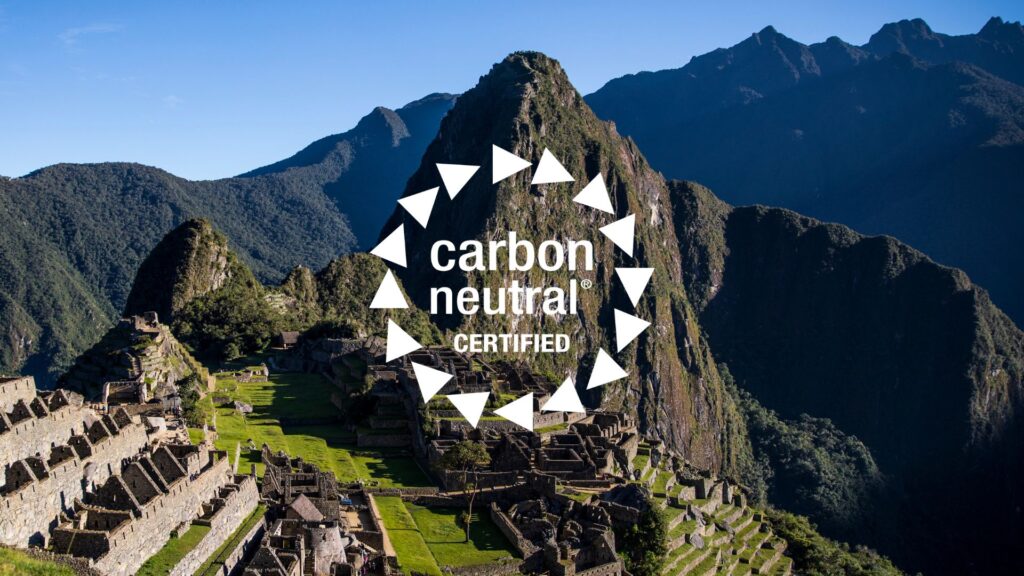
On June 27th, 2024, Machu Picchu will proudly announce the renewal of its prestigious certification as the world’s first Carbon-Neutral UNESCO Designated Site, granted by the Green Initiative. This achievement follows a rigorous certification process that began in 2021, involving comprehensive analyses of scopes 1, 2, and 3 emissions. This time, the carbon footprint data will be compared to its baseline to verify its climate mitigation performance. Since its initial certification, Machu Picchu has been at the forefront of decarbonization efforts. Through a combination of innovative decarbonization practices such as the restoration of degraded areas, waste pyrolysis, biodiesel production from recycled oils, and the implementation of PET plastic and cardboard compactor plants, there are high expectations for the decarbonization results achieved. These efforts have also helped enhance local ecosystems by planting 6,596 native trees across 5 hectares. Recognized by UN Tourism, UNESCO, and other esteemed international bodies, Machu Picchu’s renewal as a Carbon-Neutral UNESCO Designated Site reaffirms its role as a global leader in climate action and circular economy practices. This achievement not only underscores Machu Picchu’s cultural and natural significance but also its unwavering dedication to preserving these treasures for future generations. Behind The Machu Picchu Certification In 2021, Green Initiative, in coordination with the District Municipality of Machu Picchu, along with the strategic collaboration from InkaTerra, AJE Group, SERNANP, and Promperu, certified Machu Picchu as the world’s first Carbon Neutral UNESCO Designated Site. The certification process included a comprehensive analysis of scopes 1, 2, and 3, totaling 7,143.51 tCO2. The certification aims to promote the decarbonization of Machu Picchu´s as as tourism destination, by enhancing public and private collaboration, positioning Machu Picchu as an international reference for climate action in tourism, aligned with the United Nations’ Glasgow Declaration. Additionally, the certification seeks to attract public and private financing to drive investment agendas that will enable the execution of Machu Picchu’s decarbonization plan. This plan will allow the destination to continue its journey towards decarbonization and fulfillment of international commitments under Green Initiative’s Carbon Neutral Certification. Moreover, the certification plays a crucial role in the international positioning of Machu Picchu and Peru as a leading destination, being the world’s first Carbon Neutral UNESCO Designated Site. The certification all generates additional opportunities that add value to Promperu’s and the private sector’s efforts to promote Machu Picchu nationally and internationally as the world’s first Carbon Neutral UNESCO Designated Site. For further updates on Machu Picchu’s journey towards carbon neutrality and sustainable tourism practices, visit greeninitiative.eco. Usefull links:

Machu Picchu – The First UNESCO Designated Site – To Renew Its ‘Carbon Neutral’ Certification Read More »

Join the Glasgow Declaration Global Roundtable for Tourism Climate Action Making a Difference Together

Join the Glasgow Declaration Global Roundtable for Tourism Climate Action: Making a Difference Together

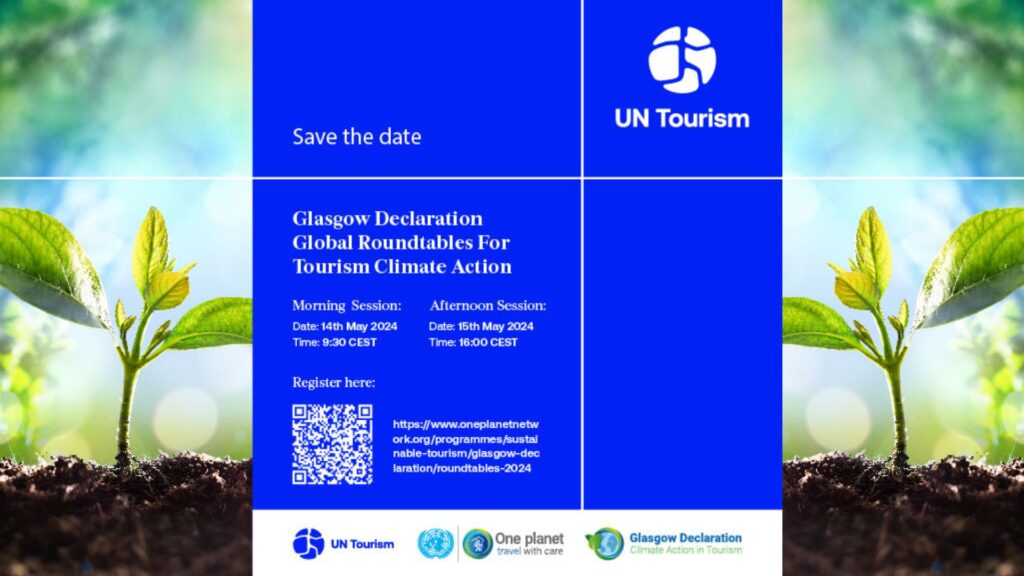
The tourism industry has a critical role to play in advancing sustainability and resilience in the face of escalating climate challenges. The “Glasgow Declaration on Climate Action in Tourism” represents a pivotal opportunity for stakeholders to unite and drive meaningful change. The Global Roundtable for Tourism Climate Action invites you to participate in this transformative initiative. This declaration is not just a document; it’s a commitment to ongoing dialogue, knowledge sharing, and collaborative efforts to shape a low-carbon, climate-resilient tourism sector. What is the Glasgow Declaration? The Glasgow Declaration serves as a rallying call for action within the tourism industry. It aims to: Why Participate? Joining the Global Roundtable means becoming part of a dynamic community committed to driving positive change in tourism. By engaging in these sessions: How Can You Get Involved? Participation in the Global Roundtable is open to stakeholders across the tourism spectrum—businesses, governments, NGOs, and individuals passionate about climate action. Your voice and contributions are vital whether you’re already implementing initiatives or seeking to learn from others. Please mark your calendars and join us in advancing the low-carbon and climate-resilient tourism agenda. Together, let’s make a difference. Event Details: For detailed information and to register, visit the event page here. Let’s take action for a sustainable future. by the Green Initiative team.

Join the Glasgow Declaration Global Roundtable for Tourism Climate Action: Making a Difference Together Read More »