
GHG Protocol

Continental Travel Becomes Peru’s First Corporate Travel Agency to Achieve the “Carbon Measured” Certification

Continental Travel Becomes Peru’s First Corporate Travel Agency to Achieve the “Carbon Measured” Certification

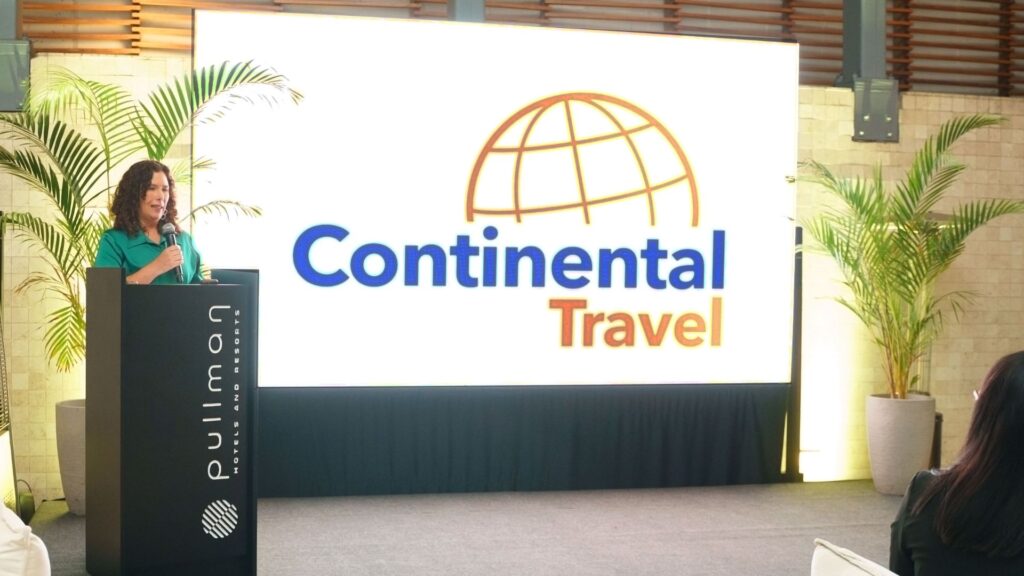
This milestone, granted by Green Initiative, reaffirms the agency’s commitment to climate management and the promotion of low-carbon corporate travel through the launch of its new solution, Climate Smart Travel. In a global context where companies are increasingly seeking to integrate climate-action criteria into their operations, the corporate travel sector is evolving toward more responsible practices. Marking a milestone in the local industry, Continental Travel—an agency with more than 30 years of experience—has become the first corporate travel agency in Peru to obtain the “Carbon Measured” certification, granted by Green Initiative. The certification ceremony took place on Tuesday, November 11, at the Pullman San Isidro Hotel, in an event attended by Sophia Dávila, Director of Tourism Environmental Affairs at MINCETUR, who highlighted the importance of this initiative for the sector. This achievement confirms that the company has quantified its greenhouse gas (GHG) emissions under international standards (Scopes 1, 2, and 3), validating its real commitment to climate action and its alignment with the objectives of the Glasgow Declaration. Key Insight: Over 90% of the Carbon Footprint Comes from Flights The rigorous measurement process not only evaluated the agency’s direct operations but also the services it manages for its clients, such as air travel and accommodation. The analysis revealed an important insight: more than 90% of Continental Travel’s carbon footprint comes precisely from the emissions generated by its clients’ air travel (classified under Scope 3). This finding was the main driver behind the creation of new value-added solutions. “Climate Smart Travel”: A Solution for Climate Management In direct response to these results, and recognizing its role in the value chain, the agency announced the launch of its new and innovative service: Climate Smart Travel. This solution will provide companies with transparent and timely information to accurately measure—and later access alternatives to compensate for—the CO₂ emissions from their flights, thus facilitating the management of their own sustainability indicators. “This decision stems from our conviction that the world of corporate travel can and must evolve. We want to support companies not only in the management of their travel but also in understanding and reducing their environmental impact.”— Joelma Galdós, Deputy General Manager of Continental Travel “Companies that understand that the climate agenda is not an ideological issue and move quickly have the opportunity to develop new competitive advantages. This is precisely the case of Continental Travel, a company that has understood the times and is committed to managing its carbon footprint and innovating with climate-smart services.”— Green Initiative Additionally, as part of its commitments, Continental Travel will implement a climate-action plan to reduce its own operational footprint. This plan will include progressive measures such as process optimization and increased digitalization. With this step, Continental Travel not only reaffirms its leadership in the sector but also strengthens its value proposition for corporate clients seeking strategic partners aligned with global climate goals. This article was written by Musye Lucen from the Green Initiative Team. Related Reading

Continental Travel Becomes Peru’s First Corporate Travel Agency to Achieve the “Carbon Measured” Certification Read More »

Where Do Your Tourism Emissions Really Come From

Where Do Your Tourism Emissions Really Come From?

Why Understanding Emissions in Tourism Matters Climate change is no longer an abstract concern. For the tourism industry, it has become a real and pressing issue that influences infrastructure, customer preferences, operational costs, and even destination viability. More travelers are making decisions based on sustainability, and regulators are introducing stricter environmental guidelines across markets. For tourism businesses—whether you run a hotel, operate tours, or manage a restaurant—understanding your greenhouse gas (GHG) emissions is the essential first step to building a sustainable and competitive business model. This begins with understanding what causes emissions and how to categorize them using internationally recognized frameworks. The Climate Action Guide for Tourism Businesses and Destinations by Green Initiative provides a clear, evidence-based path to help businesses assess, track, and reduce emissions at every level of the value chain. Understanding Scope 1, 2, and 3 Emissions The Greenhouse Gas Protocol (GHG Protocol) organizes emissions into three distinct categories, known as Scope 1, Scope 2, and Scope 3. This classification helps tourism businesses understand where emissions are generated and where reduction efforts should be concentrated. Scope 1: Direct Emissions These are emissions released from sources that are owned or directly controlled by the business. They include: For example, a hotel that uses gas-powered water heaters or diesel generators is producing Scope 1 emissions. Scope 2: Indirect Energy Emissions Scope 2 emissions are those generated from the production of energy that is purchased and consumed by the business. This includes: A travel agency that consumes electricity in its office space is responsible for Scope 2 emissions related to the electricity provider’s generation methods. Scope 3: Other Indirect Emissions Scope 3 emissions are indirect emissions that occur throughout the value chain but are not directly controlled by the business. These are often the most complex and the most significant in volume. Examples include: For most tourism businesses, Scope 3 emissions represent the largest share of their total carbon footprint. Emissions by Business Type in Tourism The Green Initiative guide provides a detailed breakdown of how different types of tourism-related businesses contribute to emissions. Understanding these patterns helps businesses identify their emission hotspots and implement targeted climate actions. Hotels and Accommodations Hotels are energy-intensive operations, with emissions originating from various areas: Actionable steps include switching to energy-efficient appliances, training staff on energy-saving practices, offering towel and linen reuse programs, managing food waste, and sourcing products locally. Tour Operators and Travel Agencies These businesses may seem less energy-intensive, but emissions can be significant: Key strategies include regenerative tourism, integrating more low-emission transportation options, choosing eco-certified accommodation partners, offering carbon offset options to customers, and consolidating itineraries to reduce intra-destination travel. Restaurants, Bars, and Hospitality Venues Hospitality venues have concentrated emissions due to: Actions such as sourcing local, plant-based ingredients, optimizing inventory to reduce waste, and transitioning to compostable packaging can significantly lower the carbon footprint. Retail Shops, Attractions, and Leisure Providers These entities generate emissions mainly through: Businesses can improve their environmental performance by choosing sustainable suppliers, minimizing single-use plastics, and offering climate-conscious products and experiences. How to Start Measuring Your Tourism Emissions For tourism businesses that want to act, the first step is to measure emissions accurately. The process can be approached in a structured and manageable way: Step 1: Collect Data Gather the following data categories: Step 2: Apply Frameworks Use internationally accepted frameworks such as: Step 3: Analyze and Prioritize Once data is compiled: Business Benefits of Taking Climate Action Reducing emissions is not just an environmental imperative—it’s a smart business strategy. Companies that adopt climate-positive practices gain a competitive advantage in multiple ways. Customer Preference An increasing number of travelers prefer sustainable options. Offering climate-conscious experiences can attract eco-minded customers and enhance brand loyalty. Cost Reduction Energy efficiency and waste reduction lead to operational savings. Businesses often see rapid financial returns from installing LED lighting, optimizing refrigeration, or improving water use efficiency. Compliance and Risk Mitigation Regulatory frameworks related to emissions and sustainability are expanding globally. Businesses that prepare early will be better positioned to comply with future laws and avoid fines or reputational risk. Certification and Reputation Sustainability certifications such as those offered by Green Initiative (Climate Positive, Carbon Neutral and Carbon Measured) enhance credibility, improve visibility in search engines, and are increasingly valued in procurement processes and partnerships. Moving Beyond Sustainability: The Power of Regenerative Tourism While reducing emissions and minimizing harm is essential, leading tourism businesses are now embracing a more ambitious vision—regenerative tourism. Unlike traditional sustainability models that aim to “do less harm,” regenerative tourism is about actively restoring and improving ecosystems, cultures, and communities through tourism activities. It challenges businesses not only to neutralize their impact but to leave destinations better than they were before. This includes practices such as: Green Initiative’s approach aligns fully with this philosophy, providing pathways for tourism businesses to become genuine stewards of place, not just visitors or service providers. In a world where travelers are seeking deeper meaning, authenticity, and purpose, regenerative tourism represents not only a moral responsibility—but a strategic advantage – says Yves Hemelryck from the Green Initiative Team. Final Thoughts: From Awareness to Strategic Action Understanding your emissions is more than a technical exercise. It is the foundation for meaningful climate action and long-term business success in a rapidly changing world. By identifying where emissions originate and applying targeted reduction strategies, tourism businesses can play a leading role in building a more resilient and responsible industry—while also improving their operations, finances, and reputation. Whether your business is just starting its sustainability journey or seeking certification and performance reporting, the most important step is to begin. Contact us to learn how your tourism business can measure, reduce, and certify its emissions with expert guidance. Our team at Green Initiative is here to support you in becoming Climate and Nature Positive. Get in touch now at greeninitiative.eco/contact. Related reading

Where Do Your Tourism Emissions Really Come From? Read More »