
Forest Friends

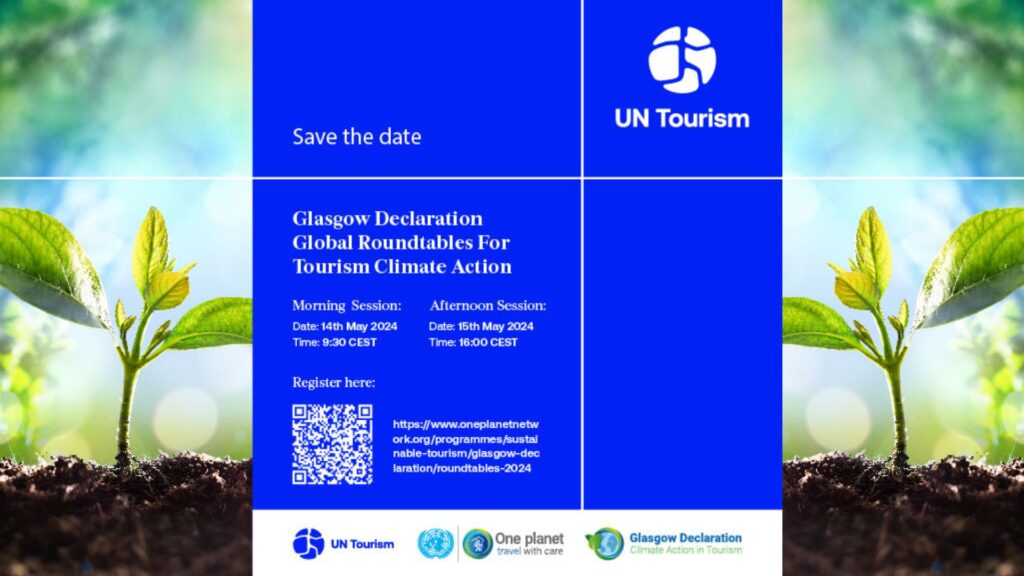
Join the Glasgow Declaration Global Roundtable for Tourism Climate Action Making a Difference Together

Join the Glasgow Declaration Global Roundtable for Tourism Climate Action: Making a Difference Together

The tourism industry has a critical role to play in advancing sustainability and resilience in the face of escalating climate challenges. The “Glasgow Declaration on Climate Action in Tourism” represents a pivotal opportunity for stakeholders to unite and drive meaningful change. The Global Roundtable for Tourism Climate Action invites you to participate in this transformative initiative. This declaration is not just a document; it’s a commitment to ongoing dialogue, knowledge sharing, and collaborative efforts to shape a low-carbon, climate-resilient tourism sector. What is the Glasgow Declaration? The Glasgow Declaration serves as a rallying call for action within the tourism industry. It aims to: Why Participate? Joining the Global Roundtable means becoming part of a dynamic community committed to driving positive change in tourism. By engaging in these sessions: How Can You Get Involved? Participation in the Global Roundtable is open to stakeholders across the tourism spectrum—businesses, governments, NGOs, and individuals passionate about climate action. Your voice and contributions are vital whether you’re already implementing initiatives or seeking to learn from others. Please mark your calendars and join us in advancing the low-carbon and climate-resilient tourism agenda. Together, let’s make a difference. Event Details: For detailed information and to register, visit the event page here. Let’s take action for a sustainable future. by the Green Initiative team.

Join the Glasgow Declaration Global Roundtable for Tourism Climate Action: Making a Difference Together Read More »

Embracing Regeneration A New Horizon in Tourism - Green Initiative - What is Regenerative Tourism

Embracing Regeneration: A New Horizon in Tourism

In the shadow of overtourism, climate change and cultural erosion, the tourism industry is at a crossroads, with one path leading to a deeper, more holistic approach known as regenerative tourism. This forward-thinking concept seeks not only to mitigate the negative impacts of travel, but to actively improve the environmental, social and economic fabric of destinations worldwide. Through the lens of real examples, we explore the transformative power of regenerative tourism and its potential to redefine our travel experiences. The Essence of Regenerative Tourism By aiming to leave destinations better than they were found, regenerative tourism goes beyond traditional sustainability. It focuses on revitalising ecosystems, strengthening community ties and ensuring tourism supports the overall wellbeing of host areas. It’s a method that sees tourists as active participants in regeneration, not just visitors. Real-World Examples of Regenerative Tourism Brazil: Sustainable Tourism in Bonito, Mato Grosso do Sul The region of Bonito in Mato Grosso do Sul, Brazil, has become a beacon of regenerative tourism. Known for its crystal-clear rivers and rich biodiversity, the city of Bonito has achieved Carbon Neutral Certification and has implemented strict environmental regulations and innovative practices to ensure that tourism makes a positive contribution to the conservation of the environment and the well-being of the community. As a result, tour operators and local stakeholders such as Rio da Prata Recanto Ecológico and Estância Mimosa are working together to preserve the area’s natural beauty while offering tourists an immersive experience in one of Brazil’s most stunning natural landscapes. Costa Rica’s Conservation Efforts Costa Rica’s commitment to nature is evident from its extensive network of national parks and protected areas, which cover more than a quarter of its land area. The country’s innovative payment for ecosystem services program compensates landowners for conserving forested areas, thus promoting biodiversity and attracting eco-conscious travelers. Tourism companies in Costa Rica such as Tulu Travel and Swetours are helping to conserve the country’s rich biodiversity and reforest areas destroyed by deforestation through regenerative tourism initiatives. Green Initiative’s Forest Friends project in Costa Rica’s Osa Peninsula has also attracted the attention of other companies such as CEPA, which has not only reduced its carbon emissions (CO2e) from its study abroad programmes in 2021, but has also planted over 4,000 native trees to date. In the lush landscapes of the Peninsula de Osa, Green Initiative has partnered with the local Saimiri Foundation to undertake a significant ecosystem restoration project. This collaboration focuses on reviving the region’s rich biodiversity including many endangered species, in particular the Tití Monkey which is threatened by deforestation for agriculture and development. By integrating regenerative practices into the local tourism model, they ensure that every visitor contributes to the environmental health of the area, turning what was once a footprint into a lasting positive impact. New Zealand’s Pioneering Approach New Zealand has long been at the forefront of integrating sustainable practices into its tourism sector. The country has taken this commitment further by embracing the principles of regenerative tourism. Tourism New Zealand’s strategy is to encourage visitors to travel more consciously and engage in activities that have a positive impact on the local environment and communities. One example is the Tiaki Promise, where visitors pledge to look after Aotearoa New Zealand for future generations by committing to care for the land, sea and wildlife by treading lightly and leaving no trace; to travel safely by showing care and consideration for all; and to respect the culture and local communities by travelling with an open heart and mind. The Transformation of Palau The Pacific island nation of Palau has introduced a pioneering policy to ensure that tourism contributes positively to the environment and local communities. The Palau Pledge is a formal promise that all visitors must sign upon arrival, committing them to act in an ecologically and culturally responsible way on the island. This initiative, combined with sustainable tourism practices and vast marine protected areas helps to protect and regenerate Palau’s delicate island and marine ecosystems. Peru: Pioneering Projects in the Amazon and Dry Forests In Peru, Green Initiative works closely with Inkaterra Associación to regenerate critical ecosystems in two distinct regions: Tambopata in the Madre de Dios region, one of the planet’s most biodiverse areas, with a high plant biodiversity of up to 300 tree species/ha, and the Chaparrí Ecological Reserve in the Lambayeque dry forests, where the aim is to safeguard animal and tree species including several IUCN Red List species such as the Andean Bear. Travel agencies in Peru like Kuoda Travel are contributing to the conservation of the region by actively participating in the restoration of ecosystems. These Forest Friends projects not only aim to restore the natural environment but also involve local communities in tourism, ensuring that they benefit economically and socially while maintaining their cultural heritage. This approach has proven effective in preserving biodiversity and enhancing the ecological resilience of these vital areas. Slovenia: A Green Heart in Europe Slovenia is setting benchmarks for regenerative tourism in Europe. Recognized as one of the continent’s greenest countries, Slovenia promotes eco-friendly tourism through its Green Scheme of Slovenian Tourism (GSST), a certification program that supports sustainable development. The country’s emphasis on preserving its natural landscapes and promoting local cultures has contributed to the regeneration of rural areas, turning them into thriving tourist destinations that prioritize the well-being of nature and inhabitants alike The Path Forward These examples illustrate regenerative tourism’s profound impact on preserving and enhancing destinations for future generations. By focusing on regeneration, the tourism industry can contribute to solving global challenges like climate change, biodiversity loss, and social inequality. The success of regenerative tourism hinges on collaboration among all stakeholders—governments, businesses, local communities, and tourists. It requires a shift in mindset from merely using natural and cultural resources to actively contributing to their resilience and revival. Green Initiative’s Role in Shaping Climate Action in Tourism Green Initiative’s contribution to regenerative tourism extends beyond project-specific collaborations. As members of the Glasgow Declaration for Climate Action in Tourism,

Embracing Regeneration: A New Horizon in Tourism Read More »

Forests for Life The Importance of Action on International Day of Forests - Green Initiative Forest Friends

Forests for Life: The Importance of Action on International Day of Forests

A Call to Action and Reflection As we celebrate the International Day of Forests this Thursday, March 21st, it’s more than a moment for contemplation—it’s a rallying cry for proactive engagement. This year shines a spotlight on Sustainable Development Goal 15: Life on Land, emphasizing forests’ pivotal role in sustaining biodiversity, underpinning ecosystems, and preserving the delicate balance vital to our planet’s wellbeing. In the face of global challenges like climate change and environmental degradation, initiatives such as the Green Initiative Climate Positive Certification and the Forest Friends Certification are notable for the dedication of businesses and individuals to reforesting and rejuvenating essential ecosystems in some of the planet’s most biodiverse areas. Pioneering Reforestation Efforts The verdant expanses of the Península de Osa in Costa Rica, stretching to Tambopata and Chaparrí in Peru, are witnessing the seeds of hope and rejuvenation being sown by Green Initiative Forest Friends. These regions, renowned for their abundant biodiversity, are transforming into symbols of hope and regeneration through the joint efforts of local communities, businesses, and the emerging field of regenerative tourism. The backing from these entities magnifies the impact of reforestation projects. It serves as a blueprint for sustainable development that can inspire others. Peninsula de Osa, in Costa Rica, houses 2.5% of global terrestrial biodiversity. Peninsula de Osa is considered one of the most biodiverse regions, harboring 2.5% of the global terrestrial biodiversity. This megadiversity has received the region’s attention from biologists, primatologists, botanical collectors, and conservationists. It has the most significant wetland ecosystem and mangrove forests in Central America. By planting trees on Peninsula de Osa, we aim to protect animal and tree species, including several threatened species from the IUCN Red List, such as the endangered Central American Squirrel Monkey, also known as Mono Titi, which is threatened mainly by deforestation for agriculture and development, leading to a decline in their extent of occurrence and area of occupancy of 60% over the last 27.5 years. Our restoration initiative aims to reinforce the growing wildlife corridor between the Osa Peninsula and the Talamanca Mountains, which the Osa Conservation Project protects. Local inhabitants receive training and incentives to preserve the ecosystem and engage in sustainable harvesting practices as part of our restoration efforts. Click here to become a Forest Friends certified partner or individual. Tambopata, in Madre de Dios, is a region considered to be the capital of biodiversity in Peru, representing 5% of all biodiversity in the world. The Madre de Dios rainforest is formed by a tremendous Amazonian plain or low jungle; it is one of the wealthiest life formations on earth, with a high plant biodiversity of up to 300 tree species/ha (Gentry, 1988). The department of Madre de Dios has been given the title of “Capital of Biodiversity of Peru” through Law No. 26311, in the merit of its natural wealth. By planting trees in Madre de Dios, we aim to protect animal and tree species, including several threatened species from the IUCN Red List, such as the Jaguar, which is threatened by suspected declines of 20-25% in its population caused by habitat quality decline or fragmentation. Since 2008, the threats to the Jaguar, on a global scale, have continued or intensified. Therefore, our restoration efforts aim to reinforce the Vilcabamba Amboro wildlife corridor that spans the southeastern region of Madre de Dios. Local inhabitants receive training and incentives to protect the ecosystem and engage in sustainable harvesting practices as part of our restoration efforts. Click here to become a Forest Friends certified partner or individual. Chaparrí, in Lambayeque – Peru, is a region with underrepresented dry forest ecosystems.  The Chaparri Ecological Reserve, located in the Equatorial Pacific region in Peru is a seasonally dry forest managed by the Muchik Santa Catalina Community of Chongoyape. Seasonally dry forests are amongst the most endangered ecosystems, with less than 10% of their original extent remaining in Latin American and Caribbean countries. The Equatorial Pacific region is also known for a remarkable species richness and level of endemism. By planting trees in Lambayeque, we aim to safeguard animal and tree species including several threatened species from the IUCN Red List such as the Andean Bear which is threatened by habitat degradation, given an approximate 30% of habitats are unsuitable for inhabitants due to lack of connectivity. Habitat suitability is also greatly decreased by human development activities including but not limited to; exploration for oil or expansion for agriculture. Therefore, our restoration efforts aim to reinforce the underrepresented ecosystems in the Chaparri Ecological Reserve. This reserve is in dire need of conservation due to several incidences of urban invasion and extended periods of drought. As part of our restoration efforts, local inhabitants receive training and incentives to protect the ecosystem and engage in sustainable harvesting practices. Chaparrí Emblematic Species Wildlife: Andean Bear, Andean Condor and the Puma.Flora: Palo Santo, Sapote and Huayacan. Click here to become a Forest Friends certified partner or individual. Strengthening Environmental Conservation Through Partnership The collaboration from businesses and individuals in environmental initiatives highlights the significance of united efforts in conservation. Those organizations investing in reforestation not only aid in carbon offsetting but also exhibit a commitment to corporate social responsibility, bolstering their brand and engaging stakeholders. Meanwhile, the Travel and Tourism Market represents an enormous opportunity for more tourists to positively affect the ecosystems they visit, ensuring their environmental footprint is beneficial through Regenerative Tourism. Regenerative tourism is an approach to travel and tourism that goes beyond the principles of sustainability. Instead of merely seeking to minimize the negative impacts of tourism on the environment and local communities, regenerative tourism aims to actively improve and regenerate the ecosystems, cultures, and economies of the destinations visited. It focuses on meaningful experiences that foster a deep connection between tourists and the destination, encouraging a sense of responsibility and participation in local conservation and cultural preservation efforts. It promotes practices that restore nature, rebuild social systems, and revitalize economies in ways that are holistic, inclusive, and forward-thinking. Businesses across

Forests for Life: The Importance of Action on International Day of Forests Read More »

Inkaterra Hotels Leading the Way in Sustainable Luxury, Conservation, and Regenerative Tourism in peru

Inkaterra Hotels: Leading the Way in Sustainable Luxury, Conservation, and Regenerative Tourism in Peru

Inkaterra Hotels, renowned for their unparalleled luxury and commitment to conservation, have once again been recognized for their excellence in the hospitality industry. Five of their distinguished properties – Inkaterra La Casona, Inkaterra Hacienda Urubamba, Inkaterra Machu Picchu Pueblo Hotel, Inkaterra Hacienda Concepción, and Inkaterra Reserva Amazónica – have been nominated for the prestigious Travel + Leisure World’s Best Awards 2024. Moreover, Inkaterra, acclaimed as the third best in the World’s Best Hotel Brands in 2019, has received another nomination for the esteemed title of best hotel brand. This recognition underscores not only the exceptional service and experiences offered by Inkaterra Hotels but also their unwavering commitment to environmental sustainability, conservation efforts, and regenerative tourism. One of their numerous accolades stands out prominently – their Climate Positive certification. Discover the Wonders of the Peruvian Amazon at the Inkaterra Amazon Field Station: An Immersive Experience for Nature Enthusiasts, Researchers, Students, and Volunteers An enriching experience for natural lovers, researchers, students and volunteers, Amazon Field Station byInkaterra invites all guests to explore the Peruvian Amazon through interactive excursions, inspired by conservation initiatives managed by Inkaterra Asociación within the megadiverse rainforest. Inkaterra Hotels, deeply rooted in the Peruvian landscape, have made significant strides in mitigating their environmental impact while contributing to preserving Peru’s rich biodiversity. Their Climate Positive certification is a testament to their dedication to combatting climate change and protecting the natural wonders surrounding their properties. The concept of Climate Positivity goes beyond mere carbon neutrality; it involves actively removing more carbon dioxide from the atmosphere than the organization emits. Inkaterra Hotels achieves this through a multifaceted approach encompassing various sustainable practices across their properties. From reforestation initiatives to energy-efficient operations and community engagement, each aspect of their operations is meticulously designed to minimize environmental harm and maximize positive contributions to the ecosystem. In addition to their Climate Positive certification, Inkaterra Hotels are at the forefront of the regenerative tourism movement, pioneering innovative approaches that minimize their ecological footprint and actively regenerate the environments in which they operate. Inkaterra goes beyond sustainability to restore and rejuvenate the natural landscapes and communities surrounding their properties by implementing regenerative practices such as regenerative agriculture, reforestation, and ecosystem restoration. Through initiatives like their Spectacled Bear Conservation project and native tree planting programs, they empower local communities and promote biodiversity conservation, ensuring that their presence leaves a lasting positive impact on both the environment and the people who call these regions home. Inkaterra’s commitment to regenerative tourism enriches the guest experience. It serves as a beacon of hope for the future of responsible Travel worldwide. Inkaterra La Casona, nestled within the historic city of Cusco, seamlessly blends colonial charm with modern comforts while prioritizing sustainability. The property is a beacon of eco-conscious luxury, showcasing how heritage preservation and environmental stewardship coexist harmoniously. Meanwhile, Inkaterra Hacienda Urubamba offers guests a serene retreat in the Sacred Valley of the Incas, where breathtaking landscapes and cultural immersion go hand in hand with responsible tourism practices. In the heart of the Andean cloud forest, Inkaterra Machu Picchu Pueblo Hotel provides an enchanting escape for travelers seeking to connect with nature without compromising luxury. Here, guests can explore the lush surroundings while supporting conservation efforts to safeguard the delicate ecosystem. Venturing into the Amazon rainforest, guests of Inkaterra Hacienda Concepción and Inkaterra Reserva Amazónica are treated to an immersive wilderness experience like no other. These eco-lodges offer unparalleled opportunities for wildlife encounters and actively contribute to rainforest conservation through research, education, and sustainable tourism initiatives. As Inkaterra Hotels continues to garner acclaim for its exceptional hospitality and commitment to sustainability, it invites travelers worldwide to join it in its conservation journey. By voting in the Travel + Leisure World’s Best Awards 2024, guests can support responsible tourism practices and help elevate Inkaterra Hotels to greater heights of excellence. In a world where luxury often comes at the expense of the environment, Inkaterra Hotels is a shining example of how hospitality and conservation can converge to create unforgettable experiences while safeguarding the planet for future generations. Green Initiative and Forest Friends: Leading the Way Towards Regenerative Tourism and Sustainable Hospitality with Inkaterra Hotels As partners of Inkaterra Hotels, Green Initiative and Forest Friends are immensely proud of their dedication to sustainable practices, conservation, and regenerative tourism. We applaud their leadership in the hospitality industry and stand alongside them in their commitment to protecting the planet. We encourage other hotel brands worldwide to follow the example and contact us for guidance and support in implementing environmentally responsible initiatives through our Climate and Nature Positive advisory and certification processes. Together, we can make a significant difference in preserving our natural heritage. Written by Yves van Hemelryck, from the Green Initiative Team.

Inkaterra Hotels: Leading the Way in Sustainable Luxury, Conservation, and Regenerative Tourism in Peru Read More »

Nurturing Nature and Leading Climate Action

Nurturing Nature and Leading Climate Action

In an era where environmental consciousness is more critical than ever, organizations seek innovative solutions to address climate change risks, market challenges, and innovation opportunities. Green Initiative stands at the forefront, offering services designed to add value to your business and connect you with global initiatives like the Paris Agreement and the United Nations Sustainable Development Goals. Our commitment to sustainability is evident through our adherence to the highest standards recommended by the UN for measuring and reducing company emissions. Additionally, being featured on the ITC Global Standards Map underscores our dedication to maintaining global benchmarks in sustainability. At the heart of our services lies a set of science-based tools that enable your organization to understand its current standing on climate performance. This insight is crucial for developing strategies to mitigate your carbon footprint, ultimately achieving net-zero emissions. Our multi-industry and international expertise uniquely positions us to engage in climate and nature-positive action through mitigation and ecosystem restoration. This involvement aligns with global environmental goals and puts us in a better position to manage greenhouse gas emissions effectively. For example, we are setting standards for sustainable travel in the tourism sector with the Climate Action Guide for Tourism Businesses and Destinations. Simultaneously, we are helping transform the beverages industry with the first ever Climate Positive Certified drinks, signaling innovation in reducing environmental impact. In logistics, we have introduced Latin America’s first climate-neutral logistical services and are deeply committed to supporting the International Maritime Organization’s (IMO) goal of reducing the carbon intensity of international shipping by at least 40% by 2030. In hospitality, we are proud of having certified the first climate-positive hotel chain in the world. And, in agriculture, which accounts for 11% of global emissions, we support agroindustry in different sectors shifting towards climate-smart agricultural practices, making them part of the climate change mitigation solution. Through the International Finance Corporation (IFC), we extend our influence to finance, actively developing climate-smart investment portfolios and providing technical assistance to businesses. This aids in improving overall climate standards in the business world. Benefits of Engaging with Green Initiative 1. Compliance with Global Value Chains: Adhere to global climate policies and standards.  2. Integration of Climate Action: Introduce climate action at the core of your business model.  3. Reduced Financing Costs: Access climate funding to reduce financing costs.  4. Innovation Support: Foster business innovation through climate-smart products and services.  5. Global Recognition: Gain global recognition through climate leadership. Forest Friends A unique nature-positive offering from our portfolio is the Forest Friends Certificates, catering to individuals and organizations dedicated to participating in ecosystem and wildlife restoration. By supporting tree planting initiatives, recipients actively contribute to nature’s positive impact, aligning with our commitment to a greener planet. Our partnerships with organizations deeply committed to long-term ecosystem and wildlife restoration go beyond mere support. These Partner Organizations actively engage in projects that create lasting nature-positive impacts, enhancing biodiversity and ecosystem health. For those seeking an even more significant commitment, we identify accelerators—organizations dedicated to accelerating ecosystem and wildlife restoration. These accelerators play a crucial role in promoting and supporting the involvement of more organizations, fostering a collective effort toward a sustainable future. As part of our commitment, we plant trees on behalf of your organization using an ecosystem-based approach. Our goals focus on restoring connectivity between biodiversity hotspots, providing shelter and food for local species, and engaging with local communities through green job creation. Our reforestation methodology includes: This comprehensive approach ensures the number of trees planted and the overall impact on biodiversity recovery. In choosing our services, your organization catalyzes positive change, aligning with global sustainability goals and contributing to a healthier planet for future generations. Contact us today if you are ready to embark on a journey towards Climate and Nature Positive sustainability, environmental responsibility, and global recognition through climate leadership. Our dedicated team is here to guide your organization through implementing creative solutions, science-based tools, and impactful initiatives. Whether you are looking to measure and reduce emissions, participate in ecosystem restoration, or innovate in climate-smart products and services, we are committed to supporting your goals. Reach out to us now, and let’s collaborate towards a greener, more sustainable future. Together, we can make a difference. Written by Yves van Hemelyck, from the Green Initiative Team.

Nurturing Nature and Leading Climate Action Read More »

Green Initiative Forest Friends Climate and Nature Positive - Revitalize Lambayeque: Restore Nature for The Andean Bear in Chaparrí, Peru

Revitalize Lambayeque: Restore Nature for The Andean Bear in Chaparrí, Peru

In the hidden corners of Lambayeque, Peru, a battle for biodiversity is being fought, and you’re invited to be a frontline supporter. The Chaparri Ecological Reserve, a bastion for unique dry forest ecosystems, is threatened. Forest Friends beckons you to join the fight through its Green Initiative – a call to reforest, revive, and reclaim what’s at risk. Lambayeque’s Overlooked Treasure: Dry Forests in Peril Beyond the tourist trails, Lambayeque conceals its overlooked gems – the endangered dry forests. With less than 10% of their original expanse left in Latin America and the Caribbean, these ecosystems are a rare commodity. The Chaparri Ecological Reserve, managed by the Muchik Santa Catalina Community of Chongoyape, is the last stand for these diminishing habitats. The Andean Bear: A Symbol of Struggle In this battleground for biodiversity, the Andean Bear stands as a symbol of resilience but faces an uphill battle. Listed as threatened on the IUCN Red List, these bears grapple with vanishing habitats. Your contribution to our reforestation initiative is a lifeline for them and a statement for preserving our planet’s unique species. From Dollars to Canopies: Your Impactful Contribution Every dollar contributes to the growing forest canopy in Lambayeque. Whether you can spare $1.00 or more, your contribution is a seed of change. Help us plant the right trees, and in return, receive a personalized certificate commemorating your commitment to restoring Lambayeque’s glory. Empowering Communities for Conservation Our mission extends beyond planting trees. We empower local communities, fostering a symbiotic relationship between humans and nature. By supporting our cause, you’re not just planting a tree but investing in a Climate and Nature Positive sustainable future for Lambayeque. Chaparri Ecological Reserve: A Sanctuary in Peril The Chaparri Ecological Reserve battles urban encroachment and prolonged droughts in the Equatorial Pacific region. Your support aids in fortifying this sanctuary and ensures its survival against the odds. Join the Revival: Plant, Protect, Preserve Join Forest Friends in revitalizing Lambayeque. Plant the right tree today to safeguard the future of the Andean Bear and preserve the natural wonders that make our planet extraordinary. Be an advocate for conservation, a supporter of resilience, and a champion for Lambayeque’s beauty. Let’s plant the seeds of change for a greener, more vibrant world. Let’s Grow your Business Together: Take the Next Step Embark on a journey of positive change. Forest Friends invites your company to be a force for good, leaving a lasting legacy of environmental stewardship. Contact us today to explore how your company can make a difference in Lambayeque and beyond. All images are protected by copyright laws, and any unauthorized reproduction, distribution, or use is strictly prohibited. Green Initiative reserves the right to take legal action against individuals or entities found in violation of these terms, seeking remedies under applicable laws. If unauthorized use is discovered, please promptly notify us at Contact. Requests for permission to use our images should be directed to Heinz Plenge. Thank you for respecting our intellectual property rights. Written by Yves van Hemelyck, from the Green Initiative team.

Revitalize Lambayeque: Restore Nature for The Andean Bear in Chaparrí, Peru Read More »

Evolving Horizons: Strengthening Voluntary Carbon Markets in the Era of REDD Reform

Evolving Horizons: Strengthening Voluntary Carbon Markets in the Era of REDD Reform

In the quest to meet ambitious emissions reduction targets and navigate the complex landscape of climate change mitigation, the debate surrounding the voluntary carbon market (VCM) and its relationship to forest conservation has gained significant traction. At the heart of this discourse is the concept of REDD (Reducing Emissions from Deforestation and Forest Degradation), its potential as a carbon offsetting mechanism, and the urgent need to reform and improve the integrity of its methodologies. The urgency of achieving net-zero emissions by 2050 has spotlighted various strategies, and forest protection is a critical player in this endeavor. The inherent benefits of forest protection, from carbon sequestration to biodiversity conservation, underscore its potential in the fight against climate change. However, using carbon credits from REDD initiatives has been met with skepticism due to concerns about environmental integrity and potential negative impacts on indigenous peoples and local communities. Critics have pointed to flaws within the current REDD framework, highlighting issues such as inflated emission reduction claims and negative social impacts. Rather than discrediting the potential synergies between forest protection and the VCM, these criticisms underscore the urgent need for comprehensive reforms. Addressing these challenges head-on through substantial changes to REDD methodologies is imperative, prioritizing improving credit integrity. The evolution of REDD methodologies and governance structures for the VCM is a beacon of hope for 2024, steering the market trajectory toward higher-integrity REDD credits. This recalibration is critical to shaping how REDD credits will be perceived and valued in the marketplace. Collaborative efforts involving key certifiers across the VCM have laid the groundwork for this transformative shift. They are working to ensure that finance from multiple sources, including carbon markets, can effectively address the significant costs of halting deforestation at scale. The path to reform requires a multi-pronged approach. Improved methodologies enhance the integrity of REDD credits and strengthen their contributions to climate change mitigation, biodiversity conservation, and the well-being of Indigenous Peoples and local communities. By aligning financial incentives with environmental and social imperatives, this reformed approach to REDD paves the way for a more robust and sustainable approach to addressing deforestation through the VCM. At this critical juncture, the commitment to revise REDD methodologies underscores a collective recognition of the challenges and a broad commitment to manage them. The path to reconciling carbon markets with forest conservation is an evolving one that will require ongoing review, adaptation, and collaboration among stakeholders. As the world grapples with the imperative of halting deforestation and advancing climate goals, emerging trends in the VCM underscore a turning point toward an era where integrity, sustainability, and inclusiveness converge to redefine REDD’s role in shaping a more resilient and equitable future for forests and those who depend on them. Revised methodologies and governance improvements are ushering in a new chapter characterized by strengthened commitments, increased accountability, and a shared vision of using market mechanisms to protect forests while mitigating the global climate crisis. This ongoing evolution represents a change in approach and a collective determination to turn over a new leaf and lead the VCM into a future where forest protection symbolizes environmental responsibility and global cooperation. Green Initiative: Guiding Enterprises Toward Responsible Climate and Nature Positive Carbon Offsetting Empower your enterprise to participate in Climate and Nature Positive Carbon Offsetting with responsibility and efficacy. At Green Initiative, we guide you in making well-informed decisions, adeptly managing risks, and attaining your sustainability ambitions in a credible and impactful manner. Our custom solutions are crafted to align with your unique requirements, encompassing your industry, size, and specific sustainability pledges. Contact us today to explore how our advisory services can support your company’s journey toward a more resilient, responsible, and climate-positive future. Written by Frédéric Perron-Welch, Head of Climate and Nature Policy from the Green Initiative Team.

Evolving Horizons: Strengthening Voluntary Carbon Markets in the Era of REDD Reform Read More »

Preserving Nature's Legacy A Call to Action for Ecosystem Conservation - Green Initiative Forest Friends

Preserving Nature’s Legacy: A Call to Action for Ecosystem Conservation

Our planet’s challenges are immense, but the call to protect and preserve our terrestrial ecosystems has never been more urgent. The United Nations’ Sustainable Development Goals (SDGs) outline a crucial mission in SDG 15, to “Protect, Restore, and Promote Sustainable Use of Terrestrial Ecosystems, Sustainably Manage Forests, Combat Desertification, Halt and Reverse Land Degradation, and Halt Biodiversity Loss.” This comprehensive directive encapsulates the essence of safeguarding the very foundation upon which life thrives. At the heart of this mission lies the imperative to protect our terrestrial ecosystems. These diverse habitats are not just landscapes but complex webs of life, sustaining biodiversity, regulating climate, providing essential resources, and supporting countless communities worldwide. However, these ecosystems are under severe threat in the face of rapid development, urbanization, and unsustainable land use. One key aspect of safeguarding nature’s legacy is the sustainable management of forests. Forests serve as lungs for our planet, sequestering carbon dioxide, regulating the climate, and providing habitats for many species. However, deforestation for timber, agriculture, and urban expansion has led to severe consequences, including habitat loss, disrupted water cycles, and increased carbon emissions. Combatting desertification and halting land degradation are equally pressing tasks. The expansion of deserts and land degradation due to overexploitation, improper land use, and climate change directly impacts food security, water availability, and the livelihoods of millions. Restoring degraded lands and implementing sustainable land management practices are pivotal in reversing these alarming trends. Additionally, the loss of biodiversity poses a significant threat to ecosystems worldwide. Nature’s intricate balance of flora and fauna is being disrupted at an alarming rate due to habitat destruction, pollution, invasive species, and climate change. Preserving biodiversity is not just about protecting charismatic species; it’s about maintaining the delicate equilibrium that sustains life on Earth. Addressing these challenges requires a multi-faceted approach integrating science, law and policy, and community engagement. Governments, non-governmental organizations, businesses, and individuals have crucial roles in achieving SDG 15. This includes enacting and enforcing policies that promote sustainable land use, investing in reforestation and ecosystem restoration initiatives, supporting indigenous and local communities in their conservation efforts, and adopting sustainable practices in agriculture, forestry, and urban development. Technology and innovation also have a pivotal role in this endeavor. From precision agriculture and reforestation techniques to remote sensing and monitoring tools, innovative solutions can help us better understand, manage, and restore ecosystems more effectively. Education and public awareness are critical in fostering a mindset shift towards sustainable living. Empowering individuals and communities with knowledge about the importance of preserving ecosystems and the impact of their actions can drive positive change at grassroots levels. The task ahead is formidable, but it is not insurmountable. By collectively committing to the principles outlined in the SDGs and taking decisive action, we can protect and restore our terrestrial ecosystems. This isn’t merely a task for the present; it’s an investment in the future—ensuring that nature’s legacy persists for future generations. Our planet’s health and the well-being of all its inhabitants depend on the choices we make today. It’s time to act decisively, collaboratively, and with a profound sense of responsibility toward our planet’s invaluable natural legacy. Empower Your Business for a Sustainable Tomorrow: Our Expertise in Integrating Environmental Values In today’s world, businesses are not just entities operating within society, but integral parts of the global ecosystem with duties towards nature. For enterprises seeking to embrace sustainability as a core value, integrate nature-positive principles into their business models, and to contribute positively to the preservation of terrestrial ecosystems, we offer our expertise and guidance. Our team is ready to provide tailored strategies, innovative solutions, and collaborative partnerships aligning with your goals and values. Let’s embark on a journey together towards a sustainable future. Contact us today to explore how your business can catalyze nature-positive change. Written by Frédéric Perron-Welch, Head of Climate and Nature Policy from the Green Initiative Team.

Preserving Nature’s Legacy: A Call to Action for Ecosystem Conservation Read More »

Discovering Hope and Inspiration A Journey Through Nature's Comeback

Discovering Hope and Inspiration: A Journey Through Nature’s Comeback

Updated on January 10, 2024 Exciting news! The RESTORE documentary series, produced by the UN Decade on Ecosystem Restoration, clinched the coveted Prize of the Jury at the prestigious 2023 Science Film Festival. This global recognition celebrates the series’ profound impact in showcasing the most successful endeavors in restoring our planet’s ecosystems. Broadcast across 15+ countries and three continents, the Science Film Festival drew over 500,000 attendees late last year. The UN Decade’s RESTORE series illuminates the first ten UN World Restoration Flagships, highlighting remarkable efforts in harmonizing with nature. Described as a beacon of hope amidst environmental challenges, this series comprises ten meticulously crafted short films, spotlighting locations where nature is making a remarkable comeback. The jury praised its ability to deftly address multifaceted environmental issues, not just inspiring but also educating audiences on the pivotal importance of ecosystem restoration for our planet’s future. You can watch the entire series for free below. For educational screening events using the original films, reach out to restorationdecade@un.org. Let’s join hands in spreading awareness about the critical need for ecosystem restoration! December 29, 2023 In a world where nature’s decline poses an imminent threat, a glimmer of hope emerges through a captivating documentary series of the First 10 UN World Restoration Flagships. Ten remarkable places stand as beacons of resurgence, offering a visual spectacle and a profound lesson in resilience and restoration. These are the inaugural ten UN World Restoration Flagships, exemplifying humanity’s potential to fulfill the goals of the new Global Biodiversity Framework. Titled #GenerationRestoration, this documentary series invites viewers on an immersive expedition across diverse landscapes, showcasing how communities worldwide are spearheading efforts to revitalize nature. Each episode unveils a unique narrative of triumph over adversity, illuminating the transformative power of collective action and innovation. The series embarks on a transformative journey, offering insights into ten distinctive locations where nature’s revival is underway: The Dry Corridor The Sinking Shore Ancient Wisdom A River Back to Life Big Ocean States The Climate Frontier The Golden Steppe The Forgotten Forest The Mighty Mountains The Great Green Wall Empowering Narratives: Uniting for Nature’s Revival – Join #GenerationRestoration! These narratives of rejuvenation and conservation are not just captivating tales; they serve as catalysts for action. Watching this series isn’t merely passive entertainment; it’s an opportunity to be inspired and join a global movement towards restoration. It’s a call to action for #GenerationRestoration. Through these compelling visuals and narratives, viewers can grasp the urgency and potential for change. It’s a chance to be educated, empowered, and mobilized to contribute to preserving our planet. By immersing oneself in these stories of resilience and hope, individuals can better understand the critical role we all play in safeguarding our environment. It’s a collective responsibility to ensure a sustainable future for future generations. So, join the movement. Tune in to this transformative documentary series, witness nature’s remarkable resurgence, and become a part of the solution. Together, let’s champion the restoration of our planet and ensure a thriving future for all life on Earth. Source: UN Decade on Ecosystem Restoration 2021-2030

Discovering Hope and Inspiration: A Journey Through Nature’s Comeback Read More »

Aligning Global Goals The Crucial Role of Ecosystem Restoration - Green And Black Poison Frog

Aligning Global Goals: The Crucial Role of Ecosystem Restoration

In environmental sustainability, ecosystem restoration is a powerful tool poised to address critical global challenges. Its significance extends far beyond the mere revival of landscapes; instead, it forms the foundational cornerstone for achieving the Sustainable Development Goals (SDGs), countering climate change, and preserving biodiversity. The essence of successful ecosystem restoration lies in its capacity to synchronize with these overarching global objectives, forging a cohesive strategy to counter the escalating threats to our planet. Ecosystem Health: A Pillar for Sustainable Development At the heart of the global push for sustainability lies the vitality of ecosystems. Ecosystems, ranging from forests and wetlands to oceans and grasslands, are integral components supporting life on Earth. They provide vital services such as clean air, water, food, and climate regulation. However, these ecosystems’ rapid degradation and fragmentation have raised concerns, posing a significant hurdle in achieving the SDGs. Ecosystem restoration encompasses a spectrum of activities aimed at reversing environmental degradation. This includes reforestation, wetland rehabilitation, conservation of coral reefs, and sustainable land management practices. By restoring ecosystems, we revive their natural functions and bolster resilience against climate change impacts, ensuring the continued provision of ecosystem services essential for human well-being. Convergence with Global Objectives The success of ecosystem restoration hinges upon its alignment with broader global goals. The Sustainable Development Goals (SDGs), a set of 17 interconnected objectives adopted by the United Nations, provide a comprehensive framework for sustainable development encompassing social, economic, and environmental dimensions. For instance, restoring degraded forests contributes to SDG 15 (Life on Land) by preserving terrestrial ecosystems but also aids in achieving SDG 1 (No Poverty) by providing livelihood opportunities through sustainable forest management. Similarly, rehabilitating wetlands can contribute to SDG 6 (Clean Water and Sanitation) by enhancing water quality and availability and supporting biodiversity conservation (SDG 14 – Life Below Water). Real-world Examples of Global Contribution through Ecosystem Restoration 1. The Great Green Wall Initiative: 2. Coral Reef Restoration Projects: 3. Ecosystem Restoration in Peninsula de Osa: Protecting Biodiversity One Tree at a Time The Way Forward: Collaborative Action for Global Impact The urgency of ecosystem restoration demands collaborative efforts across various sectors and stakeholders. Governments, non-governmental organizations, businesses, and local communities must join forces to prioritize and implement restoration initiatives that harmonize with the SDGs. Investments in research, technology, and policy frameworks that support ecosystem restoration are paramount. Furthermore, fostering public awareness and engaging communities in restoration activities can catalyze a groundswell of support for these endeavors. Conclusion Ecosystem restoration emerges as a linchpin in the quest for global sustainability. By aligning with the Sustainable Development Goals and addressing the interlinked challenges of climate change, biodiversity loss, and social development, it paves the way for a resilient and thriving future. Through concerted, strategic action and unwavering commitment, we can harness the transformative potential of ecosystem restoration to safeguard our planet for generations to come.

Aligning Global Goals: The Crucial Role of Ecosystem Restoration Read More »