
environmental transparency

Greenhushing – Why Some Companies Stay Silent About Sustainability and Why Transparency is Key

Greenhushing – Why Some Companies Stay Silent About Sustainability and Why Transparency is Key

The Growing Role of Sustainability in Business Sustainability has become a crucial focus for businesses worldwide, with organizations investing in climate-positive initiatives, nature-positive solutions, and obtaining climate certifications to align with global environmental goals. However, a surprising trend is emerging—many companies are choosing to stay silent about their sustainability efforts. This phenomenon, known as “greenhushing,” refers to companies deliberately downplaying or avoiding publicizing their environmental progress. While this may seem counterintuitive, it is often driven by: Despite these concerns, businesses that embrace authentic and transparent sustainability communication not only build consumer trust but also position themselves as leaders in the global transition to climate and nature-positive solutions. For industries like travel and tourism, where sustainability and regenerative tourism are becoming key decision factors for eco-conscious travelers, hiding environmental initiatives can mean missing out on business growth and industry leadership opportunities. Why Some Companies Choose to “Greenhush” Several factors contribute to the reluctance to communicate sustainability achievements: 1. Fear of Accusations of Greenwashing 2. Complexity and Uncertainty in Sustainability Metrics 3. Regulatory and Legal Risks 4. Fear of Backlash from Activists and Consumers Why Transparency in Sustainability Matters While greenhushing may seem like a low-risk strategy, staying silent comes with significant downsides: 🌱 Loss of Consumer Trust 📈 Missed Business Opportunities 🌍 Lack of Industry Leadership How Companies Can Avoid Greenhushing While Staying Credible Instead of avoiding sustainability discussions, businesses should focus on clear, measurable, and transparent communication. ✅ 1. Use Verified Data & Certifications ✅ 2. Set Realistic Goals & Show Progress Rather than presenting sustainability as an all-or-nothing achievement, businesses should: ✔️ Show incremental progress and acknowledge challenges✔️ Highlight measurable results rather than vague claims✔️ Make sustainability part of their brand storytelling For example:💡 “We are on track to reduce carbon emissions by 40% by 2030 and are working toward achieving net-zero by 2040.” 💡 “Through our partnership with Forest Friends, we have planted 50,000 trees in deforested areas, restoring biodiversity and sequestering carbon.” ✅ 3. Engage Stakeholders Honestly Being open about what’s working and what still needs improvement builds credibility. Businesses can leverage: 📢 Annual Sustainability Reports – Provide detailed environmental impact data📢 Social Media Updates – Share sustainability stories and milestones📢 Webinars & Public Discussions – Educate stakeholders and showcase sustainability commitment📢 Collaboration with Environmental Organizations – Strengthen industry partnerships In the travel and tourism sector, transparency can mean:🏨 Eco-lodges sharing energy-saving initiatives🚢 Yacht charters promoting low-impact marine tourism✈️ Airlines showcasing carbon offset programs ✅ 4. Follow Standardized Reporting Frameworks Adopting globally recognized reporting standards ensures: The most recognized frameworks include:📊 Global Reporting Initiative (GRI) – Comprehensive sustainability reporting📊 Science-Based Targets Initiative (SBTi) – Climate action goal alignment A Future of Climate-Positive and Nature-Positive Business Leadership While greenhushing may seem like a short-term risk reduction strategy, staying silent about sustainability can be just as risky as greenwashing. Companies that embrace transparent, data-backed sustainability communication will:✔️ Build consumer trust✔️ Strengthen brand reputation✔️ Position themselves as industry leaders In travel and tourism, where regenerative tourism is gaining momentum, businesses that share their sustainability journey will lead the way toward a more responsible and sustainable industry. 🚀 The future belongs to companies that take bold, transparent steps toward a climate and nature-positive world. Take Action With the Right Partners If your company is working toward sustainability and wants to communicate its efforts strategically and effectively, we can help! ✅ Green Initiative offers climate certifications for businesses looking to prove their commitment to climate and nature-positive practices. ✅ Forest Friends provides reforestation certifications, allowing individuals and businesses to support tree-planting efforts in endangered areas. 📢 Ready to position your brand as a sustainability leader? Let’s talk to start your journey today.

Greenhushing – Why Some Companies Stay Silent About Sustainability and Why Transparency is Key Read More »

Green Initiative Becomes a Signatory of the Principles for Responsible Investment (PRI) A Commitment to Climate-Responsible Investments

Green Initiative Becomes a Signatory of the Principles for Responsible Investment (PRI): A Commitment to Climate-Responsible Investments

We are thrilled to announce that Green Initiative has officially joined the Principles for Responsible Investment (PRI) as a signatory. This important milestone reinforces our commitment to advancing climate-responsible investments worldwide and furthers our mission to drive sustainable finance that creates lasting environmental impact. What is PRI and Why is it Important? PRI is an international network of investors committed to incorporating environmental, social, and governance factors into financial decision-making. By adhering to PRI’s six key principles, signatories commit to: 1. Incorporating climate issues into investment analysis – Assessing climate risk and social impact when making investment decisions 2. Being active owners – Signatories engage in shareholder activism, advocating for sustainable corporate governance and responsible business practices. 3. Seeking appropriate disclosure on sustainability issues – Investors encourage companies to be transparent about their sustainability performance, climate impact, and corporate governance policies. 4. Promoting the acceptance and implementation of the Principles within the investment industry – Financial institutions work to advance responsible investment practices by educating stakeholders, partners, and policymakers. 5. Enhancing effectiveness by working together to implement the Principles – Collaboration among PRI signatories strengthens industry-wide efforts to develop innovative, sustainable finance solutions. 6. Reporting on progress toward implementing the Principles – Signatories provide regular sustainability reports, tracking their commitment to responsible investment and disclosing their climate impact and sustainability performance. As climate change accelerates, PRI’s role is critical in fostering sustainable investment strategies that balance financial returns with positive environmental and social impact. By implementing these six principles, investors contribute to a low-carbon economy, promote corporate transparency, and drive meaningful environmental change Green Initiative’s Role in PRI’s Commitment As a third-party verifier and advisory services provider, Green Initiative supports financial institutions, banks, and investors in achieving and maintaining their climate mitigation and nature positive investment targets. We provide independent climate and nature assessments that: Leveraging Innovation for Climate Accountability: Science based Solutions and the Climate Performance Platform Green Initiative leverages cutting-edge technology and science-based solutions to enhance climate accountability through: This AI-powered approach boosts environmental accountability while actively supporting global reforestation and ecosystem restoration efforts. By providing a data-driven approach to climate disclosure, CPP enhances corporate transparency and investor confidence in sustainable investments. Green Initiative´s Commitment to a Sustainable Future The financial sector holds immense power to drive global climate action. By joining PRI, Green Initiative plays a critical role in ensuring that investments align with climate commitments: • Ensuring impact-linked financial instruments align with climate objectives: we conduct investment due diligence, verifying that funds support sustainable energy, green infrastructure, and carbon reduction projects. • Tracking investee´s compliance with climate and nature impact goals: Through ongoing environmental performance assessments, we ensure companies meet climate and nature criteria to maintain financing agreements. • Facilitating financial term adjustments based on climate performance Financial institutions can adjust interest rates, lending terms, or investment priorities based on a investee´s progress. This process fosters trust, transparency, and accountability, ensuring that capital flows actively contribute to a low-carbon, sustainable economy. Together, we can build a future where responsible investments play a pivotal role in mitigating climate change and fostering positive outcomes for our planet. Ready to align your investments with climate action? Contact us today to explore how Green Initiative can help you achieve measurable climate mitigation impact through responsible investing. Contact us at https://greeninitiative.eco/contact/ This article was written by Tatiana Otaviano from the Green Initiative Team.

Green Initiative Becomes a Signatory of the Principles for Responsible Investment (PRI): A Commitment to Climate-Responsible Investments Read More »

World Environment Day 2024 - Green Initiative

Celebrating World Environment Day 2024: Honoring Our Planet’s Biomes

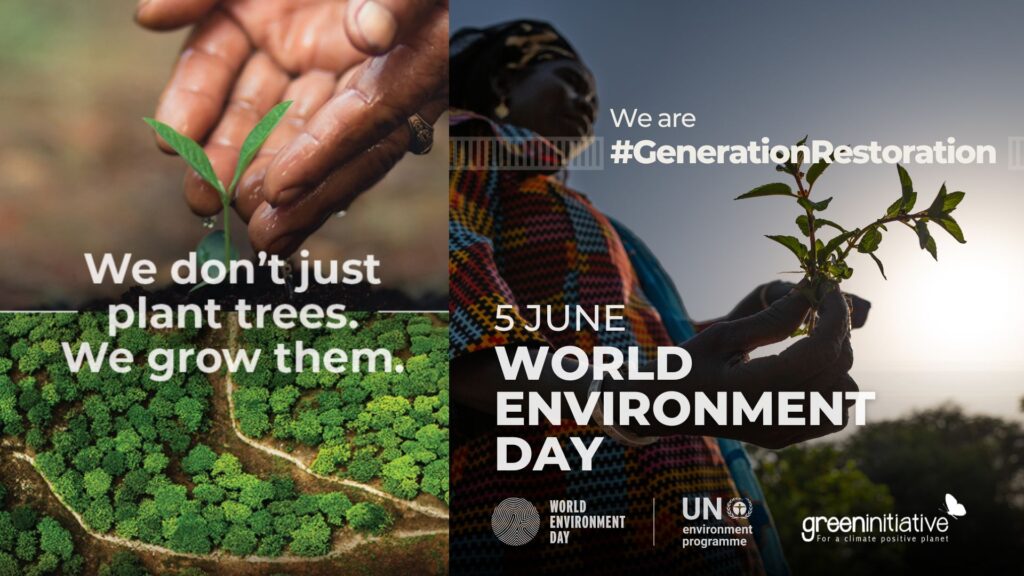
June 5, World Environment Day 2024 On this World Environment Day, we celebrate and commit to protecting the incredible diversity of life on our planet. Each biome plays a crucial role in maintaining Earth’s ecological balance and sustaining life. This year, we are digging deep into land restoration, desertification, and drought resilience under the UN Environment Programme slogan “Our land. Our future. We are #GenerationRestoration.” The Vital Role of Biomes Tropical Rainforests Tropical rainforests, like the Amazon and the Congo Basin, are the lungs of our planet. They are teeming with biodiversity and are vital for regulating the global climate. These irreplaceable treasures support countless species and are essential for our planet’s health. Let’s commit to preserving these lush, vibrant ecosystems. Fun Fact: A single hectare of rainforest can contain over 750 types of trees and 1,500 species of higher plants. Savannas Savannas, spanning Africa, South America, and Australia, support a rich variety of wildlife and ecosystems. These grasslands, with their seasonal rains, remind us of nature’s resilience and the importance of sustainable land use. Protecting savannas ensures the survival of the diverse species that inhabit them. Fun Fact: The Serengeti in Africa hosts the largest terrestrial mammal migration in the world, with over 1.5 million wildebeest and 200,000 zebras making their annual trek. Deserts Deserts, such as the Sahara and the Gobi, teach us about survival and adaptation in the harshest conditions. Despite their arid nature, deserts are teeming with life uniquely adapted to thrive where water is scarce. Protecting these fragile ecosystems is crucial for maintaining their delicate balance. The Great Green Wall initiative, aiming to restore 100 million hectares of land in Africa, exemplifies efforts to combat desertification and promote land restoration. Fun Fact: The Sahara Desert, the largest hot desert in the world, spans 9.4 million square kilometers—about the size of Canada. It is home to over 500 plant species and 90 different species of birds. Diverse Biomes and Their Unique Contributions Temperate Forests Temperate forests, found in North America, Europe, and Asia, enchant us with their changing seasons and diverse flora and fauna. These forests are essential for carbon storage, soil conservation, and providing habitat for countless species. Ensuring these woodlands remain vibrant and healthy is crucial for future generations. Fun Fact: The oldest known tree in the world, a bristlecone pine named Methuselah, is located in California’s White Mountains and is over 4,800 years old. Taiga (Boreal Forest) The Taiga, or Boreal Forest, stretches across Canada, Russia, and Scandinavia, forming the largest terrestrial biome on Earth. These coniferous forests are crucial carbon sinks and home to species uniquely adapted to cold climates. Preserving the Taiga helps combat climate change and supports biodiversity. Fun Fact: The Taiga represents about 30% of the world’s forest cover, playing a significant role in absorbing carbon dioxide from the atmosphere. Tundra The Tundra, with its cold, treeless plains and permafrost, is a reminder of nature’s extremes and the fragility of life in harsh environments. Found in Arctic regions and high mountains, the Tundra is vital in regulating global temperatures and supporting unique wildlife. Fun Fact: The Arctic Tundra is home to the largest and most successful land predator, the polar bear, which can travel over 30 kilometers a day in search of food. Marine Biomes Marine biomes, covering about 70% of Earth’s surface, include oceans, coral reefs, and estuaries. They support an immense variety of life and are crucial for global climate regulation. Protecting our oceans is essential for maintaining the planet’s health. Fun Fact: The Great Barrier Reef in Australia is the largest coral reef system in the world, spanning over 2,300 kilometers and hosting over 1,500 species of fish. Freshwater Biomes Freshwater biomes, such as rivers, lakes, and wetlands, provide habitat for diverse species and are vital for human survival. Lakes, rivers, and wetlands hold 20-30% of global carbon despite occupying only 5-8% of the land surface. The Nile River, widely regarded as the world’s longest waterway, exemplifies the critical importance of freshwater ecosystems. Fun Fact: The Nile River, widely regarded as the world’s longest waterway, flows through 11 different countries and stretches 6,695 kilometers. Terrestrial and Land-Based Ecosystems Soil and Water Soil is the planet’s most biodiverse habitat, with almost 60% of all species living in it. Healthy soils store massive amounts of carbon, which, if released, would cause a huge spike in planetary warming. Only 0.5% of water on Earth is usable and available freshwater, and climate change is dangerously affecting this supply. Over the past two decades, land-based water storage—including soil moisture, snow, and ice—has dropped at a rate of 1 centimeter per year, severely impacting water security and food production. Drylands Drylands cover 41% of the Earth’s land surface and 78% of the world’s rangelands. They generate 44% of global crops, provide feed for half of the world’s livestock, and support the lives and livelihoods of over 2 billion people. Despite their arid conditions, drylands are home to more than a quarter of the world’s forests and a third of global biodiversity hotspots. Protecting drylands is essential for sustaining the ecosystems and communities that depend on them. Farmlands and Urban Ecosystems Farmlands Farmlands are crucial for global food production, yet they face significant challenges. Every five seconds, the equivalent of one football pitch of soil is eroded. It takes 1,000 years to generate just 3 centimeters of topsoil, and every year, more than 24 billion tonnes of priceless topsoil are washed or blown away worldwide. Agricultural expansion continues to threaten forests and biodiversity. The world will need to raise its food production by 60–70% to feed a projected human population of 9 billion by 2050. Close to 75% of the world’s fruit and seed crops depend on pollinators like bees, which contribute to 35% of the world’s total crop production. Despite their importance, pollinators are in serious decline due to intensive agricultural practices, pesticide use, invasive species, diseases, and climate change. Globally, at least 2 billion people depend on the agriculture sector

Celebrating World Environment Day 2024: Honoring Our Planet’s Biomes Read More »

Three socially responsible mining practices

Three Socially Responsible Mining Practices

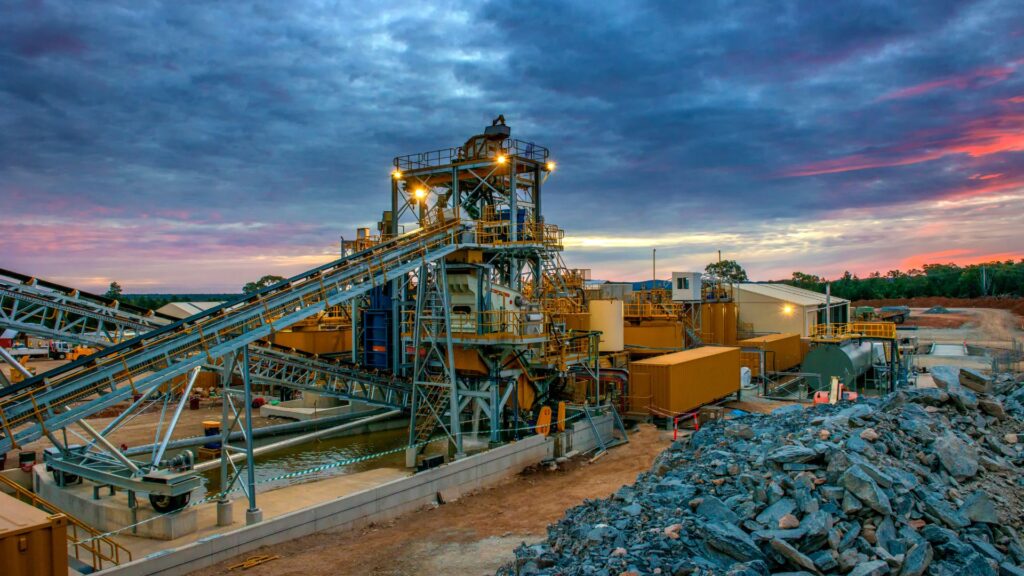
With research around climate change and the damage to our planet only becoming more and more shocking, it’s imperative that individuals and industries alike make a stand for promoting sustainable practices. The mining sector is one that is crucial to many businesses, pulling valuable resources from our planet and using them to support our infrastructures, technologies and daily activities. But mining irresponsibly can have devastating consequences for the environment, as well as for the human and wildlife populations in its surrounding areas. The degradation of natural resources in remote areas can be treacherous for the indigenous communities that live there, and it’s clear that more transparency and ethical practices are needed. Here, we explore three socially responsible mining practices. Protecting local communities Mining continues to be a leading industry for global wealth and trading, with the projected global growth in the industry looking to reach around $2775.5 billion by 2027. Some of the continued growth can be attributed to the introduction of green grants and sustainable financial incentives, with $450 billion being offered in 2022. But whilst this is a step in the right direction, small-scale mines in third-world countries need to do more to protect the local communities in which they operate. As much as 80% of small-scale mining falls outside of any legal framework or regulations, which causes a fatality rate of over 90% higher than mines in industrialised countries for its workers – which often includes women and children. Socially responsible mines must prioritise the health and wellbeing of the local communities, by providing access to fresh water and managing the health risks associated with mining. Transparency Water conservation is a pressing issue in the mining industry, as extractions can require large amounts of water, which means that this vital natural resource is drawn away from the people who depend on it to survive. A mine has a responsibility to ensure protection of the surrounding environment, people and wildlife, by providing access to fresh water and creating a zero-harm environment. Transparency for all mines is essential in order to ensure these standards are met. By closing down illegal mining operations and supporting those willing to pledge green initiatives, we can help reduce global damage from this industry. From reusing mining waste to using eco-friendly equipment, there’s numerous ways to modernise mining and reduce its social and environmental impact. Sustainable development of minerals The mining sector also has a responsibility to support the sustainable and responsible development of minerals used in battery technologies, such as lithium. With electric vehicles becoming sought after modes of transportation, lithium batteries are in high demand. With new technologies ever evolving, mining practices must do all they can to ensure responsible production of the minerals they require. Lithium is a non-renewable resource, and its extraction has similar consequences as that of fossil-fuel mining, with soil degradation, biodiversity loss and CO2 emissions being some of the largest issues. Whilst some companies are looking into the use of more common elements such as iron or silicon for batteries, others are pushing for more eco-friendly ways to extract lithium. As lithium batteries are currently providing a step away from the overmining of fossil fuels, the mining of these minerals is crucial. However, improving lithium extraction methods can help reduce the social and environmental costs of these operations. Working together It’s clear that a globally united approach is key to ensuring we mine responsibly. By taking innovative steps to ensure the extraction of valuable resources is as environmentally friendly as possible, we can help reduce the devastation to our planet from the mining industry. By providing eco-initiatives and modern practices, mines can work to serve and protect the local communities who live around and work in them. This article was written in collaboration with Anne Walton, Consultant | Researcher at Digital Content & Media

Three Socially Responsible Mining Practices Read More »