
ecological restoration

Machu Picchu: Restoring Nature, Inspiring Sustainability, and Leading a New Era of Climate-Positive World Heritage Tourism

Machu Picchu: Restoring Nature, Inspiring Sustainability, and Leading a New Era of Climate-Positive World Heritage Tourism

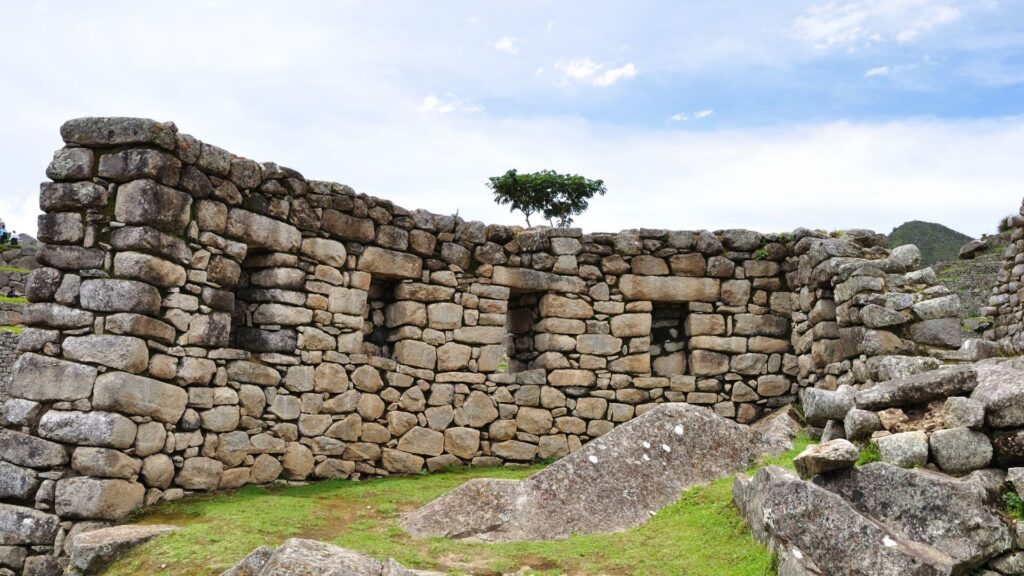
As the world seeks models for regenerative tourism and effective climate action, Machu Picchu continues to stand as a living testament to how cultural heritage and nature can be protected together. Since earning its first Carbon Neutral Certification, the Historic Sanctuary has advanced a long-term vision where conservation, ecological restoration, and sustainable tourism reinforce one another. This article presents both an analytical overview of the sanctuary’s progress and a special Q&A with Mrs. Ruth Saire, Administrator of the Machupicchu National Historic Sanctuary, whose insights highlight the strategies, values, and collaborations behind Machu Picchu’s leadership in sustainability within Peru and across the region. Restoring Degraded Areas: A Commitment That Grows Stronger Every Year The first Carbon Neutral certification represented not only a milestone but also a renewed obligation to protect and restore one of the world’s most iconic landscapes. Since then, Machu Picchu has implemented substantial ecological restoration actions: These interventions have increased vegetation cover, improved soil stability, and enhanced the sanctuary’s carbon-capture capacity, ensuring tangible progress toward its sustainability goals. A Living Classroom: How Machu Picchu Teaches Sustainability to the World Machu Picchu is more than a historical marvel—it is a dynamic space for environmental education. Through the lens of Andean cosmovisión, the sanctuary communicates values of reciprocity, respect, and balance with nature. Visitors learn sustainability through: Thus, each visit becomes an opportunity for personal and collective awareness, promoting sustainable practices far beyond Peru’s borders. A Beacon for Other Iconic Sites: Tikal, Cristo Redentor, Galápagos, and More Machu Picchu has become an influential reference point for other renowned natural and cultural destinations. Delegations from Tikal (Guatemala), Cristo Redentor (Brazil), and the Galápagos Islands (Ecuador) frequently visit to study its conservation model and sustainable tourism management. This growing exchange opens the possibility of developing a regional network of sustainable destinations, strengthening collaboration through: Such cooperation would reinforce the region’s leadership in heritage conservation and climate action. Q&A With Ruth Saire – Administradora del Santuario Histórico Nacional de Machupicchu In this interview, Ruth Saire reflects on the ecological progress achieved within the sanctuary, Machu Picchu’s impact on visitors, and the importance of collaboration with other emblematic destinations. 1. What concrete advances have been achieved in restoring degraded areas since Machu Picchu’s first Carbon Neutral certification? “Since the first certification, it has represented both recognition and continuity in our commitment to preserve and strengthen the ecological restoration of the Machupicchu National Historic Sanctuary for the world. We have reforested critical areas with native species, restored eroded zones using bioengineering techniques, controlled invasive species, and strengthened the monitoring of natural regeneration. These actions have increased vegetation cover, improved soil stability, and enhanced the Sanctuary’s capacity to capture carbon, directly contributing to our sustainability goals.” 2. From the cultural perspective, how does Machu Picchu inspire and educate visitors to adopt more sustainable habits? “From a cultural perspective, we believe that Machu Picchu is a living example of sustainability. The Andean cosmovision expressed here teaches respect, reciprocity, and harmony with nature. Visitors learn by observing how the Incas built by integrating themselves into the environment rather than against it. In addition, the interpretive signage and the work of the Historic Sanctuary’s staff reinforce messages about conservation, responsible waste management, respect for wildlife, and fire prevention. All of this inspires visitors to adopt more conscious and sustainable practices.” 3. How do you perceive the growing interest from other destinations—such as Tikal, Cristo Redentor, or Galápagos—that visit Machu Picchu to learn from its experience? What actions are needed to strengthen collaboration? “The Historic Sanctuary of Machu Picchu is often compared with destinations such as Tikal, Christ the Redeemer, or the Galápagos, and in those comparisons our image is highly positive. These destinations see us as an international benchmark in the integrated and sustainable management of cultural and natural heritage, which opens opportunities for mutual learning and technical collaboration. To strengthen this relationship, we propose establishing a permanent network of sustainable destinations, promoting exchanges among specialists, harmonizing good environmental management practices, and developing joint projects in restoration, carbon neutrality, and responsible tourism management.” Conclusion: A Legacy of Stewardship for the Planet Machu Picchu’s leadership demonstrates how ancient knowledge, scientific rigor, cultural stewardship, and international cooperation can converge into a powerful model for climate-positive world heritage tourism. With champions like Ruth Saire guiding conservation and sustainable management efforts, the sanctuary continues to protect biodiversity, inspire global travelers, and collaborate with peer destinations—helping shape a future where culture, nature, and climate action thrive together. This article was written by Musye Lucen from the Green Initiative Team. Related Reading

Machu Picchu: Restoring Nature, Inspiring Sustainability, and Leading a New Era of Climate-Positive World Heritage Tourism Read More »

MAPFRE Peru Launches the Campaign “Sowing a More Sustainable Future” and Reaffirms Its Commitment to Ecological Restoration in the Amazon

MAPFRE Peru Launches the Campaign “Sowing a More Sustainable Future” and Reaffirms Its Commitment to Ecological Restoration in the Amazon

As part of its commitment to sustainability and climate action, MAPFRE Peru has launched the campaign “Sowing a More Sustainable Future”, an initiative that highlights its active role in restoring Amazonian ecosystems and its participation as a co-sponsor of the animated film Milagros: An Extraordinary Bear, the first film in the world to receive the international Climate Positive certification from Green Initiative. This campaign includes the release of a touching video that documents the experience of the MAPFRE Peru team during their visit to Madre de Dios – Tambopata, where they witnessed the tangible impact of the ecological restoration efforts they helped support. During this immersion, they gained insight into the scientific practices behind effective restoration, the challenges facing the Amazon, and the importance of protecting one of the most biodiverse ecosystems on the planet. This journey allowed the MAPFRE Peru team members to deepen their understanding of the urgency of caring for our ecosystems and the role we can all play in ensuring a better future. The restoration project, managed by Forest Friends and implemented by the Inkaterra Association, aims to recover an area of forest degraded by agricultural practices. Thanks to the support of MAPFRE and other companies, over 1,000 trees of species with high ecological, nutritional, medicinal, and commercial value have already been planted—promoting not only forest regeneration but also the well-being of local communities. MAPFRE Peru played an essential role in the Climate Positive certification process of the film Milagros, co-sponsoring the planting of native trees as part of the ecological restoration component of the certification. This action reinforces its view that climate change demands concrete and multi-sectoral responses and shows that sectors such as entertainment can also lead by example in sustainability efforts. With this campaign, MAPFRE Peru becomes a benchmark and reaffirms its commitment to biodiversity conservation and restoration, as well as to sustainable development in the country—inspiring more companies and individuals to be part of the change. Ecological restoration is possible, measurable, and necessary. This article was written by Marc Tristant from the Green Initiative Team. Related Articles

MAPFRE Peru Launches the Campaign “Sowing a More Sustainable Future” and Reaffirms Its Commitment to Ecological Restoration in the Amazon Read More »

Ecosystem Restoration in Biodiversity Hotspots Conservation with Real Impact

Ecosystem Restoration in Biodiversity Hotspots: Conservation with Real Impact

The forests of South and Central America are among the most diverse and ecologically important ecosystems on the planet. From the vast Amazon rainforest spanning nine countries and containing approximately 10% of the world’s known biodiversity, to the cloud forests of Central America that serve as crucial biological corridors between North and South America, these ecosystems harbor extraordinary biological wealth [1]. The Neotropical region hosts more than 50% of the world’s vascular plant species and 36 of the 200 globally identified biodiversity hotspots, making it a top global conservation priority [2]. Peru and Costa Rica: Natural Treasures at Risk In this regional context, Peru’s forests represent one of the planet’s most valuable ecosystems, housing approximately 13% of the Amazon and comprising 57% of national territory with over 73 million hectares of forest [3]. These ecosystems not only harbor extraordinary biodiversity—with over 25,000 plant species and 3,000 vertebrate species—but also play a crucial role in global climate regulation, storing approximately 10 billion tons of carbon [4]. Costa Rica, while occupying only 0.03% of the Earth’s surface, is home to about 4% of the planet’s biodiversity, with over 500,000 documented species [5]. Its forests—which include tropical rainforests and mountain cloud forests—cover approximately 54% of the national territory and comprise one of the most successful protected area systems in Latin America. The Osa Peninsula, in particular, has been recognized by National Geographic as “the most biologically intense place on Earth,” concentrating 2.5% of global biodiversity in just 700 km² [6]. However, these natural treasures face increasing, scientifically documented threats. According to Peru’s National Forest Conservation Program, the country lost 1.8 million hectares of forest between 2001 and 2020, primarily due to migratory agriculture, extensive livestock farming, and illegal mining [7]. This deforestation not only represents irreversible biodiversity loss but also contributes significantly to national greenhouse gas emissions, accounting for about 47% of the country’s total emissions [8]. Similarly, despite its successful conservation policies, Costa Rica lost 24,000 hectares of forest cover between 2010 and 2020, mainly due to the expansion of industrial agriculture, urban development, and unsustainable tourism [9]. Though proportionally smaller, this deforestation is especially concerning due to the high concentration of endemic species in relatively small areas, where the loss of just one hectare may mean the local extinction of multiple species. Ecological Restoration: More Than Planting Trees In light of this reality, ecological restoration has emerged as a scientifically sound strategy that goes beyond just planting trees. International research has shown that the most successful restoration projects are those that incorporate locally adapted native species, consider landscape connectivity, and integrate traditional knowledge from local communities [10]. Effective ecological restoration requires a systemic approach that considers multiple interconnected factors. It’s not just about recovering plant cover, but restoring ecological processes that maintain ecosystem functionality: nutrient cycles, food chains, pollination, and seed dispersal [11]. Species selection should be based on scientific criteria, including climate adaptation, soil regeneration capacity, value to native fauna, and cultural relevance to Indigenous and local communities. In Peru, this approach is particularly relevant. Studies in the Peruvian Amazon have found that plantations with diverse native species show survival rates above 85% after five years—compared to 40–60% for monocultures with exotic species [12]. These plantations also contribute more effectively to biodiversity recovery, recording a return of 60–80% of bird species and 50–70% of mammal species within 10–15 years [13]. Forest Friends: A Model of Restoration Success The most promising restoration projects integrate science, technology, and community participation across multiple biodiversity hotspots. Forest Friends, a Green Initiative program, has developed a comprehensive ecosystem restoration approach. It implements reforestation with a diverse range of native plant species in strategic regions such as Peru’s Tambopata National Reserve and Costa Rica’s Osa Peninsula—both classified as Biodiversity Hotspots by the Critical Ecosystem Partnership Fund (CEPF). These hotspots must host at least 1,500 endemic vascular plant species and have lost at least 70% of their primary native vegetation, making them top priorities for biodiversity conservation and ecological restoration [14]. In Madre de Dios, Peru, a region that has lost over 200,000 hectares of forest mainly due to illegal gold mining, Forest Friends has demonstrated measurable results with a restoration approach prioritizing locally adapted native species. Collaboration with organizations like Kuoda Travel has enabled the development of an innovative regenerative tourism model that directly links carbon offsetting with local restoration projects. Each traveler not only offsets their emissions but contributes to the planting of native trees specifically selected to maximize both carbon sequestration and biodiversity recovery. In parallel, in Costa Rica’s Osa Peninsula, organizations like Swetours and Tulu Travel apply similar certification models that link sustainable tourism with ecosystem restoration, while CEPA – Customized Educational Programs Abroad has implemented an innovative model connecting international education with conservation. They issue restoration certificates for each university course delivered and plant trees according to the number of enrolled students. These binational models offer valuable lessons on private sector involvement in conservation. Collaboration with specialized local partners—such as Inkaterra in Peru and Fundación Saimiri in Costa Rica—ensures technical quality and real environmental impact of restoration actions. Scientific Monitoring: The Key to Long-Term Success A crucial—but often underestimated—component of restoration projects is ongoing scientific monitoring. Research has shown that the long-term success of ecological restoration depends directly on the ability to systematically track and adapt implemented strategies [15]. Effective monitoring must evaluate multiple ecological indicators: tree survival and growth, soil structure recovery, natural regeneration of native species, return of vertebrate and invertebrate fauna, and functionality of ecological processes like pollination and seed dispersal [16]. In Madre de Dios, Ucayali, and San Martín, monitoring protocols combine remote sensing technologies—including high-resolution satellite imagery and drones—with participatory field assessments involving local communities. This approach has documented that restored areas show an average 40% increase in biomass and 65% recovery in species diversity after five years [17]. Community participation in monitoring not only reduces operational costs but also strengthens local capacities and ensures long-term project sustainability. Communities trained in monitoring techniques become active guardians

Ecosystem Restoration in Biodiversity Hotspots: Conservation with Real Impact Read More »