Carbon Measured

Where Do Your Tourism Emissions Really Come From

Where Do Your Tourism Emissions Really Come From?

Why Understanding Emissions in Tourism Matters Climate change is no longer an abstract concern. For the tourism industry, it has become a real and pressing issue that influences infrastructure, customer preferences, operational costs, and even destination viability. More travelers are making decisions based on sustainability, and regulators are introducing stricter environmental guidelines across markets. For tourism businesses—whether you run a hotel, operate tours, or manage a restaurant—understanding your greenhouse gas (GHG) emissions is the essential first step to building a sustainable and competitive business model. This begins with understanding what causes emissions and how to categorize them using internationally recognized frameworks. The Climate Action Guide for Tourism Businesses and Destinations by Green Initiative provides a clear, evidence-based path to help businesses assess, track, and reduce emissions at every level of the value chain. Understanding Scope 1, 2, and 3 Emissions The Greenhouse Gas Protocol (GHG Protocol) organizes emissions into three distinct categories, known as Scope 1, Scope 2, and Scope 3. This classification helps tourism businesses understand where emissions are generated and where reduction efforts should be concentrated. Scope 1: Direct Emissions These are emissions released from sources that are owned or directly controlled by the business. They include: For example, a hotel that uses gas-powered water heaters or diesel generators is producing Scope 1 emissions. Scope 2: Indirect Energy Emissions Scope 2 emissions are those generated from the production of energy that is purchased and consumed by the business. This includes: A travel agency that consumes electricity in its office space is responsible for Scope 2 emissions related to the electricity provider’s generation methods. Scope 3: Other Indirect Emissions Scope 3 emissions are indirect emissions that occur throughout the value chain but are not directly controlled by the business. These are often the most complex and the most significant in volume. Examples include: For most tourism businesses, Scope 3 emissions represent the largest share of their total carbon footprint. Emissions by Business Type in Tourism The Green Initiative guide provides a detailed breakdown of how different types of tourism-related businesses contribute to emissions. Understanding these patterns helps businesses identify their emission hotspots and implement targeted climate actions. Hotels and Accommodations Hotels are energy-intensive operations, with emissions originating from various areas: Actionable steps include switching to energy-efficient appliances, training staff on energy-saving practices, offering towel and linen reuse programs, managing food waste, and sourcing products locally. Tour Operators and Travel Agencies These businesses may seem less energy-intensive, but emissions can be significant: Key strategies include regenerative tourism, integrating more low-emission transportation options, choosing eco-certified accommodation partners, offering carbon offset options to customers, and consolidating itineraries to reduce intra-destination travel. Restaurants, Bars, and Hospitality Venues Hospitality venues have concentrated emissions due to: Actions such as sourcing local, plant-based ingredients, optimizing inventory to reduce waste, and transitioning to compostable packaging can significantly lower the carbon footprint. Retail Shops, Attractions, and Leisure Providers These entities generate emissions mainly through: Businesses can improve their environmental performance by choosing sustainable suppliers, minimizing single-use plastics, and offering climate-conscious products and experiences. How to Start Measuring Your Tourism Emissions For tourism businesses that want to act, the first step is to measure emissions accurately. The process can be approached in a structured and manageable way: Step 1: Collect Data Gather the following data categories: Step 2: Apply Frameworks Use internationally accepted frameworks such as: Step 3: Analyze and Prioritize Once data is compiled: Business Benefits of Taking Climate Action Reducing emissions is not just an environmental imperative—it’s a smart business strategy. Companies that adopt climate-positive practices gain a competitive advantage in multiple ways. Customer Preference An increasing number of travelers prefer sustainable options. Offering climate-conscious experiences can attract eco-minded customers and enhance brand loyalty. Cost Reduction Energy efficiency and waste reduction lead to operational savings. Businesses often see rapid financial returns from installing LED lighting, optimizing refrigeration, or improving water use efficiency. Compliance and Risk Mitigation Regulatory frameworks related to emissions and sustainability are expanding globally. Businesses that prepare early will be better positioned to comply with future laws and avoid fines or reputational risk. Certification and Reputation Sustainability certifications such as those offered by Green Initiative (Climate Positive, Carbon Neutral and Carbon Measured) enhance credibility, improve visibility in search engines, and are increasingly valued in procurement processes and partnerships. Moving Beyond Sustainability: The Power of Regenerative Tourism While reducing emissions and minimizing harm is essential, leading tourism businesses are now embracing a more ambitious vision—regenerative tourism. Unlike traditional sustainability models that aim to “do less harm,” regenerative tourism is about actively restoring and improving ecosystems, cultures, and communities through tourism activities. It challenges businesses not only to neutralize their impact but to leave destinations better than they were before. This includes practices such as: Green Initiative’s approach aligns fully with this philosophy, providing pathways for tourism businesses to become genuine stewards of place, not just visitors or service providers. In a world where travelers are seeking deeper meaning, authenticity, and purpose, regenerative tourism represents not only a moral responsibility—but a strategic advantage – says Yves Hemelryck from the Green Initiative Team. Final Thoughts: From Awareness to Strategic Action Understanding your emissions is more than a technical exercise. It is the foundation for meaningful climate action and long-term business success in a rapidly changing world. By identifying where emissions originate and applying targeted reduction strategies, tourism businesses can play a leading role in building a more resilient and responsible industry—while also improving their operations, finances, and reputation. Whether your business is just starting its sustainability journey or seeking certification and performance reporting, the most important step is to begin. Contact us to learn how your tourism business can measure, reduce, and certify its emissions with expert guidance. Our team at Green Initiative is here to support you in becoming Climate and Nature Positive. Get in touch now at greeninitiative.eco/contact. Related reading

Where Do Your Tourism Emissions Really Come From? Read More »

The Importance of Carbon Footprint Management and Increasing Sustainability in the Fishing Sector: Celebrating NFCS’s Carbon Measured Certification

In today’s world, where climate change and environmental sustainability dominate global economic challenges, industries worldwide are under increasing pressure to reduce their carbon footprints and adopt efficient climate and nature positive. The fishing industry, a vital component of global food security and a significant source of employment is no exception. The National Fishermen Cooperative Society (NFCS), one of Belize’s most well-established cooperatives of lobster and conch fishers, has recently made a commendable stride in this direction by achieving Green Initiative’s Carbon Measured Certification. This milestone highlights the role of carbon footprint management as a core aspect of the NFCS’s long-term competitiveness, assuring new opportunities for market access and integration with global value chains.   The project was directly supported by the Caribbean Regional Fisheries Mechanism (CRFM) as an effort to move Belize’s fisheries development path towards a low carbon/carbon neutral operation in support of blue economy development policy and strategy. By progressively improving its management practices and embracing technological, financial, and structural innovations, NFCS is balancing economic performance with CO2 emissions reduction, fish stock sustainability, and marine ecosystem conservation. This positions the cooperative on a clear path toward a more sustainable and competitive future. Accelerating the Decarbonization of Fisheries in the Caribbean The fisheries sector is a critical component of global food security and income generation, particularly for small island states, and it is a significant source of employment, supporting over 58 million people worldwide. (FAO, 2022) However, it also contributes approximately 4% of the total greenhouse gas (GHG) emissions of the food sector. To ensure the key role fisheries can play in the green, net-zero emissions economy, there is an urgent need to roll out decarbonization investments that will support small cooperatives of fisheries such as the NFC=S to execute the investments required to increase efficiency, reduce energy costs and enter into new and fast-growing sustainable fisheries markets.   The journey towards decarbonizing the fisheries sector in the Caribbean can be categorized into three primary levels of challenges. The first and most significant challenge is the technological maturity. Unlike other sectors, the technologies required to achieve net-zero emissions in the fisheries sector have not yet matured. Fishing vessels operate offshore, often far from ports, necessitating highly reliable solutions. The closest technologies that can aid in the transition include energy-efficient measures such as engines that consume less fuel and emit fewer pollutants, as well as improved vessel designs. The second level of challenge involves the development and adoption of alternative fuels. Using biofuels, biogas, hybrid engines, and green hydrogen can significantly reduce emissions. However, these technologies require further development and investment. The third level of challenge is the development of wind propulsion technologies. Historically, wind propulsion was the primary method of marine transportation. While there have been advancements in tourism sailing, such as cruise ships, these have not yet been widely adopted in the fisheries sector. Investing in smart and innovative wind propulsion technologies could enable both small and large-scale fisheries to utilize sails, reducing their reliance on fossil fuels. Besides the development of new technologies, transitioning to more sustainable practices in the fisheries sector involves significant financial investment and structural changes. The replacement of fishing vessels is a long-term investment, typically occurring every 20 to 40 years. Creating incentives in both the public and private sectors is crucial to facilitate this transition so newer sustainable vessels can be adopted with fewer capital risks. Ports also need to be equipped with the necessary infrastructure to support new and alternative fuels, ensuring a smooth transition as older vessels are replaced with newer, more sustainable models. Conservation and restoration of marine ecosystems are also critical to maintaining biodiversity and supporting fish stocks and, consequently, long-term prosperity for both the fisherman and the ecosystems on which they rely. As Vivas (2024) refers, balancing these objectives is challenging as they require a strategic vision, science-based management for appropriate fisheries stock conservation, and investments. This may be particularly difficult for small fisheries, but this is exactly the type of challenge that the NFCS assumes, playing a leading role at the regional and international levels. The Carbon Measured Certification Cycle In 2024, NFCS supported by the CRFM, conducted a detailed assessment of its carbon footprint, covering Scope 1, 2, and 3 emissions. This thorough approach ensures that all emission sources within their operations are accounted for. According to the results, NFCS’ greenhouse gas emissions were significantly lower than other benchmarks in the lobster fishing industry, emitting an impressive 2,95kg of CO2 per kg of the final product, while other analyzed Australian fisheries emitted from 6.92 to 13.00 kg of CO2 per kg of the final product, considering the emissions related to fishing, processing, and packaging. By analyzing the most impactful emission sources, NFCS outlined several mitigation measures, including transitioning to clean energy sources, investing in energy-efficient engines and technologies, exploring alternative fuels, and optimizing fishing operations. These steps aim to significantly reduce their carbon emissions in the following years. NFCS’s initiative involves transparent implementation and active participation from all stakeholders, ensuring a lasting positive impact on the environment, society, and the economy. Conclusions By taking proactive steps to measure and progressively reduce its CO2 emissions, NFCS is not only enhancing its sustainability but also strengthening its competitive advantage within the international fisheries market. Positioned as one of the few low emissions fisheries producers globally, NFCS is strategically poised to integrate into sustainable fisheries value chains, which are expanding more rapidly than traditional, less sustainable practices. A clear example of this opportunity lies in the Caribbean’s international cruise lines, many of which are committed to decarbonization and sourcing from sustainable fisheries. By managing its climate footprint, NFCS is becoming a key supplier of sustainable lobster, helping cruise ships reduce their scope 3 carbon emissions. This demonstrates how climate mitigation strategies can generate tangible benefits for small-scale fisheries in the Caribbean. Let’s celebrate NFCS’s commitment to sustainability and look forward to a future where the fishing industry not only thrives but does so in harmony with the


The Importance of Carbon Footprint Management and Increasing Sustainability in the Fishing Sector: Celebrating NFCS’s Carbon Measured Certification Read More »

How COP29 is Transforming Tourism, Transport, and Urbanization for a Climate Positive Future

How COP29 is Transforming Tourism, Transport, and Urbanization for a Climate and Nature Positive Future

On November 20, 2024, COP29 in Baku, Azerbaijan, marked a transformative moment in global climate action by dedicating a day to critical sectors shaping our climate future: tourism, transport, and urbanization. With two groundbreaking declarations, the conference showcased a vision of sustainability that integrates innovation, cross-sector collaboration, and a commitment to leaving the planet better than we found. This Tourism Takes Center Stage with Climate Commitments The COP29 Declaration on Enhanced Climate Action in Tourism highlights tourism’s dual identity as a vital economic force and a key partner of the climate change global challenges for mitigating greenhouse gas emissions supporting the Paris Agreement goals. This initiative seeks to redefine the sector, steering it toward a more sustainable and climate-positive future as a result of the determination and global leadership of the UN Tourism Executive Director Zoritsa Urosevic and her team, who have mobilized the interest of UN Tourism member states from around the world to raise awareness to connect tourism with climate and nature positive action. Complementing this leadership is the outstanding contribution of Virginia Fernandez-Trapa, Programme Coordinator for Sustainable Tourism and Resilience at UN Tourism. Her advocacy for climate and regenerative action has been instrumental, building on milestones like the Glasgow Declaration to achieve this significant breakthrough. Key commitments in the declaration include: Zurab Pololikashvili, Secretary-General of the UN World Tourism Organization, emphasized the sector’s potential to drive transformative change through innovation, decarbonization, and regenerative practices. Resilient Cities Through Cross-Sector Collaboration Urbanization, a defining feature of modern life, was addressed by launching the COP29 Multisectoral Actions Pathways (MAP) Declaration for Resilient and Healthy Cities. Developed in partnership with UN-Habitat, the MAP Declaration lays the groundwork for building sustainable, inclusive urban environments. This initiative promotes: Mukhtar Babayev, COP29 President, highlighted the critical role of collaboration, stating, “These initiatives are about enhancing the quality of life while addressing the profound challenges posed by climate change.” The commitments made during COP29 underline the importance of addressing economic, social, and environmental dimensions together, with a shared vision of a sustainable future for people and the planet. Green Initiative: Leading the Way in Regenerative Travel and Climate Certification While COP29 sets the stage for global action, organizations like Green Initiative are translating these goals into tangible outcomes on the ground. Through regenerative tourism, climate certifications, and nature positive strategies, the Green Initiative team helps businesses and destinations make measurable progress toward sustainability. Regenerative Tourism Regenerative tourism is a transformative approach that aims to leave destinations better than they were found. By restoring ecosystems, enhancing community well-being, and reducing carbon footprints, regenerative tourism shifts the focus from sustaining to actively improving environments. A prime example is Machu Picchu, where Green Initiative’s support helped the historic site achieve carbon-neutral certification. This included waste management improvements, renewable energy integration, and reforestation efforts in surrounding areas. Similarly, Bonito, a globally renowned ecotourism destination in Brazil, has embraced regenerative principles by achieving carbon-neutral certification with the help of Green Initiative. Bonito’s initiatives include protecting vital freshwater ecosystems, promoting biodiversity conservation, and implementing sustainable visitor practices to ensure long-term environmental resilience while supporting the local economy. Climate and Nature Positive Certifications Green Initiative offers certifications that help businesses and destinations go beyond carbon neutrality, designed to empower businesses, destinations, and organizations to demonstrate and enhance their sustainability efforts. These certifications are essential for ensuring measurable, transparent progress toward sustainability goals. From tourism operators to urban planners, the Green Initiative provides tools to align operations with global climate objectives. Join the Movement Interested in making your organization a leader in sustainability? The Green Initiative provides a clear path to certification and actionable strategies for regenerative practices. Contact us today to learn how your business or destination can make a lasting, positive impact. Get in Touch!

How COP29 is Transforming Tourism, Transport, and Urbanization for a Climate and Nature Positive Future Read More »

Green Initiative Finalist for the Green Projects Awards Leading Sustainable Tourism and Climate and Nature Positive Action

Green Initiative: Finalist for the UN Tourism Green Projects Challenge Awards | Leading Sustainable Tourism and Climate and Nature Positive Action

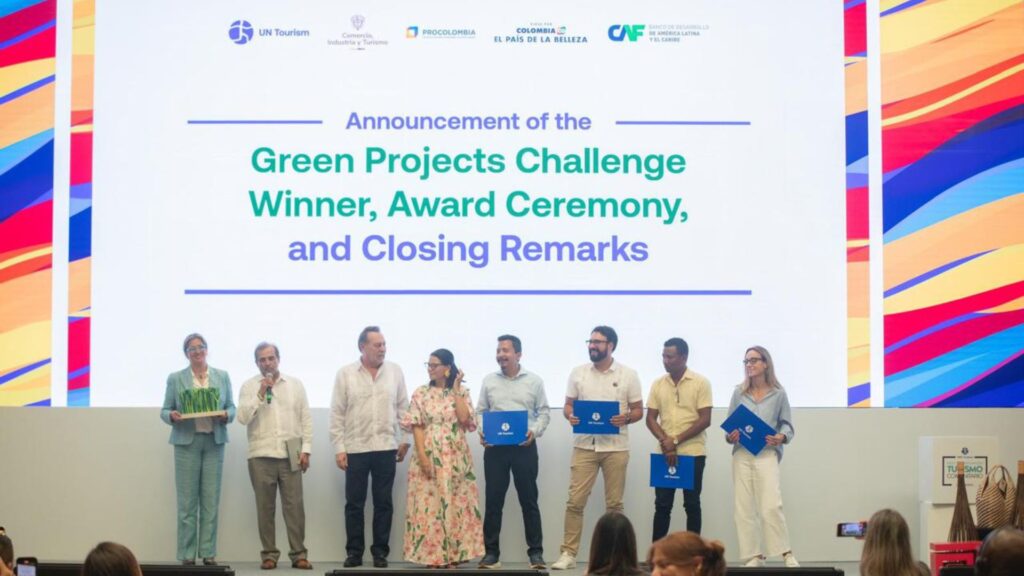
From November 13th to 16th, 2024, the vibrant city of Cartagena, Colombia, hosted the 122nd Executive Council Meeting of the United Nations World Tourism Organization (UN Tourism). This prestigious event brought together global tourism leaders to discuss the future of travel, emphasizing sustainability, resilience, and innovation in a post-pandemic world. Attended by representatives from 47 countries, including 21 deputy ministers, 350 international delegates, and stakeholders from the private sector, civil society, and financial organizations, the Council addressed strategic pillars such as tourism innovation and attracting investments for sustainable development. Amid these significant discussions, Green Initiative achieved a remarkable milestone: we were honored to be named a finalist for the Green Projects Challenge Awards, acknowledging our impactful efforts to drive climate action and foster sustainability in climate and nature through regenerative travel and tourism. Driving Climate Action: Green Initiative at the Green Projects Challenge Awards We are thrilled to announce that Green Initiative has been selected as a finalist for the Green Projects Challenge Awards, co-hosted by CAF – Development Bank of Latin America and UN Tourism. This prestigious accolade recognizes organizations that demonstrate outstanding contributions to: Out of over 500 project submissions, only four finalists were chosen to present their initiatives in a 4-minute pitch during the event. Representing Green Initiative, Tatiana Otaviano Luiz emphasized our dedication to creating a greener, low-carbon future: “As a finalist, we are proud to stand alongside organizations committed to building a sustainable world through innovation and collaboration.” Being recognized for this award is a testament to Green Initiative’s work in helping businesses: Our transformative projects align with the goals of the Green Projects Awards and the broader United Nations Sustainable Development Goals (SDGs), making sustainability an aspiration and a necessity. UN Tourism Executive Council: Spotlight on Sustainable Tourism The 122nd UN Tourism Executive Council Meeting provided a platform to explore how sustainable tourism can address the global climate crisis. Host country Colombia demonstrated its commitment to sustainability through programs promoting biodiversity conservation and eco-friendly tourism development. During the event, delegates emphasized the critical need to balance tourism growth with environmental preservation. This focus resonates with Green Initiative’s vision of a tourism sector that contributes to economic recovery while respecting nature and promoting social inclusion. CAF and UN Tourism: Pioneers of Sustainability and Innovation The Green Projects Challenge Awards, co-hosted by CAF and UN Tourism, aim to recognize projects that embody sustainability leadership. These organizations are pivotal in fostering a future where climate action is at the heart of economic and social development. With more than 500 projects submitted, the awards highlight the collaborative efforts needed to: As a finalist, Green Initiative is honored to join the global movement of organizations leading the fight against climate change. We share this recognition with other exceptional finalists making transformative contributions to sustainability: Rodolfo Salinas Roca, representing Natoure, for pioneering efforts in eco-tourism in Mexico, Alvaro Quiros Rodriguez, with Tequina Wave, for advancing sustainable practices in coastal tourism in Panama, and Gilson Altamar, from Por un Coral Más Vivo, for championing marine conservation and coral restoration in Colombia. Together, we represent a united front in driving innovation, reducing carbon footprints, and fostering a more sustainable future. We extend our heartfelt congratulations to the incredible leaders and organizations recognized at the UN Tourism Green Projects Challenge Awards for their dedication to advancing sustainable tourism and driving positive climate and nature action. A special acknowledgment goes to: Together, your collective efforts inspire hope and action in the global fight against climate change, proving that sustainability is not only possible but essential for a thriving future. 🌍✨ Congratulations to all on your outstanding contributions! Let us continue to work together toward a more sustainable, inclusive, and resilient world. A Commitment to a Low-Carbon Economy Green Initiative’s recognition at the Green Projects Challenge Awards underscores the impact of our efforts to advance sustainable tourism and help industries transition toward a low-carbon economy. By partnering with businesses and governments, we create actionable solutions to address environmental challenges, build climate resilience, and foster sustainable development. As the 122nd UN Tourism Executive Council concluded, it left a renewed sense of optimism about the role of sustainable tourism in tackling the world’s most pressing environmental challenges. Discover how Green Initiative can help your organization lead climate action. Contact us today to learn more. Related content:

Green Initiative: Finalist for the UN Tourism Green Projects Challenge Awards | Leading Sustainable Tourism and Climate and Nature Positive Action Read More »

Green Initiative Showcases Machu Picchu as a Model for Carbon-Neutral and Regenerative Tourism at COP16

Green Initiative Showcases Machu Picchu as a Model for Carbon Neutral and Regenerative Tourism at COP16

During the 16th Conference of the Parties to the United Nations Convention on Biological Diversity (COP16), Green Initiative presented the case of Machu Picchu as a model for a Carbon Neutral and Regenerative Tourism Destination. COP16 concluded in Cali after 12 days of intense discussions. Known as “The People’s COP,” the summit was divided into a blue zone for official negotiations and a green zone focusing on civil society participation. According to the Colombian government, the green zone attracted nearly a million visitors, with around 40,000 attending various academic activities. In the blue zone, where negotiations took place, parallel events were also organized in the pavilions of different countries and entities. Among these was the Peru Pavilion, which hosted a series of prominent events, including one titled “Machu Picchu: Carbon-Neutral and Regenerative Tourism Destination.” This session showcased the climate and nature-positive initiatives underway in Machu Picchu, aimed at reducing carbon emissions and restoring ecosystems as part of its tourism management. The panel featured representatives from organizations such as the National Service of State-Protected Natural Areas (SERNANP), AJE Group, Tetra Pak, and Latam Airlines. Panelists emphasized the importance of public-private sector collaboration for the success of projects like Machu Picchu. They recognized the leadership of Green Initiative as a key advisor in the region’s transition to decarbonization and regenerative tourism. COP16 was a platform for dialogue and reflection and marked significant milestones in its final plenary session. Among the most notable were creating a subsidiary body for Article 8J to support Indigenous peoples and local communities, the acknowledgment of Afro-descendant peoples as biodiversity guardians, and the Cali Fund, a global mechanism for the equitable distribution of benefits derived from genetic information. Additionally, collaboration between the Biodiversity and Climate Change agendas was promoted, in preparation for COP29 on Climate Change in Azerbaijan and the upcoming COP30 in Brazil. Colombia also took the opportunity to launch the world’s first biodiversity bonds during COP16, an initiative aimed at involving the private sector in biological diversity preservation. Banco Davivienda, with an investment of up to 50 million dollars from the International Finance Corporation (IFC), will channel these resources into projects with positive biodiversity impacts. Similarly, BBVA Colombia issued another bond, subscribed to by IDB Invest and IFC in two tranches to finance projects with positive biodiversity impacts. Written by Musye Lucen from the Green Initiative team. Related articles:

Green Initiative Showcases Machu Picchu as a Model for Carbon Neutral and Regenerative Tourism at COP16 Read More »

Green Initiative and Swiss Impact Fund Alphamundi Join Forces to Drive Climate Mitigation Finance

Green Initiative and Swiss Impact Fund Alphamundi Join Forces to Drive Climate Mitigation Finance

As the world faces escalating climate challenges, the need for innovative financial solutions to support climate mitigation has never been more urgent. In response, Green Initiative and AlphaMundi Group are proud to announce a strategic partnership to accelerate climate certification for select portfolio companies of the Social Alpha Fund. This collaboration represents a critical step toward promoting sustainability and providing these companies with competitive advantages tied to their climate change mitigation efforts. Green Initiative’s Strategy to Expand Climate Finance Access Despite increasing global attention, a significant gap remains between the availability of climate finance and the needs of the private sector. Major financial institutions like the World Bank, IADB, AFD, KFW, and national development banks allocate substantial funds, but these resources often fall short of reaching the businesses that need them most. Barriers such as complex application processes, stringent compliance requirements, and a lack of standardized data impede private sector engagement in climate finance. Green Initiative seeks to overcome these challenges through a comprehensive, structured approach that simplifies access to climate finance. Its four-step strategy focuses on enhancing sustainability rating tools, conducting in-depth portfolio assessments, guiding companies through certification processes, and maintaining continuous impact monitoring. By refining these processes, Green Initiative aims to create more efficient pathways for climate finance allocation on a global scale. AlphaMundi Group: Scaling Climate- and Gender-Responsible Enterprises through Impact Investing AlphaMundi Group, a Geneva-based asset manager, is committed to impact investing with a focus on financing businesses that generate measurable social and environmental impact. AlphaMundi aligns its investments with the United Nations Sustainable Development Goals (SDGs) and supports enterprises dedicated to sustainability, advancing the growth of the green economy. The Social Alpha Fund, managed by AlphaMundi, invests in enterprises across Sub-Saharan Africa and Latin America that drive positive social impact in sectors such as financial inclusion, education, health, and renewable energy. By incorporating carbon certification and net-zero roadmaps into its investment framework, the fund reinforces its commitment to sustainability. This ensures that portfolio companies not only achieve economic success but also contribute meaningfully to climate resilience and a healthier planet. “This collaboration with Green Initiative is AlphaMundi Group’s first attempt to deliver specialised technical assistance related to climate change mitigation through decarbonisation roadmaps and carbon footprint certification. We look forward to seeing the results of GI advisory pilots with select portfolio companies in 2025 to inform a more sistematic approach across our global SME portfolio from 2026 onwards.” Tim Radjy – Chairman, AlphaMundi Group Ltd. Tim Radjy is the Founder and a Managing Partner at AlphaMundi Group (AMG) in Switzerland since 2008, a board member of AlphaMundi Foundation (AMF) since 2017, the Chair of the SocialAlpha Investment Fund (SAIF) in Luxembourg that he created in 2009, the Chair of the AlphaJiri Investment Fund (AJIF) investment committee in Mauritius since fund inception in 2019. Building a Sustainable Future Together As we strive for a more sustainable future, partnerships like this between Green Initiative and AlphaMundi will play a pivotal role in directing financial resources toward impactful climate solutions. By supporting high-impact businesses and fostering decarbonization efforts, these collaborations will accelerate the transition to a low-carbon economy and enable us to confront the global climate crisis. Together, we can drive significant progress and create a more sustainable and resilient world. “The challenge of securing finance for companies that deliver net-positive benefits for climate, nature, and society is immense and requires collective action to accelerate progress toward a low-carbon economy. Green Initiative’s partnership with AlphaMundi and AlphaMundi Foundation aims to overcome these barriers by mobilizing impact investment funds, driving innovation, and scaling climate mitigation finance in Latin America and Africa.”  Giovanni Ginnatta – Head of Climate Mitigation Finance at Green Initiative Contact us to learn more about our certification services, and receive expert climate and nature positive advice for your business organization in becoming Climate Positive, Carbon Neutral or Carbon Measured certified.

Green Initiative and Swiss Impact Fund Alphamundi Join Forces to Drive Climate Mitigation Finance Read More »

Green Initiative at the One Planet Network Forum 2024

Green Initiative at the One Planet Network Forum 2024

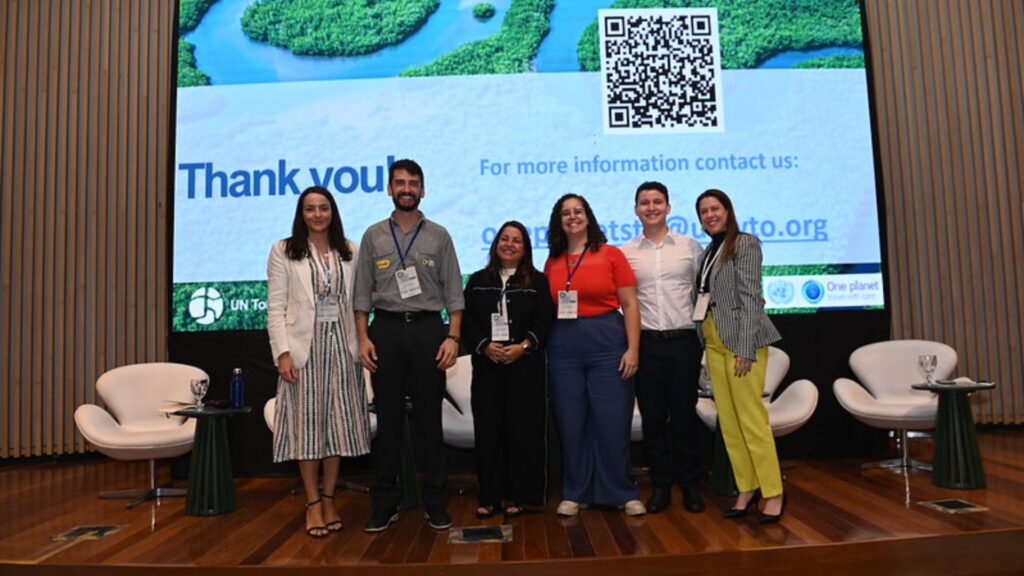
In September, Green Initiative participated in the One Planet Network Forum 2024 in Rio de Janeiro, participating in the panel “Tourism Reimagined: Towards Circular, Low Carbon, Regenerative, and Inclusive Operations.” We shared our work on sustainable tourism and explored how the industry can drive positive environmental change. Our discussion highlighted practical ways to integrate circular economies, low carbon practices, and inclusive approaches in tourism, with valuable contributions from leading organizations like @fundtur.ms, @grupo.cataratas, @embraturbrasil, @unwto, and @unep. This was an inspiring platform to showcase the importance of Climate and Nature Positive organizations and their action initiatives in tourism. As proud signatories of the #GlasgowDeclarationinTourism, we continue to drive climate action in the tourism sector, fostering sustainable operations that benefit both people and the planet—leading by example @greeninitiative.eco. We’re thrilled to congratulate Grupo Cataratas and Amazon Ecopark Jungle Lodge for becoming signatories to the Glasgow Declaration on Climate Action in Tourism! Their commitment to driving climate action in tourism is a decisive step towards reducing emissions and enhancing sustainability within the industry. By joining this global initiative, they are helping to create a more climate-resilient and nature-positive future for tourism. We applaud their leadership and look forward to seeing the positive impact of their efforts! We want to thank all our friends who joined the panel with Matheus Mendes from the Green Initiative team for their brilliant insights during the panel and for contributing to an inspiring discussion. Matheus’s input on circular and regenerative tourism practices was key to demonstrating how tourism can catalyze environmental and social benefits. The collective expertise in the room made for an engaging and impactful session, and we’re grateful to all involved for pushing the conversation forward!

Green Initiative at the One Planet Network Forum 2024 Read More »

Celebrating World Tourism Day with a Global Milestone Green Initiative Wins as World's Leading Sustainable Organisation

Celebrating World Tourism Day with a Global Milestone: Green Initiative Wins as World’s Leading Sustainable Organisation

On this World Tourism Day, Green Initiative is honored to share a significant achievement: winning as the World’s Leading Sustainable Organisation at the 2024 World Sustainable Travel & Hospitality Awards! This recognition underscores our commitment to a greener, more sustainable tourism industry that regenerates rather than depletes. We extend our deepest gratitude to everyone who voted for us and supported our mission to lead the way in sustainable tourism, climate, and nature positive business. This achievement is as much yours as it is ours!” A Legacy of Impactful Tourism Green Initiative has always believed that tourism can be a driving force for good. We’ve pioneered sustainable tourism practices that balance business competitiveness with ecological preservation through our work with partners like Inkaterra Hotels, WorldXchange, and CEPA (Customized Educational Programs Abroad). What It Means to Be the World’s Leading Sustainable Organisation Winning this prestigious award is more than a recognition—it’s a reminder of our responsibility. From reducing the carbon footprints of our certified businesses to pioneering regenerative tourism models, we’ve made great strides in proving that tourism can benefit both people and the planet. Our Ongoing Commitment As we celebrate this milestone, we reaffirm our dedication to continuing our work with partners and clients worldwide to reduce emissions, restore ecosystems, and create sustainable livelihoods for local communities. As we mark World Tourism Day and celebrate this momentous win, we invite you to be part of this journey. Let’s work together to make travel sustainable, responsible, and regenerative—so that future generations can continue to explore the world while preserving its natural beauty. Designated Sites are Integrating Climate Action UNESCO-designated sites like Bonito and Machu Picchu are leading the way in integrating climate action into tourism through innovative practices such as carbon measurement, ecosystem restoration, and waste management solutions. By adopting climate-smart approaches, these destinations are not only reducing emissions but also enhancing community resilience and attracting eco-conscious travelers. Green Initiative’s collaboration with these iconic sites showcases how tourism can actively contribute to global climate goals and serve as a model for sustainable tourism worldwide. Explore our full article to learn how UNESCO Sites Are Pioneering Climate Action in Sustainable Tourism, and leading by example here. We highly recommend downloading Green Initiative’s Climate Action Guide for Tourism Destinations. This essential resource offers practical tools for reducing emissions, improving resource efficiency, and aligning with global climate goals. By following the guide, destinations can enhance resilience, attract eco-conscious travelers, and lead in sustainable tourism. It’s a must-have for those committed to making a positive impact. Contact us to learn more about our projects, certifications, and how we’re working with companies globally to shape a sustainable tourism industry.

Celebrating World Tourism Day with a Global Milestone: Green Initiative Wins as World’s Leading Sustainable Organisation Read More »

How Destinations Can Become Climate Certified and Why It Matters - Green Initiative

How Destinations Can Become Climate Certified and Why It Matters

In today’s climate-conscious world, destinations seeking to be Climate Certified must follow a structured process, provided by Green Initiative. The certifications align them with international sustainability frameworks, including the Paris Agreement and Glasgow Declaration. Here’s how destinations can get certified, and why they should do so. Steps to Climate Certification Why Pursue Certification? Inspiration from Machu Picchu’s Journey A prime example of climate certification success is Machu Picchu, which was recently recertified as Carbon Neutral after achieving an impressive 18.47% reduction in carbon emissions since its 2021 certification. This ancient site has become a global leader in sustainable tourism by implementing comprehensive emission reduction measures, waste management systems, and reforestation projects. Machu Picchu’s journey proves that iconic destinations can effectively align their operations with climate goals while preserving their cultural and natural heritage. By achieving climate certification from Green Initiative, destinations contribute to the global fight against climate change and position themselves as top choices for responsible travelers and businesses. The certification process fosters resilience, ensures compliance with international standards, and paves the way for a sustainable future. You can read the full story here for more on Machu Picchu’s inspiring climate action. How UNESCO-Designated Sites Are Leading Climate Action Destinations looking to achieve climate certification can draw inspiration from UNESCO-designated sites, which are actively integrating climate action into their preservation efforts. As outlined by Green Initiative, UNESCO sites like natural reserves and cultural landmarks are adopting sustainable practices to safeguard both heritage and ecosystems. These sites are not only reducing emissions but also enhancing climate resilience by protecting biodiversity, demonstrating that climate-conscious tourism is feasible and essential for long-term conservation. For more on this topic, visit here. Bonito’s Leadership in Climate Action Another outstanding example of climate certification is Bonito, a renowned ecotourism destination in Brazil. Bonito achieved climate certification through its commitment to sustainability, implementing actions that have reduced its carbon footprint while preserving its natural wonders. Bonito’s certification underlines the importance of eco-friendly practices in tourism, proving that destinations can thrive while protecting their ecosystems. City mayors and tourism leaders can follow Bonito’s lead by engaging with Green Initiative to guide their climate action efforts. “We are here today because this is the result of work done by the destination for many years. Bonito is inherently responsible, and this certification is not just an award but a global commitment that Bonito makes to the world, to become an even more responsible destination. This achievement reflects decades of responsible management, environmental care, and the dedication of local businesses and guides. Celebrate, but also remember that we have an even greater commitment moving forward to achieve more in the coming years.” – Bruno Wendling, president director of Fundtur, emphasized the importance of Bonito’s long-standing efforts in achieving certification. For more information, see here. A Call to Action for City Mayors and Tourism Secretariats City mayors and secretariats play a critical role in shaping sustainable tourism and reducing their cities’ environmental impact. By partnering with Green Initiative, cities can embark on a journey toward climate certification, ensuring a resilient future while promoting eco-friendly tourism. Green Initiative offers expert advisory and guidance, resources, and certification programs to help cities reduce their carbon footprint, protect and restore ecosystems, and lead the way in global climate action. We encourage city leaders to contact us to explore how their destination can become climate-certified and set a benchmark for sustainable urban tourism. We strongly encourage downloading Green Initiative’s Climate Action Guide for Tourism Destinations here. This comprehensive guide provides essential tools and strategies for reducing emissions, improving resource efficiency, and aligning with global climate commitments. By following the steps outlined in the guide, destinations can build resilience, attract eco-conscious travelers, and lead the way in responsible tourism. It’s a critical resource for those ready to take meaningful action for the future. Reach out to us today to start your city’s climate journey!

How Destinations Can Become Climate Certified and Why It Matters Read More »

Setting Climate and Nature Positive Goals A Pathway for Sustainable Business Leadership - Forest Friends Green Initiative

Setting Climate and Nature Positive Goals: A Pathway for Sustainable Business Leadership

In today’s corporate landscape, companies are increasingly adopting climate and nature positive goals to ensure that their business activities reduce environmental harm and contribute to the restoration and preservation of ecosystems. Achieving such goals requires combining strategic planning, emission reduction, and ecosystem restoration. Since our founding, Green Initiative has been helping businesses across various sectors work toward climate positive, carbon neutral, and carbon measured certifications. These certifications enhance organizations’ environmental responsibility and strengthen their market positioning in an era when sustainability is key. What Does It Mean to Be Climate Positive? A climate positive company goes beyond net-zero emissions by actively removing more carbon dioxide from the atmosphere than it emits. This involves efforts such as reducing operational emissions, switching to renewable energy, and supporting nature-based solutions like reforestation and habitat restoration. Achieving climate positive status requires companies to go beyond simply offsetting their carbon footprint. They must engage in activities that directly benefit the environment, ensuring a net positive impact on ecosystems and biodiversity. Certification Pathways: Climate Positive, Carbon Neutral, and Carbon Measured The Green Initiative certification programs provide structured pathways for businesses to reduce their environmental impact and work toward positive outcomes for both the climate and nature: Why Climate Positive Goals Matter? Climate and nature positive goals ensure businesses contribute positively to the planet rather than simply minimizing harm. These goals align with global climate action efforts, such as the Paris Agreement, and support biodiversity preservation under the Convention on Biological Diversity. For businesses, these certifications provide reputational advantages, foster customer loyalty, and attract investment from stakeholders who value sustainability. Companies that achieve climate positive status also position themselves as leaders in the transition to a low-carbon economy. Examples of Companies Setting Climate Positive Goals Here are some examples of businesses that have successfully integrated climate and nature positive goals into their operations through partnerships with Green Initiative: 1. WorldXchange: Pioneering Climate Positive Leadership in Currency Exchange WorldXchange, the first Climate Positive Certified currency exchange company, has set new standards in the financial sector by reducing its carbon footprint by 16% between 2021 and 2023. Furthermore, WorldXchange has gone beyond emissions reductions by planting over 300 trees in Madre de Dios, Peru, and is committed to planting more than 15,000 trees, reaching Forest Friends Accelerator certified partner status. Their efforts, which contribute to carbon sequestration and global climate awareness, position WorldXchange as a forward-thinking leader in integrating sustainability into the financial services sector. 2. Estância Mimosa Ecoturismo: A Leader in Ecotourism and Conservation Located in the heart of Brazil’s Pantanal region, Estância Mimosa Ecoturismo has adopted climate and nature-positive goals to protect the unique ecosystems surrounding its operations. The company has actively reduced its carbon footprint by reforestation projects, sustainable tourism practices, and biodiversity preservation efforts while promoting responsible ecotourism. Their ongoing conservation efforts help offset emissions and contribute to the long-term health of local ecosystems, making them a model for sustainable tourism. 3. Bio-Amayu – AJE Group: Combining Business Growth with Conservation Bio-Amayu, part of the AJE Group, focuses on producing sustainable beverages while protecting the ecosystems in the Amazon Rainforest. By using responsibly sourced ingredients and supporting reforestation projects, Bio-Amayu has made strides toward achieving climate positive goals. In collaboration with Green Initiative, the company is dedicated to reducing its carbon footprint while also investing in the regeneration of Amazonian forests. Their efforts contribute significantly to carbon sequestration and biodiversity protection, exemplifying how businesses can balance economic growth with ecological preservation. 4. Inkaterra Hotels: Regenerative Tourism at Its Best A pioneer in sustainable luxury tourism, Inkaterra Hotels is a shining example of how businesses can align luxury with environmental responsibility. With operations located in some of Peru’s most biodiverse areas, Inkaterra is deeply committed to environmental conservation, scientific research, and the empowerment of local communities. By achieving climate positive certification, Inkaterra supports reforestation and biodiversity conservation projects in the Peruvian Amazon and Andes regions. These efforts are aimed at both offsetting emissions from their hotel operations and contributing to the long-term preservation of Peru’s natural heritage. 5. Kuoda Travel: Promoting Responsible and Sustainable Travel Kuoda Travel, a leading luxury travel company in Peru, has embraced climate positive goals by offering sustainable travel experiences that minimize environmental impact. By partnering with Green Initiative, Kuoda ensures its carbon neutral operations and actively supports conservation efforts through nature-based solutions. Their commitment to reducing the carbon footprint of travel while supporting local conservation projects makes them a leader in the responsible travel sector, ensuring that tourism benefits both people and the planet. How Businesses Can Set and Achieve Climate Positive Goals? For companies aspiring to be climate positive, the Green Initiative certification process provides a roadmap: The Business Case for Climate Positive Goals Businesses that achieve climate positive certification contribute to global climate action and gain a competitive advantage. These companies are well-positioned to adapt to future regulatory changes, attract eco-conscious consumers, and foster greater brand loyalty. Additionally, companies that invest in ecosystem restoration and biodiversity conservation create long-term value for the planet, ensuring that it remains resilient to environmental challenges. Conclusion: Leading the Way Toward a Climate Positive Future The path to becoming climate positive is both an environmental and business imperative. By pursuing certifications through Green Initiative, companies like WorldXchange, Estância Mimosa Ecoturismo, Bio-Amayu – AJE Group, Inkaterra Hotels, and Kuoda Travel are leading the charge in creating a sustainable future. These companies demonstrate that integrating climate and nature positive goals is achievable and essential for long-term business success. By taking proactive steps to reduce emissions and restore ecosystems, businesses can ensure they contribute positively to the environment while benefiting from the growing market demand for sustainability. Now is the time for companies to set ambitious goals and take meaningful action toward building a more resilient, sustainable world. Contact us for expert advice on implementing climate and nature positive strategies in your business.

Setting Climate and Nature Positive Goals: A Pathway for Sustainable Business Leadership Read More »