Aje Group

Machu Picchu Leads Global Climate Action with Its Third Carbon Neutral Certification

Machu Picchu Leads Global Climate Action with Its Third Carbon Neutral Certification

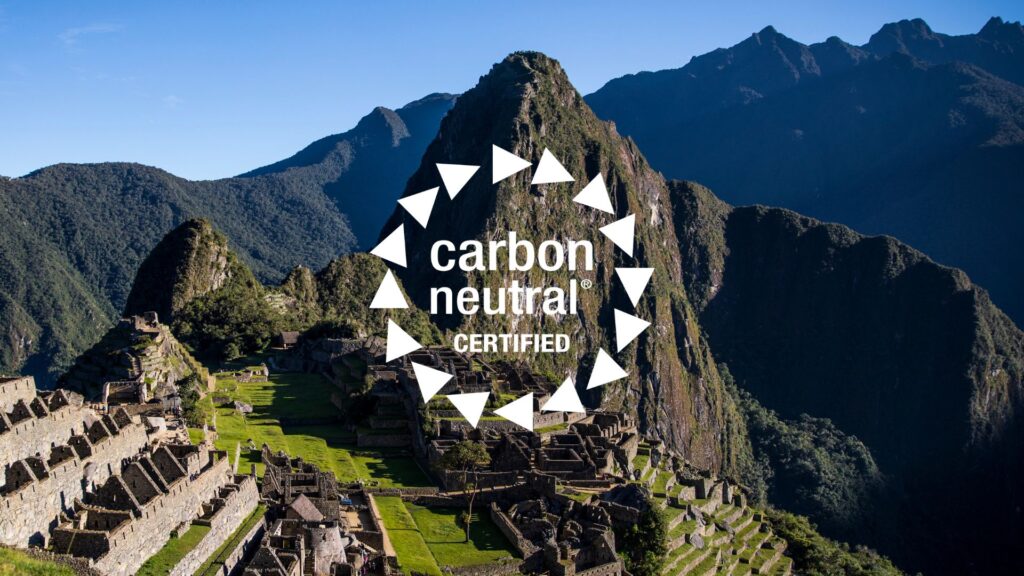
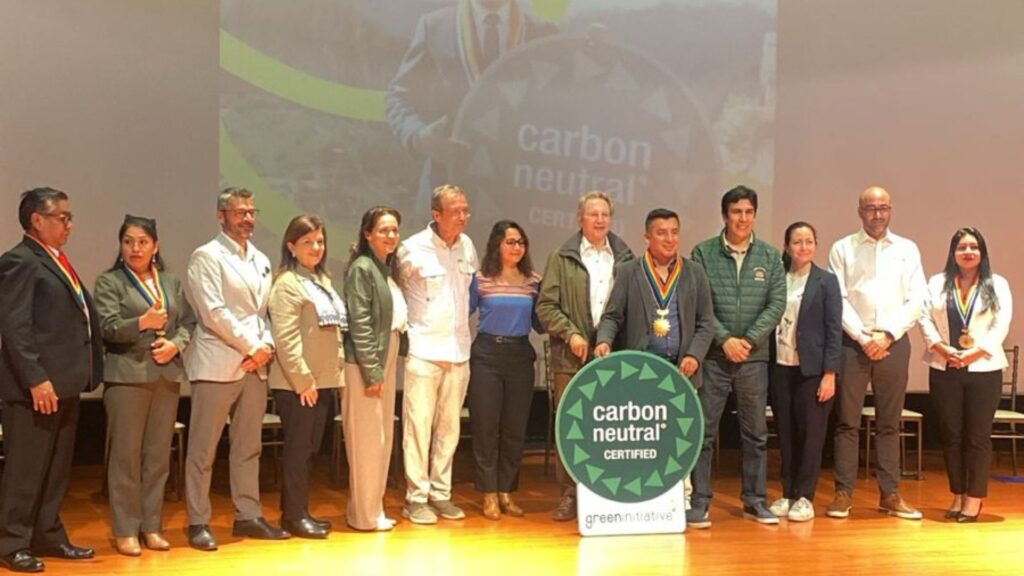
From the heart of the Andes, Machu Picchu once again makes history — not only as a symbol of world heritage, but as a living model of how tourism and climate action can move together toward a shared future. In 2025, the iconic destination achieved its third consecutive Carbon Neutral Certification, granted by Green Initiative, consolidating its leadership in the global movement for climate-positive and nature-positive tourism. A measurable path toward decarbonization Between 2019 and 2024, Machu Picchu achieved a 7.26% reduction in its carbon footprint per tourist, while increasing its carbon capture through reforestation and ecological restoration projects. These results are not symbolic — they are measurable, verifiable, and replicable, proving that the decarbonization of tourism is possible when data, science, and collaboration converge. Behind this achievement lies a rigorous process of measurement, reduction, and compensation aligned with international standards such as the GHG Protocol and IPCC Guidelines. Residual emissions were offset through the retirement of high-integrity carbon credits, ensuring climate integrity and transparency across all levels of reporting. A model built on collaboration The certification reflects four years of work led by the Municipality of Machu Picchu, in collaboration with PROMPERÚ, Inkaterra, AJE Group, BAM (Bosques Amazónicos), SERNANP, Ministry of Culture of Peru (Decentralized Directorate of Culture of Cusco), Tetra Pak, together with partners including CANATUR, LATAM Airlines, MSC, Inka Rail, Peru Rail, Belmond and World Xchange. The process also integrated technical cooperation with UN Tourism, UN Climate Change (UNFCCC), UNCTAD, the Peru Circular Tourism Initiative, the Consulate of the German Embassy in Peru, and the Spanish Agency for International Development Cooperation (AECID). It is a public-private and multilateral alliance that turned ambition into measurable action — a framework now inspiring similar transitions in destinations such as Cabo Blanco, Bonito, and Christ the Redeemer.    Why it matters now A decade after the Paris Agreement, and as the world looks toward COP30, Machu Picchu stands as tangible proof that climate ambition can translate into practical results. Its model merges circular economy practices — such as pyrolysis for biochar production, biodiesel generation from used oils, and recycling of PET plastics, packaging, and glass — with improvements in sustainable mobility through electric vehicles. The integration of these strategies enhances the destination’s resilience to climate change, strengthening its role as a benchmark for regenerative and low-carbon tourism. The entire process follows the principles of transparency and traceability promoted by the Circular Tourism Peru framework, under the commitments of the Glasgow Declaration for Climate Action in Tourism led by UN Tourism. Toward the world’s first Carbon Neutral Tourism Corridor Building on this success, Machu Picchu is now spearheading the creation of the World’s First Carbon Neutral Tourism Corridor, connecting district municipalities from Machu Picchu to Cusco, including Choquequirao. The initiative aims to reduce regional emissions, foster public and private investment, and promote sustainable mobility while creating a more inclusive and climate-smart visitor experience. At the same time, Machu Picchu is expanding its reach through international collaboration with other emblematic World Heritage sites such as Angkor Wat (Cambodia) and Petra (Jordan), to exchange best practices that accelerate the fulfillment of the Paris Agreement and Glasgow Declaration objectives. Voices that inspire global transformation “From the District Municipality of Machu Picchu, we remain committed to continuously monitoring our carbon footprint and promoting policies that foster a circular and regenerative economy in harmony with nature.”— Elvis La Torre, Mayor of Machu Picchu “Through public–private and multilateral collaboration, we can achieve remarkable results in decarbonizing the economy. The experience accumulated here — and that we aim to scale worldwide — shows that tourism and climate action must go hand in hand.” — Gustavo Santos, Regional Director for the Americas, UN Tourism “Machu Picchu’s leadership highlights the impact of years of scientific data collection and standardization. Climate action becomes tangible when grounded in science and collaboration.” — Daniel Galván Pérez, UN Climate Change “Machu Picchu not only represents the greatness of our history and culture, but also Peru’s commitment to a sustainable future. Being the first World Cultural Heritage Site to achieve carbon neutrality is a milestone that reflects how tourism can be a positive force for conservation and development. Today, travelers around the world seek experiences that connect with nature and respect the environment; Machu Picchu demonstrates that it is possible to experience cultural heritage in harmony with the planet. This achievement inspires us to continue promoting tourism that protects, values, and transforms.” — María del Sol Velásquez, Director of Tourism Promotion, PROMPERÚ “The certification of Machu Picchu as a carbon-neutral destination marked a milestone in the environmental management of Peruvian tourism. This achievement opens the opportunity to move toward a more ambitious model, where tourist destinations strengthen their resource efficiency, reduce their carbon footprint, foster innovation, and consolidate the participation of local communities. At MINCETUR, we work to ensure that this example inspires other destinations to advance on the path toward sustainability and resilience, in alignment with the country’s climate commitments.” — Sophia Dávila, Director of the Directorate of Environmental Tourism Affairs, MINCETUR. “Tourism drives growth in many developing countries, but its future must be sustainable. Machu Picchu’s Carbon Neutral Certification is an example that it is possible to align decarbonization goals with economic development, making the sector a true ally of climate action.” — Claudia Contreras, Economic Affairs Officer, UNCTAD “Tourism does not only move economies — it moves memories, territories, and shared purpose. From CANATUR PERU, we promote a collaborative network within the sector that seeks to transform every destination into a node of sustainability, traceability, and resilience. Machu Picchu stands today as the living symbol of this transformation, reminding us that heritage is not simply preserved — it is managed with legitimacy, sensitivity, and a shared vision.” — Carlos Loayza, General Manager, CANATUR “The Carbon Neutral Certification symbolizes what happens when companies act with purpose. At AJE Group, we reaffirm our commitment to solutions that combine innovation, sustainability, and social well-being.” — Jorge Lopes-Dóriga, Director of Communication and Sustainability, AJE Group “For

Machu Picchu Leads Global Climate Action with Its Third Carbon Neutral Certification Read More »
Bio Amayu's Climate Positive Journey AJE Group Redefining Sustainable Beverages in 2024

Bio Amayu’s Climate Positive Journey: AJE Group Redefining Sustainable Beverages in 2024

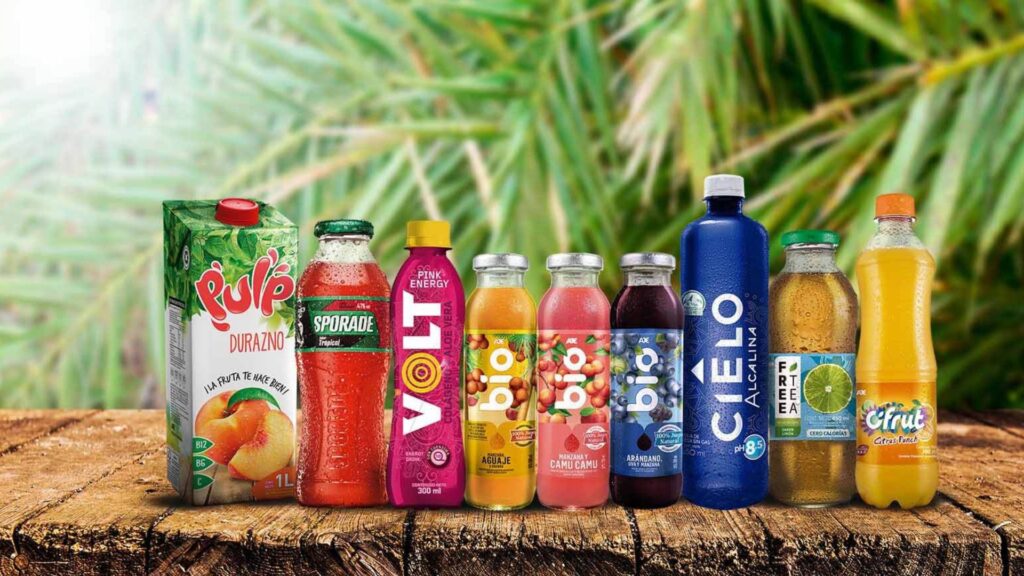
Bio Amayu, a brand developed by the renowned AJE Group, is setting new standards in sustainability and innovation within the beverage industry. In 2022, Bio Amayu earned the prestigious Climate Positive certification for its fruit beverages, featuring unique flavors like Açaí, Aguaje, Goldenberry, and Camu Camu. This recognition showcased the environmental benefits of its products and the brand’s unwavering commitment to forest conservation and community empowerment. AJE Group’s Vision and BioAmayu’s Mission As a leader in the beverage sector, AJE Group’s investment in Bio Amayu reflects its dedication to creating environmentally conscious products. Bio Amayu is more than a brand—it is part of a broader initiative to combat climate change through sustainable innovation. At the core of Bio Amayu’s mission is its commitment to being Naturre Positive through forest conservation and biodiversity protection. By working closely with local communities, the brand ensures its practices prevent deforestation while promoting social and ecological well-being. 2024 Recertification: Continuing the Climate Positive Journey In November 2024, Bio Amayu began recertifying its Climate Positive status, reaffirming its dedication to sustainability. The rigorous evaluation includes a detailed analysis of the greenhouse gas (GHG) emissions generated during production and an assessment of the climate mitigation measures implemented since the initial certification. This recertification reflects AJE Group and Bio Amayu’s commitment to transparency and continuous improvement in their environmental impact. “Superfruits that Preserve Forests” is the essence of our BIO Amayu brand, a model that has become a global example to follow. During COP28, we had the opportunity to present this initiative, which generates demand for superfruits from the jungle such as aguaje, camu camu, and açaí. These fruits are sustainably harvested by Amazonian communities, who commit to keeping the forest standing and receive fair payment in return. Through this value chain, we have supported over 200 families across 24 Amazonian communities. Scalable examples like this are rare. We started in Peru and have since expanded, creating sustainable value chains in communities in Ecuador, Colombia, and Thailand. At AJE Group, we aim for the superfruit model to inspire other companies to generate positive impacts on biodiversity and actively protect forests. This is what we call the true Natural Revolution—a new paradigm post-Industrial Revolution, where megadiverse countries like Peru hold a competitive advantage. Through the Natural Revolution, we invite all companies to rethink their business models—not just focusing on people and meeting their needs but placing Mother Earth at the center of their goals. Without nature and forests, there will be no civilization, no businesses, and no future. Therefore, companies must shift their mindset and begin to create models and initiatives rooted in the Natural Revolution. Only by doing so can we give back to Mother Earth and society all that they have given us.” – Jorge López- Doriga, Chief Comunication and Sustainability Officer · AJE “None of this would have been possible without the support of the Añaños family, who serve as the advisory council of the group. They have continuously supported this dream. From the very beginning, we committed to doing things in a consistent and responsible way, building a sustainable reality. What’s amazing about our juices—and now our shots—is that this is a tangible reality; it’s something concrete. Our products have become ambassadors of sustainability, and little by little, people are recognizing this.” – Alberto Suárez, Manager of Amarumayu at AJE Group Introducing Bio Amayu Shots As part of the 2024 recertification, Bio Amayu includes its latest innovation: Bio Amayu Shots. These nutrient-packed, concentrated beverages showcase the brand’s dedication to expanding its product range while maintaining its commitment to climate positivity. By evaluating the environmental footprint of these new products, Bio Amayu ensures that its sustainability principles extend across its entire portfolio. Why Bio Amayu and AJE Group Are Leading the Way Bio Amayu, supported by AJE Group’s visionary leadership, exemplifies how businesses can align with global efforts to combat climate change. By focusing on sustainable practices, fostering local community partnerships, and innovating with accountability, Bio Amayu sets a benchmark for the beverage industry and beyond. In a world where addressing climate change is an urgent priority, Bio Amayu’s journey inspires hope and action. Its Climate Positive certification is a reminder that choosing the right products can make a difference for the planet. Supporting Bio Amayu: A Simple Step Toward Sustainability By choosing Bio Amayu, you support a brand that values environmental conservation, community development, and innovative solutions to global challenges. From their flavorful fruit beverages to the new Bio Amayu Shots, the brand offers consumers a chance to enjoy great products while contributing to a healthier planet Bio Amayu, with the backing of AJE Group, continues to push the boundaries of sustainable innovation. Its commitment to forest preservation, climate action, and premium product development is a blueprint for a greener, more equitable future. Let’s give Bio Amayu and AJE Group a cheers glass for their leadership in climate-positive business practices—one drink at a time. Written by Erika Rumiche from the Green Initiative Team. Related Posts

Bio Amayu’s Climate Positive Journey: AJE Group Redefining Sustainable Beverages in 2024 Read More »

Machu Picchu - The First UNESCO Designated Site To Renew Its 'Carbon Neutral' Certification - Green Initiative

Machu Picchu – The First UNESCO Designated Site – To Renew Its ‘Carbon Neutral’ Certification

On June 27th, 2024, Machu Picchu will proudly announce the renewal of its prestigious certification as the world’s first Carbon-Neutral UNESCO Designated Site, granted by the Green Initiative. This achievement follows a rigorous certification process that began in 2021, involving comprehensive analyses of scopes 1, 2, and 3 emissions. This time, the carbon footprint data will be compared to its baseline to verify its climate mitigation performance. Since its initial certification, Machu Picchu has been at the forefront of decarbonization efforts. Through a combination of innovative decarbonization practices such as the restoration of degraded areas, waste pyrolysis, biodiesel production from recycled oils, and the implementation of PET plastic and cardboard compactor plants, there are high expectations for the decarbonization results achieved. These efforts have also helped enhance local ecosystems by planting 6,596 native trees across 5 hectares. Recognized by UN Tourism, UNESCO, and other esteemed international bodies, Machu Picchu’s renewal as a Carbon-Neutral UNESCO Designated Site reaffirms its role as a global leader in climate action and circular economy practices. This achievement not only underscores Machu Picchu’s cultural and natural significance but also its unwavering dedication to preserving these treasures for future generations. Behind The Machu Picchu Certification In 2021, Green Initiative, in coordination with the District Municipality of Machu Picchu, along with the strategic collaboration from InkaTerra, AJE Group, SERNANP, and Promperu, certified Machu Picchu as the world’s first Carbon Neutral UNESCO Designated Site. The certification process included a comprehensive analysis of scopes 1, 2, and 3, totaling 7,143.51 tCO2. The certification aims to promote the decarbonization of Machu Picchu´s as as tourism destination, by enhancing public and private collaboration, positioning Machu Picchu as an international reference for climate action in tourism, aligned with the United Nations’ Glasgow Declaration. Additionally, the certification seeks to attract public and private financing to drive investment agendas that will enable the execution of Machu Picchu’s decarbonization plan. This plan will allow the destination to continue its journey towards decarbonization and fulfillment of international commitments under Green Initiative’s Carbon Neutral Certification. Moreover, the certification plays a crucial role in the international positioning of Machu Picchu and Peru as a leading destination, being the world’s first Carbon Neutral UNESCO Designated Site. The certification all generates additional opportunities that add value to Promperu’s and the private sector’s efforts to promote Machu Picchu nationally and internationally as the world’s first Carbon Neutral UNESCO Designated Site. For further updates on Machu Picchu’s journey towards carbon neutrality and sustainable tourism practices, visit greeninitiative.eco. Usefull links:

Machu Picchu – The First UNESCO Designated Site – To Renew Its ‘Carbon Neutral’ Certification Read More »

How Companies Sharing Climate Commitments are Coming Together to Reduce Transaction Costs and Accelerate Decarbonization - Green Initiative

How Companies Sharing Climate Commitments are Coming Together to Reduce Transaction Costs and Accelerate Decarbonization

In an era when environmental responsibility is no longer optional, companies worldwide are recognizing the necessity of committing to climate action. This shared commitment is a moral imperative and a strategic business decision. By collaborating, companies are discovering that they can more effectively reduce their transaction costs and accelerate the decarbonization of their operations. The tourism industry provides a compelling example of how this synergy works. Tourism: A Case Study in Collaborative Climate Action Tourism is an industry with significant environmental impacts, but it also has vast potential for positive change. Two companies, Kuoda Travel, and Inkaterra Hotels, exemplify how businesses can leverage shared climate commitments to achieve greater sustainability and economic efficiency. Kuoda Travel: Reducing Carbon Footprints Through Sustainable Accommodations Kuoda Travel, a US-based tourism operator, is integrating accommodations that comply with international climate standards into its tourism experiences. This strategic move is more than a marketing angle; it’s a substantial step towards reducing its carbon footprint. By choosing partners who prioritize sustainability, Kuoda Travel is minimizing its environmental impact and reducing its carbon mitigation costs. This cost reduction makes their commitment to net zero emissions more feasible and financially sustainable. “At Kuoda, we dedicate ourselves to responsible business practices just as much as we encourage mindful travel practices. For this reason, we spent the last several years committed to minimizing our environmental impact as much as possible. Thanks to Green Initiative, in 2019, Kuoda became Carbon Neutral as the first step towards bold climate action and protection by signing The Glasgow Declaration on Climate Action in Tourism. In 2022, we took it one step further and became a certified Climate Positive business, going beyond neutrality alone and instead finding ways to actively benefit and improve the environment by removing harmful gasses from the atmosphere.” Inkaterra Hotels: Gaining a Competitive Edge On the other hand, Inkaterra Hotels, renowned as the first climate-positive hotel group in the world, gains a competitive advantage by partnering with like-minded companies such as Kuoda Travel. Inkaterra’s climate-positive status means they go beyond achieving net zero emissions by actively removing more carbon dioxide from the atmosphere than they emit. This distinction positions them as an attractive and responsible business partner, appealing to eco-conscious travelers and businesses. Inkaterra annually caters to more than 200,000 travellers. It has been recipient of the 2015 PURE Award on the ‘Contribution to Experiential Travel’ category; the Relais & Châteaux Environment Trophy (2013); WTTC Tourism for Tomorrow Awards in the Conservation Category (2012); Travel+Leisure Global Vision Award (2011); and National Geographic Traveler’s Best Practices Award for Sustainable Travel (2002). In 2012 Inkaterra became the first world hotel enterprise to be recognized with the International Certificate in Sustainable Tourism by the CU Green Choice Sustainable Tourism Standard. More than 4,000 locals have been trained since Inkaterra was founded. Career opportunities on hospitality, field guidance and agroforestry projects on cacao and Brazil nut, are bonded to Inkaterra’s sustainable approach. Workshops and conferences are constantly organized for local communities to raise awareness on environmental care. Logistics: Electric Trucks Powering Sustainable Distribution Delphin Group and BioAmayu have formed a partnership in the logistics sector that showcases the benefits of shared climate commitments. Delphin Group provides electric trucks for last-mile logistical services, significantly reducing emissions associated with delivery. BioAmayu, the first climate-positive fruit juice made from Amazon-sourced ingredients, benefits from this low-carbon distribution mode. This collaboration is further strengthened by AJE Group‘s investment in electric trucks, demonstrating how joint efforts can drive sustainability and operational efficiency. Through this partnership, BioAmayu can distribute its products in an environmentally responsible manner, setting a precedent for other companies to follow. The Synergy of Shared Values The collaboration between Kuoda Travel and Inkaterra Hotels, as well as Delpin Group and BioAmayu, are collaborative cases. They reflect a growing trend where companies with shared values in climate action understand the mutual benefits of working together. By aligning their business practices with environmental goals, these companies can achieve: Global Implications and Future Prospects This collaboration model is gaining traction worldwide. As more companies recognize that climate action is good for the planet and beneficial for their bottom line, we can expect to see increased partnerships similar to those of Kuoda Travel and Inkaterra Hotels. This approach is a testament to the power of collective action in addressing global challenges. In conclusion, integrating climate commitments into business operations and partnerships is proving to be a viable strategy for reducing transaction costs and accelerating the decarbonization of operations. The tourism industry’s example shows that when companies unite under a common cause, they can achieve remarkable outcomes that benefit both their businesses and the environment. Written by the Green Initiative team.

How Companies Sharing Climate Commitments are Coming Together to Reduce Transaction Costs and Accelerate Decarbonization Read More »

BioAmayu Becomes the World’s First Certified Climate-Positive Fruit Juice

From Commitment to Action: BioAmayu Becomes the World’s First Certified Climate-Positive Fruit Juice

New Business Models Emerge to Combat Deforestation in Peru as AJE Group Introduces Eco-Friendly BioAmayu Fruit Juice Peru lost over 2,000 hectares of forest in 2020, the largest amount in two decades, and deforestation rates have worsened over time. In this context, private-sector-led initiatives are striving to create new business models that have a positive impact on climate and biodiversity, aligning environmental protection with economic competitiveness. As part of this effort, AJE Group has developed an Amazon-based fruit juice, BioAmayu, that aims to provide a uniquely eco-friendly consumer experience. Reflecting Increased Corporate Focus on Environmentalism BioAmayu was launched in 2018, before the COVID-19 pandemic offered a stark reminder of the need to reconcile mankind’s relationship with the natural world. Moreover, the protection of forests and restoration of degraded ecosystems is vital to mitigate global warming and safeguard the planet’s health. In recent years, AJE Group and other firms have redoubled their efforts to integrate environmentalism into their corporate culture and business models. In April 2022, AJE Group began the process of certifying BioAmayu as the world’s first climate-positive fruit juice. A Model for Sustainability and Community Empowerment in the Amazon Rainforest BioAmayu’s production methods support the conservation and sustainable use of 112,000 hectares of forest in the Peruvian Amazon, which sequester an estimated 400,000 tons of atmospheric C02. Fruit harvesting is conducted sustainably by Amazonian communities, which sell their produce directly to AJE Group, creating strong financial incentives to protect fruit trees, respect the cycles of nature, and manage forest resources responsibly. As a result, BioAmayu’s production contributes to healthier ecosystems with a more robust capacity to provide ecosystem services, including carbon capture. To date, more than 700,000 kilos of fruit have been purchased from Amazonian communities, benefitting more than 200 families in 24 Amazonian communities in Pacaya Samiria National Reserve, Manu National Park, National Reserve Pucacuro, and the Allpahuayo Mishana National Reserve. As a member of the United Nations “Race to Zero” initiative since December 2021, AJE Group implements its corporate commitment to climate action consistently and transparently. Jorge López-Dóriga, Global Director of Communications and Sustainability for AJE Group, has emphasized the firm’s commitment to driving transformative change in the beverage industry, stating – AJE Group Achieves Industry Leadership in Environmental Sustainability BioAmayu received its climate-positive certification on 7th December 2022, the certificate was provided by Green Initiative, marking a key milestone in AJE Group’s efforts to reduce its carbon footprint and position itself as an industry leader in environmental sustainability. Green Initiative Recognizes AJE Group as Global Champion for Climate Action and Biodiversity Protection, Encourages Acceleration of Net-Zero Emissions by 2050 At Green Initiative, we believe that AJE Group can become a global champion for climate action and the protection of biodiversity by continuing to integrating these values into its business model, as well as influencing its global value chains, in an attempt to accelerate their transition to net-zero emissions by 2050.

From Commitment to Action: BioAmayu Becomes the World’s First Certified Climate-Positive Fruit Juice Read More »