Regenerative Tourism

Braztoa Sustainability Award 2025: Green Initiative Among the Finalists

Braztoa Sustainability Award 2025: Green Initiative Among the Finalists

Belém, Brazil — November 2025. Green Initiative is honored to be among the finalists of the Braztoa Sustainability Award 2025, one of the most prestigious recognitions for responsible tourism in Brazil. The award celebrates organizations, destinations, and projects that are transforming Brazilian tourism through innovation, inclusion, and sustainable development. The award ceremony will take place on December 8th at the Teatro Estação Gasômetro, in Belém, Pará — a symbolic setting where the Amazon rainforest meets the future of sustainable tourism. The event will bring together visionary leaders, entrepreneurs, and institutions that are driving systemic change across the tourism sector. A Celebration of Innovation and Purpose As a finalist, Green Initiative joins an inspiring network of organizations that demonstrate how tourism can be a force for positive impact — empowering communities, protecting ecosystems, and advancing climate and nature-positive practices. Beyond the ceremony, participants will experience two days of activities designed to foster collaboration and exchange: Strengthening Brazil’s Leadership in Sustainable Tourism For Green Initiative, being recognized among the finalists reaffirms its commitment to supporting destinations, communities, and businesses in achieving climate and nature-positive tourism, through measurable certifications, circular economy practices, and ecosystem restoration programs across Latin America. This recognition reflects our shared mission to make sustainability not just a commitment, but a daily practice — from the Andes to the Amazon, from local communities to World Heritage sites,” said Karla de Melo, Global Head of Reputation at Green Initiative. The Braztoa Sustainability Award continues to play a key role in amplifying the voices and actions that are shaping the future of tourism in Brazil and beyond — rooted in responsibility, creativity, and genuine care for the planet. Toward a Climate-Positive Future for Tourism As the tourism sector accelerates its transition toward sustainability, Green Initiative invites destinations, companies, and travelers to take the next step. Download the Global Climate Action Guide for Tourism Businesses and Destinations, available in English and Portuguese, to explore practical pathways for achieving climate- and nature-positive impact — from carbon measurement and certification to ecosystem restoration and circular economy solutions. Together, we can build tourism back better — for people, for nature, and for the planet. Discover more about Braztoa here. This article was written by Yves Hemelryck from the Green Initiative Team. Related Reading
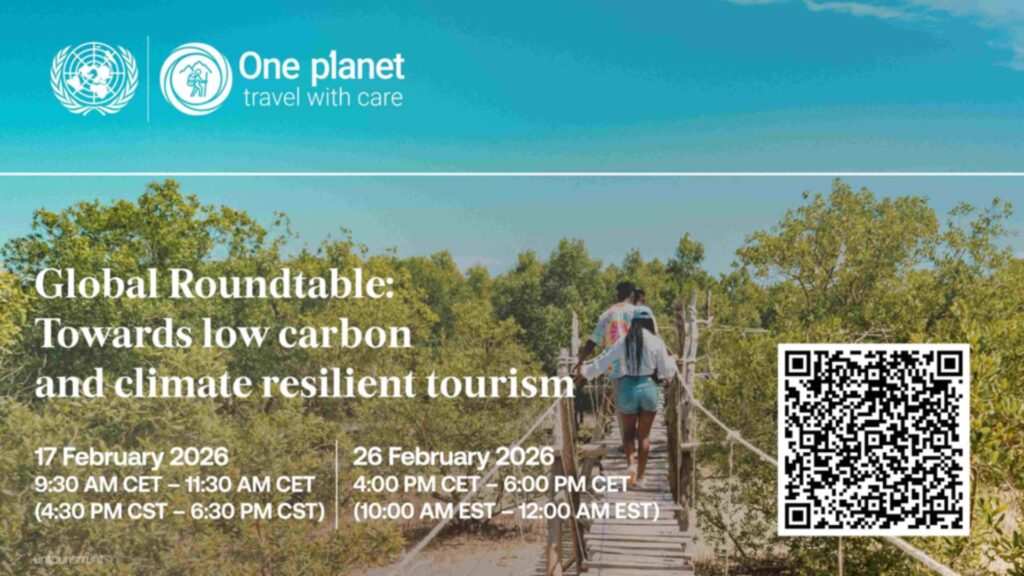
Braztoa Sustainability Award 2025: Green Initiative Among the Finalists Read More »

World Heritage Sites Call to Net for Climate Action in Tourism

Machu Picchu and Christ the Redeemer Lead Global Call to Climate Action in Tourism

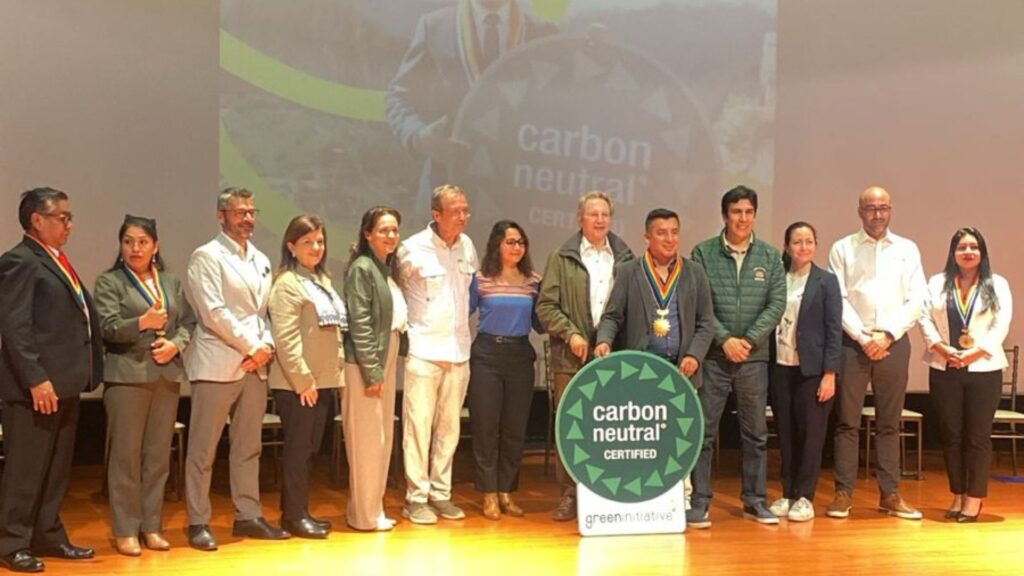
A New Boost to Global Collaboration among World Heritage Sites Inspired by Machu Picchu — and a Call for More to Join Machu Picchu, the world’s most iconic mountain sanctuary, has once again become a source of inspiration for global climate action in tourism. During the celebration of its third consecutive Carbon Neutral Certification, leaders and representatives from emblematic heritage destinations gathered to reaffirm a shared commitment to sustainability and climate responsibility. Inspired by the words and vision of Gustavo Santos, Regional Director for the Americas at UN Tourism, and guided by the transformative energy felt in Machu Picchu, the historic “World Heritage Sites: Call to Net for Climate Action in Tourism” was signed — a collective declaration by heritage destinations determined to accelerate measurable and impactful climate action through tourism. Heritage as a Living Force for Change Heritage sites are more than cultural or natural landmarks — they are living symbols of ecological richness and human achievement. Every day, they welcome thousands of visitors, offering a powerful platform to influence awareness, behavior, and policy implementation on a global scale. Far from being passive backdrops for tourism, heritage sites are active agents of change. Many of the civilizations that built them once thrived in harmony with nature, but the absence of preservation and adaptation over time led to deterioration and loss. Today, these places remind us that preserving heritage is preserving humanity itself — and that climate action in tourism is one of the most effective ways to ensure their protection for generations to come. The Call to Net: From Heritage to Hope The World Heritage Sites: Call to Net for Climate Action in Tourism, supported by Green Initiative, brings together managers and stakeholders from emblematic destinations in a global call to action. As sites of exceptional cultural and natural value, these destinations hold a unique position to demonstrate that tourism can be both a source of economic vitality and a driver of climate- and nature-positive transformation. The initiative aligns with the principles of the UN Tourism Glasgow Declaration, advancing measurable climate strategies that integrate low-emission operations, ecosystem conservation, community engagement, and visitor education across participating sites. The first signatories include representatives of Machu Picchu (Peru), Tikal (Guatemala), the Galápagos Islands (Ecuador), Foz do Iguaçu, Bonito, the Pantanal and Christ the Redeemer (Brazil), along with delegations from Belize, UN Tourism and UNCTAD, marking the beginning of a powerful movement for climate action in tourism. Networking together — by sharing best practices, engaging local communities, and amplifying visible climate action — the initiative aims to catalyze a broader shift across the tourism industry, moving from isolated sustainability efforts to coordinated and large-scale mitigation and preservation strategies. This network is conceived as a grassroots movement led by the Global South, grounded in equity, transparency, and the collective urgency to respond to the climate crisis. And it is open for more heritage sites worldwide to join — from the Andes to Angkor, from Petra to Patagonia — amplifying the shared mission of transforming tourism into a true force for regeneration. Scaling Climate Action Through Tourism As Gustavo Santos emphasized: “This achievement demonstrates that through public–private and multilateral collaboration we can achieve remarkable results in decarbonizing the economy, moving closer to the climate goals humanity must reach. The certification experience accumulated here — and which we seek to scale across the Americas and worldwide — shows that tourism and climate action can and must go hand in hand.” Through collaboration among governments, private organizations, and local communities, the Call to Net sets a roadmap for transformative action — one where heritage destinations become living laboratories for sustainable development and climate innovation. A Pathway to Achieving National Climate Goals This initiative extends beyond the tourism sector. It represents a scalable model for countries striving to meet their Nationally Determined Contributions (NDCs) under the Paris Agreement. By measuring and reducing emissions, restoring ecosystems, and promoting circular economy solutions, heritage destinations can contribute directly to national and global climate targets while enhancing local livelihoods and resilience. A Legacy for the Planet From the heart of the Andes, Machu Picchu demonstrates that heritage preservation and climate action are deeply intertwined — two sides of the same mission to protect our planet and our shared future. As this movement expands, each participating destination adds its voice, its innovation, and its hope — proving that the places that defined our past can also lead the way toward a climate-positive future. 🌍 The Call to Net is open — heritage sites worldwide are invited to join. 📍 Machu Picchu, November 6, 2025 🔗 Read the full declaration: World Heritage Sites: Call to Net for Climate Action in Tourism This article was written by Tatiana Otaviano from the Green Initiative Team. Related Reading
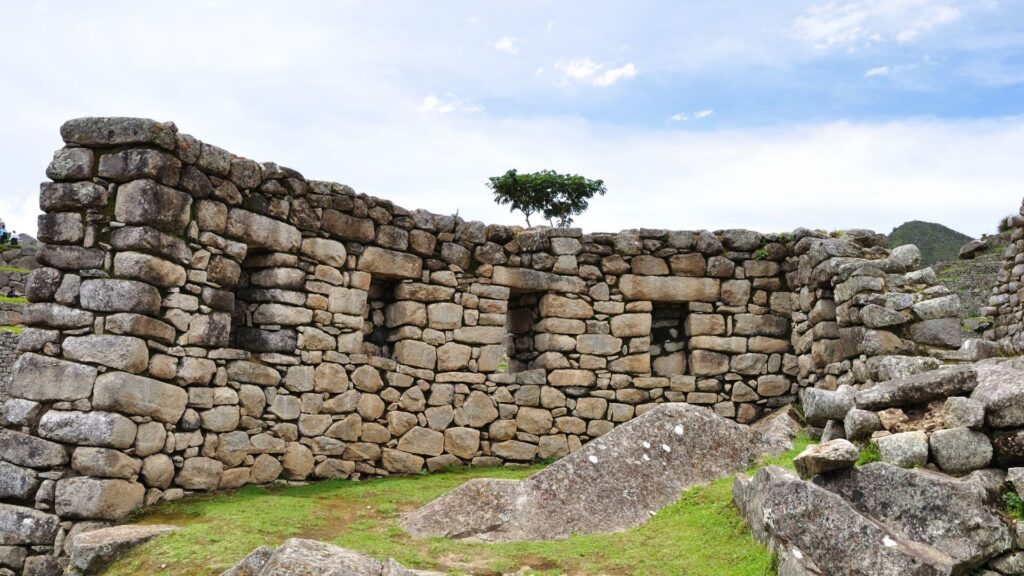
Machu Picchu and Christ the Redeemer Lead Global Call to Climate Action in Tourism Read More »

Machu Picchu Leads Global Climate Action with Its Third Carbon Neutral Certification

Machu Picchu Leads Global Climate Action with Its Third Carbon Neutral Certification

From the heart of the Andes, Machu Picchu once again makes history — not only as a symbol of world heritage, but as a living model of how tourism and climate action can move together toward a shared future. In 2025, the iconic destination achieved its third consecutive Carbon Neutral Certification, granted by Green Initiative, consolidating its leadership in the global movement for climate-positive and nature-positive tourism. A measurable path toward decarbonization Between 2019 and 2024, Machu Picchu achieved a 7.07% reduction in its carbon footprint per tourist, while increasing its carbon capture through reforestation and ecological restoration projects. These results are not symbolic — they are measurable, verifiable, and replicable, proving that the decarbonization of tourism is possible when data, science, and collaboration converge. Behind this achievement lies a rigorous process of measurement, reduction, and compensation aligned with international standards such as the GHG Protocol and IPCC Guidelines. Residual emissions were offset through the retirement of high-integrity carbon credits, ensuring climate integrity and transparency across all levels of reporting. A model built on collaboration The certification reflects four years of work led by the Municipality of Machu Picchu, in collaboration with PROMPERÚ, Inkaterra, AJE Group, BAM (Bosques Amazónicos), SERNANP, Ministry of Culture of Peru (Decentralized Directorate of Culture of Cusco), Tetra Pak, together with partners including CANATUR, LATAM Airlines, MSC, Inka Rail, Peru Rail, Belmond and World Xchange. The process also integrated technical cooperation with UN Tourism, UN Climate Change (UNFCCC), UNCTAD, the Peru Circular Tourism Initiative, the Consulate of the German Embassy in Peru, and the Spanish Agency for International Development Cooperation (AECID). It is a public-private and multilateral alliance that turned ambition into measurable action — a framework now inspiring similar transitions in destinations such as Cabo Blanco, Bonito, and Christ the Redeemer.    Why it matters now A decade after the Paris Agreement, and as the world looks toward COP30, Machu Picchu stands as tangible proof that climate ambition can translate into practical results. Its model merges circular economy practices — such as pyrolysis for biochar production, biodiesel generation from used oils, and recycling of PET plastics, packaging, and glass — with improvements in sustainable mobility through electric vehicles. The integration of these strategies enhances the destination’s resilience to climate change, strengthening its role as a benchmark for regenerative and low-carbon tourism. The entire process follows the principles of transparency and traceability promoted by the Circular Tourism Peru framework, under the commitments of the Glasgow Declaration for Climate Action in Tourism led by UN Tourism. Toward the world’s first Carbon Neutral Tourism Corridor Building on this success, Machu Picchu is now spearheading the creation of the World’s First Carbon Neutral Tourism Corridor, connecting district municipalities from Machu Picchu to Cusco, including Choquequirao. The initiative aims to reduce regional emissions, foster public and private investment, and promote sustainable mobility while creating a more inclusive and climate-smart visitor experience. At the same time, Machu Picchu is expanding its reach through international collaboration with other emblematic World Heritage sites such as Angkor Wat (Cambodia) and Petra (Jordan), to exchange best practices that accelerate the fulfillment of the Paris Agreement and Glasgow Declaration objectives. Voices that inspire global transformation “From the District Municipality of Machu Picchu, we remain committed to continuously monitoring our carbon footprint and promoting policies that foster a circular and regenerative economy in harmony with nature.”— Elvis La Torre, Mayor of Machu Picchu “Through public–private and multilateral collaboration, we can achieve remarkable results in decarbonizing the economy. The experience accumulated here — and that we aim to scale worldwide — shows that tourism and climate action must go hand in hand.” — Gustavo Santos, Regional Director for the Americas, UN Tourism “Machu Picchu’s leadership highlights the impact of years of scientific data collection and standardization. Climate action becomes tangible when grounded in science and collaboration.” — Daniel Galván Pérez, UN Climate Change “Machu Picchu not only represents the greatness of our history and culture, but also Peru’s commitment to a sustainable future. Being the first World Cultural Heritage Site to achieve carbon neutrality is a milestone that reflects how tourism can be a positive force for conservation and development. Today, travelers around the world seek experiences that connect with nature and respect the environment; Machu Picchu demonstrates that it is possible to experience cultural heritage in harmony with the planet. This achievement inspires us to continue promoting tourism that protects, values, and transforms.” — María del Sol Velásquez, Director of Tourism Promotion, PROMPERÚ “The certification of Machu Picchu as a carbon-neutral destination marked a milestone in the environmental management of Peruvian tourism. This achievement opens the opportunity to move toward a more ambitious model, where tourist destinations strengthen their resource efficiency, reduce their carbon footprint, foster innovation, and consolidate the participation of local communities. At MINCETUR, we work to ensure that this example inspires other destinations to advance on the path toward sustainability and resilience, in alignment with the country’s climate commitments.” — Sophia Dávila, Director of the Directorate of Environmental Tourism Affairs, MINCETUR. “Tourism does not only move economies — it moves memories, territories, and shared purpose. From CANATUR PERU, we promote a collaborative network within the sector that seeks to transform every destination into a node of sustainability, traceability, and resilience. Machu Picchu stands today as the living symbol of this transformation, reminding us that heritage is not simply preserved — it is managed with legitimacy, sensitivity, and a shared vision.” — Carlos Loayza, General Manager, CANATUR “The Carbon Neutral Certification symbolizes what happens when companies act with purpose. At AJE Group, we reaffirm our commitment to solutions that combine innovation, sustainability, and social well-being.” — Jorge Lopes-Dóriga, Director of Communication and Sustainability, AJE Group “For BAM, it is an honor to have contributed for the third consecutive year to the certification of Machu Picchu as a carbon-neutral destination, through the emission reductions generated by our REDD+ Castañeros project. This project protects more than 600,000 hectares of unique forests and directly benefits more than

Machu Picchu Leads Global Climate Action with Its Third Carbon Neutral Certification Read More »

How Bonito, Brazil and FundTur (State Tourism Authority) Created the World's First Carbon Neutral Ecotourism Destination, And What It Means for Tourism Worldwide

How Bonito, Brazil and FundTur (State Tourism Authority) Created the World’s First Carbon Neutral Ecotourism Destination, And What It Means for Tourism Worldwide

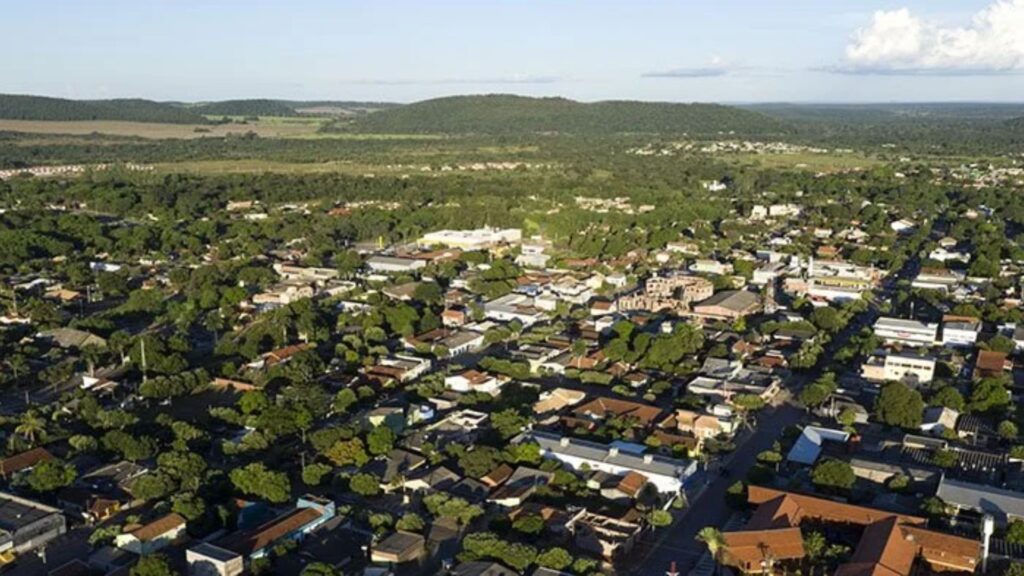
A small Brazilian municipality and state-level vision proved that tourism growth and decarbonization aren’t just compatible, they’re mutually reinforcing When the UN declared climate urgency in March 2021, followed by the Glasgow Declaration on Climate Action in Tourism that November, the global tourism industry faced a fundamental challenge: how to reconcile economic growth with climate responsibility. The goals were clear, commitments were made, but concrete examples of practical implementation were scarce. Then came Bonito, a municipality of 24,761 inhabitants in Mato Grosso do Sul, Brazil. What happened there over the following three years would fundamentally change the conversation about sustainable tourism. Bonito built a replicable model that proves destinations can grow their visitor numbers while simultaneously reducing their carbon footprint. The results speak for themselves: 52.49% growth in visitor arrivals alongside a 4.65% reduction in emissions per tourist. For an industry searching for proof that climate action and economic development can coexist, Bonito became the living laboratory the world needed. The Vision That Started It All Bruno Wendling, Executive Director of the Mato Grosso do Sul Tourism Foundation (FUNDTUR), saw what others missed. While most destinations viewed climate certification as a cost center or marketing exercise, Wendling recognized a historic opportunity. Mato Grosso do Sul possessed unique conditions: three distinct biomes (Cerrado, Pantanal and Atlantic Forest) including areas in Bonito that are part of the core zone boundaries of the Atlantic Forest Biosphere Reserve, decades of consolidated ecotourism experience, and most importantly, Bonito, a global icon of sustainable tourism that had demonstrated for over 30 years how territorial organization could simultaneously promote environmental conservation, economic development, and effective governance. But the vision transcended simply certifying one municipality. The goal was to position Brazil as a global leader in climate solutions for tourism, establishing a demonstrative laboratory that would prove, with measurable data and replicable methodology, that tourism growth and decarbonization could walk hand in hand. A Partnership Model That Works The genius of the approach lies in its structure. Instead of a siloed initiative, a tripartite partnership was established that combined three complementary forces. FUNDTUR brought state-level institutional articulation, long-term strategic vision, and the capacity to create necessary political and technical conditions. Bonito’s certification represented the first step in the tourism sector’s contribution to a broader state strategy: making Mato Grosso do Sul carbon neutral by 2030. The Municipality of Bonito assumed local implementation, providing detailed operational data, infrastructure, and community engagement. The municipality already had decades of experience with carrying capacity control systems, mature collaborative governance, and solid international reputation in sustainability. Green Initiative completed the tripod with proven international technical expertise, having previously certified Machu Picchu (UNESCO World Heritage Site, Peru) as a carbon neutral destination. The organization offered methodology based on international standards (GHG Protocol, IPCC guidelines, ISO 14064-1:2018) with flexibility for adaptation to Brazilian reality while maintaining scientific rigor. This strategic convergence created exceptional conditions: a partner with systemic state vision, a territory with ideal conditions to serve as a pilot, and internationally proven technical expertise. A Vision for Brazilian Leadership Bruno Wendling, Executive Director of FundTur (Mato Grosso do Sul State Tourism Foundation), reflects on the strategic vision behind the initiative: “When we launched this project in 2021, we weren’t just thinking about certifying one destination. We were thinking about positioning Mato Grosso do Sul as a global leader in climate solutions for tourism. Mato Grosso do Sul has unique conditions: three strategic biomes, decades of ecotourism excellence, and Bonito as a living laboratory. But what really matters is proving that sustainable tourism isn’t a cost, it’s an investment that generates measurable returns. Our goal extends far beyond Bonito. We’re building the foundation for Mato Grosso do Sul to become carbon neutral by 2030, and creating a replicable model that can transform tourism across Brazil and internationally. The results speak for themselves: more visitors, less emissions per tourist, international recognition, and most importantly, a clear pathway for other destinations to follow. Climate action isn’t optional anymore. Destinations that act now will lead tomorrow’s tourism market. Those that wait will find themselves left behind. It’s important to emphasize that this all began as a state-level strategy. Mato Grosso do Sul has been increasing its productivity while simultaneously expanding planted forest areas on lands that were previously degraded pastures. Tourism has become a powerful force for giving visibility to this transformation. We’re leading by example, and the private sector is responding. Local entrepreneurs are embracing the climate agenda, with businesses like Grupo Rio da Prata certifying their attractions. What started as a public sector initiative has inspired the entire tourism industry. FundTur became a reference point for entrepreneurs themselves, demonstrating that when government leads with concrete action, the market follows.” The Results That Changed Everything Let’s talk numbers, but more importantly, let’s understand what they really mean. Environmental Impact Between 2021 and 2023, Bonito achieved: This last figure transformed the entire narrative about forest conservation. It’s no longer just about protecting the environment for ethical or regulatory reasons; preserved forests became a measurable economic asset, an integral part of the local tourism business model. In waste management, 758 tons of organic waste were composted between 2022 and 2024, producing 189 tons of compost and avoiding methane emissions. This circular economy doesn’t just reduce emissions — it creates value and transforms problems into solutions. International Recognition The work didn’t go unnoticed: More than trophies, these recognitions represent something crucial: internationally established technical credibility. This credibility opens doors to future access to international climate financing resources like the Green Climate Fund (GCF) and Global Environment Facility (GEF), while attracting private investments from the growing ESG market. Spontaneous media coverage exceeded one million dollars in equivalent value, positioning Bonito, and by extension, Brazil, as a global protagonist in climate solutions for tourism. Social and Economic Impact The 313,316 tourists who visited Bonito in 2023 experienced carbon neutral tourism and participated in climate education programs, becoming multipliers of the message that different tourism is possible. Over 100 professionals were trained

How Bonito, Brazil and FundTur (State Tourism Authority) Created the World’s First Carbon Neutral Ecotourism Destination, And What It Means for Tourism Worldwide Read More »

The New Face of Luxury: How Inkaterra and the Koechlin Legacy Are Redefining Travel in South America

The New Face of Luxury: How Inkaterra and the Koechlin Legacy Are Redefining Travel in South America

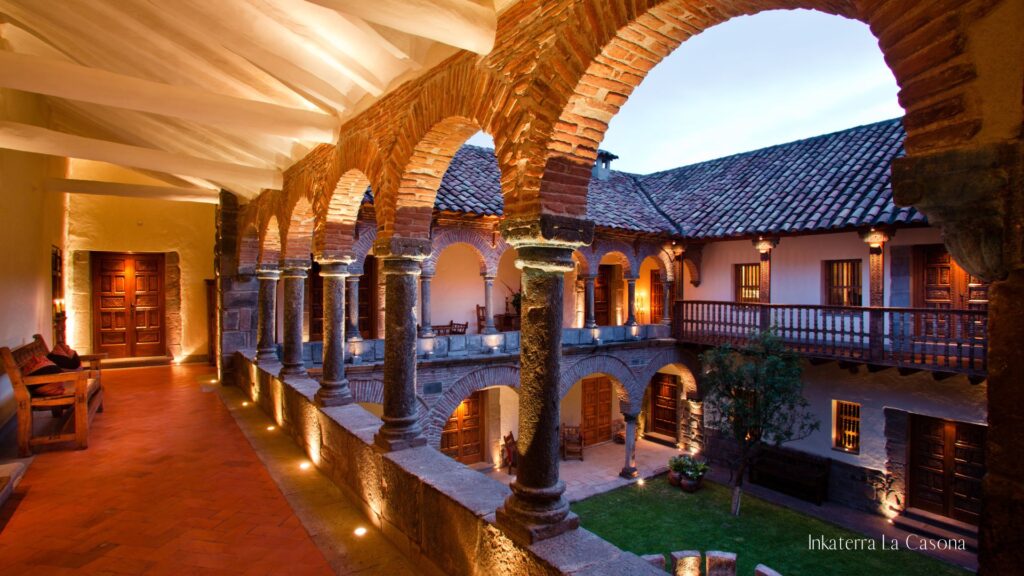
When Condé Nast Traveller unveiled its list of the Best Hotels in South America 2025, one truth became undeniable: the future of travel is already taking shape in Peru. Of the twenty hotels featured, two are part of the Koechlin family’s collection — Inkaterra La Casona and Inkaterra Machu Picchu Pueblo Hotel — among eight from Peru. This is more than recognition; it’s a revelation. It confirms what discerning travelers and sustainability experts have been saying for years: authenticity, purpose, and humility are the new pillars of luxury. A Legacy Rooted in Simplicity and Soul For nearly five decades, José Koechlin and his family have built not just hotels, but sanctuaries of meaning. The philosophy has always been deceptively simple — celebrate nature, empower local communities, and preserve cultural heritage. Yet within that simplicity lies a mastery that no marketing campaign can manufacture: genuine care, quiet excellence, and an unwavering vocation to serve both people and planet. Each property tells a story: The World Is Listening — and Learning In an era when travelers are turning away from excess, these hotels remind us that true hospitality begins with humility. The Koechlin family’s approach reflects a quiet revolution: sustainability not as an obligation, but as a natural extension of respect — for place, for people, for the passage of time. This recognition by Condé Nast Traveller is not only a triumph for the family, but for Latin America. It signals that our region’s authenticity is no longer a niche attraction — it’s the global benchmark. A Call to Conscious Travelers To those seeking experiences that heal rather than consume, Peru stands as an open invitation. Visit not just to see, but to learn — how tourism can restore, how communities can thrive, and how simplicity can once again feel extraordinary. Because in a world that celebrates noise, these places whisper what truly matters: Love for nature. Respect for culture. A sense of belonging. At Green Initiative, we celebrate the Koechlin family and the entire Inkaterra team for reminding us that sustainability and elegance are not opposites — they are, in fact, inseparable. Their success redefines what it means to be climate and nature positive: not through promises, but through practice — in every smile, every garden, every carefully restored stone. Read the full list of winners at Condé Nast Traveller, and discover how Inkaterra continues to inspire the world’s transition toward a more conscious, regenerative way of travel. This article was written by Yves Hemelryck from the Green Initiative Team. Related Reading
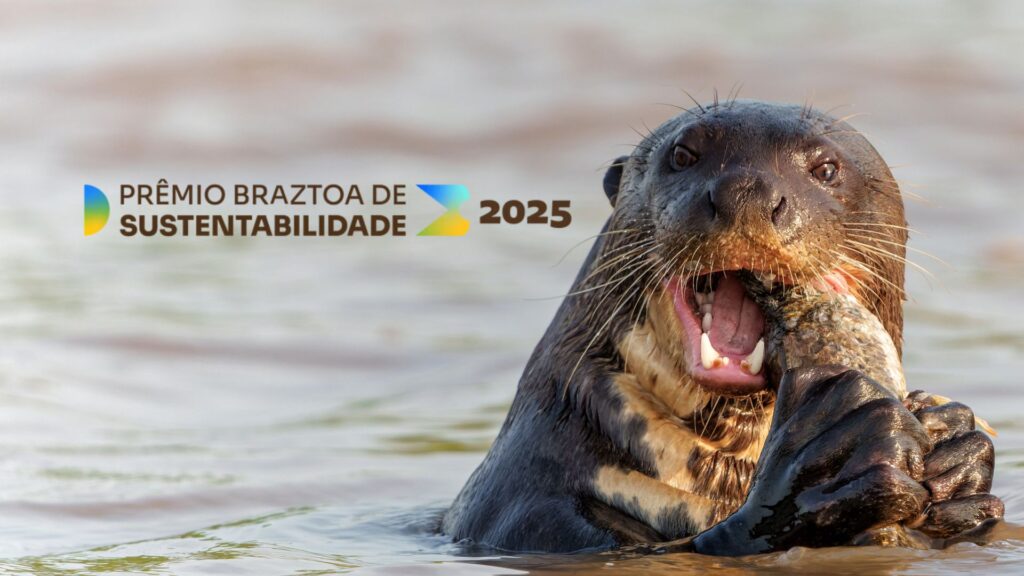
The New Face of Luxury: How Inkaterra and the Koechlin Legacy Are Redefining Travel in South America Read More »

Cabo Blanco Launches Workshops on Circular Tourism and Carbon Management Skills, Jobs, and Growth for a Sustainable Future

Cabo Blanco Launches Workshops on Circular Tourism and Carbon Management: Skills, Jobs, and Growth for a Sustainable Future

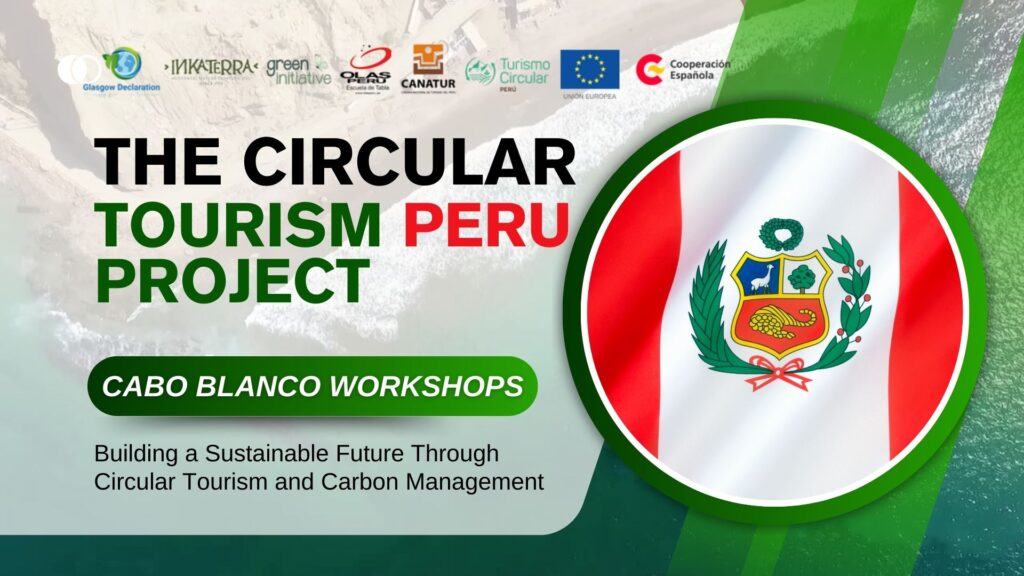
The Cabo Blanco Carbon Neutral Certification Project—led by the Municipalidad Distrital El Alto, CANATUR, AECID (Cooperación Española), the European Union, and organized by Green Initiative, responsible for the technical assistance of the Circular Tourism Peru project, with funding from AECID and the European Union, and with the valuable support of partners including Inkaterra Hotels, ITA Inkaterra Asociación and Olas Perú—is setting a new benchmark for sustainable tourism in northern Peru. At the core of this initiative is the creation of specialized training workshops designed to strengthen the technical and operational capacities of local tourism actors, both public and private. These sessions will enable stakeholders to adopt circular economy practices and implement carbon management tools, ensuring that Cabo Blanco advances toward becoming a climate-neutral and internationally competitive destination. Building Local Skills for Global Competitiveness The workshops—organized under the Turismo Circular Perú project, led by CANATUR with the support of AECID (Spanish Cooperation), the European Union, and carried out by Green Initiative —will combine technical training with practical application. Participants will learn how to: As Carlos Loayza, General Manager of CANATUR, notes:“These workshops are not just about knowledge transfer—they are about giving our communities the tools to become leaders in sustainable tourism, generating opportunities for business and employment while caring for the environment.” Driving Socio-Economic Benefits Investing in sustainability has clear economic advantages. Studies of certified sustainable hotels have shown measurable benefits, including higher revenue per available room (RevPAR) and stronger competitiveness. At the same time, niche markets such as surf tourism are already delivering significant local impact: in nearby Lobitos, surf tourism injects an estimated US$3.6 million annually into the local economy through visitor spending. By equipping Cabo Blanco’s stakeholders with the right skills, the workshops are expected to: As Tatiana Otaviano, Head of Relationships of Green Initiative, explains:“Sustainability is no longer just an environmental responsibility—it is an engine for prosperity. By training local actors in circularity and carbon management, we ensure that Cabo Blanco’s communities benefit directly from tourism growth.” A Shared Commitment The Cabo Blanco Carbon Neutral Certification Project represents a collective effort: As Mayor Reedy Bancayán Palomino of El Alto affirms:“For Cabo Blanco, this project is about more than tourism—it is about shaping a sustainable future, creating opportunities for our youth, and positioning our community as a global example.” Agenda – Cabo Blanco Carbon Neutral Certification Project Launch Location: Cabo Blanco, El Alto District, Piura – Peru Date: October 1, 2025Time: 14:00 hrs 1. Welcome and Introduction – 20 min Cultural activity: traditional local performance 2. Workshop: Circular Tourism Peru Project – 45 minOrganized by CANATUR, with funding from AECID – European Union and technical support from Green Initiative. 3. Cabo Blanco / El Alto Destination Development – 30 min Closing: Signing of the Glasgow Declaration on Climate Action in Tourism Looking Ahead These workshops are not isolated events; they are catalysts of transformation. By investing in capacity-building, Cabo Blanco is laying the foundation for a climate-positive, circular, and inclusive tourism model that delivers measurable environmental benefits while driving socio-economic growth.From training to action, from local empowerment to global recognition—Cabo Blanco is proving that sustainable tourism can create jobs, strengthen communities, and protect the planet. This article was written by Musye Lucen from the Green Initiative Team. Related Reading

Cabo Blanco Launches Workshops on Circular Tourism and Carbon Management: Skills, Jobs, and Growth for a Sustainable Future Read More »

Sustainability Week 2025: Green Initiative Presents Landmark Cases of Climate-Responsible Tourism

Sustainability Week 2025: Green Initiative Presents Landmark Cases of Climate-Responsible Tourism

From May 26 to June 1, Latin America celebrates the first-ever Sustainability Week (SxS), an initiative set to mark a turning point on the path toward more conscious, regenerative tourism aligned with the climate challenges of our time. At Green Initiative, we join this coalition—led by Turtech, Plan 21, and Preferred by Nature—as strategic partners, actively participating with three unique climate certification case studies: Machu Picchu (Peru), Bonito (Brazil), and the newly announced Christ the Redeemer (Brazil). A Regional Movement Toward Regenerative Tourism Sustainability Week was born from a collaborative process with more than 50 Latin American companies that highlighted the urgent need to: Throughout these seven days, SxS will roll out a strategy of environmental education, mentorship programs, collaborative campaigns, webinars, and a digital showcase promoting sustainable tourism experiences in Latin America. Green Initiative: Track Record and Climate Action As a leading authority in climate certification for tourism, Green Initiative will present three impactful cases during SxS that demonstrate how tourism, beyond reducing its footprint, can become a regenerative force: 1. Machu Picchu – First Carbon Neutral Wonder of the World In partnership with Inkaterra, Grupo AJE, the Municipal Government of Machu Picchu, and SERNANP, Green Initiative certified Machu Picchu as the first carbon-neutral Wonder of the World. This process included: 📖 Read the full Machu Picchu case study here:https://greeninitiative.eco/2022/10/10/machu-picchu-carbono-neutral/ 2. Bonito – First Carbon Neutral Ecotourism Destination in the World Located in Mato Grosso do Sul, Brazil, Bonito pioneered integrating climate action into its core tourism strategy. In 2022, it became the world’s first certified carbon-neutral ecotourism destination after a rigorous evaluation of its carbon footprint and forest absorption capacity. Bonito’s action plan includes: 📖 Discover how Bonito is inspiring other destinations:https://greeninitiative.eco/2023/06/21/bonito-carbono-neutral/ ✝️ Christ the Redeemer – Global Icon on the Path to Carbon Neutral Certification In May 2025, the Christ the Redeemer Sanctuary officially began its climate certification process with Green Initiative. This historic alliance aims to position the UNESCO World Heritage Site as a leader in sustainable tourism ahead of COP30 in Brazil. The climate certification of Christ the Redeemer is a milestone that brings together faith, culture, conservation, and climate action. Its goal: to be a beacon of hope in times of planetary emergency. 📰 Learn more about this initiative in outlets such as Globo.com, G1, Folha PE, MSN, and Agenda do Poder. How to Participate in Sustainability Week? SxS is open to all organizations across the tourism ecosystem that want to: Participation includes visibility in digital campaigns, presence in the marketplace, access to performance metrics, and direct connection with conscious travelers. Download the Portuguese and Spanish press releases. 🎯 Learn more or join at: https://sxs.turtech.travel A Week That Can Change the Course of Tourism In a world where tourism accounts for up to 8% of global carbon emissions, Sustainability Week is more than just an event—it’s an urgent call to collective action. At Green Initiative, we reaffirm our commitment to lead by example, provide practical tools, and support destinations, businesses, and communities on their journey toward climate-smart and regenerative tourism. This article was written by Ella Baehringer from the Green Initiative team Related reading

Sustainability Week 2025: Green Initiative Presents Landmark Cases of Climate-Responsible Tourism Read More »

Circular Economy in Tourism An Essential Strategy for Climate Action and Sustainable Development of the Sector

Circular Economy in Tourism: An Essential Strategy for Climate Action and Sustainable Development of the Sector

Tourism, recognized as an engine for development and a promoter of cultural exchange, operates as a highly complex sector. Its structure ranges from small community-based enterprises to giant hotel chains and airlines, interacting within diverse and often fragile ecosystems. This very complexity places the sector at the center of a critical dual reality in the current era. The industry is highly vulnerable to climate change impacts such as extreme weather events, sea-level rise, and alterations in seasonal patterns that threaten destinations. Simultaneously, it significantly contributes to the causes of these changes. Frequently cited estimates from organizations like the World Tourism Organization (UNWTO) indicate that the sector’s carbon footprint accounts for between 8% and 10% of global GHG emissions when considering its entire value chain. This situation demands an urgent and profound transformation, as the prevailing tourism model for decades, based on a linear “take-make-dispose” economy, is currently unsustainable. In this context, the Paris Agreement, the most relevant global commitment to limit global warming to well below 2°C, establishes the binding framework for action. Key sector initiatives, such as the Glasgow Declaration on Climate Action in Tourism, translate this imperative into concrete goals for the sector: halving emissions by 2030 and achieving Net Zero as soon as possible before 2050. To address this challenge, the Circular Economy emerges not merely as another alternative, but as the fundamental operational strategy. Applied to tourism and grounded in principles promoted by leading entities like the Ellen MacArthur Foundation and adopted in policies and guidelines by multilateral organizations, the Circular Economy offers the practical tools to dismantle the linear model. Its goal is to radically optimize resource use (energy, water, materials, food) and, consequently, minimize the carbon footprint, thus becoming the main driver for fulfilling the climate commitments derived from Paris and Glasgow. The project “Coalición Turística por una Economía Circular, Inclusiva y Climáticamente Inteligente” (Tourism Coalition for a Circular, Inclusive, and Climate-Smart Economy), a collaboration between CANATUR and AECID, with technical support from Green Initiative and funding from the European Union, recognizes the circular economy as a key tool that contributes to the global objectives associated with the current climate crisis. The general objective of such projects is to implement a circular development model centered on an economy where reuse, recovery, recycling, extending the useful life of products, and reducing the carbon footprint in the tourism sector prevail, while also promoting innovation and competitiveness in a fair and equitable manner. Implementing circularity in tourism involves fundamentally redesigning the experience and operation, following its basic principles: In practice, this materializes through a comprehensive approach that spans the entire tourism value chain. Some concrete examples include: Adopting these circular practices is not only essential for planetary health and meeting binding climate commitments, but also generates operational efficiencies, reduces costs, and enhances reputation. The transition from a linear production and consumption model to a circular model that prioritizes the reuse, recovery, and recycling of resources is essential for both environmental integrity and sustainable economic growth. The adoption of a circular economy model in tourism lays the operational groundwork for sustainable and responsible management. This vision of circularity prepares us and paves the way for an even greater aspiration: Regenerative Tourism—a type of tourism that not only avoids harm but actively revitalizes ecosystems, communities, and local cultures, aiming to leave them better than found. The CANATUR and AECID project is dedicated to fostering a more sustainable and low-carbon tourism model within Peru, thus establishing itself as a crucial undertaking for the global climate agenda. Recommended additional reading: World Tourism Organization (UNWTO). (2023). Climate Action in the Tourism SectorThis report provides an overview of greenhouse gas emissions measurement in tourism and assesses the sector’s climate action efforts.👉 Climate Action in the Tourism Sector World Tourism Organization (UNWTO). (2024). Policy Guidance to Support Climate Action by National Tourism AdministrationsThis policy guidance assists National Tourism Administrations in developing tourism climate action policies and initiatives to support the low-carbon transition.👉 Policy Guidance to Support Climate Action Ellen MacArthur Foundation. (2021). Circular Economy IntroductionAn introduction to the circular economy, explaining its principles and how it aims to eliminate waste and regenerate nature.👉 What is a circular economy? This article was written by Musye Lucen from the Green Initiative Team. Related Articles

Circular Economy in Tourism: An Essential Strategy for Climate Action and Sustainable Development of the Sector Read More »

CANATUR and AECID, leading Tourism Coalition for a Circular, Inclusive, and Climate-Smart Economy with the support of Green Initiative

CANATUR and AECID, leading Tourism Coalition for a Circular, Inclusive, and Climate-Smart Economy with the support of Green Initiative

Green Initiative, an entity recognized for its expertise in advising and certifying organizations that seek to mitigate their CO₂ emissions, is working as the technical supporting partner for the project entitled “Coalición Turística por una Economía Circular, Inclusiva y Climáticamente Inteligente” (Tourism Coalition for a Circular, Inclusive, and Climate-Smart Economy). This initiative represents a collaborative endeavor between CANATUR (National Chamber of Tourism of Peru) and AECID (Spanish Agency for International Development Cooperation), also funded by the European Union. The project is dedicated to fostering a more sustainable and low-carbon tourism model within Peru, thereby establishing itself as a crucial undertaking for the global climate agenda. This project arises in a context where the circular economy is recognized as a key tool contributing to global objectives associated with the current climate crisis. Following the signing of the Paris Agreement in 2015 by 195 countries, including Peru, a new paradigm of production and consumption was generated. The main commitment is to reduce greenhouse gas emissions and curb global warming. For the tourism sector, this represents a great opportunity and a challenge to incorporate reuse, recovery, recycling, and maximizing resource efficiency, getting the sector to incorporate these practices into its operations. The Significance of the Climate Agenda for Tourist Destinations in Peru and Globally Peru, home to iconic destinations such as Machu Picchu and Cabo Blanco, holds a prominent position in global tourism. However, in common with other international destinations, the nation faces challenges related to climate change, which exert an impact on the environment, the local economy, and communities. The reduction of greenhouse gas (GHG) emissions, particularly CO2, is of fundamental importance for the protection of these destinations and to ensure their preservation for future generations. Peru, alongside the other 195 signatory nations of the Paris Agreement, is committed to substantially reducing its GHG emissions to mitigate global warming. The Circular Economy as a Key Tool Within this context, the circular economy emerges as a potent instrument for achieving these objectives. The transition from a linear model of production and consumption, characterized by “produce and discard,” to a circular model, which prioritizes the reuse, recovery, and recycling of resources, is essential for both environmental integrity and sustainable economic growth. The general objective of the project is to implement a circular development model centered on an economy where reuse, recovery, recycling, extending useful life, and reducing the carbon footprint in the tourism sector prevail, while also boosting innovation and competitiveness fairly and equitably. The Role of Green Initiative Green Initiative has established itself as a global benchmark in providing advisory services to tourist destinations, assisting them in the implementation of sustainable practices and the attainment of climate-smart management practices. The selection of the company was predicated upon its extensive experience and recognized achievements in collaborating with tourist destinations worldwide, facilitating the integration of circular economy practices and the reduction of their CO2 emissions. Green Initiative’s mission transcends the implementation of environmental policies; the organization is dedicated to transforming the operational modalities of the tourism sector, promoting climate change mitigation in an integrated manner across the entire value chain. Project Scope and Expected Results The collaboration with CANATUR and AECID presents an opportunity to disseminate this knowledge within Peru. The project aims to implement a management model based on innovative circular economy practices in 2 tourist destinations for carbon emission mitigation. Additionally, it will promote the creation of a Sectorial Commission for Circular Economy in Tourism to implement a Roadmap and flagship actions, and strengthen the capacities of tourism system actors on climate action and cleaner, circular production. The initial intervention regions are Lima, Cusco, Piura, and San Martín, although the project will have a national impact. This tourism coalition project will yield a series of deliverables that are critical for the implementation of the transition towards a more circular and sustainable tourism sector. Green Initiative will be responsible for ensuring that these deliverables are executed with the utmost quality and efficiency. Activities will include workshops, training sessions, webinars, an international conference, and the implementation of flagship actions in tourist destinations. The project aligns with global sustainable development objectives, including the Sustainable Development Goals (SDGs) such as SDG 13 (Climate Action), SDG 12 (Responsible Consumption and Production), and SDG 11 (Sustainable Cities and Communities). With the circular economy gaining increasing prominence, a unique opportunity exists to transform the tourism sector into an engine for sustainable development, generating new employment opportunities and fostering an inclusive, low-carbon economy. Active participation from stakeholders and allies is sought through backing (R) the sectoral committee, synergy (S) in activities by contributing experience and resources, and dissemination (D) of project progress. Conclusion Sustainable tourism transcends the notion of doing good; it constitutes an urgent necessity in the face of prevailing global climate challenges. Green Initiative, in conjunction with CANATUR and AECID, is at the forefront of this transformative process in Peru, assisting tourist destinations in the adoption of circular economy practices and carbon mitigation strategies. Consequently, beyond the preservation of natural splendors such as Machu Picchu and Cabo Blanco, this collaboration contributes to a more balanced and sustainable future for all stakeholders. Green Initiative, with its demonstrated expertise and leadership, will be instrumental in enabling significant Peruvian tourist destinations to progress towards a more sustainable future. This article was written by Tatiana Otaviano from the Green Initiative Team. Related reading

CANATUR and AECID, leading Tourism Coalition for a Circular, Inclusive, and Climate-Smart Economy with the support of Green Initiative Read More »

Hotel Punta Sal: A Sustainable Commitment to Climate Mitigation and Carbon Footprint Reduction

Hotel Punta Sal: A Sustainable Commitment to Climate Mitigation and Carbon Footprint Reduction

In a world increasingly aware of the climate crisis, corporate environmental responsibility has become a key factor for competitiveness and long-term sustainability. A clear example of this trend is Hotel Punta Sal (Tumbes, Peru), an establishment that has shown a strong commitment to sustainability and climate change mitigation. Measuring and Offsetting the Carbon Footprint In 2023, Hotel Punta Sal took a major step in its sustainability journey by measuring its carbon footprint and earning the Carbon Neutral certification from Green Initiative. Measuring its carbon footprint was crucial to understanding the environmental impact of the hotel’s operations, identifying the areas that generate the highest greenhouse gas emissions. After this assessment, the hotel took action to offset its carbon footprint, demonstrating its commitment to reducing environmental impact and fulfilling its social responsibility. Based on this initial assessment — the baseline — the hotel identified mitigation opportunities and made significant investments in actions to reduce its emissions. Climate Action Plans In 2024, in addition to measuring and offsetting its carbon footprint, Hotel Punta Sal has also implemented several climate mitigation measures to tangibly reduce its environmental impact. Key efforts include: These initiatives are part of a broader Climate Action Plan and are expected to positively influence the hotel’s carbon footprint assessment for the cycle. By implementing these measures, the hotel reduces its carbon footprint, enhances its competitiveness in a market increasingly demanding sustainability, and demonstrates its commitment to global climate goals such as the Paris Agreement. As a key player in the climate agenda for tourism, Green Initiative is committed to supporting companies like Hotel Punta Sal, which will join a select group of Latin American signatories of the Glasgow Declaration, accelerating progress toward decarbonizing the tourism sector. Benefits of Climate Action Hotel Punta Sal’s commitment to climate action also brings economic and strategic advantages: A More Sustainable Future Hotel Punta Sal is a prime example of how the tourism industry can play a crucial role in the fight against climate change. By measuring and offsetting its carbon footprint, implementing sustainable technologies, and adopting a Climate Action Plan with mitigation measures, the hotel not only protects the environment but also ensures its future viability and competitiveness. With its continued efforts to integrate climate action into its business model, Hotel Punta Sal positions itself as a leader in sustainability in Peru and globally, proving that climate action is essential not only for the planet but also for long-term business success and prosperity. This article was written by Tatiana Otaviano from the Green Initiative Team. Related reading

Hotel Punta Sal: A Sustainable Commitment to Climate Mitigation and Carbon Footprint Reduction Read More »