Climate Action

BAM and Green Initiative: High-Integrity Carbon Credits and REDD+ Projects in Peru

BAM and Green Initiative: High-Integrity Carbon Credits and REDD+ Projects in Peru

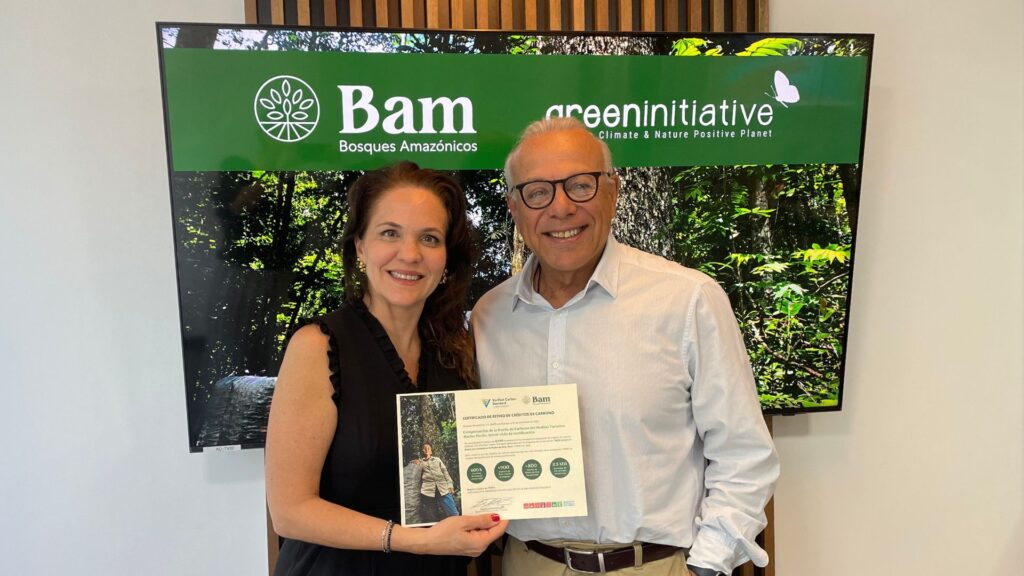
In a global context where integrity, transparency, and real impact are increasingly demanded by those who invest in the carbon market, the collaboration between Green Initiative and Bosques Amazónicos (BAM) represents a meaningful step toward a more rigorous, trustworthy, and climate-positive model. Why BAM Stands Out in the Carbon Market With more than 20 years of experience, BAM has built a solid track record in forest conservation, sustainable forest management, and the development of high-impact REDD+ projects in the Peruvian Amazon. One of its flagship initiatives is the REDD+ Castañeros Project, which: BAM also leads other innovative conservation efforts, such as REDD+ El Último Hábitat in Ucayali, located in a region that has concentrated 45% of all Amazon deforestation since 2001. This project focuses on preventing forest loss, conserving biodiversity, and creating sustainable livelihood opportunities for local communities. Raising the Bar: Adoption of High-Integrity Methodologies In response to global demands for credibility and precision, BAM has recently adopted more stringent integrity standards, including the Verra VM0048 methodology. This methodology strengthens: This evolution enhances the traceability, transparency, and robustness of the emissions reductions delivered. A Shared Commitment to a More Transparent Carbon Market At Green Initiative, we believe that nature-based solutions must adhere to strict standards of quality, integrity, and verification. Our collaboration with BAM is grounded in the recognition of their technical expertise, commitment to local communities, and long-standing environmental stewardship. Together, we aim to promote projects that: Moving Toward a Future of Integrity, Impact, and Scale Green Initiative values BAM’s technical capacity, environmental commitment, and transparency. Partnerships like this enable us to offer high-credibility climate mitigation solutions supported by science and aligned with real benefits for nature, communities, and the climate. Although the collaboration has so far been specific, successful examples such as Machu Picchu’s Carbon Neutral certification show a promising pathway toward a more mature, reliable, and responsible carbon market in Peru. We invite companies, organizations, and institutions seeking high-quality carbon credits to explore this approach—one that prioritizes seriousness, transparency, and real climate impact for a healthier planet. This article was written by Marc Tristant from the GI International Team. Related reading

BAM and Green Initiative: High-Integrity Carbon Credits and REDD+ Projects in Peru Read More »

Community Update: Social Engagement in Cabo Blanco, Peru

Community Update: Social Engagement in Cabo Blanco, Peru

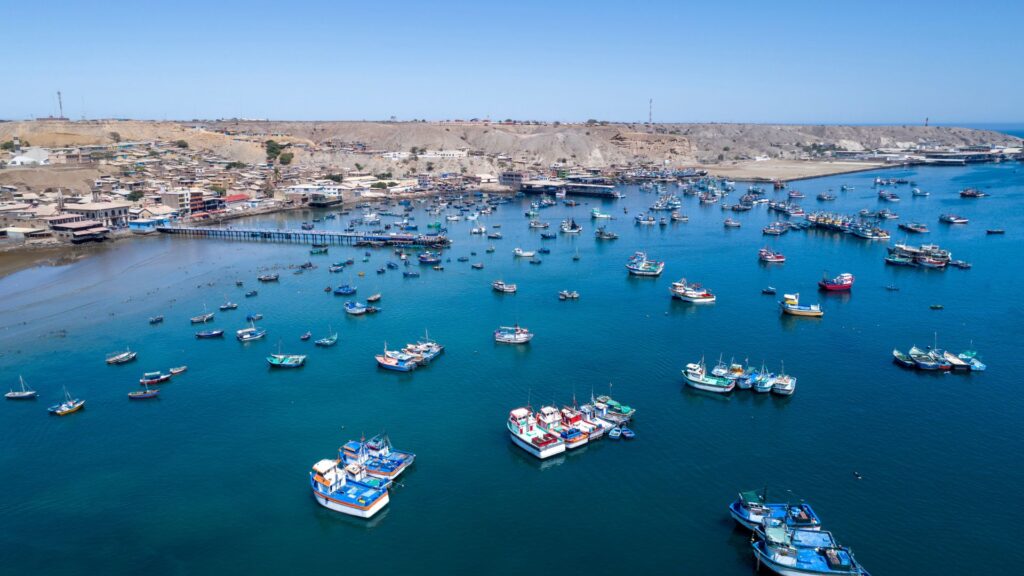
Listening, Learning, and Co-Creating a Regenerative Future for an Iconic Coastal Community Over the past few months, and with financing from IDB Invest, the Tamesis Impact team—in alliance with Green Initiative (GI International)—carried out an in-depth social engagement process in Cabo Blanco, Piura. This iconic coastal community, celebrated for its artisanal fishing heritage and cultural identity, is entering a defining moment as it explores new pathways for sustainable development, inclusive governance, and regenerative tourism. The purpose of this process was clear: to listen to Cabo Blanco’s residents, understand their priorities, and work collaboratively to envision a development model that honors their history while creating long-term social, economic, and environmental benefits. Building Trust Through Dialogue and Participation The engagement process included interviews with local authorities, community visits, and four thematic participatory workshops designed to encourage reflection, dialogue, and collective planning. We met with fishers, women leaders, youth groups, tourism stakeholders, and civil society organizations—each contributing essential perspectives. Key insights that emerged from these exchanges: 1. Openness to sustainable and regenerative tourism Residents show strong interest in tourism models that respect local traditions, protect marine and coastal ecosystems, and reinforce the cultural identity that defines Cabo Blanco. 2. Women and youth as leaders of transformation Throughout the process, women and young people demonstrated creativity, leadership, and a deep sense of commitment to their community’s future. 3. Need for integrated and inclusive governance The community expressed the importance of coordinated action among authorities, civil society, private actors, and community organizations to ensure coherent planning and equitable development. 4. Identity as the foundation of future development A recurring message across all workshops: Cabo Blanco’s greatest asset is its people—their resilience, pride, and strong connection to the sea. Why Cabo Blanco Can Become a Regenerative Tourism Model Cabo Blanco is far more than a destination. It is a living cultural landscape shaped by its fishing identity, its relationship with the ocean, and its place in Peru’s coastal history—from artisanal fishing traditions to its international recognition. This combination of heritage, identity, and community cohesion creates exceptional potential to develop a high-integrity regenerative tourism model, one capable of: A Shared Vision for Transformative and Responsible Development The alliance between Tamesis Impact, Green Initiative, and IDB Invest reinforces a commitment to responsible investment, social inclusion, and climate-resilient planning rooted in community voice. As emphasized by Joaquín Daly, Managing Partner at Tamesis Impact, the moment is both unique and urgent: “Cabo Blanco is at a turning point where identity, community engagement, and responsible investment can come together to shape a new development model for Peru’s coastal territories. At Tamesis Impact, we believe that real transformation begins by listening to people—understanding their values, their aspirations, and the heritage they want to protect. Working in alliance with Green Initiative and with financing from IDB Invest, we are helping co-create a regenerative vision that strengthens local leadership and ensures long-term social and environmental resilience.”— Joaquín Daly, Managing Partner, Tamesis Impacthttp://tamesis.com.pe/ Next Steps: Co-Designing a Community-Led Path Forward As Cabo Blanco embraces new opportunities, the priority remains the same: development shaped by and for the community. The insights gathered through this engagement process will inform the next phases of planning, technical analysis, and capacity building, ensuring that every step forward aligns with community values, territorial identity, and long-term sustainability. Cabo Blanco now stands at the threshold of becoming a flagship example of regenerative coastal development in Latin America, showing how communities, institutions, and responsible investors can work together to build a future rooted in identity, resilience, and shared prosperity. This article was written by Yves Hemelryck from the GI International Team. Related reading

Community Update: Social Engagement in Cabo Blanco, Peru Read More »

Climate & Nature Positive Peru_ Green Initiative + BAM REDD+

Green Initiative and Peru’s Amazon: Advancing Global Climate-Positive and Nature-Positive Action with BAM and the REDD+ Castañeros Project

Peru stands as one of the world’s most strategic regions for implementing climate-positive and nature-positive solutions. Across its iconic landscapes— from Machu Picchu to Madre de Dios— the country is redefining how territories can integrate science, governance, community leadership, and verified impact to protect ecosystems while generating sustainable development. At the center of this transformation is Green Initiative, whose international climate governance model is being adopted by governments, destinations, and conservation partners throughout Peru. A key pillar of this effort is the alliance with Bosques Amazónicos (BAM) and its internationally recognized conservation program: the REDD+ Castañeros Project, one of the most relevant private REDD+ initiatives worldwide for climate and social impact. Together, these organizations are demonstrating how Peru can convert climate ambition into real, verifiable, and community-led implementation. Peru as a Global Model for Climate & Nature Positive Implementation Green Initiative works across multiple ecosystems and governance levels to accelerate: This integrated approach positions Peru as a global reference for implementation, not only commitment. The REDD+ Castañeros Project: A Cornerstone of Amazonian Conservation Developed by BAM in collaboration with more than 800 Brazil nut–harvesting families, the REDD+ Castañeros project protects over 600,000 hectares of unique and megadiverse Brazil nut forests in Madre de Dios. For more than 15 years, this alliance has safeguarded ecosystems of extraordinary importance while strengthening local livelihoods. This model directly supports Green Initiative’s mission:evidence-based climate action, measurable biodiversity protection, and community-centered development. 🌍 1. Climate-Positive Impact Through avoided deforestation and strengthened forest governance, the REDD+ Castañeros project generates high-integrity carbon credits with global relevance. Key climate outcomes: These achievements align with Green Initiative’s standards for traceability, transparency, and MRV integrity across territories. 👨‍👩‍👦 2. Community Impact & Inclusive Development The project’s social dimension is one of its greatest strengths. BAM works side by side with families that have protected Brazil nut forests for generations, providing incentives, tools, and opportunities for sustainable development. Social impact highlights: This mirrors Green Initiative’s philosophy: climate solutions must empower people first. 🐾 3. Biodiversity Protection & Scientific Innovation The REDD+ Castañeros territory is among the most biologically rich regions on Earth. Outstanding biodiversity contributions: These efforts strengthen the nature-positive goals that Green Initiative promotes globally:conservation based on science, technology, and local knowledge. Why This Alliance Matters for Peru and the World Global demand for high-integrity climate solutions is rapidly expanding. Territories that can demonstrate: are becoming the most attractive for climate finance, regenerative tourism, and international investment. The alliance between Green Initiative, BAM, and the REDD+ Castañeros community places Peru at the forefront of this movement, proving that real climate action must reconnect people, forests, and economic opportunity. From the Amazon to the World: Implementation That Sets a Benchmark Through this partnership, Peru advances: This is the pathway from ambition to implementation — and from implementation to global leadership. About Green Initiative Green Initiative is an international platform dedicated to climate governance, decarbonization pathways, nature-positive implementation, and ecosystem restoration, working with governments, World Heritage sites, conservation programs, and local communities. Its portfolio spans iconic destinations from Machu Picchu to Bonito, Cristo Redentor, Cabo Blanco, Angkor Wat, and the Galápagos, supporting them in achieving real, verifiable, and community-centered climate impact. REDD+ Castañeros in Focus: A Photographic Story by Walter H. Wust This article was written by Virna Chávez from the Green Initiative Team. Related Reading

Green Initiative and Peru’s Amazon: Advancing Global Climate-Positive and Nature-Positive Action with BAM and the REDD+ Castañeros Project Read More »

Continental Travel Becomes Peru’s First Corporate Travel Agency to Achieve the “Carbon Measured” Certification

Continental Travel Becomes Peru’s First Corporate Travel Agency to Achieve the “Carbon Measured” Certification

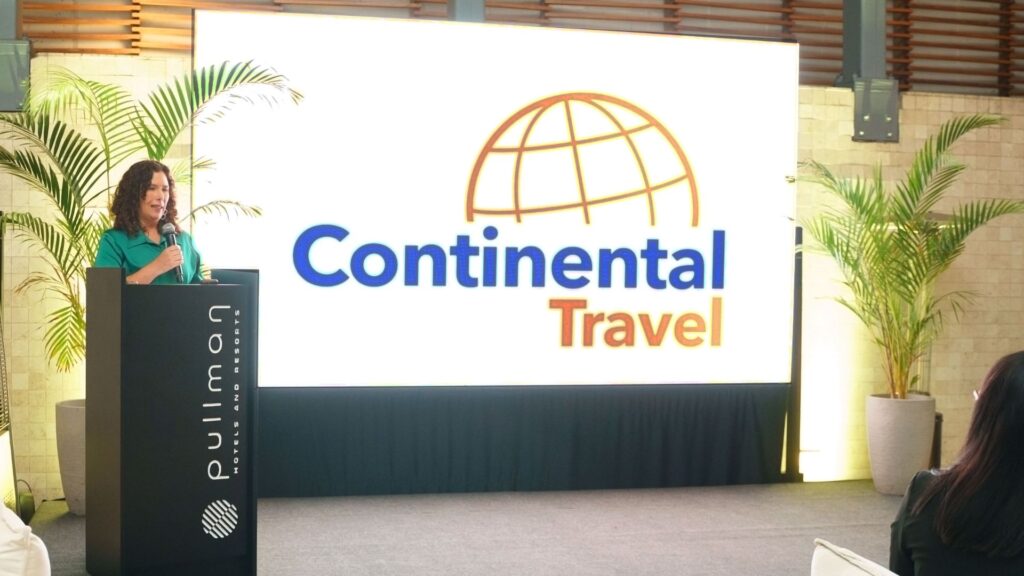
This milestone, granted by Green Initiative, reaffirms the agency’s commitment to climate management and the promotion of low-carbon corporate travel through the launch of its new solution, Climate Smart Travel. In a global context where companies are increasingly seeking to integrate climate-action criteria into their operations, the corporate travel sector is evolving toward more responsible practices. Marking a milestone in the local industry, Continental Travel—an agency with more than 30 years of experience—has become the first corporate travel agency in Peru to obtain the “Carbon Measured” certification, granted by Green Initiative. The certification ceremony took place on Tuesday, November 11, at the Pullman San Isidro Hotel, in an event attended by Sophia Dávila, Director of Tourism Environmental Affairs at MINCETUR, who highlighted the importance of this initiative for the sector. This achievement confirms that the company has quantified its greenhouse gas (GHG) emissions under international standards (Scopes 1, 2, and 3), validating its real commitment to climate action and its alignment with the objectives of the Glasgow Declaration. Key Insight: Over 90% of the Carbon Footprint Comes from Flights The rigorous measurement process not only evaluated the agency’s direct operations but also the services it manages for its clients, such as air travel and accommodation. The analysis revealed an important insight: more than 90% of Continental Travel’s carbon footprint comes precisely from the emissions generated by its clients’ air travel (classified under Scope 3). This finding was the main driver behind the creation of new value-added solutions. “Climate Smart Travel”: A Solution for Climate Management In direct response to these results, and recognizing its role in the value chain, the agency announced the launch of its new and innovative service: Climate Smart Travel. This solution will provide companies with transparent and timely information to accurately measure—and later access alternatives to compensate for—the CO₂ emissions from their flights, thus facilitating the management of their own sustainability indicators. “This decision stems from our conviction that the world of corporate travel can and must evolve. We want to support companies not only in the management of their travel but also in understanding and reducing their environmental impact.”— Joelma Galdós, Deputy General Manager of Continental Travel “Companies that understand that the climate agenda is not an ideological issue and move quickly have the opportunity to develop new competitive advantages. This is precisely the case of Continental Travel, a company that has understood the times and is committed to managing its carbon footprint and innovating with climate-smart services.”— Green Initiative Additionally, as part of its commitments, Continental Travel will implement a climate-action plan to reduce its own operational footprint. This plan will include progressive measures such as process optimization and increased digitalization. With this step, Continental Travel not only reaffirms its leadership in the sector but also strengthens its value proposition for corporate clients seeking strategic partners aligned with global climate goals. This article was written by Musye Lucen from the Green Initiative Team. Related Reading

Continental Travel Becomes Peru’s First Corporate Travel Agency to Achieve the “Carbon Measured” Certification Read More »

COP30 in Brazil: The Moment to Deliver on Climate Promises

COP30 in Brazil: The Moment to Deliver on Climate Promises

The Conference of the Parties (COP) brings together governments, international organizations, and non-state actors to assess global progress and negotiate collective measures under the Paris Climate Agreement The 30th United Nations Climate Change Conference (COP30) begins today in Belém do Pará and, for the first time, the opening takes place on schedule. After intense negotiations over the weekend, the agenda was confirmed, signaling diplomatic maturity and a renewed sense of collective purpose. Three central themes will guide the coming days: At the heart of these discussions lies a key challenge: multilevel governance how to turn political commitments into mechanisms that are executable, measurable, and comparable across countries and sectors. Ten Years After Paris: From Ambition to Action The Conference of the Parties (COP) brings together governments, international organizations, and non-state actors to assess global progress and negotiate collective measures under the Paris Climate Agreement Ten years after the signing of that agreement, experience shows that the transition toward a low-emission economy is no longer a utopia but a strategic priority driving a global race for innovation, productivity, and competitiveness. However, this race advances unevenly largely reflecting the typical dynamics of any (r)evolutionary industrial shift: a struggle between those striving for a future powered by new opportunities and technologies, and those seeking to preserve the status quo, delaying technological and sociocultural change as long as possible to avoid transformation. Beyond the motives or interests, strategic or otherwise, the goals and commitments assumed by different sectors of society have not achieved the necessary level of progress, and the results remain far from those originally pledged.. The Urgent Reality of a Warming Planet According to the IPCC, the planet has already warmed by approximately 1.1°C above pre-industrial levels, and current projections indicate that keeping warming below the 1.5°C threshold set by the Paris Agreement will be difficult before mid-century. Recent data from the Copernicus Climate Change Service (C3S) further underscores this urgency. These data confirm that the current framework of regulatory and voluntary commitments — along with existing performance systems  is insufficient when faced with the speed and scale of the climate challenge. The gap between promises and real implementation often translated into greenwashing has, in many cases, become the main obstacle to achieving an effective transition. At Green Initiative, we see this credibility gap as the defining test of our time. Climate action is no longer about announcing goals, but about demonstrating verifiable progress — where measurement, certification, and transparency become the true language of trust. COP30: Brazil Takes the Lead in Turning Words into Results In this context, COP30 — to be held in Belém do Pará, Brazil, from 10 to 21 November 2025 — assumes a decisive role by promoting a shift in approach: complementing statements and ambitions, which remain essential, with concrete and pragmatic action, which is now urgent. As the host nation, Brazil intends to place forests and nature-based solutions at the heart of the global debate, highlighting the Amazon as a living symbol of both vulnerability and opportunity in the fight against climate change. “A successful COP30 will depend on the ability to translate ambition into credible delivery.” Companies and governments alike are expected to strengthen climate disclosure and performance standards, aligning them with national regulatory frameworks — especially in emerging markets — and demonstrating traceable, verifiable progress across their value chains. At the same time, the expansion of climate finance, particularly through blended instruments and public-private investment vehicles, will be key to mobilizing capital toward sectors vital for decarbonization and resilience. Financing Adaptation and the Just Transition The conversation will also broaden to include adaptation financing, a critical gap as global needs — estimated at over US$ 300 billion per year by 2035 — far exceed current commitments. In parallel, energy transition debates are expected to gain momentum, with biofuels, renewable energy, and infrastructure modernization taking center stage. The principle of a “just transition” will continue to gain prominence, integrating social equity, workforce adaptation, and community engagement as fundamental components of climate credibility. The Private Sector: From Ideology to Competitiveness For the private sector which increasingly recognizes that the climate agenda extends beyond ideology COP30 should reinforce the logic of competitiveness and the advantages of early movers: those who anticipate market shifts, invest in resilience, and position their organizations as leaders in the emerging low-carbon economy. At Green Initiative, we have witnessed how companies and destinations that embed transparency into their climate journey gain both reputation and resilience. The capacity to measure, verify, and communicate progress is no longer a differentiator — it is a prerequisite for participation in the next economy. Green Initiative: Bridging Ambition and Impact At Green Initiative, we share this conviction. Through our Climate Certification Programs, Climate Performance Platform, and strategic advisory services, we help organizations and destinations: By turning commitments into measurable, verifiable, and transparent climate action, we advance a climate- and nature-positive global economy — one where progress and prosperity align with the protection of our planet. This article was written by Karla de Melo from the Green Initiative Team. Related Reading

COP30 in Brazil: The Moment to Deliver on Climate Promises Read More »

World Heritage Sites Call to Net for Climate Action in Tourism

Machu Picchu and Christ the Redeemer Lead Global Call to Climate Action in Tourism

A New Boost to Global Collaboration among World Heritage Sites Inspired by Machu Picchu — and a Call for More to Join Machu Picchu, the world’s most iconic mountain sanctuary, has once again become a source of inspiration for global climate action in tourism. During the celebration of its third consecutive Carbon Neutral Certification, leaders and representatives from emblematic heritage destinations gathered to reaffirm a shared commitment to sustainability and climate responsibility. Inspired by the words and vision of Gustavo Santos, Regional Director for the Americas at UN Tourism, and guided by the transformative energy felt in Machu Picchu, the historic “World Heritage Sites: Call to Net for Climate Action in Tourism” was signed — a collective declaration by heritage destinations determined to accelerate measurable and impactful climate action through tourism. Heritage as a Living Force for Change Heritage sites are more than cultural or natural landmarks — they are living symbols of ecological richness and human achievement. Every day, they welcome thousands of visitors, offering a powerful platform to influence awareness, behavior, and policy implementation on a global scale. Far from being passive backdrops for tourism, heritage sites are active agents of change. Many of the civilizations that built them once thrived in harmony with nature, but the absence of preservation and adaptation over time led to deterioration and loss. Today, these places remind us that preserving heritage is preserving humanity itself — and that climate action in tourism is one of the most effective ways to ensure their protection for generations to come. The Call to Net: From Heritage to Hope The World Heritage Sites: Call to Net for Climate Action in Tourism, supported by Green Initiative, brings together managers and stakeholders from emblematic destinations in a global call to action. As sites of exceptional cultural and natural value, these destinations hold a unique position to demonstrate that tourism can be both a source of economic vitality and a driver of climate- and nature-positive transformation. The initiative aligns with the principles of the UN Tourism Glasgow Declaration, advancing measurable climate strategies that integrate low-emission operations, ecosystem conservation, community engagement, and visitor education across participating sites. The first signatories include representatives of Machu Picchu (Peru), Tikal (Guatemala), the Galápagos Islands (Ecuador), Foz do Iguaçu, Bonito, the Pantanal and Christ the Redeemer (Brazil), along with delegations from Belize, UN Tourism and UNCTAD, marking the beginning of a powerful movement for climate action in tourism. Networking together — by sharing best practices, engaging local communities, and amplifying visible climate action — the initiative aims to catalyze a broader shift across the tourism industry, moving from isolated sustainability efforts to coordinated and large-scale mitigation and preservation strategies. This network is conceived as a grassroots movement led by the Global South, grounded in equity, transparency, and the collective urgency to respond to the climate crisis. And it is open for more heritage sites worldwide to join — from the Andes to Angkor, from Petra to Patagonia — amplifying the shared mission of transforming tourism into a true force for regeneration. Scaling Climate Action Through Tourism As Gustavo Santos emphasized: “This achievement demonstrates that through public–private and multilateral collaboration we can achieve remarkable results in decarbonizing the economy, moving closer to the climate goals humanity must reach. The certification experience accumulated here — and which we seek to scale across the Americas and worldwide — shows that tourism and climate action can and must go hand in hand.” Through collaboration among governments, private organizations, and local communities, the Call to Net sets a roadmap for transformative action — one where heritage destinations become living laboratories for sustainable development and climate innovation. A Pathway to Achieving National Climate Goals This initiative extends beyond the tourism sector. It represents a scalable model for countries striving to meet their Nationally Determined Contributions (NDCs) under the Paris Agreement. By measuring and reducing emissions, restoring ecosystems, and promoting circular economy solutions, heritage destinations can contribute directly to national and global climate targets while enhancing local livelihoods and resilience. A Legacy for the Planet From the heart of the Andes, Machu Picchu demonstrates that heritage preservation and climate action are deeply intertwined — two sides of the same mission to protect our planet and our shared future. As this movement expands, each participating destination adds its voice, its innovation, and its hope — proving that the places that defined our past can also lead the way toward a climate-positive future. 🌍 The Call to Net is open — heritage sites worldwide are invited to join. 📍 Machu Picchu, November 6, 2025 🔗 Read the full declaration: World Heritage Sites: Call to Net for Climate Action in Tourism This article was written by Tatiana Otaviano from the Green Initiative Team. Related Reading

Machu Picchu and Christ the Redeemer Lead Global Call to Climate Action in Tourism Read More »

COP30 in Belém

COP30 in Belém: When Climate Action Meets Social Justice

As the 30th United Nations Climate Change Conference (COP30) unfolds in Belém do Pará, the world is witnessing more than another round of climate negotiations. Brazil’s Amazonian capital has become the epicenter of a broader conversation — one that positions the climate emergency not only as an environmental crisis, but as a crisis of inequality. From Promises to Implementation For years, global summits have revolved around targets and pledges. COP30, however, marks a turning point. The host country is insisting that implementation must now take center stage. President Lula reminded delegates that climate change is “no longer a threat of the future — it is a tragedy of the present,” pointing to unprecedented floods, hurricanes, and droughts across Latin America and beyond. The call echoes a sentiment shared by UN Secretary-General António Guterres, who told delegates that missing the 1.5 °C target is “a moral failure” (The Guardian). Brazil’s presidency of COP30 is therefore centered on “turning commitments into reality.” The country’s national plan, AdaptAÇÃO, unveiled at the conference, aims to strengthen climate resilience across municipalities — particularly those most vulnerable to extreme weather events in Brazil’s North and Northeast. With more than 92 % of Brazilian cities having experienced climate-related disasters between 1991 and 2024, adaptation is not an option; it is survival. Inequality at the Core of Climate Action The framing of COP30 as a climate-justice summit is no coincidence. The Belém Declaration, adopted by 43 countries and the EU, links climate action explicitly with the fight against hunger and poverty. It recognizes that those who contributed least to global emissions are suffering the most — from farmers in semi-arid regions to coastal and Amazonian communities displaced by floods. In a year marked by widening inequality and deepening migration crises, this message resonates strongly. “To be climate-positive,” said one delegate, “we must first be equity-positive.” At Green Initiative, this principle aligns deeply with our mission: ensuring that climate certifications, ecosystem restoration, and sustainable tourism models not only reduce emissions but also strengthen the livelihoods of those protecting nature on the frontlines. The Amazon as a Living Laboratory Holding COP30 in the heart of the Amazon carries profound symbolism. It is a reminder that global climate stability depends on local ecosystems — and on the communities that inhabit and safeguard them. Indigenous leaders from across Brazil and the region took the stage to emphasize their role as guardians of biodiversity and culture. Their presence is a corrective to decades of marginalization: a clear statement that there can be no climate justice without indigenous justice. Brazil’s Amazon strategy, while ambitious, faces contradictions. While the government showcases renewable energy, forest conservation, and indigenous engagement, critics point to ongoing debates about oil exploration near the Amazon delta — a reminder of the tension between development and planetary boundaries (Le Monde). Global Momentum, Local Realities Beyond Brazil, COP30 has drawn urgent interventions from leaders worldwide. Spanish Prime Minister Pedro Sánchez reminded delegates that climate change has already “claimed more than 20,000 lives in Spain over the past five years,” while small-island nations again demanded debt relief and loss-and-damage funding mechanisms to adapt to rising seas. Despite this progress — with the UN’s latest NDC Synthesis Report projecting a 12 % global emissions drop by 2035 — scientists warn that the world remains on track for at least 2.3 °C of warming. The gap between ambition and implementation remains the defining challenge of our time. A Call for Action and Partnership For the Green Initiative, COP30 underscores the need for verified, community-led, and traceable climate solutions — from climate-positive travel to certified ecosystem restoration. Every tree planted, every destination decarbonized, and every partnership forged contributes to aligning climate- and nature-positive action with social inclusion. As the summit’s debates unfold in Belém, one truth stands out: the path to net-zero must also be a path to fairness. Because a sustainable world is impossible without justice — and true climate justice begins by recognizing that fighting climate change means fighting inequality. This article was written by Yves Hemelryck from the Green Initiative Team. Related Articles

COP30 in Belém: When Climate Action Meets Social Justice Read More »

Rural heritage as witness of climate change in Italy

When Heritage Speaks: How Italy’s Food Architecture Became a Climate Archive

From forgotten wine cellars to silent olive mills, ancient structures reveal how climate change reshaped culture — and how heritage can guide a more resilient future. When Walls Remember the Weather Centuries before satellites tracked carbon or AI models forecast drought, humanity had its own climate sensors: stone, earth, and wood.Every wall built for survival — a cellar, a mill, a granary — was designed in dialogue with nature. These “food architectures” were not just factories of flavor; they were records of local climate adaptation, silent witnesses to environmental change. Now, new research published in Heritage (MDPI) by Roberta Varriale and Roberta Ciaravino introduces a compelling concept: “Food-related architecture as a climatic indicator” — a physical record of how past societies adapted to, and were transformed by, shifting environmental conditions.(Varriale & Ciaravino, 2025, Heritage, 8, 423) For Green Initiative, this research resonates deeply. It connects heritage, climate intelligence, and local economies, echoing our mission to empower destinations and organizations to become Climate Positive and Nature Positive through measurable action and cultural understanding. Architecture as a Climate Indicator The study proposes a revolutionary lens: when reliable meteorological data are absent, architecture itself becomes evidence.A cellar designed to stay cool or a water mill abandoned after floods reflects not only economic cycles but also environmental transformation. “The very existence of certain architecture designed to manage specific climatic factors is an indicator that, at the time of its construction, climatic conditions were compatible with them,” write the authors. “Similarly, their abandonment is a sign that those climatic conditions have changed.” This transforms every mill and cellar into a data point — and every rural landscape into an open-air climate observatory. Case Study 1 — Pietragalla: The Wine Cellars That Climbed the Mountain In Basilicata, southern Italy, the small town of Pietragalla hosts over 200 rock-cut wine cellars, carved into sandstone hills. These “Palmenti” once formed the heart of local viticulture — cool, shaded, and close to vineyards. But as temperatures rose, vineyards migrated uphill, seeking cooler altitudes. By the 1970s, the historic cellars were abandoned.The architecture itself records the change: a literal climb of agriculture in search of equilibrium. Today, Pietragalla’s wine district has been restored as an urban park within the Italian Environment Fund (FAI), but the lesson endures: Climate change can rewrite landscapes faster than culture can adapt — unless adaptation becomes part of the heritage narrative itself. Pietragalla’s story mirrors the challenges faced by mountain destinations in the Andes, Himalayas, or Costa Rica, where temperature shifts redefine both agriculture and tourism. Case Study 2 — The Apulian Rock-Cut Olive Mills: Warmth, Work, and Abandonment In the limestone lands of Apulia, more than 150 underground olive oil mills were carved beneath the soil between the 15th and 19th centuries.They were engineering masterpieces: thermally insulated, self-heated by mules and workers, and optimized for pressing during the cold Little Ice Age (1590–1850). As Europe warmed after 1870, production moved above ground.The architecture of adaptation became the archaeology of change. Today, these subterranean mills are both heritage sites and tourism assets, yet their climatic significance remains under-recognized.Reframing them as climatic indicators could integrate them into wider climate education and regenerative tourism strategies — precisely what Green Initiative promotes through its Climate Positive Certification and storytelling frameworks. Case Study 3 — Gragnano’s Valley of Mills: The Pasta District That Outlived Its River Near Naples, the Mills’s Valley of Gragnano became the heart of Italy’s pasta industry. The Vernotico River powered its mills and gave life to a thriving manufacturing district. But shifting rainfall patterns turned prosperity into peril: catastrophic floods in 1764 and 1841 destroyed much of the infrastructure.Over time, production transitioned to electric power, leaving behind silent towers and abandoned stone mills. Today, Gragnano is a Protected Geographical Indication (PGI) district, and the valley is listed by FAI and UNESCO. Yet, as rainfall extremes return, the past speaks clearly: Hydrological instability is both a heritage story and a warning. The parallels with Latin American river valleys are striking — from the Peruvian Andes to Brazil’s coastal basins — where water, culture, and resilience intersect. Green Initiative integrates these lessons into climate adaptation planning, merging heritage protection with risk reduction and tourism decarbonization. From Case Studies to Climate Intelligence The Italian examples demonstrate that heritage can function as a living dataset, connecting cultural identity with long-term climate data.By analyzing when and why structures were built or abandoned, researchers fill historical gaps in temperature and rainfall records — offering context for modern resilience strategies. For Green Initiative, this aligns directly with our Climate & Nature Positive Framework, which helps destinations measure, monitor, and communicate environmental impacts holistically — encompassing emissions, biodiversity, and cultural adaptation capacity. “These architectures remind us that every heritage site is also a climate lesson waiting to be learned.” Linking Past Wisdom to Modern Action Heritage Insight Green Initiative Response Rural architectures reflect adaptation to environmental limits Climate Positive Certification ensures measurable reductions and local ecosystem regeneration. Abandonment reveals vulnerability to climate change Nature Positive Programs strengthen ecosystem resilience and community awareness. Architecture as storytelling of resilience Sustainable Tourism Certification embeds heritage-based climate education. Shared cultural identity as a driver of sustainability Forest Friends Program connects communities through tangible restoration — reforesting memory as much as land. By connecting scientific evidence with practical frameworks, Green Initiative turns heritage into active climate governance. From Italy to the World: Reading Climate in Stone and Soil If Italy’s vineyards, olive mills, and rivers tell stories of adaptation, so too do Peru’s terraces, Costa Rica’s coffee estates, and Brazil’s coastal fisheries.All are “food architectures” — designed ecosystems that mirror their climates. Through projects in Machu Picchu, Cabo Blanco, and Bonito, Green Initiative extends this philosophy globally:heritage is not only cultural — it is also climatic heritage. Our certifications and partnerships ensure these landscapes continue to function as living climate indicators, guiding humanity toward measurable sustainability and community-based resilience. Conclusion: From Abandonment to Regeneration What Varriale and Ciaravino’s research reveals is that climate intelligence already exists in

When Heritage Speaks: How Italy’s Food Architecture Became a Climate Archive Read More »

Machu Picchu Leads Global Climate Action with Its Third Carbon Neutral Certification

Machu Picchu Leads Global Climate Action with Its Third Carbon Neutral Certification

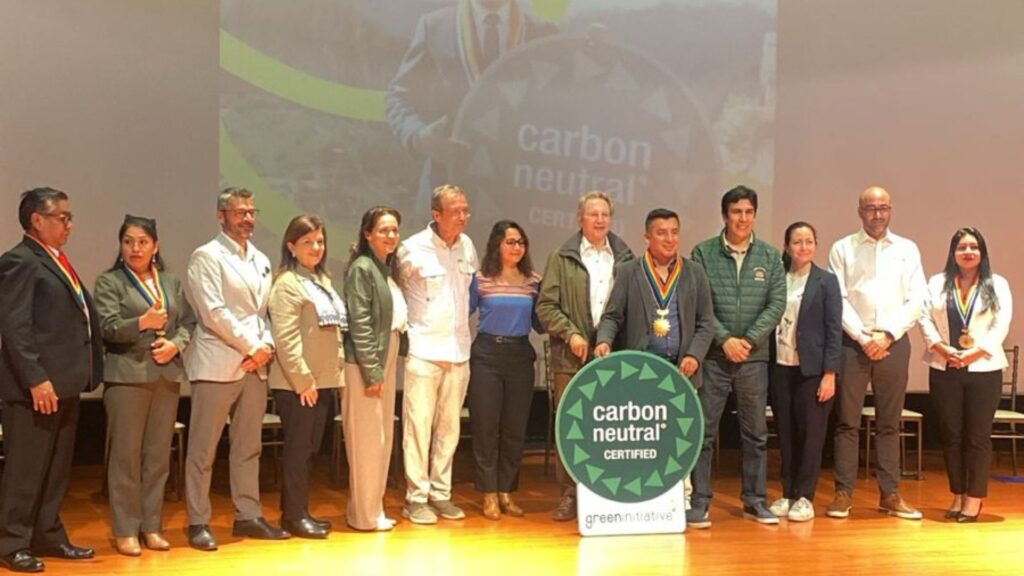
From the heart of the Andes, Machu Picchu once again makes history — not only as a symbol of world heritage, but as a living model of how tourism and climate action can move together toward a shared future. In 2025, the iconic destination achieved its third consecutive Carbon Neutral Certification, granted by Green Initiative, consolidating its leadership in the global movement for climate-positive and nature-positive tourism. A measurable path toward decarbonization Between 2019 and 2024, Machu Picchu achieved a 7.26% reduction in its carbon footprint per tourist, while increasing its carbon capture through reforestation and ecological restoration projects. These results are not symbolic — they are measurable, verifiable, and replicable, proving that the decarbonization of tourism is possible when data, science, and collaboration converge. Behind this achievement lies a rigorous process of measurement, reduction, and compensation aligned with international standards such as the GHG Protocol and IPCC Guidelines. Residual emissions were offset through the retirement of high-integrity carbon credits, ensuring climate integrity and transparency across all levels of reporting. A model built on collaboration The certification reflects four years of work led by the Municipality of Machu Picchu, in collaboration with PROMPERÚ, Inkaterra, AJE Group, BAM (Bosques Amazónicos), SERNANP, Ministry of Culture of Peru (Decentralized Directorate of Culture of Cusco), Tetra Pak, together with partners including CANATUR, LATAM Airlines, MSC, Inka Rail, Peru Rail, Belmond and World Xchange. The process also integrated technical cooperation with UN Tourism, UN Climate Change (UNFCCC), UNCTAD, the Peru Circular Tourism Initiative, the Consulate of the German Embassy in Peru, and the Spanish Agency for International Development Cooperation (AECID). It is a public-private and multilateral alliance that turned ambition into measurable action — a framework now inspiring similar transitions in destinations such as Cabo Blanco, Bonito, and Christ the Redeemer.    Why it matters now A decade after the Paris Agreement, and as the world looks toward COP30, Machu Picchu stands as tangible proof that climate ambition can translate into practical results. Its model merges circular economy practices — such as pyrolysis for biochar production, biodiesel generation from used oils, and recycling of PET plastics, packaging, and glass — with improvements in sustainable mobility through electric vehicles. The integration of these strategies enhances the destination’s resilience to climate change, strengthening its role as a benchmark for regenerative and low-carbon tourism. The entire process follows the principles of transparency and traceability promoted by the Circular Tourism Peru framework, under the commitments of the Glasgow Declaration for Climate Action in Tourism led by UN Tourism. Toward the world’s first Carbon Neutral Tourism Corridor Building on this success, Machu Picchu is now spearheading the creation of the World’s First Carbon Neutral Tourism Corridor, connecting district municipalities from Machu Picchu to Cusco, including Choquequirao. The initiative aims to reduce regional emissions, foster public and private investment, and promote sustainable mobility while creating a more inclusive and climate-smart visitor experience. At the same time, Machu Picchu is expanding its reach through international collaboration with other emblematic World Heritage sites such as Angkor Wat (Cambodia) and Petra (Jordan), to exchange best practices that accelerate the fulfillment of the Paris Agreement and Glasgow Declaration objectives. Voices that inspire global transformation “From the District Municipality of Machu Picchu, we remain committed to continuously monitoring our carbon footprint and promoting policies that foster a circular and regenerative economy in harmony with nature.”— Elvis La Torre, Mayor of Machu Picchu “Through public–private and multilateral collaboration, we can achieve remarkable results in decarbonizing the economy. The experience accumulated here — and that we aim to scale worldwide — shows that tourism and climate action must go hand in hand.” — Gustavo Santos, Regional Director for the Americas, UN Tourism “Machu Picchu’s leadership highlights the impact of years of scientific data collection and standardization. Climate action becomes tangible when grounded in science and collaboration.” — Daniel Galván Pérez, UN Climate Change “Machu Picchu not only represents the greatness of our history and culture, but also Peru’s commitment to a sustainable future. Being the first World Cultural Heritage Site to achieve carbon neutrality is a milestone that reflects how tourism can be a positive force for conservation and development. Today, travelers around the world seek experiences that connect with nature and respect the environment; Machu Picchu demonstrates that it is possible to experience cultural heritage in harmony with the planet. This achievement inspires us to continue promoting tourism that protects, values, and transforms.” — María del Sol Velásquez, Director of Tourism Promotion, PROMPERÚ “The certification of Machu Picchu as a carbon-neutral destination marked a milestone in the environmental management of Peruvian tourism. This achievement opens the opportunity to move toward a more ambitious model, where tourist destinations strengthen their resource efficiency, reduce their carbon footprint, foster innovation, and consolidate the participation of local communities. At MINCETUR, we work to ensure that this example inspires other destinations to advance on the path toward sustainability and resilience, in alignment with the country’s climate commitments.” — Sophia Dávila, Director of the Directorate of Environmental Tourism Affairs, MINCETUR. “Tourism drives growth in many developing countries, but its future must be sustainable. Machu Picchu’s Carbon Neutral Certification is an example that it is possible to align decarbonization goals with economic development, making the sector a true ally of climate action.” — Claudia Contreras, Economic Affairs Officer, UNCTAD “Tourism does not only move economies — it moves memories, territories, and shared purpose. From CANATUR PERU, we promote a collaborative network within the sector that seeks to transform every destination into a node of sustainability, traceability, and resilience. Machu Picchu stands today as the living symbol of this transformation, reminding us that heritage is not simply preserved — it is managed with legitimacy, sensitivity, and a shared vision.” — Carlos Loayza, General Manager, CANATUR “The Carbon Neutral Certification symbolizes what happens when companies act with purpose. At AJE Group, we reaffirm our commitment to solutions that combine innovation, sustainability, and social well-being.” — Jorge Lopes-Dóriga, Director of Communication and Sustainability, AJE Group “For

Machu Picchu Leads Global Climate Action with Its Third Carbon Neutral Certification Read More »

Circular Tourism Peru A Model for Climate & Nature Positive Destinations

Circular Tourism Peru: A Model for Climate & Nature Positive Destinations

The Circular Tourism Peru project, led by the National Chamber of Tourism of Peru (CANATUR), with the support of the Spanish Agency for International Development Cooperation (AECID), the European Union, and the technical partnership of Green Initiative, has emerged as a pioneering model for integrating circular economy principles, climate action, and sustainability into tourism. Cabo Blanco and Machu Picchu: Living Laboratories for Circular Tourism In emblematic destinations such as Cabo Blanco and Machu Picchu, the project has developed technical workshops, carbon footprint assessments, and capacity-building programs for public, private, and community stakeholders. These efforts aim to reduce environmental impacts, promote regenerative practices, and establish replicable models of low-emission, climate-smart tourism across Peru and beyond. Key achievements include: Technical Impacts: From Measurement to Action From a technical standpoint, the project has developed climate performance indicators to measure, reduce, and offset greenhouse gas emissions. It also introduced a methodological guide for circular tourism tailored to Peru’s coastal and marine ecosystems. Initiatives include the promotion of energy, water, and waste efficiency, alongside eco-design practices, material revalorization, and blue economy principles, reinforcing the sustainable tourism value chain across the region. Circular Economy and Sustainability: A New Paradigm for Tourism The circular economy framework seeks to keep resources in use for as long as possible, reduce waste, and regenerate natural systems — replacing the traditional linear model of “take–make–dispose.” Aligned with the principles of sustainability, this approach balances economic, social, and environmental well-being while ensuring resource conservation for future generations. It also strengthens climate action, advancing tangible solutions to mitigate emissions and enhance resilience to climate change. Multisectoral Collaboration: Connecting Tourism, Science, and Community At the heart of the project lies multisectoral collaboration, bringing together diverse actors to drive systemic change: Toward a Replicable Model for the Future of Tourism Circular Tourism Peru demonstrates that sustainability and profitability are not opposing goals, but complementary pillars of the tourism of the future. By integrating science, community, culture, and conservation, the project redefines how destinations engage with climate challenges. With Cabo Blanco and Machu Picchu as living examples, Peru is setting a precedent for climate- and nature-positive tourism — one that not only drives economic prosperity but also restores ecosystems and empowers people. This article was written by Tatiana Otaviano from the Green Initiative Team. Related Reading

Circular Tourism Peru: A Model for Climate & Nature Positive Destinations Read More »