Carbon Neutral

Bonito and Fundtur MS A Strategic Partnership for Global Leadership in Sustainable Tourism

Bonito and Fundtur MS: A Strategic Partnership for Global Leadership in Sustainable Tourism

The Future of Sustainable Tourism in Brazil Begins in Bonito Bonito, one of Brazil’s most renowned ecotourism destinations, continues to solidify its position as a global reference in sustainable tourism. Through a strong collaboration with the Mato Grosso do Sul Tourism Foundation (Fundtur MS), led by Bruno Wendling, Bonito has achieved significant advancements in integrating climate mitigation strategies into its tourism development model. Some of the key milestones include: With this initiative, Bonito becomes the first tourism destination fully aligned with the Glasgow Declaration, presenting a comprehensive investment program for decarbonization. At the forefront of this movement is Juliane Salvadori, Vice Mayor of Bonito, who has played a key role in maintaining the Carbon Neutral certification since her tenure as Tourism Secretary in 2022. “This achievement strengthens our commitment to transforming Bonito into an increasingly sustainable destination, ensuring that tourism here is synonymous with conservation and environmental innovation.” – Juliane Salvadori, Vice Mayor of Bonito and Leader of the Bonito Carbono Neutral Program Knowledge Exchange with Machu Picchu: Sharing Global Best Practices Beyond its local advancements, Bonito has fostered a knowledge exchange program with Machu Picchu, another internationally recognized tourism destination committed to climate action. This collaboration allows for the sharing of mitigation measures and regenerative tourism strategies, reinforcing Bonito and Mato Grosso do Sul’s participation in the global discussion on climate-smart tourism. “Mato Grosso do Sul’s strategy is clear: we want to be a global benchmark in sustainable tourism, and Bonito is the ideal showcase to demonstrate how this is possible. The involvement of the Green Initiative and the actions led by Fundtur MS are key drivers of this transformation.” – Bruno Wendling, President of Fundtur MS Bonito Hosts the International Smart Destinations Fair (FIDI) 2025 In a significant development, Bonito was selected to host the third edition of the International Smart Destinations Fair (FIDI) in 2025, scheduled from March 19 to 22. This event will bring together tourism professionals, entrepreneurs, public managers, and students to discuss innovation, sustainability, and technology in tourism. Hosting FIDI 2025 underscores Bonito’s commitment to positioning itself as a Smart Tourism Destination, integrating governance, sustainability, innovation, technology, and promotion.​ “Securing this event was a strategic move, as we are bringing the most important fair that addresses smart destination models. The public can expect a lot of innovation, knowledge, and exchange of experiences in all aspects that a Smart Tourism Destination encompasses.” – Bruno Wendling, President of Fundtur MS Bonito Carbono Neutro Wins FIDI 2025 Environmental Sustainability Award Highlighting its commitment to environmental stewardship, Bonito Carbono Neutro was honored with the Environmental Sustainability Award at FIDI 2025. This accolade recognizes Bonito’s ongoing efforts in reducing carbon emissions and implementing sustainable tourism practices, further solidifying its status as a leader in environmental conservation.​ Towards COP-30: Bonito on the Global Sustainability Stage The achievements resulting from the collaboration between Fundtur MS and Bonito position the municipality as one of Brazil’s leading success stories to be showcased during COP-30, which will take place in Belém, Pará, in November 2025. This collective effort will contribute to raising awareness among thousands of people in Brazil and worldwide about the importance of climate action and the positive environmental impacts as fundamental pillars for the prosperity and development of smart tourism destinations.​ Bonito’s journey exemplifies how dedicated leadership and strategic partnerships can transform a destination into a global model for sustainable tourism and environmental responsibility. In the Media:

Bonito and Fundtur MS: A Strategic Partnership for Global Leadership in Sustainable Tourism Read More »

Enhancing Climate Action in the Cruise Industry The Role of Green Initiative as a Climate Certifier

Enhancing Climate Action in the Cruise Industry: The Role of Green Initiative as a Climate Certifier

The cruise industry has long been synonymous with luxury travel, breathtaking ocean views, and world-class entertainment. However, it is also increasingly scrutinized for its environmental impact. Cruise ships contribute to CO₂ emissions, air pollution, and marine ecosystem degradation, making their decarbonization a critical priority in global climate action. At the forefront of this transformation is Green Initiative, a global leader in climate certification for the tourism industry. As cruise companies strive to reduce their carbon footprints, Green Initiative provides the expertise, tools, and verification frameworks to support their journey toward reducing their carbon footprints, integrating climate-positive solutions, and leading the industry toward a net-zero future. In this article, we explore how Green Initiative is shaping the future of sustainable cruising by helping companies measure, reduce, and offset their emissions while setting new standards for climate-positive tourism. Why Cruise Ships Must Act on Climate With the growth of the cruise industry, environmental concerns have become more urgent. According to International Maritime Organization (IMO) studies, the shipping sector—including cruise ships—accounts for nearly 3% of global CO₂ emissions. While efforts have been made to improve efficiency, the industry remains heavily reliant on fossil fuels, producing greenhouse gases, sulfur oxides (SOₓ), and nitrogen oxides (NOₓ) that contribute to climate change and air pollution. Some of the biggest environmental challenges in the cruise sector include: Despite these challenges, the cruise industry has a unique opportunity to lead in climate action. The adoption of low-carbon fuels, energy-efficient technologies, and sustainability certifications is rapidly gaining traction. Regulatory and Market Forces Driving Change To accelerate its sustainability efforts, the cruise industry must comply with global, regional, and corporate sustainability regulations. Key Regulations Impacting Cruise Decarbonization: Beyond regulations, market forces and consumer expectations are also shaping the industry’s sustainability journey. Travelers are becoming more eco-conscious, demanding greener options, while investors increasingly favor companies with strong ESG (Environmental, Social, and Governance) commitments. The Role of Green Initiative in Cruise Industry Decarbonization While regulations set the minimum compliance standards, Green Initiative goes beyond by offering a comprehensive climate certification that helps cruise operators measure, reduce, and offset their emissions, enabling a structured transition toward carbon neutrality. 1. Green Initiative’s Climate Certification for Cruise Operators Green Initiative offers three science based climate certification options for cruise lines, providing a structured framework for sustainability and emissions management: Each certification follows a structured three-step process to guide cruise operators toward sustainability: By obtaining any of Green Initiative’s certifications, cruise lines demonstrate transparency, accountability, and leadership in climate action. This reinforces their position in an increasingly sustainability-driven market while contributing to a resilient and environmentally responsible future for the cruise industry. 2. Supporting Cruise Lines in Their Climate Journey While many cruise operators are exploring long-term net-zero strategies, Green Initiative focuses on delivering achievable and impactful carbon neutrality solutions today. This includes: By bridging the gap between current technological capabilities and long-term decarbonization goals, Green Initiative ensures that sustainability actions are tangible, measurable, and aligned with global climate objectives. 3. Collaborations with Ports and Destinations for Sustainable Cruise Tourism Cruise emissions extend beyond the ships themselves, affecting port cities, coastal communities, and marine ecosystems. To address this, Green Initiative is exploring potential collaborations to: Through these prospective collaborations, Green Initiative aims to transform cruise destinations into climate-smart regions, ensuring that sustainability efforts extend beyond the vessels themselves and into the ecosystems and communities they impact. The Way for a Sustainable Cruise Industry Green Initiative’s Carbon Neutral Certification provides the cruise industry with a structured and practical pathway to sustainability, ensuring compliance with global climate goals while maintaining economic viability. By leveraging certification, operational guidance, and multi-stakeholder partnerships, Green Initiative fosters holistic climate action that extends beyond ships to ports, tourism boards, and local communities. Looking ahead, advancing toward Climate Positive Certification offers cruise operators the opportunity to go beyond carbon neutrality, actively contributing to climate restoration and ecosystem regeneration. By prioritizing carbon reduction today and climate-positive initiatives for the future, Green Initiative helps steer the cruise industry toward a more responsible, resilient, and sustainable future. This article was written by Ella Baehringer from the Green Initiative team

Enhancing Climate Action in the Cruise Industry: The Role of Green Initiative as a Climate Certifier Read More »

Best Practices for Achieving Climate and Nature Positive Outcomes in Fisheries and Aquaculture Geen Initiative

Best Practices for Achieving Climate and Nature Positive Outcomes in Fisheries and Aquaculture

Introduction As global awareness of environmental sustainability intensifies, the fisheries and aquaculture sectors are under increasing pressure to adopt climate positive and nature positive practices. Contributing approximately 0.49% of global greenhouse gas emissions, these industries play a crucial role in climate change mitigation, biodiversity preservation, and food security. Unlike terrestrial agriculture, which emits between 400 and 660 million tons of CO₂ annually, aquaculture has a lower carbon footprint due to improved feed conversion rates and the absence of methane-producing land-use changes. Embracing climate certifications—such as climate positive, carbon neutral, and carbon measured—can further support sustainability efforts in these sectors. This article examines the key emission sources in fisheries and aquaculture and highlights practical strategies to reduce their environmental impact. Understanding Climate and Nature Positive Practices Key Emission Sources in Fisheries and Aquaculture 1. Wild Capture Fisheries The primary emissions in this sector stem from fuel consumption in fishing vessels. Additional contributors include: 2. Aquaculture Operations Emissions in aquaculture primarily arise from: Best Practices for Carbon Footprint Reduction A. Wild Capture Fisheries B. Aquaculture Operations The Path Forward: Economic and Environmental Synergy Many carbon-reduction strategies not only help the environment but also improve economic efficiency. For example: Conclusion The fisheries and aquaculture industries are at a turning point. By adopting technological innovations, sustainable management practices, and renewable energy solutions, they can significantly cut their carbon footprints while ensuring long-term food security. With continued investment and industry-wide collaboration, the seafood sector can play a pivotal role in the global fight against climate change. Want to Learn More? Contact Us! At Green Initiative, we help businesses and industries transition toward a climate and nature positive future. Whether you’re looking to reduce your carbon footprint, achieve climate certifications, or improve sustainability in fisheries and aquaculture, our team is here to assist you. Get in touch and let us know if you would like to receive an in-depht technical review on Best Practices for Carbon Footprint Reduction in Fisheries and Aquaculture Operations. This article was written by Matheus Mendes from the Green Initiative Team. Image credits by Marcos Vaena Further Reading on Fisheries Sustainability:

Best Practices for Achieving Climate and Nature Positive Outcomes in Fisheries and Aquaculture Read More »

Sustainability in Hospitality A Competitive Advantage, Not Just Compliance Green Initiative

Sustainability in Hospitality: A Competitive Advantage, Not Just Compliance

Why Sustainability Matters for Hotels and Restaurants Sustainability in hospitality is no longer optional—it’s a strategic necessity for long-term success. As climate action gains momentum worldwide, hotels and restaurants that embrace sustainable practices are securing financial benefits, reducing operational costs, and strengthening brand loyalty. But sustainability isn’t just about meeting environmental goals—it’s about gaining a competitive edge in a rapidly evolving industry. From cutting expenses through energy efficiency to attracting eco-conscious travelers and securing preferential financing, sustainability is reshaping the hospitality landscape. Businesses that integrate climate-smart strategies will thrive, while those that ignore this shift risk higher costs, limited financing options, and declining market appeal. The message is clear: sustainability is no longer just about compliance—it’s the key to long-term profitability and success.. Key Benefits of Sustainability in Hospitality ✅ Cost Reduction – Energy efficiency and waste reduction lower operational expenses.✅ Access to Climate Financing – Hotels with strong sustainability practices can secure preferential loans and investment opportunities.✅ Brand Differentiation – Eco-conscious travelers actively seek sustainable hospitality options.✅ Regulatory Compliance & Future-Proofing – Meeting global climate pledges protects businesses from future regulatory risks. Sustainability as a Competitive Edge in Hospitality Hotels that delay climate-smart strategies risk rising costs, shrinking market appeal, and limited financing options. Sustainability isn’t just a trend—it’s shaping the future of the hospitality industry. Hospitality Sustainability Success Stories 1. SENAC Restaurants, Brazil: A Carbon-Neutral Dining Model SENAC Restaurants in Brazil achieved Carbon Neutral Certification by overhauling their food sourcing strategy. By prioritizing local suppliers, they: ✔ Cut transportation costs✔ Improved menu sustainability✔ Strengthened brand reputation This demonstrates how sustainability and profitability go hand in hand. 2. Inkaterra: A Global Leader in Eco-Hospitality Inkaterra, a pioneer in ecotourism, has integrated climate action into its operations by managing 15,000 hectares of protected forest. Their Climate Certification has: ✔ Strengthened their international reputation✔ Secured climate finance through partnerships like the Inter-American Development Bank (IDB)✔ Improved operational efficiency These case studies highlight that sustainability is not just about reducing emissions—it’s a business growth strategy. The Business-Driven Approach to Hospitality Sustainability Despite misconceptions that climate action is losing momentum, the truth is that sustainability is now a business-driven necessity. The rising costs of energy, food, and waste management make climate-positive initiatives essential for profitability. How to Integrate Sustainability into Your Hospitality Business To stay ahead in the industry, hospitality businesses should consider: 🔹 Carbon Certification for Hotels & Restaurants – Align with climate finance frameworks and secure better investment opportunities.🔹 Energy & Waste Management Strategies – Reduce operational costs while meeting sustainability goals.🔹 Sustainable Sourcing & Eco-Friendly Operations – Attract eco-conscious travelers and corporate clients. Take Action: Future-Proof Your Hospitality Business Hotels and restaurants can gain a competitive advantage by obtaining Green Initiative’s Climate Certificates for tourism, hospitality, and destinations. These certifications help businesses secure financing, improve sustainability performance, and increase market appeal. Download the Free Climate Action Guide for Hospitality Gain valuable insights on integrating climate mitigation strategies into your hotel or restaurant business. 📥 Download the Climate Action Guide Final Thoughts Sustainability is not just an ethical obligation—it’s a smart business strategy. Hotels and restaurants that embrace climate action will thrive, while those that hesitate may struggle with rising costs and diminishing market share. Is your hospitality business ready for the future? Start your sustainability journey today and position yourself as a leader in the evolving hospitality landscape. Get in touch.

Sustainability in Hospitality: A Competitive Advantage, Not Just Compliance Read More »

Bonito: A Carbon-Neutral Ecotourism Destination to Host the 2025 International Sustainability Forum

Bonito: A Carbon-Neutral Ecotourism Destination to Host the 2025 International Sustainability Forum

In May 2025, Bonito, Mato Grosso do Sul, Brazil—a global leader in sustainable tourism—will host the International Sustainability Forum from May 29 to 31. Known for its pristine natural beauty and pioneering environmental initiatives, Bonito is the perfect venue for this pivotal event, which aims to shape discussions around energy transition and green financing ahead of the COP30 climate conference in Belém. Why Bonito? A Model of Regenerative Tourism Bonito is not just a popular tourist destination; it’s a carbon-neutral certified ecotourism hub. In 2022, the city made history by becoming the first tourism destination in the world to earn this certification. This milestone was achieved through a rigorous collaboration between the Fundação de Turismo de Mato Grosso do Sul (FUNDTUR) and Green Initiative, which assessed and mitigated the carbon footprint of its tourism sector. Key climate and nature positive strategies that contributed to this certification include: Additionally, Bonito is home to Climate Positive Ecotourism Businesses such as Grupo Rio da Prata Ecoturismo and Estância Mimosa, which actively work to create a net positive environmental impact. Grupo Rio da Prata offers eco-friendly snorkeling and diving experiences in its pristine rivers, while engaging in large-scale reforestation efforts and water conservation initiatives. Similarly, Estância Mimosa provides guided tours through stunning waterfalls and trails while implementing carbon sequestration through native tree planting and sustainable farming practices. These businesses exemplify Bonito’s dedication to ecotourism and serve as models for sustainability in the global tourism industry. These initiatives collectively reduce Bonito’s environmental footprint and contribute to its goal of becoming a global leader in climate-smart tourism. Mayor of Bonito, Josmail Rodrigues, highlighted the city’s global leadership in sustainability, stating: “Bonito is a global reference for sustainable tourism, and hosting an event of this magnitude reinforces our commitment to environmental preservation and responsible economic development. The International Sustainability Forum will be a unique opportunity to discuss innovative solutions and establish our city as a model of sustainability for Brazil and the world.” The Significance of the International Sustainability Forum The forum will bring together policymakers, environmentalists, scientists, and industry leaders to discuss: Bonito’s role as host is particularly symbolic. Its transformation into a carbon-neutral destination highlights the power of local initiatives to drive global change, setting an example for other regions aiming to balance economic growth with environmental stewardship. Recognized Leadership in ESG Practices Bonito and the state of Mato Grosso do Sul have gained national and international recognition for their sustainability efforts. In December 2024, Mato Grosso do Sul was ranked among Brazil’s top three regions for ESG practices in sustainable tourism by Embratur. This accolade underscores the state’s forward-thinking approach to tourism development and environmental conservation. Specific achievements include: Bruno Wendling, President of FUNDTUR, stated, “Our goal is to position Bonito as a global model for sustainable and regenerative tourism by ensuring every visitor’s experience contributes positively to the environment. Hosting the International Sustainability Forum further solidifies our commitment to this mission.” Bonito: A Destination Worth Protecting Bonito’s unique ecosystems are its greatest treasure. Highlights include: Through carbon-neutral initiatives and sustainable tourism practices, Bonito is setting a precedent for destinations worldwide, showcasing that natural beauty and environmental responsibility can coexist. What to Expect at the Forum The event promises a wealth of opportunities, including: As the world prepares for the COP30 climate conference, Bonito stands out as a beacon of sustainable innovation and environmental leadership. Hosting the International Sustainability Forum in this Carbon-Neutral Certified city not only amplifies its commitment to protecting natural resources but also inspires other destinations to follow suit. Bonito’s story proves that tourism and sustainability can go hand in hand, paving the way for a greener future. By the Green Initiative Team. Suggested reading:

Bonito: A Carbon-Neutral Ecotourism Destination to Host the 2025 International Sustainability Forum Read More »

Olas Perú: The World's First Carbon Neutral Surf School

Olas Perú: The World’s First Carbon Neutral Surf School

On Tuesday, December 17, 2024, the renowned surf school Olas Perú made history by becoming the first surf school in the world to receive Carbon Neutral Certification. This achievement highlights its commitment to sporting excellence and talent development and underscores its dedication to climate action.Green Initiative awarded the certification during a ceremony held at the Municipal Palace of Miraflores, a district internationally recognized as Surf City due to its significance as a tourist and sports destination. Recognition for Climate Action The ceremony brought together prominent representatives from the tourism and sports sectors, including the participation of representatives from the Municipality of Miraflores, the Australian Ambassador to Peru, Maree Ringland and Omar Afa, from Yutong. Joel Koechlin, President of the National Tourism Chamber of Peru (CANATUR), emphasized the importance of climate action, stating: “Today, all businesses have a responsibility to understand their carbon footprint and find solutions to reduce it through our daily activities, raising awareness of its importance and positive impact on the planet.” Similarly, Roberto Meza, General Manager of Olas Perú, highlighted the significance of this achievement for the surfing industry, stating: “The Carbon Neutral certification is a milestone that sets a precedent in our discipline and encourages other organizations in the sector to make changes in favor of the planet.” Surfing and Climate Change: A Local Challenge with Global Impact Climate change is increasingly affecting various industries, including surfing. This thrilling activity, which represents a way of life for many people, faces significant challenges due to environmental impacts and climatic variations. From rising sea levels to shifts in wave patterns, climate change is altering oceans in harmful ways, threatening the future of sport. In this context, Olas Perú, founded in 1992, has embraced climate commitment as an essential part of its identity. With its recent Carbon Neutral certification, the school demonstrates that sustainable practices and climate action can go hand in hand with promoting the sport. Measuring and Offsetting the Carbon Footprint Olas Perú measured and offset its carbon footprint for 2023 as part of a rigorous process adhering to international standards. This process involved calculating the total greenhouse gas (GHG) emissions generated directly and indirectly by the organization during that year. The sources of emissions from Olas Perú’s activities were identified to determine its carbon footprint. These included aspects such as the transportation of materials and people and the use of resources necessary for its operations. This analysis not only quantified the emissions but also identified the primary sources of responsibility, paving the way for progressively implementing mitigation measures and promoting more sustainable practices to reduce the organization’s carbon footprint. Advancing Toward Decarbonization The ceremony also marked a significant step toward decarbonization with Yutong’s delivery of an electric truck. The integration of this vehicle and the implementation of various mitigation measures will significantly reduce greenhouse gas (GHG) emissions in the coming years, reaffirming Olas Perú’s commitment to meeting its climate goals. Omar Afa, Commercial Manager of Yutong, highlighted the importance of this achievement, stating: “This certification is a historic milestone that symbolizes not only an accomplishment but also a commitment to the planet, serving as an example of leadership and vision for everyone.” A Sustainable Future for Surfing With this milestone, Olas Perú strengthens its leadership in promoting surfing and building a more sustainable future for the sport. The school positions itself as a model for other sports organizations, demonstrating that commitment to the environment is as vital as developing athletic skills. Written by Musye Lucen, from the Green Initiative team

Olas Perú: The World’s First Carbon Neutral Surf School Read More »

The Leadership Behind Machu Picchu's Carbon-Neutral Success A Model for Sustainable Tourism - Green Initiative

The Leadership Behind Machu Picchu’s Carbon Neutral Success: A Model for Sustainable Tourism

Machu Picchu, one of the world’s most iconic tourist destinations, has become a global leader in sustainability. Thanks to the visionary leadership of Mayor Elvis Lexin La Torre Uñaccori, this UNESCO World Heritage Site has not only achieved carbon-neutral certification but has successfully renewed it for a second time. His remarkable work in implementing sustainable practices, forging key partnerships, and aligning with global climate and nature positive initiatives inspires tourism leaders worldwide. Pioneering Climate and Nature Positive Tourism As the mayor of Machu Picchu Pueblo, Mayor La Torre has taken bold steps to address the environmental challenges posed by millions of annual visitors. Central to his approach has been adopting climate- and nature-positive strategies, including: These strategies have drastically reduced the town’s environmental footprint, setting a precedent for regenerative tourism—an approach that restores ecosystems while benefiting local communities. Collaborative Leadership with Key Partners Machu Picchu’s success in achieving and maintaining carbon-neutral status showcases the power of collaboration. Under Mayor La Torre’s leadership, the municipality has partnered with prominent organizations to drive impactful initiatives: These partnerships, facilitated by Green Initiative, have helped Machu Picchu achieve a remarkable 18.77% reduction in carbon emissions compared to its 2019 baseline, demonstrating the potential of public-private collaboration in achieving sustainability goals. Commitment to Global Climate and Tourism Frameworks Mayor La Torre has aligned Machu Picchu’s sustainability efforts with key international frameworks, ensuring the site remains a leader in global climate action: These commitments reflect the site’s dedication to fostering a sustainable future for tourism while combating climate change. An Honorable Legacy of Leadership Mayor La Torre’s leadership exemplifies how local governments can drive meaningful change. By integrating climate-positive policies and regenerative practices, he has transformed Machu Picchu into a beacon of sustainable tourism. “Leadership is about action. Let us lead with the purpose of leaving our world better than we found it,” Mayor La Torre has stated. His work safeguards Machu Picchu’s ancient legacy and establishes it as a symbol of hope and resilience for future generations. A Call to Action for Global Tourism Leaders Mayor La Torre’s visionary approach provides a compelling roadmap for leaders of other tourism-dependent regions. By prioritizing regenerative tourism, fostering collaborations with key partners, and committing to international climate goals, mayors and municipal teams can create destinations that thrive economically while preserving their natural and cultural heritage. Machu Picchu’s achievements prove that bold, collaborative leadership can leave a lasting positive impact on the planet. As the world grapples with the effects of climate change, the work of Mayor Elvis Lexin La Torre Uñaccori serves as a testament to what’s possible when we lead with purpose and innovation. Make your destination Climate and Nature Positive, contact us at Green Initiative to learn how we can help your city or region achieve sustainability goals, implement regenerative tourism strategies, and align with global climate frameworks like the Glasgow Declaration. Together, we can build a future where tourism regenerates nature and communities thrive. 🌍

The Leadership Behind Machu Picchu’s Carbon Neutral Success: A Model for Sustainable Tourism Read More »

Reducing the Carbon Footprint: The Impact and Leadership of the Senac Casa do Comércio School Restaurant

In Salvador, Bahia – Brazil, the Senac Casa do Comércio School Restaurant, a benchmark National Service for Commercial Learning (Senac) benchmark project, is setting an inspiring example of how the gastronomy and hospitality sector can lead decarbonization efforts. This school restaurant not only provides high-quality education for its students but is also deeply committed to sustainability, achieving a significant reduction in its carbon emissions per customer served. A Journey Towards Carbon Neutrality In 2022, the Senac Casa do Comércio School Restaurant embarked on its decarbonization journey, aiming to become the first restaurant in Brazil certified as Carbon Neutral by Green Initiative, a leading climate certification company in the tourism sector. The process included: 2023 Achievements: A Significant Step in Decarbonization The success in reducing its carbon footprint in 2023 resulted from several mitigation measures. Key initiatives included: These actions reduced carbon emissions and fostered a culture of efficiency and environmental responsibility among staff. According to 2023 emissions calculations, the restaurant emitted 14.19 kg of CO2 per customer compared to 17.44 kg in 2021 a reduction of 18.64%, exceeding the annual target of 5.5%. Absolute emissions increased from 786.50 to 1089.11 tCO2eq due to a 70.23% rise in customers, but emissions per customer fell significantly, demonstrating planned, responsible resource use. Transparent and Rigorous Methodology Emissions were categorized as follows: Electricity-related emissions (Scope 2) were eliminated in 2023 by exclusively sourcing renewable energy. Calculations adhered to internationally recognized standards, ensuring data accuracy and transparency. Commitment to Sustainability The impact extends beyond the restaurant’s walls. The initiative promotes sustainable practices among staff, students, and customers, influencing the supply chain, tourism sector, and society at large. “Since 2022, we have strived to reduce carbon emissions at the Senac Casa do Comércio School Restaurant by 50% by 2030. This includes sourcing from local small-scale producers and adopting sustainable practices like composting and renewable energy use,” said Kelsor Gonçalves Fernandes, President of the Bahia Trade System. “The work we carry out at the Senac Casa do Comércio School Restaurant is an opportunity to transform the future of our students. At Senac Bahia, we integrate sustainable attitudes into our pedagogical model, training professionals who understand the importance of these practices in their fields of work. Through 360º training, focused on innovative solutions and aligned with the global climate agenda, we are preparing conscientious citizens capable of driving positive changes in the job market. We regularly hold discussions on the topic, address related issues in the classroom, and, beyond that, our students and teachers see the results of theory in practice”, said Ana Rita Marques de Andrade – Regional Director of Senac Bahia Education and Future Goals Senac integrates sustainability into its pedagogy, preparing students to drive positive market changes. This holistic approach fosters innovation and connects to global climate agendas. The restaurant plans to adopt advanced energy-efficiency technologies, expand local ingredient use, and deepen employee and community engagement. Conclusion The Senac Casa do Comércio School Restaurant exemplifies how sustainability can be woven into gastronomy and hospitality. Its efforts meet environmental targets and set a benchmark for excellence and responsibility in the industry. The restaurant inspires others to contribute to a low-carbon economy by combining culinary tradition with sustainable innovation. Related Articles:

Reducing the Carbon Footprint: The Impact and Leadership of the Senac Casa do Comércio School Restaurant Read More »

Green Initiative and Machu Picchu: A Winning Partnership for Climate and Nature Sustainability through Regenerative Tourism

In 2024, Green Initiative proudly received the prestigious title of World’s Leading Sustainable Organisation 2024 at the World Sustainable Travel & Hospitality Awards, largely due to its successful implementation of the Carbon Neutral Certification for one of the World’s most iconic destinations: Machu Picchu. This collaboration highlighted how sustainability and responsible tourism can directly impact the global tourism landscape and also contributed to Machu Picchu’s recognition as the World’s Leading Tourist Attraction 2024 for the sixth time (2017, 2018, 2019, 2021, 2022, and 2023) at the World Travel Awards. This event, considered the ‘Oscar of Tourism,’ also awarded Peru as the ‘World’s Leading Cultural Destination‘ and the ‘World’s Leading Culinary Destination.’ The Commission for the Promotion of Peru for Exports and Tourism – PromPerú (awarded as Best Latin American Tourism Authority Website 2024 in the prestigious World Travel Tech Awards) enthusiastically announced the achievements. In addition to its status as a UNESCO World Heritage Site, this citadel stands as a cultural, historical, and architectural symbol of the ancient Inca Empire. Ricardo Limo, Executive President of PromPerú, highlighted the significance of these awards: “These recognitions are a testament to the continuous work of the public and private sectors, and of all Peruvians who share the best of our country with the world.” Machu Picchu, already a symbol of ancient history and breathtaking natural beauty, took another critical step forward by achieving Carbon Neutral certification through Green Initiative’s specialized sustainability program. This certification recognizes the extraordinary efforts of local stakeholders, including the government, tourism operators, and conservationists, to reduce carbon emissions and minimize the environmental footprint of this UNESCO World Heritage site, and also put in place a mitigation plan for decarbonization. “Machu Picchu stands as the world’s first natural and cultural wonder to achieve carbon neutrality, showcasing that sustainable tourism and decarbonization can and must go hand in hand—a global symbol of environmental leadership.” – Gustavo Santos, Regional Director for the Americas, World Tourism Organization “The experience of Machu Picchu as a signatory of the Glasgow Declaration can be a reference for other tourist destinations in Peru and around the world. In addition to being a natural and cultural treasure, Machu Picchu is also an inspiring example of how the growth of tourism and decarbonization can and should go hand in hand.” – Sofia Gutierrez, Deputy Director of Sustainable Tourism at UN Tourism “Machu Picchu, one of the 13 World Heritage sites that Peru has, is an inspiring example of how tourism can be integrated with climate action, thus contributing to the sustainability and conservation of World Heritage.” – Jose Salazar Ríos, Coordinator of the Culture Sector at UNESCO Peru “As a pioneer of regenerative tourism in Peru, Inkaterra is committed to conserving the natural heritage of Machupicchu,” states José Koechlin, founding president of Inkaterra. “This alliance is a success story about the goals that can be achieved when public and private sectors work hand in hand. With the support of the local community, the first destination in Latin America with a circular economy has been achieved. We Peruvians enjoy the privilege of having this cultural and natural heritage of humanity, which entails the great responsibility of caring for it for future generations.” “We are proud to announce that Machupicchu renews its ‘First Carbon Neutral’ certificate. This achievement represents a significant milestone in our effort to promote circular economy models and sustainable cities, where for example, we give new life to bottles, such as Cielo Alcalina which is made 100% from recycled bottles,” says Jorge López-Doriga, Chief Communications and Sustentability Officer in AJE Group. The Carbon Neutral certification process involved: Through these efforts, Machu Picchu became a beacon of sustainability in tourism, setting a precedent for other destinations worldwide. This achievement is even more significant because the Travel Awards recognized Machu Picchu for its historical and cultural value and commitment to environmental preservation. The certification played a special role in this decision, underscoring the growing importance of sustainable tourism practices in shaping the future of global travel. A Turning Point for Sustainable Tourism Recognizing Green Initiative and Machu Picchu at the World Sustainable Travel & Hospitality Awards and the World Travel Awards signals a turning point in the tourism industry. Sustainability is no longer an afterthought—it has become a key factor in defining a truly world-class destination. Tourists, travelers, and travel companies are increasingly prioritizing eco-consciousness, and destinations like Machu Picchu are leading the way. By embracing Climate and Nature Positive initiatives, they demonstrate that environmental stewardship and tourism can go hand in hand. The Carbon Neutral certification contributed to Machu Picchu’s award and helped boost its reputation as a responsible, forward-thinking destination. It’s a testament to how partnerships between environmental experts like Green Initiative and iconic sites like Machu Picchu can drive meaningful change. With sustainable practices now at the core of the global travel industry, other destinations around the World are following suit, inspired by the success of Machu Picchu’s journey towards sustainability. The Path Forward: Working Hand in Hand with the Private Sector Partnerships with the private sector have transformative power in driving high-impact sustainable initiatives. The renewal of Machu Picchu as a Carbon-Neutral Destination is proof of this. This achievement was made possible through the efforts of AJE Group, a Peruvian multinational beverage company that has operations in over 20 countries, alongside strategic allies such as Inkaterra, the Municipality of Machu Picchu, and Tetra Pak. This project included the installation of a biodiesel plant to reuse used cooking oil, a pyrolyzer to convert organic waste into biochar, compactors for plastics, and a glass crusher, transforming waste management in the citadel. These actions not only significantly reduced the site’s environmental footprint but also strengthened its position as a global reference in sustainability and environmental commitment. As Green Initiative continues to work with destinations around the World to achieve Carbon Neutral certification, the focus remains on creating a long-lasting impact. The success of Machu Picchu demonstrates that with the right support and commitment, any destination—no matter how iconic—can

Green Initiative and Machu Picchu: A Winning Partnership for Climate and Nature Sustainability through Regenerative Tourism Read More »

How COP29 is Transforming Tourism, Transport, and Urbanization for a Climate Positive Future

How COP29 is Transforming Tourism, Transport, and Urbanization for a Climate and Nature Positive Future

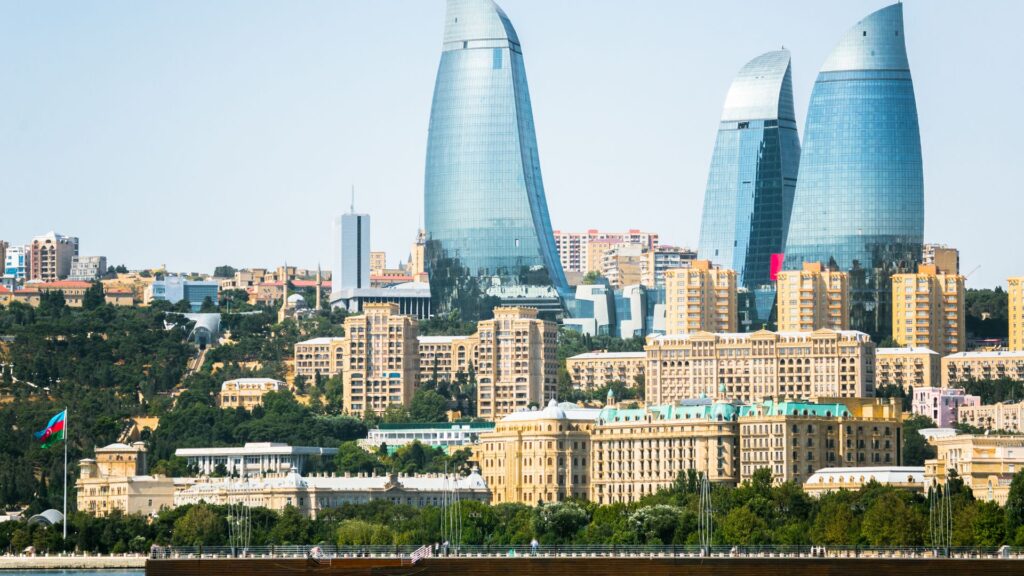
On November 20, 2024, COP29 in Baku, Azerbaijan, marked a transformative moment in global climate action by dedicating a day to critical sectors shaping our climate future: tourism, transport, and urbanization. With two groundbreaking declarations, the conference showcased a vision of sustainability that integrates innovation, cross-sector collaboration, and a commitment to leaving the planet better than we found. This Tourism Takes Center Stage with Climate Commitments The COP29 Declaration on Enhanced Climate Action in Tourism highlights tourism’s dual identity as a vital economic force and a key partner of the climate change global challenges for mitigating greenhouse gas emissions supporting the Paris Agreement goals. This initiative seeks to redefine the sector, steering it toward a more sustainable and climate-positive future as a result of the determination and global leadership of the UN Tourism Executive Director Zoritsa Urosevic and her team, who have mobilized the interest of UN Tourism member states from around the world to raise awareness to connect tourism with climate and nature positive action. Complementing this leadership is the outstanding contribution of Virginia Fernandez-Trapa, Programme Coordinator for Sustainable Tourism and Resilience at UN Tourism. Her advocacy for climate and regenerative action has been instrumental, building on milestones like the Glasgow Declaration to achieve this significant breakthrough. Key commitments in the declaration include: Zurab Pololikashvili, Secretary-General of the UN World Tourism Organization, emphasized the sector’s potential to drive transformative change through innovation, decarbonization, and regenerative practices. Resilient Cities Through Cross-Sector Collaboration Urbanization, a defining feature of modern life, was addressed by launching the COP29 Multisectoral Actions Pathways (MAP) Declaration for Resilient and Healthy Cities. Developed in partnership with UN-Habitat, the MAP Declaration lays the groundwork for building sustainable, inclusive urban environments. This initiative promotes: Mukhtar Babayev, COP29 President, highlighted the critical role of collaboration, stating, “These initiatives are about enhancing the quality of life while addressing the profound challenges posed by climate change.” The commitments made during COP29 underline the importance of addressing economic, social, and environmental dimensions together, with a shared vision of a sustainable future for people and the planet. Green Initiative: Leading the Way in Regenerative Travel and Climate Certification While COP29 sets the stage for global action, organizations like Green Initiative are translating these goals into tangible outcomes on the ground. Through regenerative tourism, climate certifications, and nature positive strategies, the Green Initiative team helps businesses and destinations make measurable progress toward sustainability. Regenerative Tourism Regenerative tourism is a transformative approach that aims to leave destinations better than they were found. By restoring ecosystems, enhancing community well-being, and reducing carbon footprints, regenerative tourism shifts the focus from sustaining to actively improving environments. A prime example is Machu Picchu, where Green Initiative’s support helped the historic site achieve carbon-neutral certification. This included waste management improvements, renewable energy integration, and reforestation efforts in surrounding areas. Similarly, Bonito, a globally renowned ecotourism destination in Brazil, has embraced regenerative principles by achieving carbon-neutral certification with the help of Green Initiative. Bonito’s initiatives include protecting vital freshwater ecosystems, promoting biodiversity conservation, and implementing sustainable visitor practices to ensure long-term environmental resilience while supporting the local economy. Climate and Nature Positive Certifications Green Initiative offers certifications that help businesses and destinations go beyond carbon neutrality, designed to empower businesses, destinations, and organizations to demonstrate and enhance their sustainability efforts. These certifications are essential for ensuring measurable, transparent progress toward sustainability goals. From tourism operators to urban planners, the Green Initiative provides tools to align operations with global climate objectives. Join the Movement Interested in making your organization a leader in sustainability? The Green Initiative provides a clear path to certification and actionable strategies for regenerative practices. Contact us today to learn how your business or destination can make a lasting, positive impact. Get in Touch!

How COP29 is Transforming Tourism, Transport, and Urbanization for a Climate and Nature Positive Future Read More »