Success Case CEPA – Forest Friends Accelerator
7,027
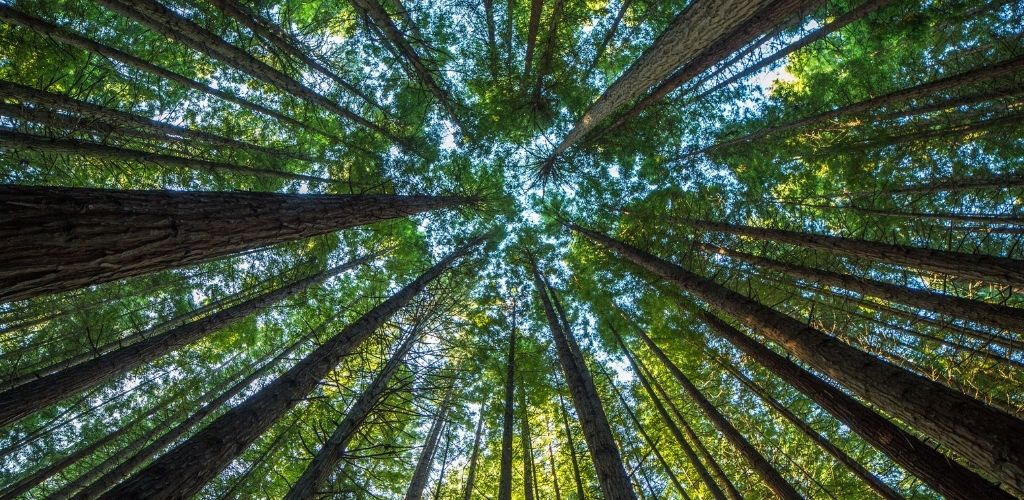
NATIVE TREES PLANTED 2019–2024
3,569t
TCO₂ AVOIDED VIA CERTIFIED CERS
150+
UNIVERSITIES INVOLVED WORLDWIDE
2.5%
OF GLOBAL TERRESTRIAL BIODIVERSITY (OSA)
Overview
Established in 1997, CEPA (Customized Educational Programs Abroad) and its non-profit CEPA Foundation are based in Ingersheim, Germany, focused on university-level summer and semester study abroad programs. In 2018, CEPA evaluated its contribution to the climate crisis and committed to integrating climate and nature-positive action across its operations. Today, CEPA partners with 150+ universities across North and South America through a strategic alliance with Green Initiative’s Forest Friends ecosystem restoration program — earning the Forest Friends Accelerator certification for its commitment to restoring degraded lands into wildlife corridors in biodiversity hotspots. For each enrolled student, CEPA plants one native tree and supports the avoidance of 0.5 tCO₂eq — connecting study abroad education directly to measurable climate and nature outcomes.
Challenge
CEPA needed to move its educational model beyond conventional sustainability and into regenerative practice — integrating ecosystem restoration and community well-being into its core value proposition for 150+ partner universities. The challenge was to create a program that was credible, transparent, and demonstrably impactful: one where universities and students could see real climate and nature outcomes tied directly to their enrollment, rather than generic offsetting claims.
GI's Approach
Green Initiative structured a per-student commitment model through the Forest Friends program: one native tree planted and 0.5 tCO₂eq avoided for every enrolled student, verified through Certified Emissions Reductions (CERs). Restoration focuses exclusively on the Osa Peninsula, Costa Rica — a globally recognized biodiversity hotspot where GI and Saimiri Foundation identify key habitat fragmentation areas within national parks and biological corridors.
Carbon Footprint — Key Findings
7,027 trees
Native species planted in the Osa Peninsula — including species that support the endangered Squirrel Monkey (Saimiri oerstedii) and other primates
3,569 tCO₂
Emissions avoided through Certified Emissions Reductions (CERs) — transparently verified and reported to all partner universities
Forest Friends
Accelerator certificate earned for commitment to restoring degraded lands into wildlife corridors in globally recognized biodiversity hotspots
NAFSA Impact
Presented at one of the world’s foremost international education conferences — partner universities impressed by quality, transparency and rigor of the program
"“I have seen other organizations planting trees and sending certificates. However, none of them have the transparency Green Initiative and Saimiri Foundation offer. The participant universities at NAFSA were impressed with the quality of the work that has been done.”"
GI Services Deployed