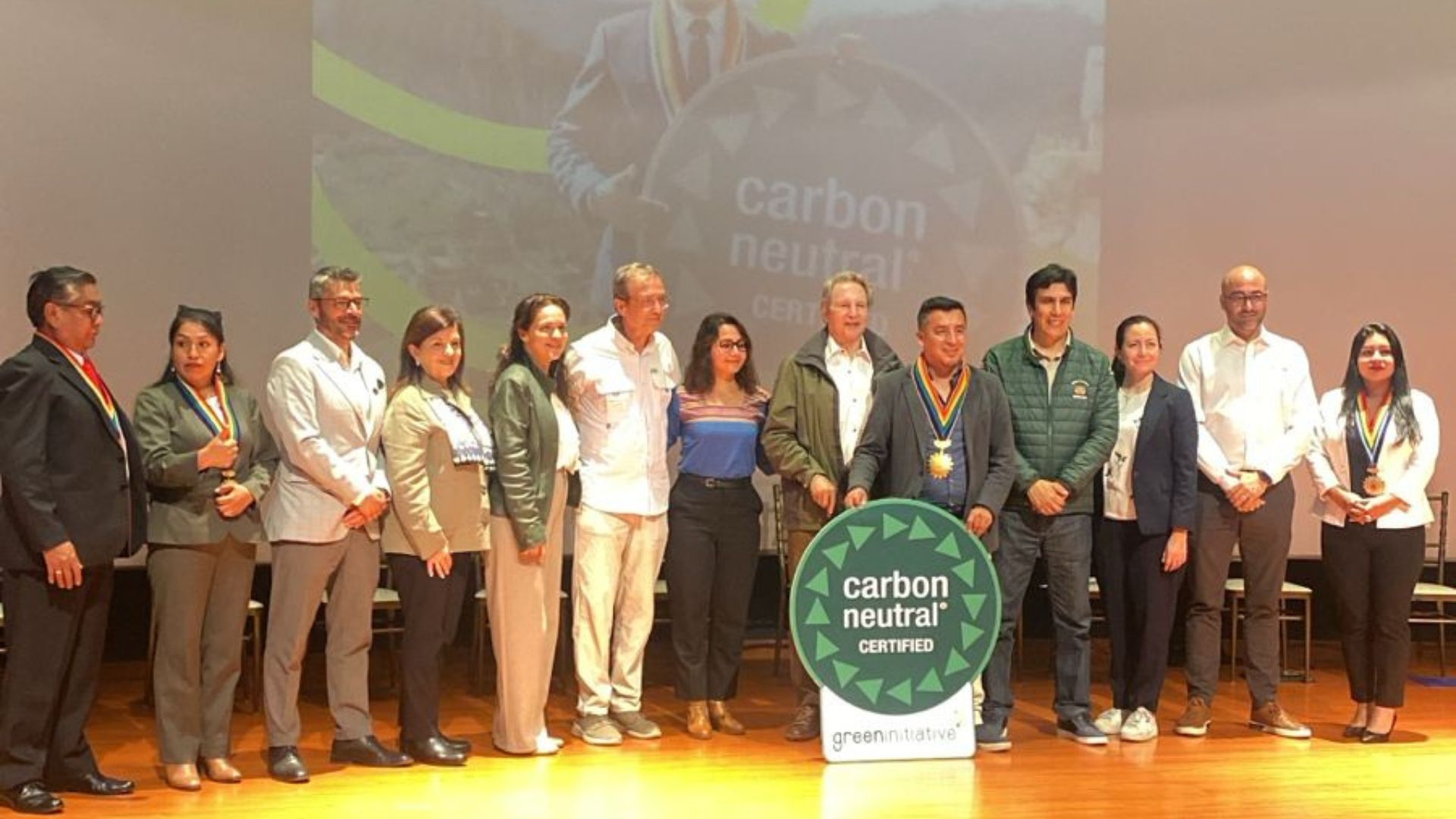

In a significant step forward for international climate action, Peru has strengthened its position as a leader in sustainable tourism. As recently highlighted by UN Tourism’s One Planet Network, the country is expanding its commitment to the Glasgow Declaration through the inclusion of four new strategic actors.
This milestone follows the technical standard set by Machu Picchu, which recently achieved its third Carbon Neutral certification. The new signatories—Continental Travel, the District of El Alto (Piura), Parque de las Leyendas (Lima), and Ollantaytambo (Cusco)—represent a multi-sectoral commitment to decarbonization, biodiversity, and cultural heritage.

Strategic Pathways By joining the declaration, these entities commit to the five strategic pathways: Measure, Decarbonize, Regenerate, Collaborate, and Finance. This collective effort aims to halve global tourism emissions by 2030 and reach Net Zero as soon as possible before 2050.
The transition is supported by technical frameworks provided by Green Initiative (known as GI International or GI in Brazil), ensuring that climate goals are met with technical rigor and measurable results.
The official announcement and detailed insights can be found at the One Planet Network / UN Tourism website here.

Prepared by Yves Hemelryck from the Green Initiative Team.
FAQ: Understanding Climate Action in Global Tourism
It is a global framework led by UN Tourism to align the sector with the Paris Agreement. Signatories commit to halving carbon emissions by 2030 and reaching Net Zero by 2050 through five strategic pathways: Measure, Decarbonize, Regenerate, Collaborate, and Finance.
Being a signatory is a formal commitment to transform business operations. It is not just a pledge; it requires organizations to deliver a concrete Climate Action Plan within 12 months of joining. This plan must demonstrate how the organization will contribute to the global goal of halving emissions by 2030 and reaching Net Zero by 2050.
To ensure a holistic approach, the UN Tourism framework requires action across five specific pillars:
Measure: Calculate all greenhouse gas emissions resulting from tourism activities.
Decarbonize: Implement physical changes to reduce those emissions (e.g., renewable energy, waste reduction).
Regenerate: Restore ecosystems and biodiversity to increase carbon sequestration.
Collaborate: Share risks and solutions with partners and local communities.
Finance: Ensure that resources are allocated to make these climate goals achievable.
Carbon Neutrality is achieved through a technical balance. First, the total carbon footprint (emissions from transport, waste, energy) is measured. Second, the destination implements reduction strategies. Finally, any remaining emissions are “balanced out” through carbon offsets—such as the massive reforestation project in the Machu Picchu Historical Sanctuary.
Climate change cannot be solved by one hotel or one airline alone. The inclusion of diverse actors like Continental Travel (corporate), Parque de las Leyendas (biodiversity), and local governments like El Alto and Ollantaytambo shows that the entire tourism “value chain” is moving together. This creates a “network effect” where each player’s sustainability makes the entire destination more resilient.
International standards require “technical rigor” to avoid greenwashing. Technical partners like Green Initiative act as the scientific bridge. They provide the carbon auditing, the engineering for reduction plans, and the certification frameworks that are recognized by international bodies like the UN, ensuring that a “Green” claim is backed by verified data.
The educational path starts with Measurement. You cannot manage what you do not measure. By identifying where the most carbon is emitted, an organization can prioritize the most cost-effective and impactful changes. Partnering with experts to create a roadmap ensures that the organization meets the standards of the One Planet Network from day one.