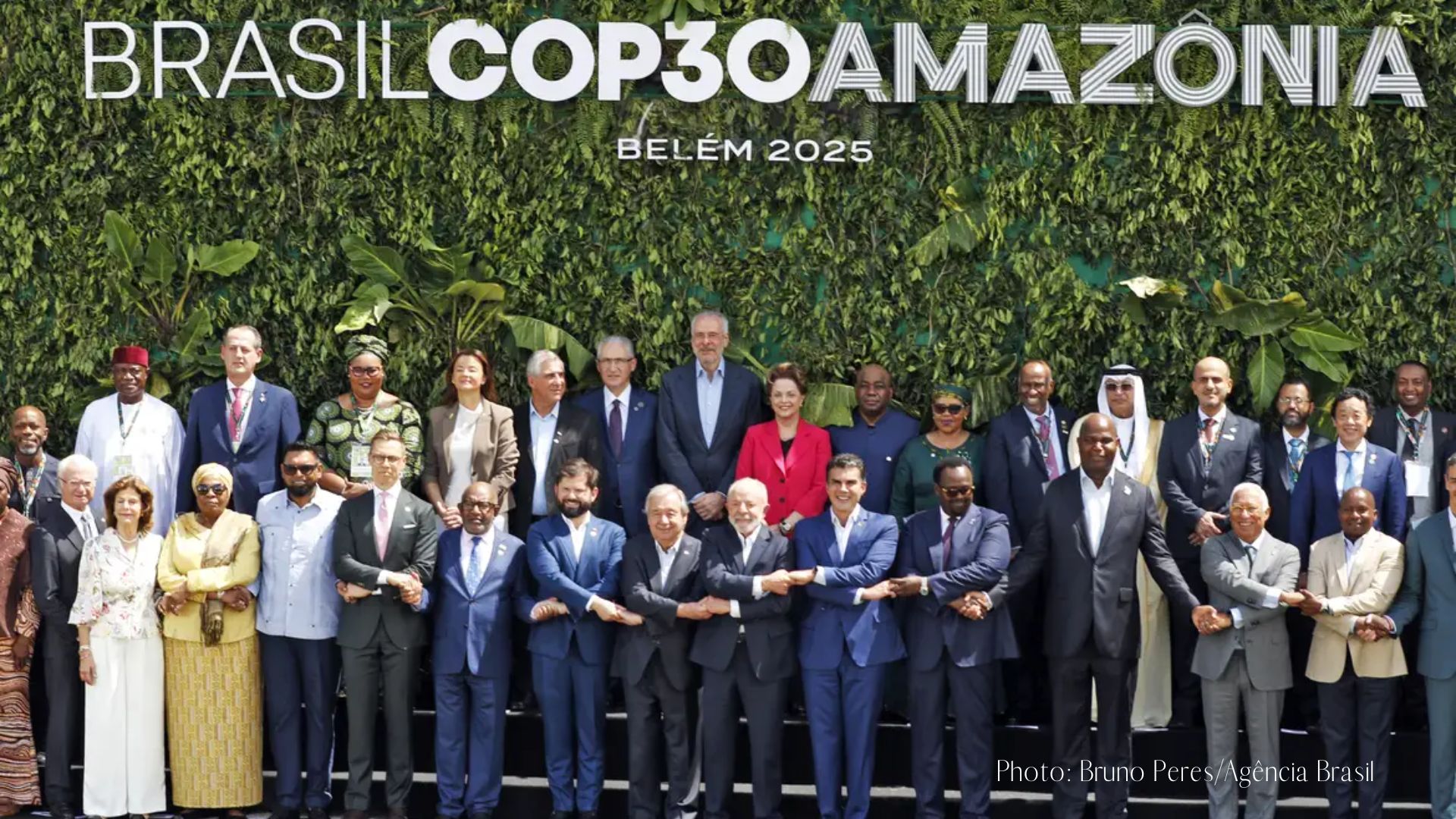

As the 30th United Nations Climate Change Conference (COP30) unfolds in Belém do Pará, the world is witnessing more than another round of climate negotiations. Brazil’s Amazonian capital has become the epicenter of a broader conversation — one that positions the climate emergency not only as an environmental crisis, but as a crisis of inequality.
“The climate emergency is a crisis of inequality. It deepens the perverse logic that defines who is worthy of living and who must die.”
— President Luiz Inácio Lula da Silva, Opening Speech, COP30 (Agência Brasil)

From Promises to Implementation
For years, global summits have revolved around targets and pledges. COP30, however, marks a turning point. The host country is insisting that implementation must now take center stage.
President Lula reminded delegates that climate change is “no longer a threat of the future — it is a tragedy of the present,” pointing to unprecedented floods, hurricanes, and droughts across Latin America and beyond. The call echoes a sentiment shared by UN Secretary-General António Guterres, who told delegates that missing the 1.5 °C target is “a moral failure” (The Guardian).
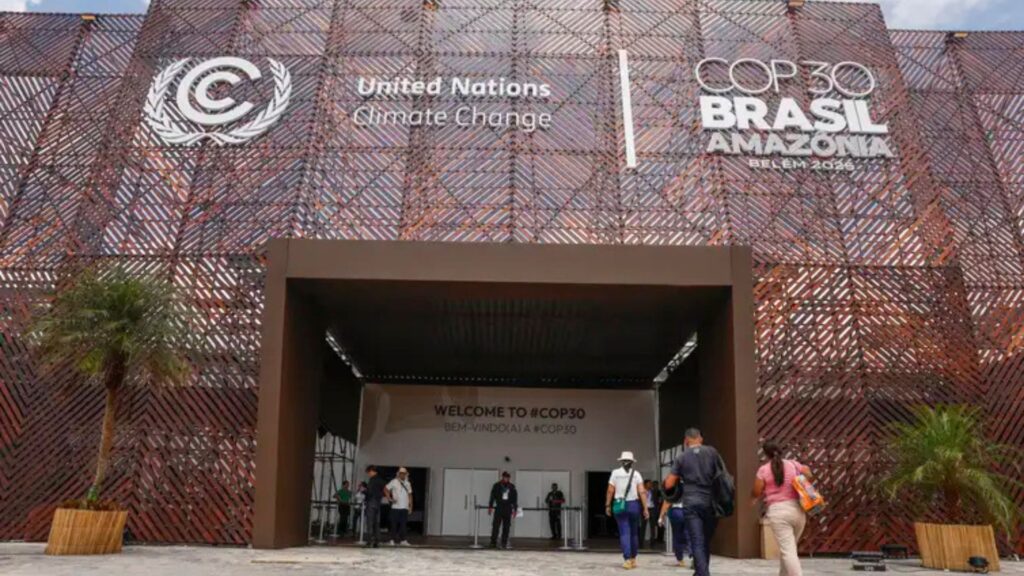
Brazil’s presidency of COP30 is therefore centered on “turning commitments into reality.” The country’s national plan, AdaptAÇÃO, unveiled at the conference, aims to strengthen climate resilience across municipalities — particularly those most vulnerable to extreme weather events in Brazil’s North and Northeast. With more than 92 % of Brazilian cities having experienced climate-related disasters between 1991 and 2024, adaptation is not an option; it is survival.
Inequality at the Core of Climate Action
The framing of COP30 as a climate-justice summit is no coincidence. The Belém Declaration, adopted by 43 countries and the EU, links climate action explicitly with the fight against hunger and poverty. It recognizes that those who contributed least to global emissions are suffering the most — from farmers in semi-arid regions to coastal and Amazonian communities displaced by floods.
In a year marked by widening inequality and deepening migration crises, this message resonates strongly. “To be climate-positive,” said one delegate, “we must first be equity-positive.”
At Green Initiative, this principle aligns deeply with our mission: ensuring that climate certifications, ecosystem restoration, and sustainable tourism models not only reduce emissions but also strengthen the livelihoods of those protecting nature on the frontlines.
The Amazon as a Living Laboratory
Holding COP30 in the heart of the Amazon carries profound symbolism. It is a reminder that global climate stability depends on local ecosystems — and on the communities that inhabit and safeguard them.
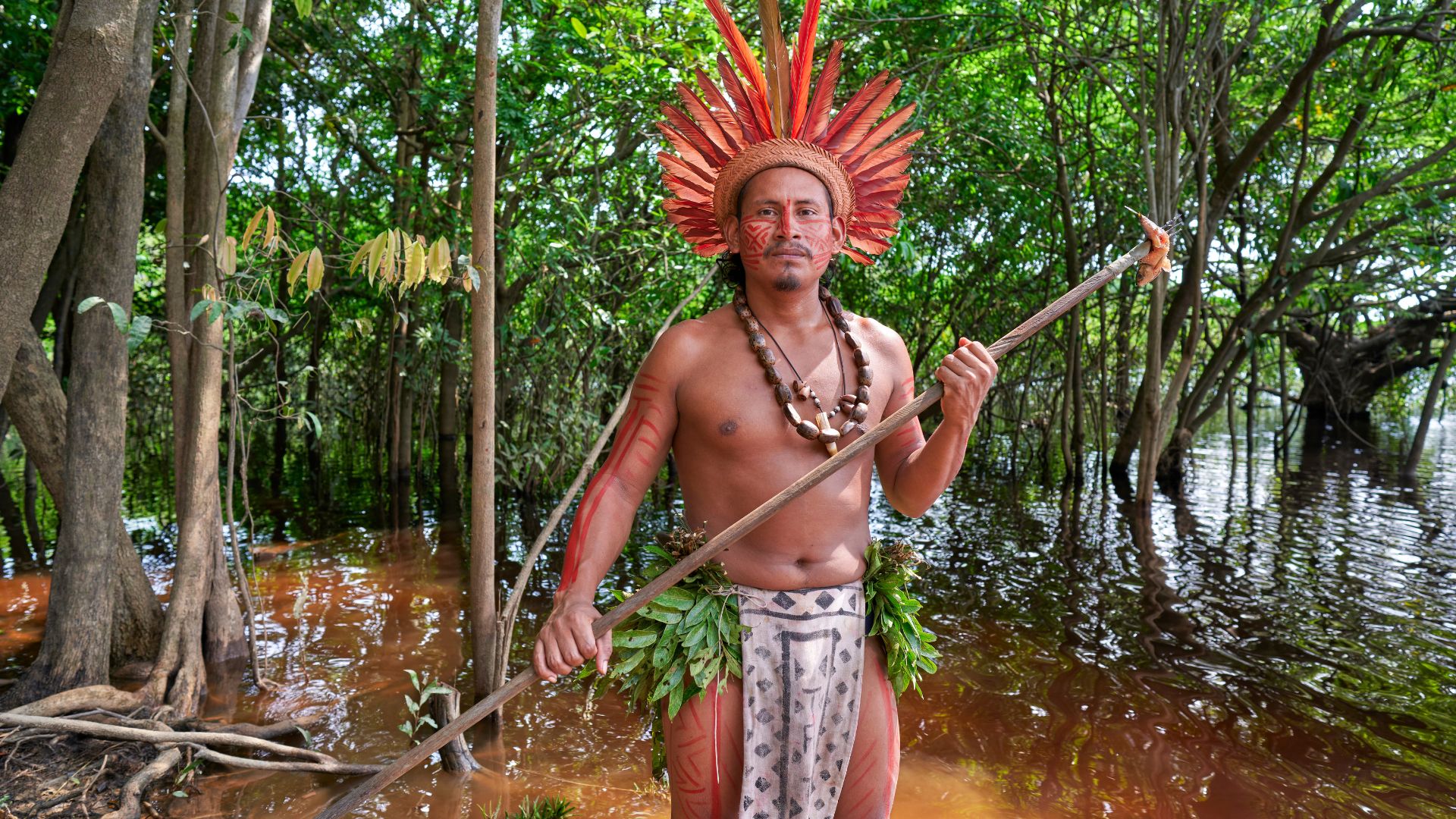
Indigenous leaders from across Brazil and the region took the stage to emphasize their role as guardians of biodiversity and culture. Their presence is a corrective to decades of marginalization: a clear statement that there can be no climate justice without indigenous justice.
Brazil’s Amazon strategy, while ambitious, faces contradictions. While the government showcases renewable energy, forest conservation, and indigenous engagement, critics point to ongoing debates about oil exploration near the Amazon delta — a reminder of the tension between development and planetary boundaries (Le Monde).
Global Momentum, Local Realities
Beyond Brazil, COP30 has drawn urgent interventions from leaders worldwide. Spanish Prime Minister Pedro Sánchez reminded delegates that climate change has already “claimed more than 20,000 lives in Spain over the past five years,” while small-island nations again demanded debt relief and loss-and-damage funding mechanisms to adapt to rising seas.
Despite this progress — with the UN’s latest NDC Synthesis Report projecting a 12 % global emissions drop by 2035 — scientists warn that the world remains on track for at least 2.3 °C of warming.
The gap between ambition and implementation remains the defining challenge of our time.
A Call for Action and Partnership
For the Green Initiative, COP30 underscores the need for verified, community-led, and traceable climate solutions — from climate-positive travel to certified ecosystem restoration.
Every tree planted, every destination decarbonized, and every partnership forged contributes to aligning climate- and nature-positive action with social inclusion.
As the summit’s debates unfold in Belém, one truth stands out: the path to net-zero must also be a path to fairness. Because a sustainable world is impossible without justice — and true climate justice begins by recognizing that fighting climate change means fighting inequality.

This article was written by Yves Hemelryck from the Green Initiative Team.